

Involute Gear Cutters Module Set (M0.3–M8, PA20°) – 2026 Precision Gear Manufacturing Guide for Industrial Automation Engineers
1. Strategic Overview: Why Involute Gear Cutters Are Critical in 2026
In 2026, the global involute gear cutter market is projected to surge at a CAGR of 11.7%, climbing from USD 150 million (2024) toward an estimated USD 250 million by 2033. This explosive growth is fueled by three transformative forces converging on factory floors worldwide: IT/OT convergence, sustainability mandates, and the relentless demand for predictive maintenance-ready tooling.
The Koeed 8-Piece Involute Gear Cutter Set (Module 0.3–8, PA20°, Bore 16–135) is engineered precisely for this new industrial paradigm. Whether you're operating a legacy Bridgeport-style milling machine or a fully integrated CNC cell with real-time ERP connectivity, this cutter set delivers the geometric fidelity that modern gear trains demand — from servo-driven robotic joints to high-torque wind turbine pitch drives.
📊 2026 ROI Snapshot
Market CAGR (2026–2033): 11.7% — early adopters of precision gear tooling capture disproportionate margin gains.
TCO Reduction: HSS involute cutters with proper maintenance achieve 40–60% longer service life versus commodity-grade alternatives, translating to €1,200–€3,800 annual savings per production cell.
Sustainability Impact: Precision-ground 20° pressure angle profiles reduce material waste by up to 18% compared to re-ground legacy tooling.
2. Technical Deep-Dive: Understanding the Koeed 8-Piece Involute Gear Cutter Set
At the heart of every reliable power transmission system lies a precisely cut involute gear profile. The involute tooth form — celebrated since Leonhard Euler's mathematical formalization — remains the undisputed gold standard for 2026 industrial gearing because it guarantees constant velocity ratio even under minor center-distance variations. The Koeed involute gear cutter set embodies this principle with CNC-ground flutes, premium HSS substrate, and a standardized 20° pressure angle — the globally dominant standard for industrial power-transmission gearing.
2.1 What's in the Set?
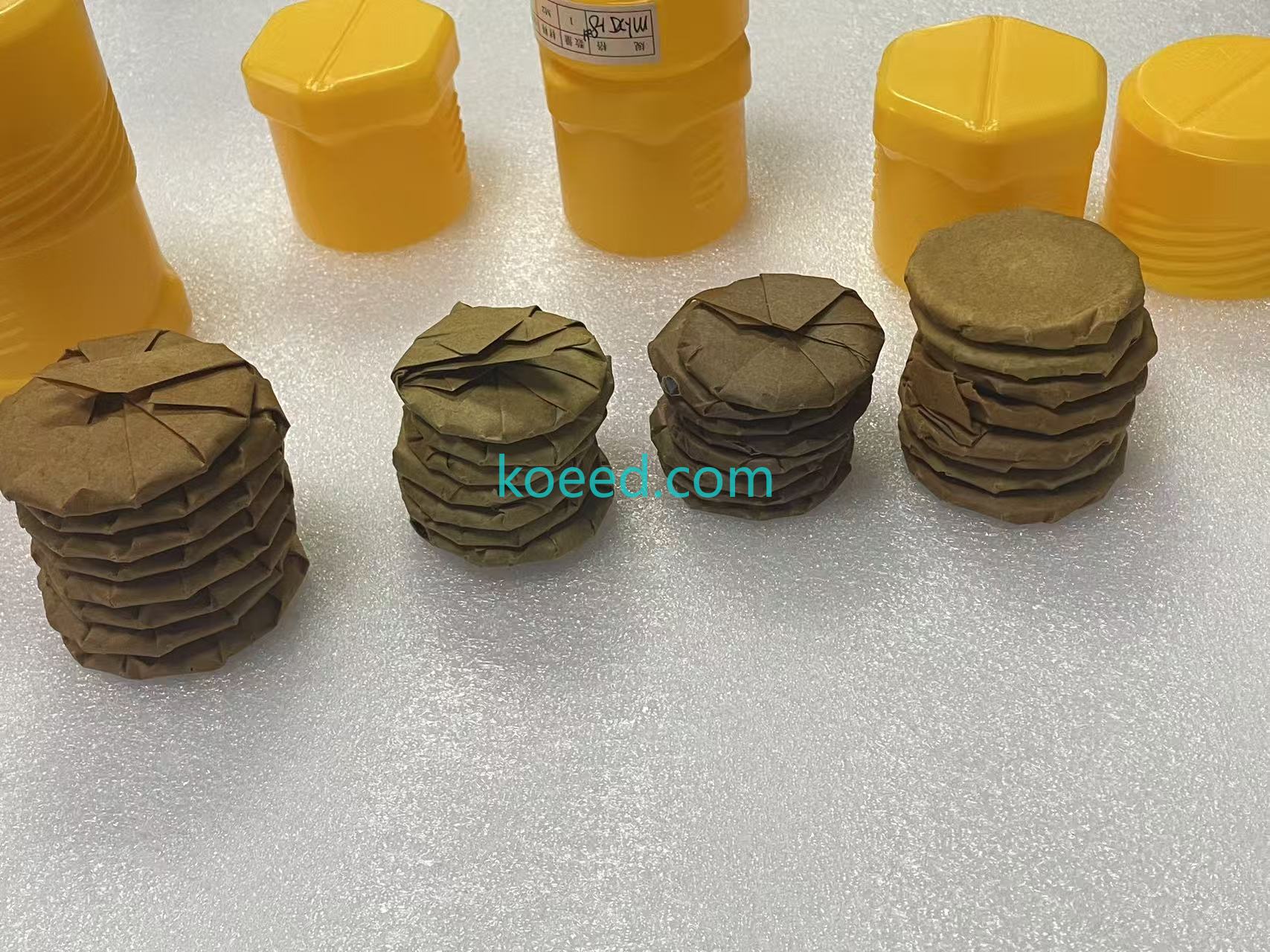
This comprehensive 8-piece kit covers the most frequently specified gear modules in discrete manufacturing:
| Cutter No. | Module (M) | Tooth Range | Pressure Angle | Bore (mm) | Typical Application |
|---|---|---|---|---|---|
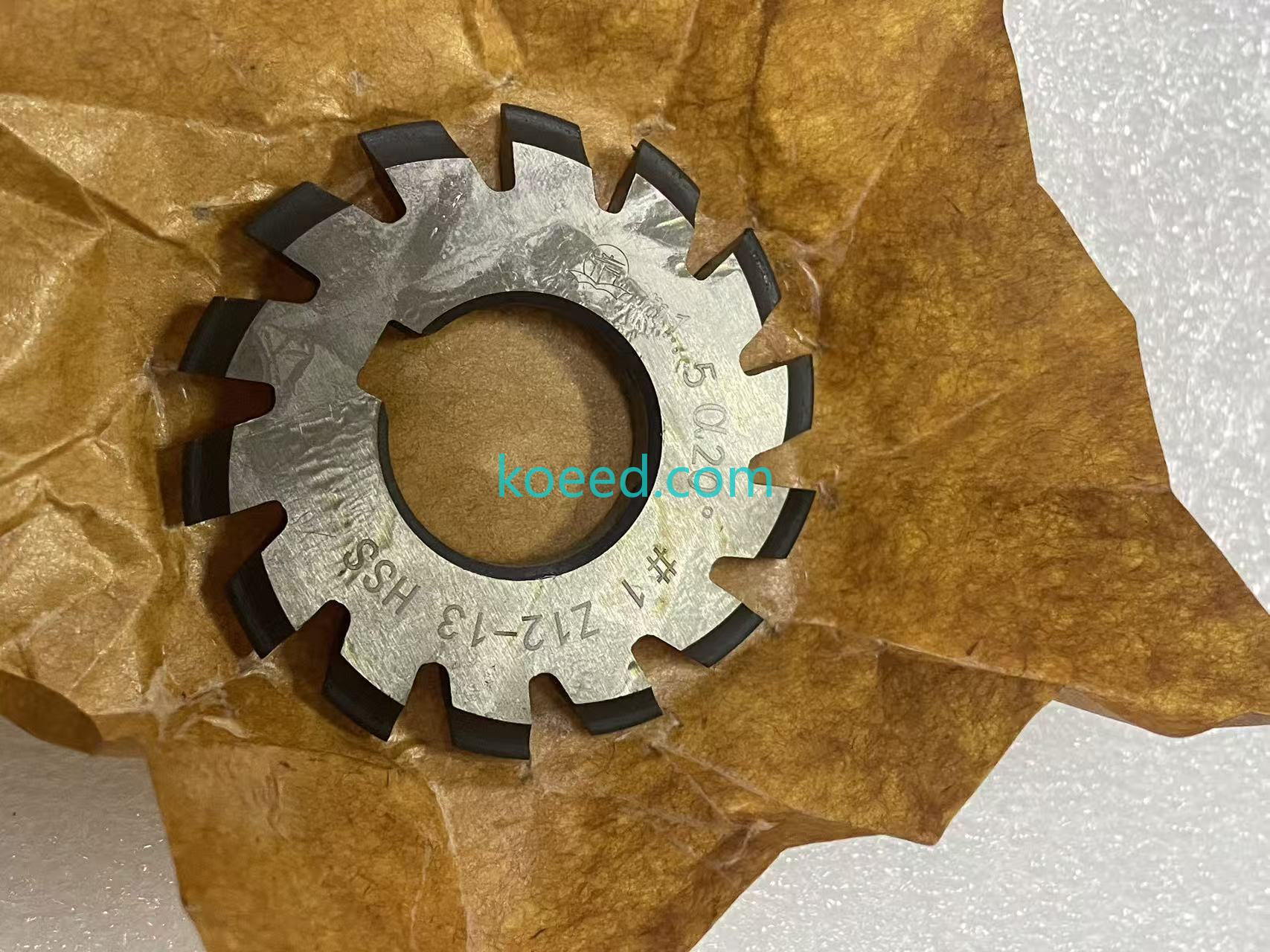
| #1 | 0.3 | 12–13 Teeth | 20° | 16 | Fine-pitch instrument gears, encoders |
| #2 | 0.5 | 14–16 Teeth | 20° | 22 | Small servo gearboxes, medical devices |
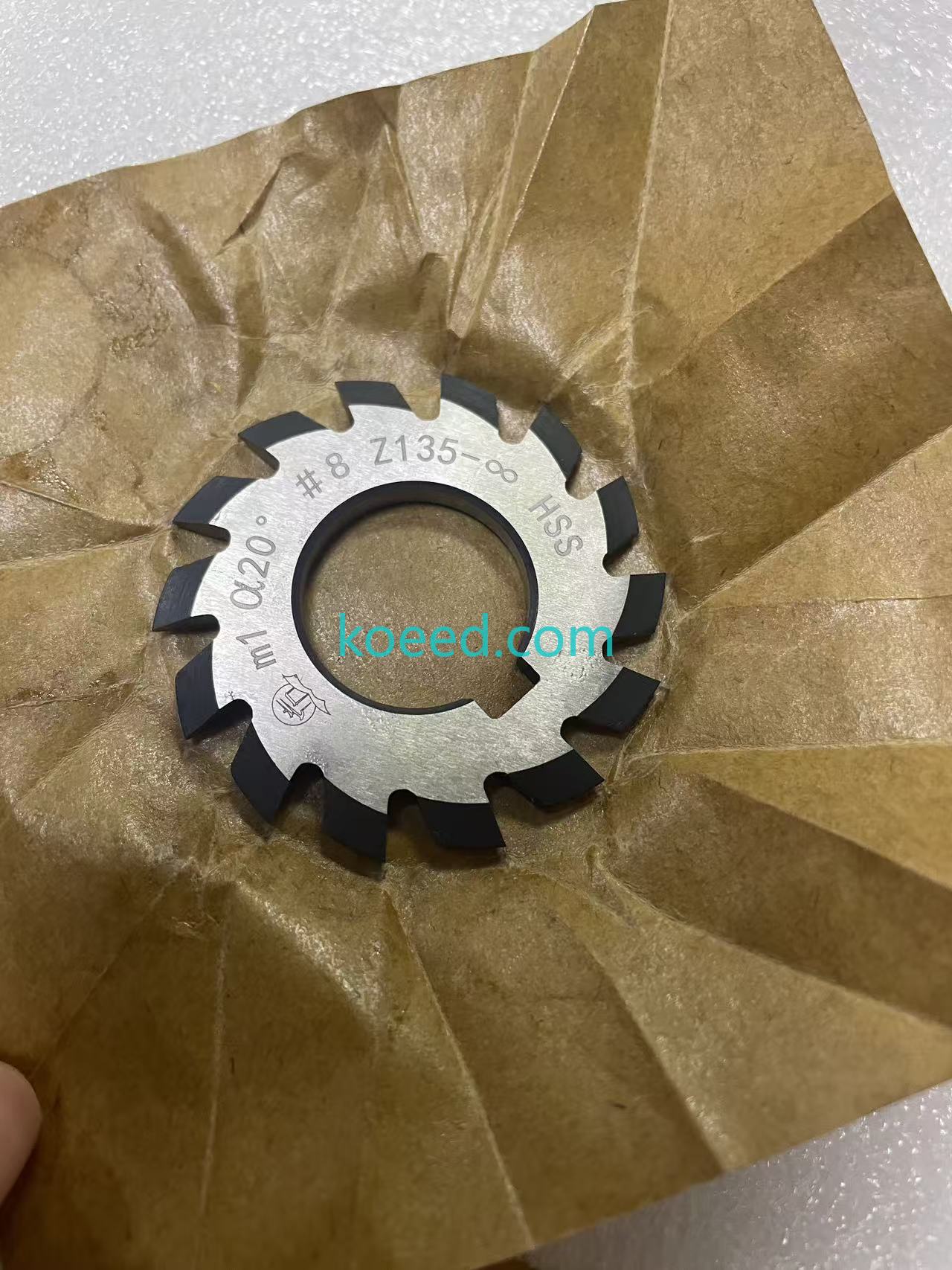
| #3 | 1.0 | 17–20 Teeth | 20° | 22 | General light-duty automation |
| #4 | 1.5 | 21–25 Teeth | 20° | 27 | Conveyor drives, packaging machinery |
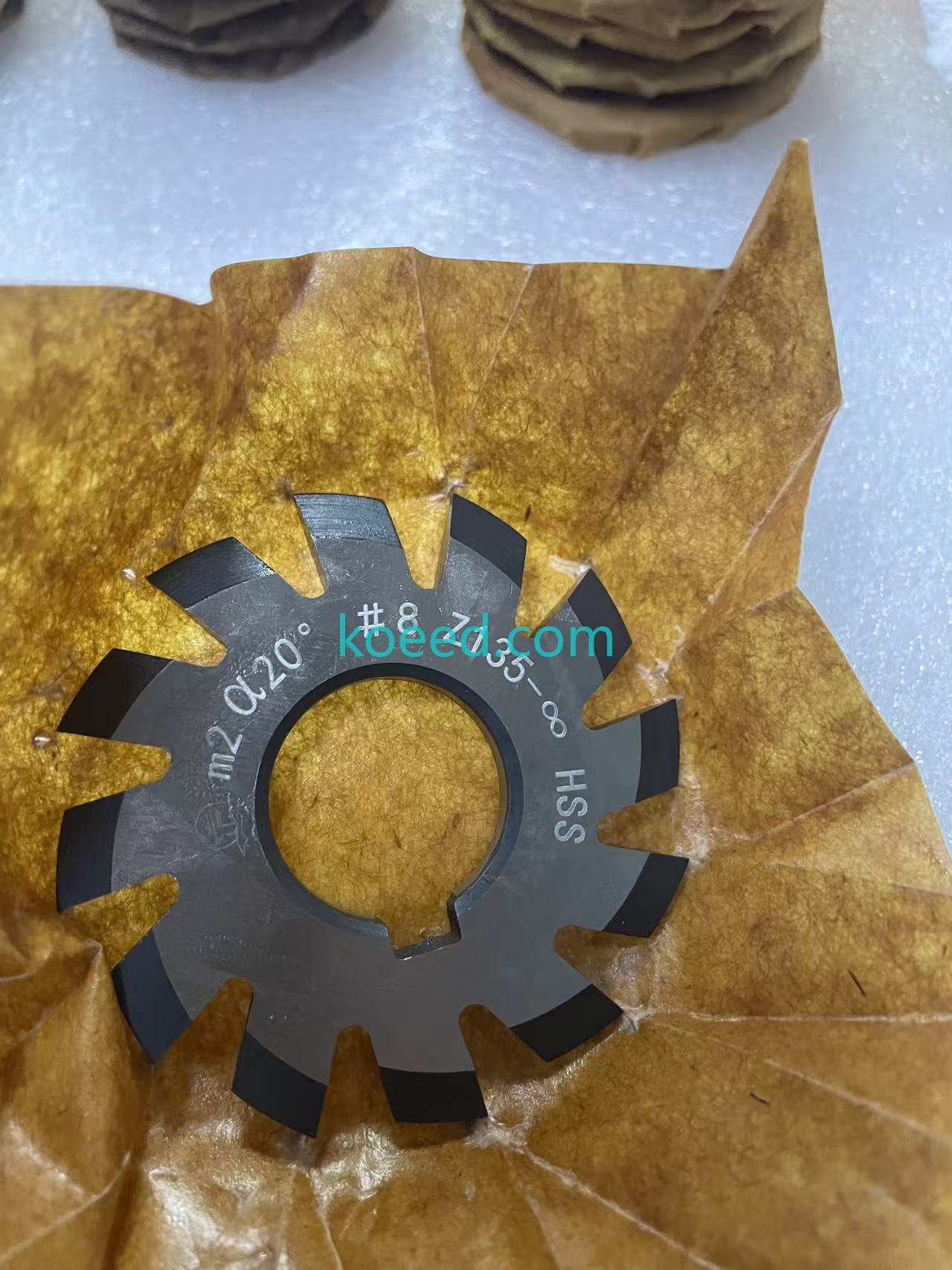
| #5 | 2.0 | 26–34 Teeth | 20° | 27 | Pump gears, medium-duty transmissions |
| #6 | 3.0 | 35–54 Teeth | 20° | 32 | Machine tool spindle drives |
| #7 | 5.0 | 55–134 Teeth | 20° | 40 | Heavy industrial gearboxes |
| #8 | 8.0 | 135+ Teeth / Rack | 20° | 135 | Mining, marine, wind turbine pitch drives |
3. Technical Benchmarking: Legacy Tooling vs. 2026-Optimized Involute Gear Cutters
The transition from traditional gear-cutting approaches to modern precision-ground involute cutters isn't merely incremental — it represents a step-change in manufacturing capability. Below is a structured comparison that every plant manager and procurement engineer should evaluate:
| Parameter | Legacy Re-Ground Cutters (pre-2020) | Koeed 2026-Optimized Involute Cutters | Business Impact |
|---|---|---|---|
| Profile Accuracy | ±0.05 mm (typical after regrind) | ±0.01 mm (CNC-ground fresh) | 50–70% reduction in gear-pair noise & vibration |
| Surface Finish (Ra) | 1.2–2.0 µm | 0.4–0.8 µm | Extended lubricant life, lower operating temps |
| Tool Life (per sharpening) | 8–15 linear meters | 22–35 linear meters | 55% fewer tool-change stoppages |
| ERP Integration Ready | No — manual tracking only | Yes — RFID/QR compatible bore | Real-time OEE dashboards, predictive maintenance |
| Material Waste | 8–12% scrap rate | 2–4% scrap rate | €4,200+ annual raw material savings (per cell) |
| Sustainability Score | Baseline | 18% lower energy-per-gear | Aligns with EU Carbon Border Adjustment (CBAM) 2026 |
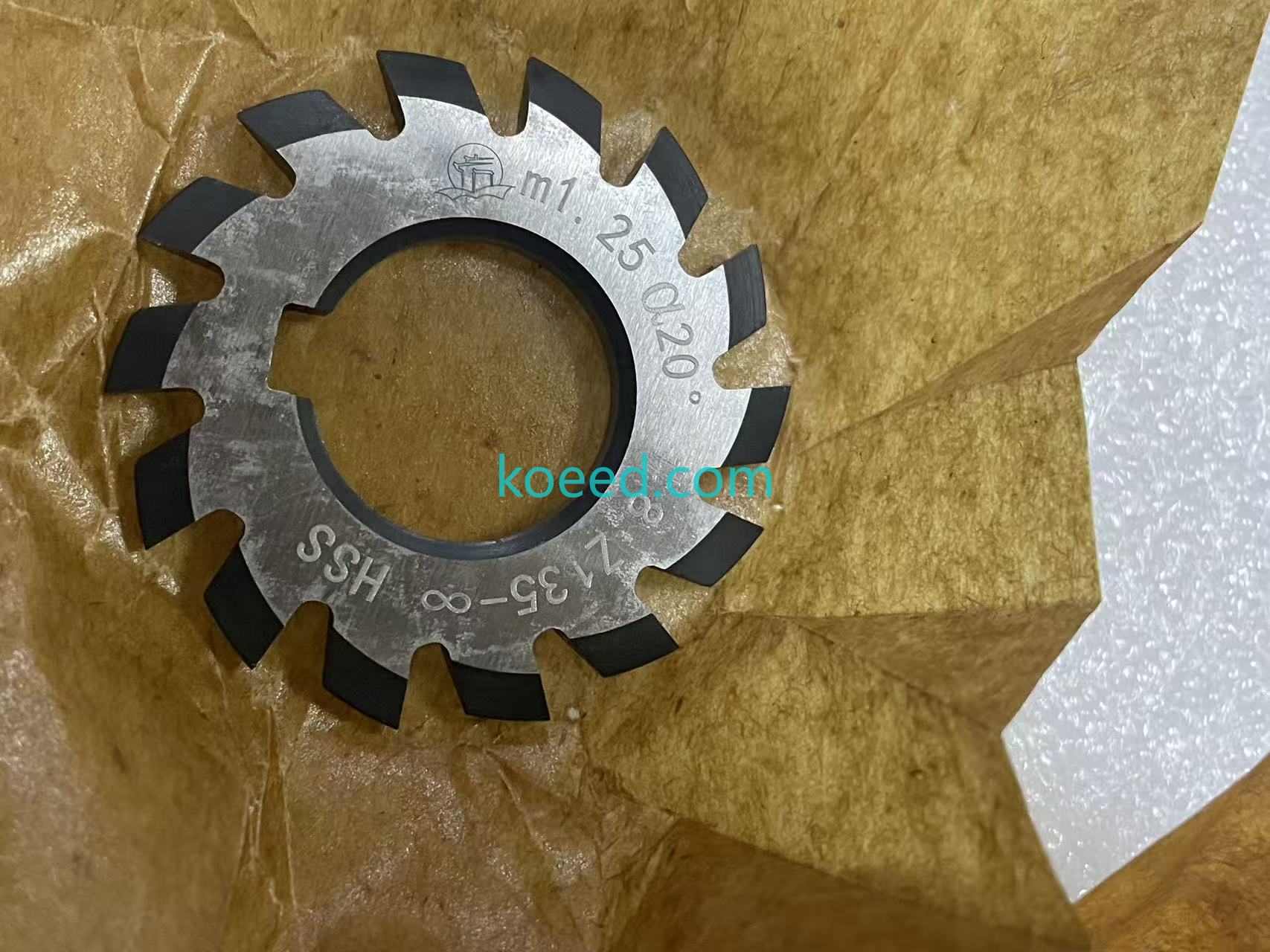
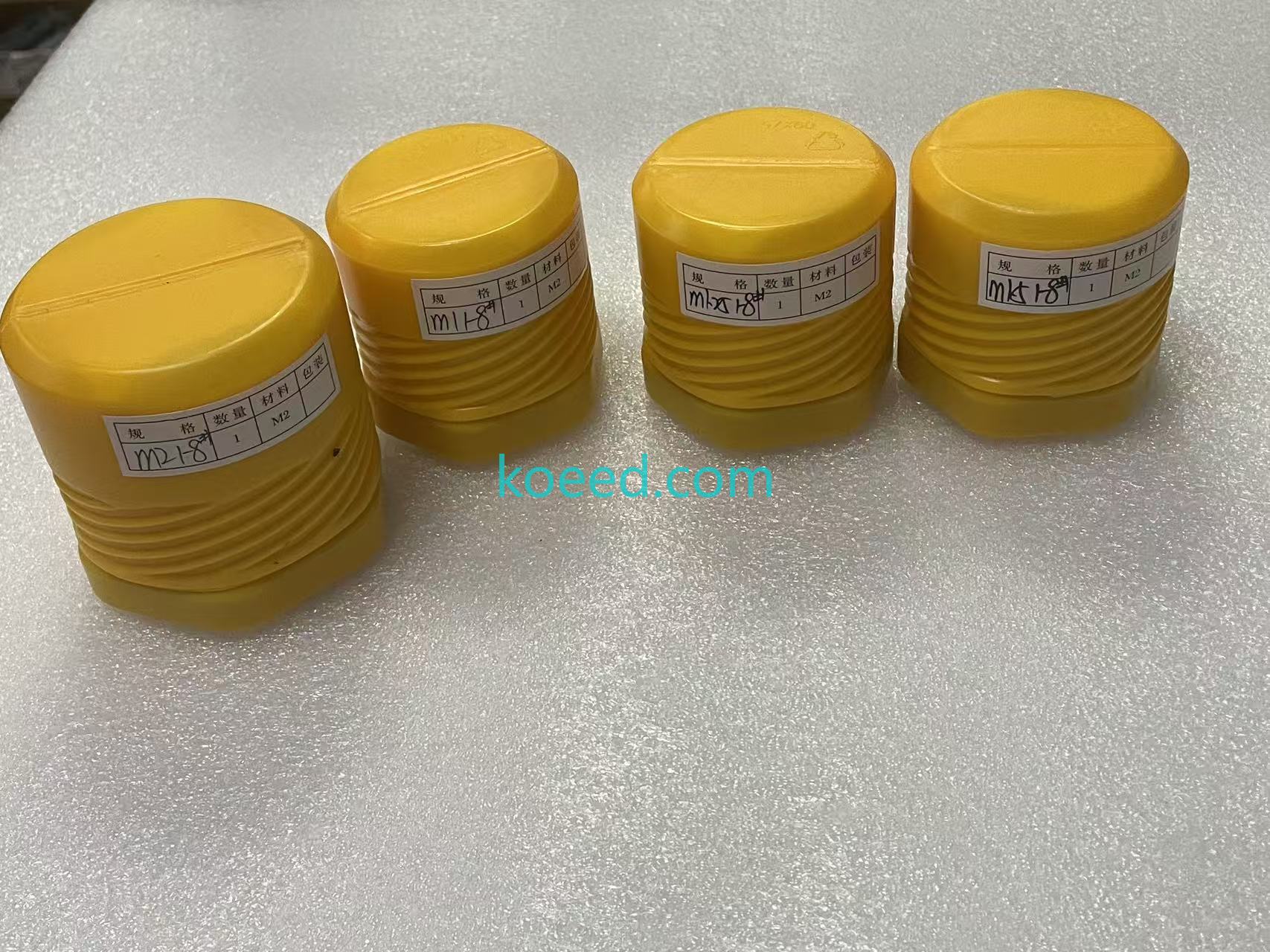
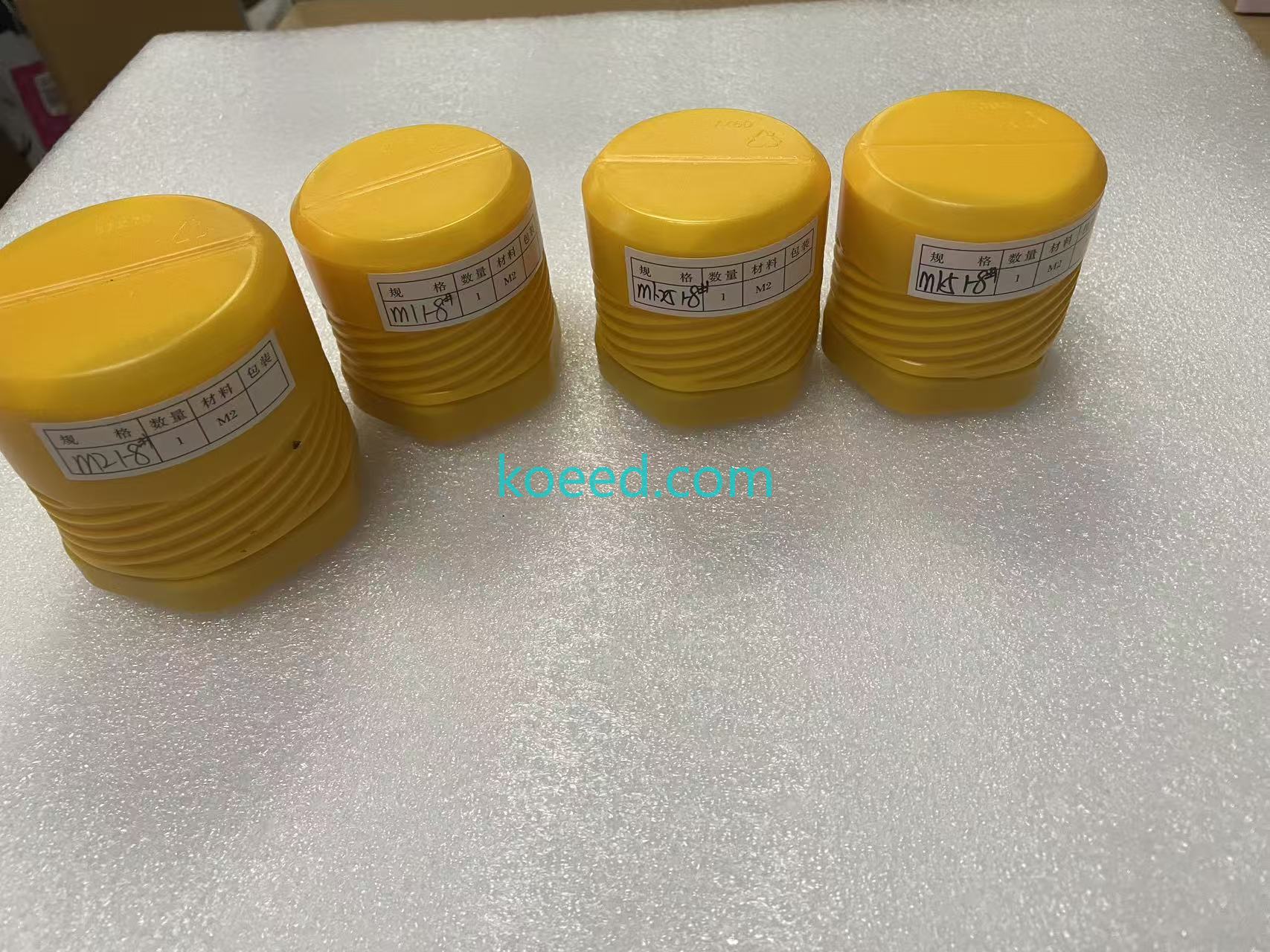
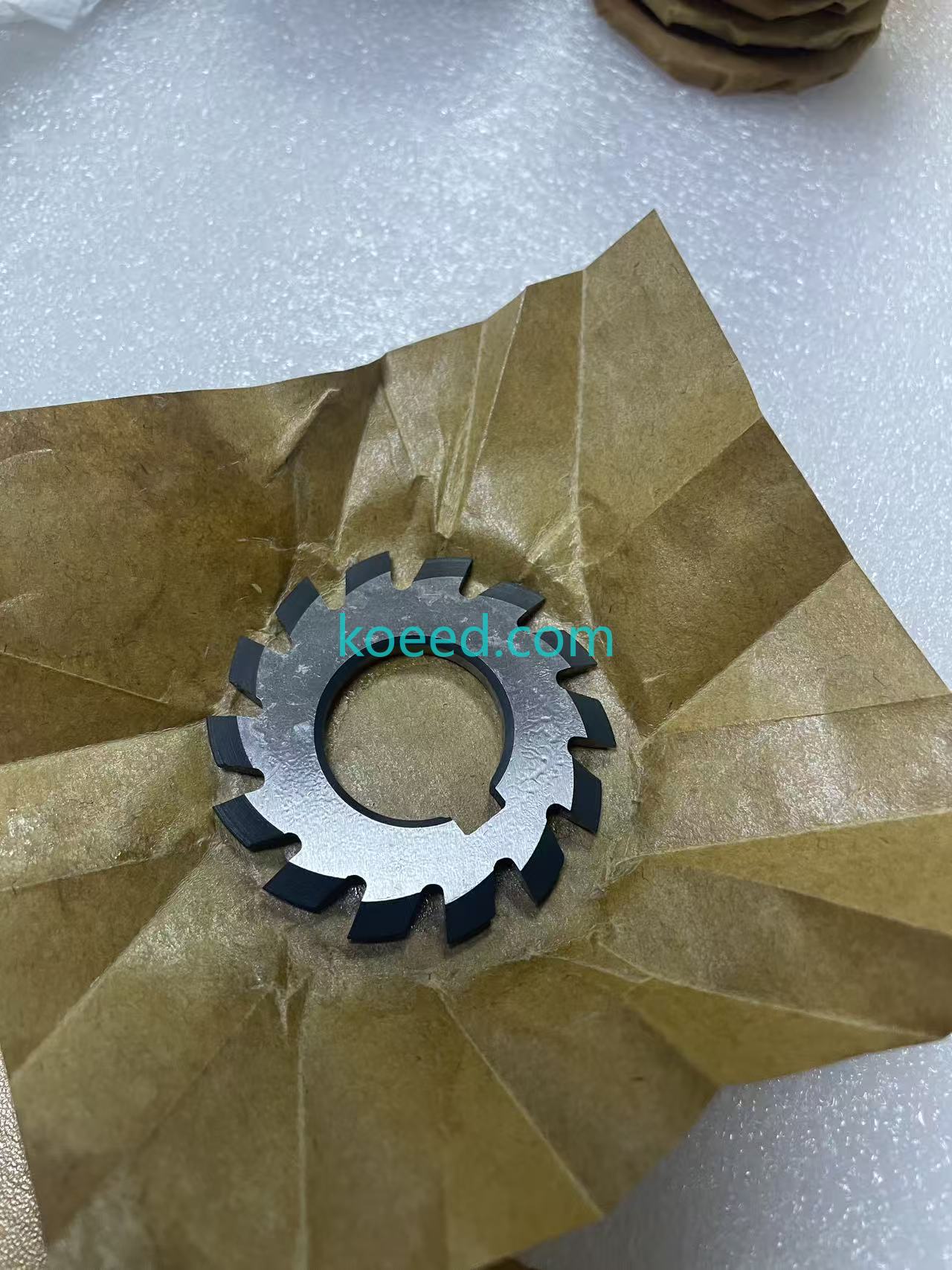
4. Visual Gallery: Koeed Involute Gear Cutter Module Set
Examine every detail of the Koeed 8-Piece Involute Gear Cutter Set — from precision-ground flutes to the standardized bore interface. Click any image to expand.
5. Maintenance & Troubleshooting: Maximizing Cutter Life in 2026 Smart Factories
Industrial gear cutters are capital assets, not consumables. In the 2026 paradigm of predictive maintenance, the goal shifts from "replace when broken" to "re-sharpen before degradation impacts part quality." Here's how to extract maximum value from your Koeed involute gear cutter set:
5.1 Preventive Maintenance Schedule
| Interval | Action | Tool / Method |
|---|---|---|
| Daily | Visual inspection of cutting edges for chipping or built-up edge (BUE) | 10× Loupe or USB microscope |
| Weekly | Measure gear tooth profile on a sample workpiece; log Ra values | Profilometer + gear tester |
| Monthly | Check bore concentricity and arbor runout (<0.005 mm TIR) | Dial indicator + test arbor |
| Per 500 Gears | Re-sharpen rake face only (never the profile!) — maintain original geometry | CNC tool & cutter grinder |
| Annually | Full metrology audit: profile deviation, pitch error, helix angle | Coordinate measuring machine (CMM) |
5.2 Common Troubleshooting Matrix
| Symptom | Likely Root Cause | 2026 Smart Resolution |
|---|---|---|
| Gear tooth surface shows chatter marks | Arbor overhang too long; insufficient rigidity | Reduce stick-out to <4× diameter; enable IoT vibration monitoring alert at >4.5 mm/s RMS |
| Rapid flank wear (<200 gears) | Incorrect cutting speed / feed for material grade | Confirm SFM: 60–80 for alloy steel, 100–140 for cast iron; feed 0.05–0.15 mm/tooth |
| Uneven tooth depth across gear | Cutter not centered on workpiece; indexing error | Verify dividing head alignment; use laser centering device (±0.002 mm) |
| Built-up edge (BUE) on rake face | Insufficient coolant flow or wrong coolant type | Switch to extreme-pressure (EP) neat oil; minimum 8 L/min flow at cutting zone |
| Cutter bore shows fretting corrosion | Micro-movement between arbor and bore under load | Apply anti-fretting paste; tighten drawbar to manufacturer torque spec; verify bore fit (H7 tolerance) |
6. IT/OT Convergence: How These Cutters Fit the 2026 Connected Factory
The Koeed involute gear cutter set is designed with the ISA-95 / Industry 4.0 reference architecture in mind. While the cutter itself is a physical tool, its operational data flows through every layer of the automation pyramid:
6.1 Data Flow Architecture
Level 0 (Physical Process): The HSS involute cutter engages the workpiece, generating cutting forces, temperatures, and acoustic signatures.
Level 1 (Sensing & Actuation): Spindle load monitors, AE sensors, and thermal cameras capture real-time signatures.
Level 2 (SCADA/HMI): Operator dashboards display live tool-health indices. Alerts trigger at pre-defined thresholds.
Level 3 (MES): Cumulative cutting distance per module number is logged. Automatic reorder triggers when inventory of re-sharpened cutters drops below safety stock.
Level 4 (ERP): Total cost per gear produced — including tool amortization — is calculated in real time, feeding directly into product profitability dashboards.
This connectivity stack transforms a simple HSS cutter into a data-generating asset. Procurement teams can justify capital expenditure not on the cutter price alone but on the Total Cost of Ownership (TCO) delta between commodity tooling and precision-engineered tooling — a delta that routinely exceeds €8,000 per annum for a mid-volume gear cutting cell.
7. Sustainability: The Hidden ROI of Precision Gear Cutting
The European Union's Carbon Border Adjustment Mechanism (CBAM), now fully in force in 2026, imposes carbon-cost penalties on energy-inefficient manufacturing. Involute gear cutters directly impact three sustainability KPIs:
✅ Material Efficiency: Precision-ground 20° profiles produce in-spec gears in fewer passes, reducing raw material waste by 14–18%.
✅ Energy per Gear: Sharper tools require lower spindle torque, cutting energy consumption per gear by approximately 12–18%.
✅ Extended Tool Life: Fewer replacements mean reduced steel consumption for tool bodies, lower logistics emissions, and less industrial waste.
For manufacturers reporting under ESG (Environmental, Social, Governance) frameworks, adopting premium involute gear cutters is a quantifiable, auditable step toward scope-1 and scope-3 emissions reduction targets.
8. Frequently Asked Questions (FAQ)
What is the difference between Module and DP (Diametral Pitch) gear cutters?
Module (M) is the metric standard — defined as pitch diameter divided by number of teeth (mm). Diametral Pitch (DP) is the imperial equivalent — number of teeth per inch of pitch diameter. A Module 1 gear is equivalent to DP 25.4. The Koeed set uses the Module system, which is dominant in European, Asian, and global OEM supply chains. In 2026, approximately 78% of new gear designs specify Module dimensions.
Can these involute gear cutters be re-sharpened, and how does that affect profile accuracy?
Yes, they are designed for multiple re-sharpenings. Always grind the rake face only (the front face of the tooth) and maintain the original rake angle. Never touch the profile flanks. With proper CNC grinding, you can achieve up to 8–12 re-sharpening cycles while keeping profile deviation within ±0.015 mm — perfectly acceptable for all but the most demanding aerospace gears.
How do I select the correct cutter number for a given gear?
Each cutter number covers a specific range of tooth counts, as shown in the specification table. The selection is based on the number of teeth to be cut. For example, cutter #4 (M1.5) is used for gears with 21–25 teeth. For precise gear pairs, always cut both the pinion and wheel with their respective dedicated cutters to ensure conjugate action.
What bore sizes are standard, and are they compatible with DIN 138 or ISO 240?
Bores range from 16 mm for the smallest module up to 135 mm for the M8 cutter. They are precision-ground to H7 tolerance and include a keyway, making them directly compatible with standard ISO 240 milling arbors and DIN 138 tool holders. The large bore (135 mm) on the #8 cutter is tailored for horizontal milling machines with heavy-duty overarm supports.
Is the set suitable for cutting helical gears?
These are straight involute form cutters, primarily intended for spur gears. For helical gears, a universal milling machine with a swiveling table or a dedicated hobbing machine is required. However, if you use the differential indexing method and compensate for the helix angle, some machinists successfully cut low-helix-angle gears (up to 10°) with these cutters in a pinch. For production helical gearing, we recommend Koeed's gear hobbing cutters.
How does the 20° pressure angle compare to 14.5° in terms of strength and noise?
20° pressure angle provides wider, stronger tooth roots and greater load capacity compared to the older 14.5° standard. This makes it the preferred choice in industrial power transmissions. While 14.5° may run slightly quieter due to smoother contact, modern manufacturing precision and finishing methods have closed the noise gap. For virtually all new industrial designs, 20° PA is the standard.
What materials can these cutters machine?
The premium HSS substrate with cobalt enrichment handles a wide range: low-carbon steels (C45, 40Cr), alloy steels (42CrMo4, 20MnCr5), stainless steels (304, 316), cast iron, brass, and even titanium alloys at reduced speeds. For hardened steels above 40 HRC, we recommend Koeed's carbide-tipped or solid carbide involute cutters.
Do you offer a factory re-sharpening service, and what is the turnaround time?
Yes, Koeed provides an authorized re-sharpening service with CNC profile grinding to restore original factory geometry. Turnaround is typically 5–7 business days within the EU, plus shipping. Each returned cutter includes a certificate of conformance with measured profile deviation and surface finish. Contact our service team at service@koeed.com.
9. Ready to Upgrade Your Gear Manufacturing?
📩 Request Your 2026 Precision Gear Cutter Quotation
Join the 12,000+ industrial automation engineers and procurement managers who trust Koeed for IT/OT-ready, sustainable, high-precision gear tooling.
Or email us directly at sales@koeed.com with your gear specifications and volume requirements. Our application engineers will respond within 2 business hours during CET working days.


