

Mitsubishi HC-MF23W1-S1 Servo Motor: 2026 B2B Technical Guide for Smart Manufacturing & IT/OT Convergence
1. Strategic Overview: Why the HC-MF23W1-S1 Matters in 2026
In an era where unplanned downtime costs manufacturers an average of $260,000 per hour, the Mitsubishi HC-MF23W1-S1 servo motor represents a strategic investment in production resilience. Part of Mitsubishi Electric's acclaimed HC-MF series, this servo motor is purpose-built for applications requiring compact form factor, rapid acceleration, and micron-level precision — from CNC machining centers to high-speed pick-and-place robotics.
By 2026, the industrial automation landscape has shifted decisively toward decentralized intelligence. Motors are no longer isolated actuators — they are data-generating nodes within a unified OT/IT architecture. The HC-MF23W1-S1, when paired with Mitsubishi's MR-J4 or MR-J5 series amplifiers, feeds real-time encoder data into plant-wide SCADA, MES, and cloud-based analytics platforms, enabling true predictive maintenance workflows.
Key Market Drivers — 2026
- IT/OT Convergence: Seamless integration with CC-Link IE TSN and EtherCAT for real-time data transparency.
- Energy Mandates: Global ISO 50001 compliance pushing manufacturers toward high-efficiency servo systems with regenerative braking.
- Reshoring & Localization: Increased demand for reliable, locally serviceable automation components in North America and Europe.
- Labor Shortages: Accelerated robotics adoption requiring precision servo motors with minimal tuning overhead.
2. Technical Specifications & Competitive Benchmarking
Understanding the HC-MF23W1-S1 in context requires benchmarking against both legacy Mitsubishi models and competing solutions. The table below highlights the critical differentiators that position this motor as the optimal choice for precision applications in 2026.
| Parameter | HC-MF23W1-S1 (MF Series) | Legacy HC-KFS Series | Typical Competitor (2026 Class) |
|---|---|---|---|
| Encoder Resolution | 20-bit (1,048,576 pulses/rev) | 17-bit (131,072 pulses/rev) | 18–19-bit typical |
| Rated Output | 200W (Compact Class) | 200W | 200W |
| Max Speed | 3,000 r/min (standard) / 4,500 r/min (boost) | 3,000 r/min | 3,000–3,500 r/min |
| Torque Density | High — optimized stator winding | Standard | Moderate–High |
| IT/OT Protocol Support | CC-Link IE TSN, EtherCAT, SSCNET III/H | SSCNET III only | Varies (EtherCAT common) |
| Predictive Maintenance | AI-driven via MR-J5 + Maisart | Basic alarm codes only | Emerging; varies by vendor |
| Energy Efficiency Class | IE4 / IE5-ready | IE3 | IE4 typical |
| IP Rating | IP55 (standard); IP67 options | IP55 | IP54–IP65 |
The 20-bit encoder alone delivers an 8× improvement in positioning resolution over 17-bit legacy systems — translating directly into smoother surface finishes in CNC machining and higher repeatability in robotic assembly. For procurement teams, the HC-MF23W1-S1 offers a future-proof platform compatible with both current MR-J4 and next-generation MR-J5 amplifier families.
3. Visual Gallery — HC-MF23W1-S1 Product Inspection
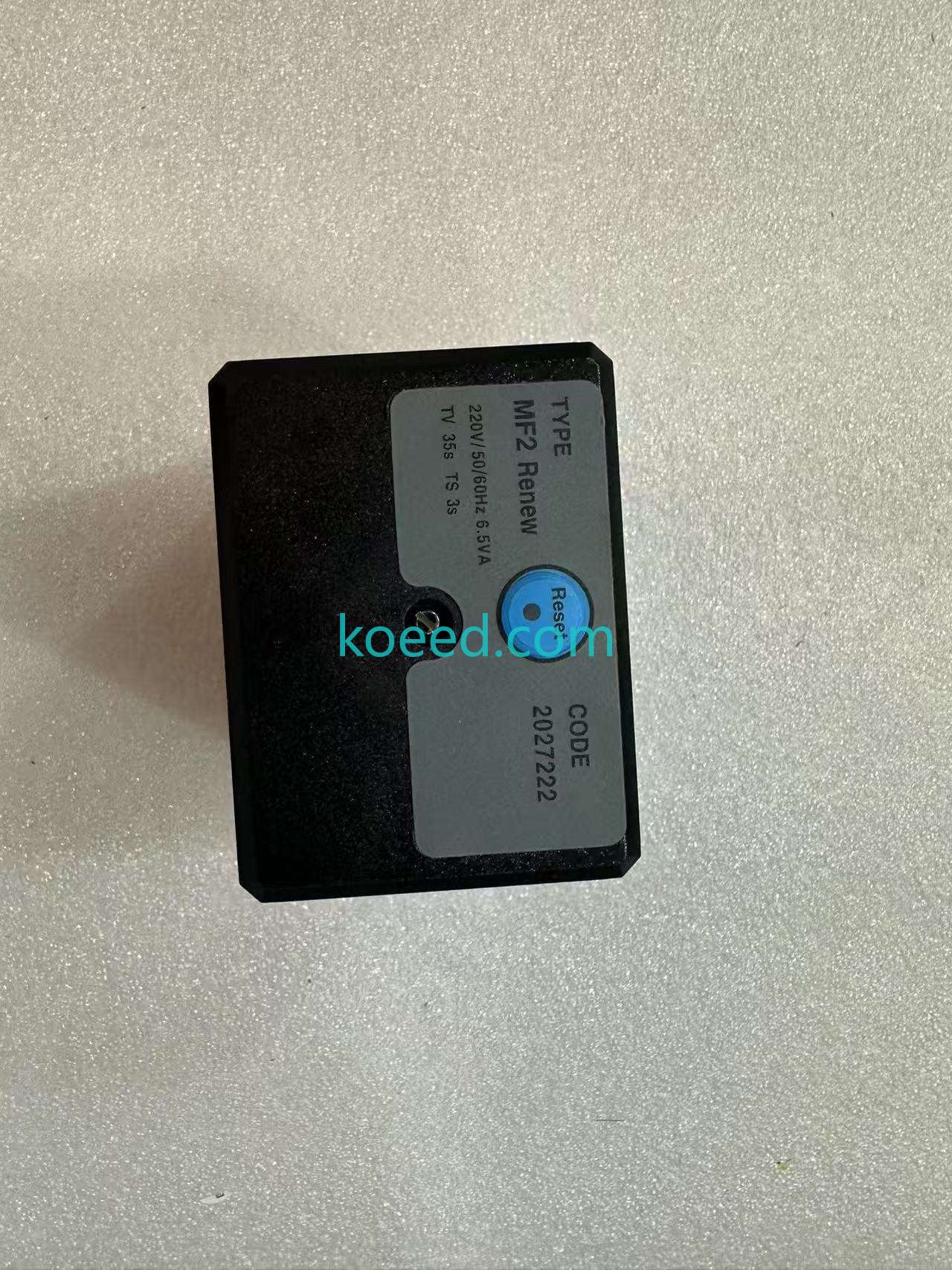
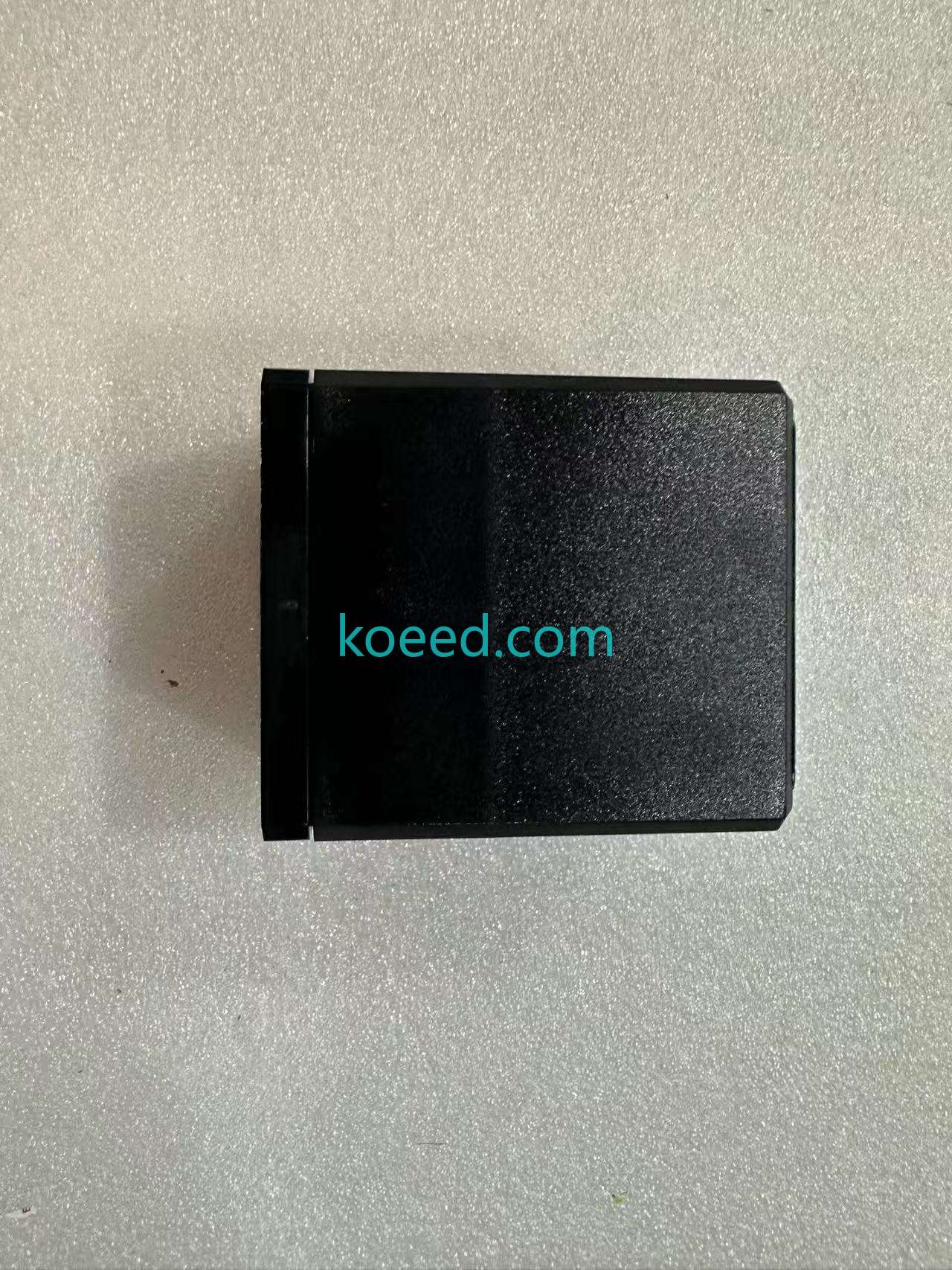
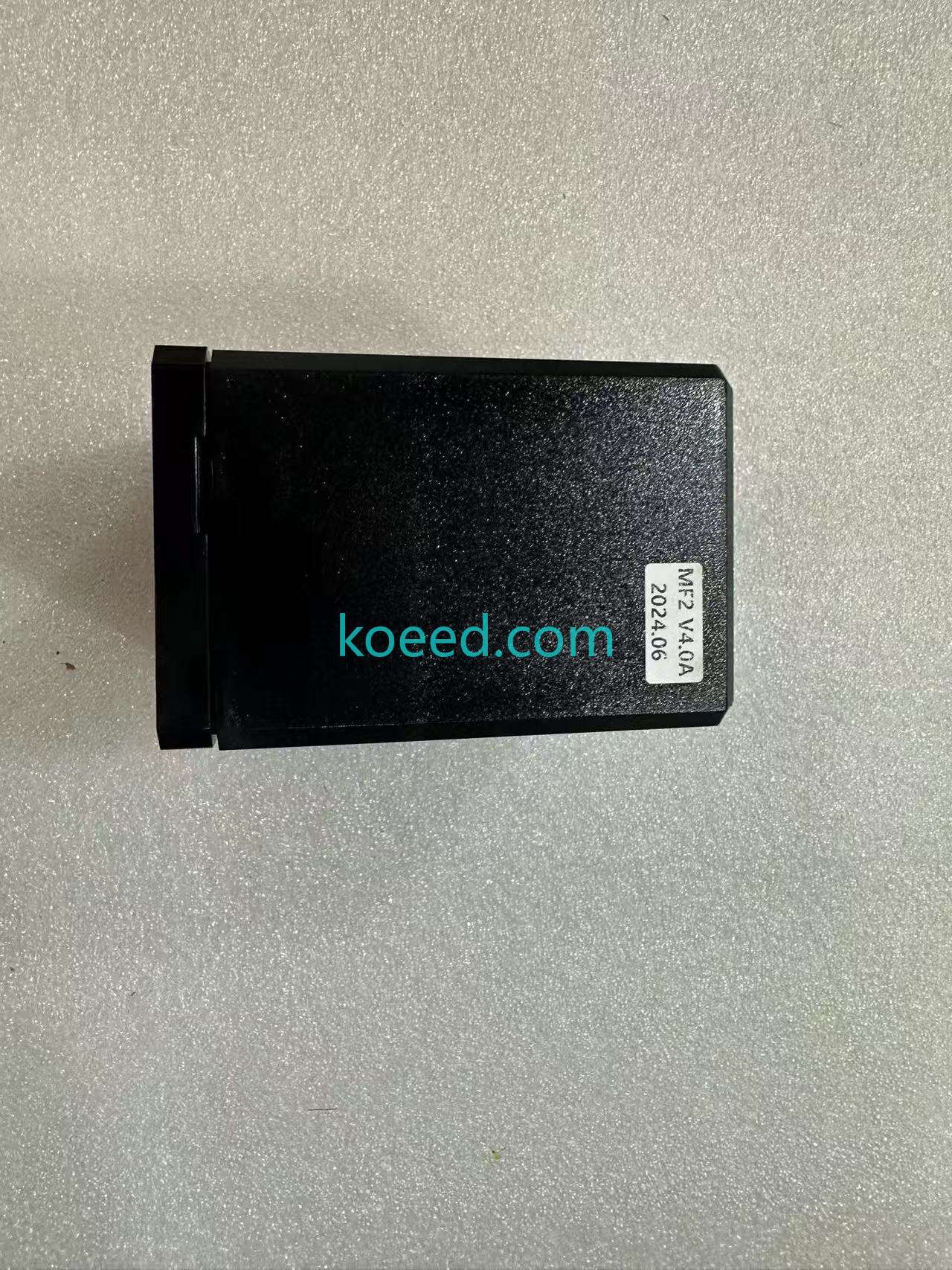
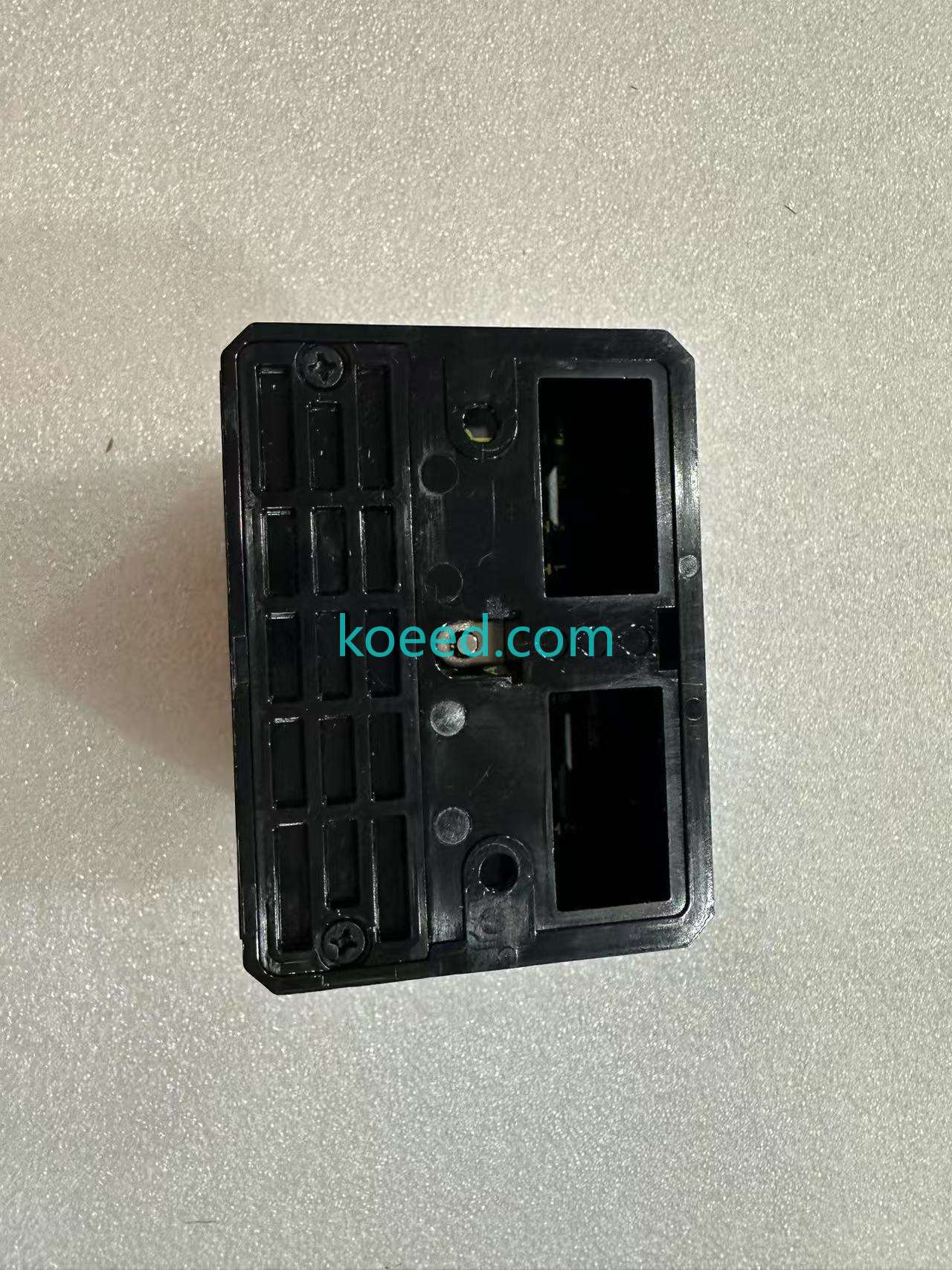
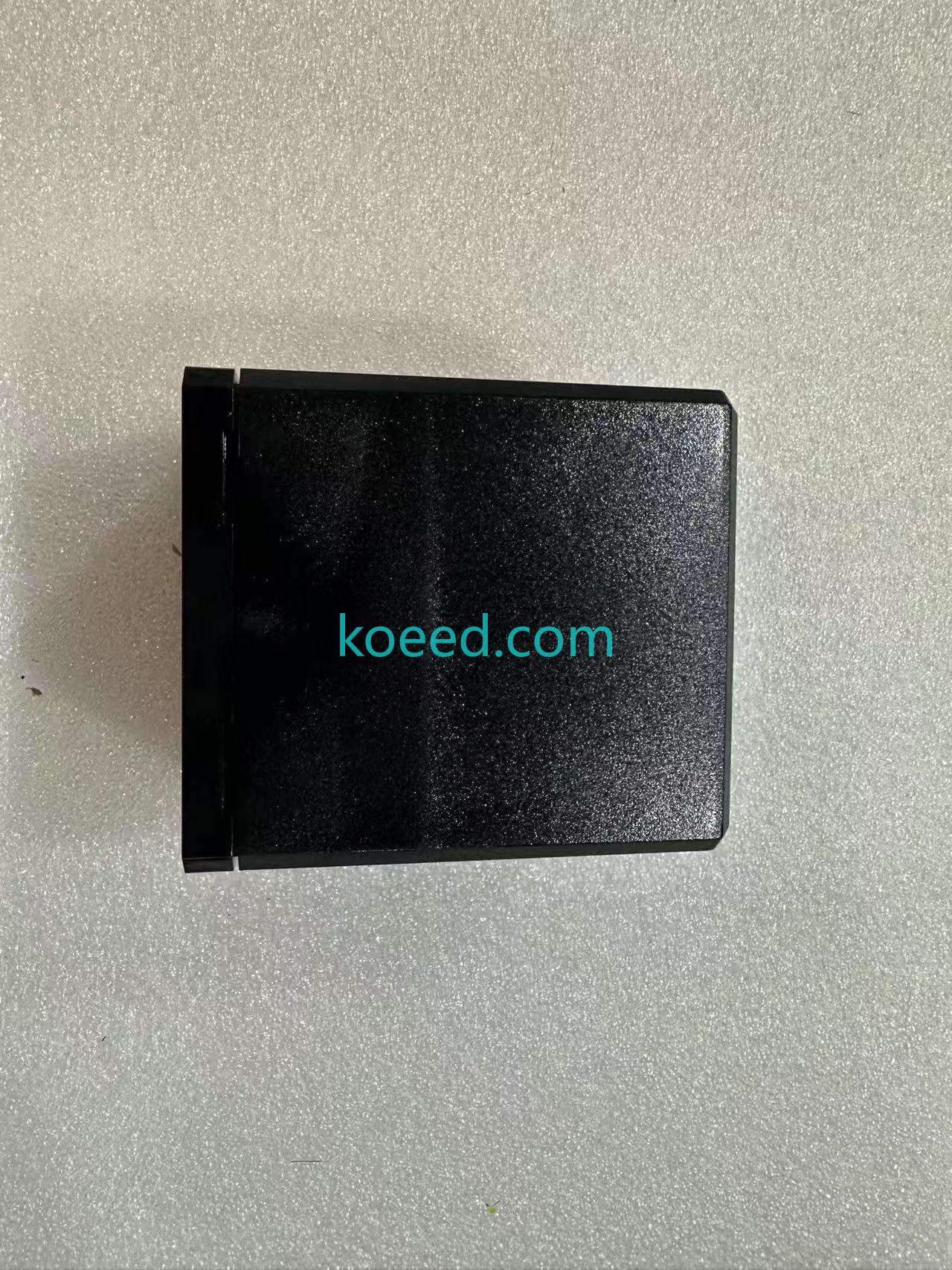
Below are high-resolution product images of the Mitsubishi HC-MF23W1-S1 servo motor, showcasing build quality, connector configuration, nameplate details, and physical dimensions. Click any image to view full size. All units supplied by Koeed undergo rigorous incoming quality inspection before shipment.
4. IT/OT Convergence & Smart Manufacturing Integration
The HC-MF23W1-S1 is more than a precision actuator — it is a data-rich edge node in the modern factory network. When integrated with Mitsubishi's MR-J5 servo amplifier and the iQ-R series PLC platform, the motor's 20-bit encoder data stream feeds into a unified OT data layer that connects seamlessly to IT systems via OPC UA, MQTT, and CC-Link IE TSN.
2026-Ready Integration Architecture
A typical 2026 deployment might follow this stack:
- Field Level: HC-MF23W1-S1 → MR-J5-B amplifier (real-time cyclic communication via CC-Link IE TSN)
- Control Level: Mitsubishi iQ-R PLC with built-in edge computing module
- Edge Level: MELIPC industrial computer running AI-driven anomaly detection (Maisart engine)
- Cloud Level: SCADA / MES integration via OPC UA; optional Azure IoT Hub or AWS IoT Greengrass connector
This architecture enables continuous vibration spectrum analysis, current signature analysis, and thermal trend monitoring — all without adding external sensors. The motor itself becomes the sensor, detecting early-stage bearing degradation weeks before catastrophic failure.
5. ROI, Total Cost of Ownership & Sustainability Impact
Evaluating the HC-MF23W1-S1 through a 2026 TCO lens reveals compelling economics beyond the initial purchase price.
| TCO Factor | HC-MF23W1-S1 Advantage | Estimated 5-Year Impact |
|---|---|---|
| Energy Consumption | IE4/IE5 efficiency; regenerative braking support | 18–25% reduction vs. IE3 motors |
| Unplanned Downtime | Predictive maintenance alerts via Maisart AI | 60–75% fewer unexpected stoppages |
| Spare Parts Inventory | Interchangeable across MF series; reduced SKU count | 30% inventory carrying cost reduction |
| Commissioning Time | One-touch auto-tuning via MR-J5; reduced integration labor | 40–50% faster deployment |
| Carbon Footprint | Lower kWh/unit output; aligns with Scope 2 targets | Supports net-zero 2030 roadmaps |
For a mid-sized CNC shop operating 12 machines across two shifts, switching to the HC-MF23W1-S1 across their servo-driven axes can yield an estimated $18,000–$24,000 in annual energy savings alone, with additional ROI from reduced scrap (higher precision) and lower maintenance labor costs.
6. Maintenance, Troubleshooting & Predictive Diagnostics
Routine Maintenance Schedule (2026 Best Practice)
While the HC-MF23W1-S1 is designed for extended service intervals, proactive care ensures maximum lifespan — typically 20,000–30,000 operating hours under rated conditions.
| Interval | Action | Tool / Method |
|---|---|---|
| Daily (Visual) | Check for abnormal noise, vibration, or odor | Operator walk-around; MR-J5 dashboard |
| Monthly | Inspect connector tightness; clean ventilation paths | Torque screwdriver; compressed air (low pressure) |
| Quarterly | Encoder signal waveform check; insulation resistance test | Oscilloscope (MR Configurator2); 500V Megger |
| Annually | Bearing condition assessment; replace if vibration threshold exceeded | Vibration analyzer; Maisart diagnostic report |
Common Alarm Codes & Remediation
- AL.16 (Encoder Error 1): Check encoder cable shielding and grounding. In 2026 deployments, EMI from nearby VFDs is the leading cause. Use double-shielded cable with 360° ferrule termination.
- AL.50 (Overload 1): Verify mechanical load. The Maisart diagnostic can differentiate between genuine overload and sensor drift. Reduce acceleration profile if needed.
- AL.52 (Excessive Error): Position following error. Check coupling integrity and belt tension. The 20-bit encoder will flag even micron-level deviations.
- AL.24 (Ground Fault): Perform insulation resistance test. Values below 10 MΩ indicate winding contamination — common in high-humidity 2026 tropical deployments.
7. Frequently Asked Questions
What amplifiers are compatible with the HC-MF23W1-S1 in 2026?
The HC-MF23W1-S1 is fully compatible with the Mitsubishi MR-J4-B series and the next-generation MR-J5-B series servo amplifiers. For legacy systems, it also works with MR-J3-B amplifiers (with appropriate encoder cable adapter). Koeed recommends the MR-J5-B for new 2026 deployments due to its built-in Maisart AI diagnostics and CC-Link IE TSN support. Always verify firmware revision compatibility before integration.
How does the HC-MF23W1-S1 support predictive maintenance?
When paired with the MR-J5 amplifier, the HC-MF23W1-S1 leverages Mitsubishi's Maisart AI engine to perform continuous vibration spectrum analysis, current signature monitoring, and thermal trend tracking directly from the encoder feedback — no external sensors required. The system can detect bearing degradation, misalignment, and winding insulation deterioration up to 3–6 weeks before functional failure, triggering automated alerts via OPC UA to your CMMS platform.
What is the typical lead time for the HC-MF23W1-S1 through Koeed?
As of 2026, Koeed maintains strategic buffer stock of the HC-MF23W1-S1 to support urgent replacement needs. Standard lead times range from 3–7 business days for stocked units. For volume orders, please contact our team via WhatsApp or the Request for Quote form for current availability and competitive pricing. Expedited global shipping options (DHL/FedEx IP) are available for critical downtime scenarios.
Can the HC-MF23W1-S1 be used in food & beverage or washdown environments?
The standard HC-MF23W1-S1 carries an IP55 rating, suitable for general industrial environments with dust and light water spray. For food & beverage or washdown applications, Koeed can source IP67-rated variants with stainless steel shaft and food-grade sealing. Contact our engineering team to specify your environmental requirements — we'll match the exact sub-model to your application.
What sustainability certifications does this motor carry?
The HC-MF23W1-S1, as part of Mitsubishi Electric's EcoChange 2026 program, meets IE4 efficiency standards and is IE5-ready. It complies with EU Ecodesign Directive (EU) 2019/1781, RoHS3, and contributes to Scope 2 carbon reduction targets. Mitsubishi Electric's carbon-neutral manufacturing certification for the Nagoya Works (where MF series motors are produced) further supports your supply chain sustainability reporting.
8. Procurement & Next Steps
Ready to Deploy the HC-MF23W1-S1 in Your Operation?
Whether you're upgrading a single CNC axis or standardizing across a multi-plant rollout, Koeed's automation specialists are ready to support your 2026 smart manufacturing goals with competitive pricing, technical consultation, and global logistics.
Explore the full product details at: https://koeed.com/products/hc-mf23w1-s1
© 2026 Koeed — Industrial Automation, Engineered for Tomorrow. All trademarks are property of their respective owners. Mitsubishi Electric and HC-MF are trademarks of Mitsubishi Electric Corporation.


