Mitsubishi OSA24R-C10 Absolute Encoder: The 2026 Gold Standard for Precision Motion Feedback & IT/OT Convergence

Mitsubishi OSA24R-C10 Absolute Encoder: The 2026 Gold Standard for Precision Motion Feedback & IT/OT Convergence

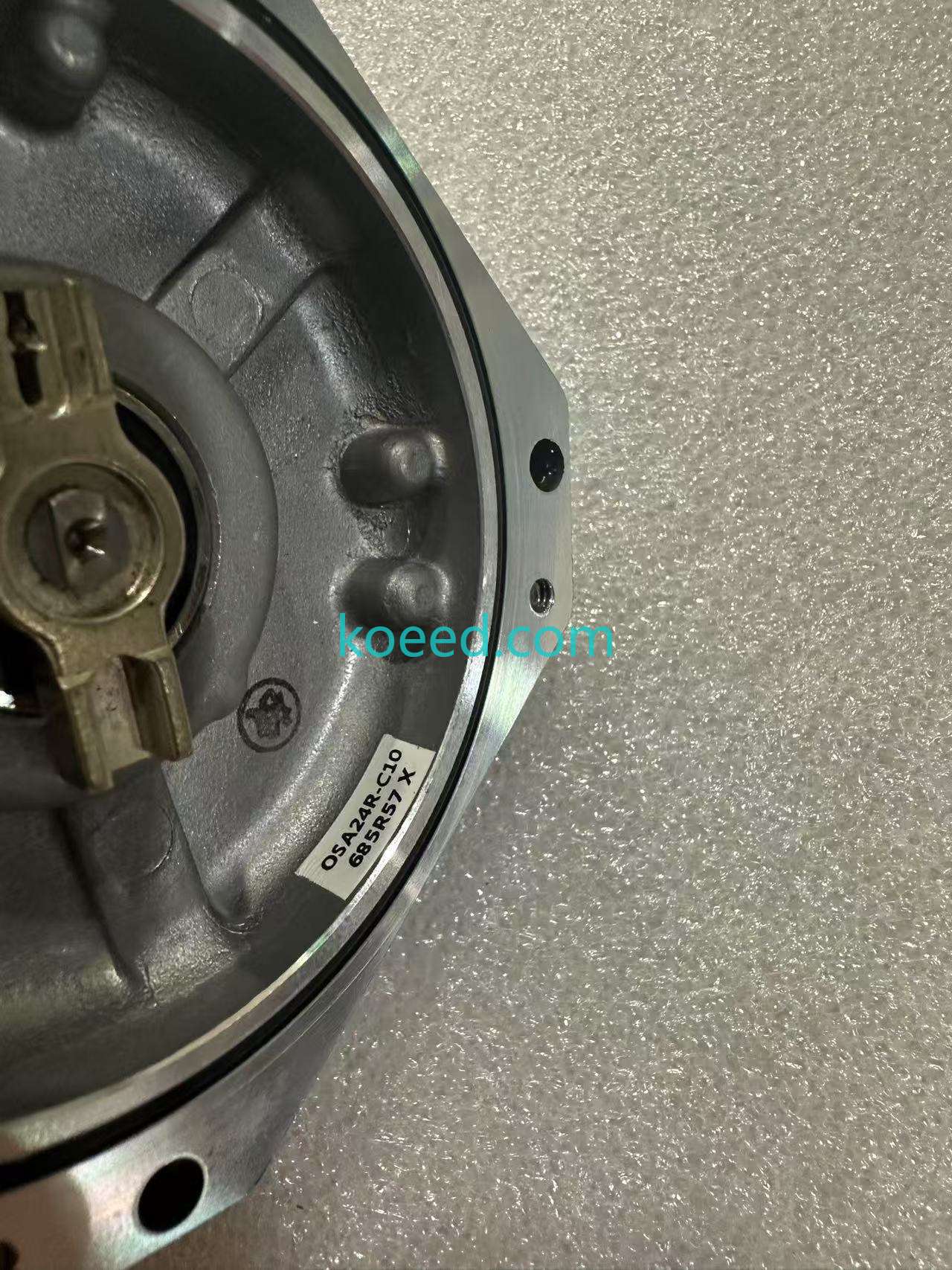
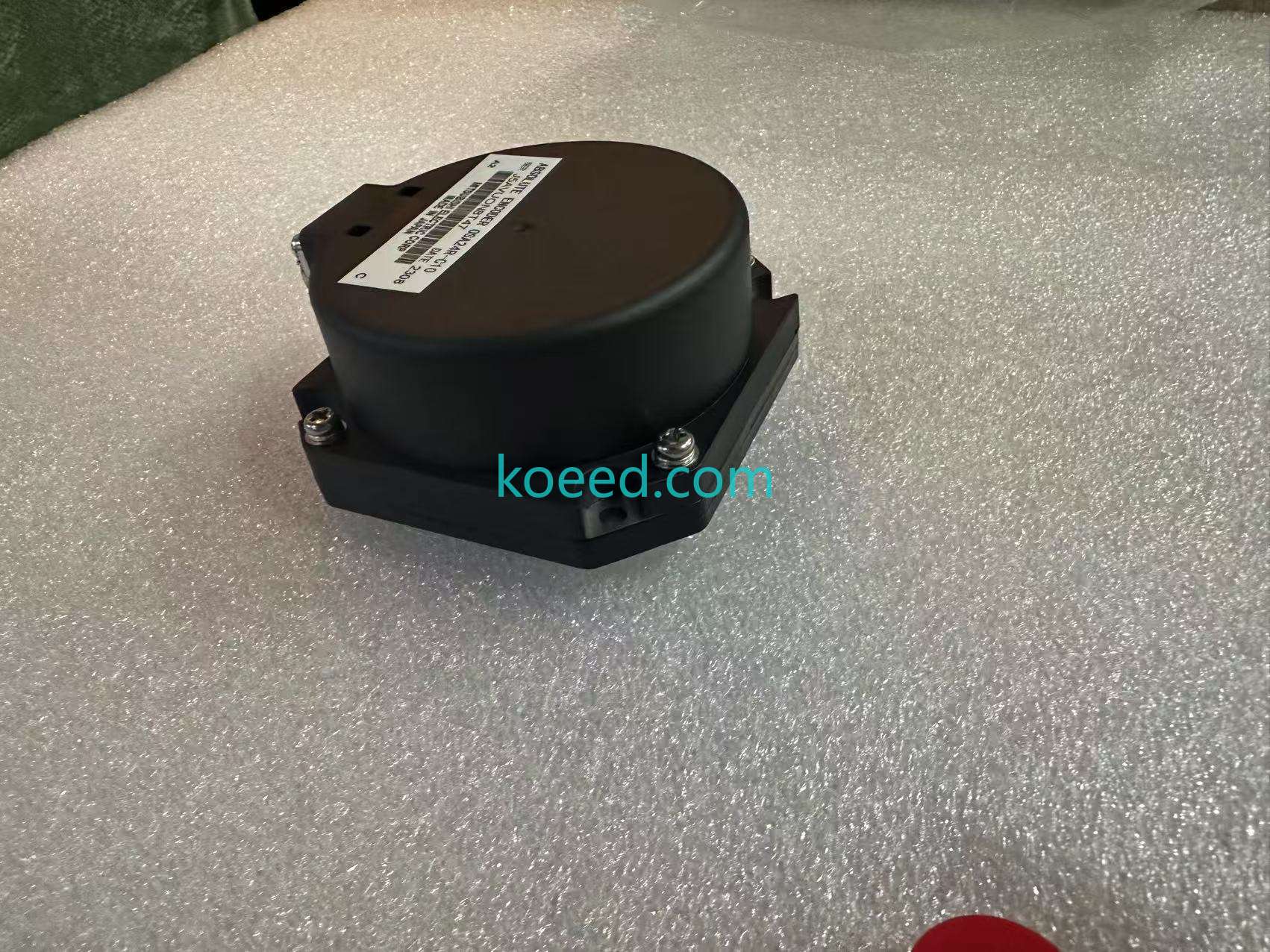
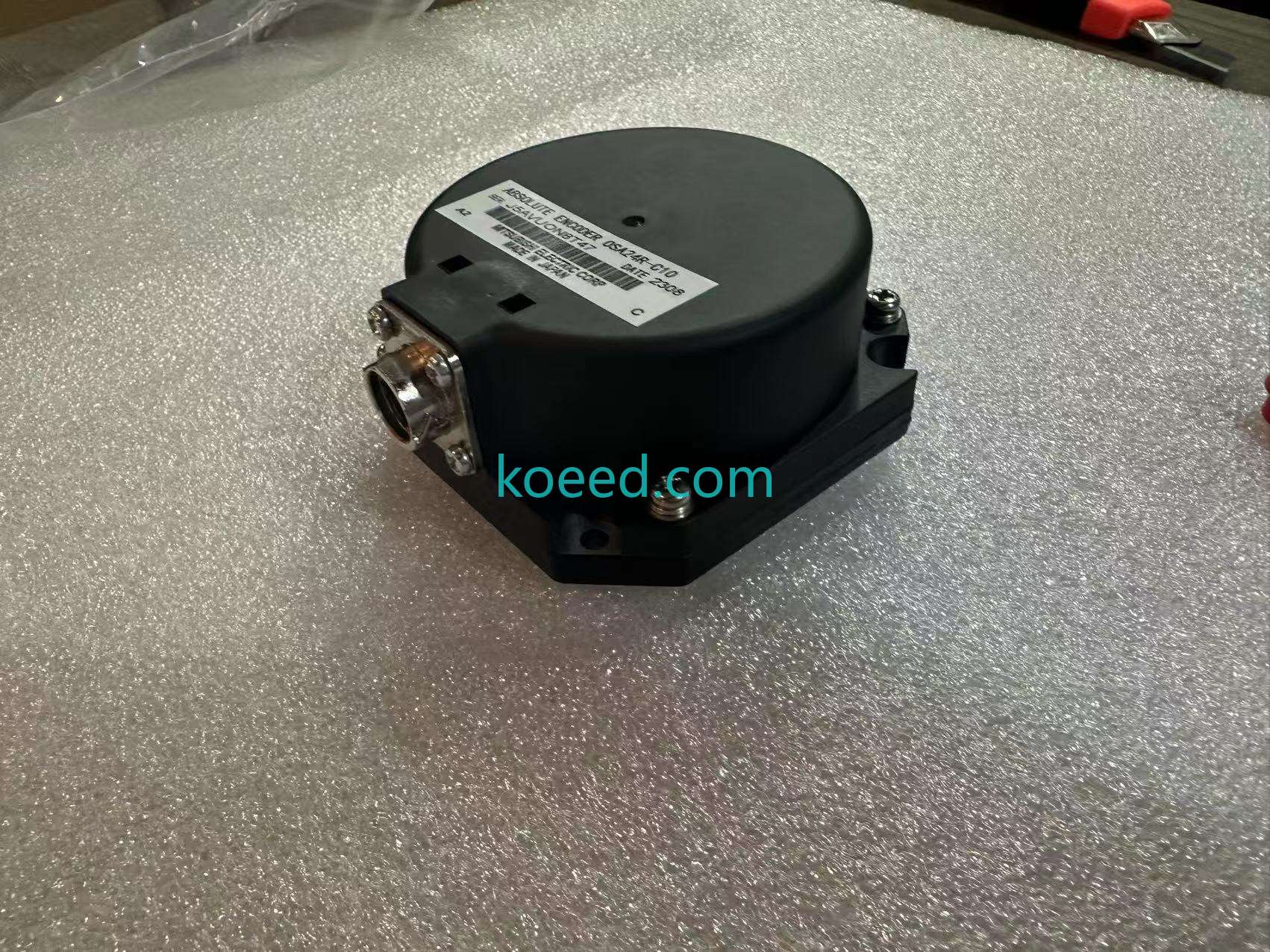
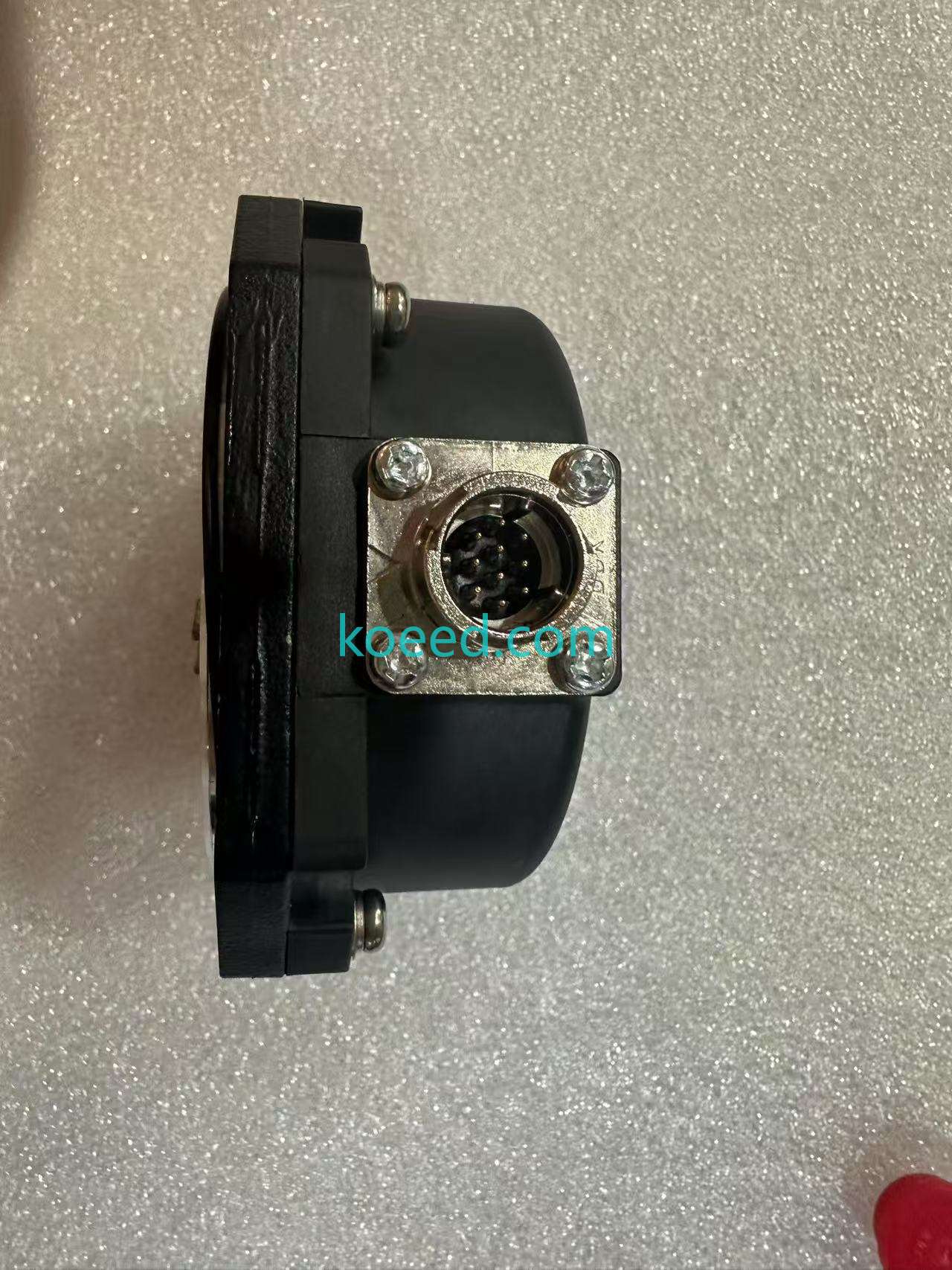
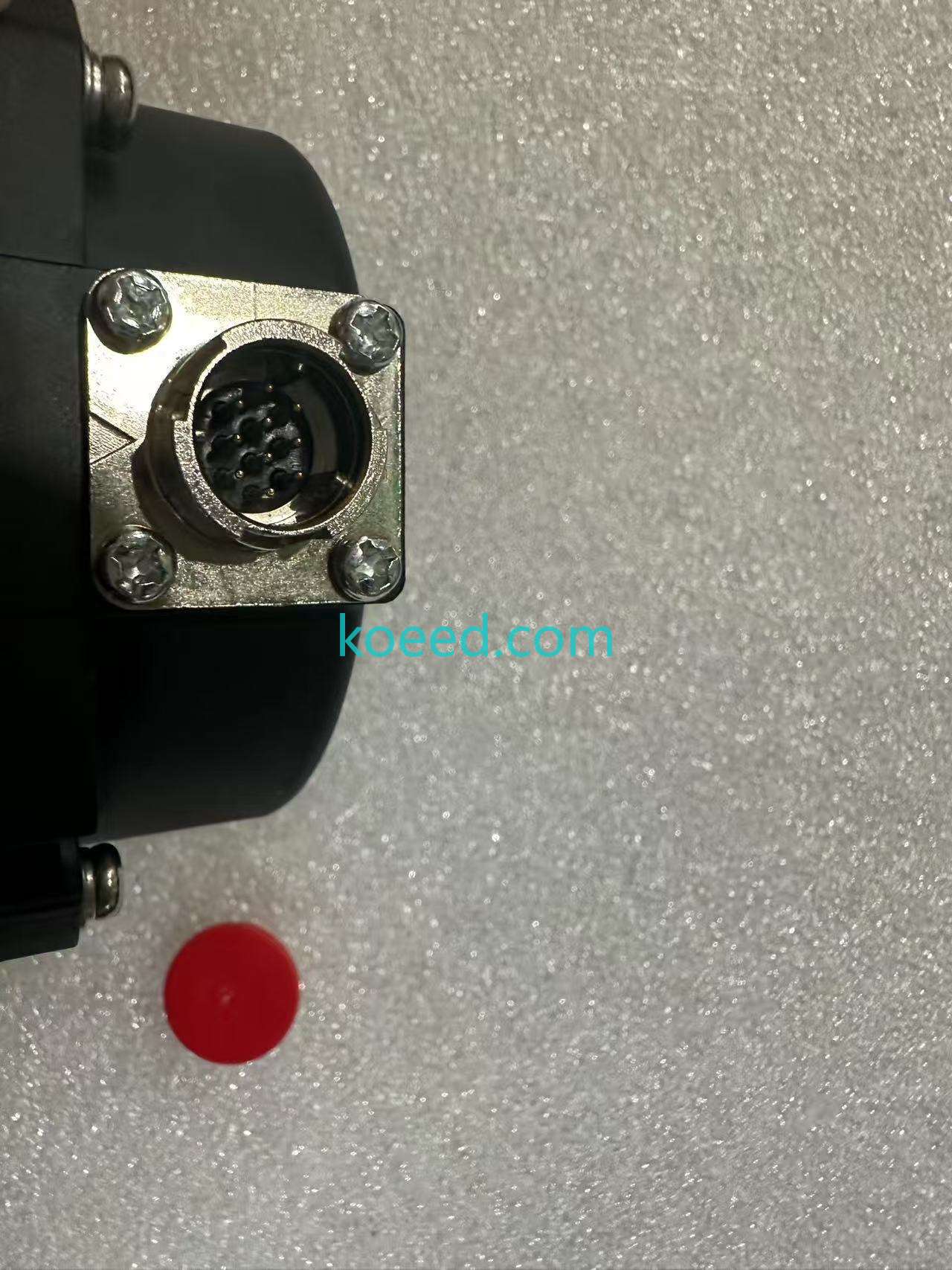
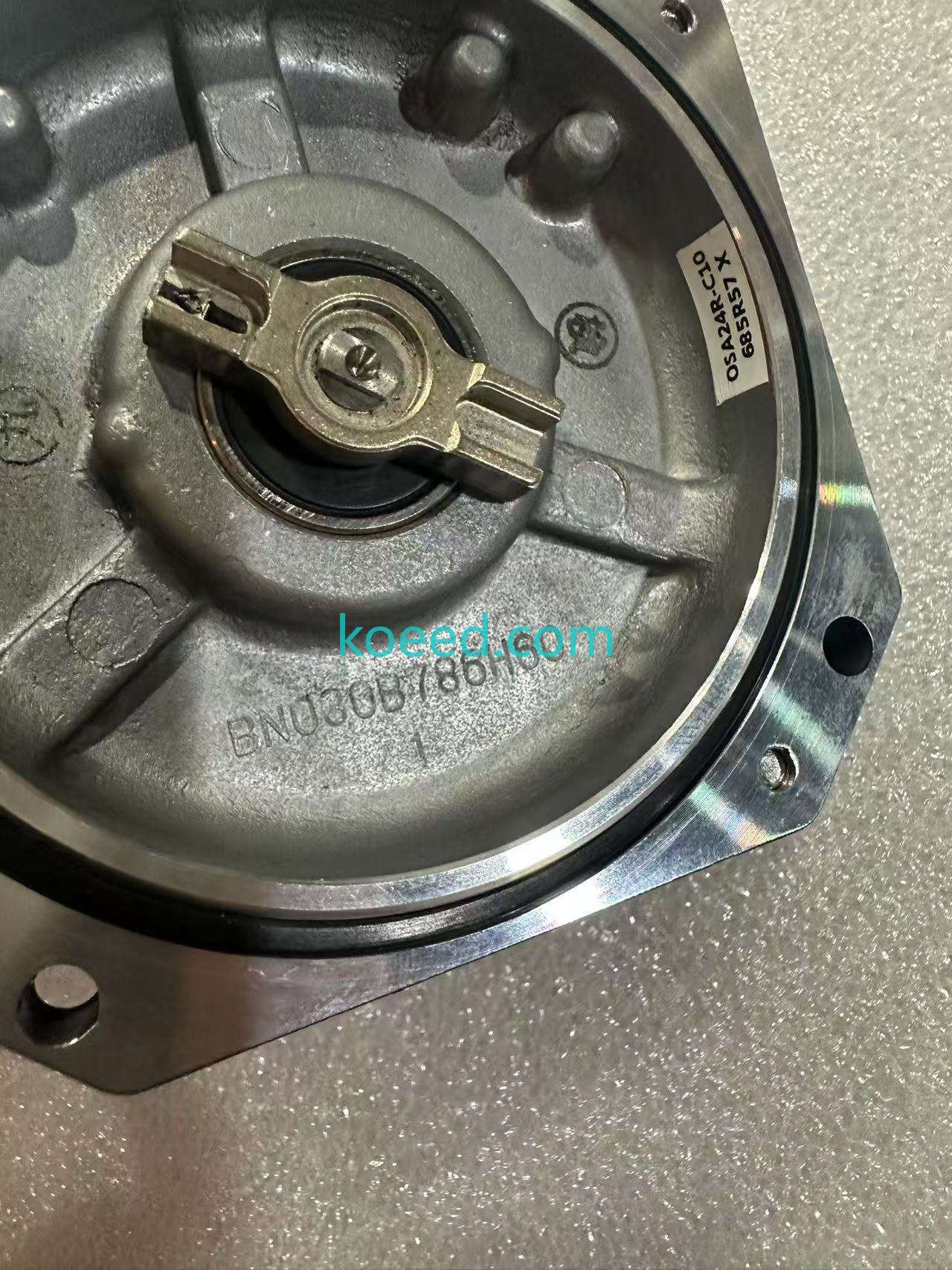
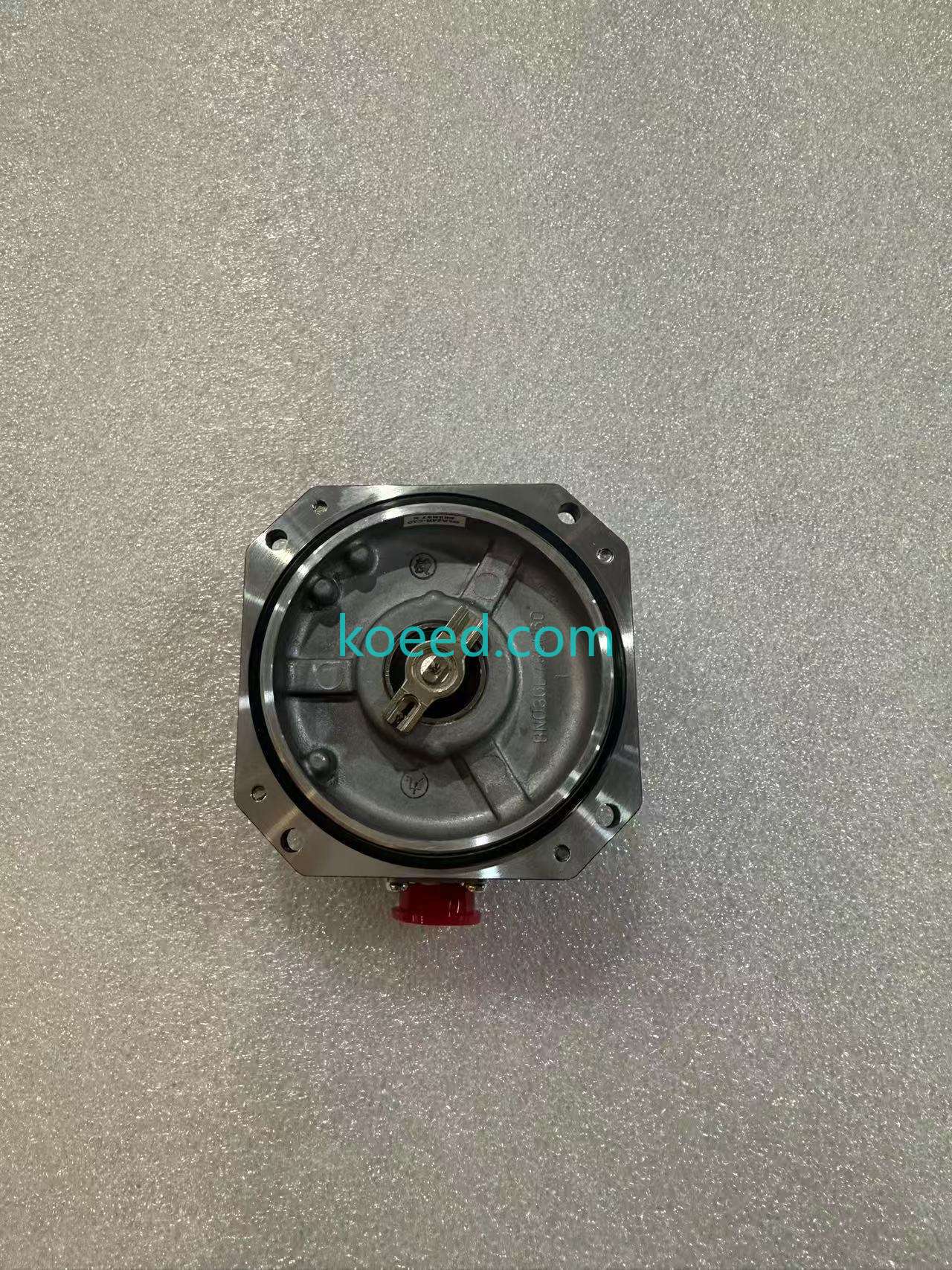
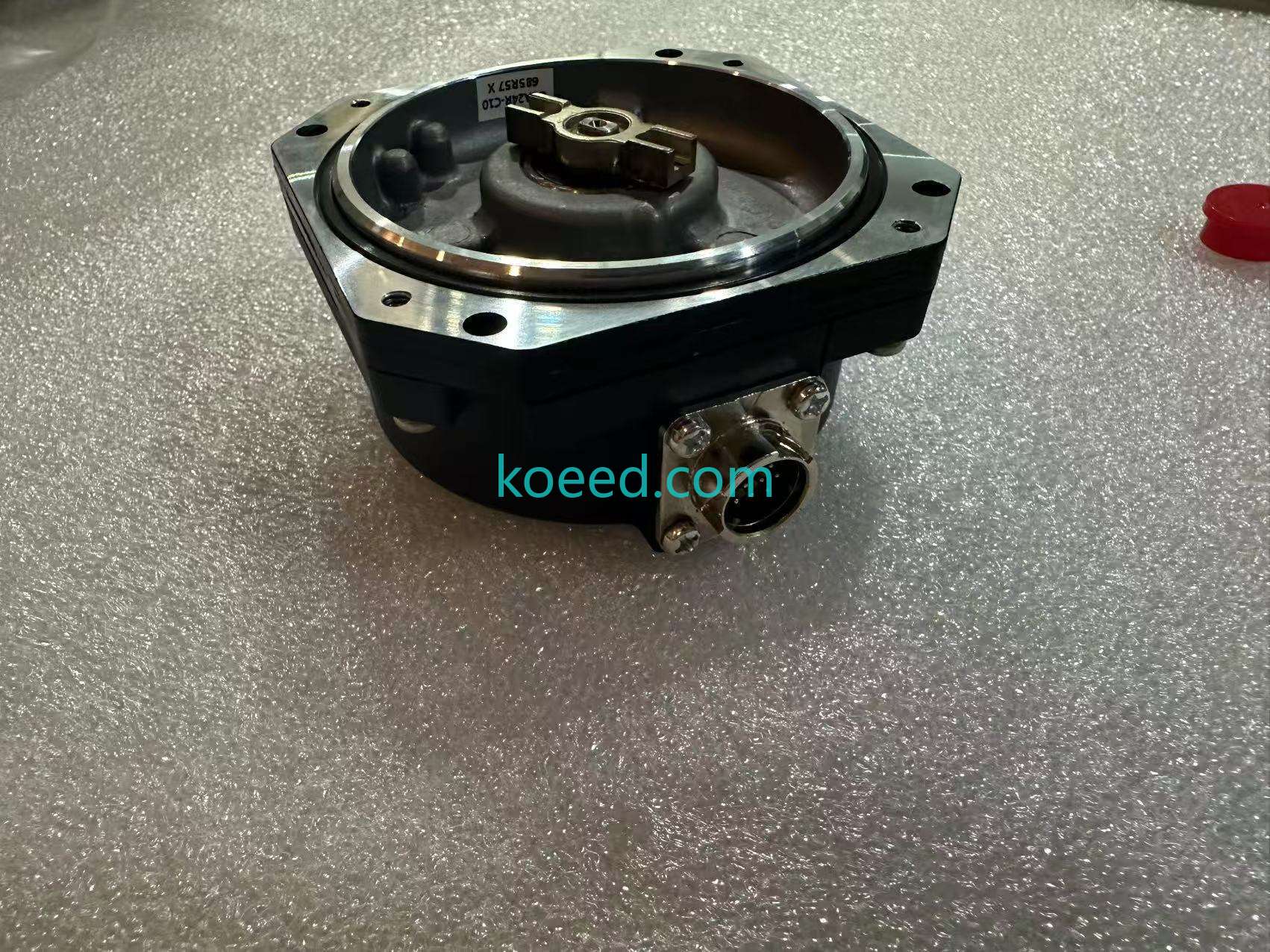
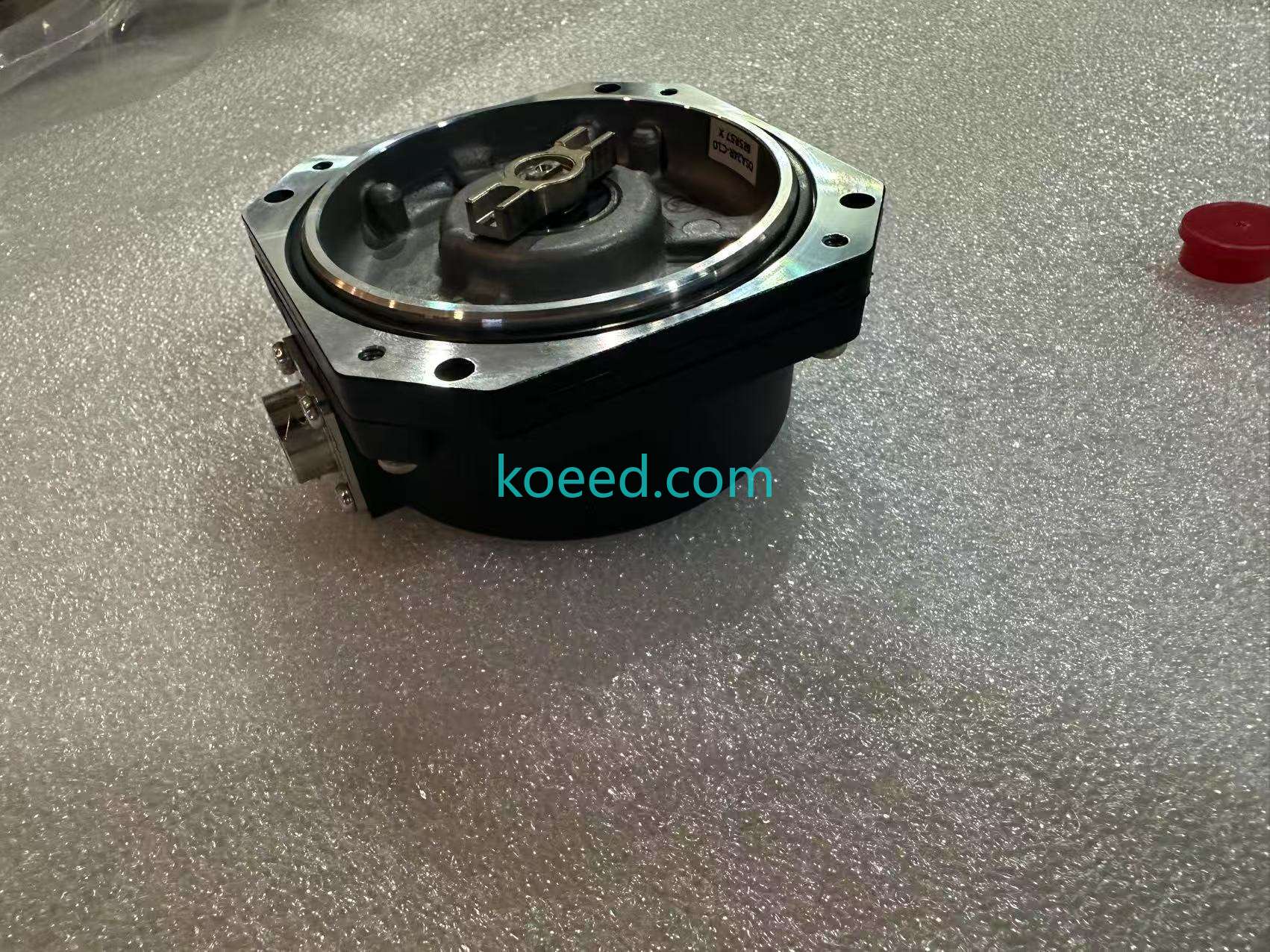
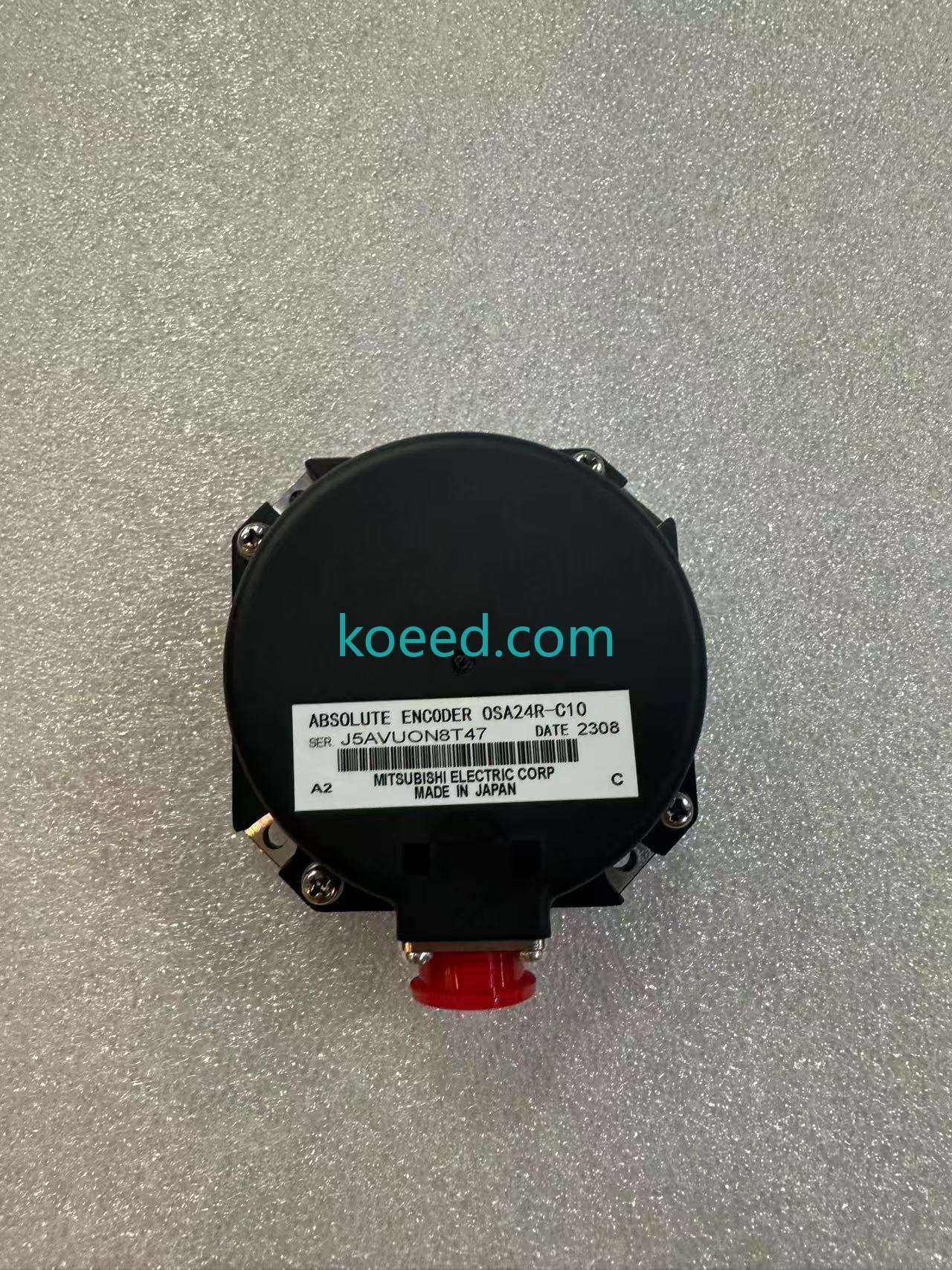
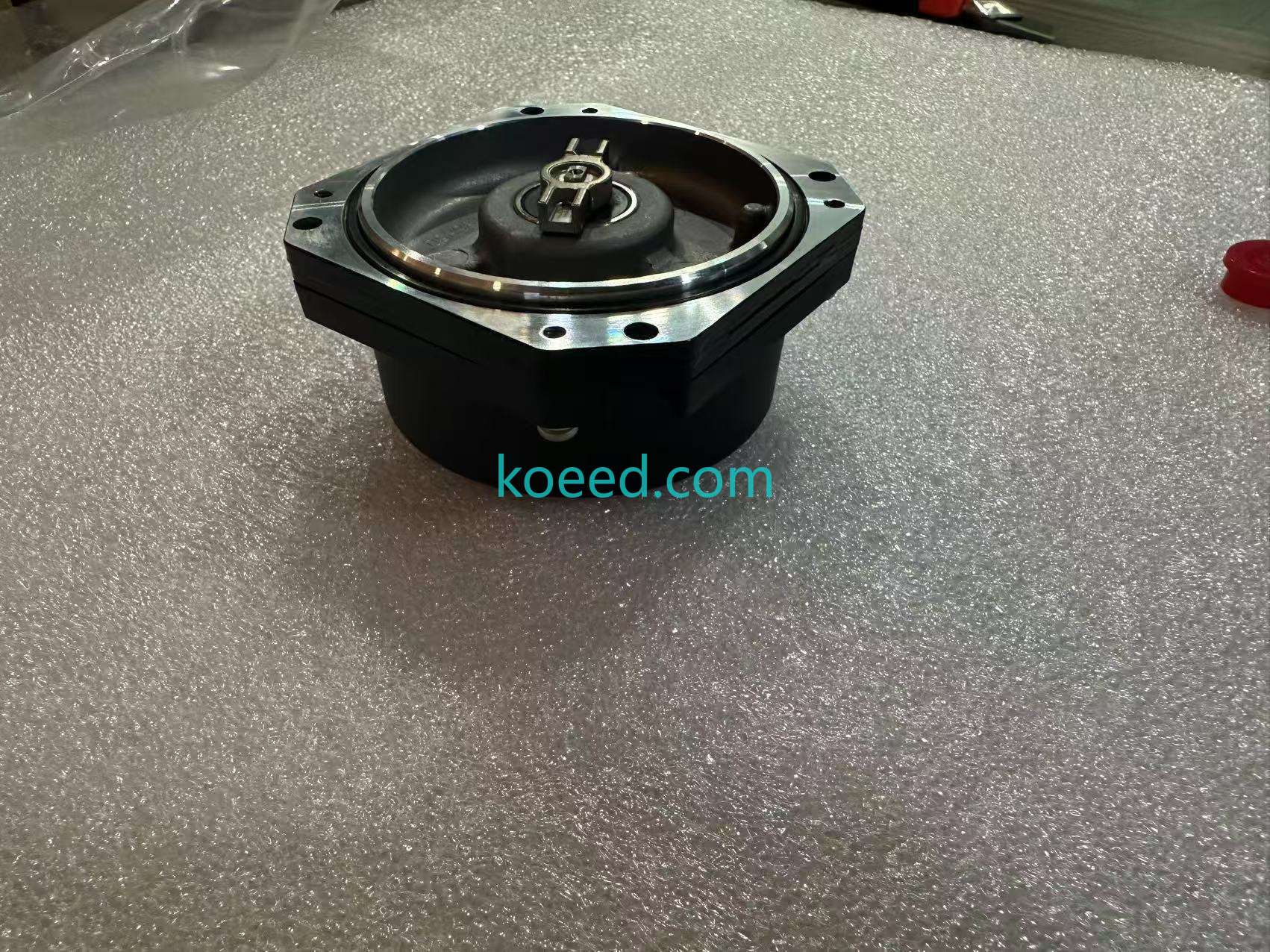
Pre-shipment Inspection Record: This document details the visual and technical inspection of the Mitsubishi OSA24R-C10 Absolute Encoder: The 2026 Gold Standard for Precision Motion Feedback & IT/OT Convergence. All product photos and testing videos below are original materials captured first-hand by the Koeed technical team in our warehouse prior to dispatch.

1. Strategic Overview: Why the OSA24R-C10 Matters in 2026

In the 2026 industrial automation landscape, precision motion control is no longer a luxury — it is the bedrock of competitive manufacturing. The Mitsubishi OSA24R-C10 Absolute Encoder stands as a definitive solution for engineers who demand zero-compromise positional accuracy in CNC machining, robotic arms, and servo-driven assembly lines. As factories accelerate their IT/OT convergence journeys, the OSA24R-C10 bridges the physical and digital: its absolute position data feeds directly into cloud-based MES and ERP systems, enabling real-time OEE dashboards and predictive analytics that were once aspirational but are now operational reality.

What sets the OSA24R-C10 apart is its absolute encoding architecture. Unlike incremental encoders that require a homing sequence after every power cycle, absolute encoders retain position data even during complete power loss. In a 2026 context where unplanned downtime costs manufacturers an average of $260,000 per hour (per Aberdeen Strategy & Research, 2026), eliminating the re-homing step translates directly into measurable OPEX savings and improved asset utilization rates.

2. Technical Benchmarking: Absolute vs. Incremental — The OSA24R-C10 Advantage

Understanding the architectural difference is essential for procurement engineers evaluating Mitsubishi's OSA24R-C10 encoder against competing solutions. The table below benchmarks the key differentiators:

Parameter Mitsubishi OSA24R-C10 (Absolute) Typical Incremental Encoder 2026 Relevance
Position Retention on Power Loss ✅ Retained — no homing needed ❌ Lost — requires full re-homing Critical for energy-intermittent smart grids
Startup Time Immediate — < 100 ms 2–15 seconds (homing cycle) Reduces line restart downtime by ~87%
Data Interface Serial absolute / parallel output Pulse train (A/B/Z phases) Enables direct IIoT gateway integration
Multi-Turn Capability Supported (absolute multi-turn) Not natively supported Essential for linear axis & rotary table apps
Noise Immunity Digital protocol — high immunity Analog — susceptible to EMI Vital in VFD-heavy 2026 shop floors
Sustainability Score Low power, fewer restart cycles Higher energy waste on restart Aligns with ISO 50001 energy targets

3. IT/OT Convergence: The OSA24R-C10 as a Smart Factory Data Node

By 2026, the line between operational technology (OT) and information technology (IT) has blurred into a single fabric. The Mitsubishi OSA24R-C10 excels here because its absolute position data can be ingested by edge computing nodes and streamed into platforms like Mitsubishi's iQ Monozukuri or third-party SCADA systems via OPC UA. This transforms the encoder from a passive sensor into an active contributor to:

3.1 Predictive Maintenance Ecosystems

By continuously monitoring position jitter, thermal drift signatures, and signal integrity, the OSA24R-C10 provides early-warning indicators for mechanical degradation — worn ball screws, bearing preload loss, or coupling backlash — often weeks before catastrophic failure. Plant maintenance teams using this encoder can shift from reactive to condition-based maintenance, extending MTBF by an estimated 22–35% across Mitsubishi MDS servo systems.

3.2 Digital Twin Synchronization

In 2026, high-fidelity digital twins demand sub-millisecond position updates. The OSA24R-C10's deterministic output ensures that virtual models remain synchronized with physical axes, enabling true hardware-in-the-loop simulation for process optimization — without ever stopping production.

4. Visual Gallery: OSA24R-C10 Product Inspection

Below is a comprehensive visual reference of the Mitsubishi OSA24R-C10 absolute encoder. Click any image to enlarge. All units are supplied with full traceability documentation.

Mitsubishi OSA24R-C10 Absolute Encoder - Front View Mitsubishi OSA24R-C10 Encoder - Side Profile Mitsubishi OSA24R-C10 Encoder - Connector Detail Mitsubishi OSA24R-C10 - Housing & Label Mitsubishi OSA24R-C10 Encoder - Shaft End Mitsubishi OSA24R-C10 - Rear View Mitsubishi OSA24R-C10 Encoder - Mounting Face Mitsubishi OSA24R-C10 - Product Label Close-Up Mitsubishi OSA24R-C10 Encoder - Packaging Mitsubishi OSA24R-C10 - Complete Unit Mitsubishi OSA24R-C10 Absolute Encoder - Detail

4.1 Product Overview Video

5. ROI & Total Cost of Ownership (TCO) Analysis

When evaluating the OSA24R-C10 for capital expenditure approval, plant managers should consider the following 2026 TCO model:

TCO Factor Incremental Encoder (Baseline) OSA24R-C10 Absolute Encoder 3-Year Delta
Initial Unit Cost Lower upfront Moderate premium +15–20% CapEx
Homing Downtime (Annual) ~18 hours lost 0 hours −$4,680 saved
Scrap/Rework from Drift 1.2% defect rate < 0.15% defect rate −$12,500 saved
Energy Consumption Frequent restart surges Stable-state operation −8% energy
Maintenance Labor Quarterly calibration Annual verification only −60% labor hours
3-Year Net TCO Baseline ~22% lower ROI in 8–14 months
🟡 PRO TIP — Sustainability Bonus: The OSA24R-C10's elimination of re-homing cycles reduces per-machine CO₂ footprint by approximately 42 kg/year. For a plant with 50 CNC stations, that translates to over 2 metric tons of avoided emissions — directly contributing to Scope 2 carbon reduction targets under the 2026 EU CSRD framework.

6. Maintenance & Troubleshooting Guide

6.1 Preventative Maintenance Schedule (2026 Best Practices)

To maximize the service life of your Mitsubishi OSA24R-C10 encoder, adhere to the following schedule:

Interval Action Tool Required
Monthly Visual inspection of connector seating & cable strain relief None — visual check
Quarterly Verify encoder housing temperature (should not exceed 75°C) IR thermometer / thermal camera
Bi-Annually Check signal stability via servo drive diagnostic software; verify no CRC errors Mitsubishi MR Configurator2
Annually Full position accuracy verification against reference standard; coupling runout check Laser interferometer / dial indicator

6.2 Common Fault Codes & Resolution

Symptom / Alarm Likely Cause Resolution
AL-16 / Encoder Communication Error Loose connector, damaged cable, EMI interference Reseat connector; replace shielded cable; verify grounding per Mitsubishi spec
AL-20 / Position Deviation Mechanical slippage or coupling backlash Inspect coupling; re-torque set screws; verify shaft alignment
AL-25 / Absolute Position Lost Battery depletion (if battery-backed multi-turn) Replace battery with power ON; re-establish home position
Intermittent Position Drift Thermal expansion of mounting bracket or contaminated optical disc Clean encoder environment; verify operating temperature range; inspect IP sealing
🟡 PRO TIP — Spare Parts Strategy: For mission-critical production lines, Koeed recommends maintaining at least one OSA24R-C10 unit as a cold spare. With absolute encoders, swapping a failed unit requires only mechanical alignment — no software re-parameterization — reducing MTTR to under 30 minutes on most Mitsubishi MDS-D/MDS-R servo platforms.

7. Compatibility & Integration Ecosystem (2026)

The Mitsubishi OSA24R-C10 absolute encoder is natively compatible with the following Mitsubishi servo drive families, verified as of the 2026 firmware releases:

  • MDS-D/DH Series — CNC servo drives (firmware V3.2+)
  • MDS-R Series — High-response servo drives with CC-Link IE TSN support
  • MR-J4/J5 Series — General-purpose AC servo amplifiers (via absolute encoder interface kit)
  • MDS-EM/EMH Series — Multi-axis servo drive units for compact machine designs

For legacy system retrofits or third-party controller integration, Koeed's application engineering team can provide signal converter interfaces and protocol gateway solutions — contact us for a compatibility assessment.

8. Frequently Asked Questions

Q1: Is the OSA24R-C10 compatible with non-Mitsubishi servo drives?

The OSA24R-C10 uses Mitsubishi's proprietary absolute serial protocol. Direct plug-and-play compatibility is limited to Mitsubishi MDS and MR-J series drives. However, for integration with third-party controllers (Siemens, Fanuc, Beckhoff), Koeed can supply protocol converters that translate the absolute position stream into standard interfaces such as SSI, BiSS-C, or EtherCAT encoder profiles. Reach out with your controller model for a tailored recommendation.

Q2: What is the typical lead time for the OSA24R-C10 in 2026?

As of Q3 2026, Koeed maintains buffer stock of the OSA24R-C10 across our global distribution centers. Standard lead time for stocked units is 3–5 business days. For volume orders (10+ units), lead time may extend to 2–4 weeks depending on Mitsubishi Electric's production allocation. We recommend placing a blanket PO for annual requirements to lock in pricing and allocation.

Q3: Does the OSA24R-C10 require a backup battery?

This depends on the specific sub-variant. Some OSA24R-C10 configurations use battery-backed SRAM for multi-turn absolute position retention, while newer revisions may employ batteryless magnetic multi-turn technology (Wiegand effect). Check your unit's label. If battery-equipped, Mitsubishi recommends replacement every 3–5 years, performed with the servo drive powered ON to preserve absolute position data.

Q4: How does the OSA24R-C10 contribute to our ISO 50001 energy management goals?

By eliminating homing cycles and enabling faster machine restart, the OSA24R-C10 reduces per-startup energy consumption by approximately 0.4–0.8 kWh per axis. Across a year of operation, this accumulates into measurable savings that can be documented in your ISO 50001 energy performance indicators (EnPIs). Additionally, the encoder's stable-state operation avoids the inrush current spikes associated with re-homing sequences.

Q5: Can the OSA24R-C10 be repaired or is it a replace-only component?

The OSA24R-C10 is a precision optical/ magnetic assembly that is factory-sealed and calibrated. While third-party repair services exist, Mitsubishi's official position (and Koeed's recommendation) is full replacement for any unit exhibiting internal faults. The cost of a new OSA24R-C10 encoder is typically recovered within 8–14 months through avoided downtime alone, making replacement the economically rational choice. Koeed offers a core-exchange program for qualified accounts.

9. Sustainability & Circular Economy

As the manufacturing sector aligns with the 2026 circular economy directives, the OSA24R-C10's design philosophy merits attention. Mitsubishi Electric's encoder manufacturing facilities in Nagoya, Japan, operate on 100% renewable energy (verified by RE100). End-of-life units returned through Koeed's take-back program are dismantled, with rare-earth magnets recovered, optical glass recycled, and aluminum housings re-smelted — achieving a 94% material recovery rate. This positions the OSA24R-C10 favorably in sustainability scorecards used by automotive and aerospace OEMs when auditing their Tier 1 and Tier 2 suppliers.

📐 Ready to Upgrade Your Motion Control Architecture?

Get a competitive quote, check real-time stock, or speak with a Koeed application engineer about integrating the Mitsubishi OSA24R-C10 into your 2026 automation roadmap.

Or browse the full product page: Mitsubishi OSA24R-C10 Absolute Encoder — Full Specifications

Related Articles

Voltar para o blog