

12-28 UNF Thread Specification: Complete Guide for PLC Industrial Automation Applications
12-28 UNF Thread Specification
Complete Technical Guide for Industrial Automation and PLC Applications
Product Overview
The 12-28 UNF thread specification represents a standardized Unified National Fine thread according to ANSI/ASME B1.1 standards. This thread type is particularly important in industrial automation and PLC systems where precision connections and reliable sealing are critical for electrical enclosures, conduit fittings, and sensor connections.
Key Feature: The #12-28 UNF thread provides finer pitch compared to UNC (Unified National Coarse) threads, offering better vibration resistance and improved sealing capabilities in industrial automation applications.
Product Images and Video
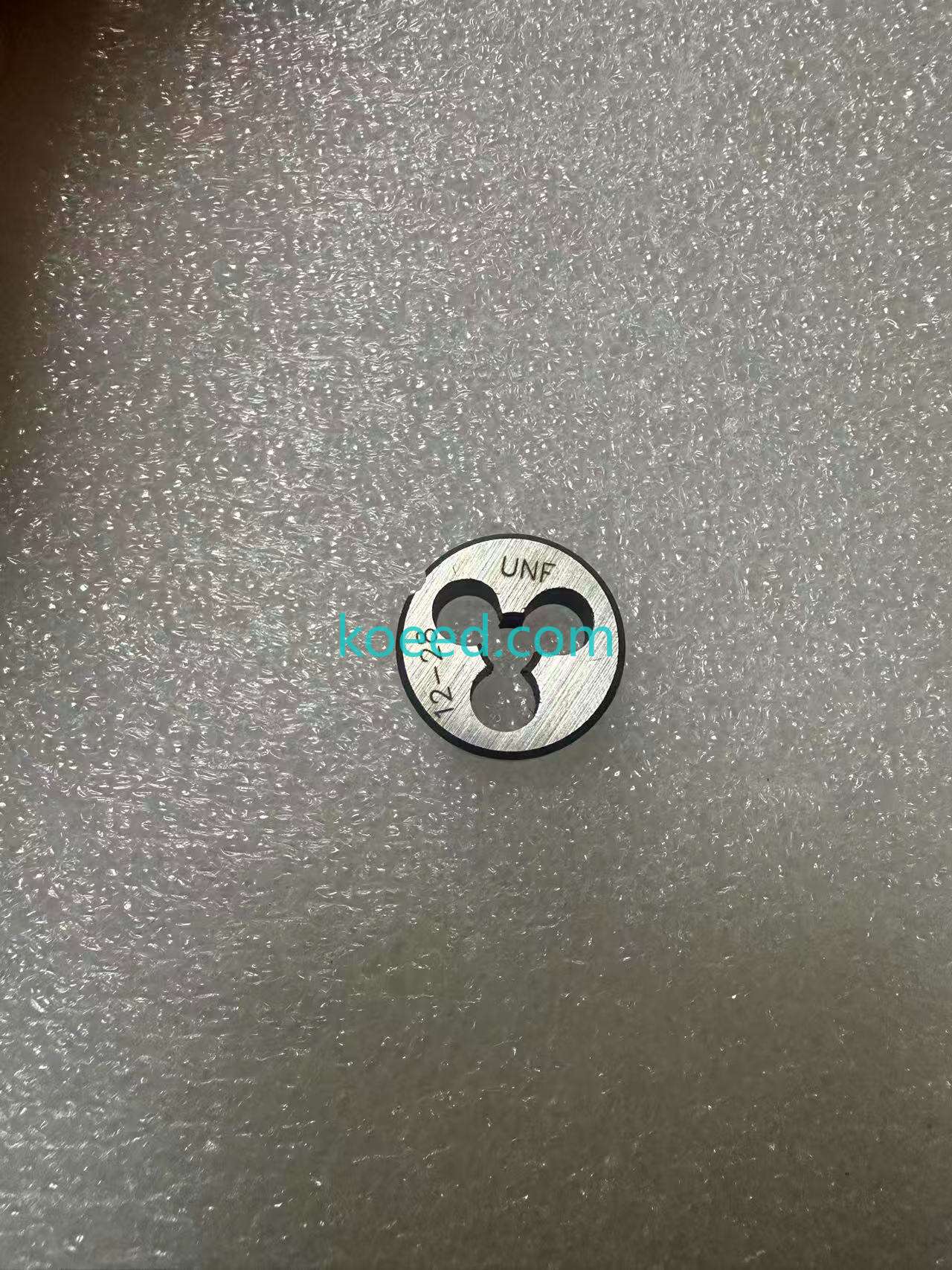
Thread gauge measurement for 12-28 UNF specification
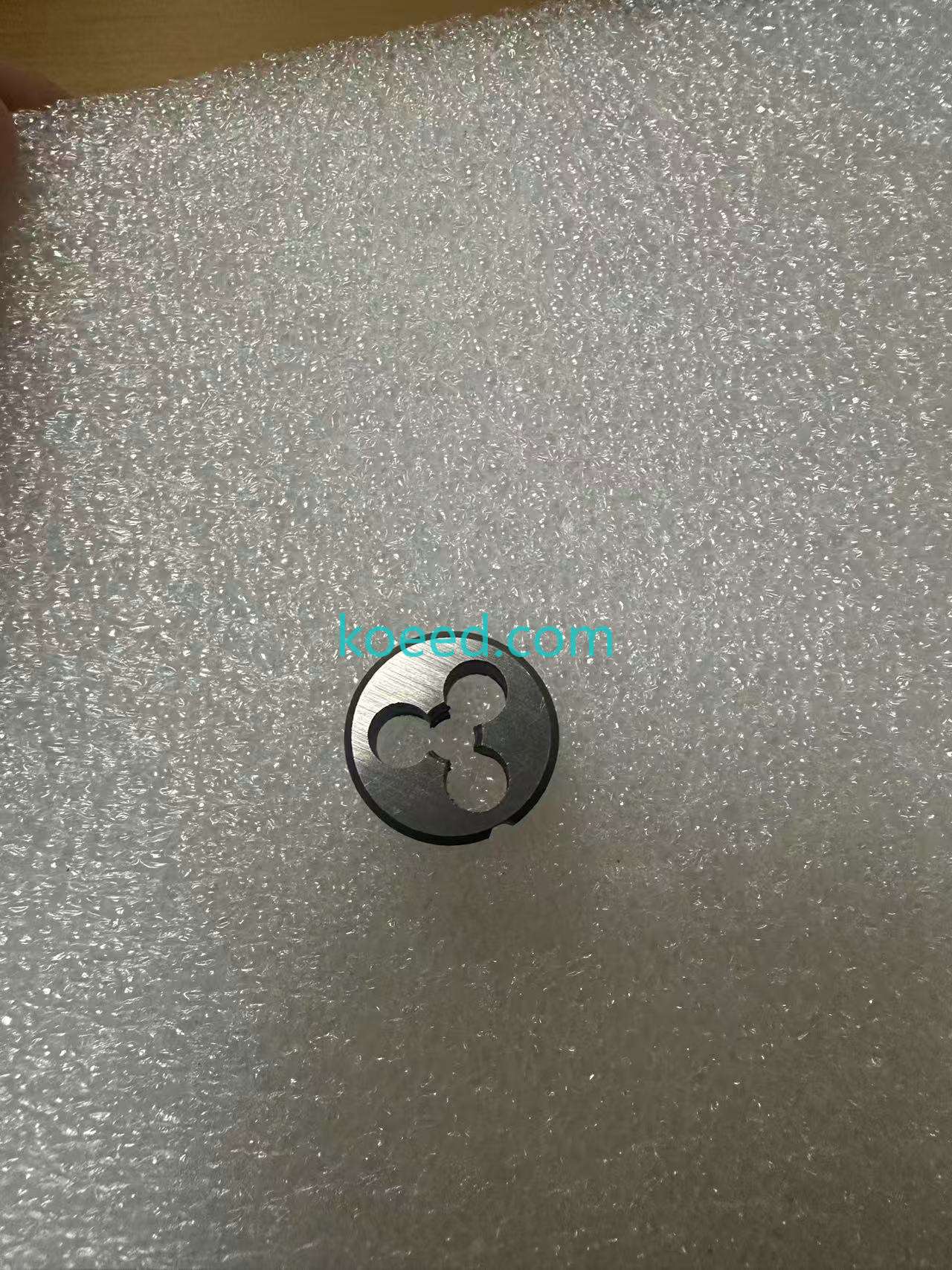
Detailed thread profile showing fine pitch characteristics
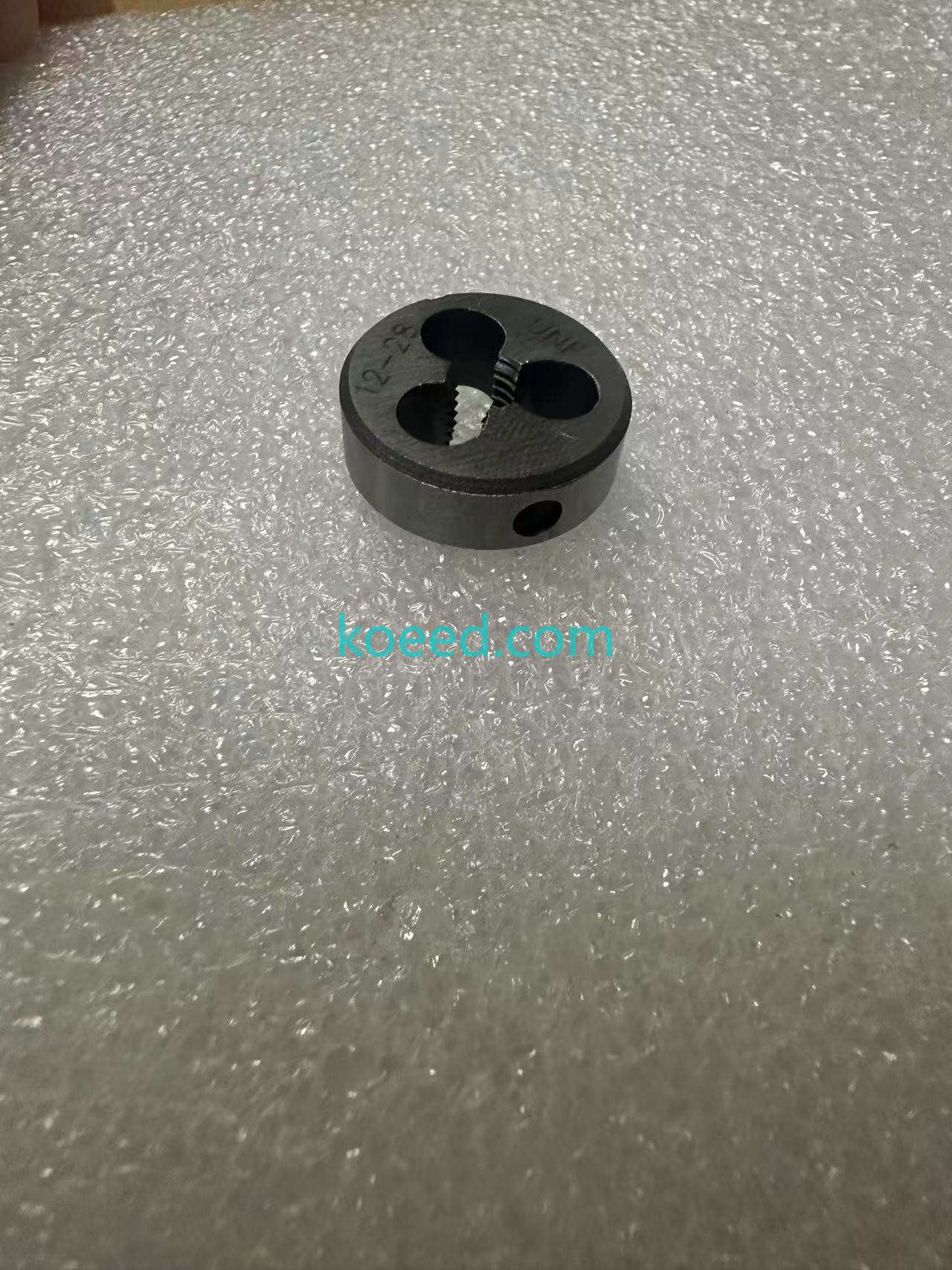
Industrial application in PLC enclosure fittings
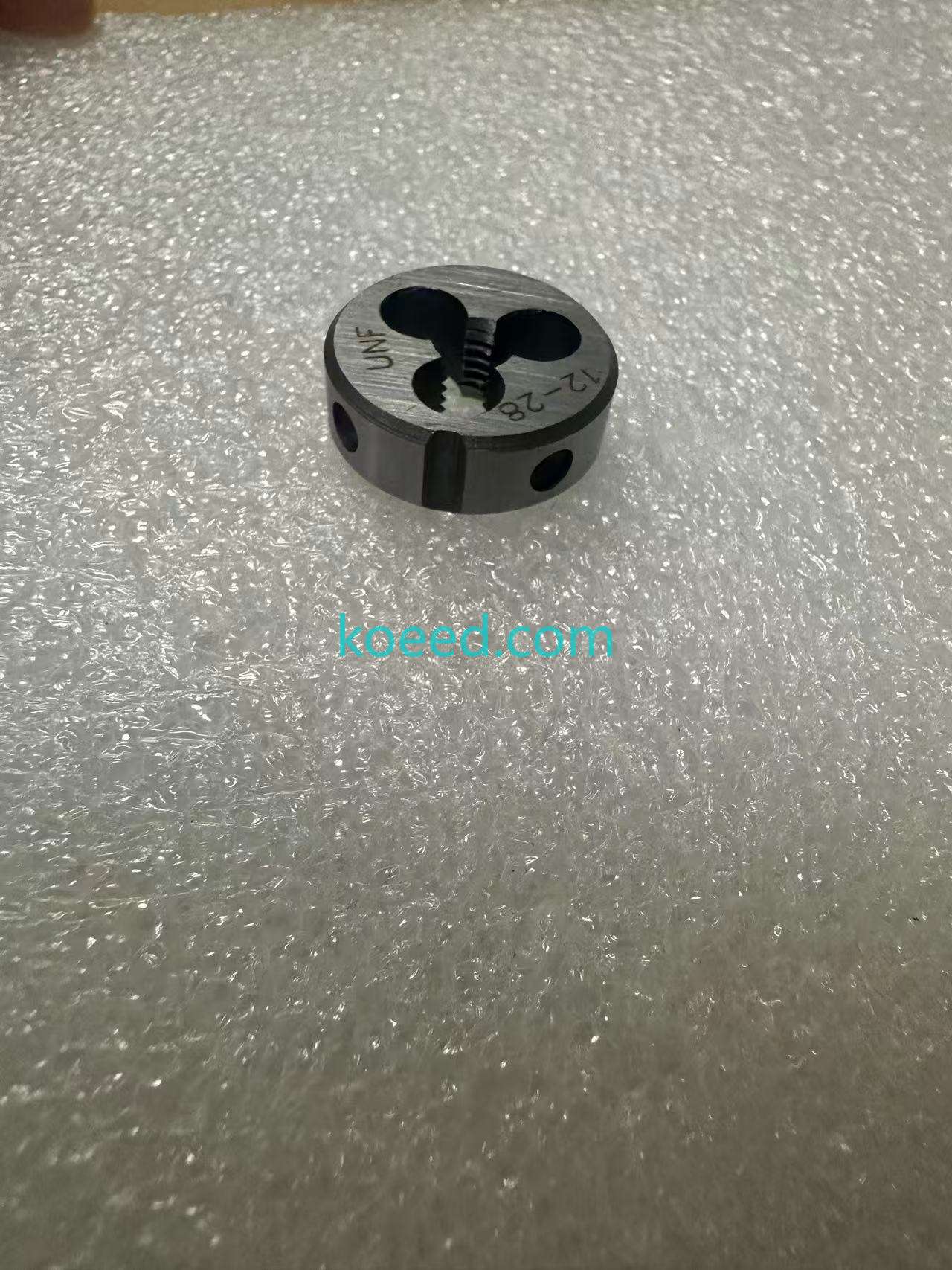
Technical drawing with dimensional specifications
Installation and Application Video
Video demonstration of 12-28 UNF thread applications in industrial automation
Technical Specifications
| Parameter | Value | Description |
|---|---|---|
| Thread Designation | #12-28 UNF | Unified National Fine thread specification |
| Major Diameter | 0.2160 inches (5.486 mm) | Maximum external thread diameter |
| Threads per Inch | 28 TPI | Fine thread pitch specification |
| Pitch | 0.0357 inches (0.907 mm) | Distance between thread crests |
| Minor Diameter | 0.1850 inches (4.70 mm) | Minimum internal thread diameter |
| Standard | ANSI/ASME B1.1 | American National Standard |
| Thread Class | 2A/2B (Common) | Standard tolerance class for general applications |
Industrial Automation Applications
PLC Enclosures
Used for securing conduit entries and cable glands in PLC control cabinets
Sensor Connections
Precision connections for industrial sensors and measurement devices
Electrical Fittings
Conduit fittings and junction box connections in automation systems
Instrumentation
Pressure gauges, flow meters, and control valve connections
Industry Standard: The 12-28 UNF thread is widely adopted in industrial automation due to its fine pitch providing superior vibration resistance compared to coarse threads, making it ideal for applications where connections must remain secure in high-vibration environments.
Comparison with Other Thread Standards
| Thread Type | Designation | TPI | Major Diameter | Primary Application |
|---|---|---|---|---|
| UNF (Fine) | #12-28 UNF | 28 | 0.216" | Precision, vibration resistance |
| UNC (Coarse) | #12-24 UNC | 24 | 0.216" | General purpose, faster assembly |
| UNEF (Extra Fine) | #12-32 UNEF | 32 | 0.216" | Thin-wall applications, fine adjustments |
| Metric Fine | M5.5×0.5 | ~51 TPI | 5.5 mm | International standards, metric systems |
Frequently Asked Questions
The designation "12-28 UNF" indicates a Unified National Fine thread where "12" refers to the screw size number, "28" indicates threads per inch (TPI), and "UNF" specifies it as a fine thread according to ANSI/ASME B1.1 standards.
UNF threads provide better vibration resistance, improved sealing capabilities, and finer adjustment capabilities compared to UNC threads. This makes them ideal for industrial automation where connections must remain secure in vibrating environments and where precise adjustments are necessary.
Common materials include stainless steel (304/316), brass, aluminum, and plated steel. Material selection depends on environmental factors such as corrosion resistance requirements, electrical conductivity needs, and mechanical strength considerations.
Proper installation involves cleaning threads, applying appropriate thread sealant or lubricant if required, using calibrated torque wrenches to achieve specified torque values, and following manufacturer's installation guidelines to prevent cross-threading or damage.
Torque specifications vary based on material and application. Typical values range from 5-15 in-lbs for aluminum, 10-25 in-lbs for steel, and 8-20 in-lbs for brass. Always consult manufacturer specifications for exact torque requirements.
Trust Metrics and Industry Standards
External References and Standards
Primary Standards:
- ANSI/ASME B1.1 - Unified Inch Screw Threads (UN and UNR Thread Form)
- ISO 68-1 - ISO general purpose screw threads - Basic profile
- SAE AS8879 - Screw Threads, Unified and Metric, General Specification For
Industry Applications: According to industrial standards, 12-28 UNF threads are specified for applications requiring fine adjustment capabilities, vibration resistance, and reliable sealing in harsh industrial environments.
Source References:
- Machining Doctor - #12-28 UNF Thread Dimensions
- Ring Plug Thread Gages - UNF Thread Data Charts
- Gewinde Normen - UNF Thread ANSI/ASME B1.1 Specifications
- MSC Direct - Industrial Thread Specifications
Maintenance and Quality Assurance
For optimal performance in PLC and industrial automation applications:
- Regular Inspection: Periodically check for thread wear, corrosion, or damage
- Proper Lubrication: Use appropriate thread lubricants for specific applications
- Torque Verification: Regularly calibrate torque tools and verify installation torque
- Thread Protection: Use thread protectors during storage and transportation
- Quality Control: Implement thread gauge verification for incoming components
Professional Recommendation: For critical PLC automation applications, always specify Class 2A/2B tolerance threads and use thread gauges for verification. Consider environmental factors such as temperature variations, chemical exposure, and vibration levels when selecting thread materials and specifications.


