

E918135 PLC Module: Advanced Industrial Automation Solution for Modern Manufacturing
E918135 PLC Module
Advanced Programmable Logic Controller Module for Industrial Automation Systems
Product Overview
The E918135 PLC module represents a cutting-edge solution in industrial automation, designed to provide reliable and efficient control for modern manufacturing environments. As a programmable logic controller module, it serves as the intelligent core of automation systems, bridging software programming with physical control of industrial processes.
Product Demonstration Video
Key Features
- High-performance industrial computing capabilities
- Multiple I/O configurations for flexible integration
- Robust industrial-grade construction
- Support for multiple programming languages
- Real-time control and monitoring capabilities
- Comprehensive communication interfaces
Product Images Gallery
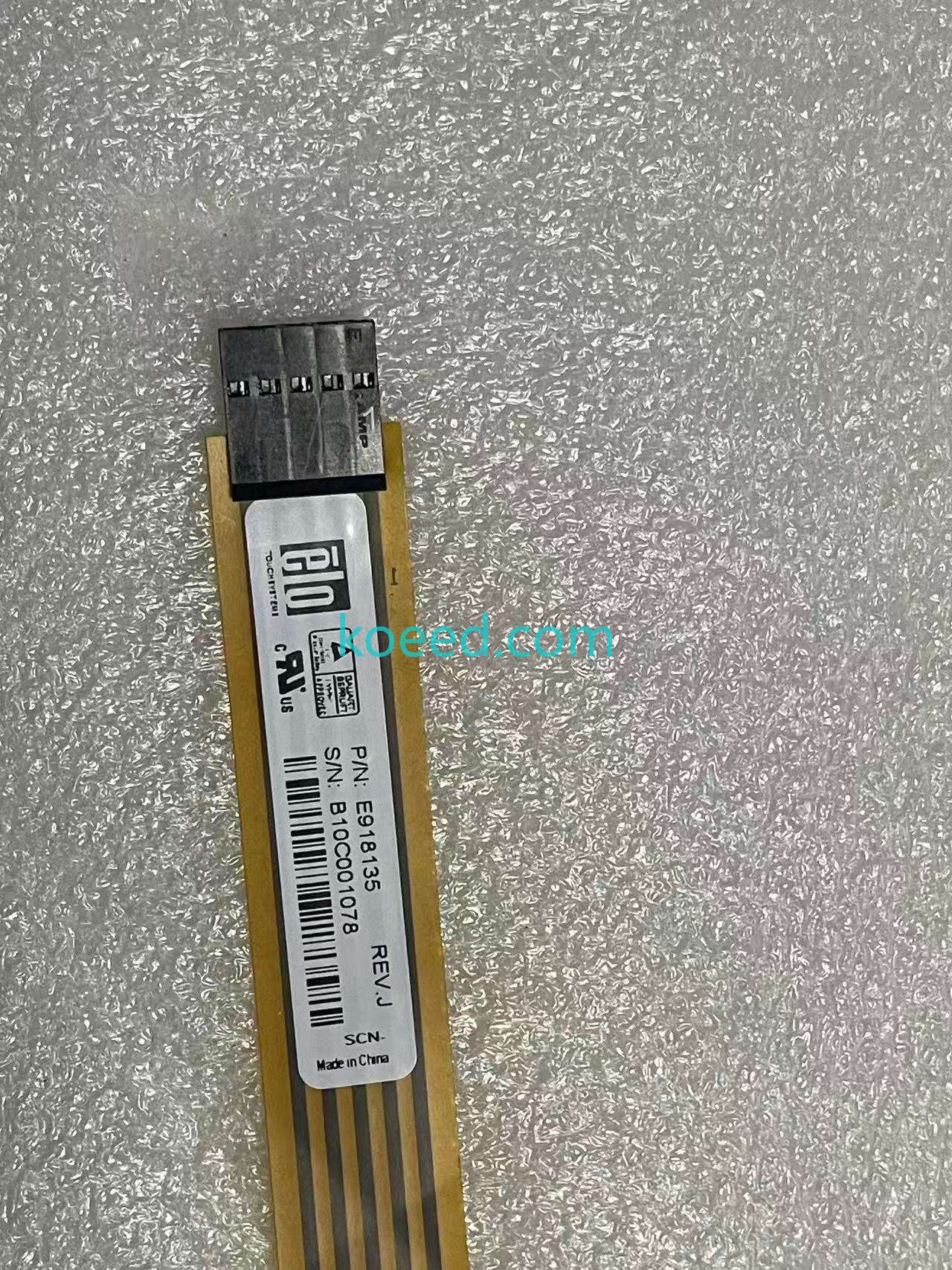
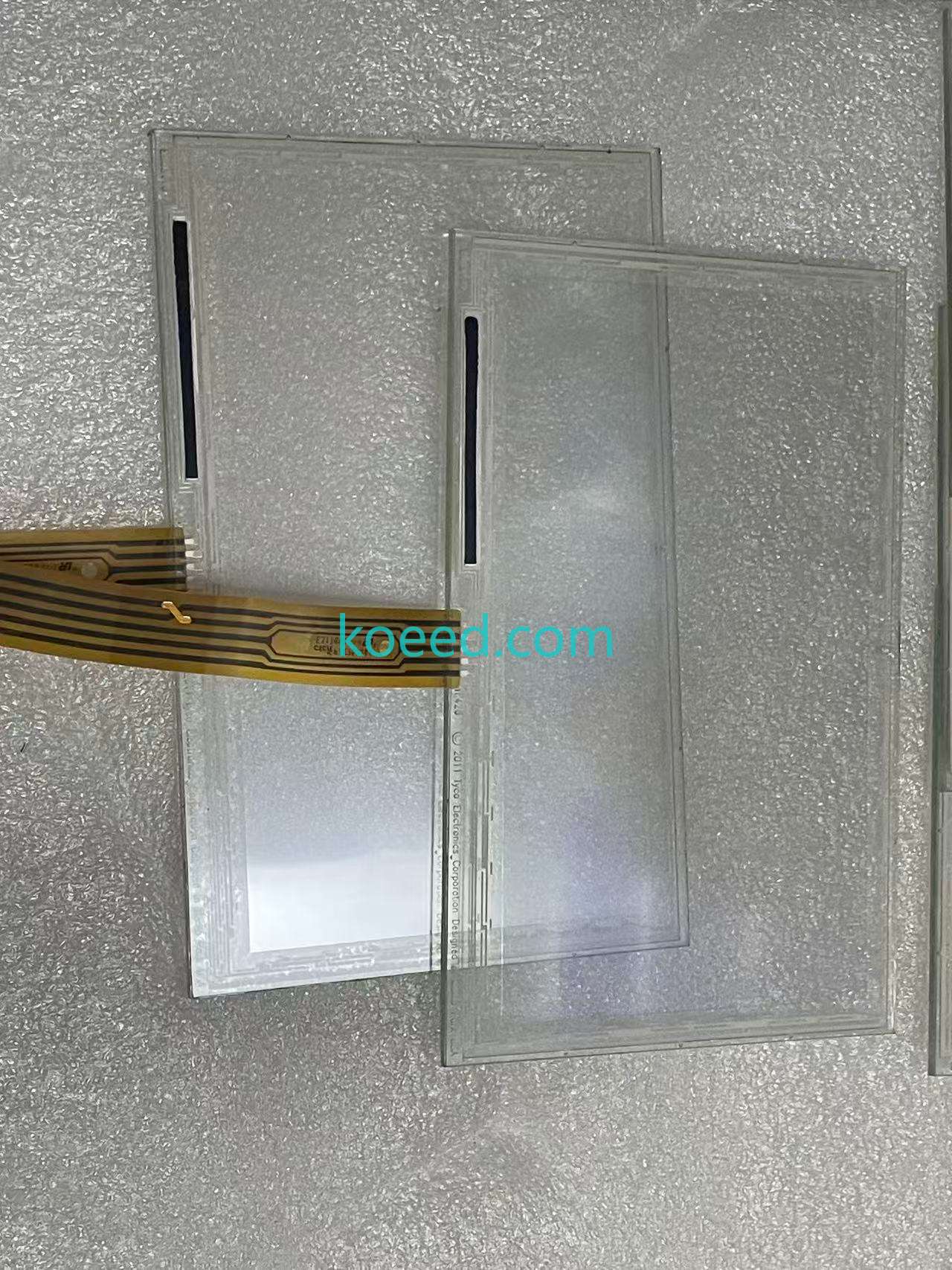
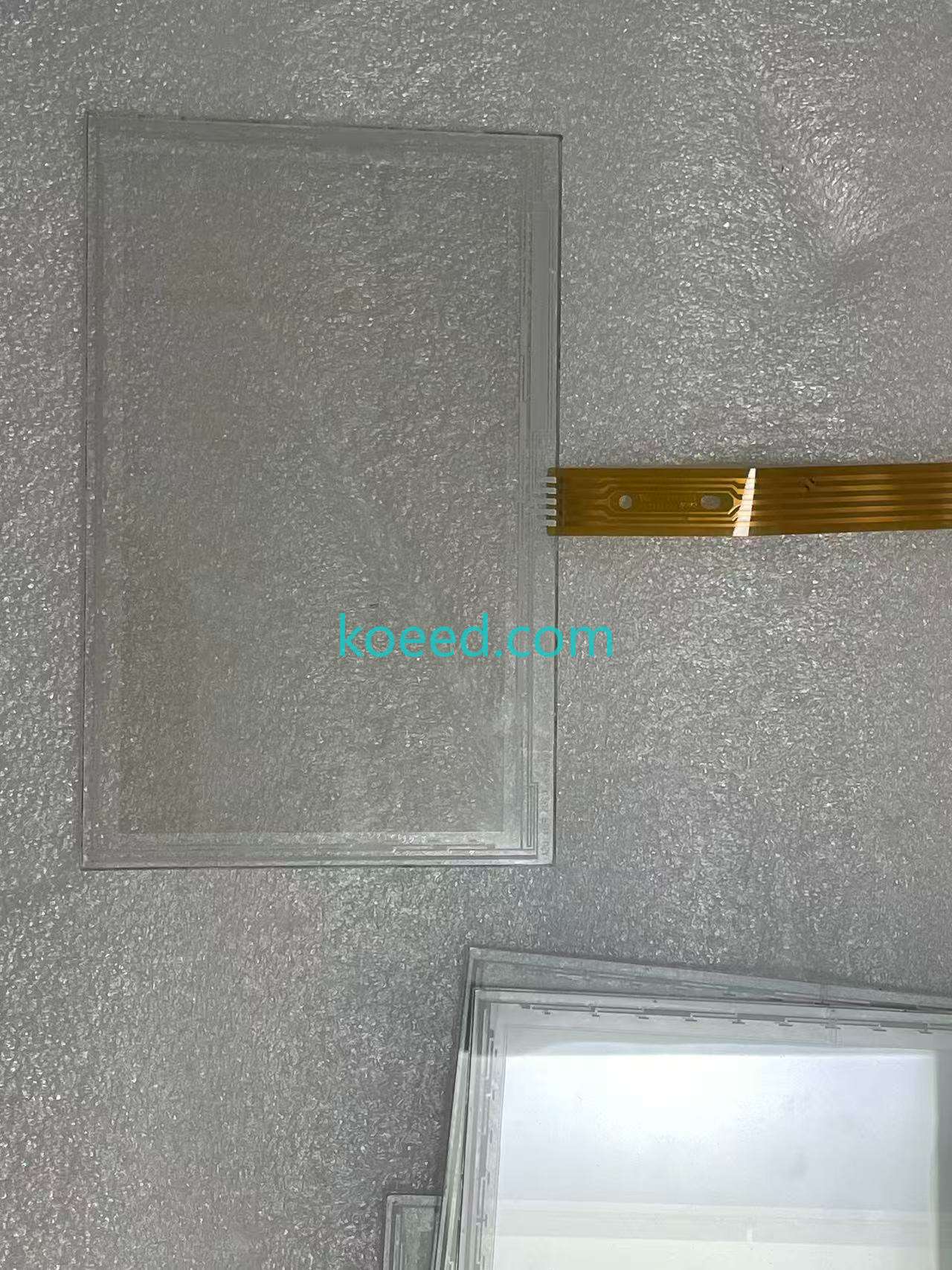
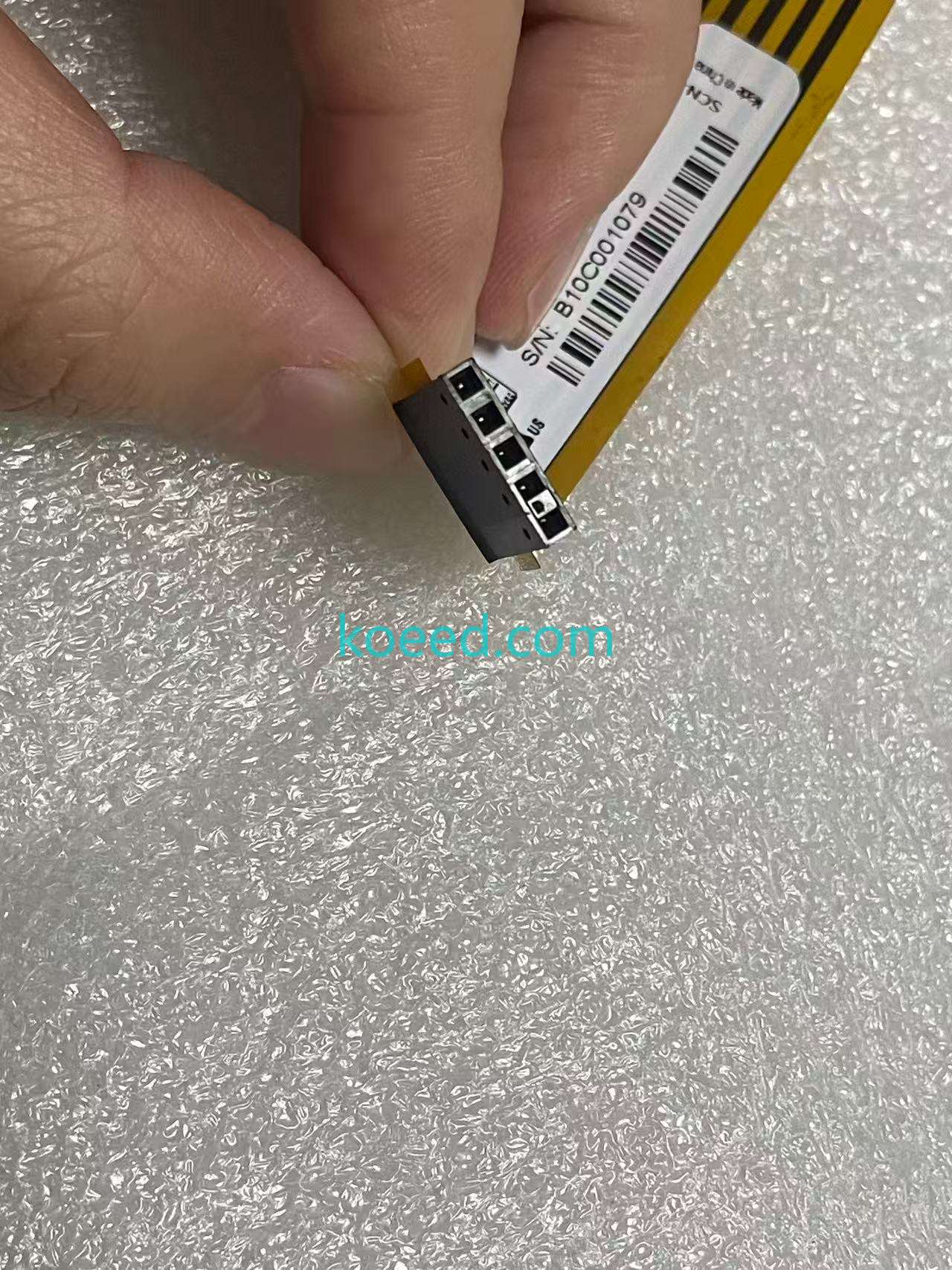
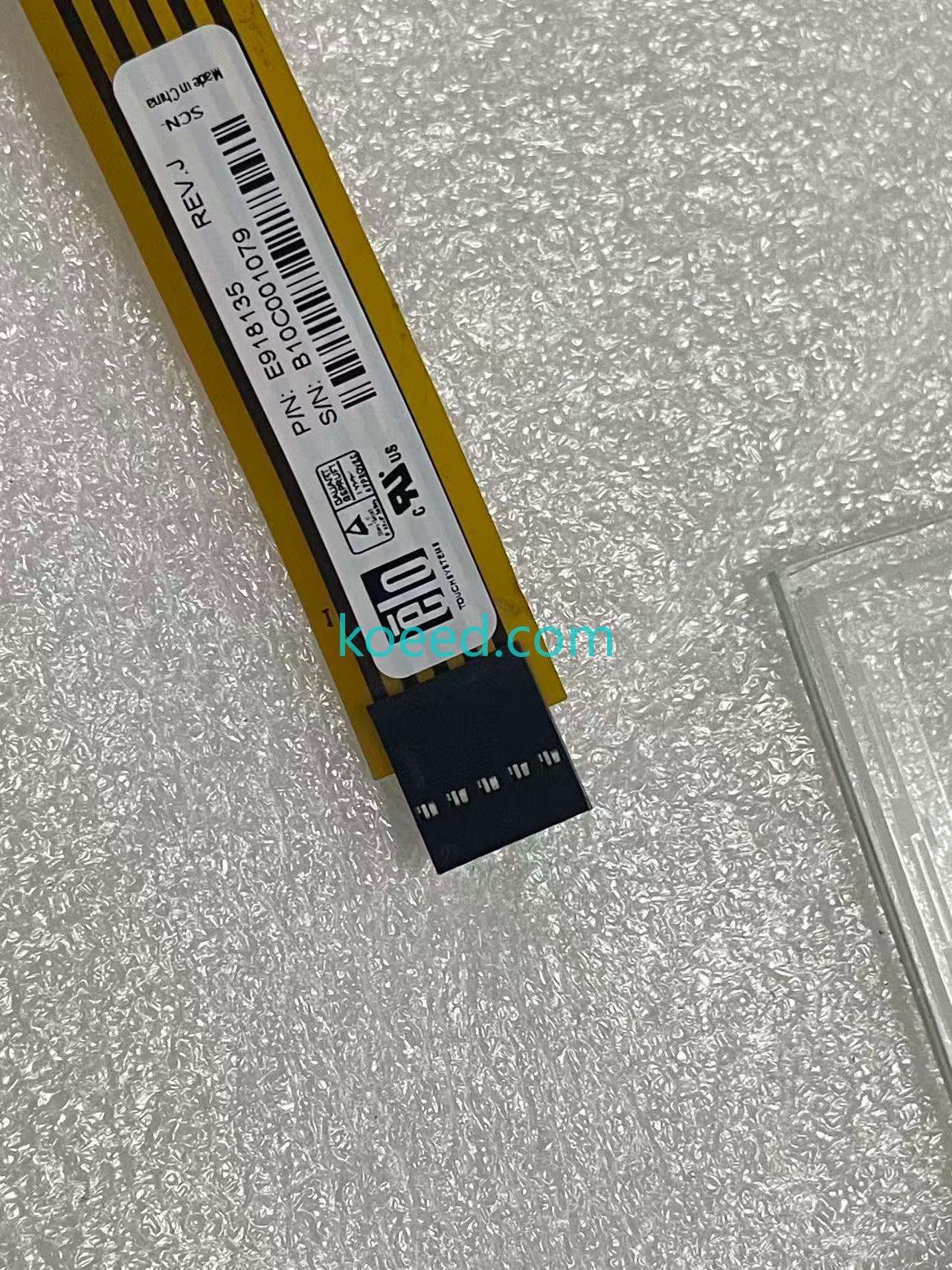
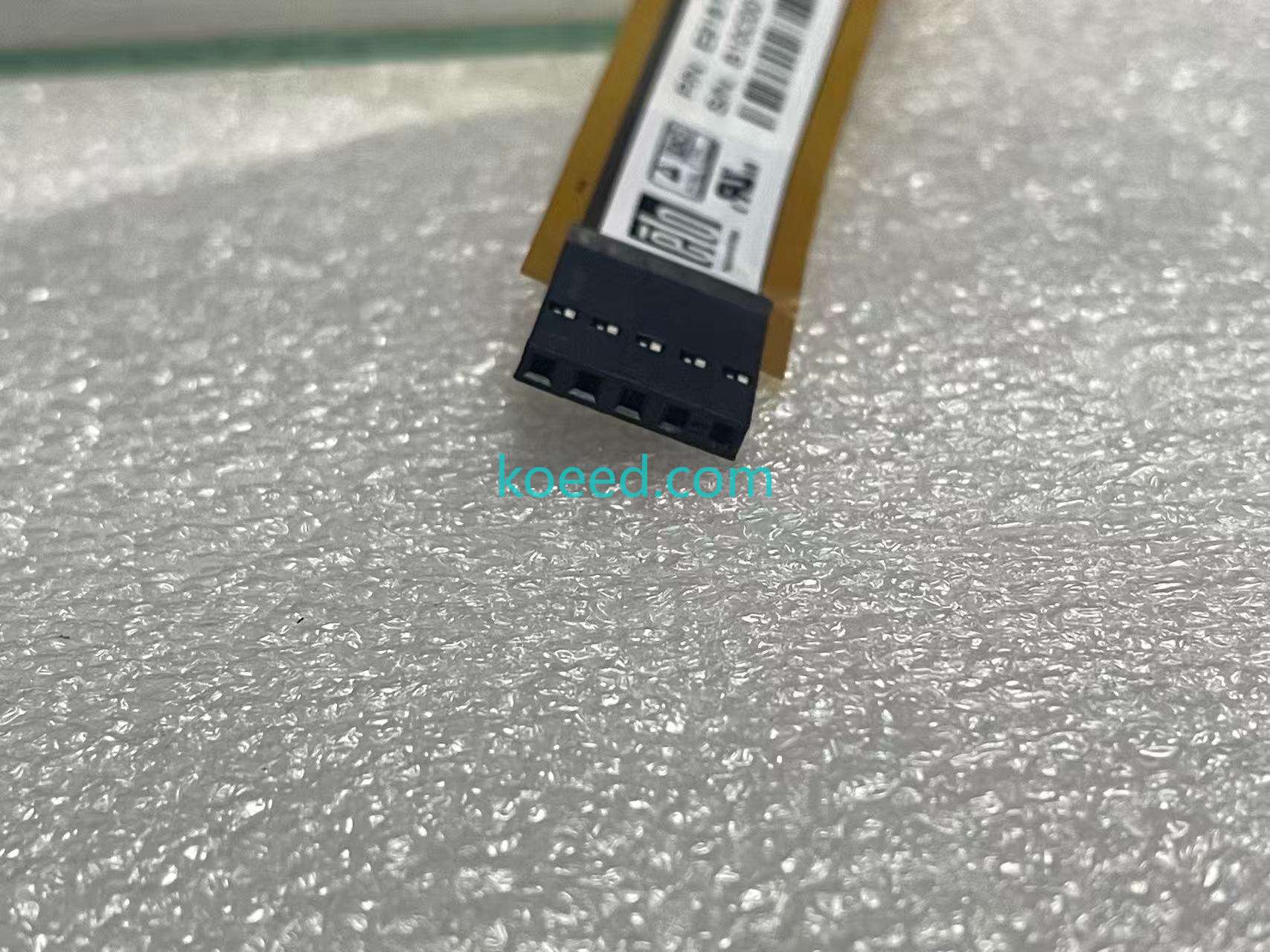
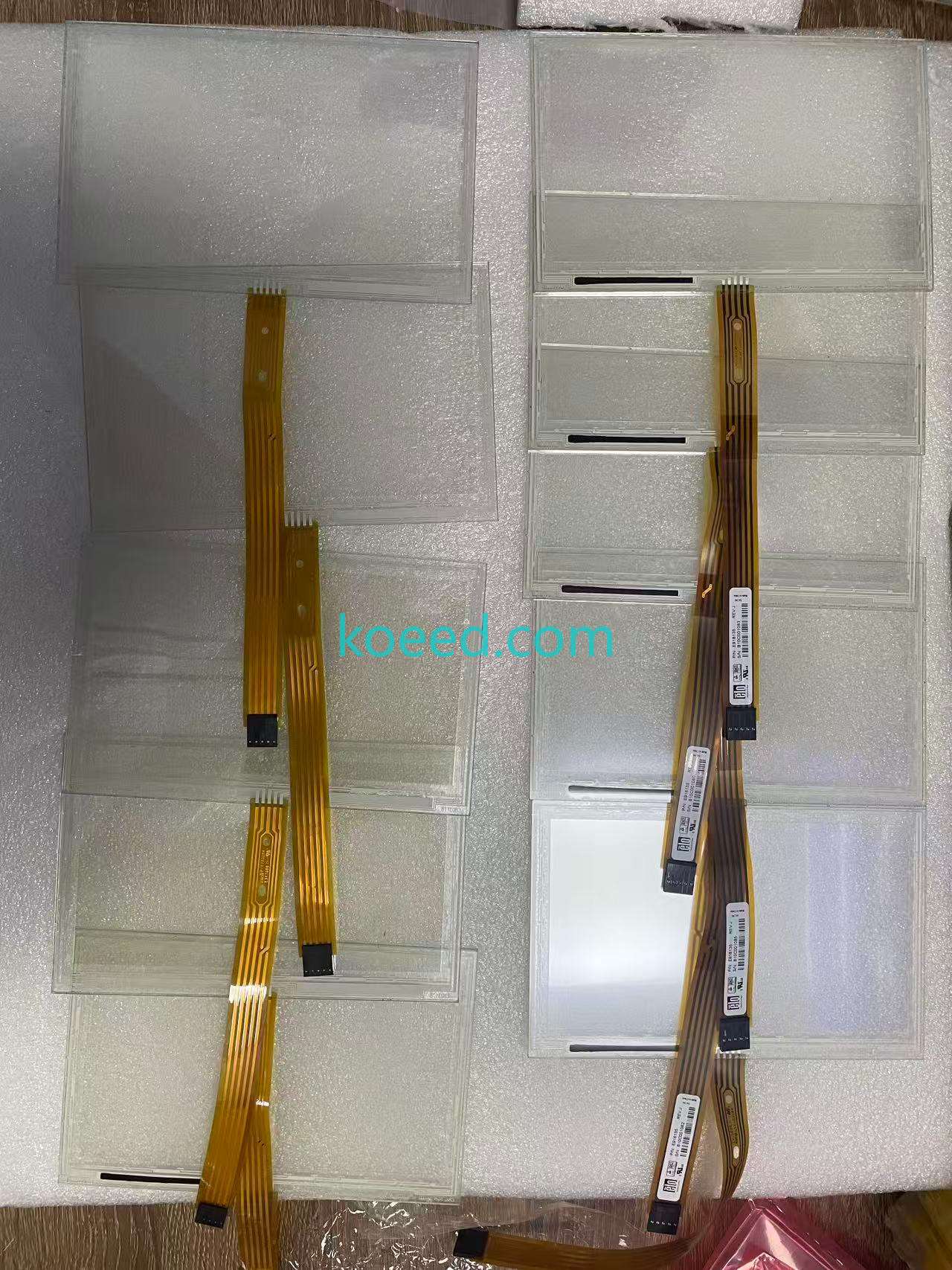
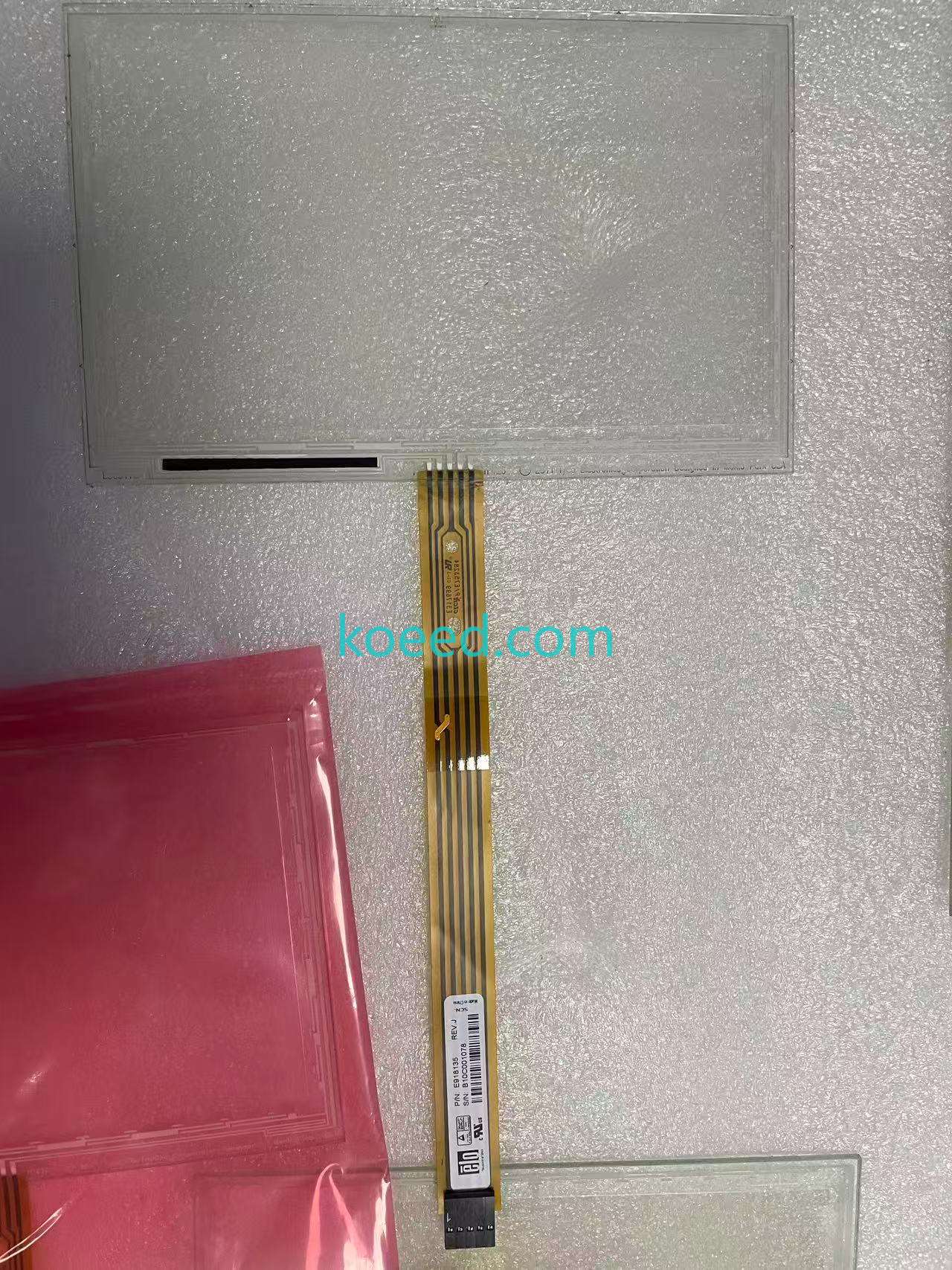
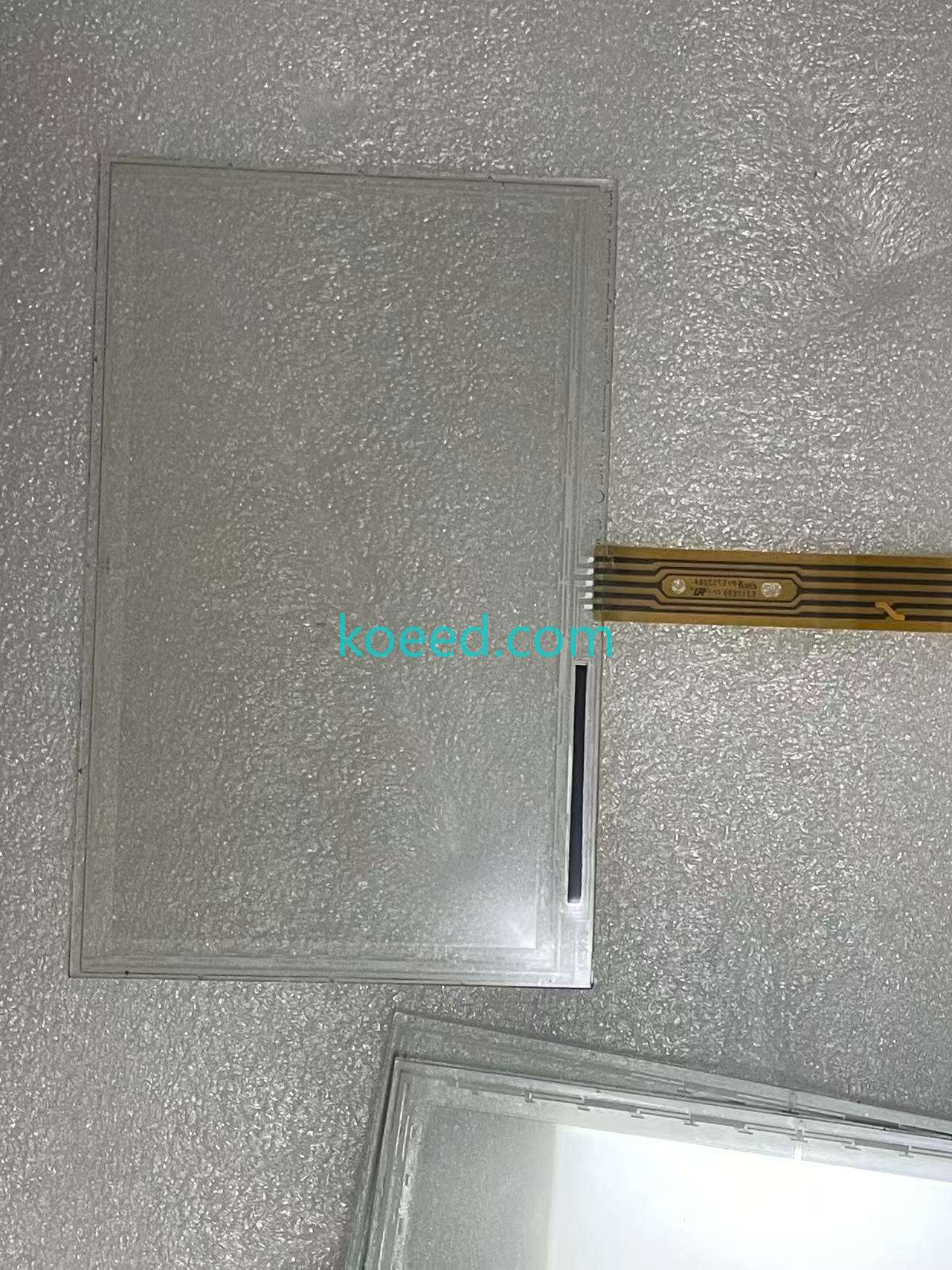
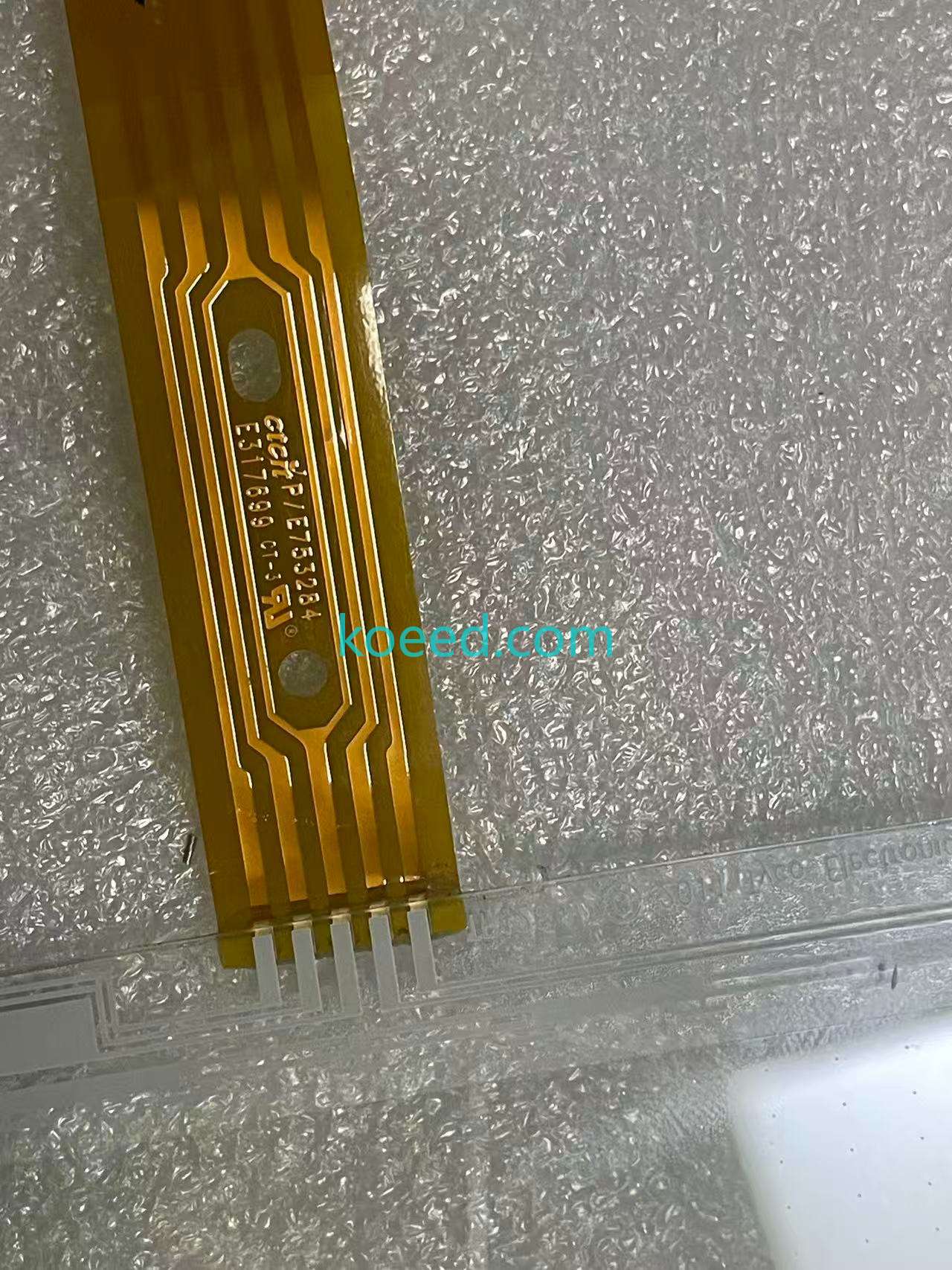
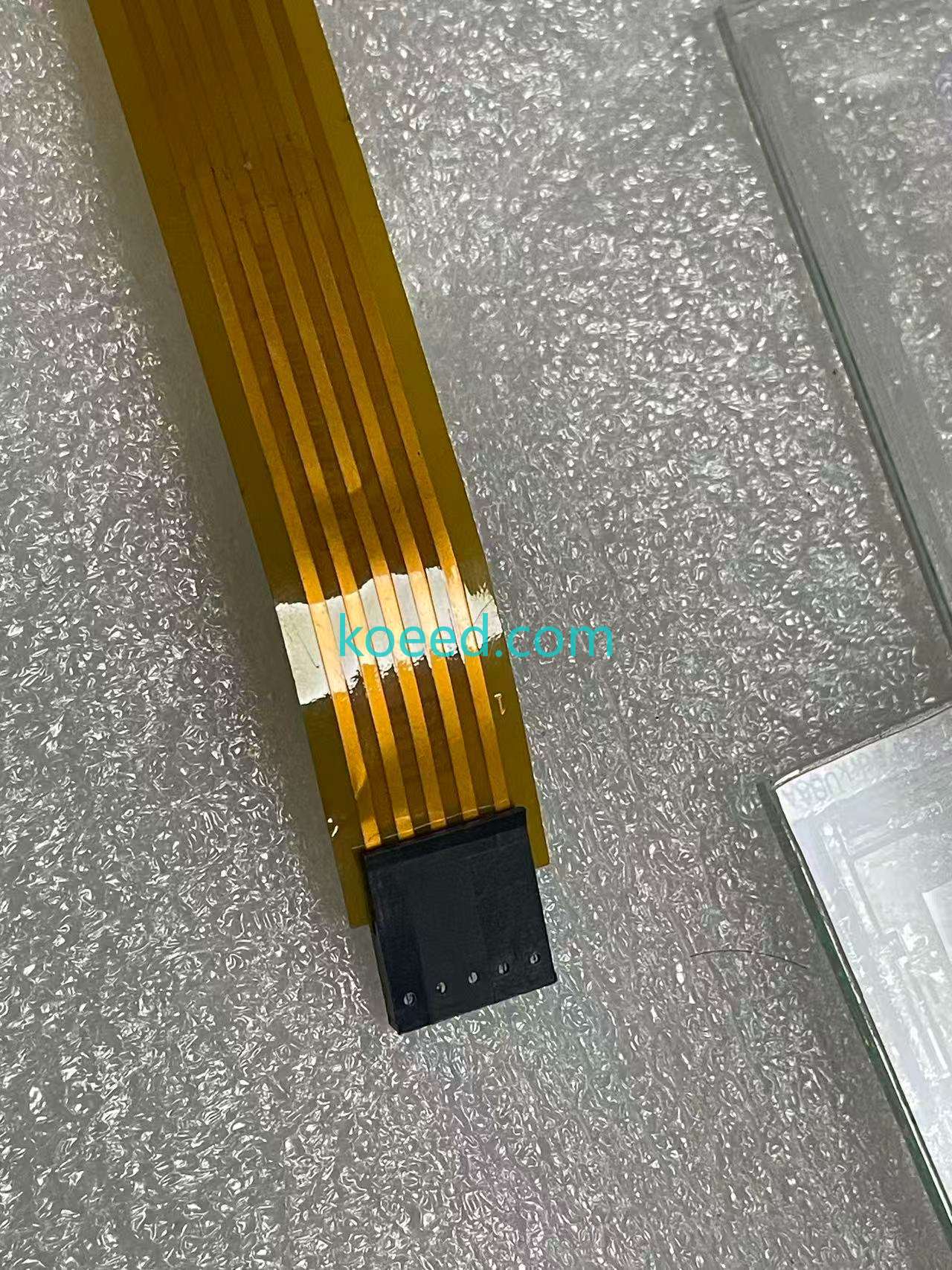
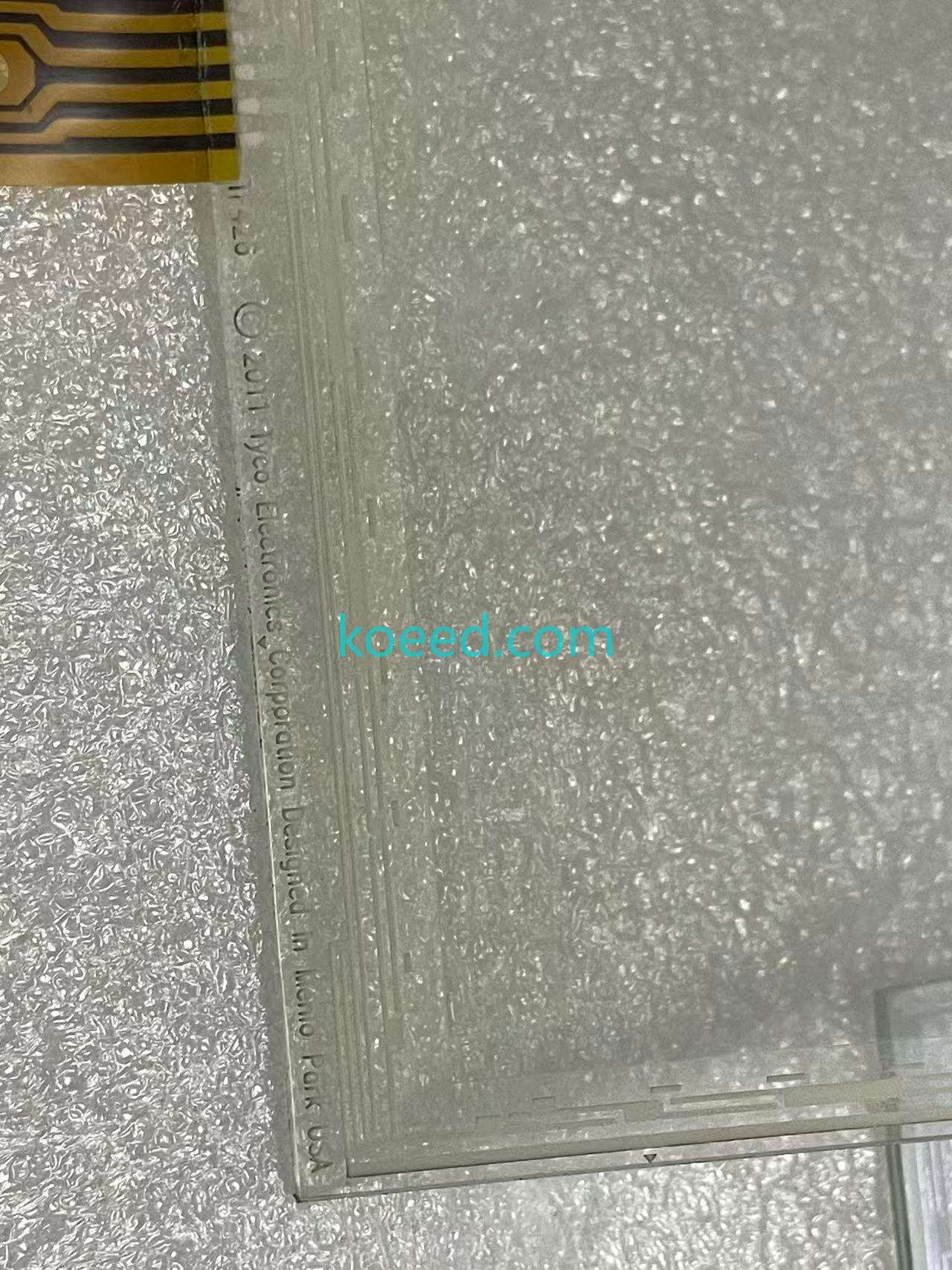
Technical Specifications
| Parameter | Specification | Description |
|---|---|---|
| Product Code | E918135 | Manufacturer's product identification |
| Module Type | PLC I/O Module | Programmable Logic Controller Input/Output Module |
| Operating Voltage | 24V DC (Standard) | Industrial standard voltage range |
| Input Configuration | Digital/Analog Inputs | Supports both digital and analog signal processing |
| Output Configuration | Digital/Analog Outputs | Multiple output types for various control applications |
| Communication Protocols | Ethernet/IP, Modbus TCP, PROFINET | Industry-standard communication interfaces |
| Programming Languages | Ladder Logic, FBD, Structured Text | Multiple IEC 61131-3 compliant languages |
| Operating Temperature | -20°C to +60°C | Industrial temperature range |
| Protection Class | IP20 | Standard industrial protection rating |
| Response Time | 1-10ms | Fast response for real-time control applications |
Core Functional Capabilities
The E918135 PLC module excels in several key areas of industrial automation:
1. Process Control
Provides precise control over manufacturing processes with real-time monitoring and adjustment capabilities. The module's advanced processing power enables complex control algorithms and sequence operations.
2. Data Acquisition
Collects and processes data from various sensors and field devices, enabling comprehensive monitoring and analysis of production parameters.
3. Communication Integration
Seamlessly integrates with other automation components through standard industrial protocols, facilitating system-wide coordination and data exchange.
4. Safety Functions
Incorporates safety features and monitoring capabilities to ensure reliable operation in industrial environments, with built-in diagnostics and fault detection.
Industrial Applications
The E918135 PLC module finds applications across various industrial sectors:
- Manufacturing Automation: Assembly lines, robotic control, material handling systems
- Process Industries: Chemical processing, food and beverage production, pharmaceutical manufacturing
- Building Automation: HVAC control, lighting systems, access control
- Infrastructure: Water treatment plants, power distribution systems, transportation control
- Packaging Machinery: Filling, labeling, and packaging equipment control
Frequently Asked Questions (FAQ)
Industry References and Standards
The E918135 PLC module complies with relevant industrial standards and specifications:
- IEC 61131-3: International standard for programmable controller programming languages
- UL 508: Standard for industrial control equipment
- CE Marking: Compliance with European health, safety, and environmental requirements
- RoHS Compliance: Restriction of Hazardous Substances directive
- Industrial Ethernet Standards: Compliance with IEEE 802.3 for industrial networking
Trust Metrics: According to industry research, PLC-based automation systems have demonstrated reliability rates exceeding 99.9% in industrial applications, with mean time between failures (MTBF) typically exceeding 100,000 hours in properly maintained environments.
Installation and Maintenance
Proper installation and maintenance are crucial for optimal performance of the E918135 PLC module:
Installation Guidelines
- Ensure proper grounding and electrical isolation
- Follow manufacturer's wiring diagrams and specifications
- Maintain adequate clearance for ventilation and maintenance access
- Verify voltage and current ratings before connection
- Implement proper cable management and strain relief
Maintenance Recommendations
- Regular inspection of connections and terminations
- Periodic cleaning of ventilation areas
- Firmware updates as recommended by the manufacturer
- Regular backup of program configurations
- Monitoring of operating temperatures and environmental conditions


