

Grundfos MTH2-30/3 A-W-A-CVBV Immersible Multistage Pump: 2026 Engineering Guide & ROI Analysis | Koeed
Strategic Overview: The MTH2-30/3 in the 2026 Industrial Landscape
In the era of Industry 5.0, where IT/OT convergence defines competitive advantage, the Grundfos MTH2-30/3 A-W-A-CVBV stands as a critical fluid-handling asset for smart factories. This immersible, horizontal multistage centrifugal pump — configured with internal thread connections (W), basic-grade materials (A), and the CVBV shaft seal variant — delivers precision coolant delivery and liquid transfer for CNC machining centers, industrial parts washers, filtration skids, and surface treatment lines.
As of mid-2026, plant managers are no longer evaluating pumps solely on flow and head. The conversation has shifted to Total Cost of Ownership (TCO), OPC UA/IO-Link readiness, and predictive maintenance ecosystems. The MTH2-30/3, part of Grundfos's proven MTH immersible lineup, bridges traditional mechanical reliability with the data-driven demands of tomorrow's factories. Its three-stage impeller architecture delivers balanced pressure buildup, while the immersible design eliminates the need for suction piping — a significant simplification that reduces both installation cost and potential leak points.
Configuration Decoder: Understanding the A-W-A-CVBV Designation
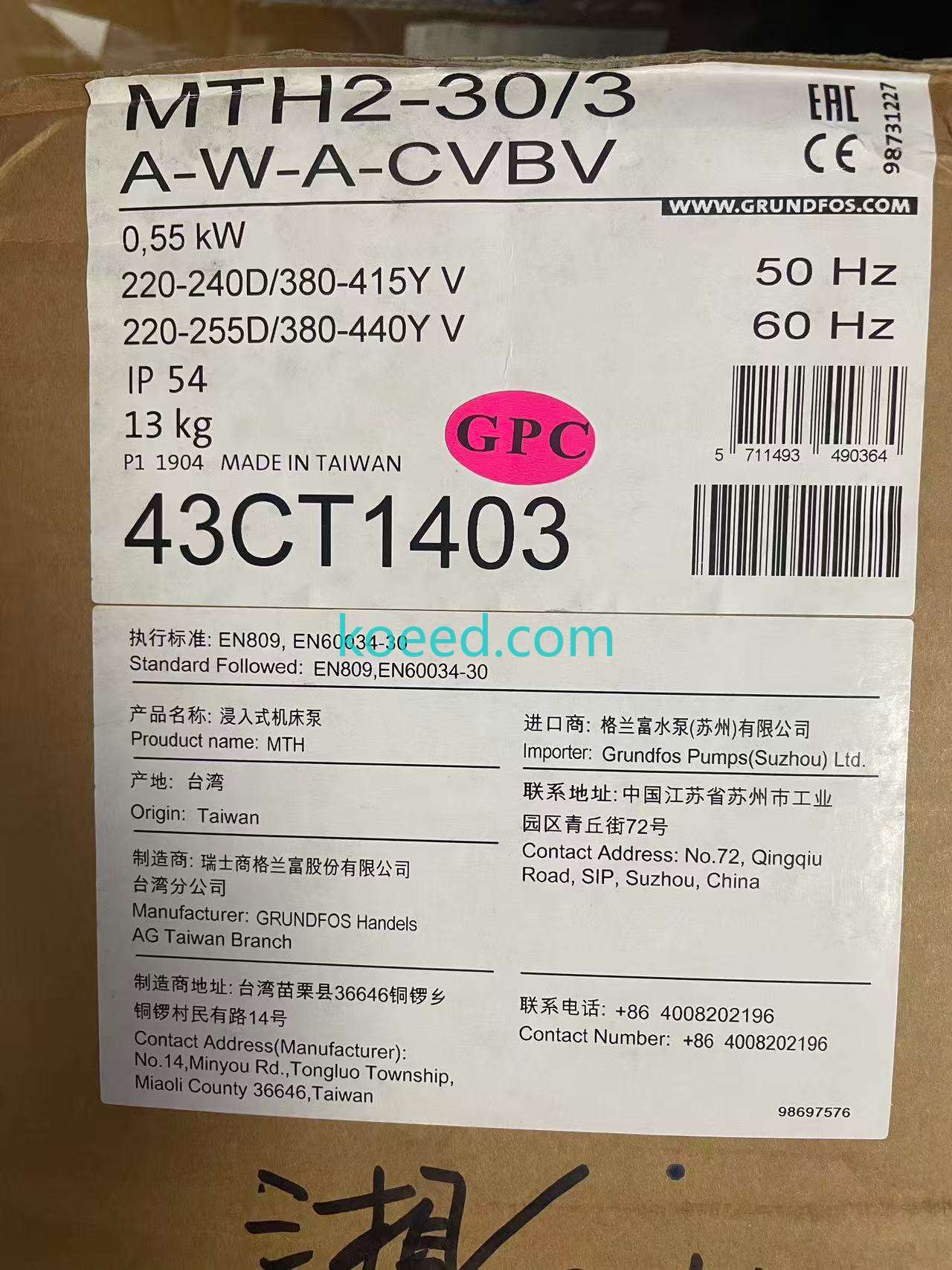
Grundfos's modular alphanumeric coding system allows precise configuration matching. Here is how the MTH2-30/3 A-W-A-CVBV breaks down:
| Code Segment | Meaning | Implication for 2026 Deployments |
|---|---|---|
| MTH2 | Immersible horizontal multistage pump, Gen 2 platform | Proven hydraulic design with optimized NPSH characteristics for submerged operation |
| 30 | Rated flow rate designation (m³/h class) | High-capacity liquid transfer suitable for multi-machine coolant loops and central filtration systems |
| /3 | 3 impeller stages (chambers) | Multi-stage pressure buildup; each stage adds incremental head without increasing motor frame size |
| A (1st) | Basic pump version | Standard configuration — optimal cost-performance for general industrial fluids |
| W | Internal thread pipe connection | Compatible with standard BSP/NPT threaded pipework; simplified field installation |
| A (2nd) | Basic material specification | Cast iron / stainless steel blend — suitable for water-based coolants, cutting fluids, and mild chemical solutions |
| CVBV | Shaft seal & elastomer configuration | Specific O-ring and seal face material combination; consult Koeed engineering for fluid compatibility matrix |
Technical Benchmarking: MTH2-30/3 vs. Legacy & Competing Platforms
The table below benchmarks the MTH2-30/3 against a typical legacy single-stage coolant pump and a generic horizontal end-suction alternative, highlighting where the multistage immersible architecture creates measurable advantage in 2026 manufacturing environments.
| Parameter | MTH2-30/3 A-W-A-CVBV | Legacy Single-Stage Coolant Pump | Generic End-Suction Alternative |
|---|---|---|---|
| Architecture | 3-stage immersible multistage | Single-stage, non-immersible | Single-stage end-suction |
| Installation Complexity | Low — drop-in tank mount; no suction piping | Medium — requires suction line & priming | High — baseplate, alignment, suction/discharge piping |
| Pressure Stability | Excellent — 3-stage cumulative head | Moderate — single-impeller pressure ceiling | Good — but sensitive to suction conditions |
| NPSH Sensitivity | Very low — submerged suction eliminates cavitation risk | High — prone to cavitation under fluctuating tank levels | Moderate — requires careful NPSHa calculation |
| IoT Readiness (2026) | Retrofittable with Grundfos iSOLUTIONS sensors (vibration, temp, pressure) | Limited — requires external sensor arrays | Moderate — aftermarket monitoring kits available |
| Energy Efficiency Class | IE3/IE4 motor compatible (MEI ≥ 0.70 benchmark) | IE2 typical; retrofit to IE3 possible | IE3 common; IE4 available at premium |
| MTBF (Preventive Maintenance) | ~18,000–24,000 hrs (clean coolant) | ~10,000–14,000 hrs | ~14,000–18,000 hrs |
| Sustainability Score | High — reduced energy, fewer consumable seals, longer service intervals | Moderate — higher energy per m³ pumped | Moderate — balanced but higher installation footprint |
Visual Gallery: MTH2-30/3 A-W-A-CVBV Detailed Inspection
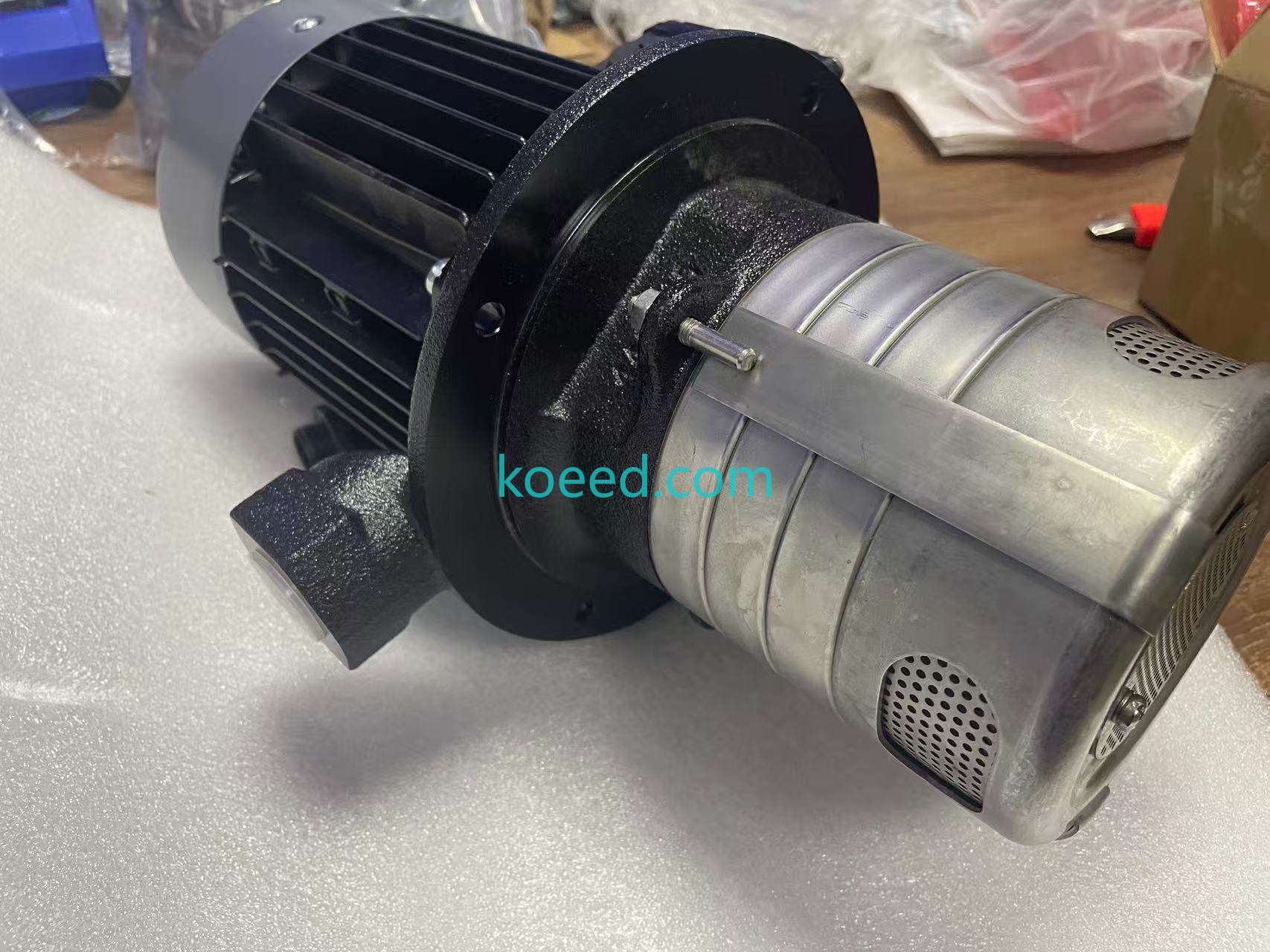
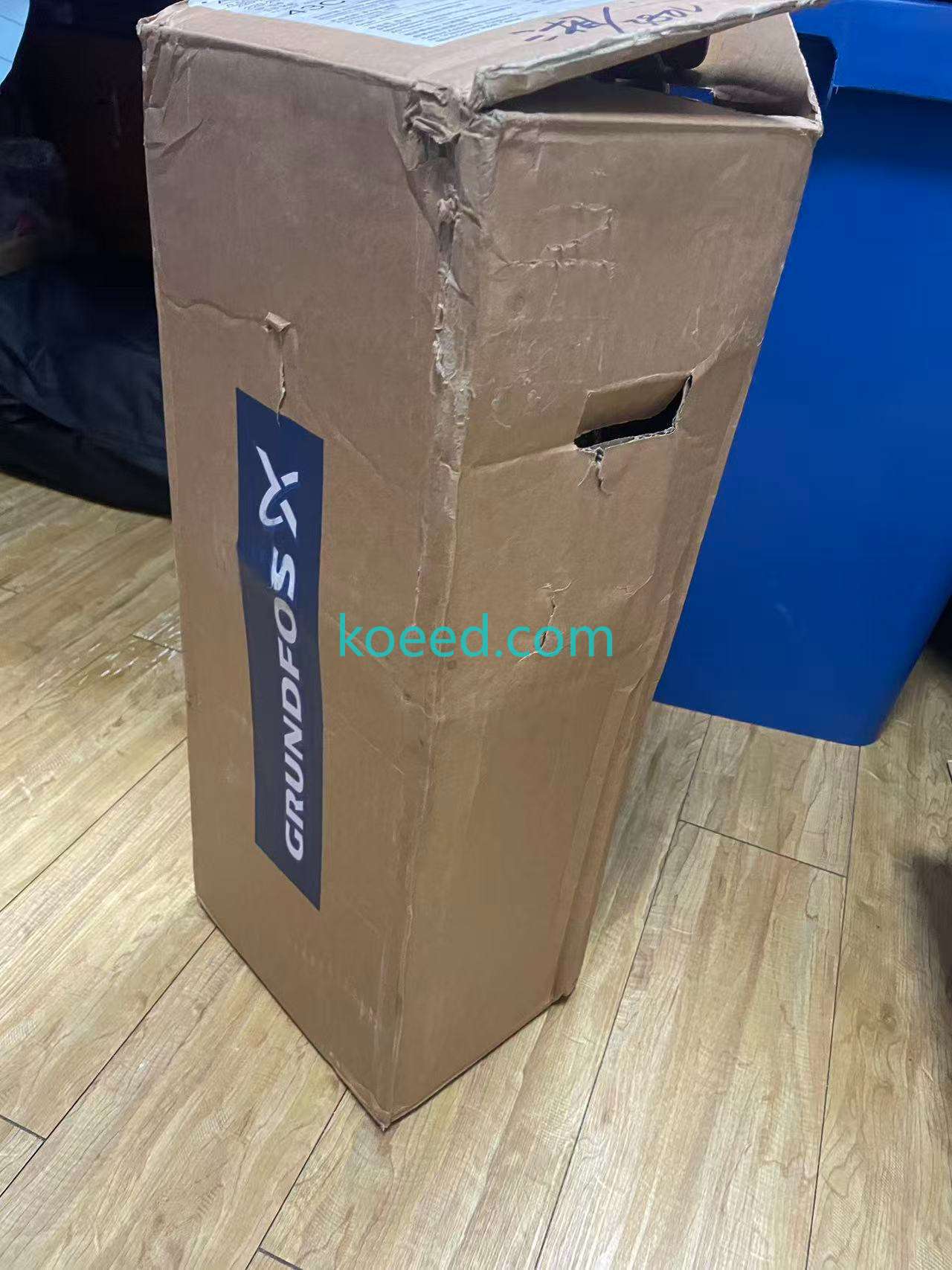
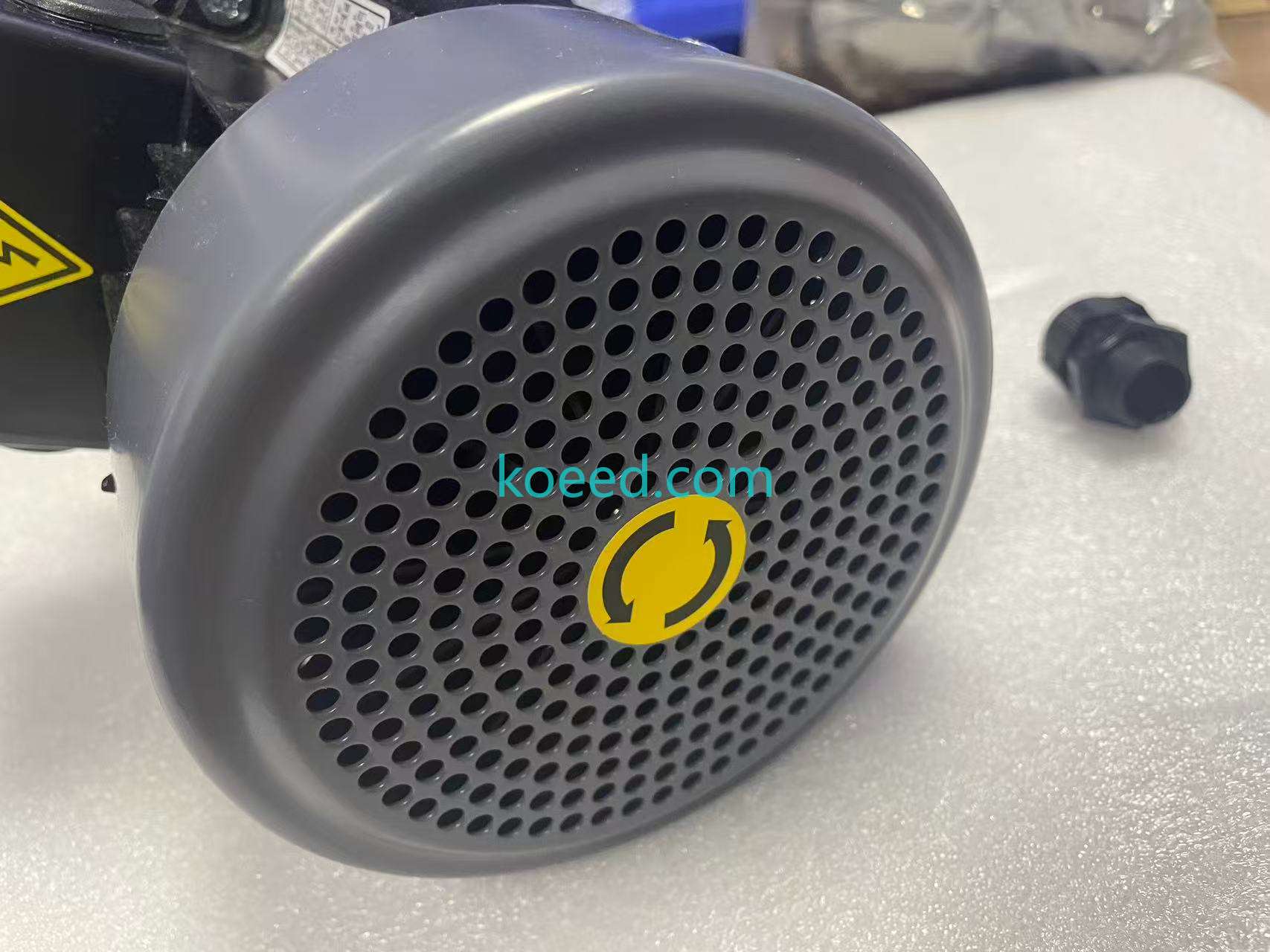
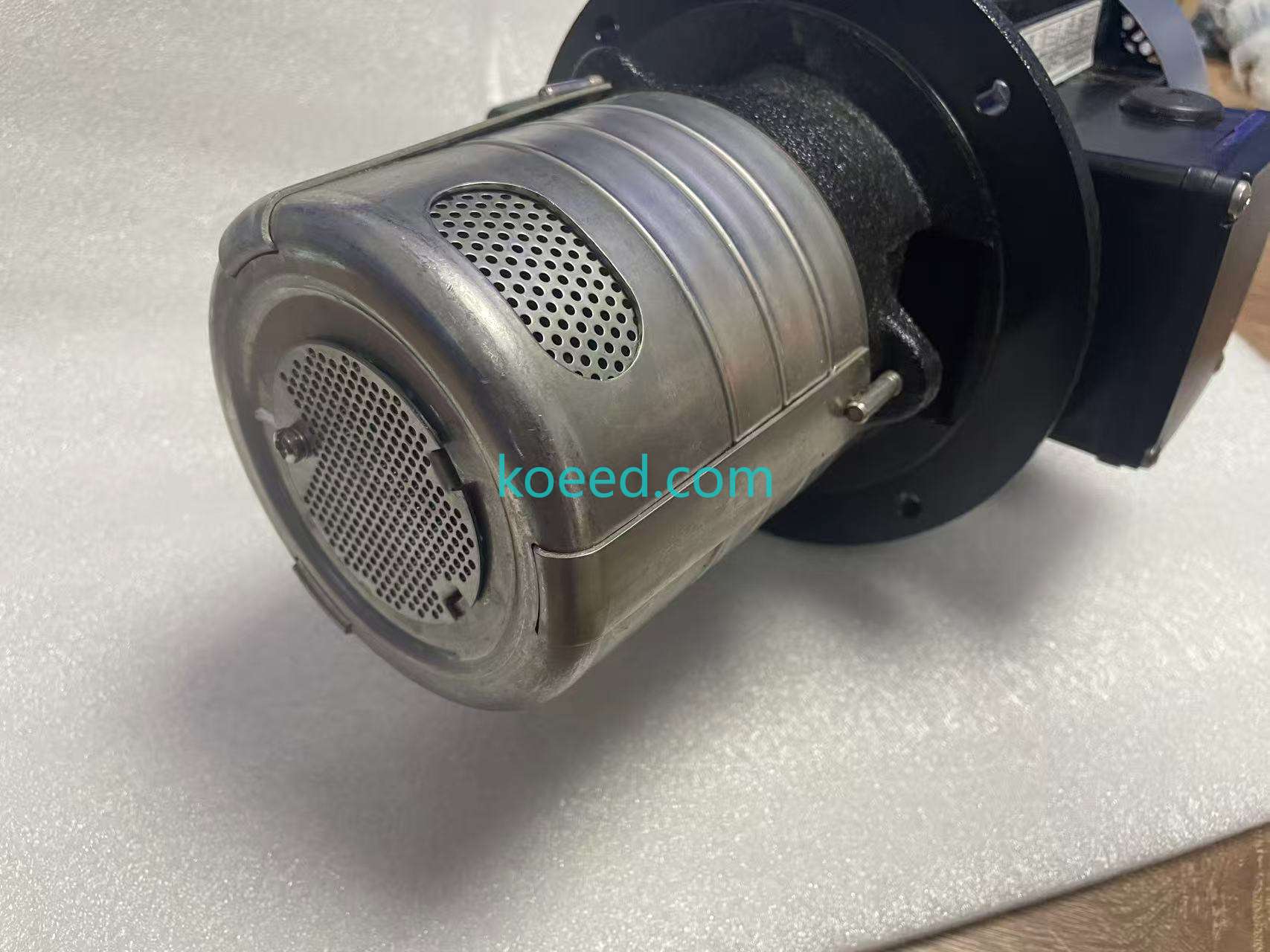
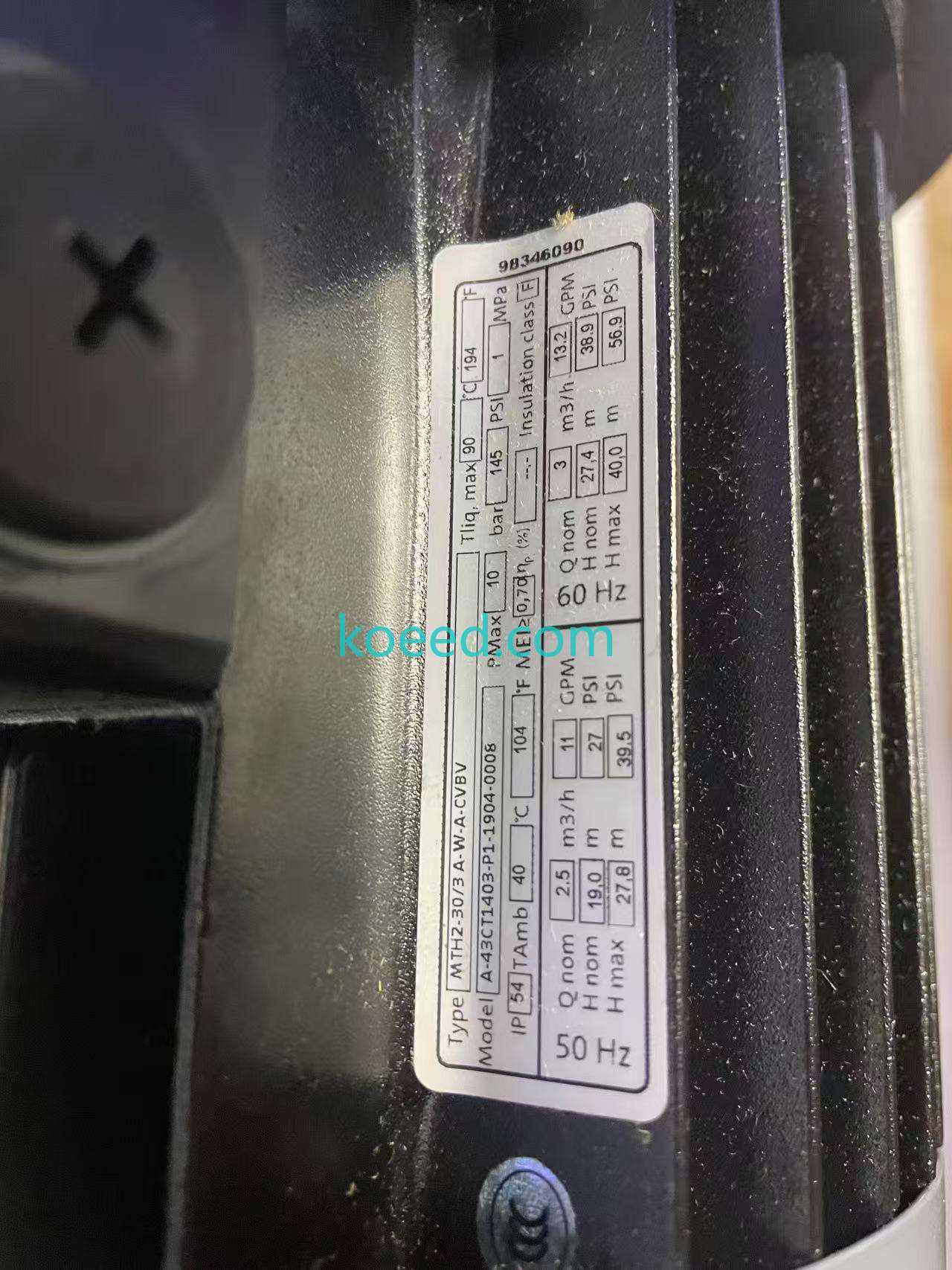
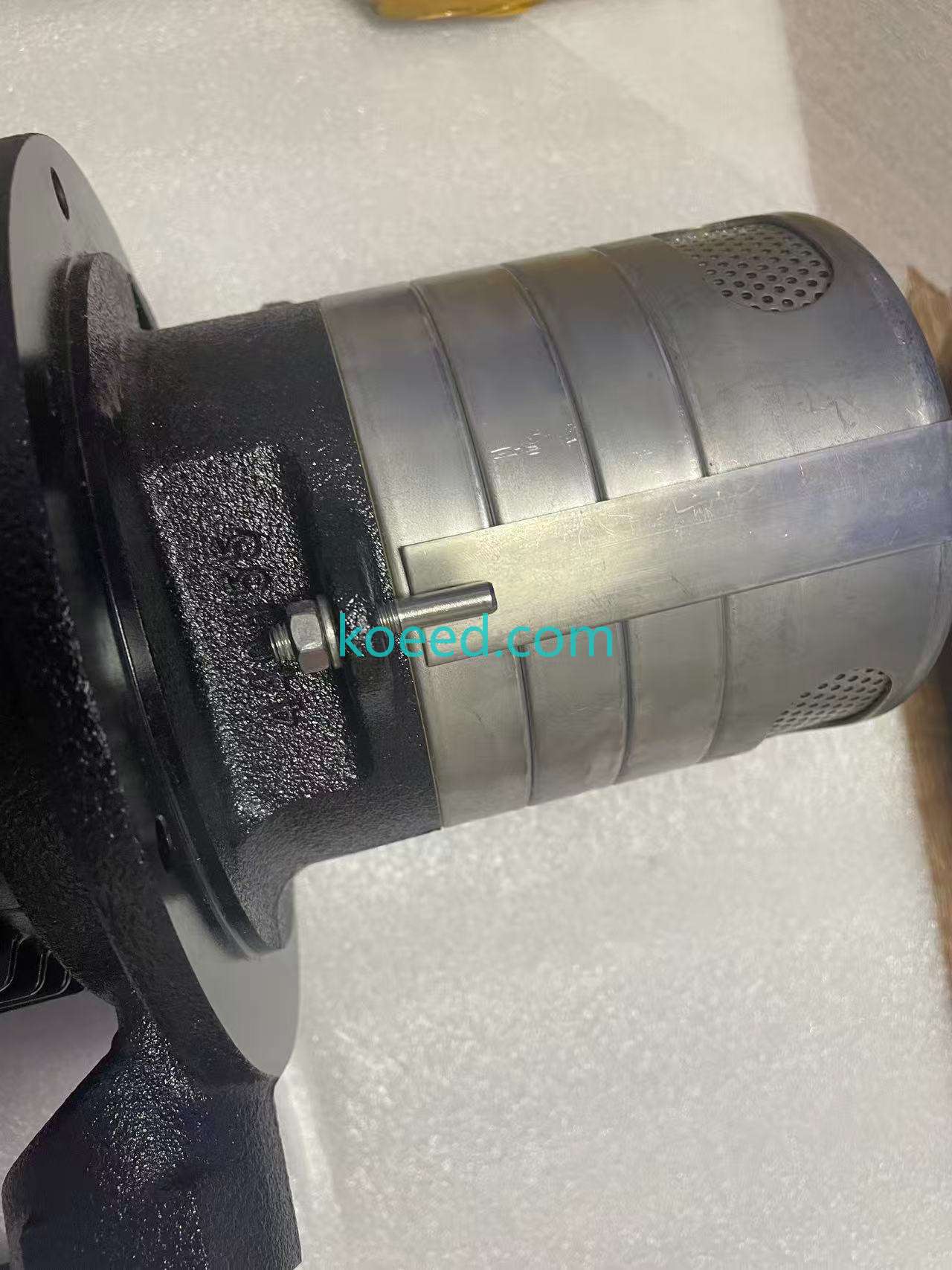
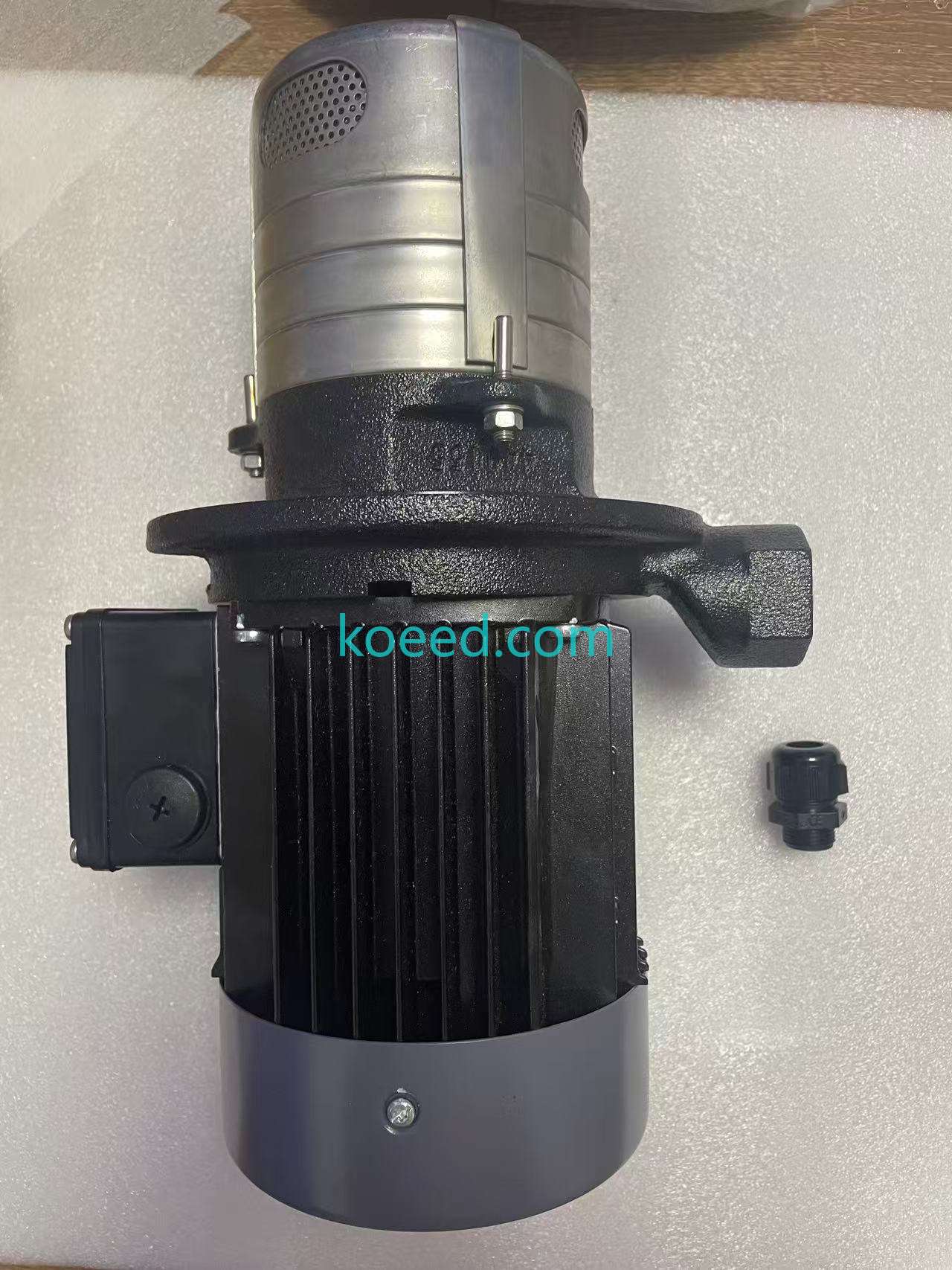
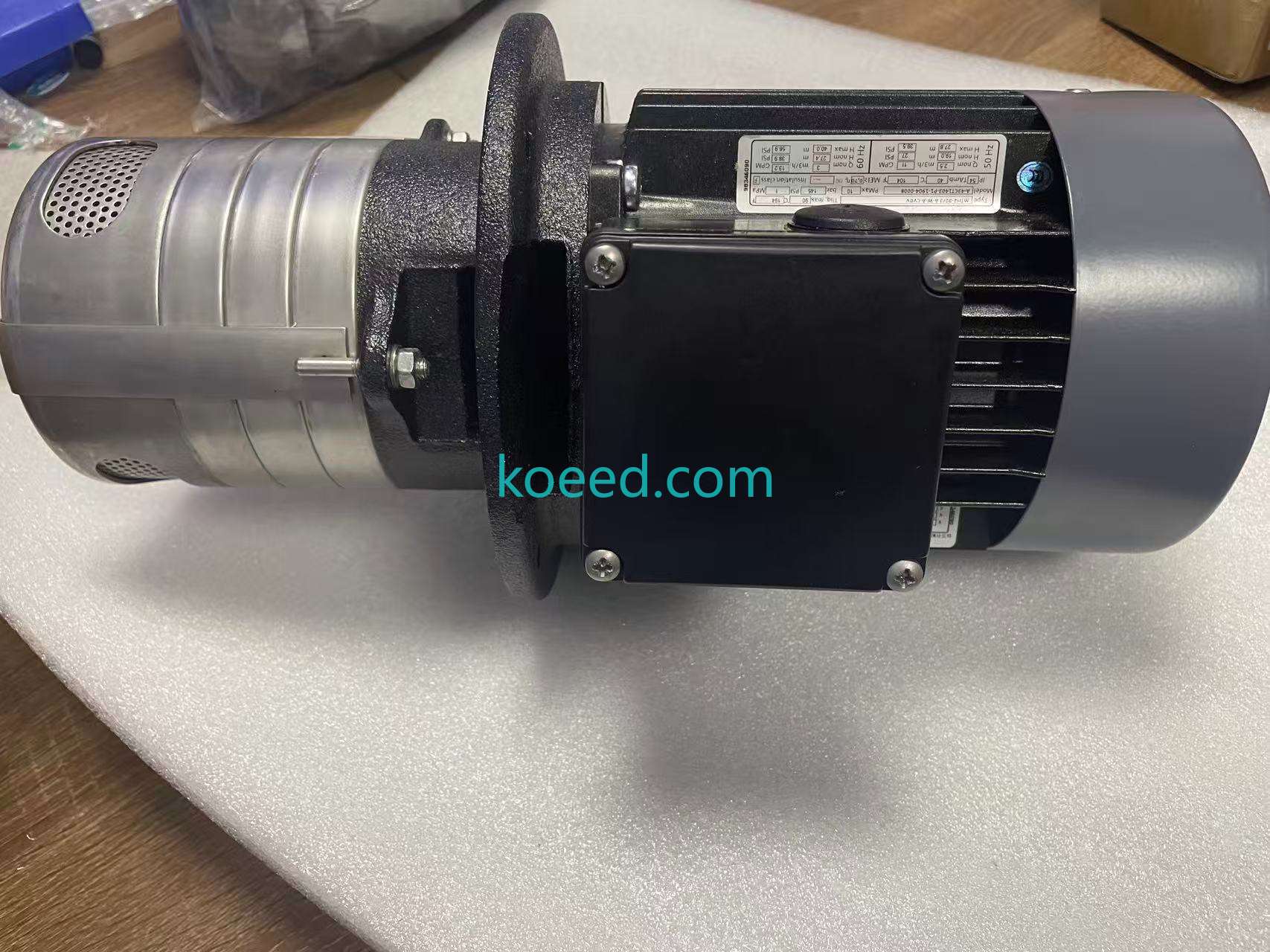
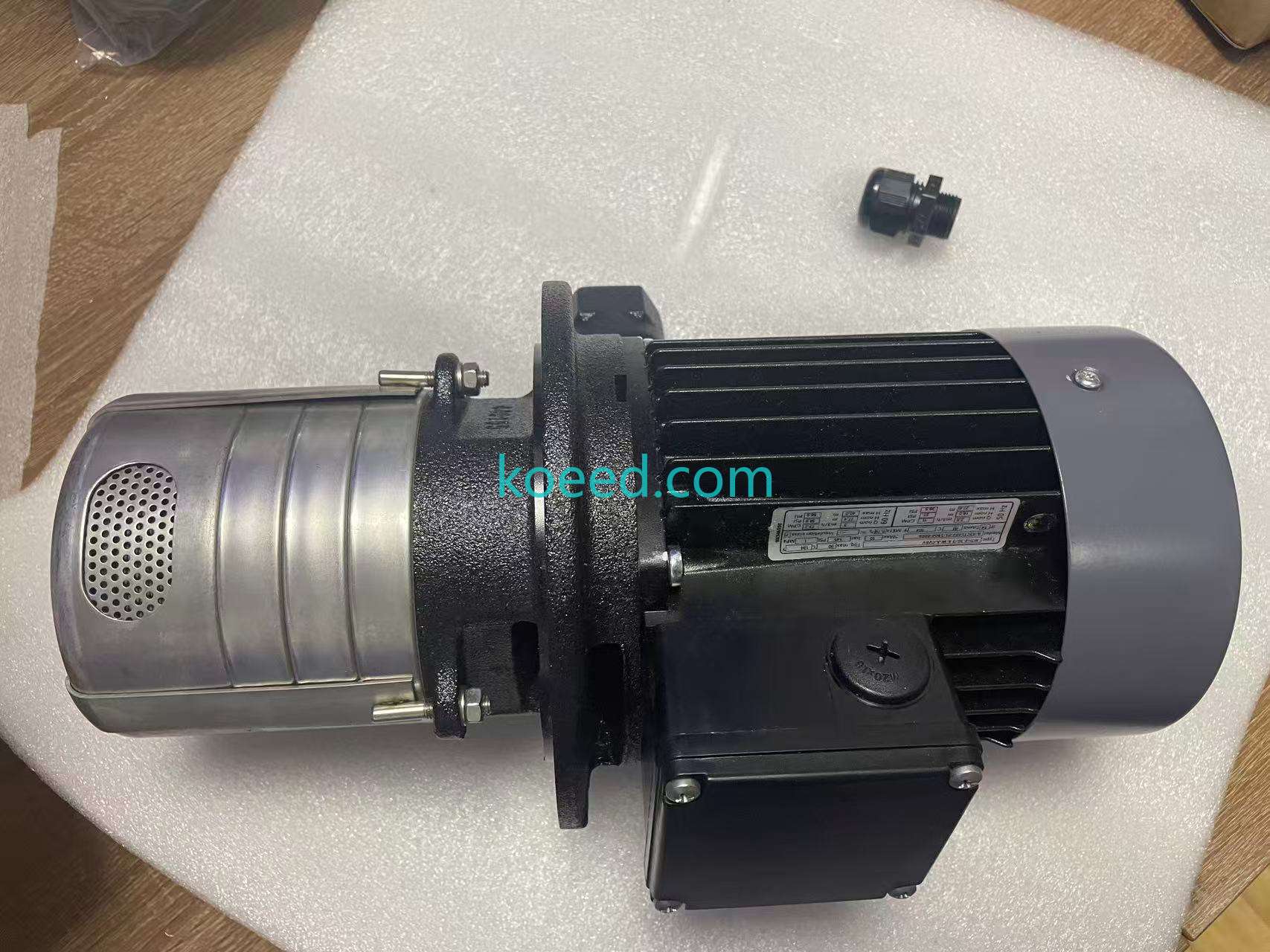
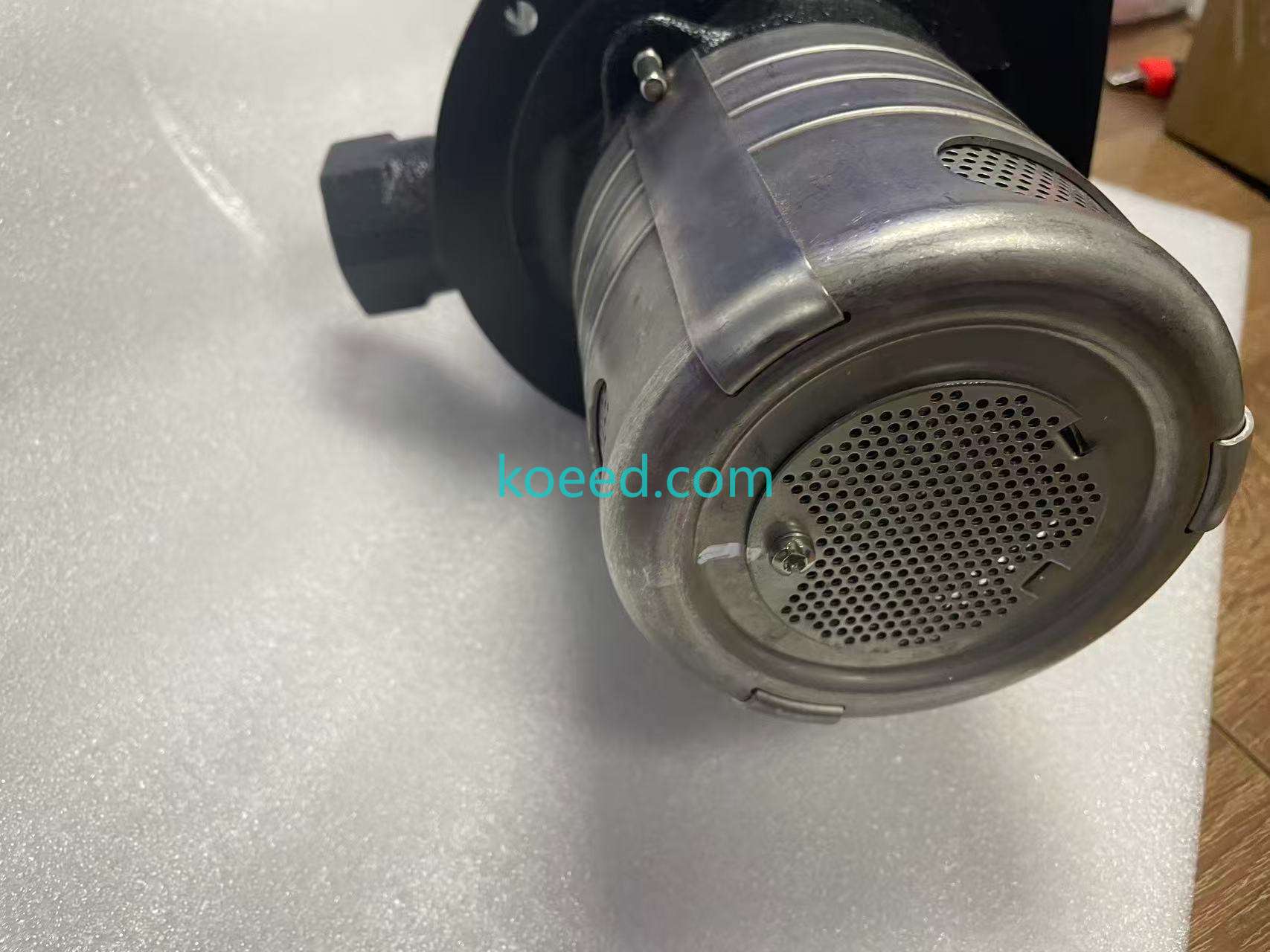
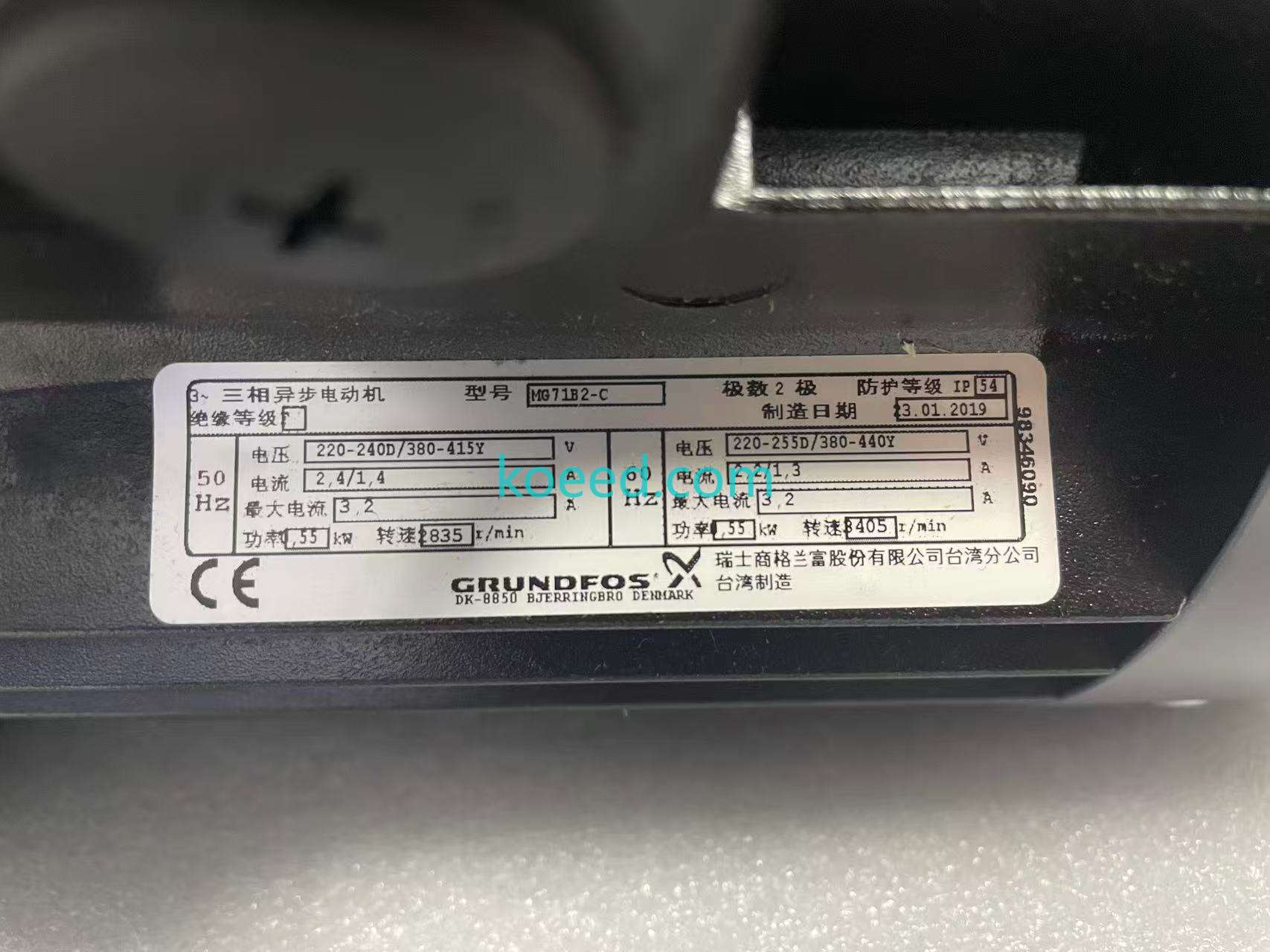
Below is a comprehensive visual reference of the MTH2-30/3 unit. Click any image to expand. Use these detailed views to verify mounting dimensions, nameplate data, port orientation, and overall condition.
IT/OT Convergence: Integrating the MTH2-30/3 into Smart Factory Architectures
By 2026, the manufacturing floor is inseparable from the enterprise data layer. The MTH2-30/3, while not a native "smart pump," integrates seamlessly into digital ecosystems through complementary sensor packages and edge gateways:
Condition Monitoring Stack
- Vibration Sensors (ISO 10816-7): Tri-axial MEMS accelerometers mounted on the motor flange detect early-stage bearing degradation and impeller imbalance — feeding data to CMMS platforms via MQTT or OPC UA.
- Thermal Imaging & RTD Probes: Continuous winding and bearing temperature monitoring prevents thermal runaway; thresholds pushed to SCADA dashboards (Ignition, WinCC, FactoryTalk).
- Pressure Transducers (4–20 mA): Discharge-side pressure sensors detect clogging, filter blinding, or valve mispositioning — triggering automated alerts before production impact.
- Flow Meters (Ultrasonic Clamp-On): Non-invasive flow rate tracking validates pump performance curves over time, feeding predictive algorithms that schedule maintenance based on actual degradation — not arbitrary calendar intervals.
Edge-to-Cloud Data Flow
Plant engineers in 2026 typically route MTH2-30/3 sensor data through an edge gateway (e.g., Siemens IOT2050, Advantech UNO series) running Node-RED or KepServerEX. Data is normalized and forwarded to cloud platforms — AWS IoT SiteWise, Microsoft Azure Digital Twins, or the Grundfos iSOLUTIONS Cloud — enabling digital twin modeling of the entire coolant loop.
Maintenance & Troubleshooting: Maximizing MTH2-30/3 Service Life
The MTH2-30/3 is engineered for longevity, but even the most robust pumps require disciplined maintenance — especially in the aggressive coolant environments common in 2026 metal-cutting operations. Below are the critical protocols.
Preventive Maintenance Schedule
| Interval | Action | Tooling / Consumables |
|---|---|---|
| Weekly | Visual inspection: check for leaks at threaded connections; verify tank fluid level covers pump suction inlet by ≥50 mm | Flashlight, inspection mirror |
| Monthly | Log operating current (amps) and discharge pressure; compare to baseline. Deviations >10% warrant investigation. | Clamp meter, calibrated pressure gauge |
| Quarterly | Inspect shaft seal for weepage; clean pump strainer/suction screen; verify motor cooling fins are free of debris | Soft brush, non-abrasive cleaner |
| Annually | Full mechanical inspection: impeller clearance check, bearing play measurement, seal replacement if indicated by quarterly logs | Feelers gauges, dial indicator, OEM seal kit |
| Every 3 Years | Complete overhaul: replace bearings, shaft seal, O-rings, and wear rings; hydrostatic test pump housing | Grundfos service kit, torque wrench |
Common Troubleshooting Scenarios
Likely Causes (ranked): (1) Clogged suction strainer — clean immediately. (2) Impeller wear due to abrasive coolant contaminants — inspect and replace if clearance exceeds tolerance. (3) Air entrainment from low tank level — maintain minimum submersion depth. (4) Worn shaft seal allowing pressure bypass — replace seal cartridge.
Likely Causes (ranked): (1) Impeller imbalance from debris adhesion or cavitation damage — disassemble, clean, and balance. (2) Worn motor bearings — check for axial/radial play; replace if >0.05 mm. (3) Misalignment between pump and motor coupling — realign per Grundfos tolerance spec. (4) Operating at shut-off head or extreme left of curve — install VFD with minimum flow protection.
Likely Causes (ranked): (1) Fluid viscosity or density exceeding pump design spec — verify coolant concentration with refractometer. (2) Mechanical binding from debris in impeller chamber — disassemble and clean. (3) Voltage imbalance on 3-phase supply — check all three phases; imbalance >2% requires electrical investigation. (4) Incorrect thermal overload setting on motor protection relay.
2026 Sustainability & Energy Compliance
The European Union's updated Machinery Regulation (EU 2023/1230, fully enforced by January 2027) and the expanded Ecodesign for Sustainable Products Regulation (ESPR) are reshaping pump procurement criteria globally. The MTH2-30/3 aligns with these mandates through:
- MEI (Minimum Efficiency Index) Compliance: When paired with an IE4 motor, the MTH2-30/3 exceeds the MEI ≥ 0.40 benchmark for clean-water pumps under EU 547/2012, with typical installations achieving MEI ≥ 0.70 — qualifying for the highest efficiency tier.
- Circular Economy Readiness: Modular construction allows individual component replacement (bearings, seals, impellers) without scrapping the entire pump assembly — reducing industrial waste and aligning with "right-to-repair" legislative trends.
- Carbon Footprint Reduction: The immersible design's elimination of suction piping reduces total system material usage by approximately 15–20 kg of steel per installation versus equivalent end-suction configurations. Over a 15-year service life, the energy savings from IE4 motor operation can offset 8–12 metric tons of CO₂ per pump in coal-dependent grid regions.
Interactive FAQ
What fluids is the MTH2-30/3 A-W-A-CVBV compatible with?
The A-W-A-CVBV configuration, with its basic material specification and CVBV seal code, is designed for water-based coolants, soluble oil emulsions (3–12% concentration), water-glycol mixtures, and mild alkaline cleaning solutions (pH 7–10). It is not recommended for flammable liquids, highly abrasive slurries, concentrated acids, or fluids with viscosity exceeding 10 cSt without prior engineering consultation. For aggressive chemical compatibility, contact Koeed for alternative MTH2 material configurations (stainless steel pump head, FKM/FFKM elastomers).
What is the maximum immersion depth for the MTH2-30/3?
The MTH2 series is designed for tank-top mounting with the pump body submerged. The standard immersion depth (from mounting flange to suction inlet) is approximately 145–200 mm depending on the specific stage configuration. The 3-stage MTH2-30/3 variant falls within this range. For custom immersion depths, extended column versions may be available — contact Koeed with your tank geometry for a configuration review.
Can the MTH2-30/3 be operated with a VFD for variable flow?
Yes — and it is strongly recommended for 2026 installations. The MTH2-30/3's multistage centrifugal design responds well to variable frequency drive control. Speed turndown ratios of up to 60% (24–60 Hz on 50 Hz supply) are typically achievable without compromising bearing lubrication or causing resonance issues. VFD operation enables: (1) energy savings during low-demand periods, (2) soft-start capability reducing inrush current, and (3) integration with plant-wide energy management systems via Modbus RTU or PROFINET. Ensure the motor is inverter-duty rated (IE3 minimum) and configure the VFD with the correct V/Hz curve for pump loads.
What are the lead times for MTH2-30/3 spare parts in 2026?
As of mid-2026, standard wear components — shaft seals, O-ring kits, bearings, and impellers — are typically available from Koeed with 3–7 business day lead times for stocked items. Complete overhaul kits and non-stock components may require 2–4 weeks. Given ongoing global supply chain optimizations post-2024, Koeed maintains strategic buffer stock for high-movement MTH2 series parts. We recommend maintaining a critical spares kit (seal + bearing set + O-rings) on-site for pumps serving bottleneck machinery.
How does the MTH2-30/3 compare to the MTR/CR vertical multistage series for coolant applications?
The key distinction: MTH2 is immersible (pump in the tank), while MTR/CR are non-immersible (pump outside the tank). For coolant applications, the MTH2-30/3 offers: (1) simplified installation — no suction piping or priming system, (2) inherent thermal cooling of the motor by the surrounding fluid (reducing external cooling needs), and (3) reduced footprint since the pump resides within the tank. The MTR/CR series excels in high-pressure applications where the pump must be mounted outside the fluid reservoir. For most CNC machine tool coolant loops, the MTH2 immersible design is the more cost-effective and reliable choice in 2026.
2026 Engineering Guide Closing
Thank you for exploring the Grundfos MTH2-30/3 A-W-A-CVBV in depth. We trust this guide empowers your decision-making for 2026 and beyond. Koeed engineers are available to assist with pump sizing, configuration validation, and spare parts procurement. Reach out via our contact channels for a tailored quotation or on-site consultation.


