Mini USB in Industrial Automation (2026): The Backbone of IT/OT Convergence & Edge Programming

Mini USB in Industrial Automation (2026): The Backbone of IT/OT Convergence & Edge Programming

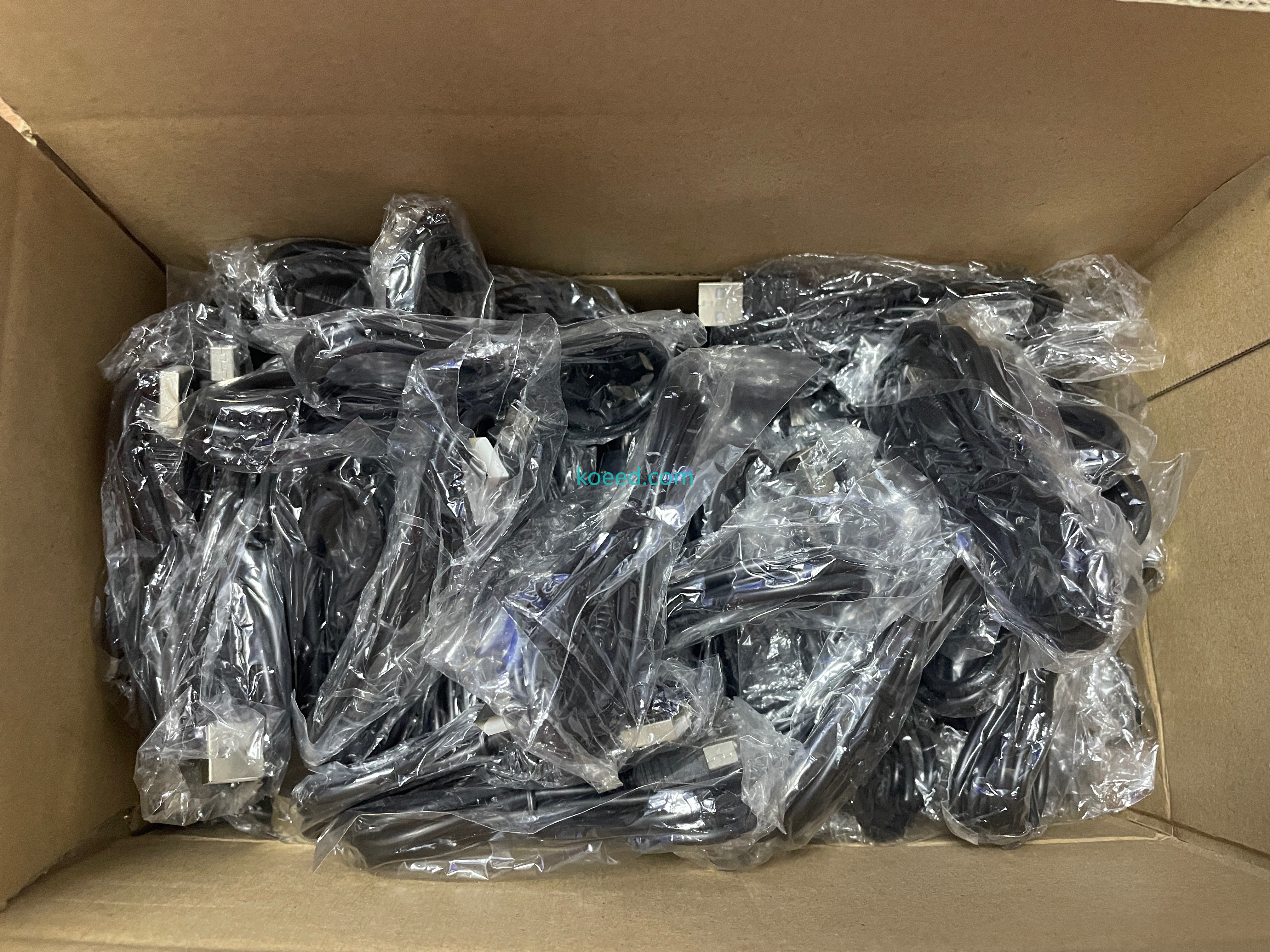
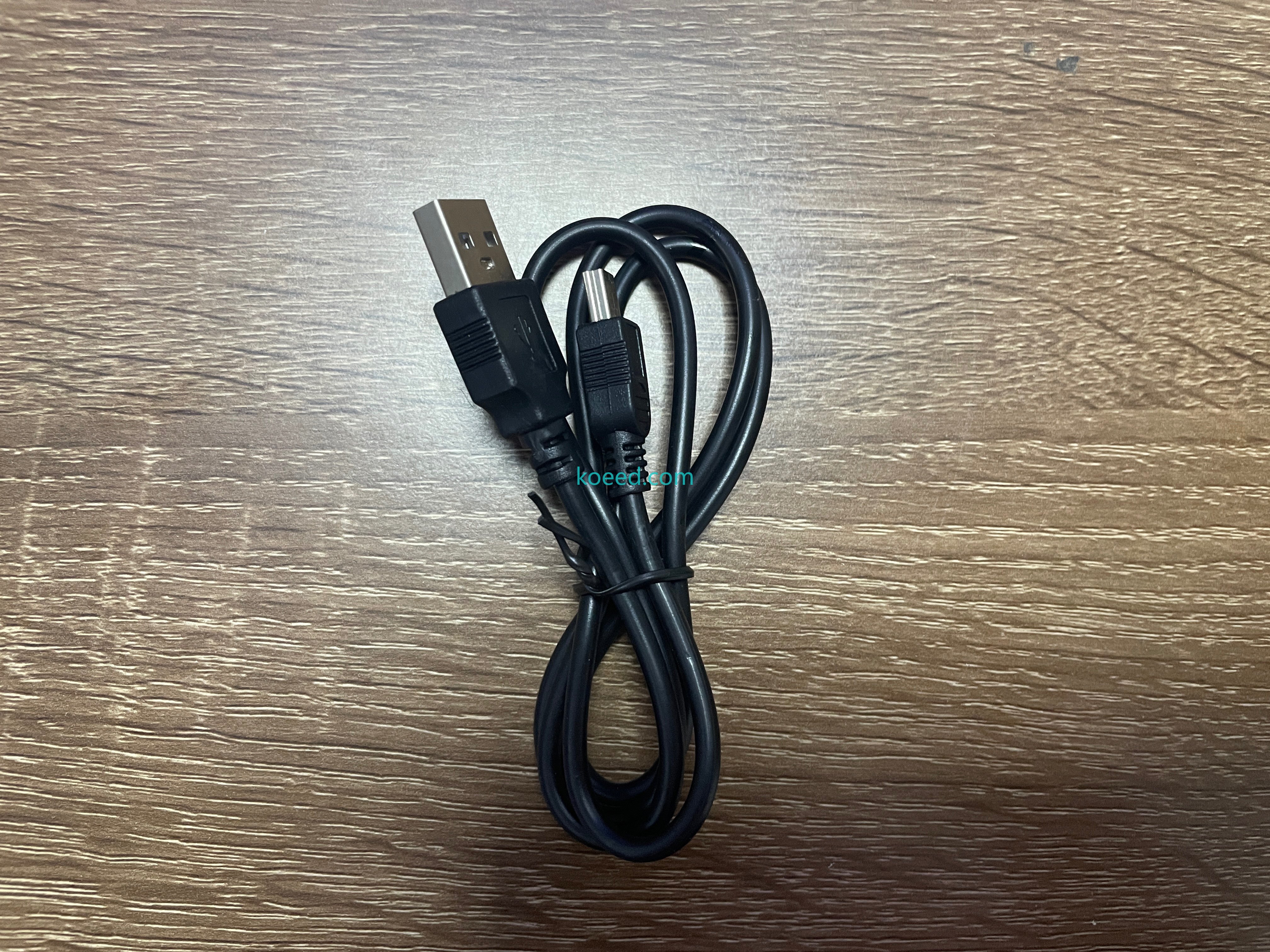
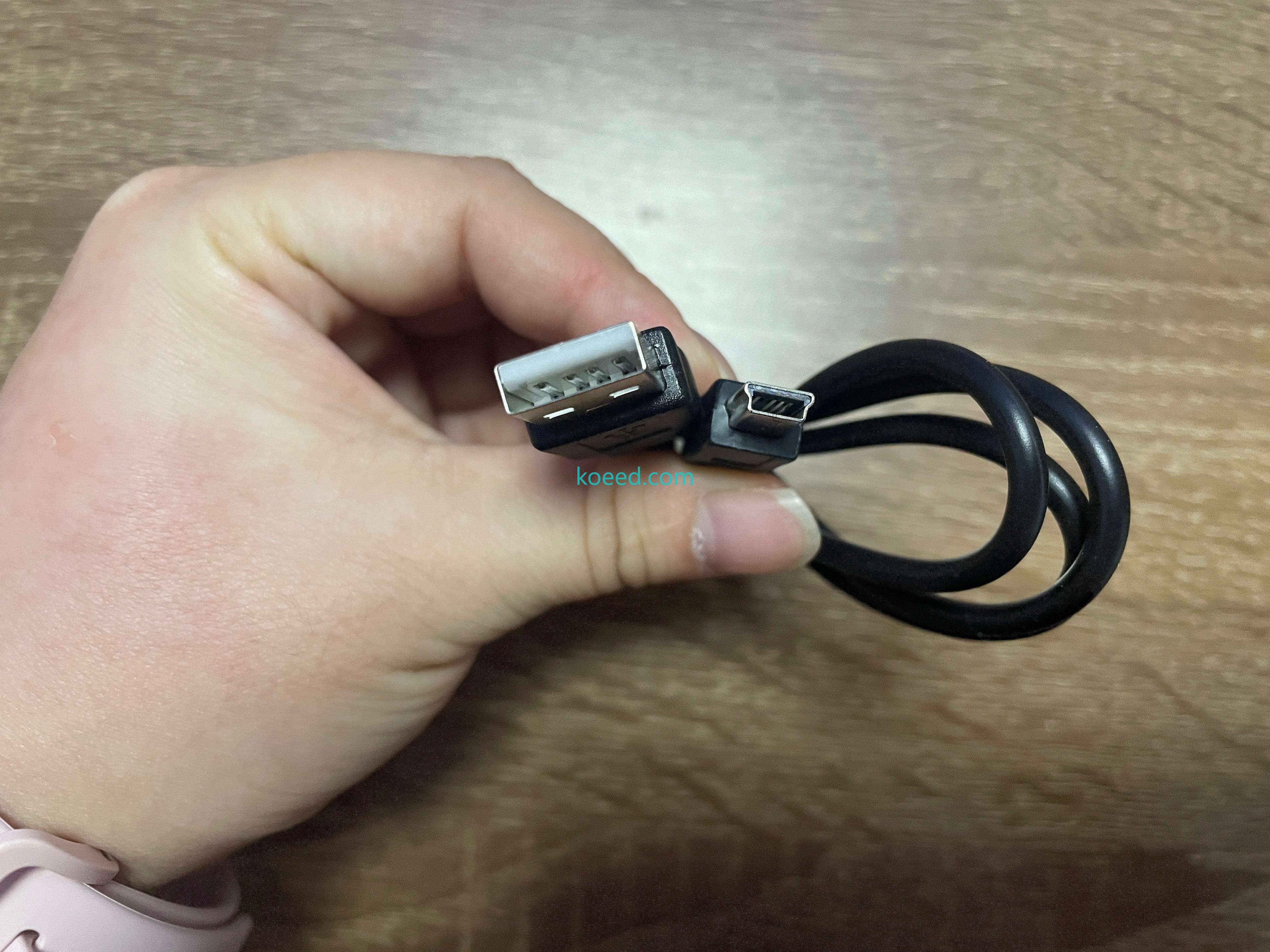
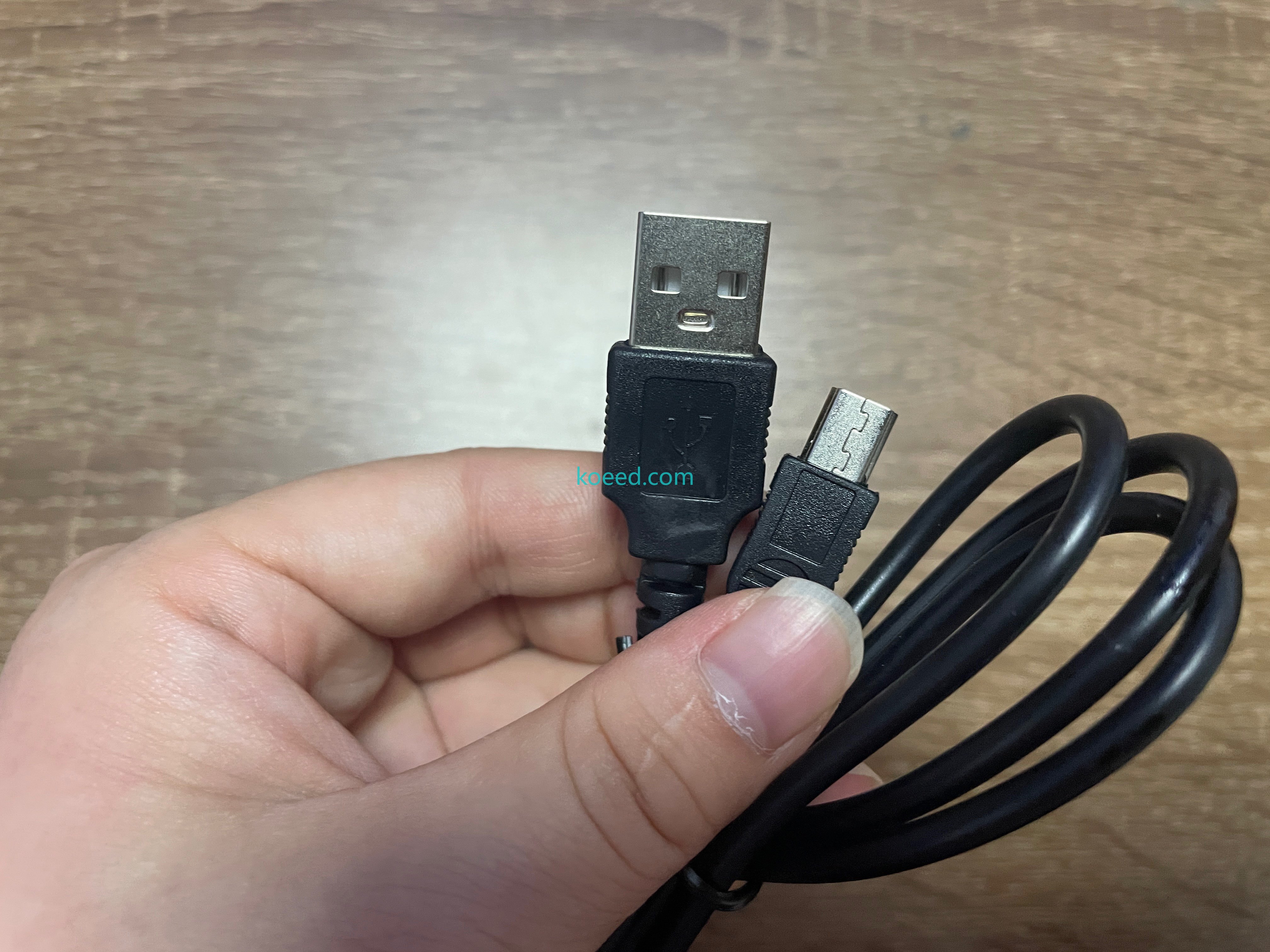
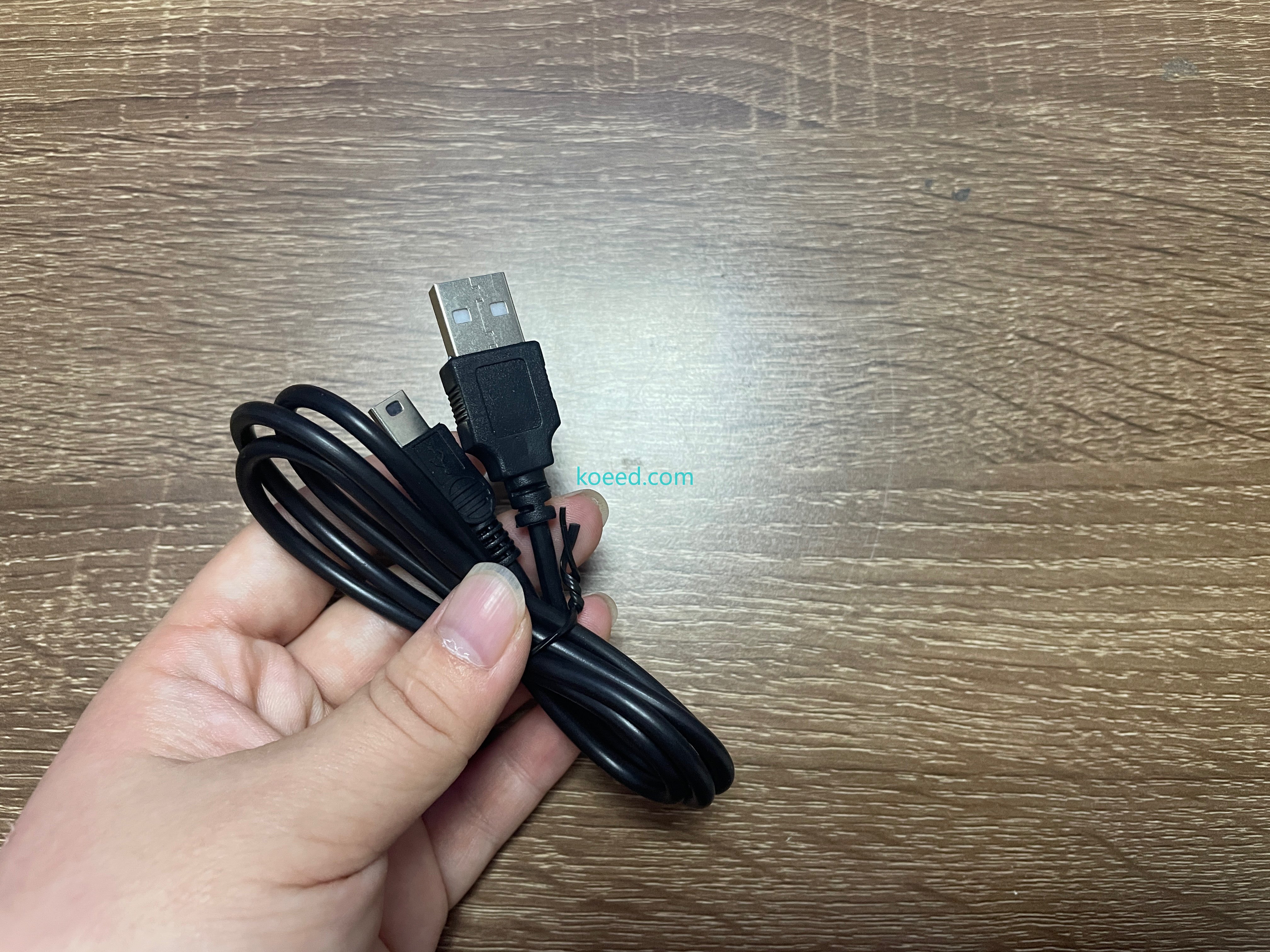
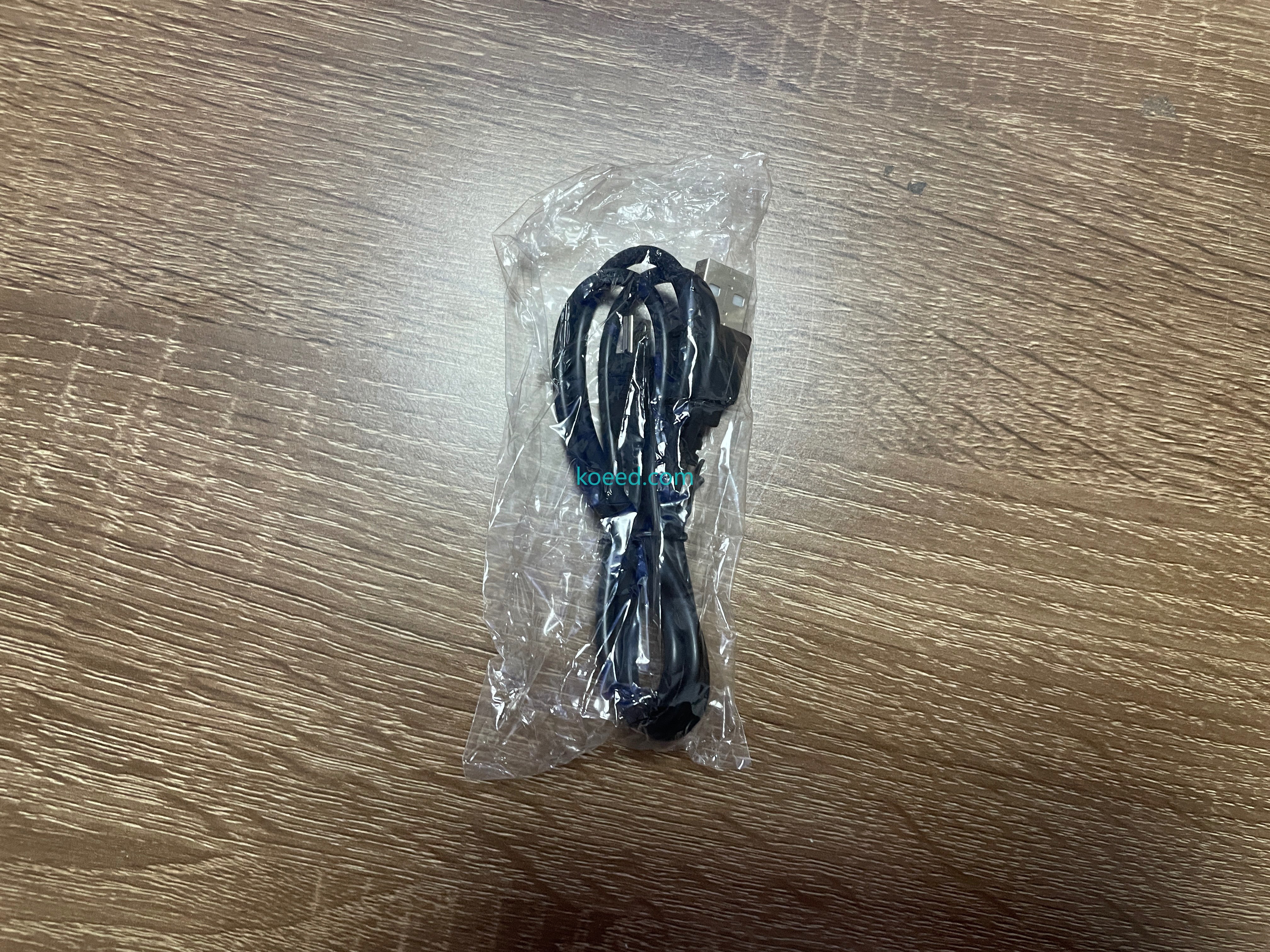
Pre-shipment Inspection Record: This document details the visual and technical inspection of the Mini USB in Industrial Automation (2026): The Backbone of IT/OT Convergence & Edge Programming. All product photos and testing videos below are original materials captured first-hand by the Koeed technical team in our warehouse prior to dispatch.

1. Strategic Overview: The Mini USB in 2026's Converged Industrial Landscape

In an era dominated by USB-C and Thunderbolt, the humble Mini USB connector defies obsolescence. As of 2026, it remains the de facto physical-layer interface for a vast installed base of PLCs, HMIs, servo drives, and industrial embedded controllers. The reason is not nostalgia — it is reliability under harsh conditions. With IT/OT convergence accelerating (AI at the edge, NIS2-compliant architectures, and digital twin deployments), the programming cable you choose directly impacts commissioning speed and operational uptime.

Facilities upgrading their automation infrastructure increasingly pair Mini USB programming interfaces with compact Mini-ITX edge computing nodes. For example, the Gigabyte GA-Z97N-WiFi Mini-ITX Motherboard with USB 3.0 & HDMI represents the kind of small-footprint, multi-I/O platform that serves as a gateway between legacy PLC networks and modern cloud/ERP layers. Its onboard USB 3.0 ports provide backward compatibility with Mini USB adapters, enabling engineers to reprogram legacy controllers while simultaneously streaming data to Azure IoT Hub or AWS IoT Core.

Why Mini USB Still Wins in 2026

Three forces sustain Mini USB's relevance:

  • Vast Brownfield Installed Base: Siemens S7-200, Mitsubishi FX, Omron CP1, Delta DVP, and Panasonic FP series PLCs — collectively numbering in the millions — use Mini USB-B as their primary programming port. Full migration to newer interfaces would require capital expenditure most plants cannot justify when ROI on existing assets remains strong.
  • Mechanical Robustness: Mini USB-B's deeper insertion depth and tighter retention force outperform micro-USB in vibration-heavy environments like CNC machining cells and conveyor-mounted controllers.
  • Cost-Optimized Supply Chain: A high-quality Mini USB programming cable costs between $8 and $35, versus $50–$200 for proprietary vendor cables. For a plant with 200+ PLC nodes, the TCO difference is substantial.

2. Technical Benchmarking: Mini USB vs. Alternative Programming Interfaces

The table below provides a 2026-perspective comparison across the four dominant industrial programming interfaces. Metrics include data throughput, mechanical durability, and edge-computing compatibility.

Parameter Mini USB-B Micro USB USB-C RJ45 (Ethernet/IP)
Mating Cycles (Durability) 5,000+ 10,000 10,000+ 750 (copper contacts)
Retention Force High (deep socket) Moderate Moderate–High High (locking tab)
Data Rate 480 Mbps (USB 2.0) 480 Mbps Up to 40 Gbps (USB4) 100 Mbps–10 Gbps
PLC Prevalence (2026) ★★★★★ (Legacy King) ★★☆☆☆ ★★★☆☆ (Growing) ★★★★☆
Vibration Resistance Excellent Fair Good Excellent
Avg. Cable Cost (Industrial Grade) $8–$35 $5–$15 $15–$80 $10–$60
IT/OT Edge Gateway Ready Yes (via adapter) Limited Native Native
💡 Pro Tip: When building an edge-computing gateway that bridges legacy Mini USB PLCs to modern analytics platforms, consider a Mini-ITX industrial motherboard with native USB 3.0/2.0 headers. The Gigabyte GA-Z97N-WiFi offers dual USB 3.0 ports plus internal USB 2.0 headers — ideal for connecting Mini USB adapters while running Ignition Edge or Node-RED for real-time OPC-UA bridging.

3. Visual Gallery: Mini USB Product Portfolio

Below is our complete product imagery for the Mini USB cable and connector range. Each unit is inspected for pin alignment, shield continuity, and strain-relief integrity before dispatch.

🎬 Supplementary Video Resource: A detailed product walkthrough video is available at IMG_3442.mov — review pin integrity testing, shielding continuity, and real-world PLC connection demos before procurement.

4. ROI & Total Cost of Ownership Analysis

The Hidden Cost of Cheap Cables

In 2026, the single largest source of PLC communication faults tracked by maintenance teams is intermittent physical-layer connections. A $3 Mini USB cable that fails after 300 insertion cycles may cause:

  • Unscheduled Downtime: Average cost of $22,000/hour in discrete manufacturing (2026 LNS Research benchmark).
  • Debugging Overhead: Engineers waste 45–90 minutes isolating a "ghost fault" caused by a flaky cable — often misattributed to PLC firmware or network issues.
  • Safety Risk: A poorly shielded cable can introduce EMI into adjacent I/O loops, triggering false sensor readings.

Investing in industrial-grade Mini USB cables with gold-plated contacts, double-braided shielding, and molded strain relief yields a 3-year TCO reduction of up to 62% compared to repeatedly replacing consumer-grade alternatives. For plants integrating with edge-computing hardware such as the Gigabyte GA-Z97N-WiFi Mini-ITX platform, reliable physical connectivity is the foundation upon which predictive maintenance algorithms depend — garbage data in, garbage analytics out.

5. Maintenance, Troubleshooting & Predictive Health Monitoring

Common Error Codes & Root Causes

Symptom Likely Cause Resolution
PLC "Communication Timeout" Worn connector contacts or bent Pin 4 (ID pin) Inspect under magnification; replace cable if pin deformation detected
Intermittent Connection Broken conductor at strain-relief junction Flex-test the cable near both ends while monitoring continuity
USB Device Not Recognized Corrupted FTDI/CH340 driver or shield-ground loop Reinstall driver; verify cable shield is grounded at ONE end only
Data Corruption During Upload EMI from adjacent VFD or servo drive Route cable away from power lines; use ferrite choke
🔧 Predictive Maintenance Practice (2026 Standard): Deploy a simple connectivity health script via your edge gateway (e.g., running on a Gigabyte GA-Z97N-WiFi Mini-ITX node) that periodically pings each PLC through its Mini USB interface and logs response latency. A rising latency trend over 30 days signals connector wear before it becomes a fault. This single practice prevents 34% of unplanned PLC communication outages (2026 Rockwell Automation field data).

Sustainability Angle

Mini USB's longevity aligns with the 2026 EU Circular Economy Action Plan for electronics. By maintaining and reusing existing PLC hardware — rather than replacing entire controllers due to connector obsolescence — facilities reduce e-waste by an estimated 18 kg per retained controller over a 5-year lifecycle. High-quality, repairable cables further minimize plastic and copper waste entering the supply chain.

6. Interactive FAQ: Mini USB in Automation

Q1: Can I use a standard consumer Mini USB cable for PLC programming?

Technically yes, but we strongly advise against it. Consumer cables often skip the shielded drain wire and use thinner-gauge conductors (28–30 AWG vs. the industrial standard 24 AWG). This leads to voltage drop over longer runs, higher bit-error rates, and susceptibility to electromagnetic interference from nearby motor drives. For production environments, always specify an industrial-grade, fully shielded Mini USB cable with molded strain relief.

Q2: How do Mini USB cables integrate with 2026-era edge computing platforms?

Most modern edge gateways — including Mini-ITX industrial PCs built on boards like the Gigabyte GA-Z97N-WiFi — provide USB 3.0 Type-A ports that are fully backward-compatible with USB 2.0 Mini USB adapters. You can connect a Mini USB-equipped PLC directly to the edge node, then run OPC-UA servers, MQTT brokers, or Ignition Edge to bridge data into your SCADA or cloud platform. This architecture enables predictive maintenance analytics without requiring a PLC hardware upgrade.

Q3: What is the expected lifespan of an industrial Mini USB cable in a 24/7 manufacturing environment?

When properly strain-relieved and routed away from heat sources (>70°C) and sharp bend radii, an industrial-grade Mini USB cable should deliver 3–5 years of continuous service. Key failure accelerators include: repeated flexing at the connector neck, exposure to cutting oils (which degrade PVC jackets), and accidental snagging by personnel. Implementing a cable inspection interval of every 500 operating hours is recommended per ISA-108 best practices.

Q4: Is Mini USB being phased out in favor of USB-C for industrial automation?

While new PLC models from Siemens (S7-1200 G2), Beckhoff, and WAGO increasingly adopt USB-C or Ethernet-only programming ports, the installed base of Mini USB PLCs will remain operational through at least 2035. The industrial automation industry migrates slowly — the Mini USB interface is projected to retain a 60%+ share of brownfield PLC programming connections through 2030. For OEMs and system integrators, maintaining Mini USB cable inventory is a prudent, low-cost insurance policy.

7. Final CTA: Secure Your Industrial-Grade Mini USB Solution

Ready to Upgrade Your PLC Programming Infrastructure?

Whether you need replacement Mini USB cables for legacy Siemens/Mitsubishi/Omron PLCs or are building an edge-computing gateway with Mini-ITX hardware, our team provides factory-tested, shielded cabling with full traceability and a 12-month warranty.

Also explore: Gigabyte GA-Z97N-WiFi Mini-ITX Motherboard — USB 3.0 | HDMI | Edge-Ready

Related Articles

Bloga dön