

MR6304A10A PLC: 2026 Industrial Automation Core – Specs, Integration & ROI Guide
Strategic Overview: The MR6304A10A in the 2026 Automation Landscape
As manufacturing enters the peak of Industry 4.0 maturity in 2026, the MR6304A10A programmable logic controller has emerged as a compelling solution for mid-to-high complexity automation environments. Positioned at the intersection of IT/OT convergence and energy-conscious engineering, this PLC module addresses the three pillars of modern industrial procurement: Total Cost of Ownership (TCO), seamless cloud integration, and predictive maintenance readiness.
2026 Market Context: With the global PLC market projected to grow at a 4.5% CAGR through 2033, organizations are shifting capital expenditure toward controllers that natively support OPC UA, MQTT, and edge-computing architectures. The MR6304A10A is engineered to meet these evolving demands — offering deterministic control with the flexibility to act as an edge node in broader IIoT ecosystems.
The MR6304A10A is designed for applications ranging from packaging machinery and material handling systems to HVAC control and water treatment facilities. Its modular architecture enables scalable deployment, meaning engineering teams can start with a compact configuration and expand I/O capacity as production demands grow — a critical advantage in brownfield retrofits where space and budget constraints are paramount.
Key Differentiators That Matter in 2026
When evaluating the MR6304A10A against legacy controllers or competing platforms, several distinguishing capabilities stand out:
Native Multi-Protocol Communication
In 2026, a PLC that speaks only one protocol is a liability. The MR6304A10A supports Ethernet/IP, Modbus TCP/RTU, and CANopen natively, eliminating the need for costly gateway devices. This multi-protocol backbone ensures smooth data flow from the sensor layer up to SCADA and MES platforms — a foundational requirement for IT/OT convergence strategies.
Edge-Ready Processing
With onboard processing capabilities that support lightweight analytics at the edge, the MR6304A10A reduces latency for time-critical decisions. Rather than sending every data point to the cloud, the controller can pre-process vibration, temperature, or current-draw data locally, flagging anomalies in real time. This architecture aligns with 2026 best practices for predictive maintenance, where millisecond-level response can prevent catastrophic equipment failure.
Sustainability Through Energy Monitoring
Energy efficiency is no longer a "nice-to-have" — it is a procurement mandate. The MR6304A10A includes built-in energy monitoring registers that track power consumption per cycle, per shift, and per machine. For facility managers reporting against ISO 50001 or corporate ESG targets, this data stream is invaluable. Early adopters report 8–15% energy savings within the first six months of deployment when coupling the MR6304A10A with variable frequency drive (VFD) control logic.
Technical Benchmarking: MR6304A10A vs. Legacy Controllers
To quantify the upgrade value, the table below compares the MR6304A10A against a representative legacy controller still common in many factories as of 2026:
| Parameter | MR6304A10A (2026-Gen) | Legacy PLC (Pre-2020) | Advantage |
|---|---|---|---|
| Program Memory | Expandable up to 128K steps | Typically 16K–32K steps | 4× capacity for complex logic |
| Scan Time (1K instructions) | ~0.08 µs | ~0.5–1.0 µs | 6× faster execution |
| Communication Ports | Ethernet, RS-485, RS-232, CAN | RS-232/RS-485 only | Native Ethernet + CAN |
| IIoT Protocols | OPC UA, MQTT, Modbus TCP | Modbus RTU (limited) | Cloud & edge integration |
| Energy Monitoring | Built-in registers | External meter required | Lower TCO, simpler wiring |
| Operating Temperature | -20°C to +60°C | 0°C to +55°C | Wider environmental range |
| Firmware Updates | OTA-ready, secure boot | Field programmer required | Reduced downtime |
Product Visual Gallery
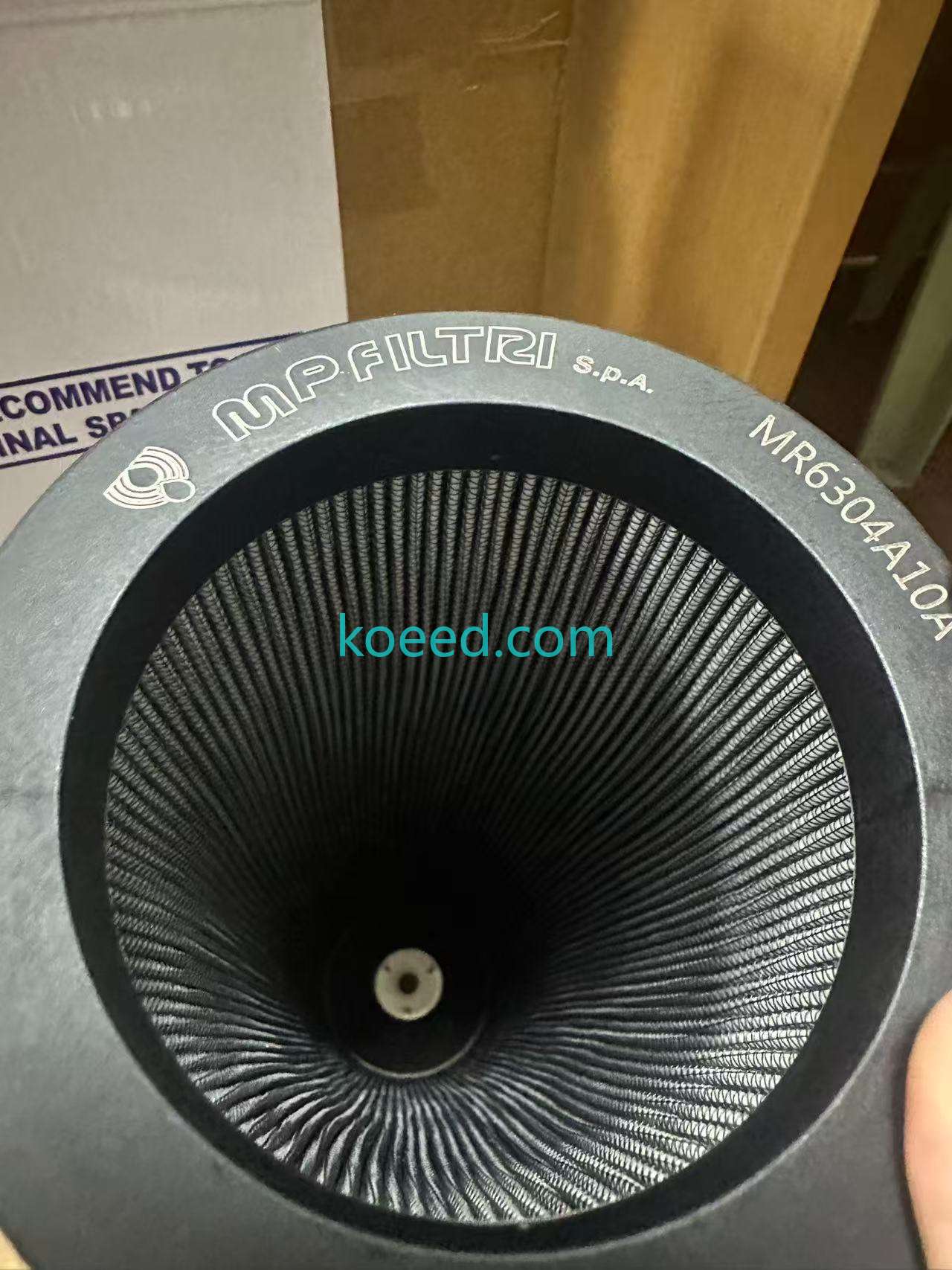
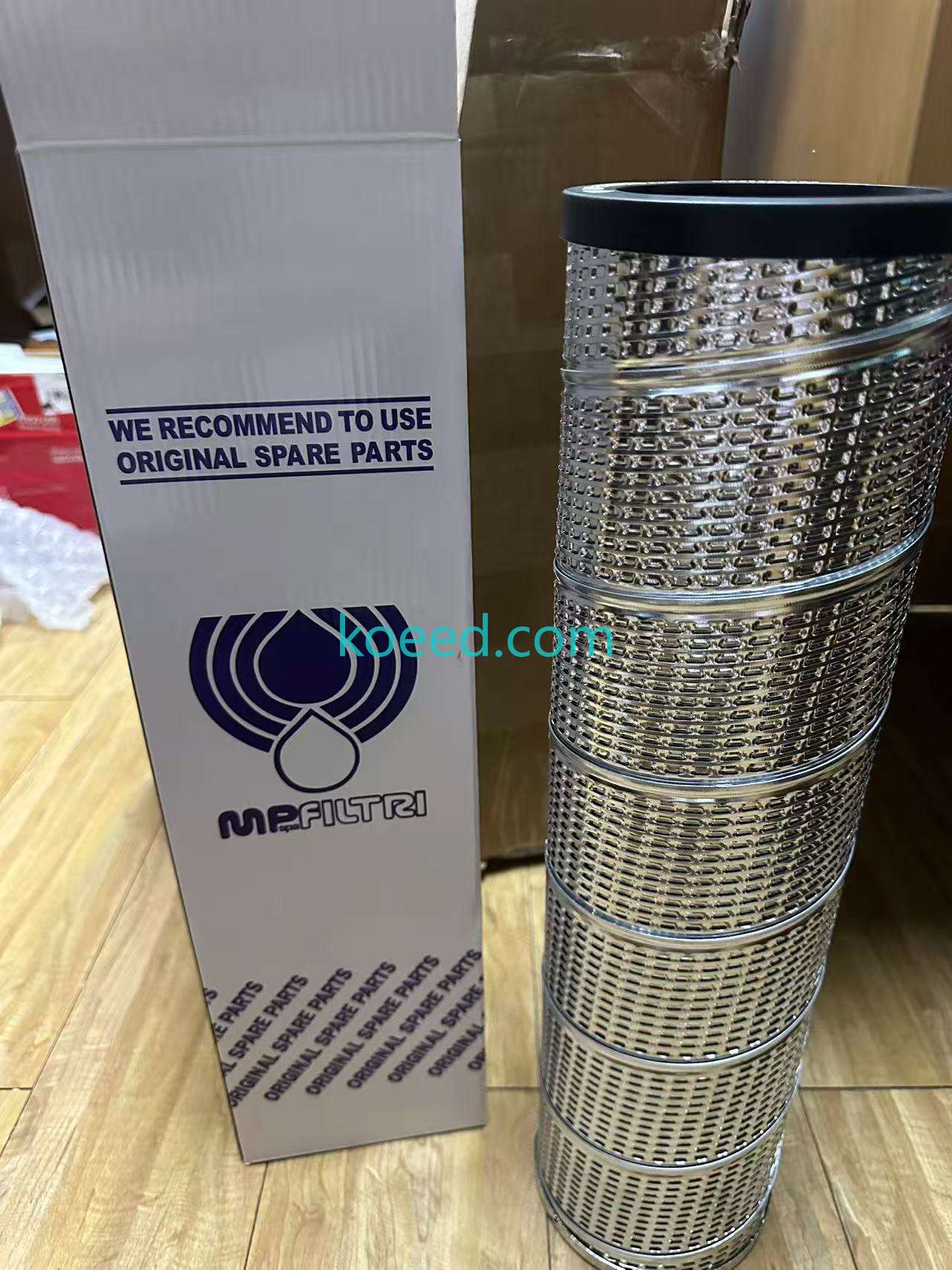
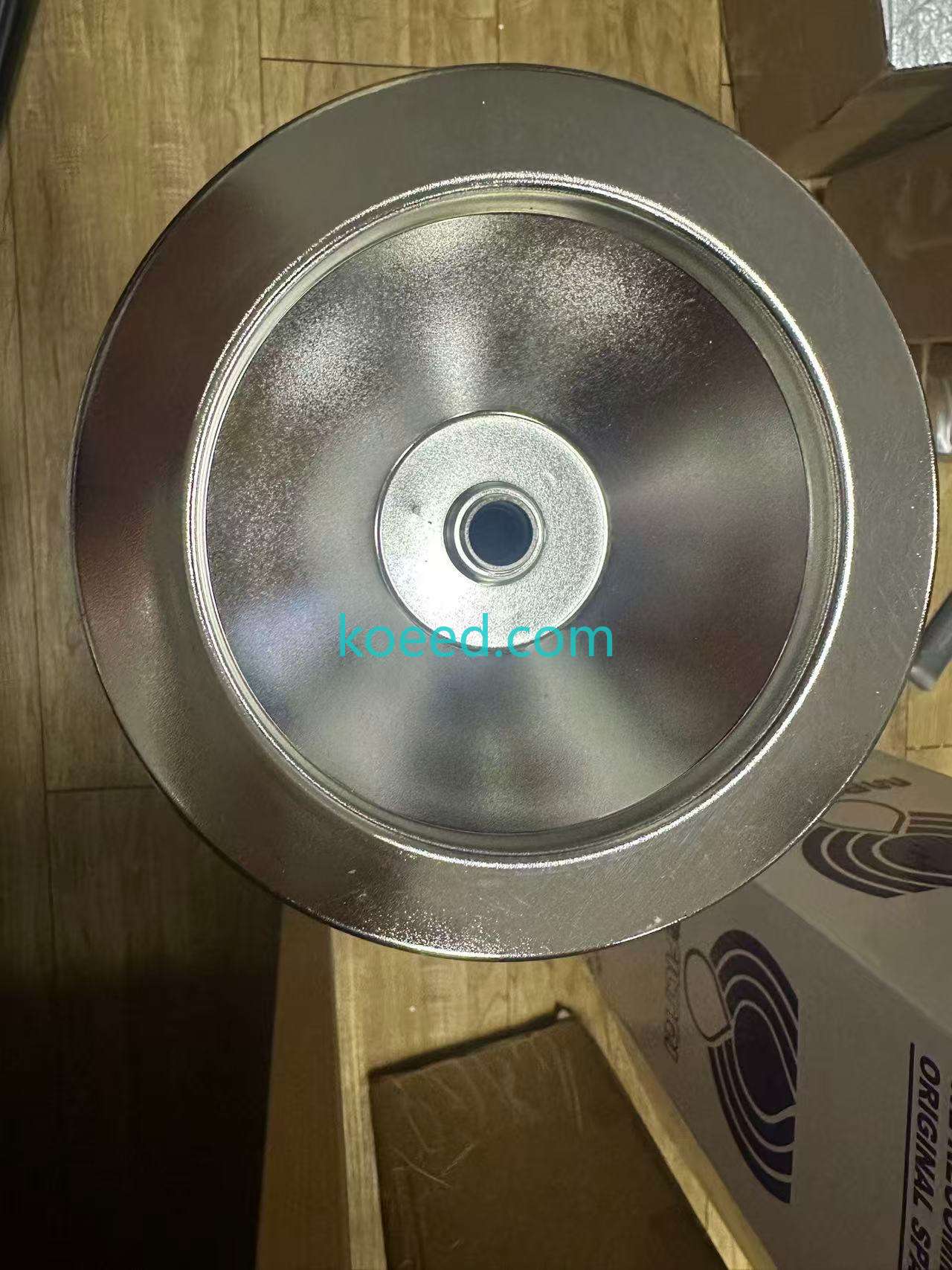
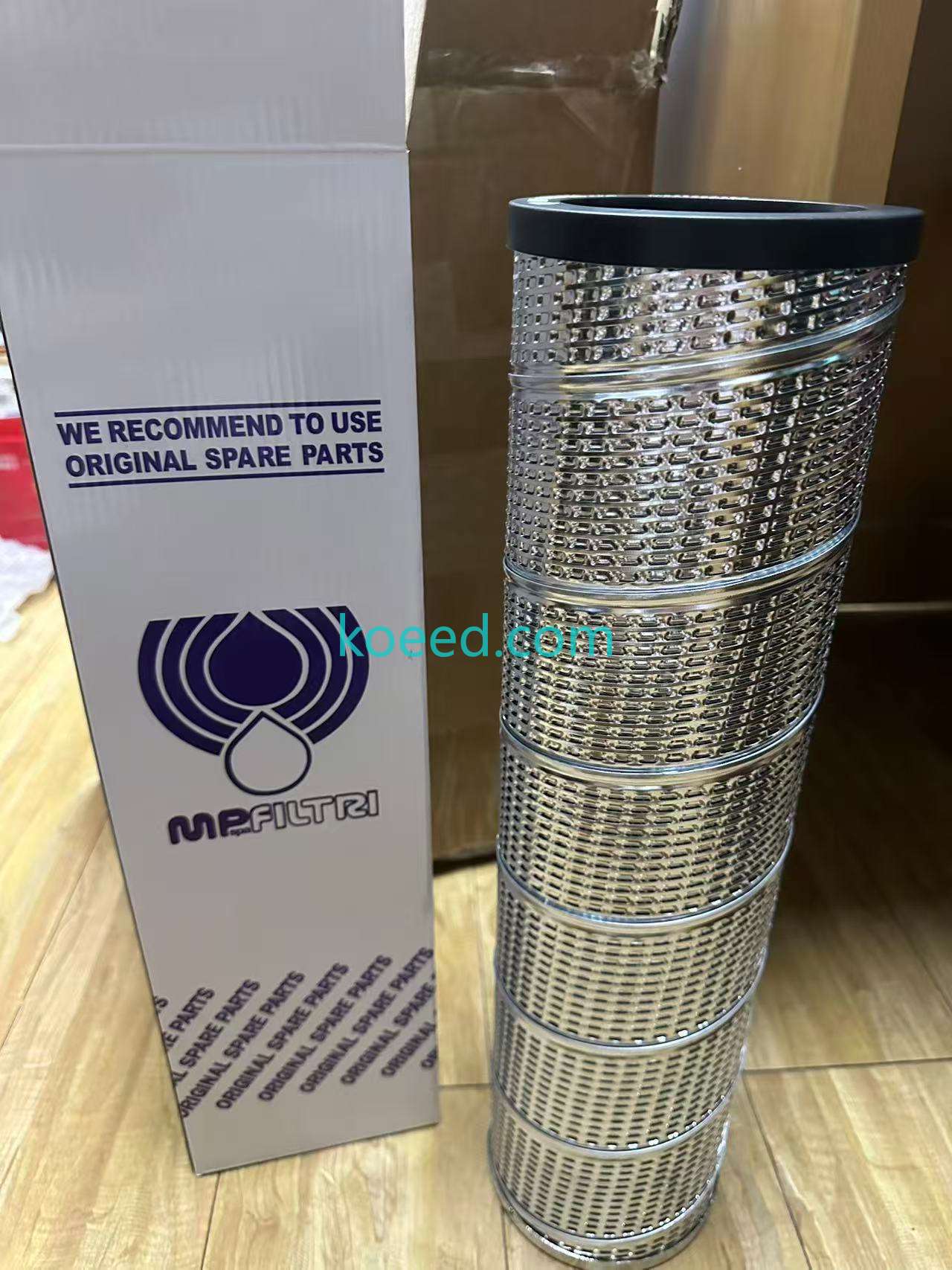
Below is a comprehensive visual reference of the MR6304A10A. Use these images to verify physical dimensions, connector layouts, and labeling for integration planning.
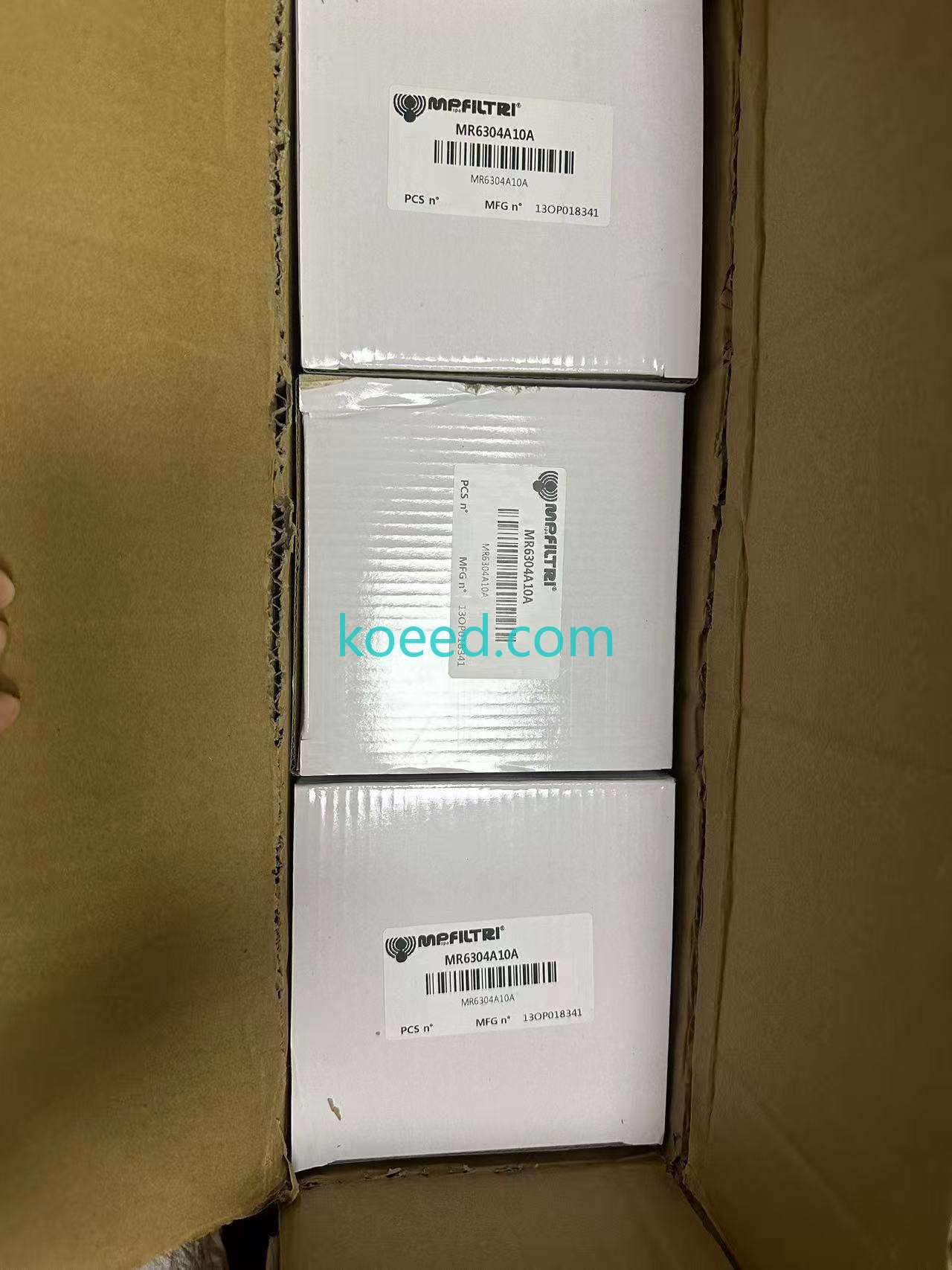
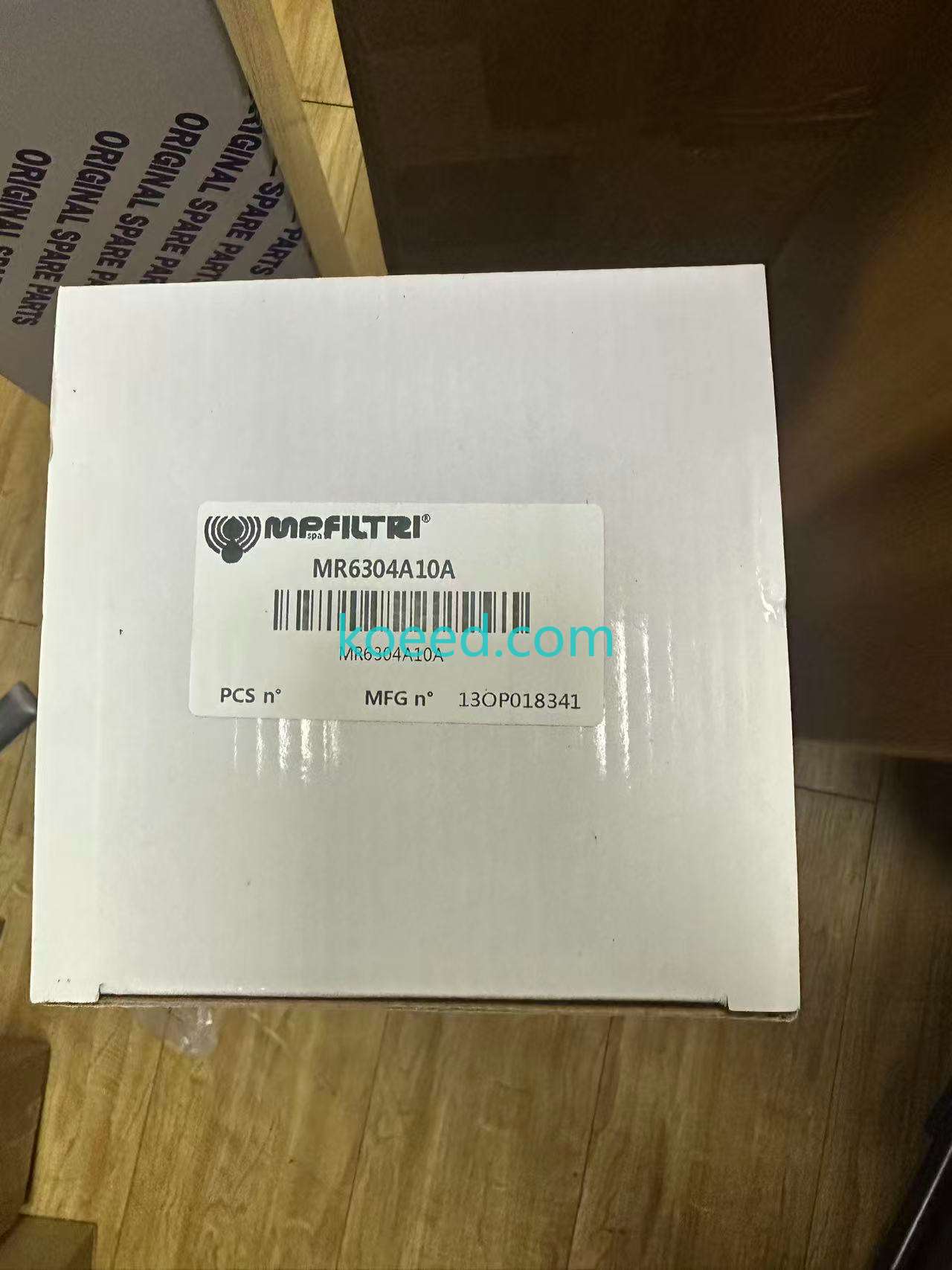
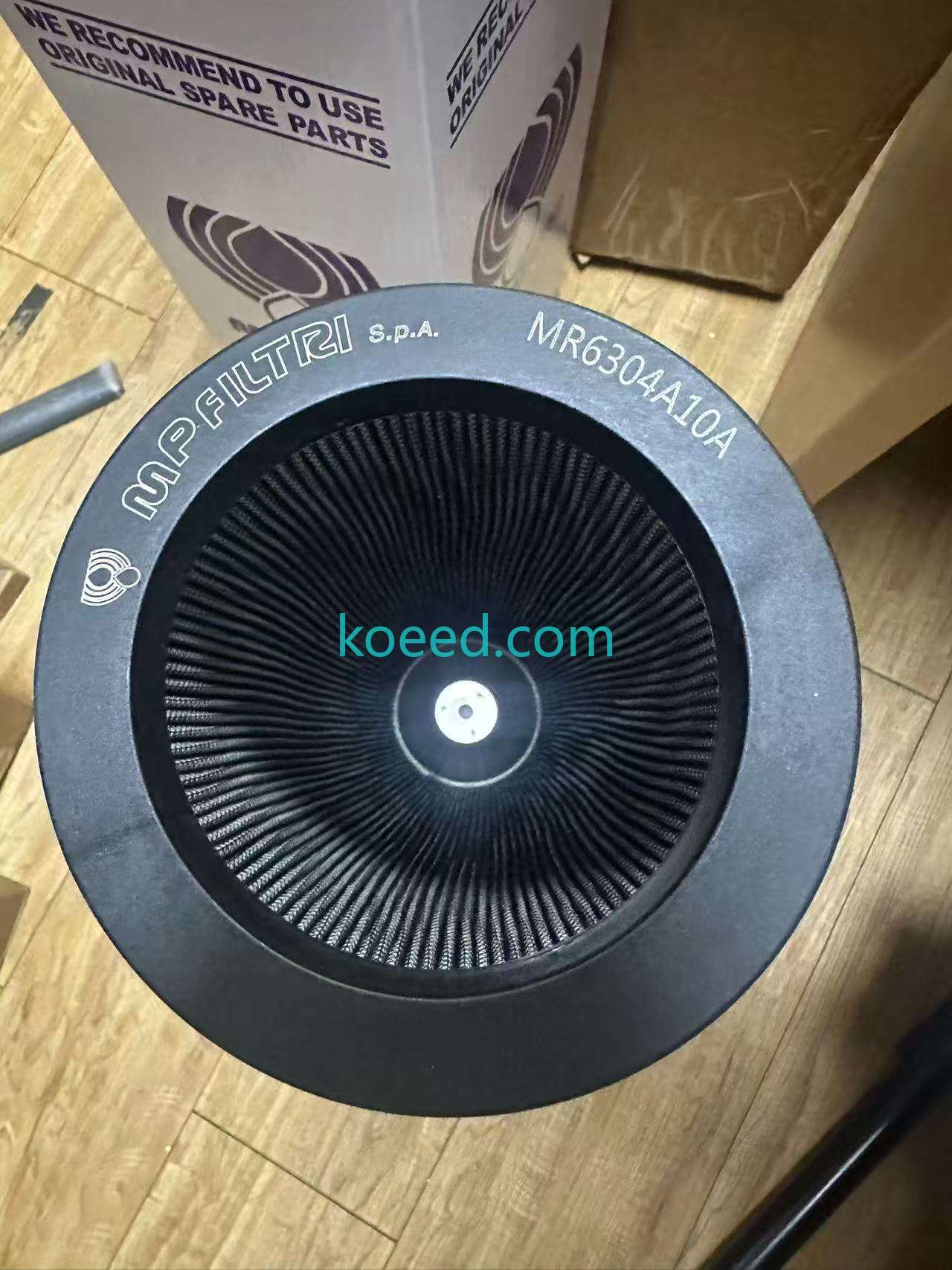
📹 Click here to view the MR6304A10A product demonstration video
IT/OT Convergence: Integrating the MR6304A10A into Your Digital Ecosystem
The defining automation challenge of 2026 is not hardware performance — it is data interoperability. The MR6304A10A addresses this through a layered communication architecture:
Layer 1: Field-Level (OT)
At the operational technology layer, the MR6304A10A communicates with sensors, actuators, drives, and HMI panels via deterministic protocols. Its high-speed backplane ensures that even with expanded I/O modules, scan times remain consistent — critical for motion control and high-speed sorting applications.
Layer 2: Supervisory (SCADA/MES)
Via OPC UA and Modbus TCP, the controller streams structured data — including alarm states, throughput counters, and energy metrics — directly to SCADA systems. No middleware, no protocol converters. This streamlined architecture reduces integration engineering hours by an estimated 30–40% compared to gateway-dependent legacy setups.
Layer 3: Cloud & Analytics (IT)
For enterprise applications, the MR6304A10A can publish selected datasets via MQTT to cloud platforms such as AWS IoT Core, Azure IoT Hub, or private on-premise data lakes. This selective publishing model conserves bandwidth while enabling fleet-level OEE (Overall Equipment Effectiveness) dashboards and AI-driven predictive maintenance models.
⚡ Pro Tip — 2026 Best Practice: When deploying the MR6304A10A in an IIoT architecture, configure MQTT QoS Level 1 for critical alarm data and QoS Level 0 for periodic telemetry. This ensures delivery guarantees for safety-critical messages while minimizing network overhead on high-frequency sensor streams.
ROI & Total Cost of Ownership Analysis
Procurement teams in 2026 evaluate automation components not on purchase price alone, but on 10-year lifecycle cost. Here is how the MR6304A10A delivers measurable ROI:
Reduced Integration Costs
Native multi-protocol support eliminates the need for protocol gateways (typically $300–$800 per unit) and the associated engineering hours for configuration and troubleshooting. For a typical four-machine cell, this alone can save $2,000–$5,000 in upfront hardware and integration labor.
Energy Savings
The built-in energy monitoring enables closed-loop optimization of motor and heating loads. When paired with intelligent scheduling (e.g., sleep modes during idle periods), documented savings range from 8%–15% on energy bills. For a mid-size facility spending $50,000/month on electricity, this translates to $48,000–$90,000 per year in operational savings.
Downtime Reduction
Predictive maintenance capabilities enabled by edge-processing of vibration and thermal data can reduce unplanned downtime by up to 35%. At an average cost of $5,000/hour for unplanned downtime in discrete manufacturing, preventing just 10 hours of downtime per year justifies the controller investment many times over.
Maintenance & Troubleshooting Guide
To maximize service life and ensure reliable operation of the MR6304A10A through 2030 and beyond, adhere to the following maintenance protocols:
Preventive Maintenance Schedule
| Interval | Action | Tool / Method |
|---|---|---|
| Monthly | Inspect ventilation and cooling; check for dust accumulation on DIN rail contacts | Visual inspection; compressed air (low pressure) |
| Quarterly | Verify firmware version against latest stable release; review error log history | Programming software; firmware changelog |
| Bi-Annually | Backup program and configuration; test communication link integrity | SD card / network backup; ping test & CRC check |
| Annually | Replace battery (if equipped); full system audit including I/O response verification | Replacement battery kit; loop calibration tools |
Common Troubleshooting Scenarios
🔧 Symptom: RUN LED blinking — no program execution.
Likely Cause: Controller in STOP mode or program checksum error.
Resolution: Connect via programming software, verify the operating mode switch position. If in RUN position but blinking, reload the program from backup and perform a checksum verification. Check the internal diagnostic buffer for error codes.
🔧 Symptom: Intermittent communication loss on Ethernet.
Likely Cause: IP address conflict or switch port negotiation mismatch.
Resolution: Verify the assigned IP is unique on the subnet. Force the switch port to 100 Mbps Full Duplex (disable auto-negotiation temporarily for testing). Check cabling for EMC interference — ensure separation from VFD motor cables (minimum 200 mm).
🔧 Symptom: Analog input readings drifting over time.
Likely Cause: Ground loop or inadequate shielding on analog signal cables.
Resolution: Verify single-point grounding for all analog loops. Ensure shielded twisted-pair cable is used, with the shield grounded at the PLC end only. Perform an offset calibration via the programming software's analog configuration panel.
Frequently Asked Questions
What programming environments are compatible with the MR6304A10A?
The MR6304A10A supports programming via IEC 61131-3 compliant environments, including ladder diagram (LD), structured text (ST), function block diagram (FBD), and sequential function chart (SFC). The dedicated engineering software supports online editing, symbolic addressing, and integrated simulation — enabling engineers to validate logic before deploying to live systems.
Can the MR6304A10A be deployed in safety-critical applications?
The MR6304A10A is designed for standard industrial control applications. For functional safety applications requiring SIL 2/3 or PL d/e, it should be paired with a dedicated safety relay or safety PLC module. Always consult the latest 2026 machinery safety standards (ISO 13849-1, IEC 62061) when designing safety-related control systems.
What is the recommended panel enclosure rating for the MR6304A10A?
For optimal longevity, install the MR6304A10A in an IP54-rated (minimum) enclosure. In environments with conductive dust, high humidity (>85% RH non-condensing), or corrosive atmospheres, upgrade to an IP65-rated enclosure with appropriate climate control. The operating temperature range of -20°C to +60°C applies to the controller itself — the enclosure's internal ambient must remain within this window.
How does the MR6304A10A support predictive maintenance strategies?
The controller's edge-processing capability allows it to run lightweight analytics on vibration spectra, current signatures, and thermal trends directly on the device. It can trigger early-warning alarms when parameters deviate from baseline models — without relying on cloud round-trip latency. This data can also be exported via MQTT to centralized CMMS (Computerized Maintenance Management System) platforms for fleet-wide asset health tracking.
Is the MR6304A10A backward-compatible with existing I/O modules?
The MR6304A10A maintains compatibility with the broader MR-series I/O ecosystem. However, for installations mixing legacy and new-generation modules, verify firmware compatibility using the manufacturer's 2026 compatibility matrix. A firmware update on older I/O modules may be required to ensure seamless backplane communication.
2026 Sustainability Compliance & Energy Efficiency
As regulatory frameworks tighten globally — from the EU's Corporate Sustainability Reporting Directive (CSRD) to emerging carbon-tracking mandates in Asia-Pacific markets — the MR6304A10A serves as both a controller and an energy data acquisition node. Its built-in registers can track:
- ✅ Per-cycle energy consumption (kWh/cycle)
- ✅ Idle-state power draw for standby optimization
- ✅ Peak demand tracking for utility cost avoidance
- ✅ Carbon-equivalent emissions estimates (when configured with grid intensity factors)
For organizations pursuing ISO 50001 certification or Science-Based Targets, this granular energy data is essential for audit-ready reporting — eliminating the need for standalone power meters and the associated wiring and integration labor.
Ready to Deploy the MR6304A10A in Your Facility?
Get a tailored quote, confirm lead times, and discuss integration with our senior automation engineers.
Koeed B2B Industrial Automation — Engineering Precision, Global Delivery.
© 2026 Koeed. All product specifications are subject to change. Images are for reference — verify physical dimensions before panel design.


