

Mitsubishi PAR-21MAA Controller: The 2026 Guide to Precision HVAC Automation & Smart Building Integration
1. Strategic Overview: Why the PAR-21MAA Remains the Gold Standard in 2026
As industrial and commercial facilities accelerate their digital transformation journeys in 2026, the Mitsubishi PAR-21MAA MA Remote Controller has cemented its position not merely as a legacy wall-mounted thermostat, but as a critical edge node in the modern IT/OT convergence stack. While cloud-based building management systems (BMS) proliferate, facility engineers consistently report that the reliability of the physical-layer controller—the PAR-21MAA—determines the success or failure of overarching energy strategies.
The Mitsubishi PAR-21MAA wire controller supports the full spectrum of Mitsubishi Electric's CITY MULTI VRF systems and Mr. SLIM packaged air conditioners, making it a universal interface across projects ranging from boutique retail to multi-story commercial towers. In the 2026 industrial automation landscape, where predictive maintenance and energy optimization dominate boardroom discussions, the PAR-21MAA delivers the local intelligence that feeds into broader analytics platforms.
2. Technical Specifications & Benchmarking
Understanding the PAR-21MAA's specifications is essential for system architects designing around its capabilities. Below is a detailed technical breakdown compared against legacy MA controller generations.
| Parameter | PAR-21MAA (Current Gen) | Legacy MA Controller (PAR-20MA) | Impact on System Design |
|---|---|---|---|
| Dimensions | 120 (H) × 130 (W) × 19 (D) mm | 120 × 130 × 20.5 mm | Slimmer profile for modern switch-box compatibility |
| Weight | 0.2 kg | ~0.22 kg | Negligible installation load on drywall |
| Power Supply | 10–13V DC (from indoor unit) | 12V DC | Wider tolerance range; improved brownout resilience |
| Power Consumption | 0.3 W | ~0.5 W | 40% energy reduction per controller node |
| Operating Environment | 0°C to 40°C, 30–90% RH | 0°C to 40°C, 30–85% RH | Extended humidity tolerance for tropical climates |
| Communication | M-NET wired bus | M-NET wired bus | Full backward compatibility; no rewiring needed |
| Error Diagnostics | 4-digit + 2-digit error codes, self-check mode | Basic error indication | Granular fault isolation; faster MTTR |
| Function Lock | Multi-level button lock (operation function limit) | Limited lock capability | Enhanced security for public/commercial zones |
| Interlock Support | Lossnay ventilator interlock ready | Not supported | Integrated IAQ management without extra controllers |
The PAR-21MAA's 0.3W ultra-low power draw becomes significant at scale. For a 200-room hospitality installation, the controller layer consumes just 60W total—translating to approximately 525 kWh/year, or roughly $63–$80 in annual electricity costs at 2026 commercial rates. Compare this to older-generation alternatives consuming 0.5W or more, and the TCO advantage over a 10-year lifecycle becomes compelling.
3. IT/OT Convergence: The PAR-21MAA as an Edge Intelligence Node
In the 2026 industrial automation architecture, the Mitsubishi PAR-21MAA functions as more than a temperature selector—it is a deterministic edge device bridging the Operational Technology (OT) layer of HVAC equipment with the Information Technology (IT) layer of building analytics platforms.
3.1 M-NET Protocol: The Integration Backbone
The M-NET wired bus architecture ensures that every PAR-21MAA on the network communicates with guaranteed latency and zero packet loss—a stark contrast to wireless IoT alternatives that remain susceptible to RF interference in industrial environments. This deterministic communication enables:
- Real-time error code relay to centralized BMS dashboards
- Synchronized scheduling across multiple indoor units via group addressing
- Lossnay ventilator interlock for integrated indoor air quality (IAQ) management without additional PLC hardware
3.2 Integration with 2026 Building Ecosystems
Mitsubishi Electric's 2026 GOT3000 HMI platform—recently launched and already award-winning—provides a native visualization layer for PAR-21MAA networks. For facilities already invested in BACnet or Modbus TCP infrastructures, gateway modules can expose PAR-21MAA-managed zones to third-party supervisory systems, making this controller a future-proof investment even as BMS standards evolve.
4. Visual Gallery & Physical Interface Walkthrough
Below is a comprehensive visual reference of the PAR-21MAA controller, including physical form factor, terminal wiring layout, display interface, and installation context.
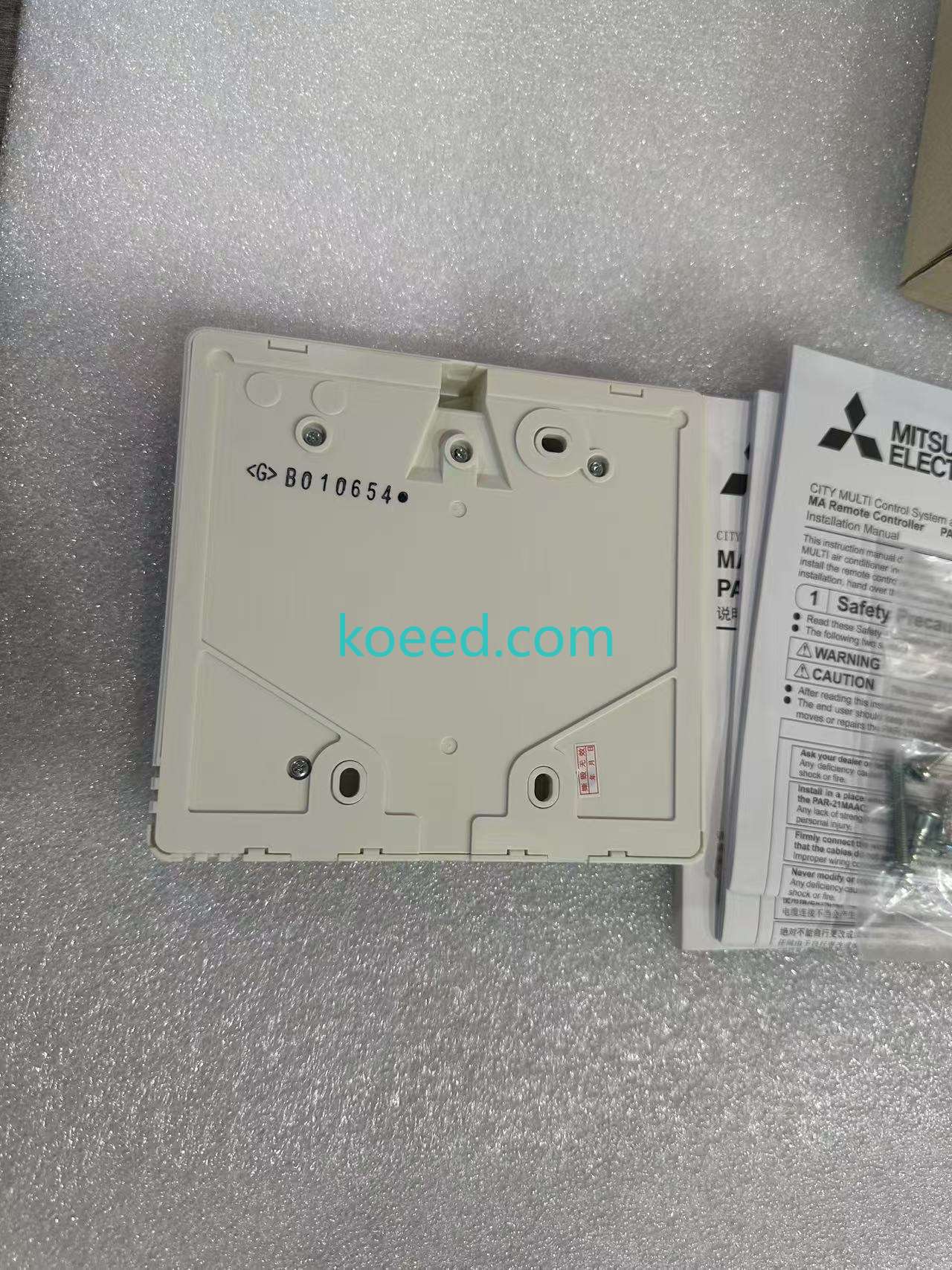
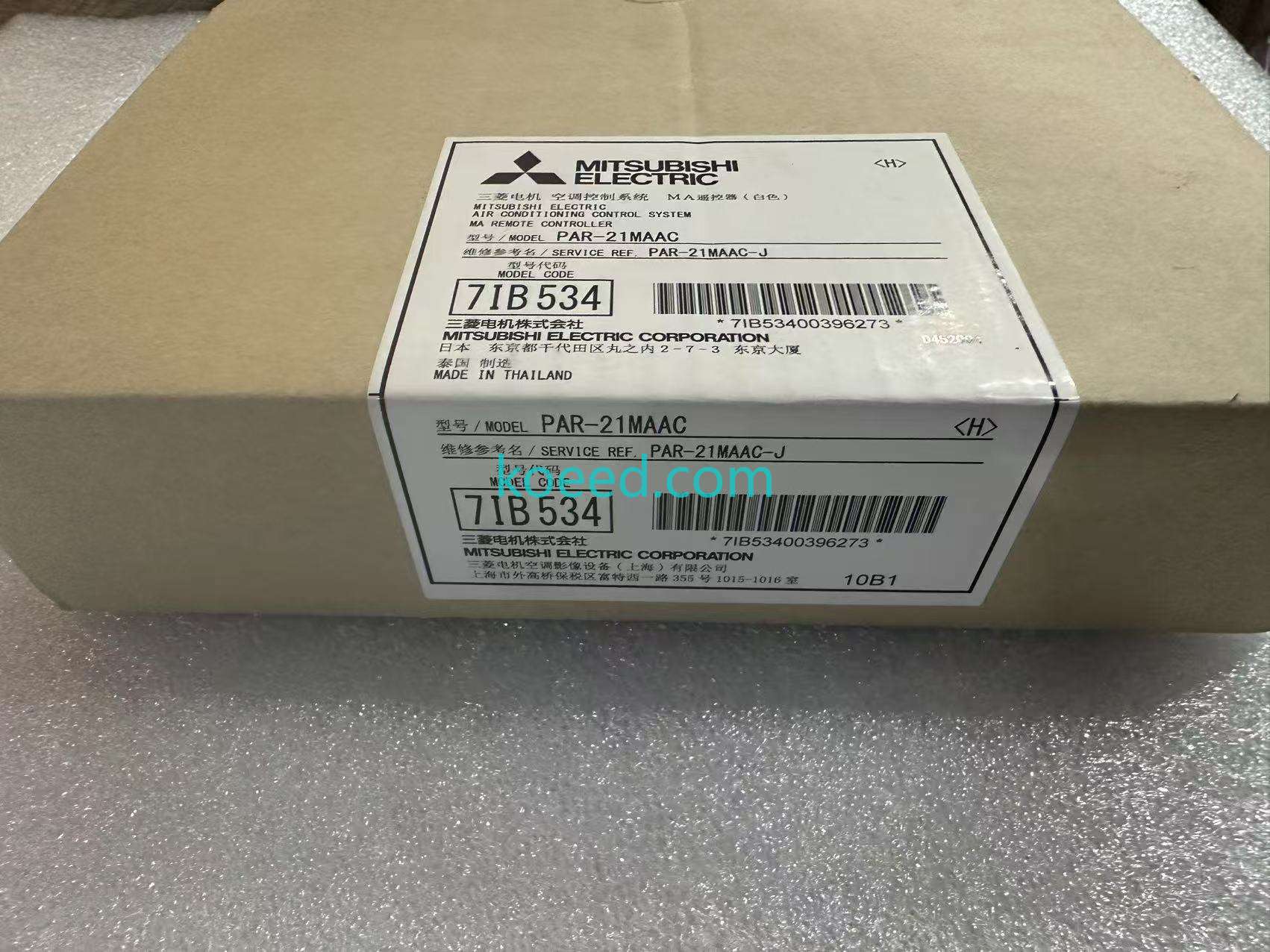
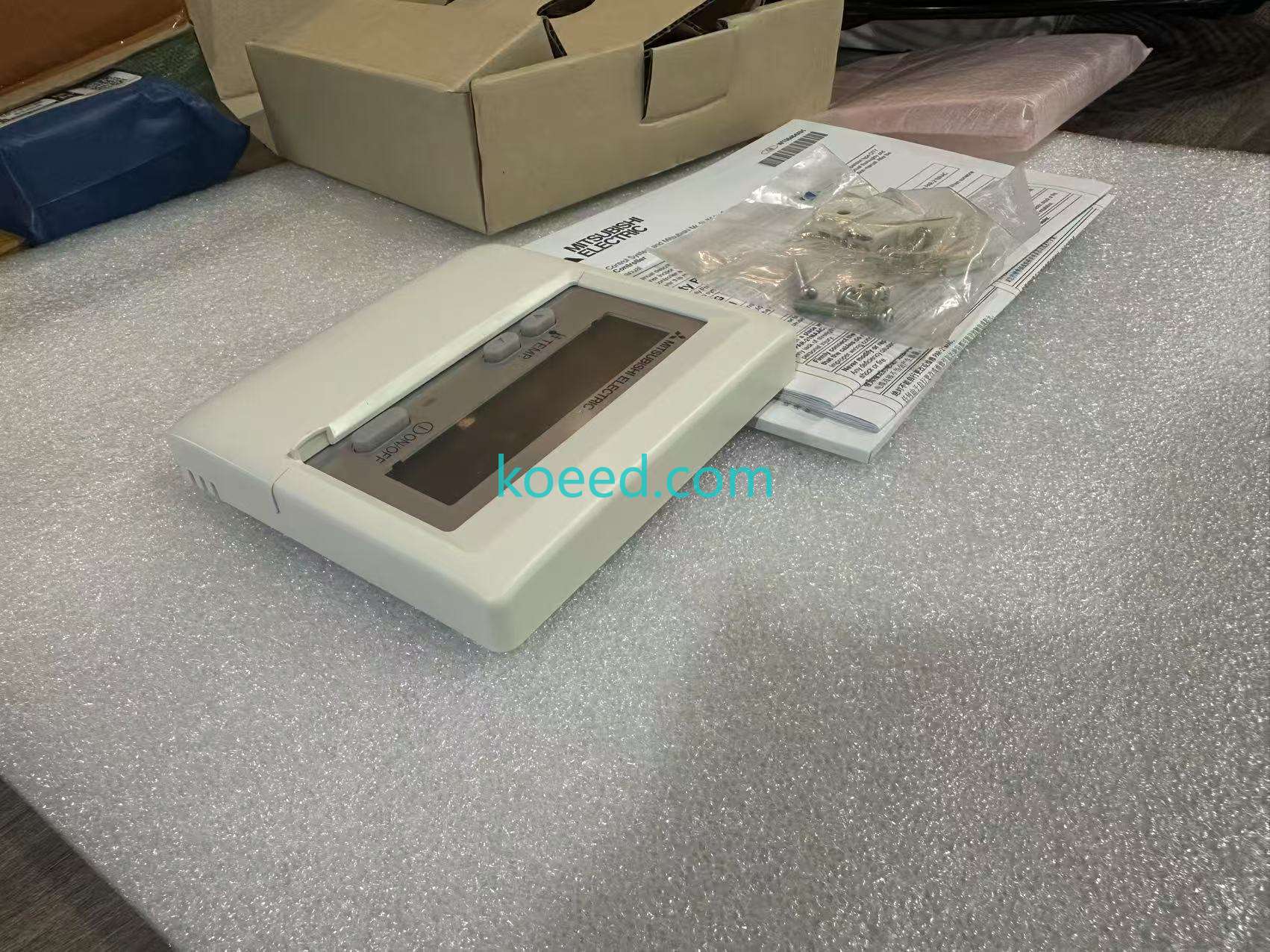
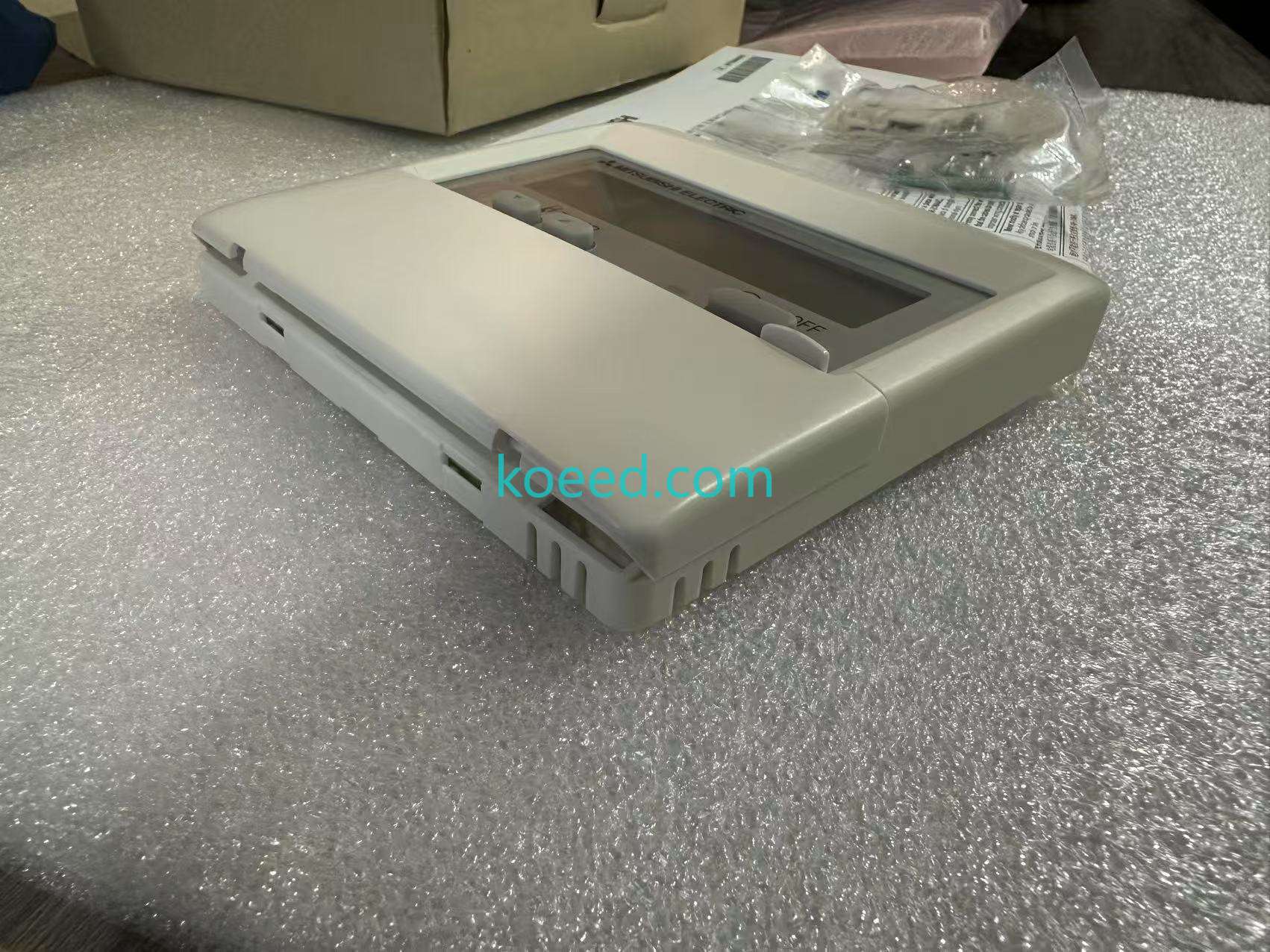
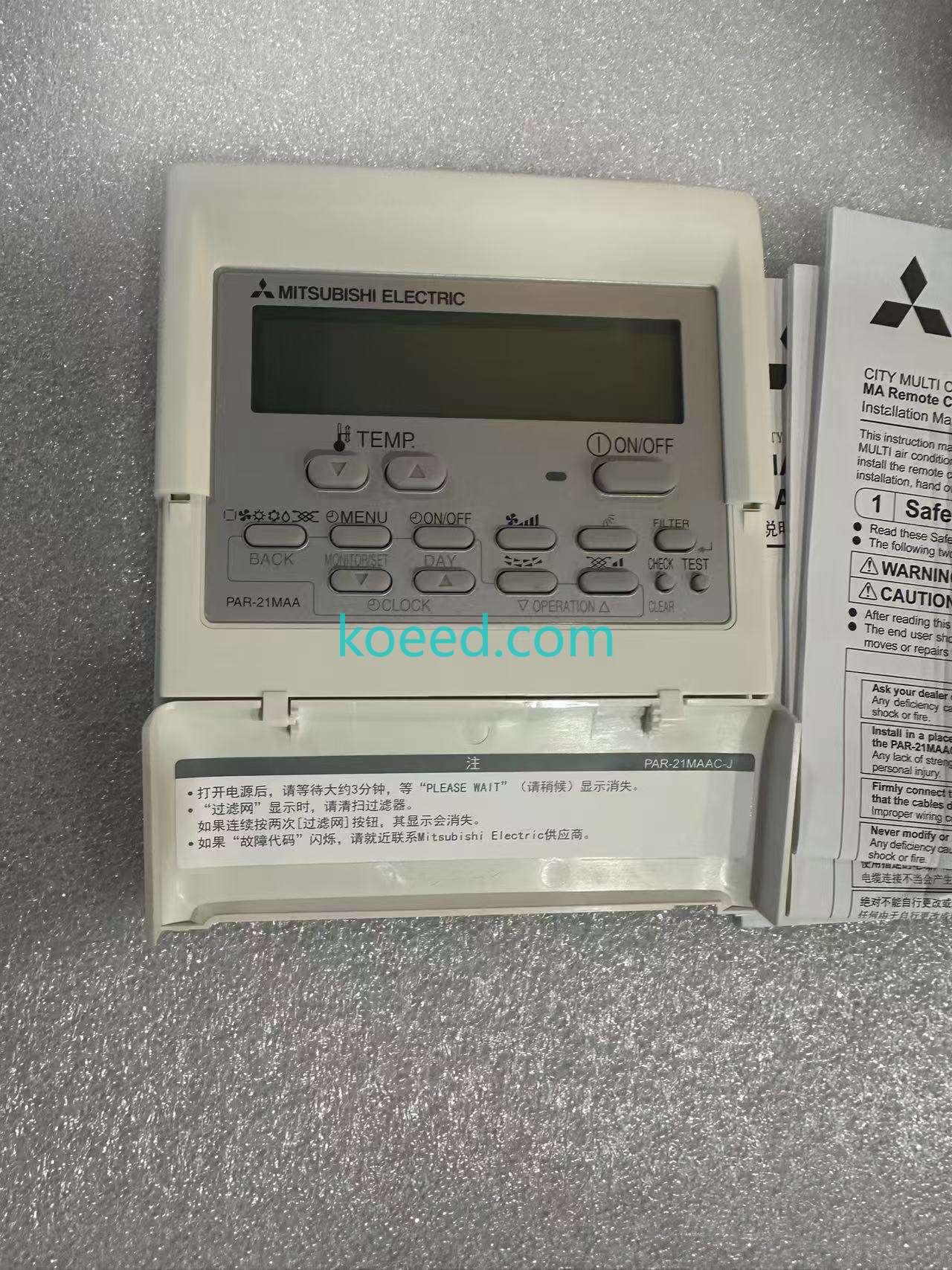
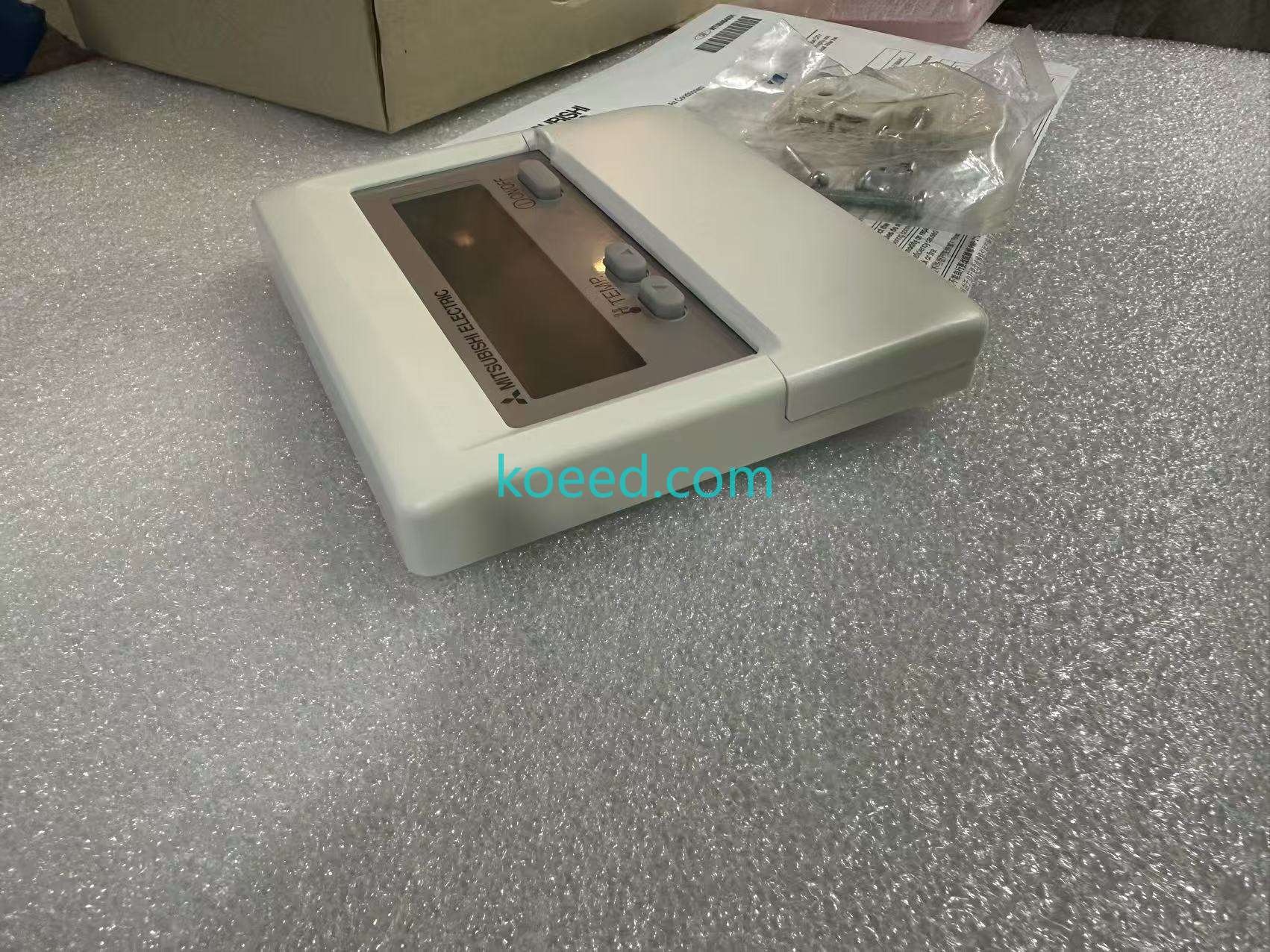
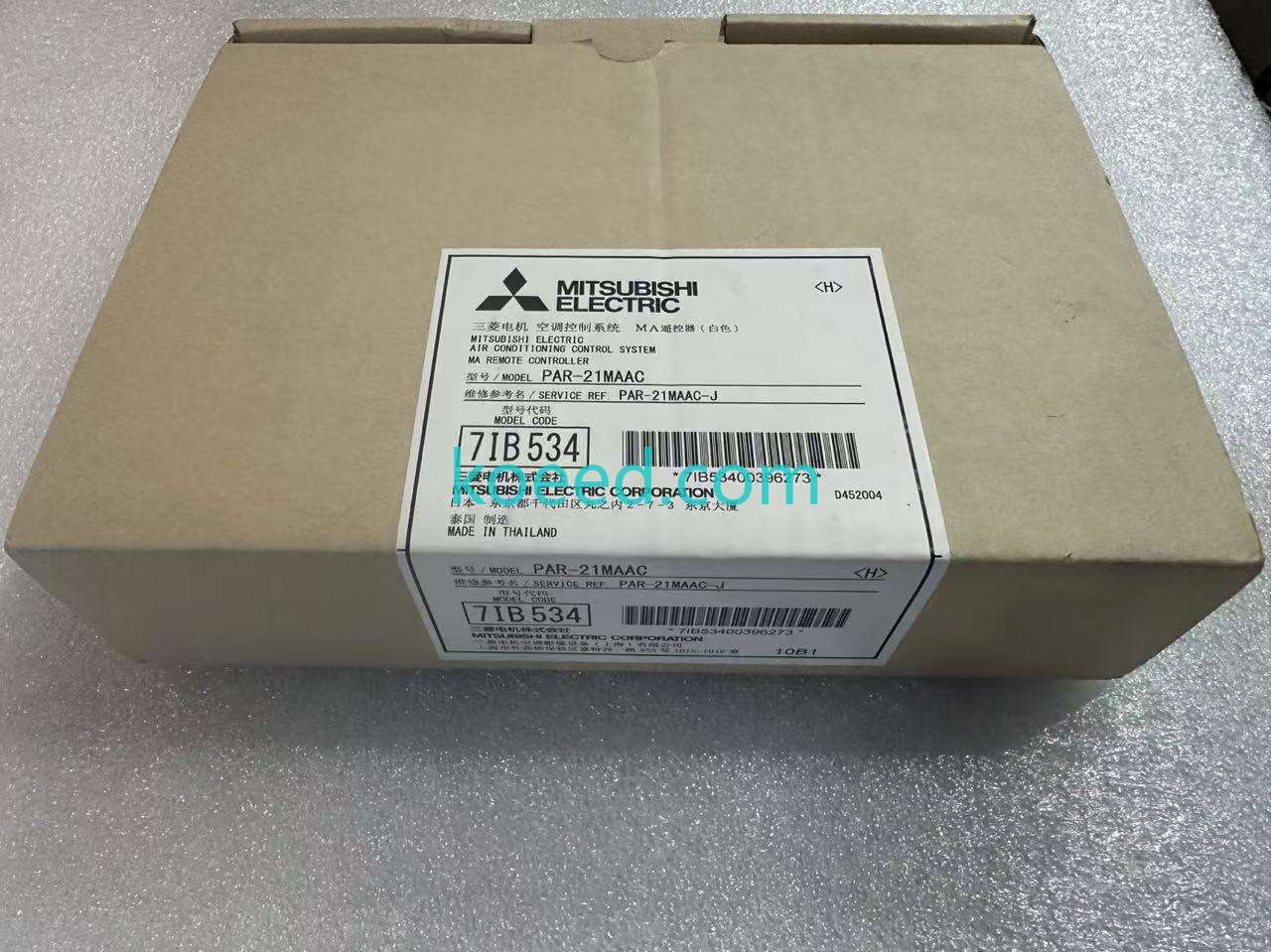
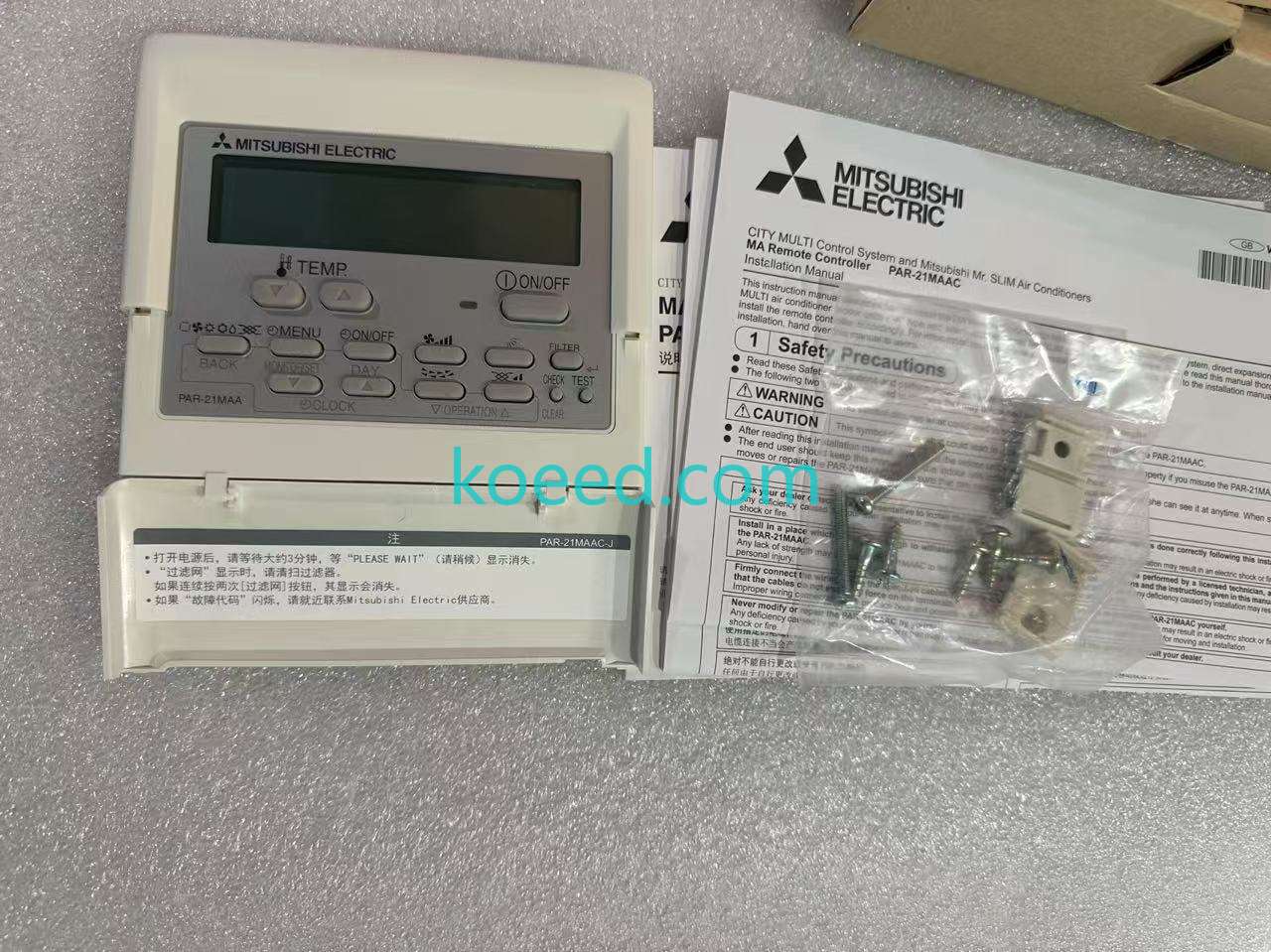
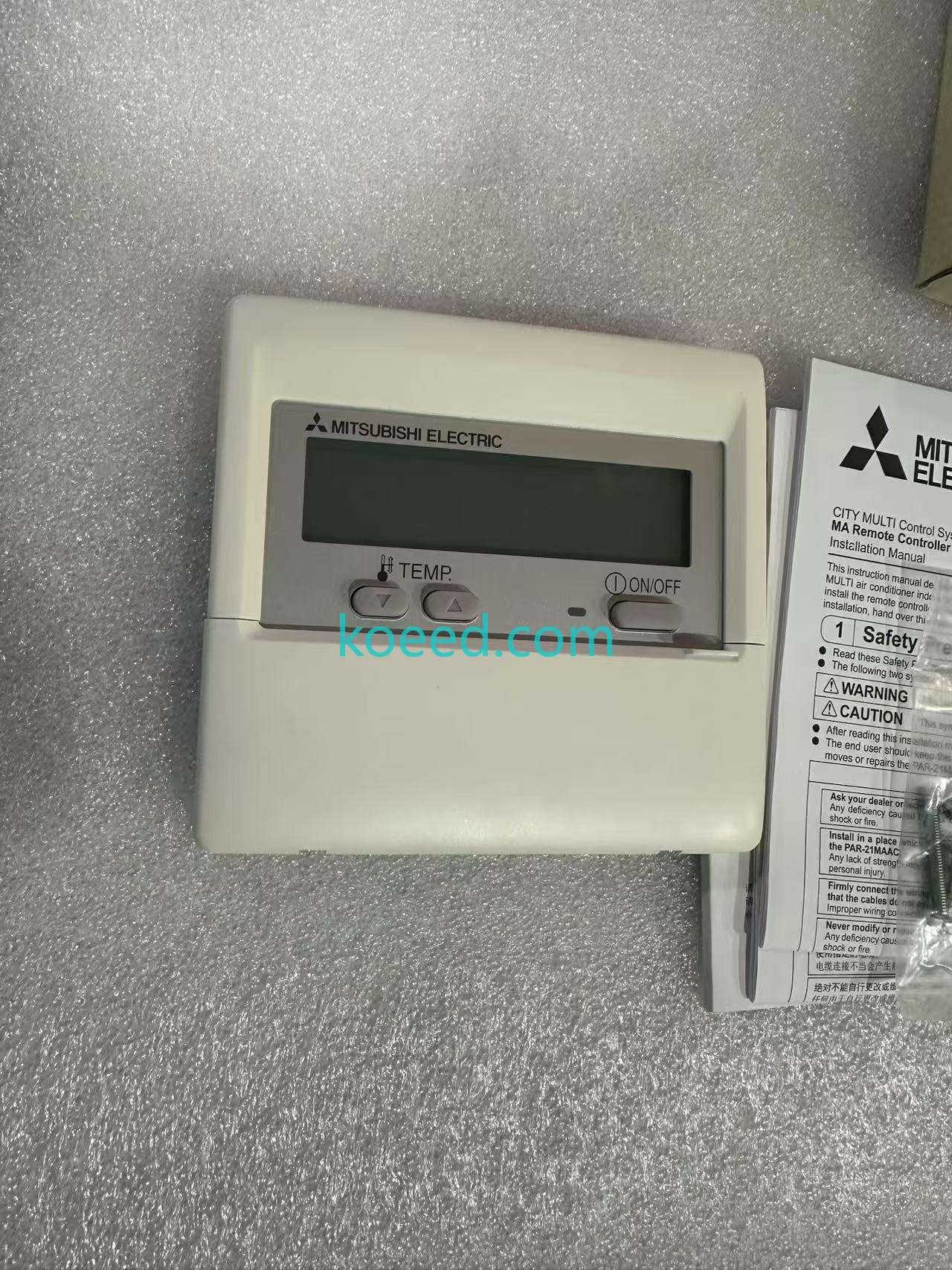
Note: The PAR-21MAA's compact 120 × 130 mm faceplate fits standard JIS switch boxes, simplifying both new construction and retrofit projects.
5. Predictive Maintenance & Self-Diagnostics: The 2026 Approach
The shift from reactive repair to predictive maintenance is the defining operational philosophy of 2026. The PAR-21MAA's built-in self-diagnostic capabilities make it an indispensable tool for this transition.
5.1 Error Code Architecture
The controller displays both 4-digit and 2-digit error codes, enabling technicians to isolate faults to the sub-component level without proprietary diagnostic software. Common error code categories include:
- Communication faults between indoor/outdoor units (check M-NET wiring polarity)
- Sensor anomalies (thermistor open/short detection on indoor coil and room temperature sensors)
- Refrigerant system protection triggers (high-pressure cut-out, discharge temperature anomalies)
- Power supply irregularities (DC rail voltage out of 10–13V tolerance band)
5.2 Self-Check Mode: A Field Engineer's Best Friend
By entering the self-check mode (accessible via the function selection menu), maintenance personnel can retrieve the complete error history of each connected indoor unit. This historical log is invaluable for identifying intermittent faults before they escalate into system-wide failures. In the 2026 maintenance workflow, technicians use this data to generate trend reports that inform component replacement schedules—moving from fixed-interval PM to condition-based maintenance.
6. Energy Optimization & Sustainability Impact
Sustainability reporting has moved from optional ESG disclosures to mandatory compliance requirements across G20 nations in 2026. The PAR-21MAA contributes to decarbonization goals through several mechanisms:
6.1 Intelligent Scheduling via Auto Off Timer
The built-in Auto Off Timer prevents energy waste in unoccupied zones. When integrated with the remote controller's group addressing, facility managers can implement granular setback strategies that reduce HVAC energy consumption by 15–25% during off-peak hours without compromising occupant comfort during operational periods.
6.2 Simultaneous Operation Balancing
For free component multi-type systems with simultaneous twin units, the PAR-21MAA's Function Setting No. 1 enables indoor unit balance adjustment. This ensures even thermal distribution across connected indoor units, preventing the inefficiency of one unit overcompensating while another under-delivers.
6.3 Lossnay Ventilator Interlock for IAQ-Driven Efficiency
By interlocking Mitsubishi Lossnay ventilators directly through the PAR-21MAA, facilities achieve demand-controlled ventilation without deploying separate IAQ sensor networks. The energy recovery efficiency of Lossnay units (up to 80% heat exchange) combined with PAR-21MAA scheduling minimizes the fresh air cooling/heating load—a key variable in achieving net-zero building certifications.
7. Installation Best Practices & System Architecture
For system integrators and MEP contractors specifying the Mitsubishi PAR-21MAA controller, adherence to the following 2026 best practices ensures optimal performance:
7.1 Addressing & Group Control
Each outdoor unit within a group control configuration must have its address set via DIP switch SW1 (pins 3–6) on the outdoor control board. All switches default to OFF at the factory. Proper addressing is critical: crossover wiring between indoor units in free component multi-type systems (simultaneous twin) is strictly prohibited and will cause communication faults.
7.2 M-NET Wiring Guidelines
- Use shielded, twisted-pair cable (minimum 0.75 mm² for runs up to 500m)
- Maintain polarity consistency across all M-NET connections
- Do not route M-NET wiring parallel to power cables within the same conduit
- Terminate the shield at one end only to prevent ground loops
7.3 External Timer & Peripheral Integration
For facilities requiring remote/local combined control (e.g., BMS override with local user adjustment), the PAR-21MAA supports external timer start/stop operation and interlock with peripheral equipment. This hybrid control model is particularly effective in hospitality and healthcare environments where both centralized energy management and occupant autonomy are required.
8. Total Cost of Ownership (TCO) Analysis
When evaluating the PAR-21MAA against alternative control solutions, a holistic TCO framework reveals its economic advantage:
| TCO Factor | PAR-21MAA | Generic BMS Wall Module | Wireless IoT Thermostat |
|---|---|---|---|
| Initial Hardware Cost | Competitive OEM pricing | Lower upfront cost | Similar to PAR-21MAA |
| Installation Labor | Standard 2-wire; ~15 min per unit | Requires gateway; ~30 min | Requires pairing + network config; ~20 min |
| Annual Energy per Node | 0.3W (~2.6 kWh/yr) | 1–2W (~8.7–17.5 kWh/yr) | 0.5–1.5W + battery replacement |
| Expected Lifespan | 15–20 years | 8–10 years | 5–8 years (battery degradation) |
| Compatibility Risk | Full Mitsubishi ecosystem; M-NET standard | Vendor lock-in; protocol translation needed | Wireless protocol sunset risk |
| Maintenance Burden | Self-diagnostic; error code library | Requires BMS software access | Battery replacement; connectivity troubleshooting |
| 10-Year TCO Estimate (per node) | Lowest total | 15–25% higher | 30–40% higher (incl. battery replacements) |
The PAR-21MAA's 15–20 year operational lifespan combined with its industry-low 0.3W power consumption makes it the clear TCO leader for facilities planning beyond the standard 5-year capital cycle.
9. Frequently Asked Questions
What Mitsubishi systems is the PAR-21MAA compatible with?
The PAR-21MAA is designed for all Mitsubishi Electric CITY MULTI air conditioner indoor units (“-A” type and later) and Mr. SLIM packaged air conditioners. It communicates via the M-NET wired protocol and supports both single-split and VRF multi-system configurations. For group control scenarios, multiple indoor units can be controlled from a single PAR-21MAA.
How do I enter self-diagnosis mode on the PAR-21MAA?
Access self-diagnosis through the Function Selection menu. Once activated, the controller displays error history for each connected indoor unit using 4-digit and 2-digit error codes. Refer to the service manual for the complete error code table. If the power-on indicator is not lit, verify 10–13V DC supply at the terminal block before assuming controller failure.
Can the PAR-21MAA integrate with third-party BMS platforms?
Yes. While the PAR-21MAA natively communicates via M-NET, third-party gateway devices can translate M-NET to BACnet, Modbus TCP, or other open protocols. This allows PAR-21MAA-managed zones to appear as standard objects within platforms such as Niagara, Desigo CC, or custom SCADA deployments. Mitsubishi's 2026 GOT3000 HMI also provides native M-NET visualization.
What is the maximum wiring distance between the PAR-21MAA and the indoor unit?
Using the recommended shielded twisted-pair cable (minimum 0.75 mm²), the PAR-21MAA can be installed up to 500 meters from the indoor unit. For longer runs, consult Mitsubishi Electric's application engineering team for signal repeater options. Always maintain polarity and avoid routing alongside high-voltage power cables.
Does the PAR-21MAA support the Lossnay ventilator interlock feature?
Yes. The PAR-21MAA natively supports interlock operation with Mitsubishi Lossnay ventilators. This enables coordinated HVAC and ventilation control from a single interface, simplifying both installation wiring and daily operation. It is a key differentiator from the legacy PAR-20MA series, which lacked this capability.
What does a non-lit power indicator mean?
A non-lit power-on indicator most commonly indicates that the correct DC voltage (12V nominal, 10–13V acceptable range) is not reaching the controller from the indoor unit. First, check the controller's wiring continuity and the indoor unit's DC output. If voltage is present but the indicator remains off, the controller may require replacement—genuine PAR-21MAA replacements are available here.
10. Final Recommendations & Procurement
The Mitsubishi PAR-21MAA represents the convergence of decades of HVAC control engineering with the demands of 2026's connected, energy-conscious building ecosystem. Its deterministic M-NET communication, ultra-low power profile, self-diagnostic intelligence, and seamless integration with Mitsubishi's CITY MULTI and Mr. SLIM platforms make it the undisputed choice for system integrators, MEP consultants, and facility managers who refuse to compromise between reliability and innovation.
For projects specifying controllers in 2026, the PAR-21MAA delivers:
- Future-proof investment with a 15–20 year design lifespan
- Zero-protocol-risk M-NET backbone compatible with current and emerging BMS gateways
- Measurable sustainability gains through intelligent scheduling and Lossnay interlock
- Reduced maintenance OPEX via on-device error diagnostics and history logging
Ready to Deploy the PAR-21MAA in Your Facility?
Get genuine Mitsubishi PAR-21MAA controllers with full warranty and engineering support. Our 2026 inventory is factory-fresh and ready for immediate dispatch to project sites worldwide.


