

Oculus Rift S in Industrial Automation 2026: Cost-Effective VR for Digital Twins, Workforce Training & OT/IT Convergence
1. Strategic Overview: The Oculus Rift S in the 2026 Industrial Landscape
As we navigate mid-2026, the industrial metaverse has matured from buzzword to operational reality. While Meta Quest 3 and Apple Vision Pro dominate headlines, a quieter but equally important trend has emerged: refurbished VR hardware as a strategic cost lever for industrial training programs. The Used Oculus Rift S with 5M Replacement Cable represents exactly this value proposition — delivering reliable PC-tethered VR at a TCO that makes fleet deployment across multiple training stations financially viable.
In 2026, industrial enterprises face a trilemma: escalating workforce skill gaps, tighter sustainability mandates, and the need for seamless OT/IT convergence. VR-based training environments built on digital twin models address all three. The Rift S, with its mature software ecosystem (Oculus PC SDK, SteamVR, OpenXR compatibility), remains a surprisingly capable bridge between legacy industrial simulation software and frontline operator training. The key differentiator of this specific Koeed offering is the inclusion of a 5-meter replacement cable — a critical pain-point component that often dictates the usable lifecycle of tethered headsets in high-rotation industrial environments.
2. Technical Benchmarking: Rift S vs. Industrial VR Requirements
When evaluating VR hardware for industrial training, digital twin walkthroughs, and remote maintenance guidance, decision-makers must weigh resolution, tracking fidelity, durability, and total cost per seat. Below is a structured comparison reflecting the 2026 industrial standard.
| Specification | Oculus Rift S (Refurbished) | Meta Quest 3 (New, 2026) | Industrial Implication |
|---|---|---|---|
| Resolution (per eye) | 1280 × 1440 | 2064 × 2208 | Rift S adequate for CAD walkthroughs & schematic overlays; Quest 3 preferred for fine-detail inspection |
| Tracking | Inside-Out (5 cameras) | Inside-Out (6 cameras + depth sensor) | Rift S tracking sufficient for stationary operator training stations; Quest 3 better for large-area factory floor roaming |
| Connection | DisplayPort 1.2 + USB 3.0 (5M cable) | USB-C / Wireless (Wi-Fi 6E) | Tethered Rift S eliminates wireless latency & battery concerns — critical for 8-hour shift training continuity |
| Refresh Rate | 80 Hz | 90–120 Hz | 80 Hz acceptable for procedural training; higher refresh reduces fatigue in extended sessions |
| Per-Unit TCO (2026 est.) | ~$150–$250 (refurbished) | ~$499 (new, base) | Rift S delivers 65–70% cost savings — enables 3× fleet expansion within same budget envelope |
| Software Ecosystem | Oculus PC SDK, SteamVR, OpenXR, Unity, Unreal | Meta XR SDK, SteamVR, OpenXR, Unity, Unreal | Both support major industrial simulation platforms; Rift S has broader legacy plugin compatibility |
The standout takeaway for procurement teams: the refurbished Oculus Rift S with its 5M replacement cable enables fleet-scale industrial VR deployment at a per-seat cost that competing new hardware cannot approach. For training centers operating 10+ concurrent stations, the differential represents tens of thousands in preserved CapEx.
3. The 5M Replacement Cable: Why It Defines Operational Longevity
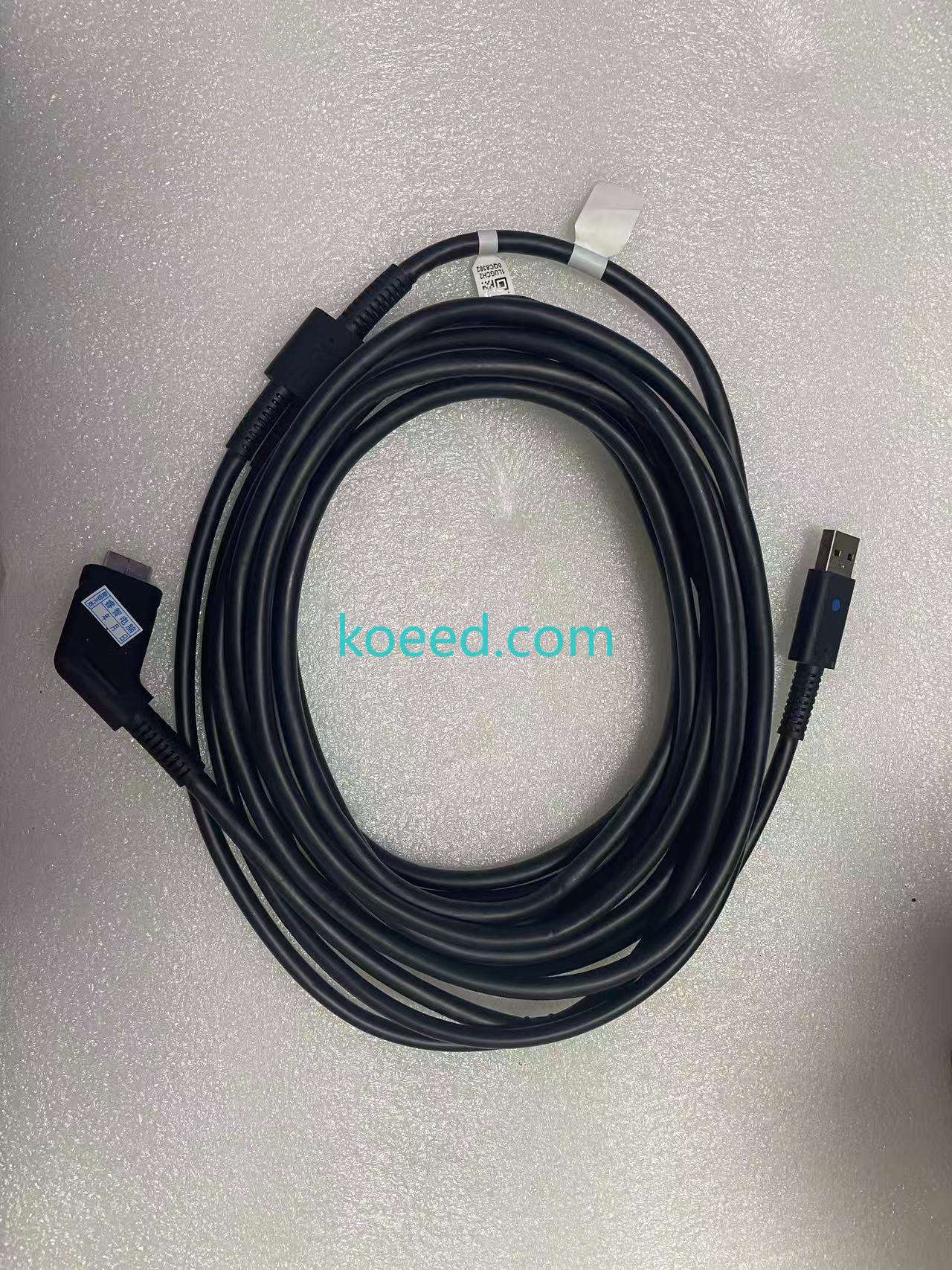
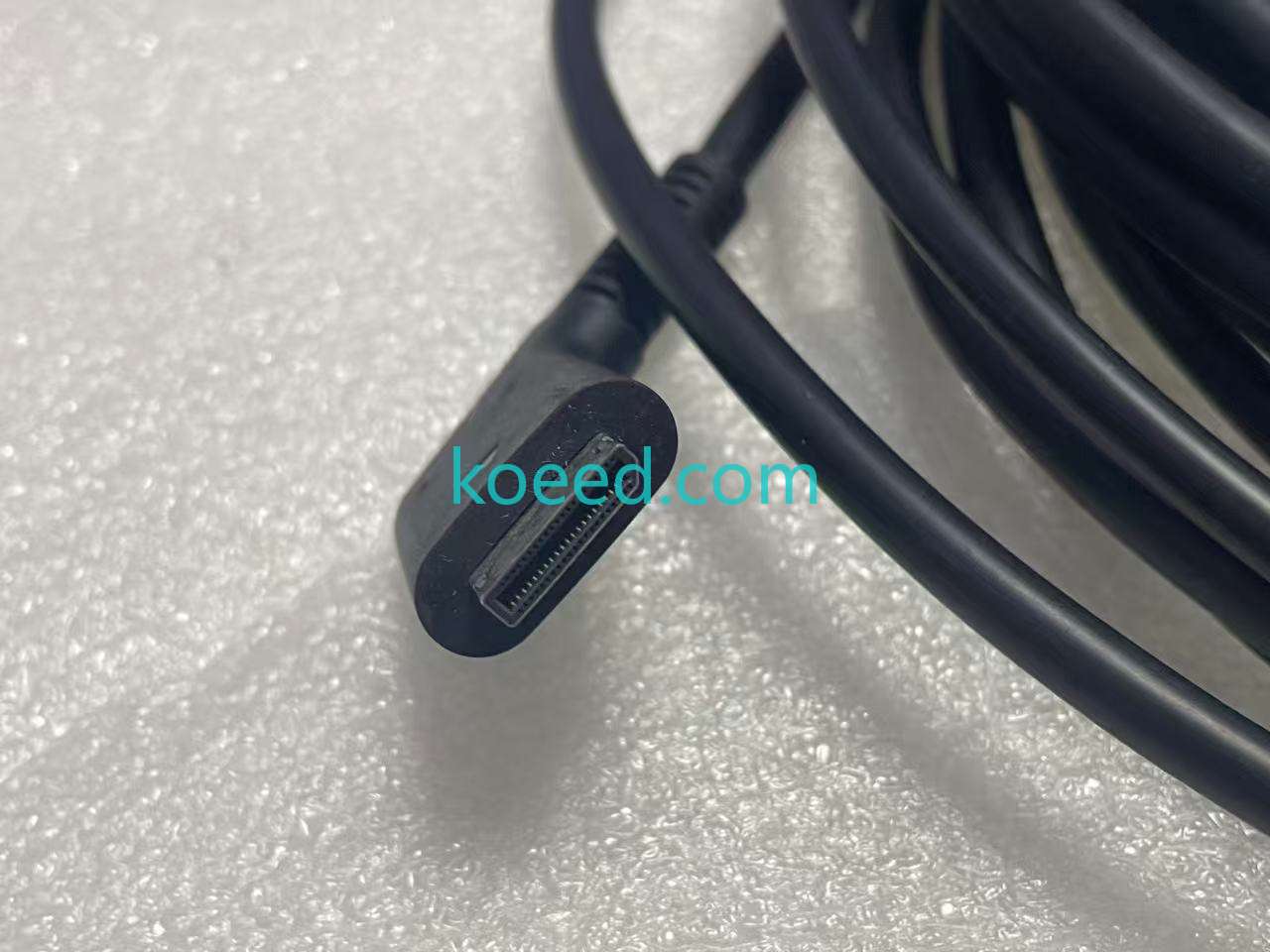
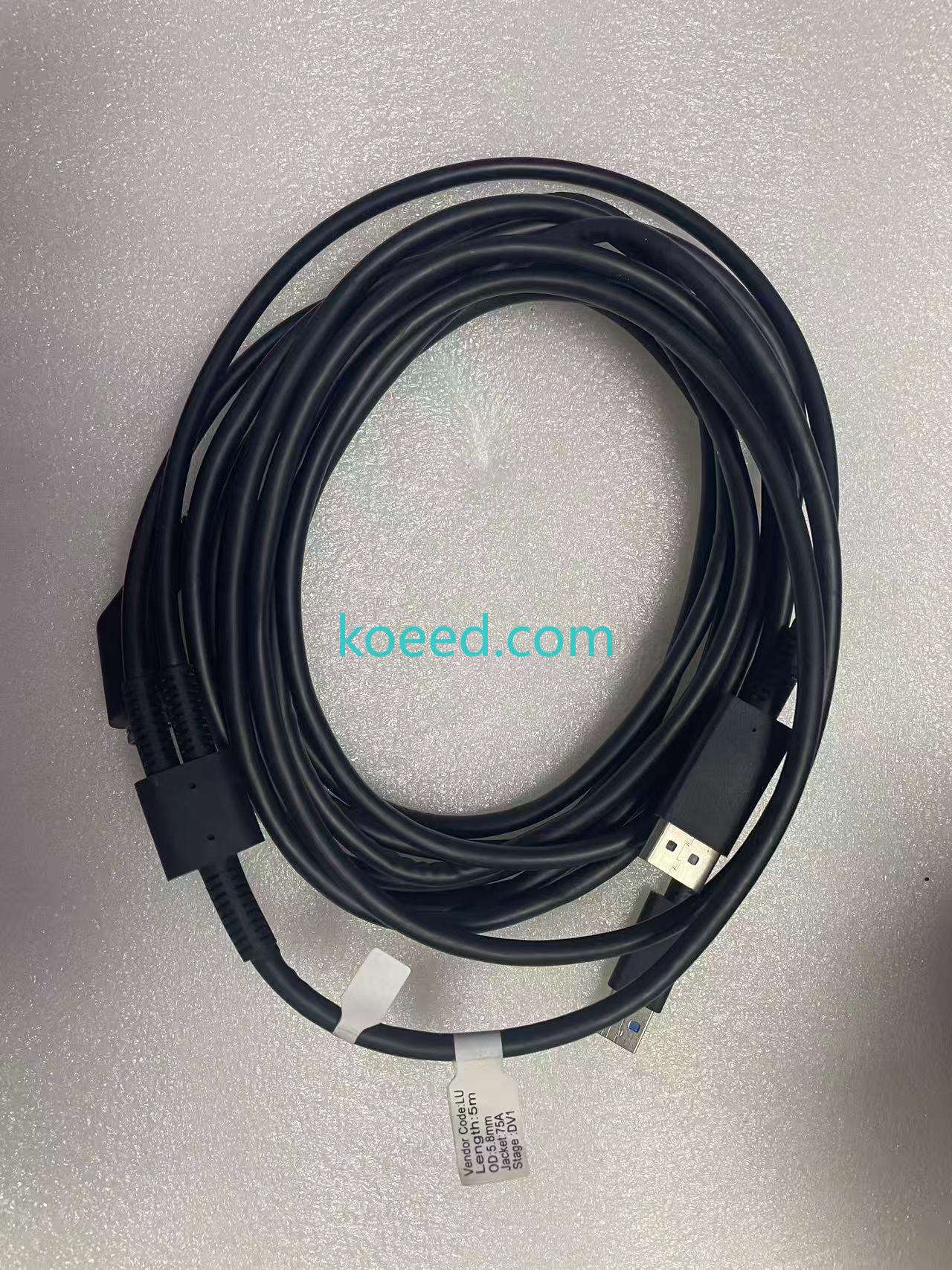
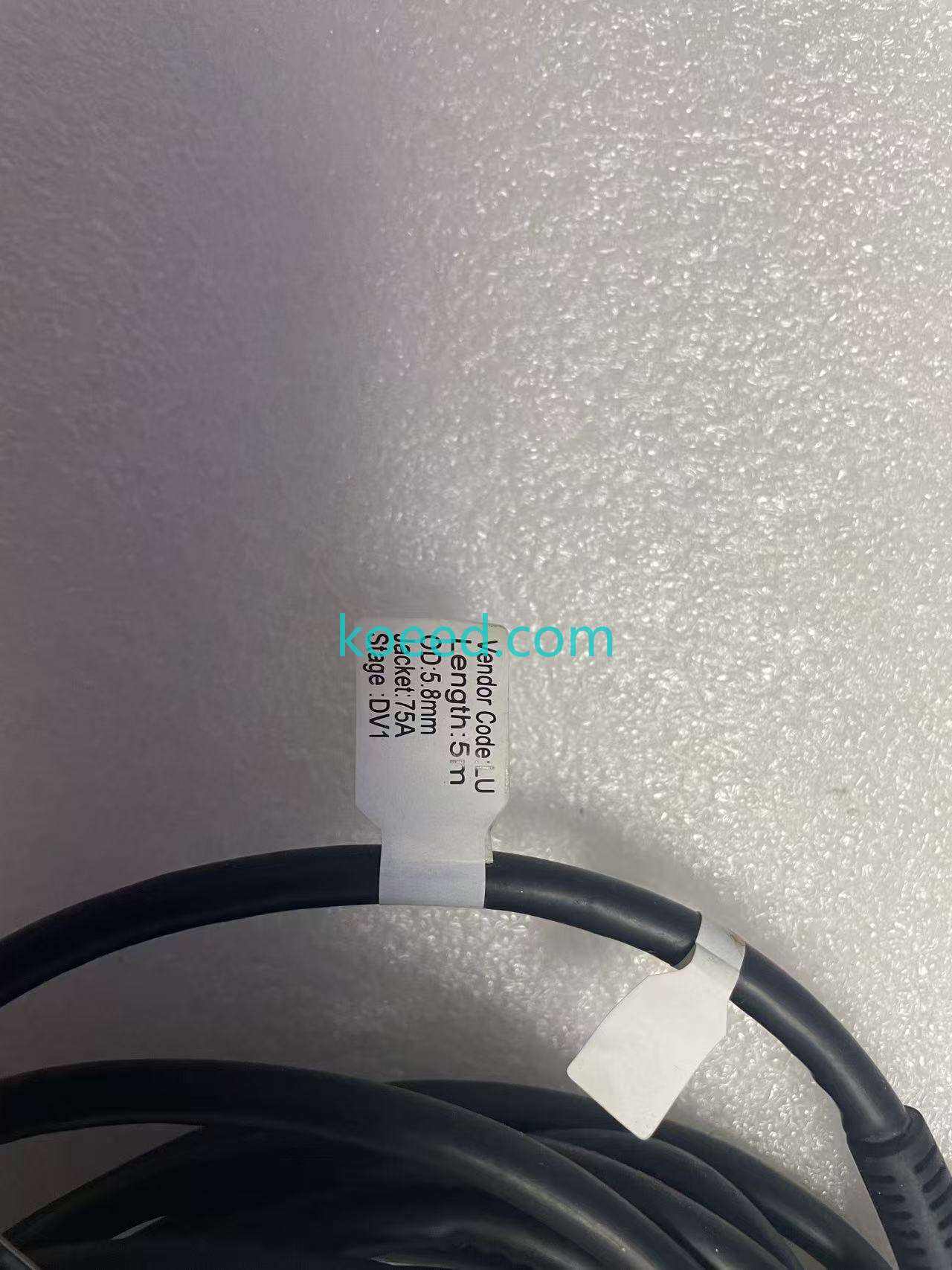
In high-rotation industrial training environments — where headsets are donned and removed 30–50 times daily — the tether cable is the single most failure-prone component. The proprietary Oculus Rift S cable combines DisplayPort 1.2 and USB 3.0 signals into a single lightweight tether. This Koeed bundle includes a 5-meter replacement cable, effectively resetting the wear-clock on the headset's most vulnerable subsystem.
Predictive Maintenance Integration
Forward-thinking industrial maintenance teams in 2026 are integrating VR hardware into their CMMS (Computerized Maintenance Management Systems). The cable's condition can be tracked as a consumable asset with a Mean Time Between Failure (MTBF) of approximately 1,200–1,800 duty cycles under industrial use. By pre-stocking replacement cables — such as the one included in this Koeed package — facilities can maintain >99% training station uptime.
4. Visual Inspection Gallery
Below is the complete visual documentation of the refurbished Oculus Rift S unit available through this Koeed product listing. Each unit undergoes a multi-point QA inspection before listing.
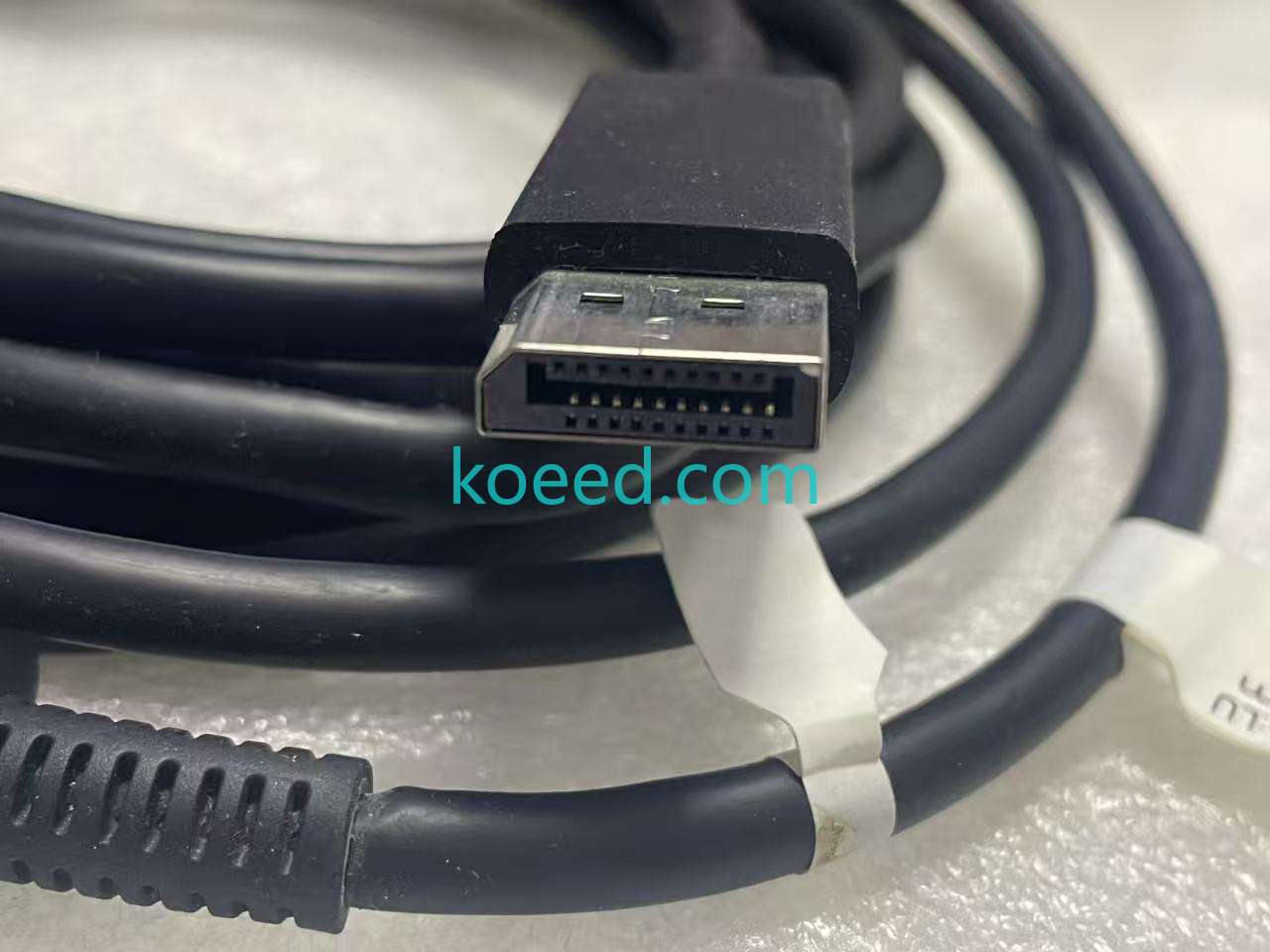
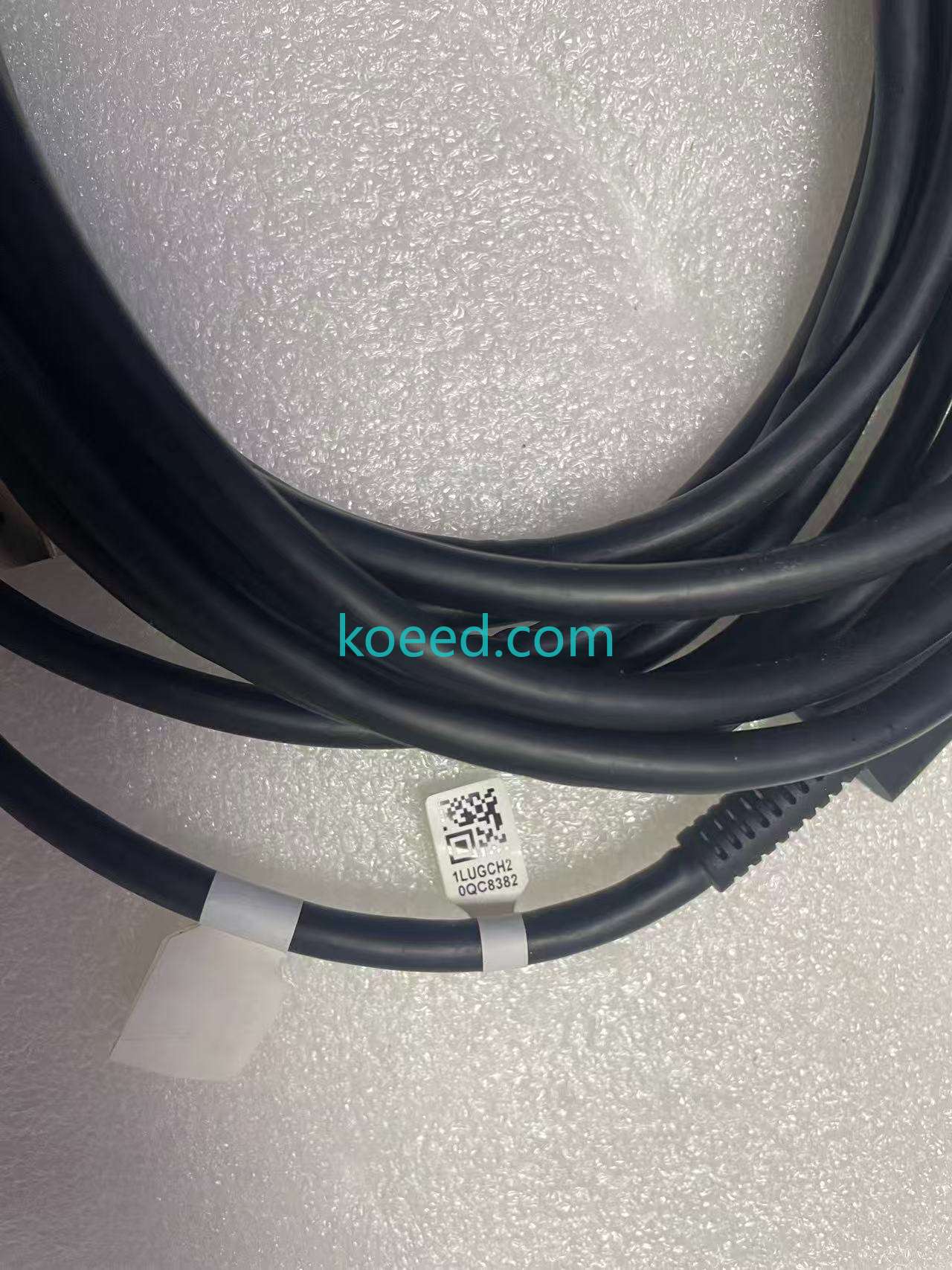
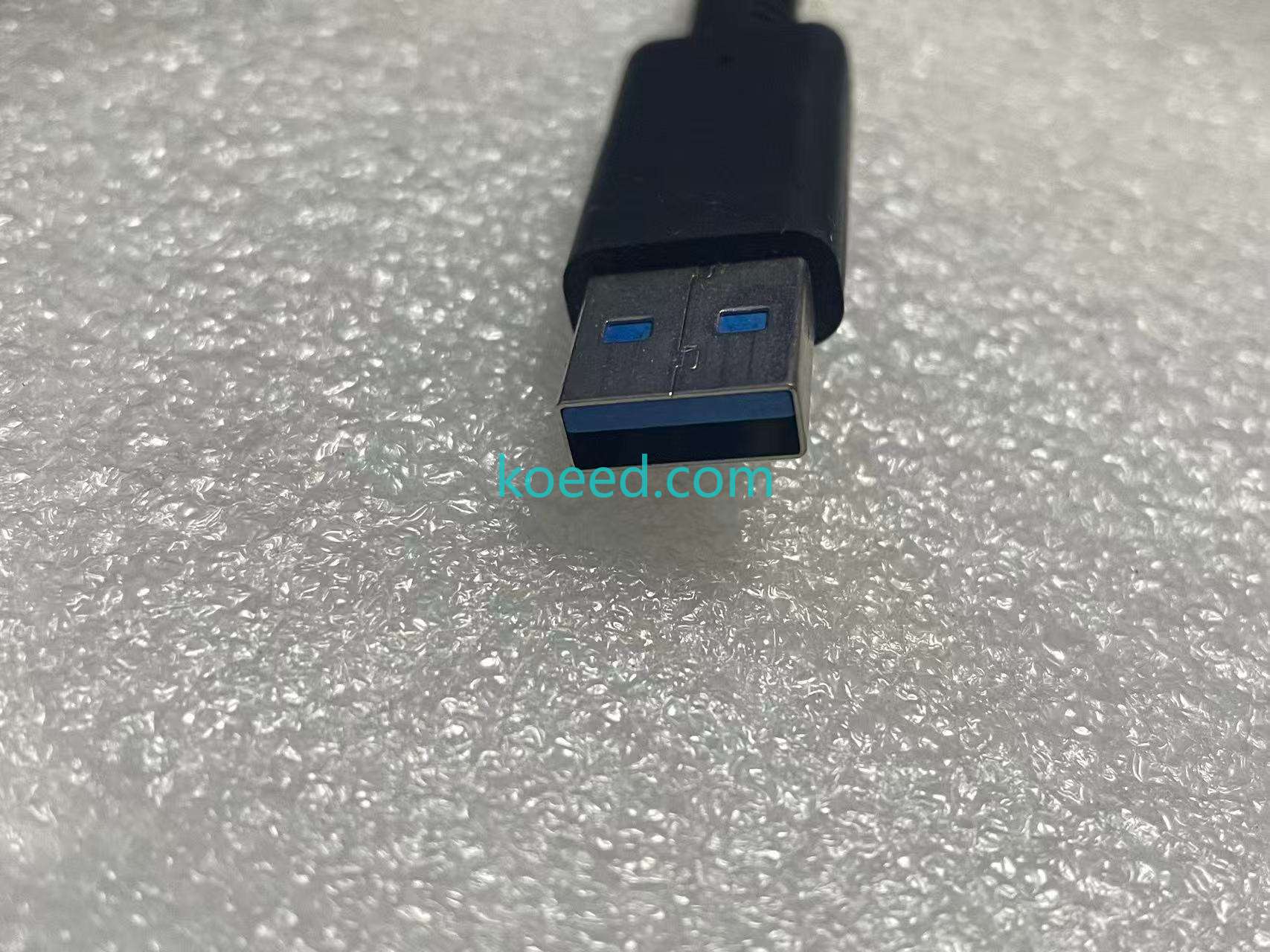
5. IT/OT Convergence: Integrating Rift S into the Smart Factory Stack
In 2026, the line between information technology and operational technology has all but dissolved. VR headsets are no longer isolated gaming peripherals — they are human-machine interface (HMI) endpoints that must integrate with MES, SCADA, and ERP systems. The Rift S, through its PC-tethered architecture, offers distinct advantages in this converged paradigm:
5.1 Direct PC Integration = Simpler OT Networking
Unlike wireless standalone headsets that require Wi-Fi 6E infrastructure, VLAN segmentation, and MDM (Mobile Device Management) enrollment, the Rift S connects directly to a workstation PC via DisplayPort and USB. This means the headset inherits the PC's existing network posture — no additional firewall rules, no separate SSID provisioning. For brownfield facilities with air-gapped OT networks, this is a critical compliance advantage.
5.2 Digital Twin Interoperability
Leading industrial simulation platforms — Siemens Tecnomatix, Rockwell Emulate3D, Dassault DELMIA — all support OpenXR and SteamVR runtimes. The Rift S, running on a suitably spec'd PC (NVIDIA RTX 3060 equivalent or higher in 2026 terms), can render moderately complex digital twin scenes at its native 80 Hz refresh. For training operators on assembly sequences, safety protocols, and maintenance procedures, this performance envelope is entirely sufficient.
5.3 Data Pipeline Potential
Advanced deployments can pipe Oculus Insight tracking data (head position, controller pose, gaze vectors) into industrial analytics platforms via the Oculus PC SDK. This enables training effectiveness scoring — correlating operator VR performance with real-world KPIs like defect rates and cycle times. This data bridge between VR training and production outcomes represents the cutting edge of IT/OT convergence in workforce development.
6. ROI & Total Cost of Ownership Analysis
Let's quantify the economics. The following models are based on 2026 industrial procurement benchmarks:
| Cost Factor | Rift S Refurbished (10-Station Fleet) | Meta Quest 3 New (10-Station Fleet) |
|---|---|---|
| Hardware Acquisition | $2,000 – $2,500 | $4,990 |
| Replacement Cables (1-year buffer stock, 3 units) | $150 – $240 | N/A (wireless; but battery degradation adds $300/yr) |
| Networking Infrastructure | $0 (uses existing PC LAN) | $800 – $1,500 (Wi-Fi 6E APs, VLAN config) |
| MDM / Device Management | $0 (PC-managed) | $600/yr (enterprise MDM licensing) |
| Year-1 TCO (10 stations) | $2,150 – $2,740 | $6,690 – $7,390 |
The refurbished Oculus Rift S bundle from Koeed unlocks a 60–65% Year-1 TCO reduction versus new- hardware approaches. For training centers that need to scale rapidly without commensurate budget increases, this is a decisive advantage.
7. Maintenance, Troubleshooting & Operational Longevity
7.1 Common Error Codes & Resolutions
| Symptom / Error | Likely Cause (2026 Context) | Resolution |
|---|---|---|
| "DisplayPort Not Connected" | Cable fatigue at the headset-side connector; internal wire fracture from repeated flex cycles | Replace cable immediately — the 5M replacement cable from Koeed is a direct OEM-compatible swap |
| "USB 3.0 Not Detected" / Orange LED | USB controller bandwidth saturation (common when sharing controller with other high-bandwidth devices) | Dedicate a USB 3.0 root hub to the Rift S; avoid USB 2.0 fallback. Update chipset drivers via Windows Update |
| Tracking Drift / "Sensor Check Failed" | Dirty or obstructed Insight cameras; ambient IR interference from factory floor equipment | Clean all five cameras with microfiber cloth. Relocate station away from direct IR sources (welding arcs, heat lamps) |
| Intermittent Audio / Static | Ground loop via PC chassis; common in industrial power environments | Use a USB isolator (ADuM3160-based) on the USB leg. Verify PC grounding integrity |
| Oculus Software "Hardware Not Found" | Oculus Runtime service stopped; Windows power management disabling USB controllers | Restart Oculus VR Runtime Service. Disable USB selective suspend in Windows Power Options |
7.2 Preventive Maintenance Schedule
• Daily: Wipe facial interface & lenses with approved cleaning solution (70% isopropyl, lint-free cloth)
• Weekly: Inspect cable for kinks, twist, or jacket abrasion near both connector ends
• Monthly: Full sensor calibration via Oculus software; inspect headband ratchet mechanism for wear
• Quarterly: Replace facial interface foam (hygiene compliance for multi-user industrial environments)
• Bi-Annual: Proactive cable replacement — order spare 5M cables from Koeed to maintain zero-downtime inventory
8. Frequently Asked Questions
Is the Oculus Rift S still supported in 2026 for industrial use?
Yes. While Meta discontinued first-party consumer support for the Rift S in 2024, the Oculus PC SDK, SteamVR, and OpenXR runtimes remain fully functional and receive community and enterprise updates. For industrial applications — where software stacks are validated and frozen for long-term stability — this is actually an advantage. The Rift S runs on a mature, well-documented driver stack that avoids the forced-update cycles of newer consumer-focused hardware. Industrial integrators including Rockwell and Siemens continue to list Rift S as a validated target in their 2026 simulation platform documentation.
How does the 5M replacement cable compare to the original OEM cable?
The 5-meter replacement cable included in this Koeed bundle is functionally identical to the original Oculus Rift S cable. It carries both DisplayPort 1.2 video and USB 3.0 data over a single lightweight tether. The 5-meter length provides generous workspace radius — sufficient for walk-around training simulations up to ~25 m². It uses the same proprietary connector at the headset end, ensuring a secure mechanical fit. In industrial deployments where the original cable is the primary failure point, this replacement effectively resets the headset to like-new operational condition.
Can the Rift S integrate with our existing SCADA and MES systems?
Absolutely. Because the Rift S runs on a PC, you can deploy middleware that bridges VR interactions to industrial protocols. Custom applications can expose OPC-UA clients that write to SCADA tags based on operator actions in VR, or subscribe to MES events that trigger virtual training scenarios. For example, a maintenance VR module can pull real-time asset status from SAP PM and overlay it on a digital twin. This integration layer typically uses the Oculus PC SDK in combination with industrial connectivity libraries (OPC Foundation .NET, MQTT, etc.), making it a standard IT/OT convergence project. Contact our solutions team to discuss your specific stack.
What PC specifications are recommended for industrial Rift S deployments in 2026?
We recommend a workstation with at least an Intel Core i7-12700 / AMD Ryzen 7 5700X, 16 GB DDR5, and an NVIDIA RTX 3060 or equivalent GPU. A dedicated USB 3.0 controller (not shared with other high-bandwidth devices) is essential for reliable tracking. For digital twin workloads with large CAD assemblies, consider an RTX A4000 or better. All validated configurations are available through our industrial hardware partners.


