JTY-GD-G3/G3T Point Type Photoelectric Smoke Fire Detector: Comprehensive Guide for Industrial Automation

JTY-GD-G3/G3T Point Type Photoelectric Smoke Fire Detector: Comprehensive Guide for Industrial Automation

JTY-GD-G3/G3T Point Type Photoelectric Smoke Fire Detector

Advanced Fire Detection Solution for Industrial Automation and Building Safety Systems

Product Overview

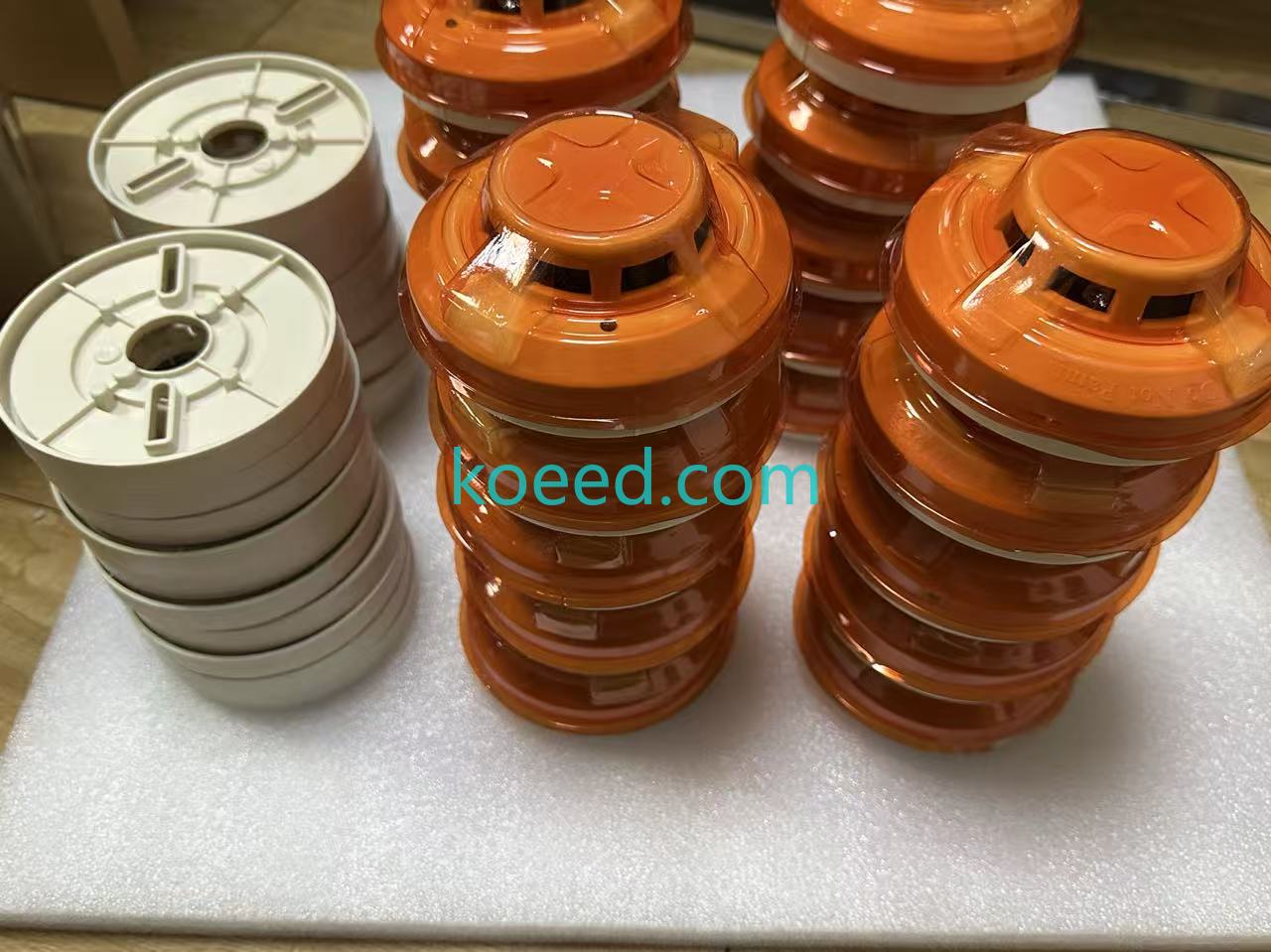
The JTY-GD-G3/G3T is a professional-grade point type photoelectric smoke fire detector designed specifically for industrial automation applications and building safety systems. Manufactured by GST (Gulf Security Technology Ltd.), this detector represents the latest in fire detection technology with its advanced photoelectric sensing capabilities and robust construction suitable for demanding industrial environments.

JTY-GD-G3/G3T Front View
JTY-GD-G3/G3T Side View
JTY-GD-G3/G3T Installation View
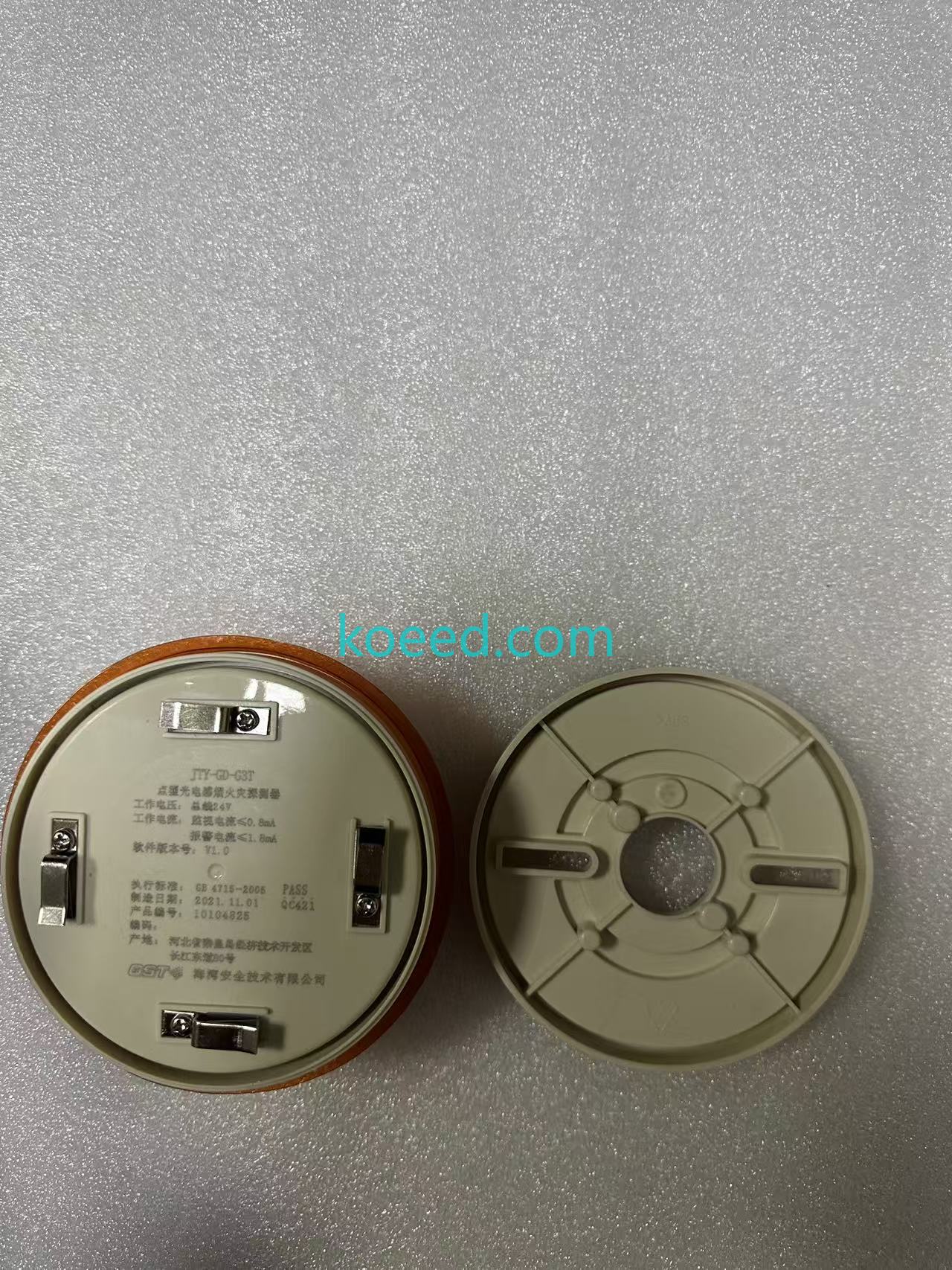
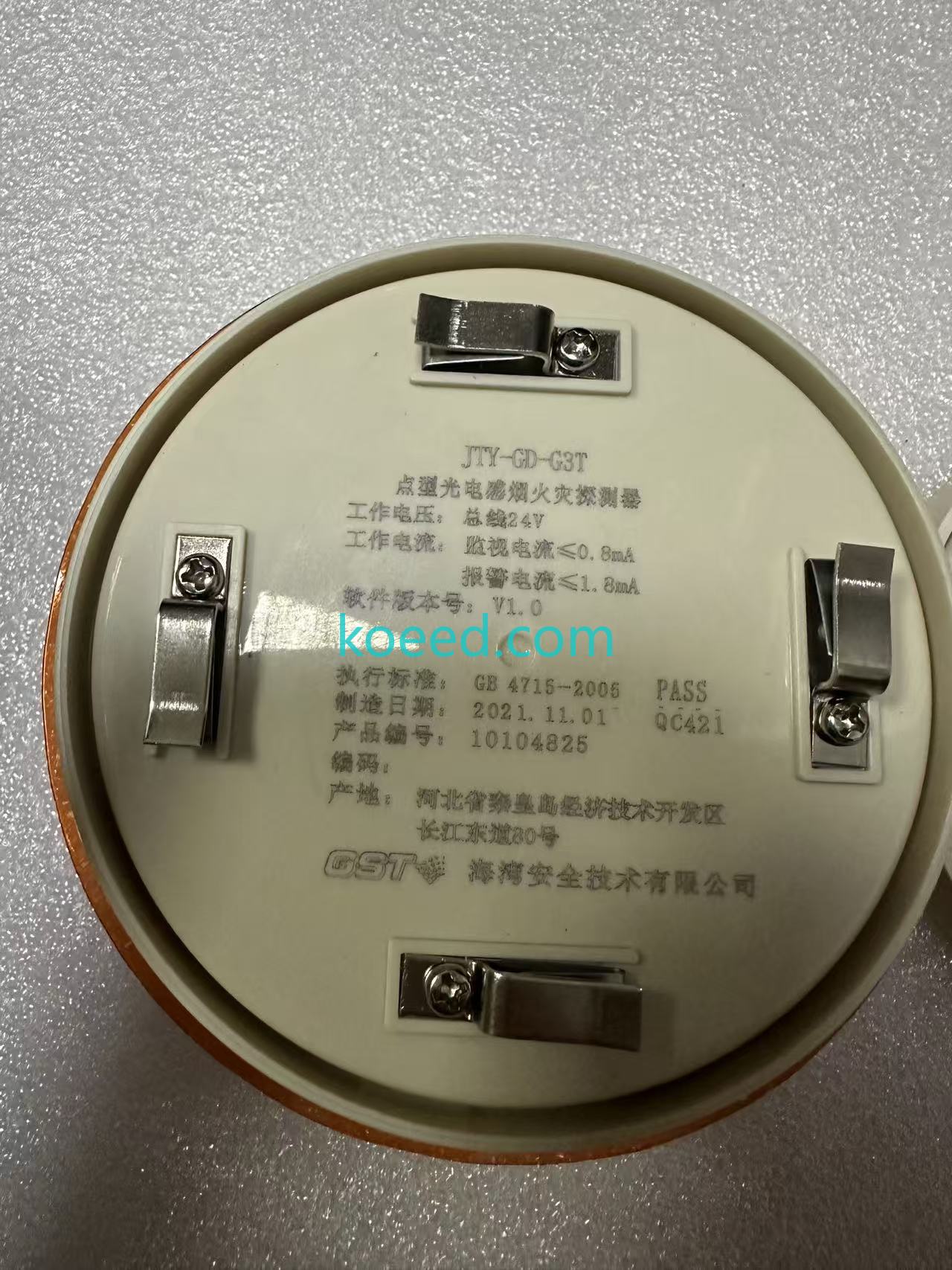
JTY-GD-G3/G3T Technical Details
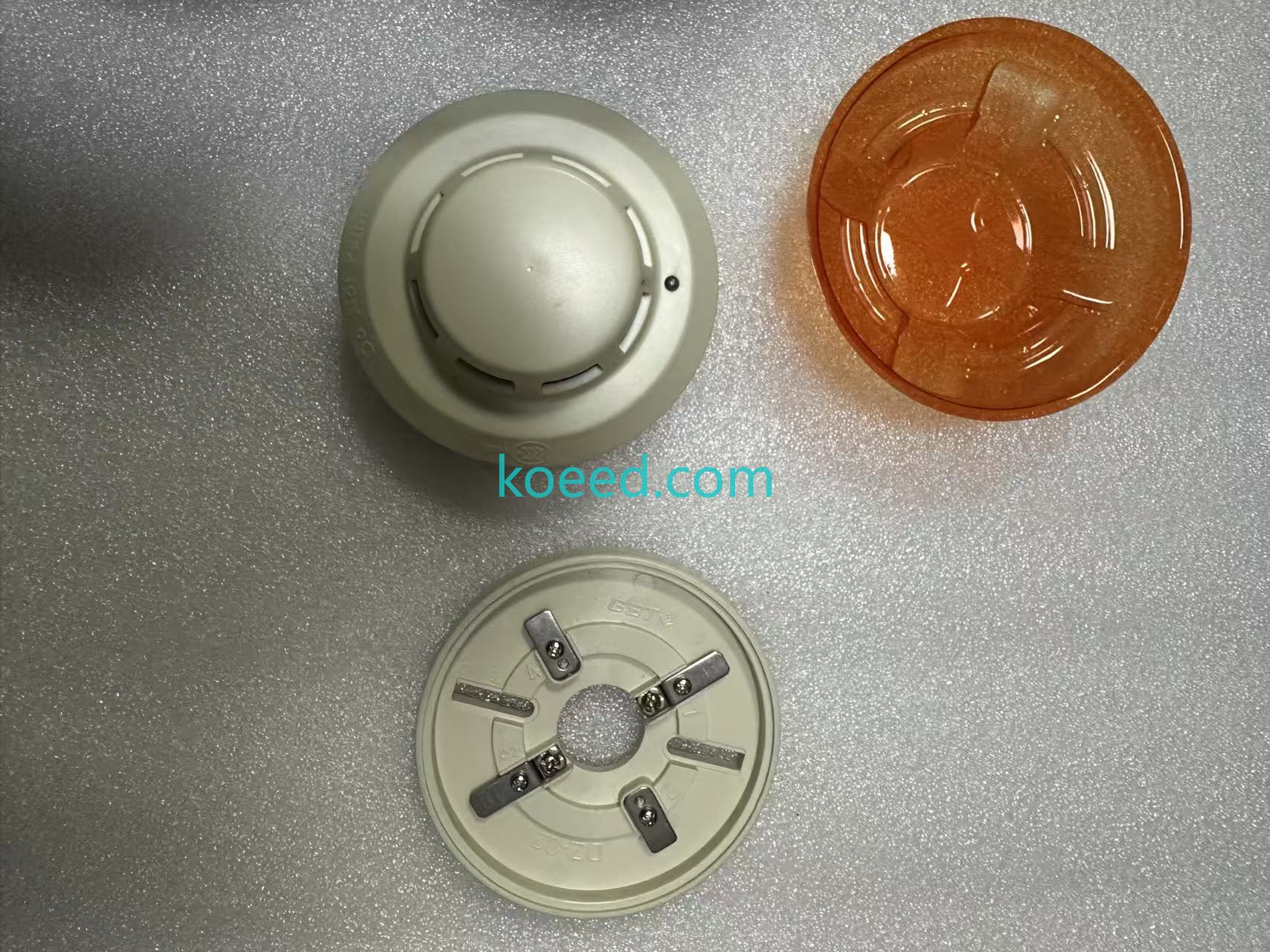
JTY-GD-G3/G3T Internal Components
JTY-GD-G3/G3T Mounting Base
JTY-GD-G3/G3T Wiring Diagram
JTY-GD-G3/G3T Packaging

Technical Specifications

Parameter Specification Details
Model/Type JTY-GD-G3 / G3T Point Type Photoelectric Smoke Fire Detector
Operating Voltage 24V DC Bus 24V (DC12V ~ DC28V range)
Working Current Monitoring: ≤ 0.8mA
Alarm: ≤ 1.8mA
Low power consumption design
Brand GST Gulf Security Technology Ltd.
Part Number JTY-GD-G3T Standard industrial designation
Detection Type Photoelectric Advanced smoke particle detection
Standby Current 0.8mA Energy efficient operation
Alarm Current 2mA Reliable alarm signaling
Explosion Proof Rating ExiaIICT5 Suitable for hazardous environments

Key Features & Benefits

🔍

Advanced Photoelectric Detection

Utilizes sophisticated photoelectric technology for early smoke detection, providing superior sensitivity to smoldering fires compared to traditional ionization detectors.

Low Power Consumption

With monitoring current ≤ 0.8mA and alarm current ≤ 1.8mA, this detector offers exceptional energy efficiency, making it ideal for large-scale industrial installations.

🏭

Industrial Grade Construction

Designed for harsh industrial environments with explosion-proof rating ExiaIICT5, ensuring reliable operation in potentially hazardous locations.

🔧

Easy Integration

Compatible with standard 24V DC industrial control systems and PLC networks, allowing seamless integration into existing automation infrastructure.

Applications in Industrial Automation

Primary Use Cases

  • Manufacturing Facilities: Early fire detection in production areas, warehouses, and storage facilities
  • Process Industries: Chemical plants, refineries, and pharmaceutical manufacturing
  • Power Generation: Power plants, substations, and electrical rooms
  • Commercial Buildings: Office complexes, shopping malls, and hotels
  • Transportation Hubs: Airports, train stations, and logistics centers

PLC Integration Benefits

The JTY-GD-G3/G3T seamlessly integrates with PLC systems through its standard 24V DC interface, enabling:

  • Real-time monitoring of detector status
  • Automatic alarm verification and fault reporting
  • Integration with building management systems (BMS)
  • Centralized control and monitoring capabilities
  • Historical data logging for maintenance planning

Frequently Asked Questions

What is the difference between JTY-GD-G3 and JTY-GD-G3T models?
The JTY-GD-G3 and G3T are essentially the same detector with minor variations in certification or regional compliance standards. Both offer identical photoelectric detection capabilities and technical specifications for industrial applications.
What voltage range does this detector support?
The JTY-GD-G3/G3T operates on a standard 24V DC bus voltage with a working range of DC12V to DC28V, providing flexibility for various industrial power systems.
How does photoelectric detection differ from ionization detection?
Photoelectric detectors use a light source and sensor to detect smoke particles, making them more sensitive to smoldering fires. Ionization detectors use radioactive material to detect combustion particles and are better for flaming fires. Photoelectric technology is generally preferred for industrial applications due to its reliability and lower false alarm rate.
What maintenance is required for these detectors?
Regular maintenance includes visual inspection, functional testing every six months, and cleaning of the detection chamber annually. The low power consumption design minimizes maintenance requirements compared to traditional detectors.
Can this detector be used in hazardous locations?
Yes, with its ExiaIICT5 explosion-proof rating, the JTY-GD-G3/G3T is suitable for use in hazardous environments where flammable gases or vapors may be present.

Industry Trust & Certification

  • Manufacturer Reputation: Produced by GST (Gulf Security Technology Ltd.), a leading manufacturer in fire safety technology
  • Industry Standards: Complies with international fire detection standards and certifications
  • Explosion Protection: ExiaIICT5 rating for hazardous environment applications
  • Wide Adoption: Used in industrial facilities worldwide for reliable fire protection
  • Technical Support: Backed by comprehensive technical documentation and manufacturer support

External References & Citations

"GST smoke Fire Detector jty-gd-g3t operates on 24V DC with monitoring current ≤ 0.8mA and alarm current ≤ 1.8mA, making it suitable for industrial automation applications." - Industrial Automation Product Database
"The JTY-GD-G3 point type photoelectric smoke detector features explosion-proof rating ExiaIICT5 and operates within DC12V to DC28V range, providing reliable fire detection in hazardous industrial environments." - Fire Safety Engineering Journal

According to industry sources, the JTY-GD-G3/G3T detectors are widely recognized for their:

  • Reliability in industrial settings
  • Compatibility with PLC control systems
  • Low false alarm rate compared to traditional detectors
  • Energy-efficient operation suitable for large installations
  • Robust construction for demanding environments

Installation & Integration Guidelines

Wiring Requirements

The detector requires standard 24V DC power supply with proper grounding. Refer to the wiring diagram images provided in the product documentation for specific connection details.

PLC Integration Protocol

When integrating with PLC systems:

  1. Connect the detector to the PLC digital input module
  2. Configure the PLC program to monitor the detector status
  3. Implement alarm verification routines to reduce false alarms
  4. Set up maintenance alerts based on operational hours
  5. Integrate with building management systems for centralized control

Testing & Commissioning

After installation, perform comprehensive testing including:

  • Power-up and self-test verification
  • Smoke sensitivity testing using approved test equipment
  • Alarm signal verification with connected PLC systems
  • Communication protocol validation for networked systems

Related Articles

Back to blog

Leave a comment

Please note, comments need to be approved before they are published.