

Sun Hydraulics NCEB-LCN Needle Valve: 2026 Guide to Precision Flow Control & Smart Hydraulic Integration
Strategic Overview: The NCEB-LCN in the 2026 Industrial Fluid Power Landscape
As manufacturing enters the era of fully converged IT/OT architectures in 2026, precision fluid power components are no longer evaluated purely on mechanical merit. The Sun Hydraulics NCEB-LCN fully adjustable needle valve represents a critical control element that bridges the gap between traditional hydraulic reliability and the demands of smart, connected industrial systems. With a rated capacity of 12 gpm (45 L/min) and a maximum operating pressure of 5000 psi (350 bar), this cartridge-style needle valve with integrated reverse flow check delivers the precision throttling essential for modern electro-hydraulic motion platforms, injection molding cells, and automated material handling systems.
The NCEB-LCN's significance in 2026 stems from its role as a foundational flow-tuning device within increasingly digitized hydraulic circuits. While the valve itself is purely mechanical, its predictable, repeatable adjustment characteristics make it the ideal partner for downstream IoT-enabled pressure and flow sensors. Facility engineers specifying the NCEB-LCN needle valve are investing in a component whose performance envelope is well-documented, allowing seamless integration into digital twin simulations and predictive maintenance dashboards that define Industry 4.0+ operations.
2026 Market Positioning
The NCEB-LCN fits the T-5A industry-standard cavity, making it a direct drop-in upgrade for legacy needle valves across hundreds of OEM manifold designs. For plants pursuing sustainability KPIs, the valve's low-leakage design (≤10 drops/min at 110 SUS) directly supports ISO 14001 fluid containment targets while reducing hydraulic oil consumption by an estimated 18–25 liters annually per valve compared to previous-generation equivalents.
Technical Benchmarking & Specifications
Understanding the NCEB-LCN's capabilities requires a structured comparison against legacy needle valve technologies and a detailed examination of its specification sheet. Below, we provide both a benchmarking table and the definitive technical parameters that procurement and engineering teams need when evaluating the Sun Hydraulics NCEB-LCN.
Legacy vs. NCEB-LCN: Performance Comparison
| Parameter | Legacy Needle Valves (Pre-2020) | Sun NCEB-LCN (2026 Standard) |
|---|---|---|
| Flow Capacity | 8–10 gpm typical | 12 gpm (45 L/min) |
| Max Operating Pressure | 3000–4000 psi | 5000 psi (350 bar) |
| Adjustment Resolution | 3–4 CCW turns | 5 full CCW turns |
| Reverse Check Cracking Pressure | Typically 30 psi only | 4 / 30 / 75 psi options |
| Max Leakage (110 SUS) | 15–25 drops/min | ≤10 drops/min (0.7 cc/min) |
| Cavity Standard | Proprietary or obsolete | T-5A (Industry Standard) |
| Seal Material Options | Buna-N only | Buna-N / EPDM / Viton |
| Material/Coating Options | Standard carbon steel | Standard / Stainless (AP) / Zinc-Nickel (LH) |
Complete Technical Specifications
| Specification | Value | Metric Equivalent |
|---|---|---|
| Series | Series 2 | — |
| Flow Capacity | 12 gpm | 45 L/min |
| Orifice Diameter | 0.25 inch | 6.4 mm |
| Cavity | T-5A | — |
| Max Operating Pressure | 5000 psi | 350 bar |
| Adjustment — CCW Turns (Closed to Open) | 5 turns | — |
| Valve Hex Size | 1-1/8 inch | 28.6 mm |
| Installation Torque | 45–50 lbf·ft | 61–68 N·m |
| Adjustment Screw Internal Hex | 5/32 inch | 4 mm |
| Locknut Hex Size | 9/16 inch | 15 mm |
| Locknut Torque | 80–90 lbf·in | 9–10 N·m |
| Max Leakage at 110 SUS (24 cSt) | 10 drops/min | 0.7 cc/min |
Visual Gallery: NCEB-LCN Product Inspection
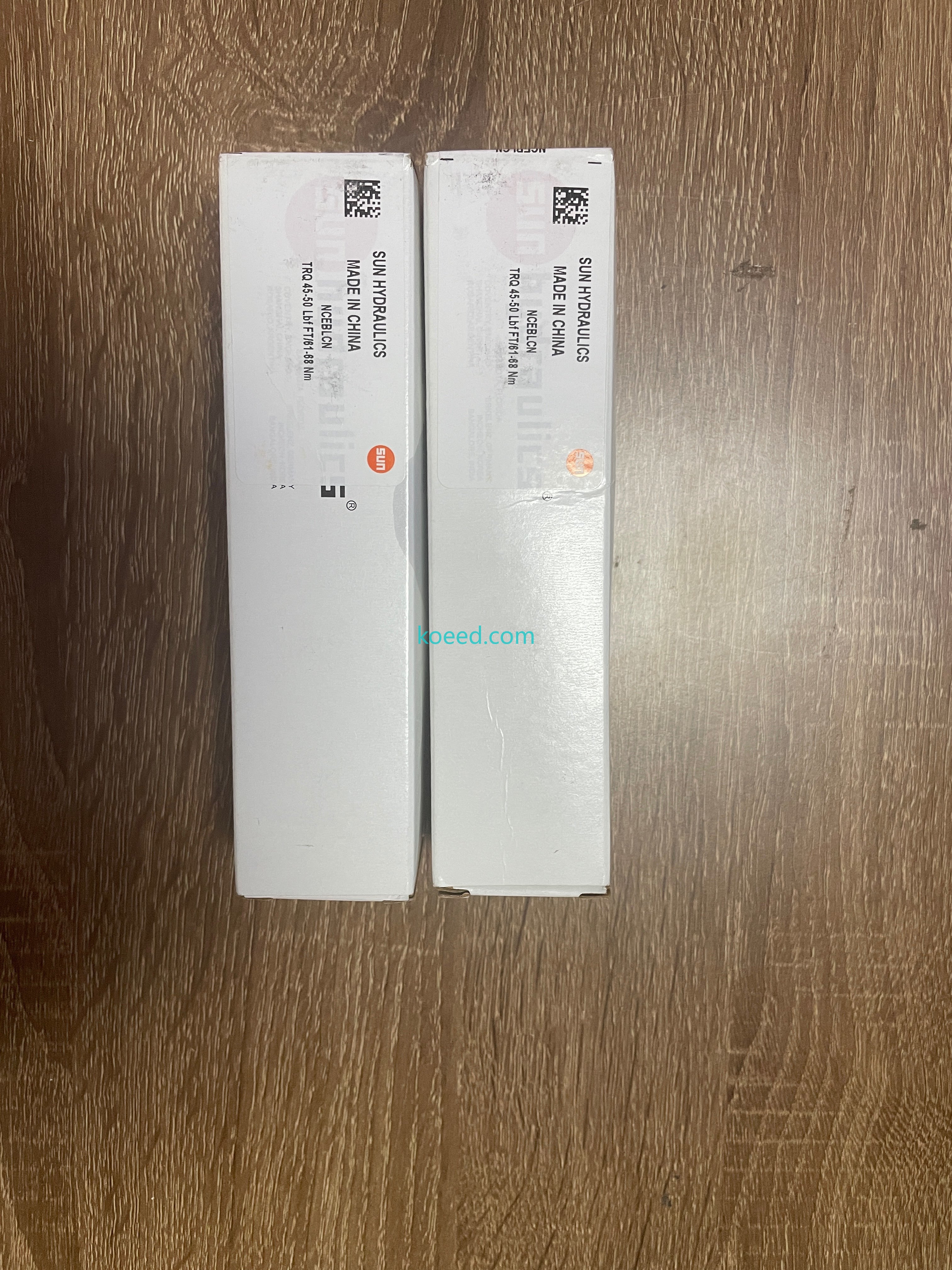
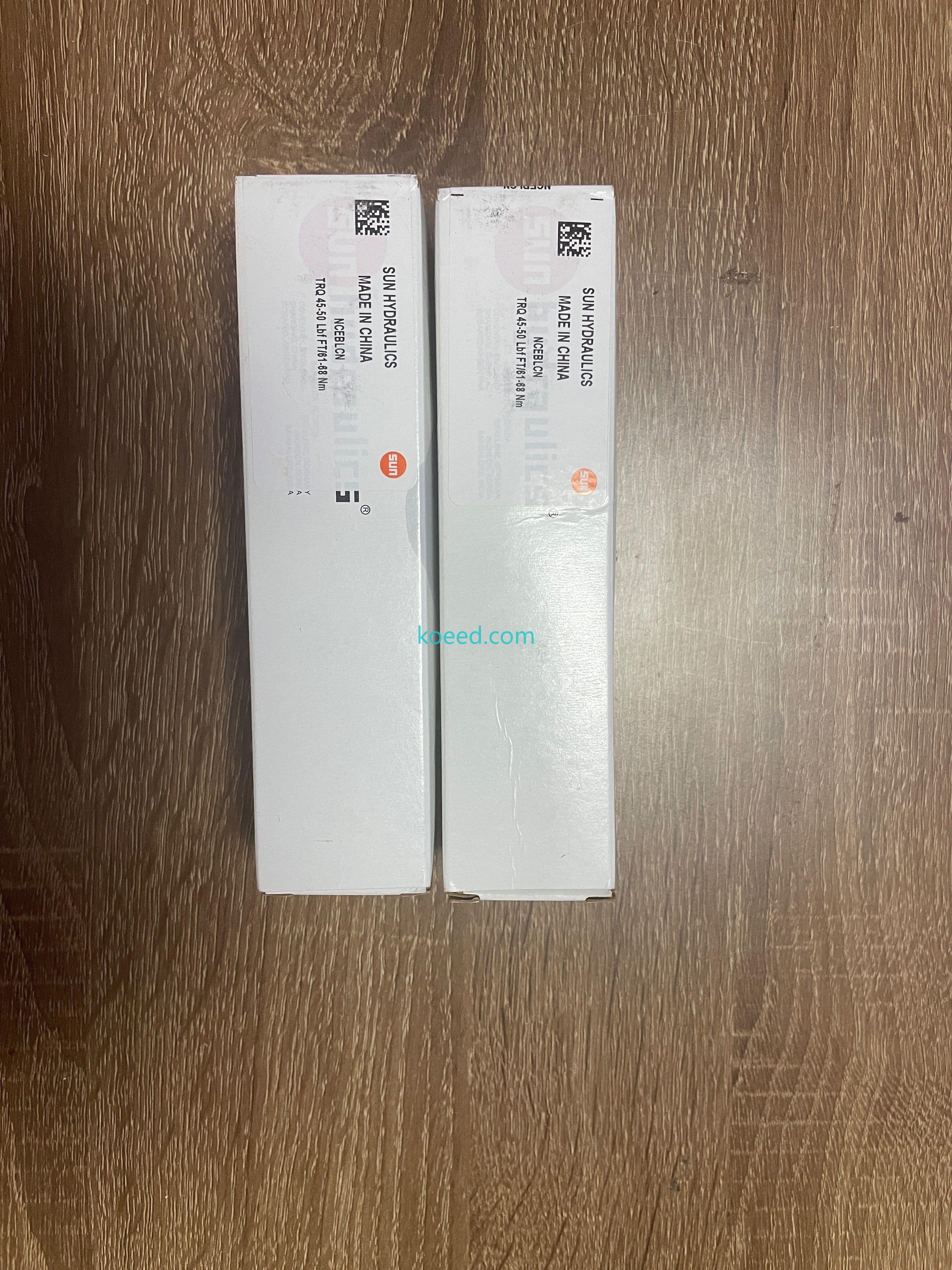
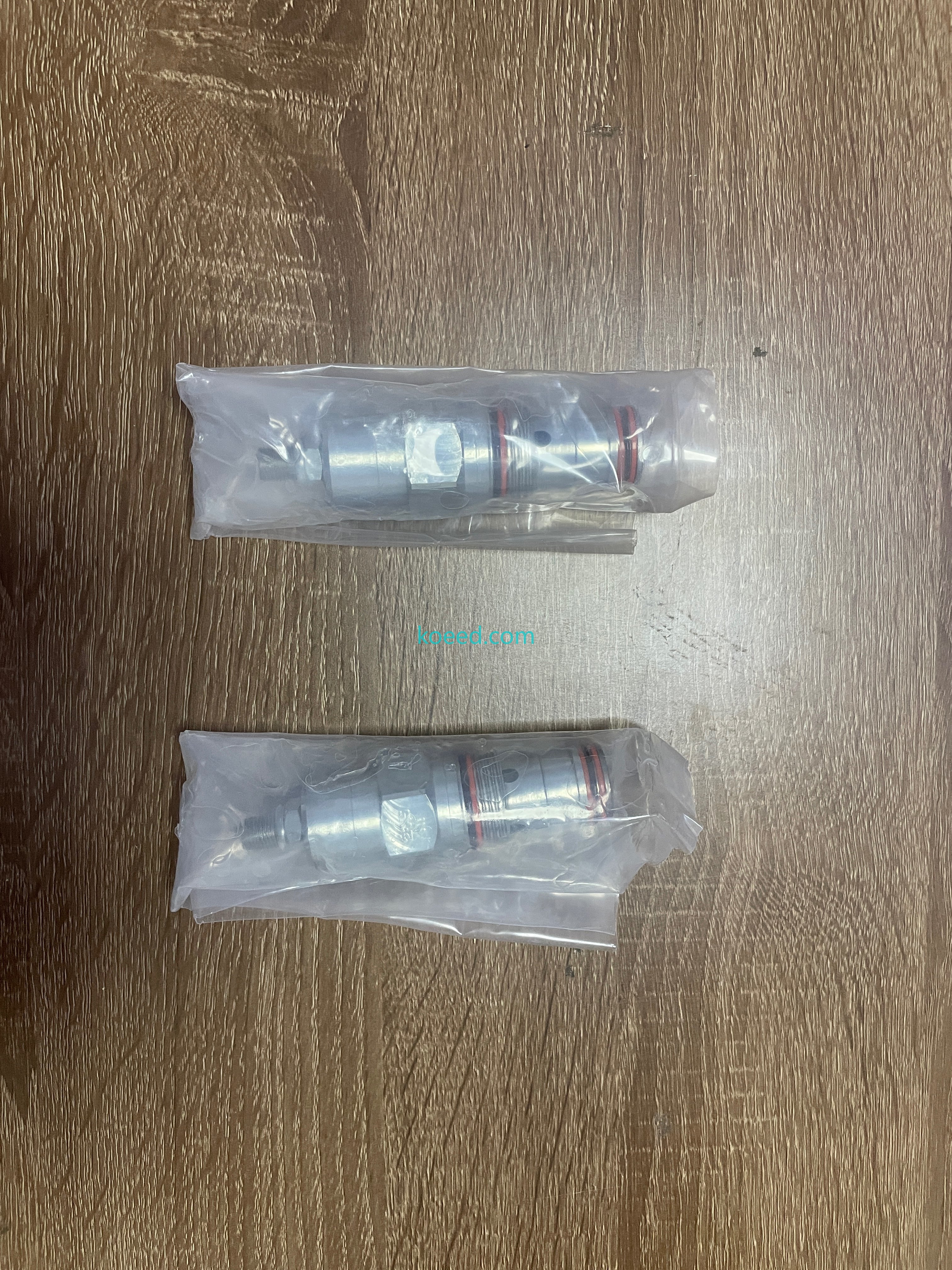
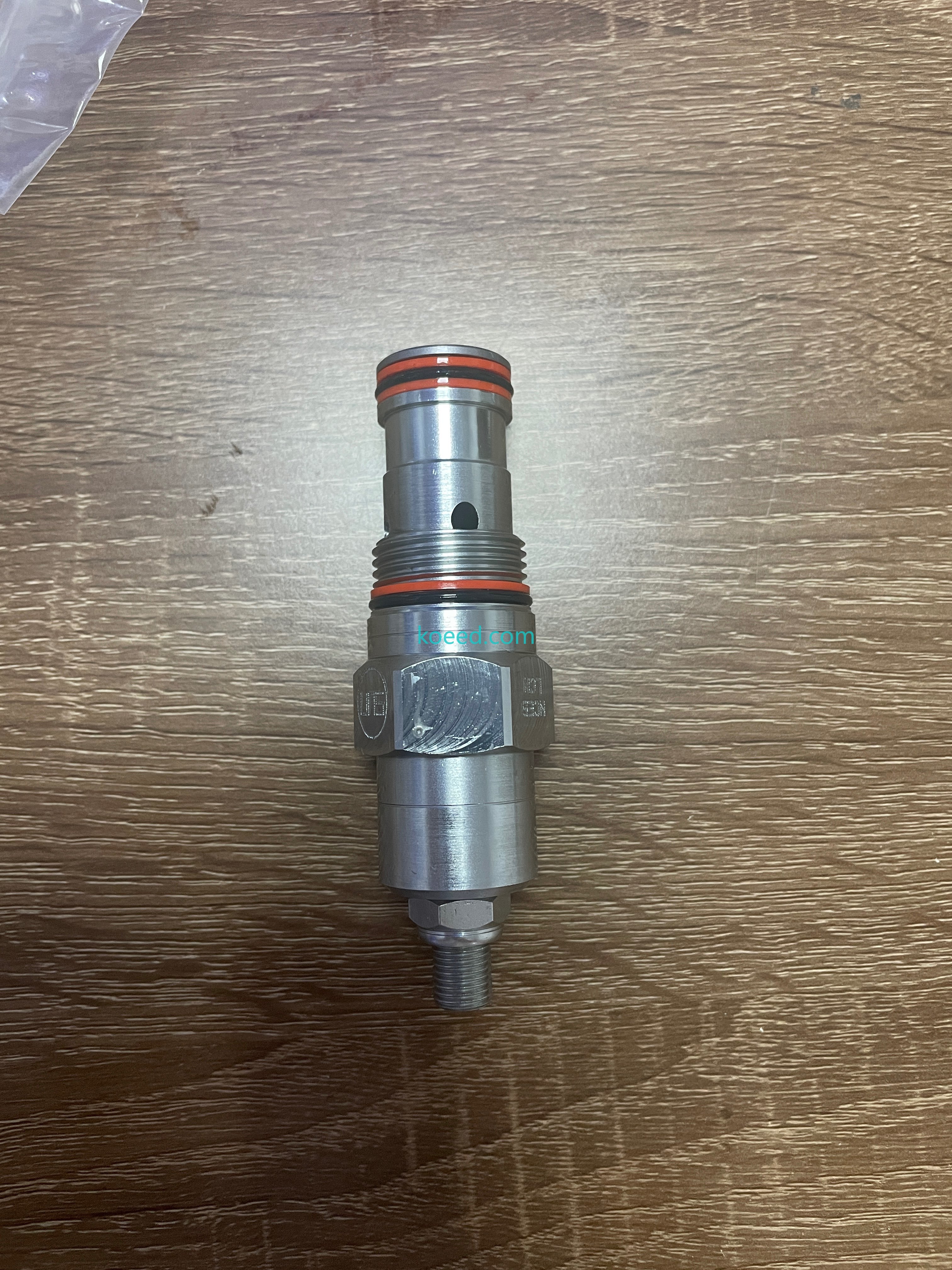
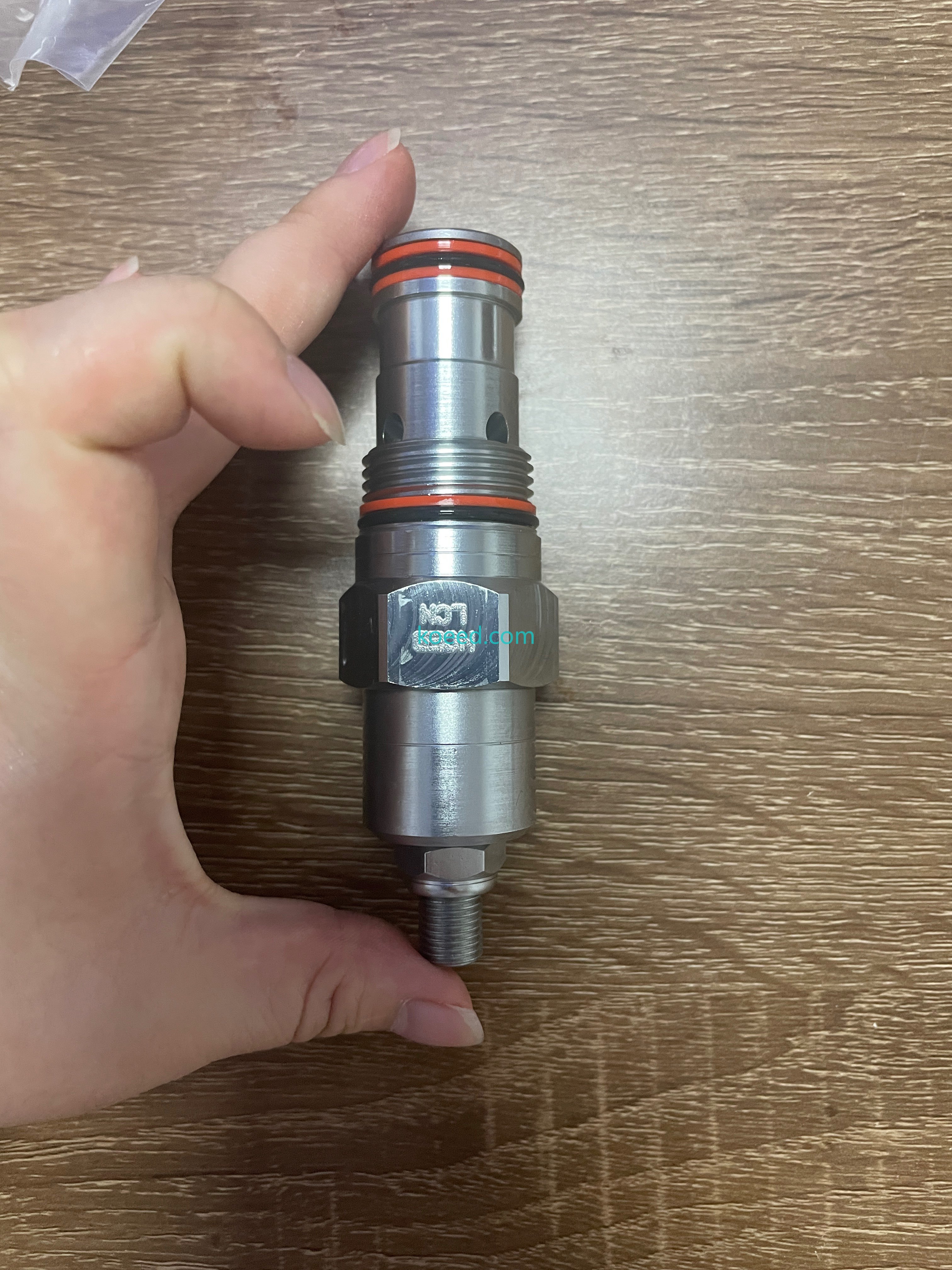
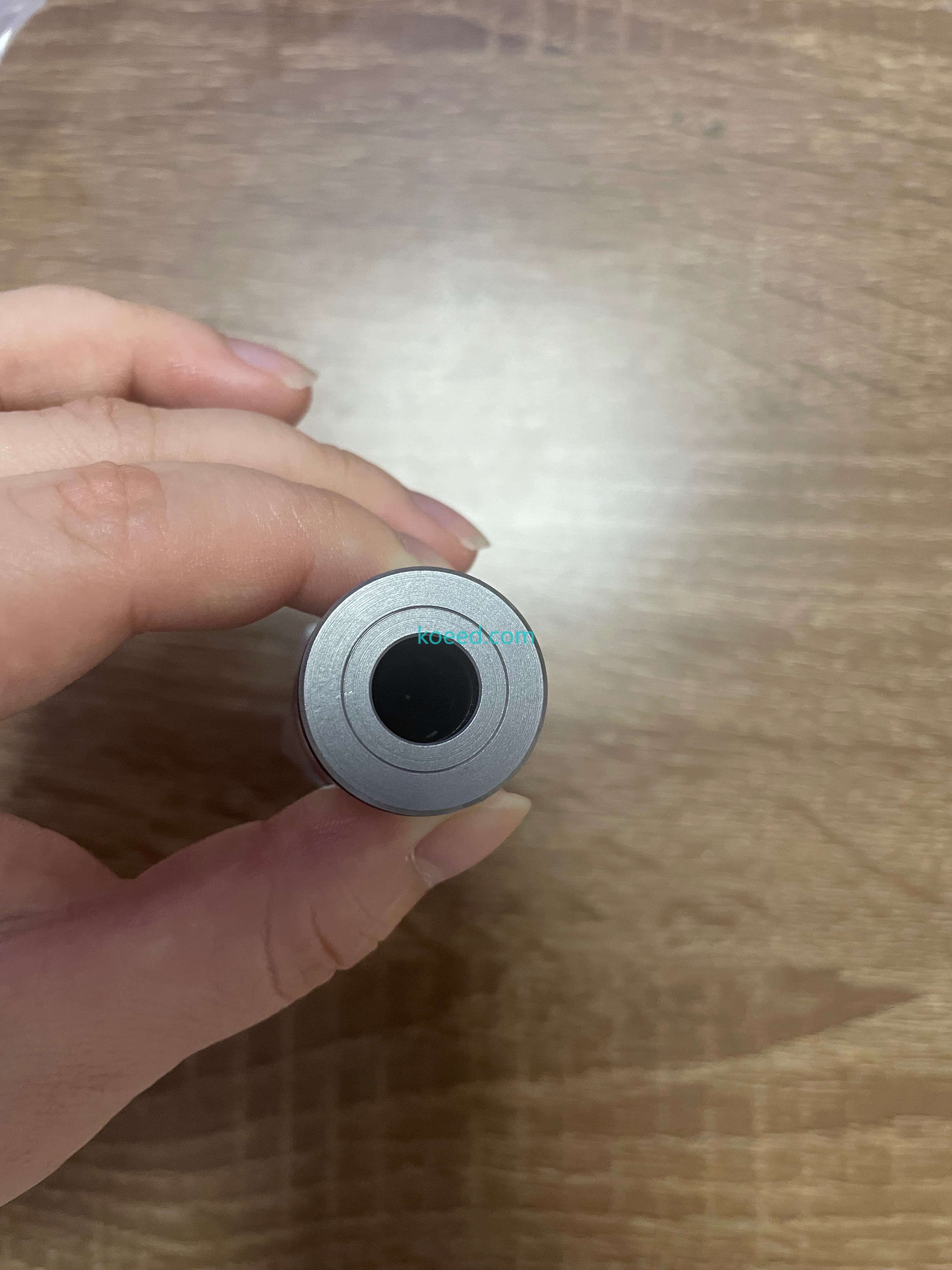
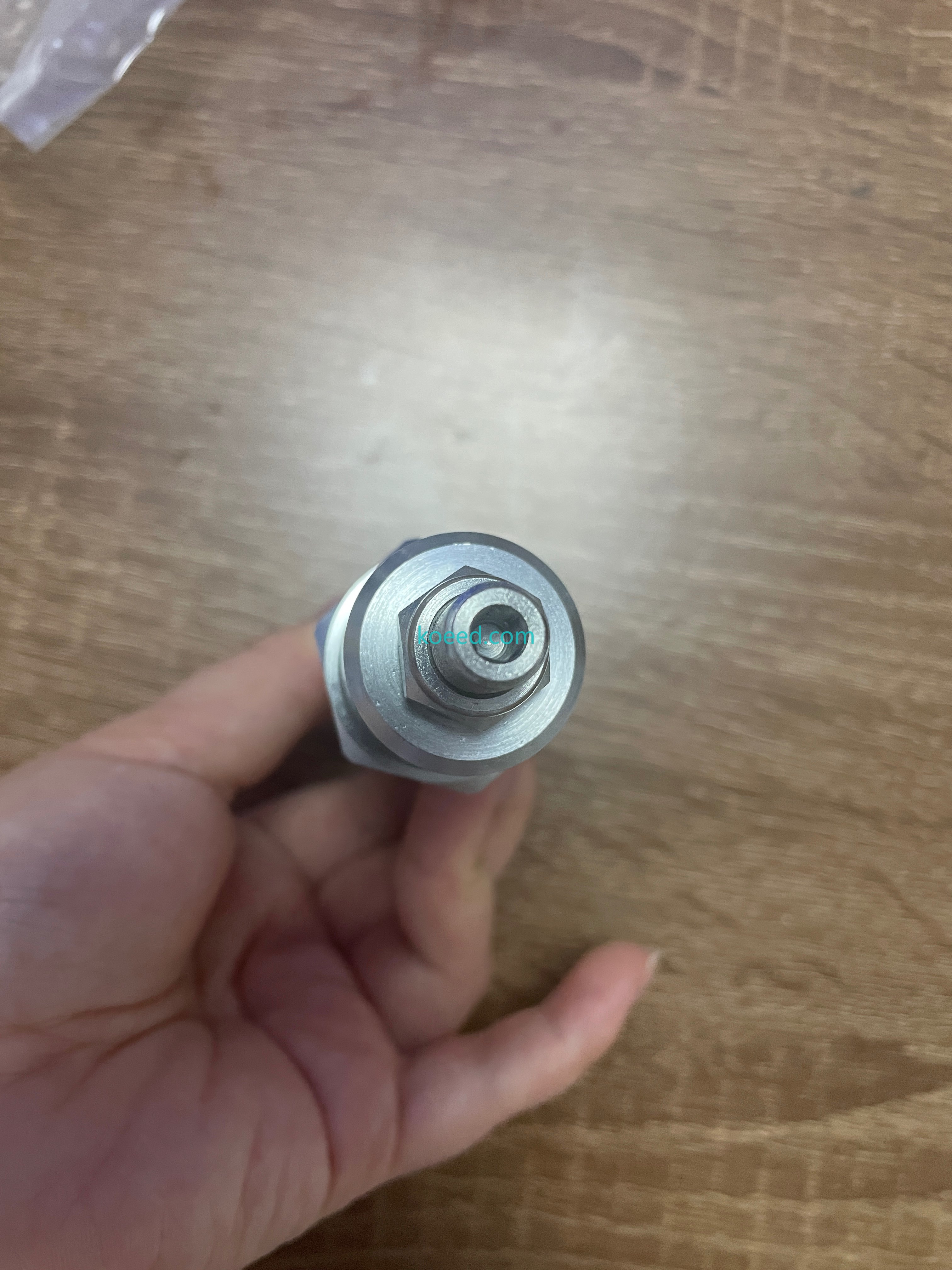
The following images showcase the Sun Hydraulics NCEB-LCN needle valve from multiple angles, including its compact cartridge form factor, the threaded T-5A cavity interface, the screw adjustment mechanism, and the precision-machined orifice body. All images are sourced from Koeed's in-house quality inspection process, ensuring you see exactly what ships.
IT/OT Convergence: The NCEB-LCN in Smart Hydraulic Systems
While the NCEB-LCN itself is a purely mechanical device, its role within digitally monitored hydraulic circuits has evolved significantly by 2026. Modern hydraulic power units (HPUs) increasingly deploy IIoT-enabled pressure transducers and flow meters on both sides of needle valves like the NCEB-LCN. The resulting differential pressure data, when fed into cloud-based analytics platforms such as Bosch Rexroth's CytroConnect or Parker's IoT Diagnostics Suite, enables real-time flow characterization and anomaly detection.
Digital Twin Readiness
The NCEB-LCN's well-characterized flow-versus-pressure-drop curve (following the square-root relationship inherent to non-compensated orifices) makes it straightforward to model within digital twin environments. Simulation platforms including Siemens Simcenter and Ansys Twin Builder can ingest the valve's published performance data to create high-fidelity virtual replicas of complete hydraulic circuits. This means system integrators can simulate and optimize flow-tuning strategies before commissioning, reducing on-site setup time by an estimated 30–40%.
Predictive Maintenance Integration
By 2026, condition monitoring algorithms have matured to detect subtle shifts in a needle valve's effective orifice characteristics. Gradual increases in the pressure drop across the NCEB-LCN at a given adjustment setting may indicate internal erosion, seal degradation, or fluid contamination buildup. Integrating the valve into a predictive maintenance framework allows maintenance teams to schedule cartridge replacement during planned downtime rather than reacting to unexpected flow drift that could compromise product quality in precision-dependent processes such as plastic injection molding or CNC spindle cooling.
ROI & Total Cost of Ownership Analysis
Evaluating the Sun Hydraulics NCEB-LCN through a TCO lens reveals compelling economics for procurement decision-makers in 2026. The analysis below considers acquisition cost, installation, energy efficiency, fluid conservation, and maintenance intervals over a projected 7-year service life.
| TCO Factor | NCEB-LCN Advantage | Estimated 7-Year Impact |
|---|---|---|
| Acquisition Cost | Industry-standard T-5A cavity eliminates manifold re-engineering | $0 incremental manifold cost |
| Installation Time | Single hex, 45–50 lbf·ft torque; under 3 minutes | ~$180 labor savings vs. inline valves |
| Fluid Conservation | ≤10 drops/min leakage; Viton seals for aggressive fluids | ~150 L oil saved; ~$950 at 2026 bulk pricing |
| Energy Efficiency | Precision throttling reduces pump over-compensation | 2–5% pump energy reduction; ~$1,200–$2,800 |
| Downtime Avoidance | 5-turn fine adjustment prevents overshoot; reduces scrap | Estimated $3,500+ in avoided production losses |
| Service Life | Hardened poppet/seat; rated for 106+ cycles | Full 7-year service with proper filtration |
Sustainability Impact Scorecard (2026)
The NCEB-LCN directly contributes to three UN SDG-aligned KPIs increasingly mandated in global supply chains: Responsible Consumption (SDG 12) through fluid conservation, Energy Efficiency (SDG 7) through reduced pump load, and Decent Work (SDG 8) through simplified, safer maintenance procedures. For manufacturers reporting under EU CSRD frameworks, documenting NCEB-LCN deployment supports fluid-waste reduction metric compliance.
Maintenance, Troubleshooting & Pro Tips
Maximizing the service life of your NCEB-LCN needle valve requires adherence to a few critical practices. Below is a field-tested guide drawn from Sun Hydraulics documentation and Koeed's 2026 technical support experience.
Installation Best Practices
Always torque the valve body to 45–50 lbf·ft (61–68 N·m) using a calibrated torque wrench on the 1-1/8 inch hex. Under-torquing risks blow-by at maximum system pressure; over-torquing can distort the T-5A cavity and compromise seal integrity. Apply a thin film of clean hydraulic oil to the O-ring before insertion—never use grease, which can introduce incompatible additives.
Adjustment Protocol
The adjustment screw (5/32 inch internal hex) provides 5 full counterclockwise turns from fully closed to fully open. After setting the desired flow, tighten the locknut to 80–90 lbf·in (9–10 N·m). A common field error is over-tightening the adjustment screw clockwise beyond the fully-closed stop, which can damage the needle seat and cause permanent leakage. Always count turns from fully closed and record the setting in your maintenance log.
Common Troubleshooting Scenarios
| Symptom | Probable Cause | Resolution |
|---|---|---|
| Excessive leakage (port 1 to 2) when fully closed | Damaged needle seat or contaminated seat surface | Replace cartridge; inspect fluid cleanliness (target ISO 4406 18/16/13 or better) |
| Reverse flow check stuck open | Debris lodged in check poppet | Flush system; if persists, replace cartridge |
| Adjustment feels gritty or inconsistent | Varnish buildup on adjustment threads | Remove from manifold; clean with compatible solvent; re-lubricate threads with system oil |
| Flow rate drifts after setting | Locknut insufficiently torqued; vibration-induced rotation | Re-torque locknut to 80–90 lbf·in; consider thread-locking compound for high-vibration environments |
| Intermittent flow restriction | Contamination or silting in orifice | Remove cartridge; back-flush orifice; upgrade system filtration |
Frequently Asked Questions
What fluid types are compatible with the NCEB-LCN?
The NCEB-LCN is compatible with standard mineral-based hydraulic oils. With EPDM seals, it handles phosphate-ester fire-resistant fluids. With Viton seals, it is suitable for synthetic and high-temperature fluids. Always match the seal material (N, E, or V suffix) to your specific fluid chemistry. Refer to the full compatibility matrix on the NCEB-LCN product page.
How does the reverse flow check function work?
The integral check valve permits unrestricted flow from port 2 to port 1, bypassing the needle orifice entirely. This is critical in circuits where reverse flow must not be throttled—for example, when a cylinder retracts under gravity or when a motor freewheels. The check cracking pressure is selectable: 4 psi (option A), 30 psi (option C, standard), or 75 psi (option E).
Can the NCEB-LCN be used in mobile hydraulic applications?
Yes. The cartridge design inherently resists vibration-induced loosening, and with the locknut properly torqued, the NCEB-LCN is well-suited for mobile equipment including agricultural machinery, construction vehicles, and material handling platforms. For highly corrosive environments (marine, mining), specify the /AP (stainless steel, passivated) or /LH (zinc-nickel coated) variants.
What is the difference between the L, H, K, and Y control options?
The "L" designation indicates Standard Screw Adjustment (5/32 inch internal hex). The "H" variant adds a calibrated handknob with detent lock for tool-free adjustment. The "K" provides a standard handknob, and "Y" features a Tri-Grip handknob for ergonomic, gloved-hand operation. For most industrial automation panels, the L (screw) option is preferred for its tamper resistance.
Is this valve compatible with Industry 4.0 monitoring systems?
While the NCEB-LCN itself has no electronic interface, it is fully compatible with downstream and upstream smart sensors. By instrumenting pressure transducers on both ports, your SCADA or IoT platform can calculate real-time flow rates using the known orifice characteristics. This data feeds directly into predictive maintenance algorithms trending on Azure IoT Hub and AWS IoT SiteWise in 2026.
Final Call to Action: Secure Your NCEB-LCN Supply Chain
Ready to Integrate the NCEB-LCN into Your Hydraulic System?
Koeed maintains ready stock of the Sun Hydraulics NCEB-LCN needle valve in multiple configurations (L-C-N, L-A-N, L-E-N, plus stainless and zinc-nickel variants). Our 2026 logistics network ensures 48–72 hour delivery to most industrial hubs across North America, Europe, and Asia-Pacific. Every unit undergoes incoming quality verification and comes with full traceability documentation.


