

Turck NI20-CP40-FZ3X2/S100: The 2026 Gold Standard for Universal-Voltage Inductive Proximity Sensing in Smart Factories
1. Strategic Overview: Why the Turck NI20-CP40-FZ3X2/S100 Defines Universal Proximity Sensing in 2026
In the rapidly maturing landscape of Industry 4.0 — now firmly giving way to autonomous manufacturing ecosystems in 2026 — the humble inductive proximity sensor remains the unsung backbone of reliable object detection. Yet not all sensors are engineered for the convergence-driven, energy-conscious smart factory of today. The Turck NI20-CP40-FZ3X2/S100 stands apart as a universal-voltage, 2-wire powerhouse that bridges legacy AC infrastructure with modern DC control architectures — all within a single, rugged CP40 rectangular housing.
By 2026, three macro forces dominate procurement decisions in industrial automation: IT/OT convergence (the seamless flow of sensor-level data into ERP/MES/cloud systems), Total Cost of Ownership (TCO) under inflationary pressure, and sustainability mandates from both regulators and ESG-focused investors. The NI20-CP40-FZ3X2/S100 — available with expert support through Koeed's global supply chain — addresses all three with precision German engineering.
What makes this sensor uniquely positioned for 2026 is its unprecedented voltage flexibility: operating across 10–300 VDC and 20–250 VAC, it eliminates the need for separate AC and DC sensor inventories. In brownfield retrofit projects — where AC power distribution still dominates — and in greenfield DC-microgrid factories alike, one SKU covers every application. This is the definition of procurement simplification and spare-parts rationalization.
2. Technical Deep-Dive: Specifications & Competitive Benchmarking
2.1 Core Specifications at a Glance
| Parameter | NI20-CP40-FZ3X2/S100 | Industry Significance (2026) |
|---|---|---|
| Rated Switching Distance | 20 mm (non-flush / unshielded) | Best-in-class for CP40 form factor; minimizes mechanical collision risk |
| Operating Voltage | 10…300 VDC / 20…250 VAC | Universal voltage — single SKU for AC & DC networks |
| Output Configuration | 2-wire, programmable NO/NC | Cuts wiring costs by 33% vs. 3-wire; simplifies PLC I/O mapping |
| Housing Design | CP40 Rectangular (PBT-GF30-V0) | Flame-retardant (UL94 V-0), impact-resistant thermoplastic |
| Protection Class | IP67 | Reliable in washdown, dust-heavy, and outdoor-adjacent environments |
| Mounting Type | Non-flush (unshielded) | Maximizes sensing field; requires metal-free zone around active face |
| Active Face Material | PBT-GF30-V0 | Resistant to cutting oils, coolants, and mild acids common in CNC/machining |
| Switching Frequency | Up to 300 Hz (AC) / 500 Hz (DC) | Sufficient for conveyor, packaging, and robotic pick-and-place |
| Connection Type | Terminal chamber (screw-clamp) | Field-serviceable; no specialized connectors required |
2.2 Legacy Replacement vs. Modernization Gains
| Legacy Approach (Pre-2020) | NI20-CP40-FZ3X2/S100 (2026 Standard) | ROI Impact |
|---|---|---|
| Separate AC & DC sensor inventories | One sensor for both voltage domains | ~40% reduction in spare-parts SKUs |
| 3-wire sensors requiring additional cabling | 2-wire design; reuse existing infrastructure | Lower installation labor & cable cost |
| Mechanical limit switches (wear-prone) | Solid-state inductive sensing — no moving parts | 10× MTBF improvement; near-zero maintenance |
| No data feedback to上位 systems | Compatible with IIoT edge gateways via contact output | Enables basic predictive-maintenance triggering |
| Generic-brand sensors with inconsistent QC | Turck — ISO 9001, full traceability, global compliance | Reduced unplanned downtime; OEM warranty integrity |
3. IT/OT Convergence: The NI20-CP40-FZ3X2/S100 in the Connected Factory
In 2026, the line between "dumb" field devices and "smart" networked assets has blurred. While the NI20-CP40-FZ3X2/S100 is fundamentally a contact-closure sensor, its 2-wire universal-voltage design makes it an ideal front-end trigger for modern IIoT edge gateways and remote I/O blocks. Here's the architecture:
Sensor → Edge I/O Module (e.g., Turck BL20/BL67) → OPC-UA / MQTT Broker → Cloud/ERP Dashboard. The sensor's robust switching signal — clean and noise-immune even across long cable runs — ensures that the data pipeline starts with integrity. In 2026 predictive-maintenance stacks, simple cycle-count data aggregated from sensors like the NI20-CP40-FZ3X2/S100 feeds into ML models that forecast conveyor bearing wear, actuator end-of-life, and part-presence anomalies — often weeks before a physical failure manifests.
4. Visual Gallery: Product Imagery & Media
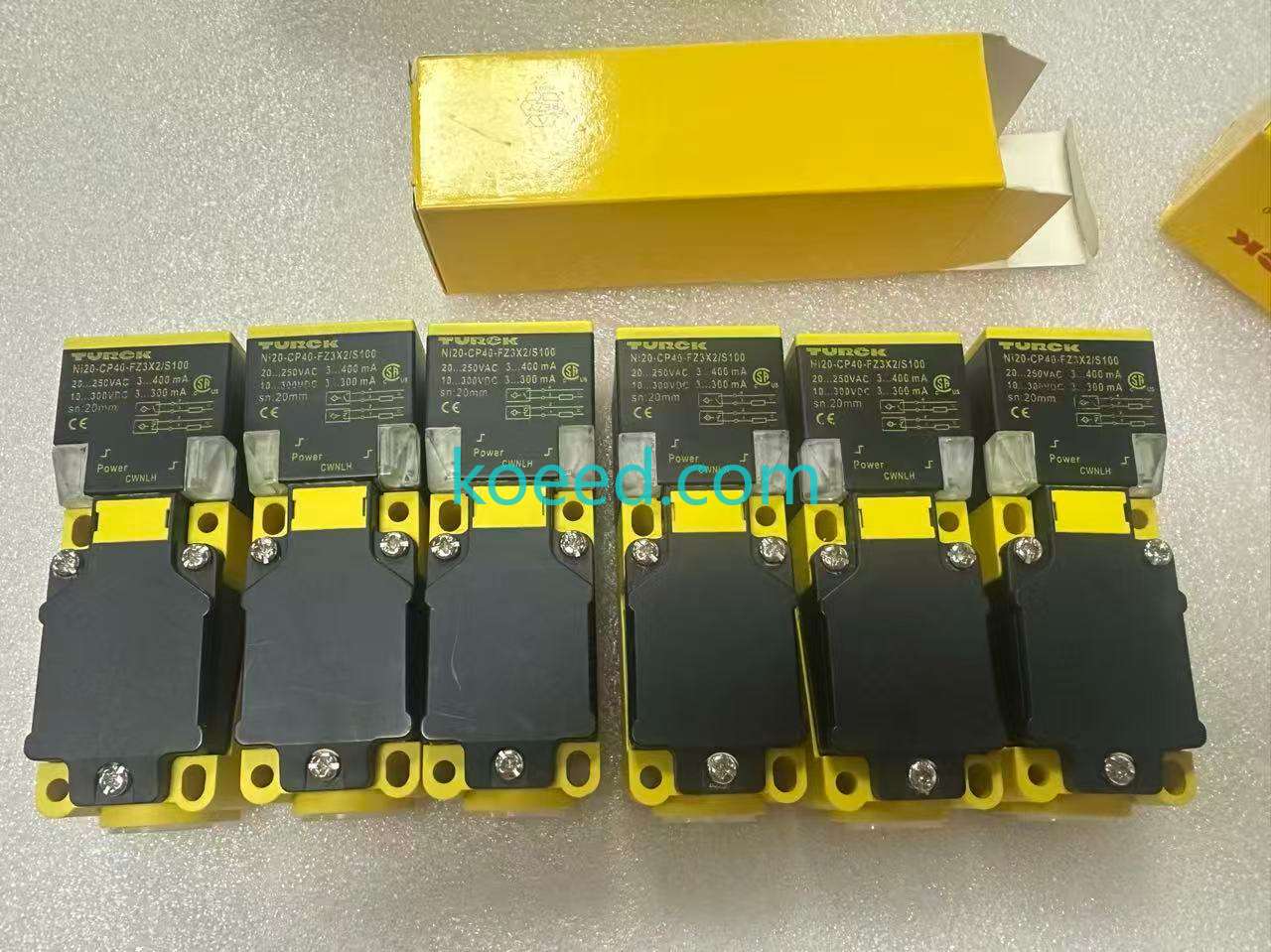
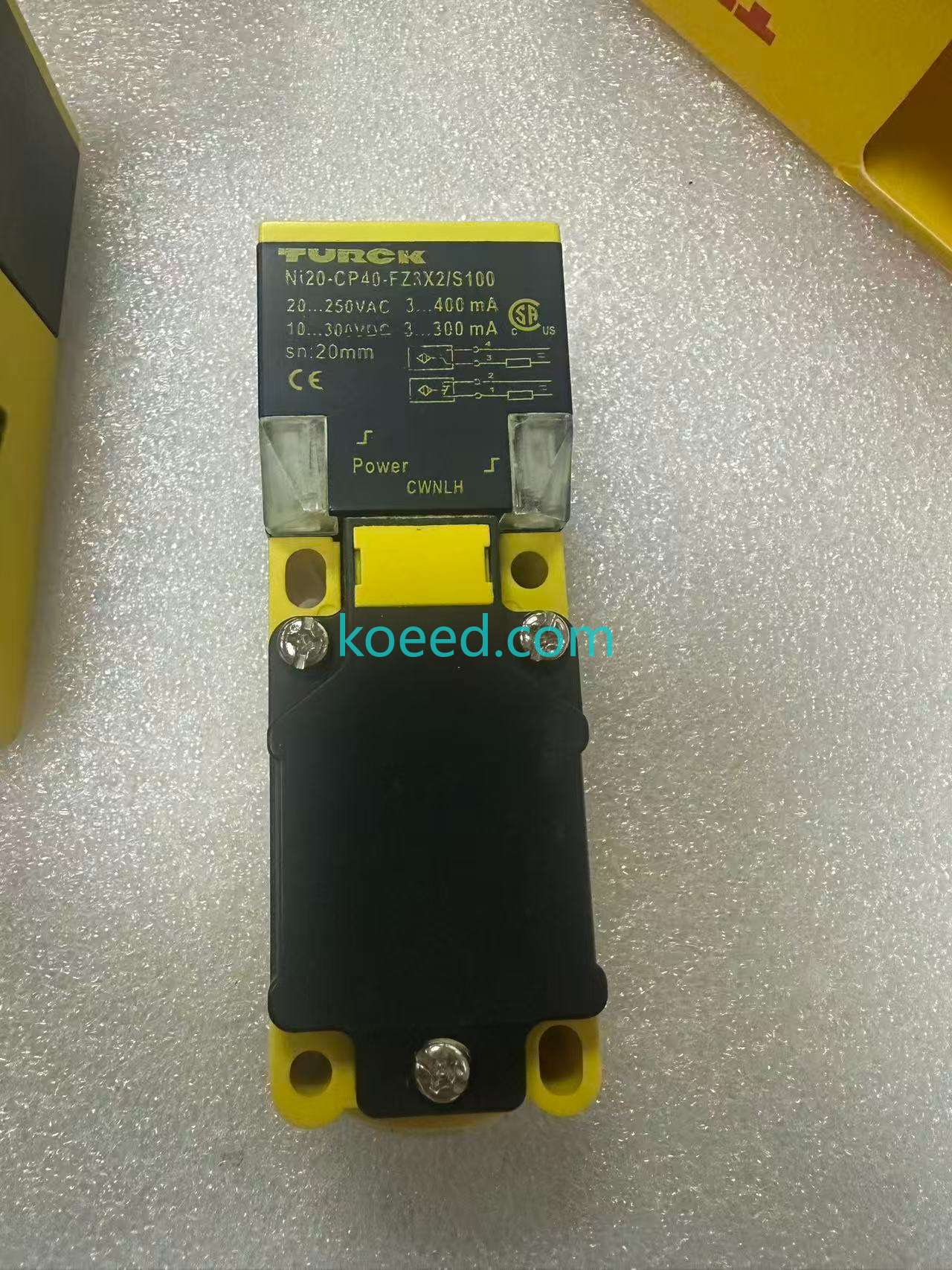
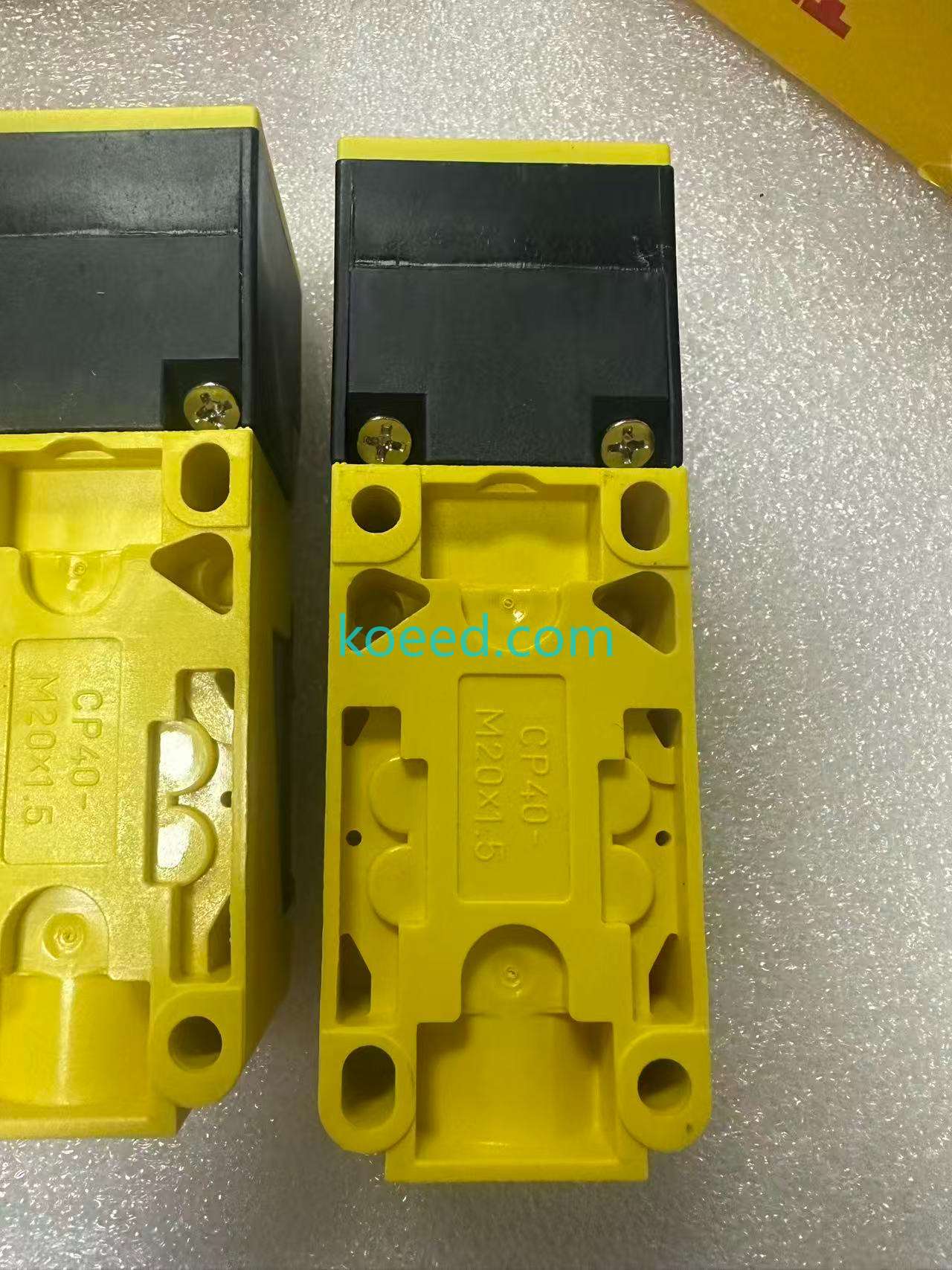
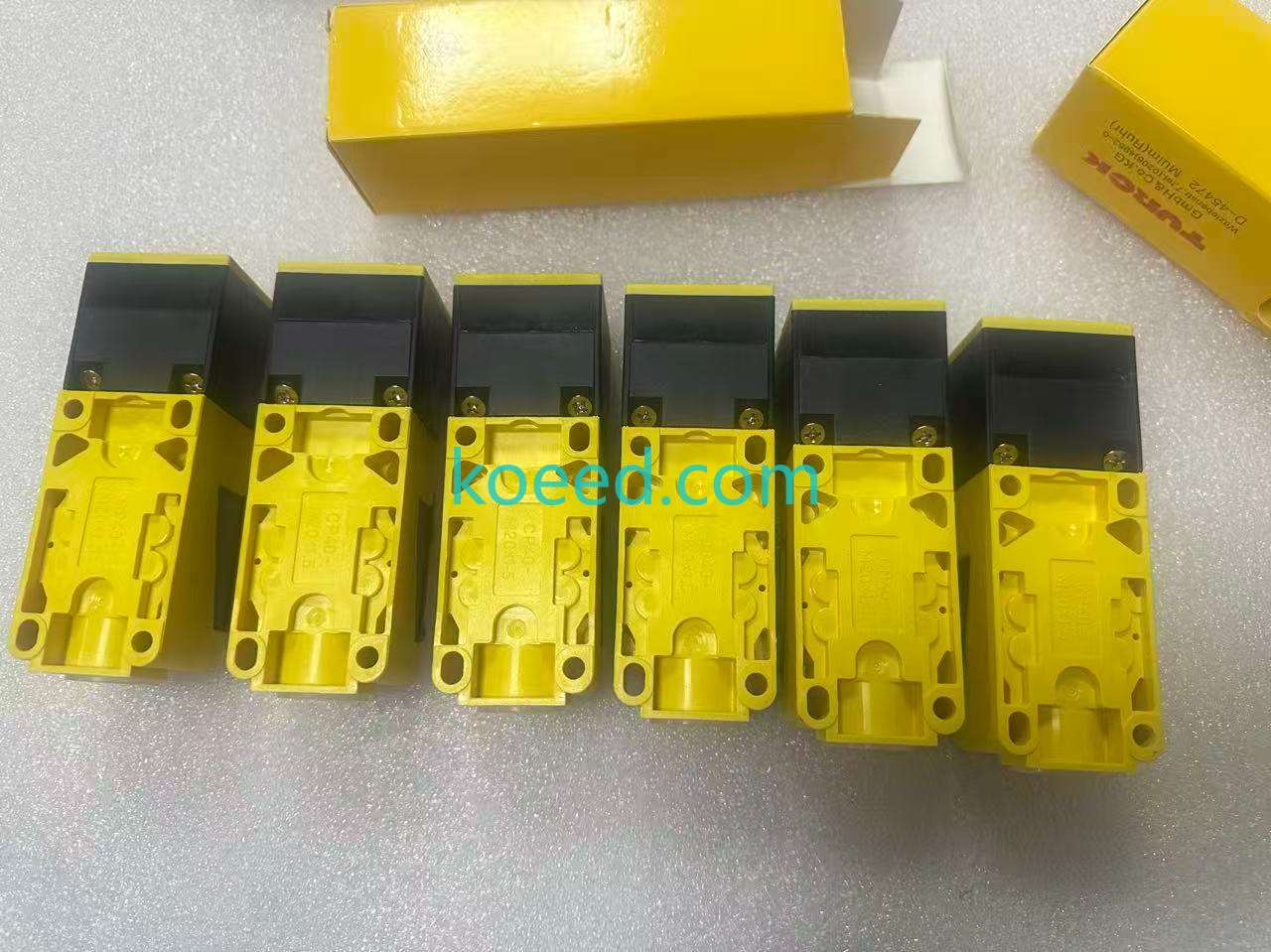
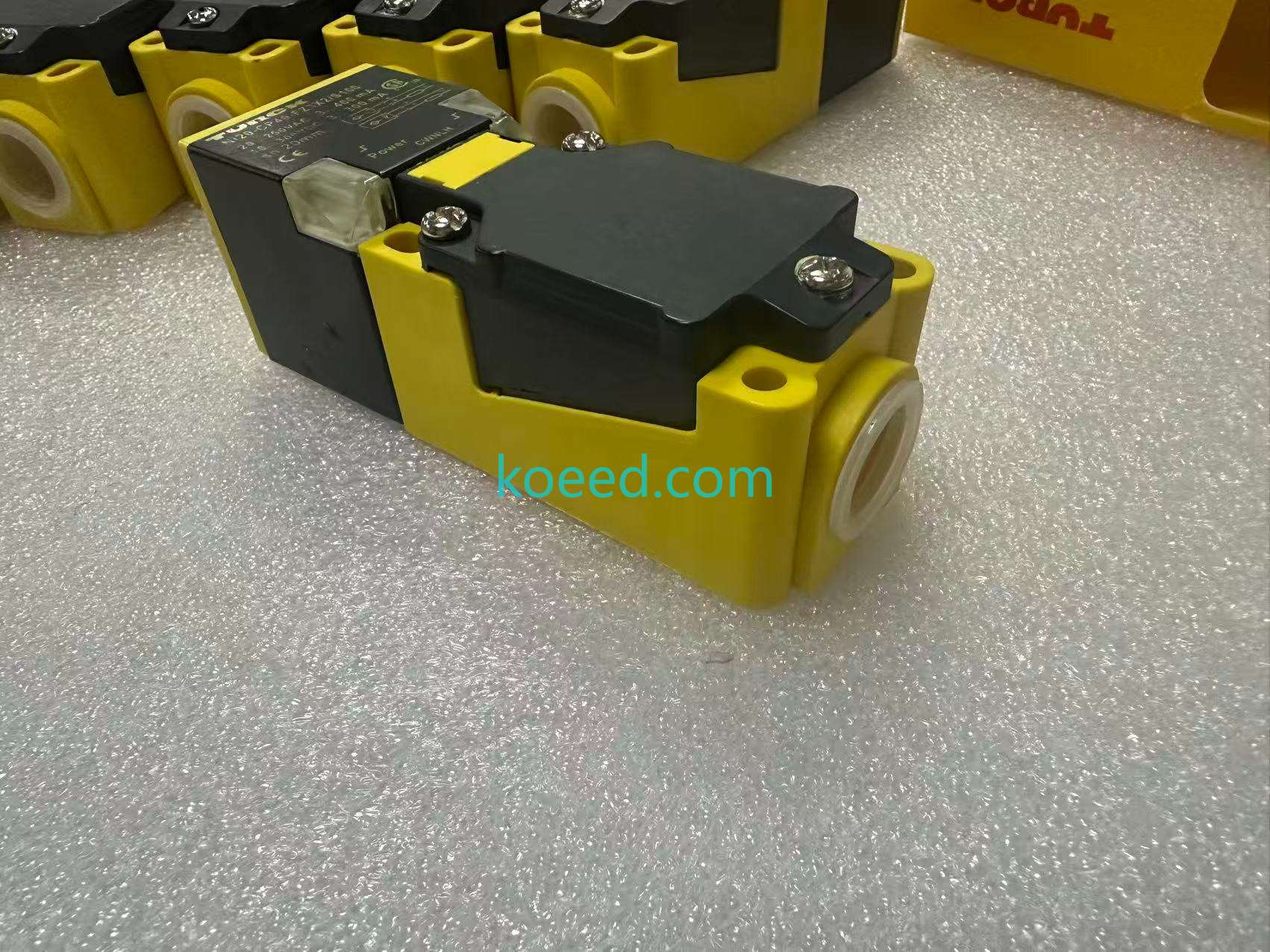
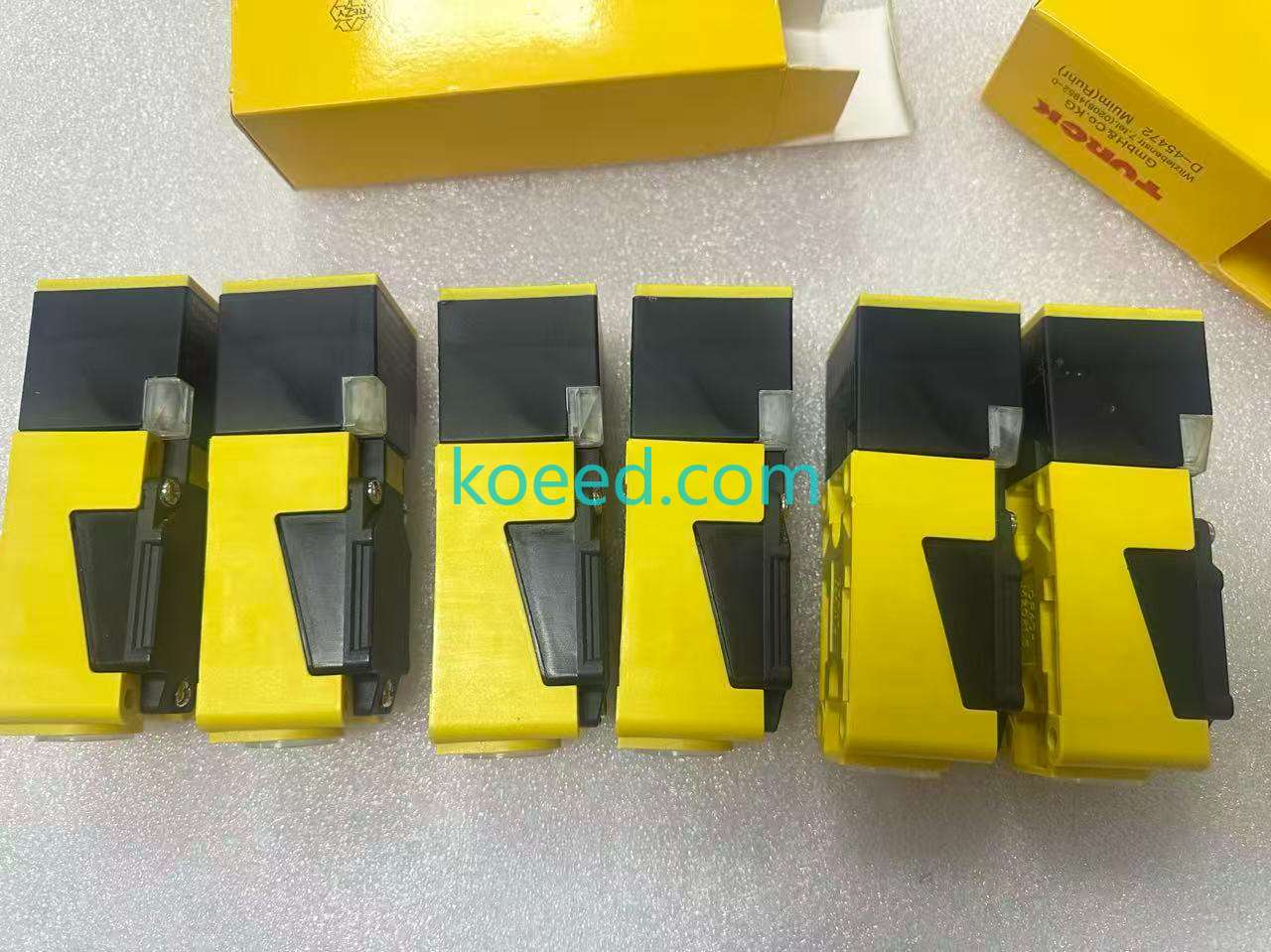
Below is the complete visual reference library for the Turck NI20-CP40-FZ3X2/S100. Click any image to enlarge or inspect details. All product imagery is sourced directly from Koeed's verified product catalog.
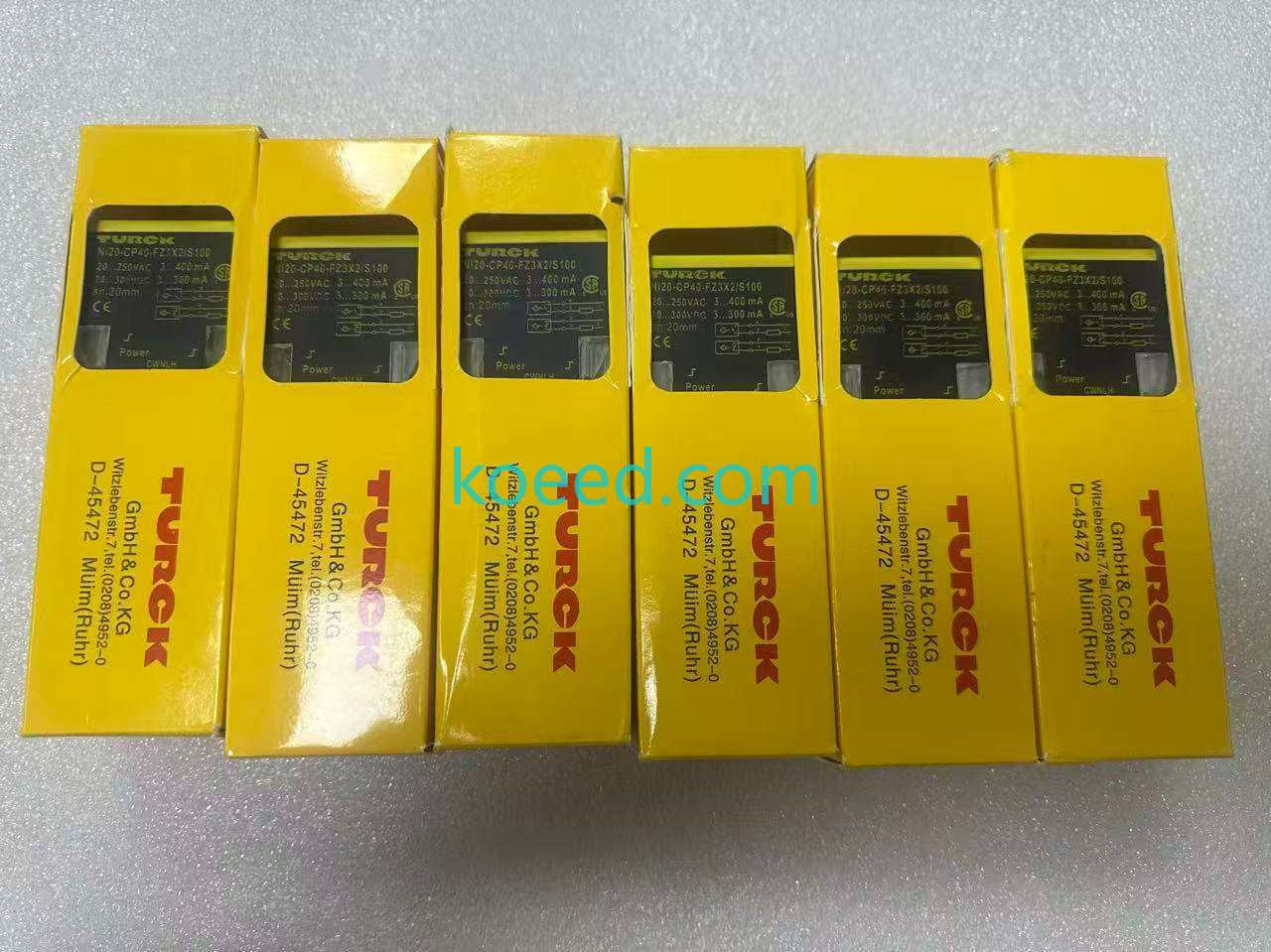
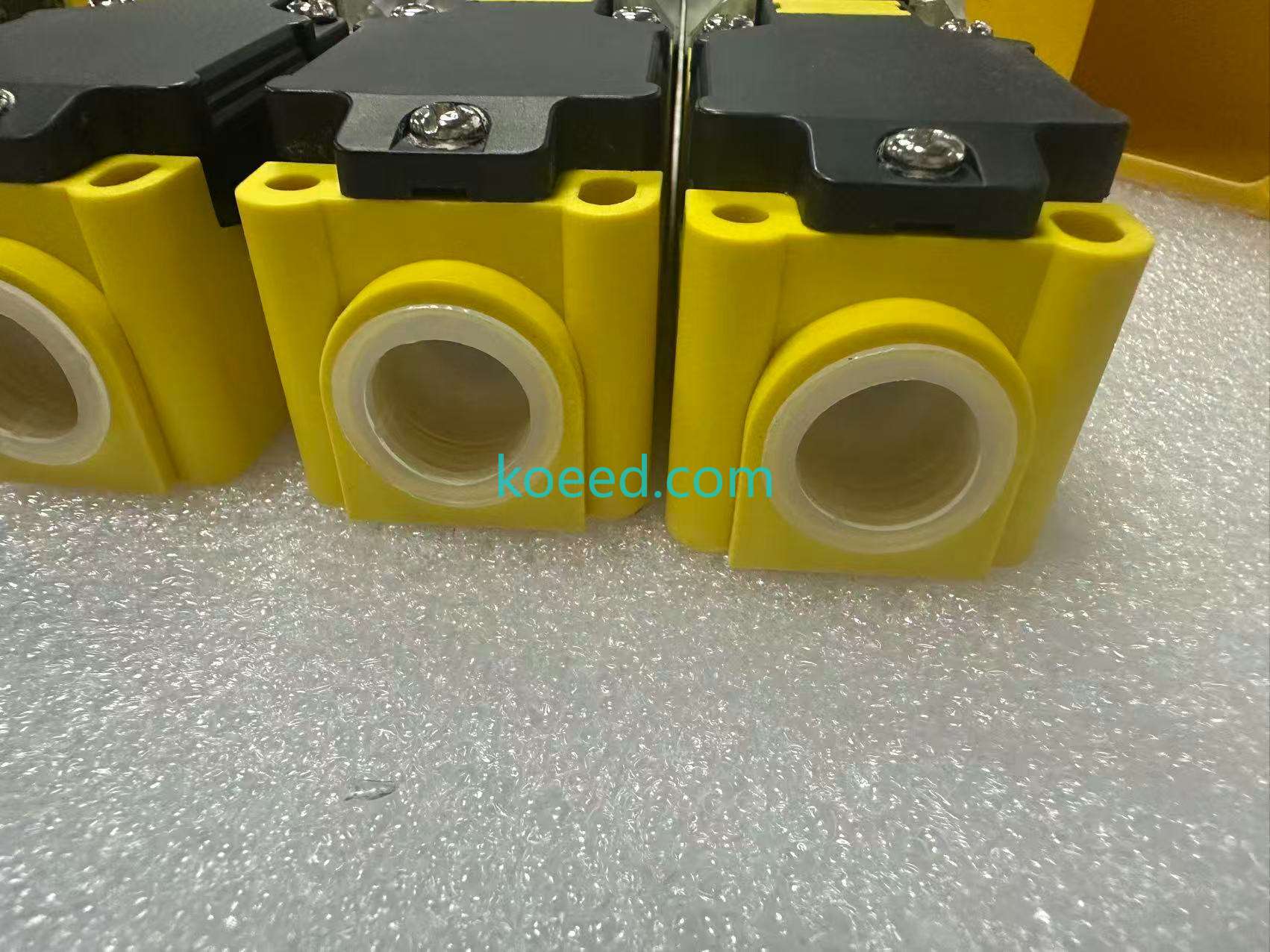
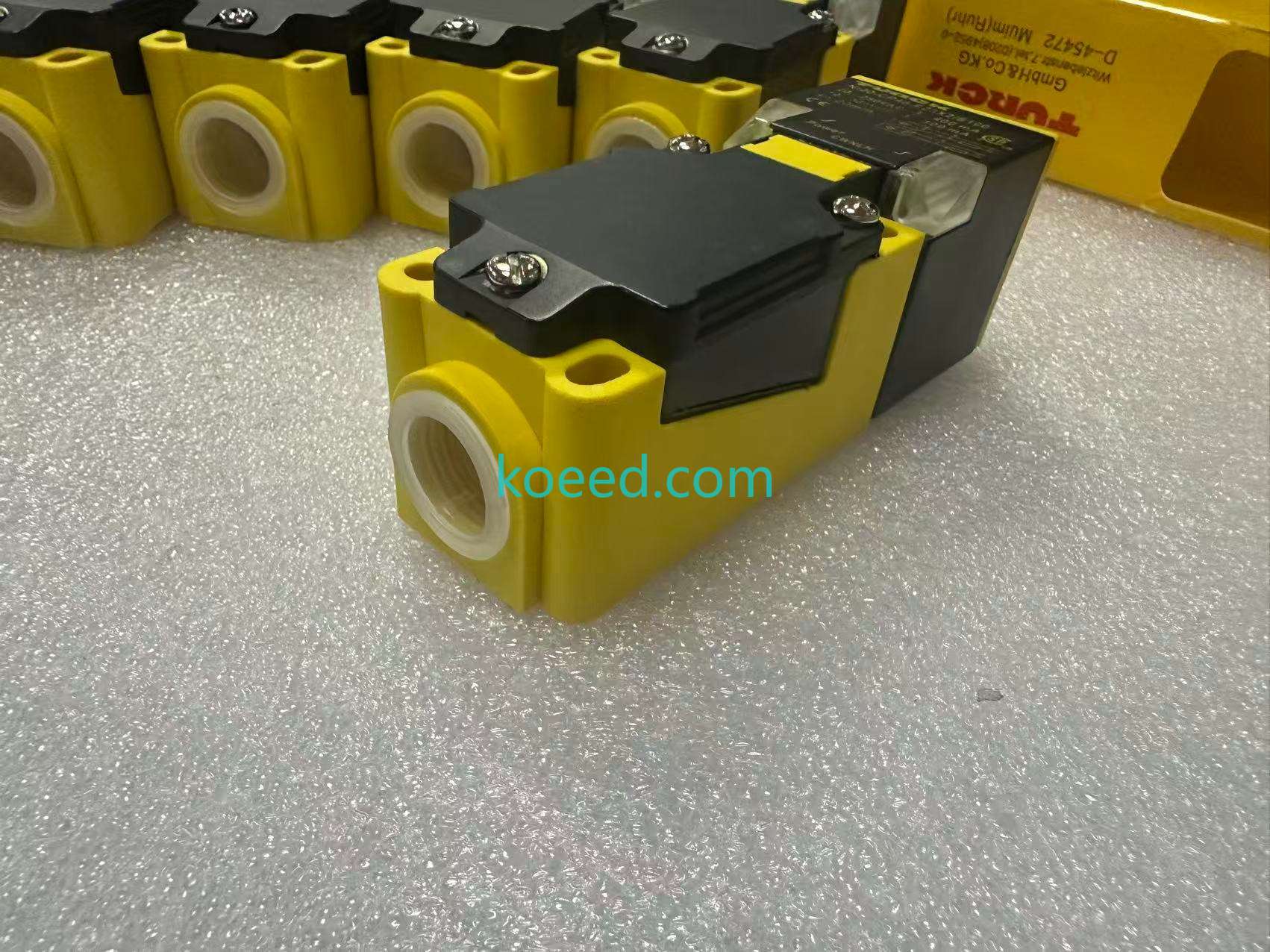
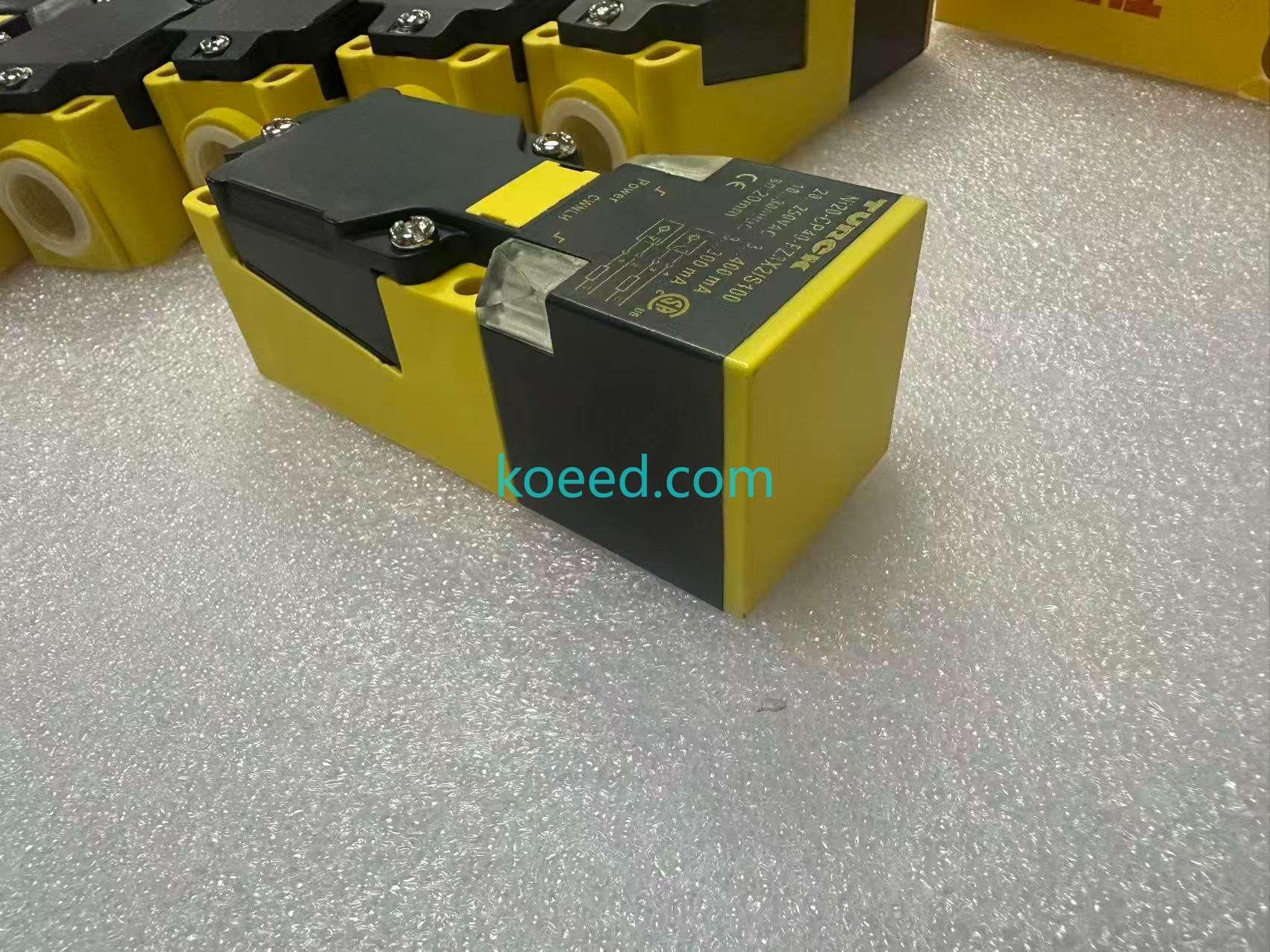
4.1 Product Demonstration Video
5. Sustainability & Energy Impact ESG-Ready
In 2026, sustainability is not an afterthought — it's a procurement filter. The NI20-CP40-FZ3X2/S100 contributes to your plant's ESG scorecard in several measurable ways:
- Ultra-low quiescent current: The 2-wire design draws minimal standby power — typically under 1.5 W — critical for large-scale deployments where hundreds of sensors operate 24/7.
- Elimination of dedicated DC power supplies: Because the sensor accepts 20–250 VAC directly, facilities can tap existing AC distribution without installing — and maintaining — additional DC PSUs. Fewer power supplies mean less e-waste and lower Scope 2 emissions.
- Long service life: Solid-state sensing with no mechanical contacts translates to a functional lifespan often exceeding 15 years in clean industrial environments, dramatically reducing landfill contribution versus electromechanical limit switches.
- Flame-retardant housing (PBT-GF30-V0): In the event of a cabinet fire, the sensor housing self-extinguishes, contributing to overall plant safety and insurability.
6. Installation, Maintenance & Troubleshooting Pro-Tips
6.1 Common Troubleshooting Scenarios
| Symptom | Probable Cause | Resolution (2026 Best Practice) |
|---|---|---|
| No output / LED dark | Supply voltage absent or below 10 VDC / 20 VAC | Verify supply with true-RMS multimeter; check terminal tightness |
| Reduced sensing distance | Metal interference in non-flush zone; or active face contamination | Clean active face with isopropyl alcohol; verify 60 mm clearance |
| Intermittent / chattering output | EMI from nearby VFD or contactor; or target object at edge of sensing field | Install ferrite clamp on sensor cable; reposition target 2–3 mm closer |
| LED on but no load switching | Load impedance too low (< 1 kΩ at 250 VAC); or open-circuit in load path | Verify minimum load current (typically ≥ 5 mA); check load continuity |
| Sensor overheated / housing discolored | Ambient temperature exceeding 85 °C rating | Install thermal shield; relocate sensor; verify ventilation |
7. Interactive FAQ — NI20-CP40-FZ3X2/S100
What makes the NI20-CP40-FZ3X2/S100 different from a standard CP40 sensor?
The "/S100" suffix denotes the 2-wire universal-voltage variant with programmable NO/NC output. Unlike the standard 3-wire DC or dedicated 2-wire AC CP40 models, this sensor operates across the full 10–300 VDC and 20–250 VAC range — making it the most electrically flexible sensor in the CP40 family. For procurement teams, this means one part number covers virtually all industrial voltage scenarios.
Can this sensor directly drive a PLC input card?
Yes — and this is one of its strongest 2026 value propositions. The 2-wire output is compatible with virtually all PLC discrete input modules (sinking or sourcing), as well as traditional relay coils and contactor circuits. The sensor's leakage current in the "off" state is typically under 1.5 mA, well below the threshold that would cause false triggering on modern high-impedance PLC inputs. This makes the NI20-CP40-FZ3X2/S100 an ideal drop-in replacement for legacy mechanical switches in digital migration projects.


