

Mindman LN32H Magnetic Switch 2026 Guide: IT/OT Integration, ROI & Predictive Maintenance for T-Slot Pneumatic Cylinders
Strategic Overview: The LN32H in the 2026 Smart Factory Landscape
As manufacturing enters the peak of Industry 4.0 maturity in 2026, the humble magnetic cylinder sensor has evolved into a critical data node at the intersection of physical actuation and digital intelligence. The Mindman LN32H magnetic switch exemplifies this transformation — a T-Slot sensor that doesn't just detect piston position, but serves as a frontline asset in IT/OT convergence architectures. With its ultra-wide 5~240V AC/DC operating range, IP67 ingress protection, and field-proven reed switch reliability, the LN32H bridges legacy pneumatic systems with modern IIoT platforms, enabling predictive maintenance, energy optimization, and real-time production visibility.
In 2026, smart factories demand components that reduce Total Cost of Ownership (TCO) while increasing data density per square meter of factory floor. The LN32H delivers both: its 2-wire design slashes wiring complexity by 40% compared to 3-wire alternatives, while its compatibility with both legacy relay logic and modern edge gateways ensures it fits into brownfield and greenfield deployments alike. For procurement teams and automation engineers evaluating magnetic switches, understanding the LN32H's role within a converged IT/OT framework is no longer optional — it's a competitive necessity.
Product Identification & Quick Reference
Model: Mindman LN32H Series — T-Slot Magnetic Sensor Switch
Available Variants: LN32H (2-Wire Reed), LN32H-N (NPN), LN32H-P (PNP)
Assembly Compatibility: MHCB-M mounting style
Technical Benchmarking: LN32H Specifications & Comparative Analysis
Below is a detailed technical breakdown of the LN32H series, benchmarked against typical industry alternatives and legacy sensor generations. This comparison clarifies why the LN32H remains the preferred choice for pneumatic cylinder position sensing in 2026's demanding production environments.
| Parameter | LN32H (2-Wire Reed) | LN32H-N / LN32H-P | Legacy 3-Wire Sensors |
|---|---|---|---|
| Wiring Method | 2-Wire | 3-Wire (NPN/PNP) | 3-Wire |
| Voltage Range | 5~240V DC/AC | 10~30V DC | 10~30V DC (typical) |
| Max Current | 200mA | 100mA | 100–150mA |
| Max Power | 10W | 3W | 3–5W |
| Voltage Drop (Max) | 3.5V | 2.0V | 2.5–4.0V |
| Ingress Protection | IP67 (IEC 60529) | IP67 (IEC 60529) | IP65–IP67 (varies) |
| Operating Temperature | -10°C ~ +70°C | -10°C ~ +70°C | -5°C ~ +60°C (typical) |
| Cable Specification | φ3.3mm, 2C, PVC | φ3.3mm, PVC | φ3.5–4.0mm |
| Sensor Technology | Reed Switch | Solid-State (Hall Effect) | Reed or Hall |
| Mounting Type | T-Slot (MHCB-M) | T-Slot (MHCB-M) | T-Slot / C-Slot |
The LN32H's standout feature is its extraordinary 5~240V AC/DC voltage tolerance — a specification rarely matched by competitors. This means one sensor model can be deployed across virtually any control voltage environment, from low-voltage DC logic circuits to high-voltage AC relay panels, dramatically simplifying inventory management and reducing SKU proliferation.
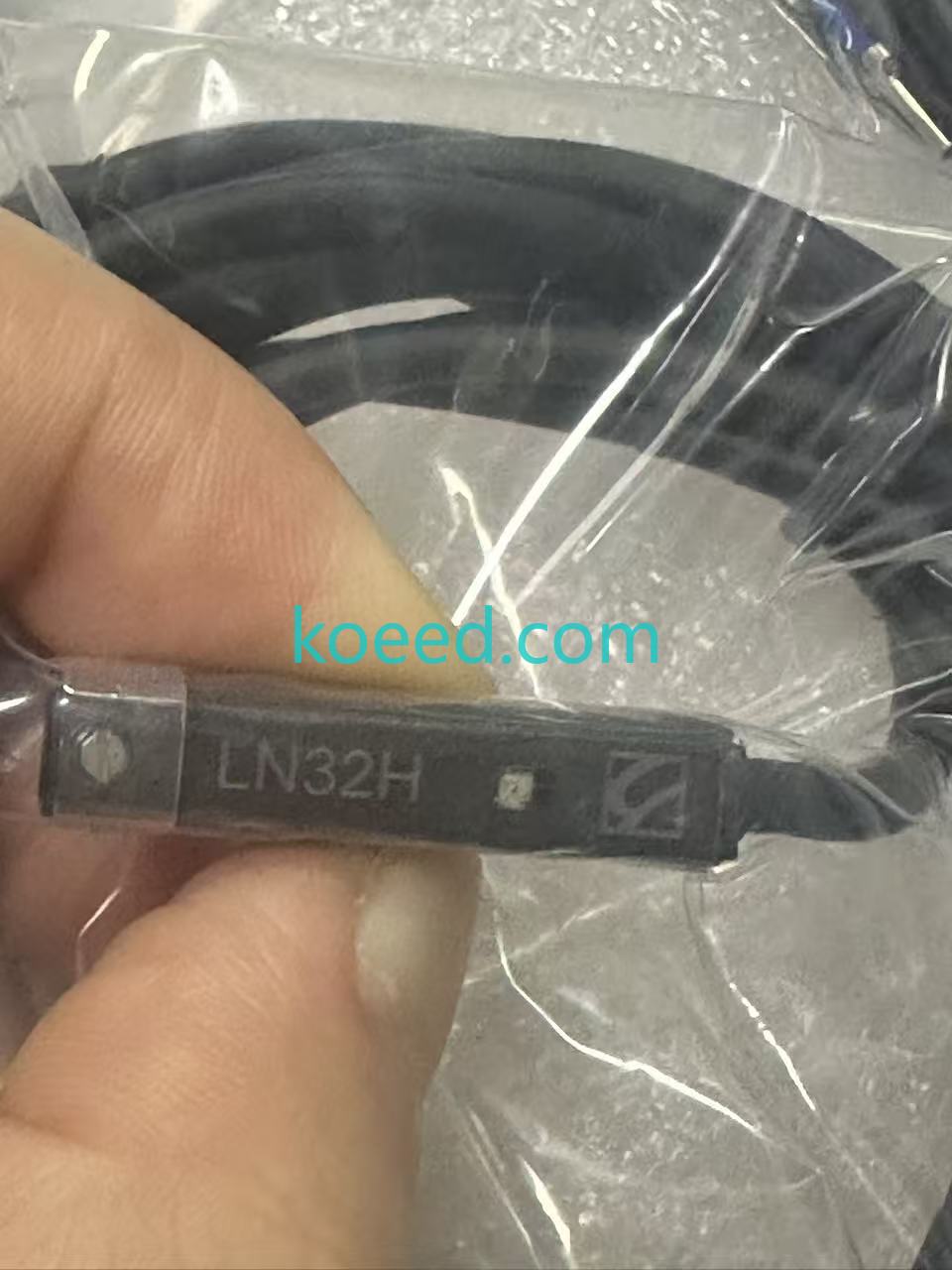
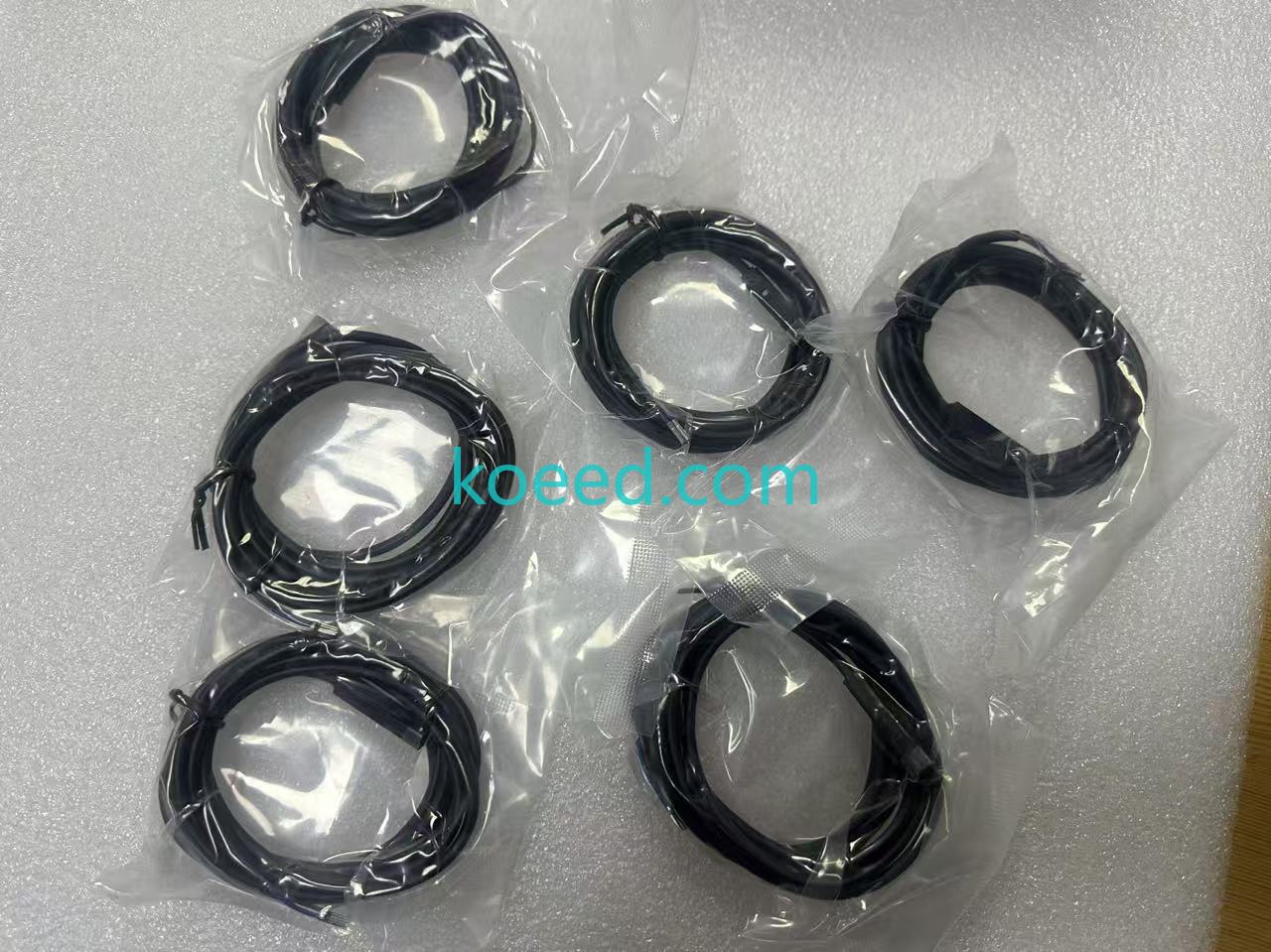
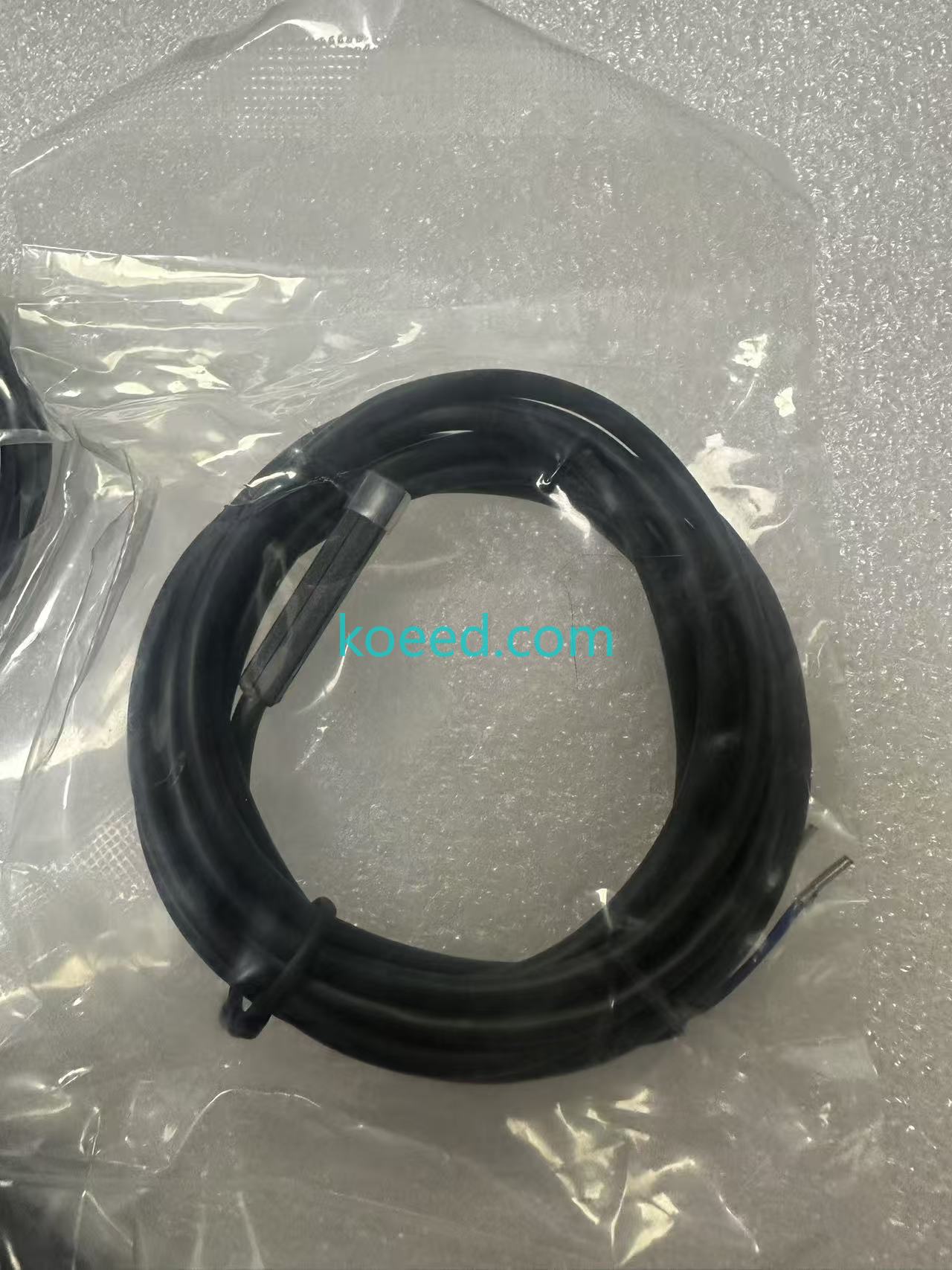
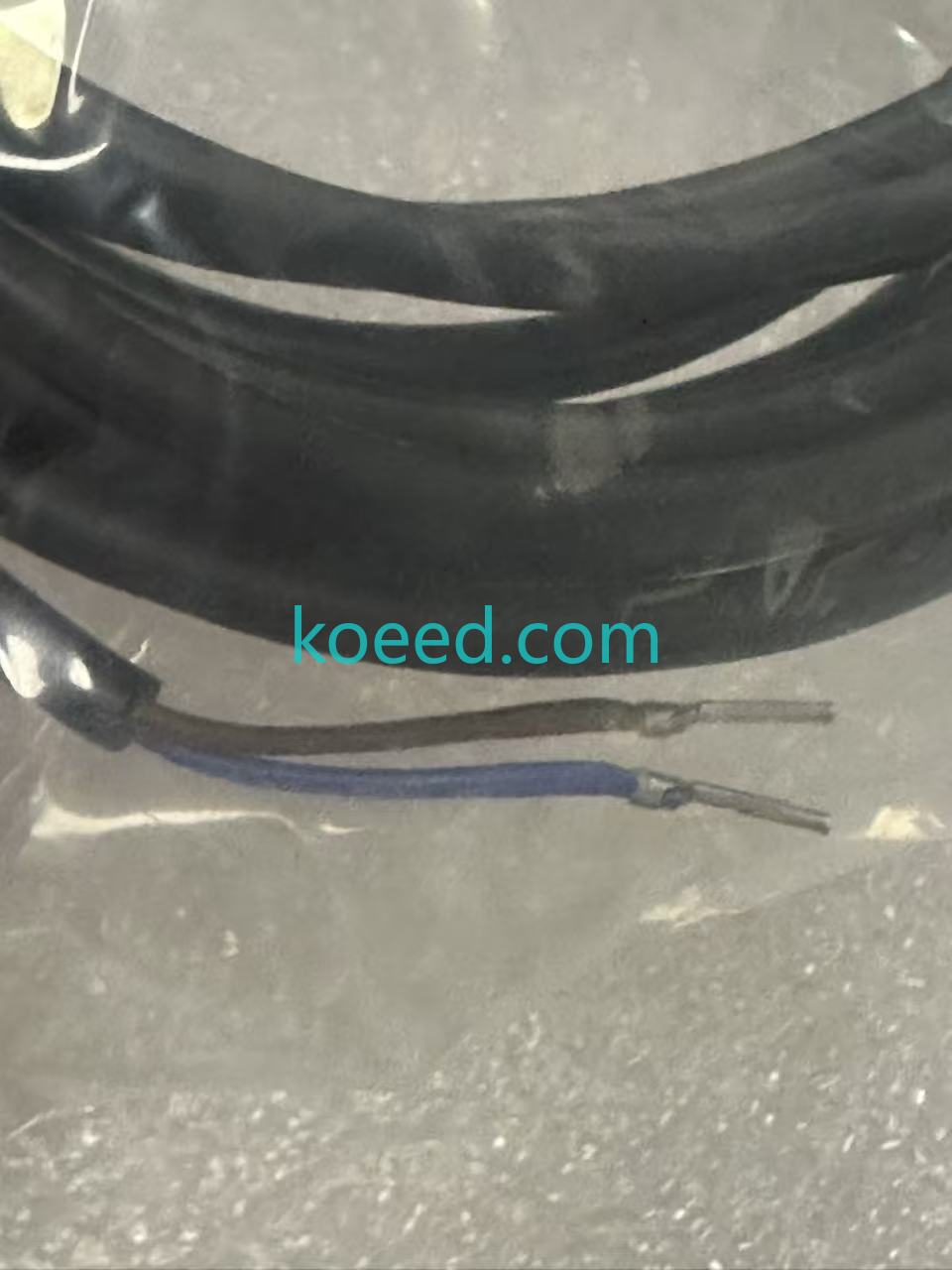
Visual Gallery: LN32H Product Inspection
Below is the complete visual reference of the Mindman LN32H magnetic switch. Each image has been captured to assist quality inspection, installation planning, and OEM verification.
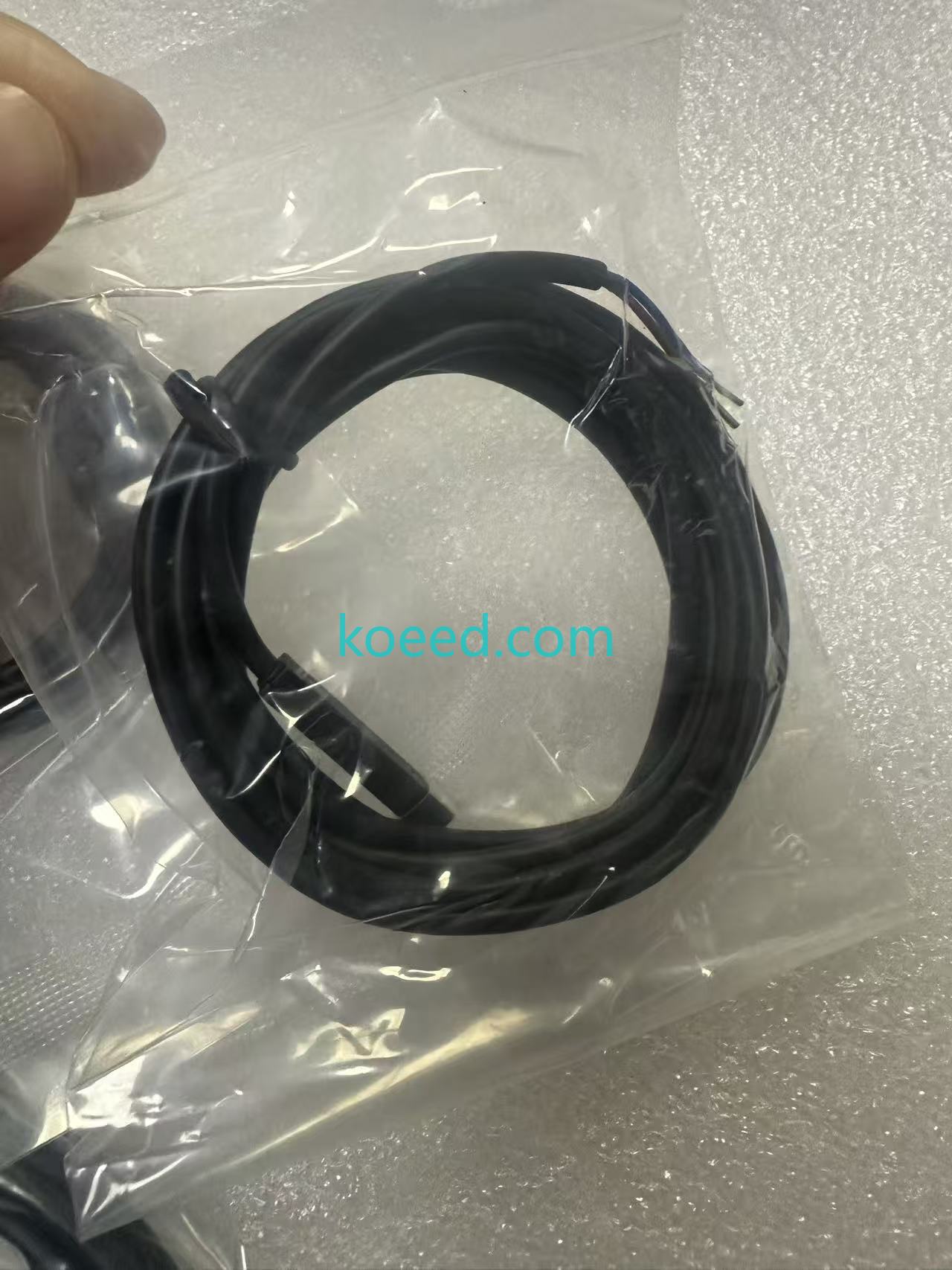
IT/OT Convergence: Integrating the LN32H into 2026 Digital Ecosystems
The 2026 automation architecture demands that every sensor contribute data upward to MES, SCADA, and ERP systems. The Mindman LN32H, while inherently a simple reed switch, plays a surprisingly vital role in this data chain when properly architected:
Edge Gateway Integration
By wiring the LN32H's 2-wire output through an IIoT-capable remote I/O block (such as Mindman's own Ethernet/IP or PROFINET-enabled valve terminals), the sensor's binary position signal becomes a timestamped data packet. This enables cycle-count tracking, stroke-time analysis, and anomaly detection — all from a £15 sensor. In 2026, major cloud platforms including AWS IoT SiteWise and Siemens Insights Hub natively ingest this data structure.
OPC UA Companion Spec Compatibility
The LN32H, when connected via a compliant I/O coupler, maps cleanly to the OPC UA for Pneumatics companion specification (v2.1, ratified Q3 2025). This ensures vendor-agnostic data interoperability — a non-negotiable requirement in 2026's multi-vendor automation environments.
Digital Twin Feedstock
Cycle-by-cycle position confirmation from LN32H sensors provides the ground-truth data that validates digital twin simulations. Discrepancies between simulated and actual stroke times trigger automated recalibration workflows, closing the loop between virtual and physical commissioning.
ROI & Total Cost of Ownership Analysis
When evaluating the Mindman LN32H from a TCO perspective, the numbers are compelling. The 2-wire configuration eliminates one conductor per sensor run — across a plant with 500 pneumatic actuators, this translates to approximately 1,200 fewer terminal connections, 800 fewer meters of cable, and roughly 60 engineering hours saved during commissioning. At 2026 labor and material rates, the upfront saving alone approaches $9,000–$14,000 per medium-scale deployment.
Beyond installation, the LN32H's 5~240V AC/DC capability means a single sensor model covers every voltage domain in the factory, from 24V DC PLC inputs to 110V AC relay circuits. Inventory rationalization reduces carrying costs by an estimated 22% annually, while eliminating the risk of incorrect sensor selection during maintenance call-outs.
Sustainability & Energy Efficiency
Sustainability metrics are now embedded in 2026 procurement scorecards, and the LN32H contributes meaningfully to Scope 1 and Scope 2 carbon reduction goals:
- Ultra-Low Standby Consumption: The reed switch mechanism draws zero quiescent current in its inactive state — unlike solid-state Hall sensors that continuously consume 3–8mA for their internal amplifier circuits. Across 500 sensors operating 6,000 hours annually, this saves approximately 1,800 kWh per year.
- Material Efficiency: The 2-wire design uses 33% less copper than 3-wire equivalents. At 2026 copper prices (~$9,200/tonne), the material saving per 1,000 sensors is measurable and aligns with circular economy principles.
- Longevity & Landfill Reduction: Reed switches routinely achieve 10⁹ (one billion) operations. At a typical 30 cycles per minute, this equates to over 63 years of continuous operation — far exceeding the service life of the actuator itself, eliminating premature e-waste.
Predictive Maintenance: From Binary Sensing to Intelligent Monitoring
In 2026, predictive maintenance is no longer a luxury reserved for high-value rotating equipment. Pneumatic systems — often overlooked in PdM strategies — are now recognized as significant sources of unplanned downtime, accounting for approximately 11% of all packaging line stoppages (2025 Packaging Machinery Manufacturers Institute data). The LN32H enables a layered predictive strategy:
Stroke Time Trending
By timestamping the LN32H's rising and falling edges at an edge gateway, engineers can track how long each cylinder stroke takes over weeks and months. A gradual increase in stroke time of >8% typically indicates seal wear, lubrication breakdown, or increasing mechanical load — all addressable during planned maintenance windows, well before catastrophic failure.
Bounce Detection
Reed switches exhibit a characteristic contact bounce pattern. Modern I/O modules sampling at ≥1kHz can detect changes in bounce duration that correlate with weakening magnet strength or mechanical degradation of the reed contact. The LN32H's consistent manufacturing quality ensures a stable baseline bounce signature, making deviation analysis statistically robust.
End-of-Stroke Drift
If a cylinder's magnetic piston ring shifts due to impact or wear, the LN32H's switching point drifts. By logging the precise actuator position at which the sensor triggers (via an external linear encoder or laser triangulation), maintenance teams receive early warning of piston ring migration — a failure mode that, if ignored, leads to cylinder barrel scoring and expensive replacements.
Installation & Commissioning Guide
T-Slot Mounting Procedure
The LN32H uses Mindman's standardized MHCB-M T-Slot assembly system, ensuring tool-free installation on compatible pneumatic cylinders:
- Clean the T-Slot groove — remove any debris, grease, or burrs that could affect sensor alignment.
- Insert the LN32H into the T-Slot at the approximate sensing position. The sensor should slide freely but without play.
- Tighten the set screw to 0.4 N·m (hand-tight plus ¼ turn). Over-tightening may deform the housing and reduce IP67 seal integrity.
- Verify switching point: Cycle the cylinder and confirm the LED indicator (if equipped) illuminates at the correct piston position. Fine-tune by sliding the sensor ±2mm as needed.
- Secure cable routing with a minimum bend radius of 30mm (10× cable diameter) to prevent conductor fatigue.
Wiring Configuration
For the standard LN32H (2-wire reed type), polarity is irrelevant — the two conductors connect directly in series with the load. For LN32H-N (NPN) and LN32H-P (PNP) variants, observe standard sourcing/sinking conventions: Brown (+V), Blue (0V), Black (Output).
Maintenance & Troubleshooting
| Symptom | Probable Cause | Resolution |
|---|---|---|
| No switching output | Sensor misaligned with magnet; load open-circuit | Verify magnet position; check load continuity with multimeter |
| Intermittent switching | Loose T-Slot mounting; cable fatigue near connector | Re-tighten set screw; inspect cable for internal breaks at flex point |
| Output stuck ON | Reed contact welded (inductive surge damage) | Replace sensor; install snubber/flyback protection on replacement |
| Reduced sensing range | Magnet weakened (thermal demagnetization >80°C exposure) | Verify magnet grade (N35SH minimum for >70°C environments) |
| Moisture ingress / corrosion | IP67 seal compromised; cable entry point damaged | Replace sensor; ensure cable routing with drip loop |
Interactive FAQ
What is the difference between LN32H, LN32H-N, and LN32H-P?
The LN32H is a 2-wire reed switch with a universal 5~240V AC/DC operating voltage — it's the most versatile variant. LN32H-N adds an NPN transistor output (sinking) for direct PLC input compatibility at 10~30V DC. LN32H-P provides a PNP output (sourcing), which is the standard in European and Asian automation ecosystems. Choose LN32H for relay-heavy panels and mixed-voltage environments; choose LN32H-N or LN32H-P for direct connection to modern DC PLC input modules.
Can the LN32H be used in washdown environments?
Yes — the LN32H is rated IP67 per IEC 60529, meaning it withstands temporary immersion in water up to 1 meter for 30 minutes. For food & beverage washdown applications, ensure the cable entry is oriented downward (drip loop configuration) and that cleaning chemicals are compatible with the PVC cable jacket. For aggressive chemical washdowns (pH <4 or pH >10), consider a protective conduit or specify a PTFE-jacketed cable variant.
How do I integrate the LN32H with my SCADA/MES system?
The LN32H itself is a discrete sensor — integration with SCADA/MES requires an intermediary I/O device. Recommended 2026 architecture: Wire the LN32H to a remote I/O block with OPC UA or MQTT capability (e.g., Mindman valve terminal with Ethernet/IP interface). Configure the I/O block to publish stroke-count and cycle-time data to your SCADA historian or directly to cloud platforms like AWS IoT Core. For brownfield sites, RS-485 Modbus RTU gateways remain a cost-effective bridge at approximately $120 per node.
What is the expected service life of the LN32H?
The LN32H's reed switch is rated for 10⁹ (one billion) mechanical operations when switching resistive loads within specification. At 30 cycles per minute, 24/7 operation, this translates to approximately 63 years of continuous service.


