

Pepperl+Fuchs ML6-8-H-120-RT/59/65A/95/136: The 2026 Engineer's Guide to Precision Background Suppression Sensing
The Pepperl+Fuchs ML6-8-H-120-RT/59/65A/95/136 represents the gold standard in miniature background suppression photoelectric sensing — a technology cornerstone for smart factories navigating the demands of 2026 IT/OT convergence. With a precision detection range of 15–120 mm, IP69K hygienic-grade protection, and a blazing 500 µs response time, this sensor is purpose-built for high-speed automation lines where color variation, reflective surfaces, and washdown environments would defeat conventional sensors.
1. Strategic Overview: Why the ML6-8-H-120 Matters in 2026
By 2026, industrial automation has moved firmly beyond simple "detect or not-detect" binary sensing. The modern factory floor demands intelligent, data-rich components that can feed real-time diagnostics into centralized ERP/MES platforms. The ML6-8-H-120 — with its push-pull output stage, undervoltage monitoring, and short-circuit indication — fits seamlessly into this paradigm. Unlike legacy diffuse-mode sensors that struggle with dark targets or patterned backgrounds, this sensor's background suppression technology uses triangulation principles to deliver consistent, color-insensitive detection regardless of target reflectivity.
2. Technical Deep Dive & Benchmarking
2.1 Background Suppression: How It Works
Unlike standard diffuse sensors that rely on reflectivity, the ML6-8-H-120 employs triangulation-based background suppression. Two internal photodiodes compare the angle of reflected light — allowing the sensor to ignore any object beyond the set detection threshold, regardless of its brightness. This means a shiny stainless-steel conveyor bed behind a matte black rubber component is completely ignored, eliminating false triggers that plague conventional sensors.
2.2 Full Specifications Table
| Parameter | ML6-8-H-120-RT/59/65A/95/136 |
|---|---|
| Sensor Type | Background Suppression Photoelectric (Triangulation) |
| Detection Range | 15 mm – 120 mm (0.591" – 4.724") |
| Light Source | Visible Red Light — Small, Sharp Spot |
| Response Time | 500 µs |
| Output Configuration | Push-Pull (Q1 + Q2), Light-On / Dark-On Selectable |
| Electrical Connection | 4-Pin M8 × 1 Male Connector |
| Operating Voltage | 10–30 V DC |
| Ingress Protection | IP67 / IP69K |
| Housing Material | ABS (Optical Face: PMMA) |
| Operating Temperature | −20 °C to +60 °C (−4 °F to +140 °F) |
| Black/White Differential | Extremely Low — Near-Zero Reflectivity Error |
| Indicators | Green (Power-On), Yellow (Switching State), Short-Circuit & Undervoltage LED |
| Adjustment | Detection Range Adjuster (Mechanical) |
| Mounting | Metal-Reinforced Fastening Holes (M2 × 5) |
| Gross Weight | ~20.4 g |
| Option Codes | /59 (Output variant) /65A (Sensing variant) /95/136 (Wiring/output config) |
2.3 ML6 Series Variant Comparison
| Model Variant | Detection Range | Best Suited For |
|---|---|---|
| ML6-8-H-20 | 7–20 mm | Ultra-close precision placement, PCB handling |
| ML6-8-H-40 | 10–40 mm | Small-part counting, pharmaceutical blister packs |
| ML6-8-H-60 | 15–60 mm | Packaging lines, cap presence verification |
| ML6-8-H-80 | 15–80 mm | General assembly, robotic end-of-arm tooling |
| ML6-8-H-120 ★ | 15–120 mm | Conveyor gap detection, multi-product lines, washdown zones |
3. 2026 Integration: IT/OT Convergence & Predictive Maintenance
3.1 Beyond the PLC: Data-Ready Architecture
The ML6-8-H-120's push-pull output is more than a switching mechanism — it is a gateway to condition monitoring. In a modern 2026 architecture, the sensor's undervoltage and short-circuit diagnostic LEDs can be complemented by edge gateways that timestamp every switching event, feeding anomaly detection algorithms in platforms like Siemens MindSphere or AWS IoT SiteWise. By monitoring switching frequency drift and response consistency over time, plant engineers can predict sensor degradation before it causes a line stoppage.
3.2 Sustainability & Energy Efficiency
With the ML6 operating at low DC voltages (10–30 V) and featuring a highly efficient visible red LED emitter, total power consumption remains under 1 W. Across a plant with 500+ photoelectric sensors, migrating from older halogen/incandescent-based detection systems to the ML6 series contributes to a measurable reduction in Scope 2 carbon emissions — aligning with 2026 ESG reporting mandates increasingly required by global supply chain partners.
4. Visual Product Gallery
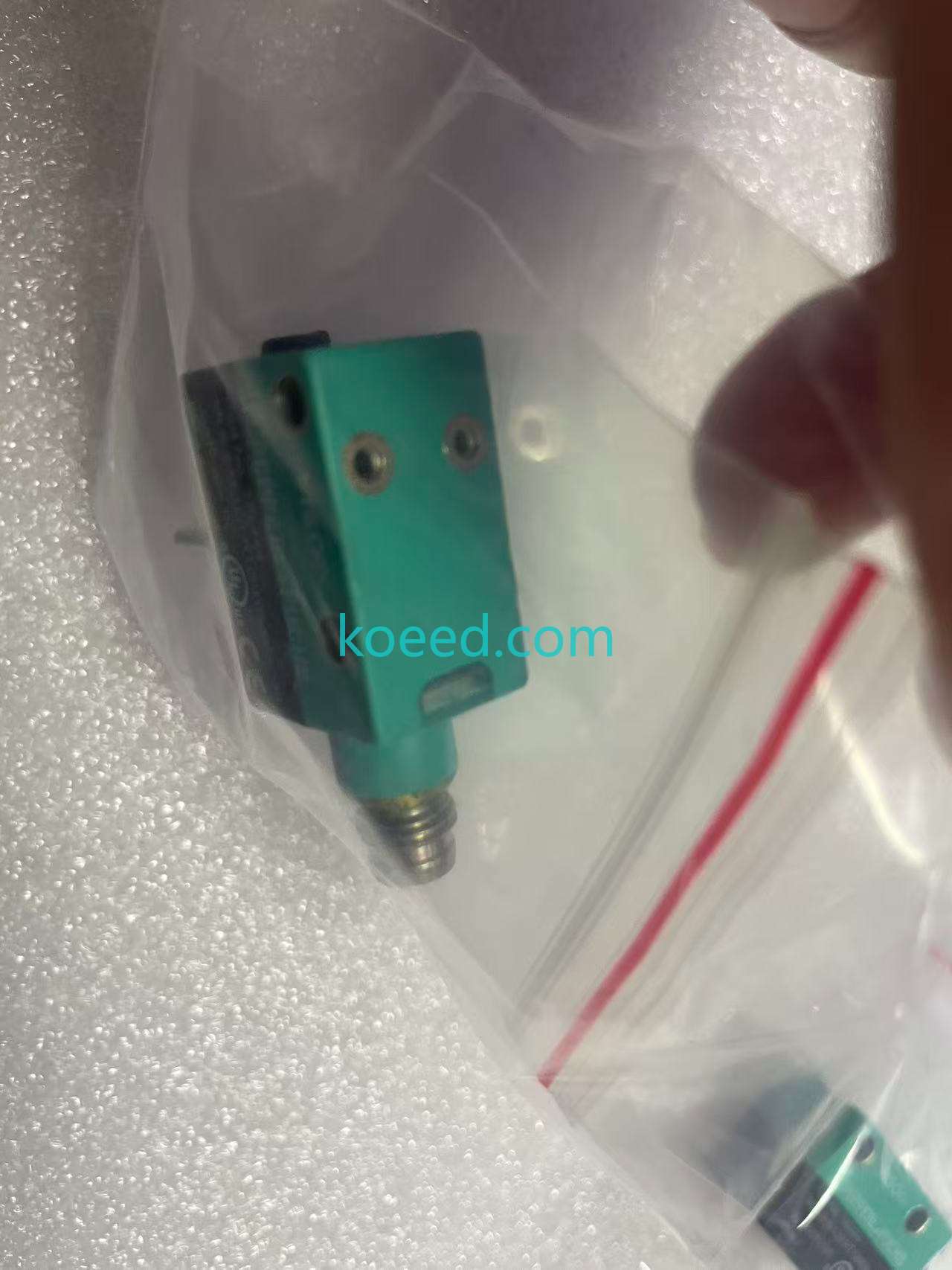
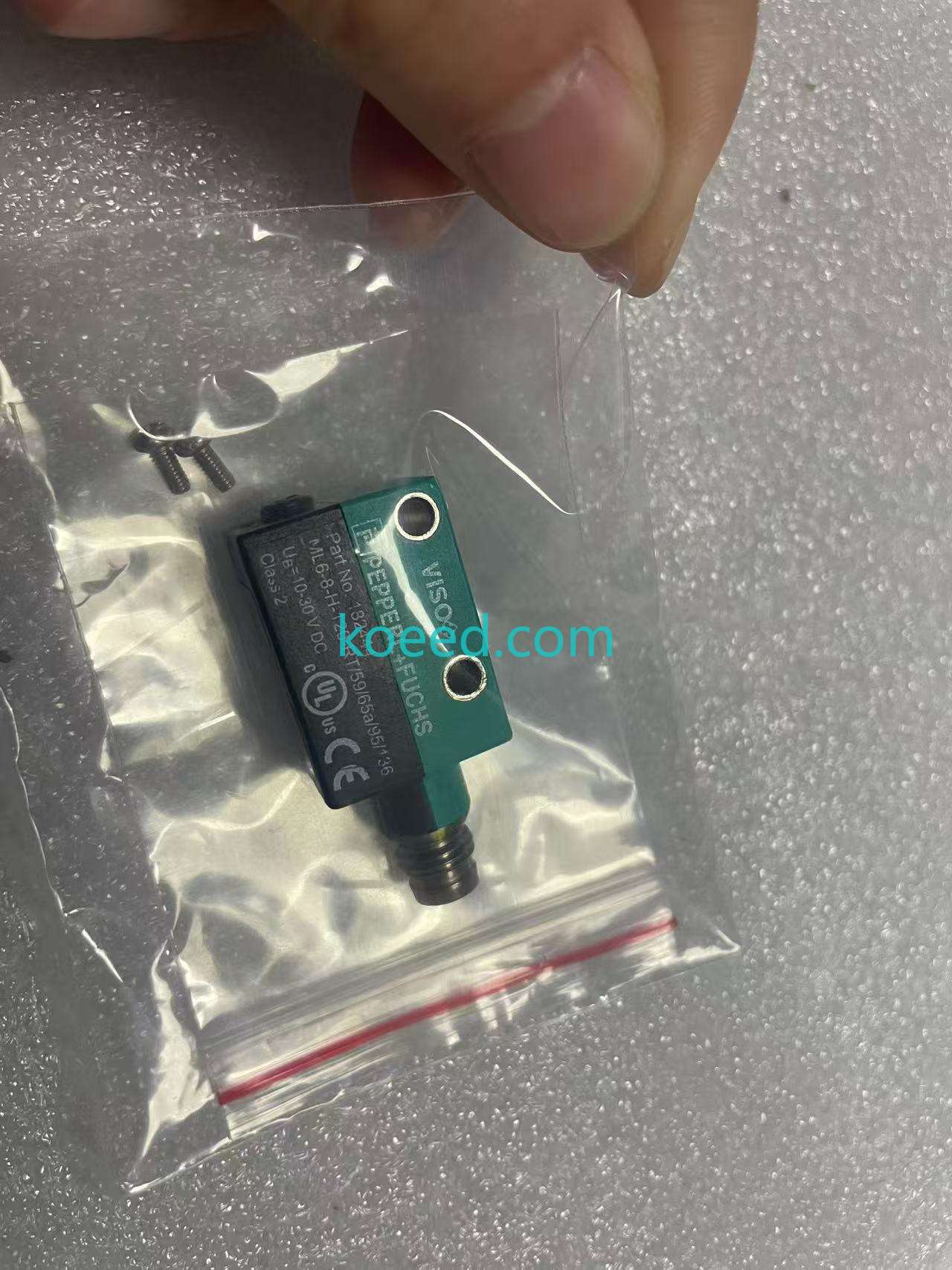
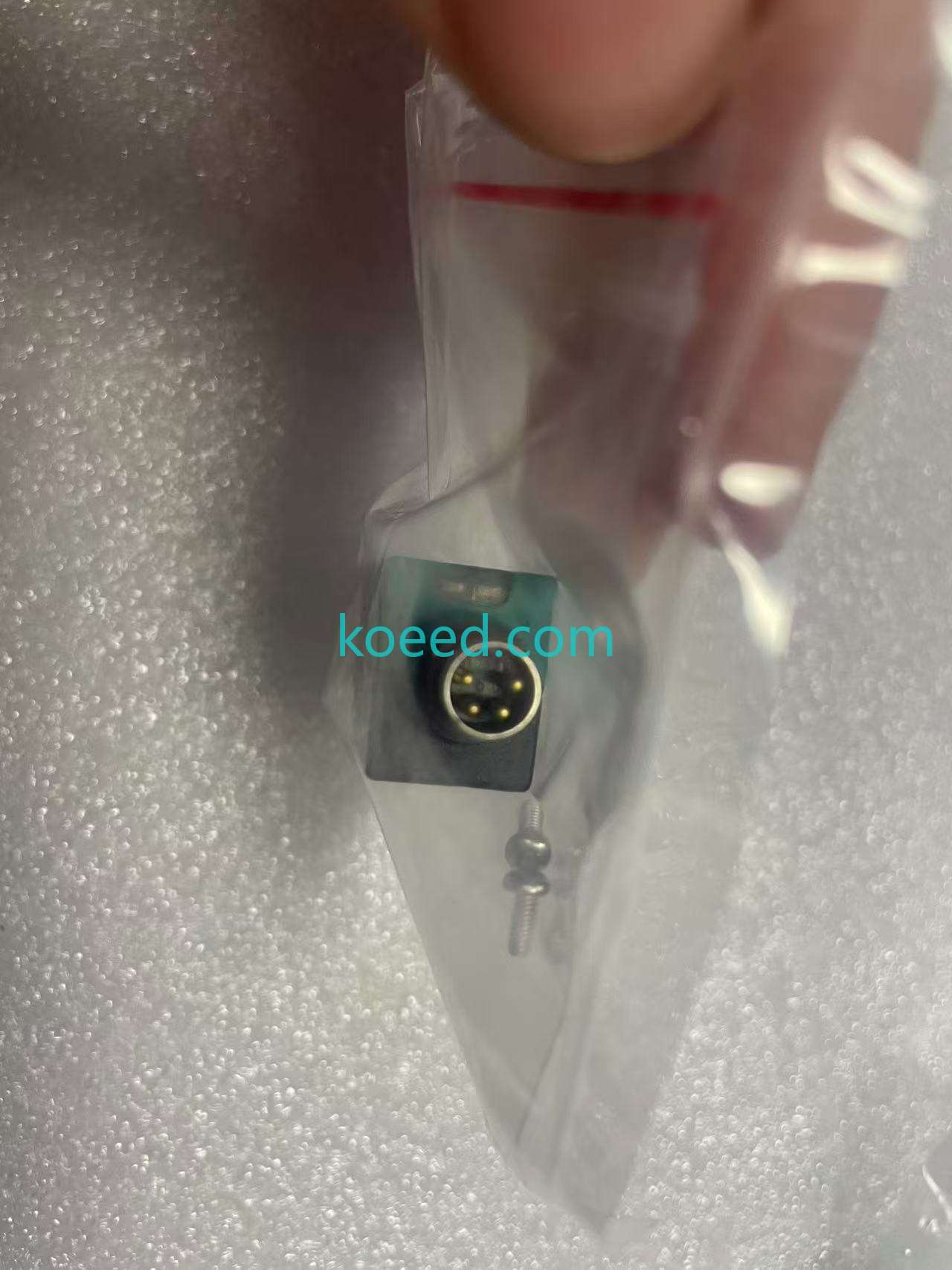
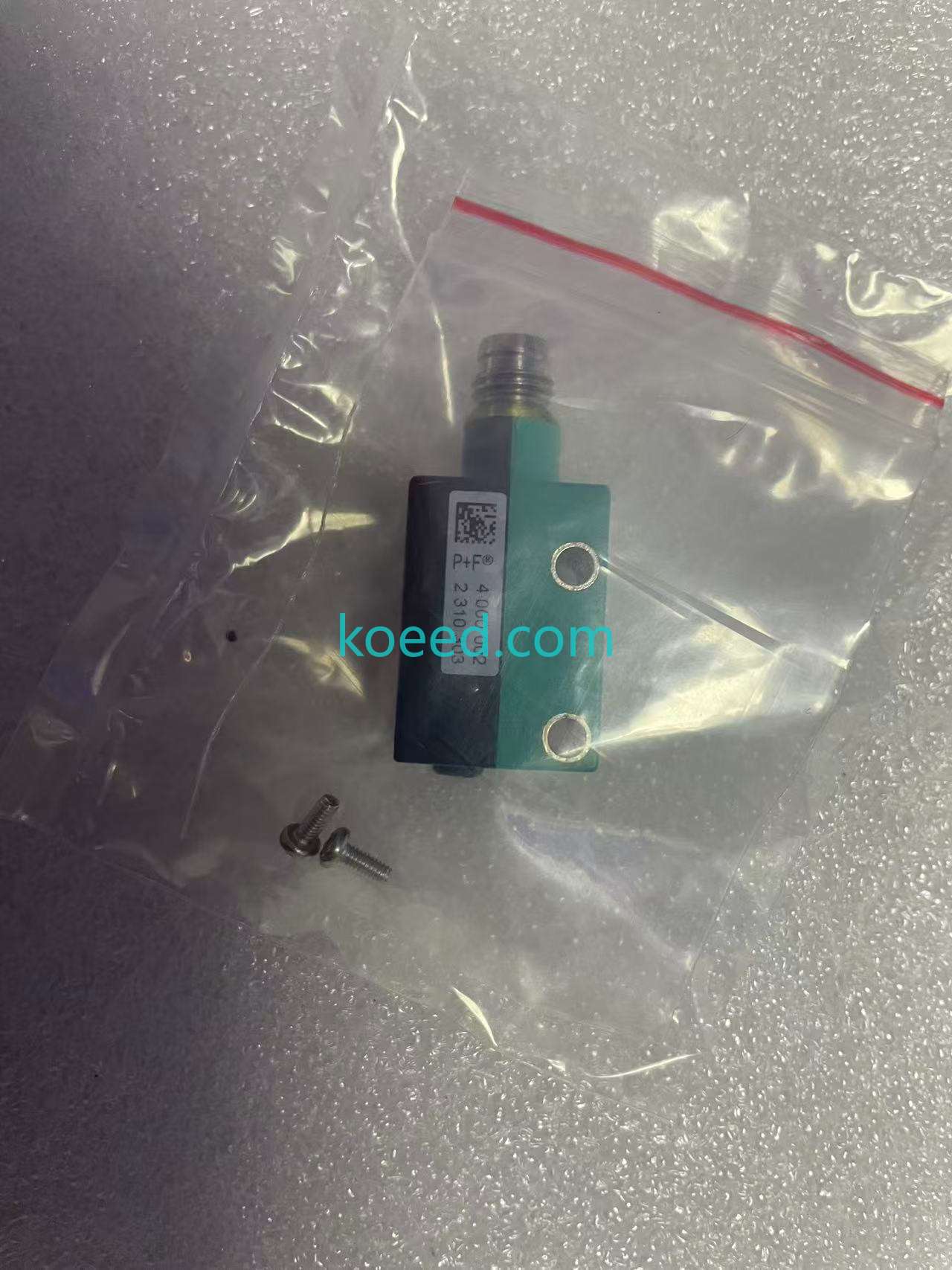
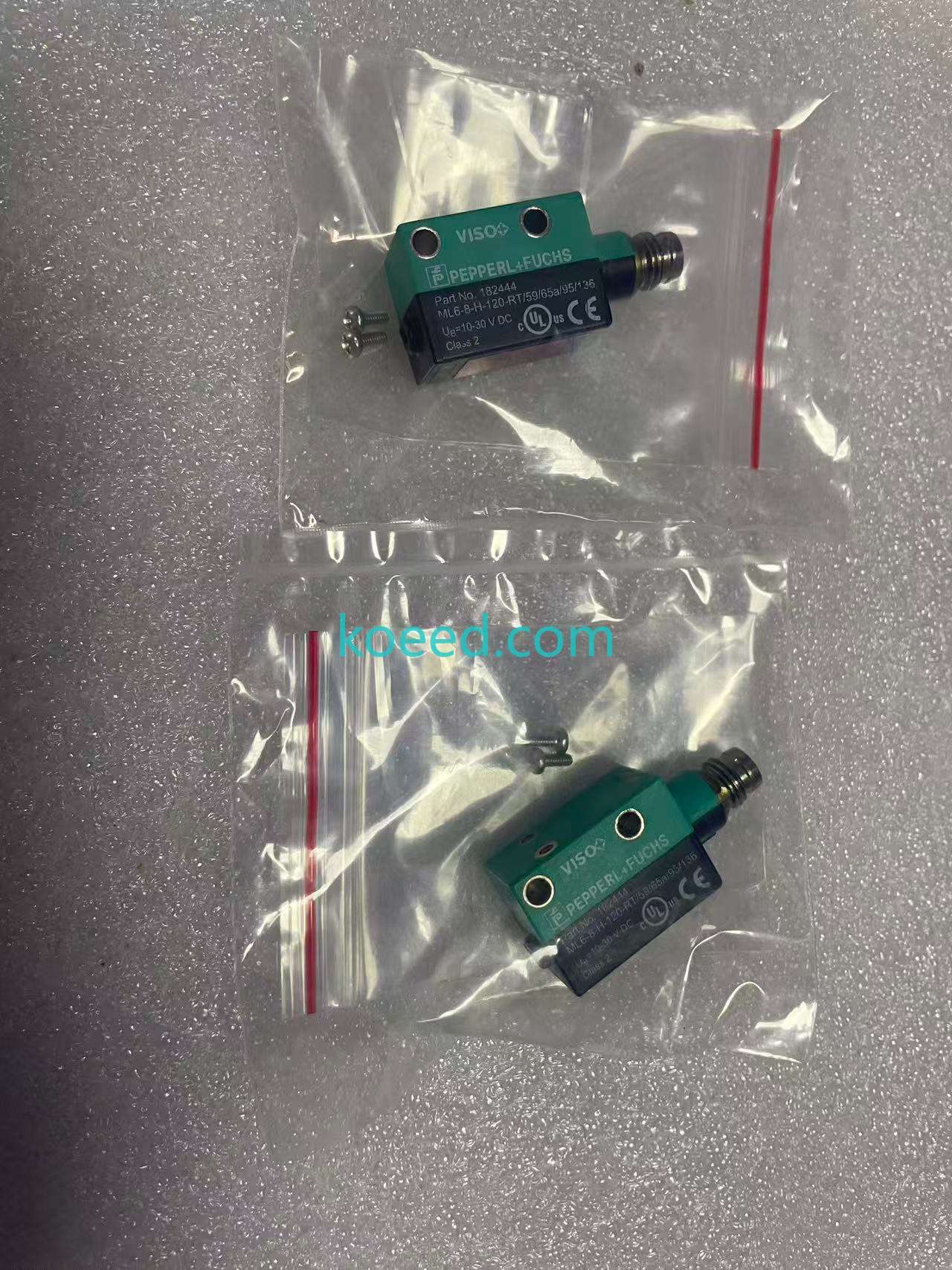
Click any image to enlarge. Product demo video available — click the thumbnail with the play icon.
5. Installation, Maintenance & Troubleshooting
5.1 Mechanical Mounting Best Practices
The ML6-8-H-120 features metal-reinforced fastening holes (M2 × 5) — a critical design element often overlooked. Unlike all-plastic mounting tabs that crack under vibration or overtightening, these reinforced holes withstand torque up to 0.25 Nm. For 2026 high-speed lines, mount the sensor using both holes with stainless steel M2 screws and consider adding a vibration-dampening washer if the mounting surface is subject to consistent harmonic vibration above 50 Hz.
5.2 Electrical Connection & Pinout
The 4-pin M8 × 1 connector follows the standard EN 60947-5-2 color code:
| Pin | Wire Color (IEC) | Function |
|---|---|---|
| 1 | Brown | +24 V DC |
| 2 | White | Q2 (Output – PNP/NPN complement) |
| 3 | Blue | 0 V |
| 4 | Black | Q1 (Main switching output) |
5.3 Troubleshooting Common Issues
Sensor does not switch — power LED off
Check supply voltage with a multimeter (must be 10–30 V DC). Verify polarity; M8 connector pins 1 (brown) = +, 3 (blue) = GND. If undervoltage LED is flashing, supply may be below 10 V under load.
False detection of background (shiny conveyor)
Reduce detection range via mechanical adjuster until background is reliably suppressed. The triangulation principle works best when the sensor is mounted perpendicular to the target — angling can shift the cutoff point.
Short-circuit LED lit continuously
Disconnect load and check wiring for pin-to-pin shorts. The push-pull output is protected, but a sustained short will trigger the diagnostic LED. After resolving the short, cycle power to reset.
IP69K washdown — any special precautions?
Use an M8 connector with matching IP69K rating and a suitable molded cable. Avoid directing high-pressure jets directly at the connector joint. The sensor’s PMMA optical face is chemical-resistant, but prolonged exposure to strong alkalis should be rinsed with water.
6. ROI Analysis & Procurement Pathways
For engineers finalizing 2026 capex plans, the ML6-8-H-120-RT/59/65A/95/136 is available through authorized Pepperl+Fuchs distributors with lead times averaging 2–4 weeks. It is also listed on global platforms like KOEED, with full traceability and technical support.
Ready to Upgrade Your Sensing Infrastructure?
Request a same-day quote or speak with an automation specialist about volume pricing and IO-Link integration roadmaps.
Pepperl+Fuchs ML6-8-H-120-RT/59/65A/95/136 — Engineered for the 2026 Smart Factory. Background suppression that thinks ahead.


