
PHSA5 Programmable Logic Controller: 2026 Industrial Automation & IT/OT Convergence Guide | Koeed
1. Strategic Overview: The PHSA5 in the 2026 Industrial Landscape
As manufacturing enters its deepest phase of digital transformation, the PHSA5 Programmable Logic Controller stands as a cornerstone for factories navigating the convergence of Information Technology (IT) and Operational Technology (OT). In 2026, the factory floor is no longer an isolated domain—every sensor, actuator, and controller must speak the language of the cloud. The PHSA5 bridges this gap natively, offering robust real-time control on the shop floor while seamlessly exposing data to MES, ERP, and SCADA systems through modern IIoT protocols.
Designed for mid-to-high-complexity automation tasks, the PHSA5 delivers deterministic scan cycles, hardened industrial-grade construction, and native support for OPC UA and MQTT—two protocols that have become table stakes in 2026 for any forward-looking automation investment. Whether you are upgrading a legacy relay-based system or deploying a greenfield smart factory, the PHSA5 provides the reliability, speed, and connectivity your operations demand.
2. Key Architecture & Technical Capabilities
At its core, the PHSA5 is built on a high-speed RISC processor architecture with expansive I/O scalability. The platform supports multiple programming languages compliant with IEC 61131-3, including Ladder Diagram (LD), Structured Text (ST), Sequential Function Chart (SFC), and Function Block Diagram (FBD)—giving your engineering team the flexibility to choose the paradigm that best fits each application.
2.1 IT/OT Convergence Features (2026 Standard)
The PHSA5 is purpose-built for the converged architecture that defines modern manufacturing:
- Native OPC UA Server: Expose tag data directly to SCADA, historians, and cloud platforms without middleware.
- MQTT/Sparkplug B Support: Lightweight, bandwidth-efficient data publishing to AWS IoT, Azure IoT Hub, or on-premise brokers.
- REST API Endpoint: Enable secure read/write operations from enterprise applications for dynamic recipe management.
- IEC 62443 Alignment: Role-based access control, TLS-encrypted communication, and audit logging defend against the rising tide of OT cyber threats.
2.2 Sustainability & Energy Intelligence
In 2026, energy efficiency is not merely a corporate social responsibility checkbox—it directly impacts operating margins. The PHSA5 features built-in energy monitoring channels that track power consumption per machine cycle, enabling granular energy optimization strategies. Combined with its low-power standby modes and efficient power supply design, the PHSA5 helps facilities achieve ISO 50001 energy management targets while lowering kilowatt-hour costs by an estimated 8–15%.
3. Technical Benchmarking: PHSA5 vs. Legacy-Generation Controllers
The table below illustrates the generational leap the PHSA5 represents compared to legacy PLC architectures still prevalent in many brownfield facilities.
| Parameter | Legacy PLC (Pre-2020) | PHSA5 (2026 Standard) |
|---|---|---|
| Processor Architecture | Single-core, fixed clock | Multi-core RISC, dynamic frequency scaling |
| Scan Time (1K instructions) | ~0.5–2.0 ms | < 0.1 ms (typical) |
| IIoT Protocols | Proprietary / limited Modbus TCP | OPC UA, MQTT, REST API, Modbus TCP |
| Cybersecurity | Minimal / perimeter-only | IEC 62443 aligned, TLS 1.3, RBAC |
| Energy Monitoring | External metering required | Integrated per-channel power analytics |
| Remote Access | VPN-dependent, brittle | Secure cloud tunnel with MFA |
| I/O Expansion | Limited local bus | Modular, hot-swappable, distributed |
| Mean Time Between Failures (MTBF) | ~50,000 hours | > 150,000 hours |
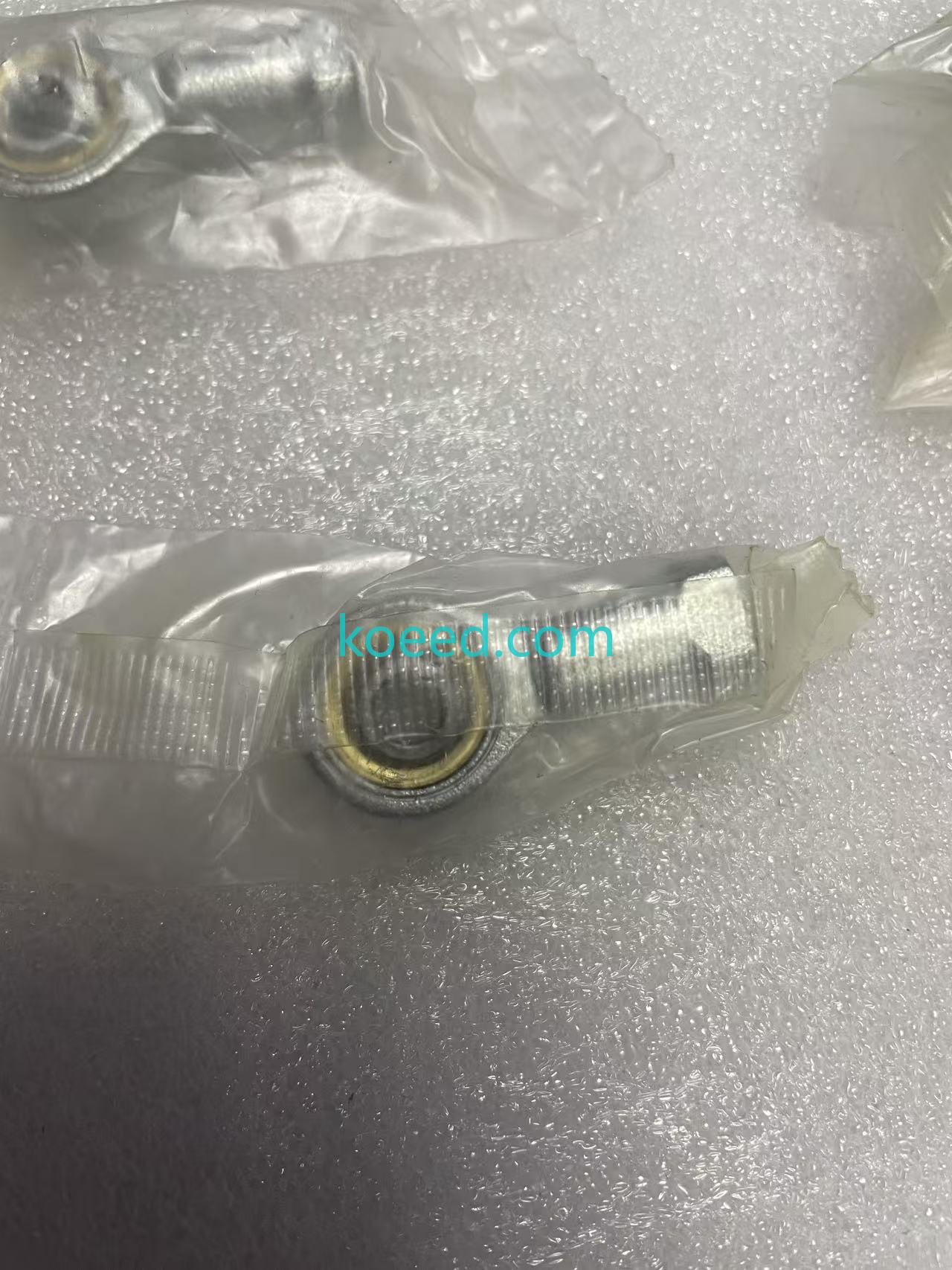
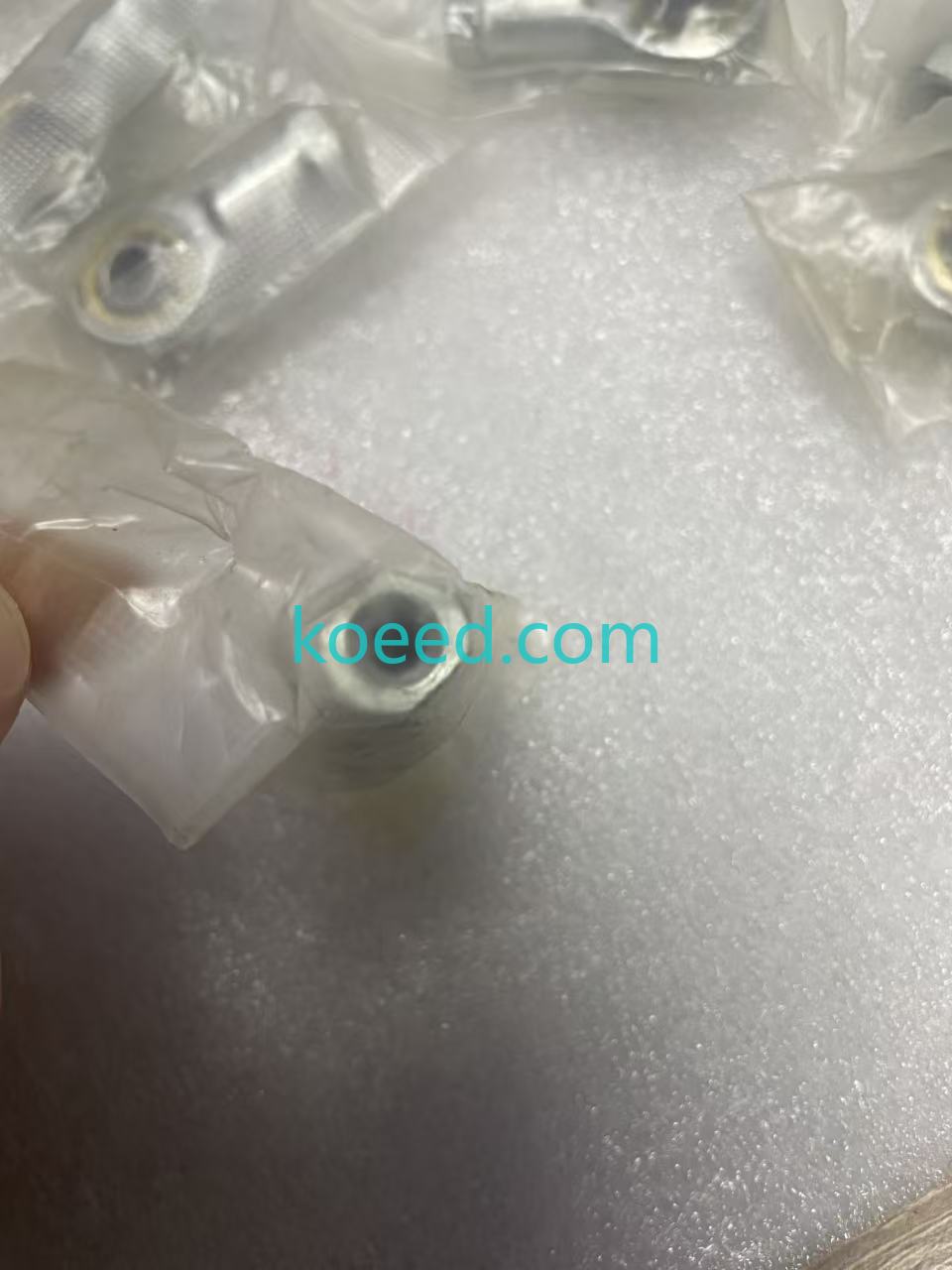
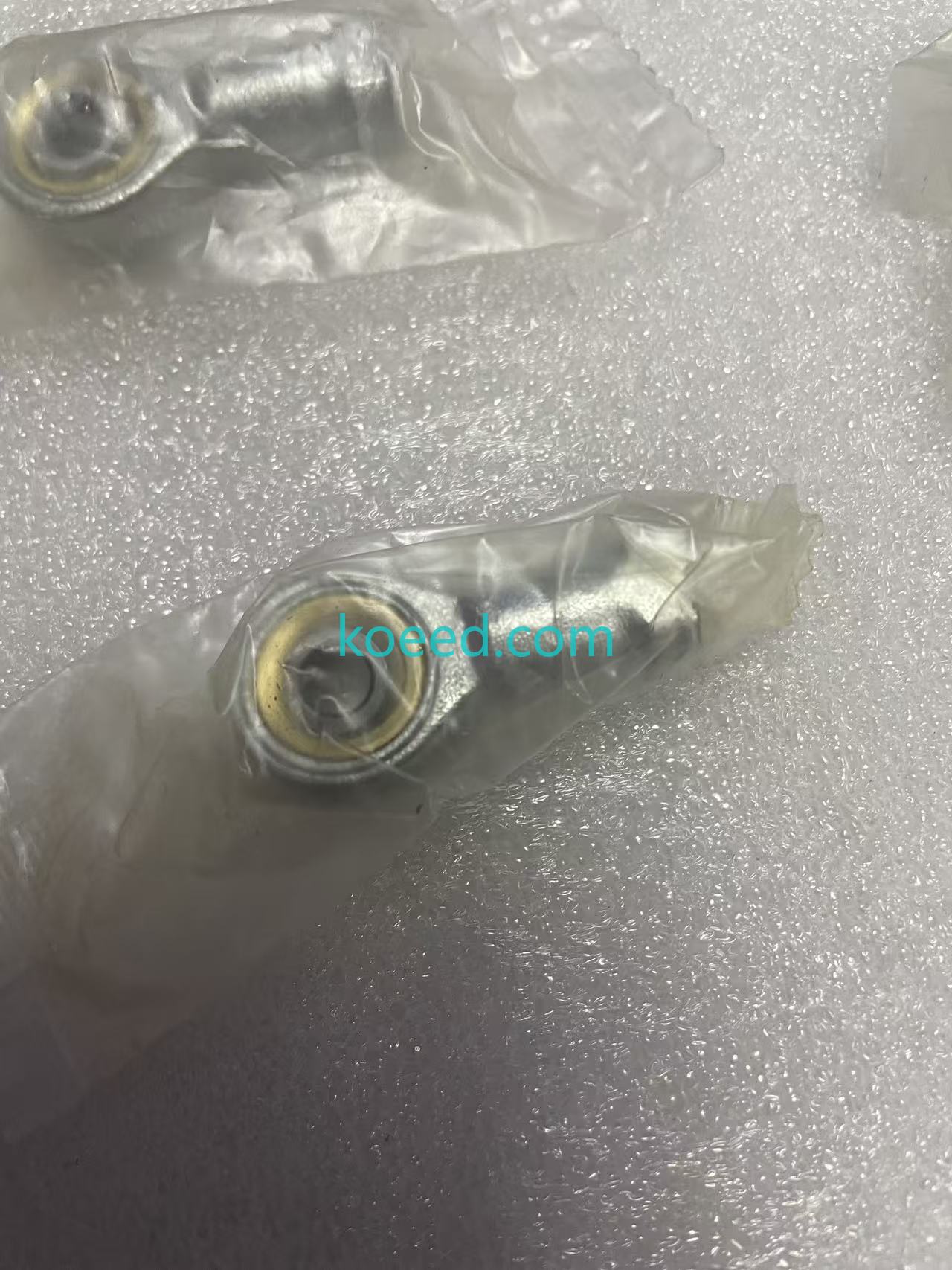
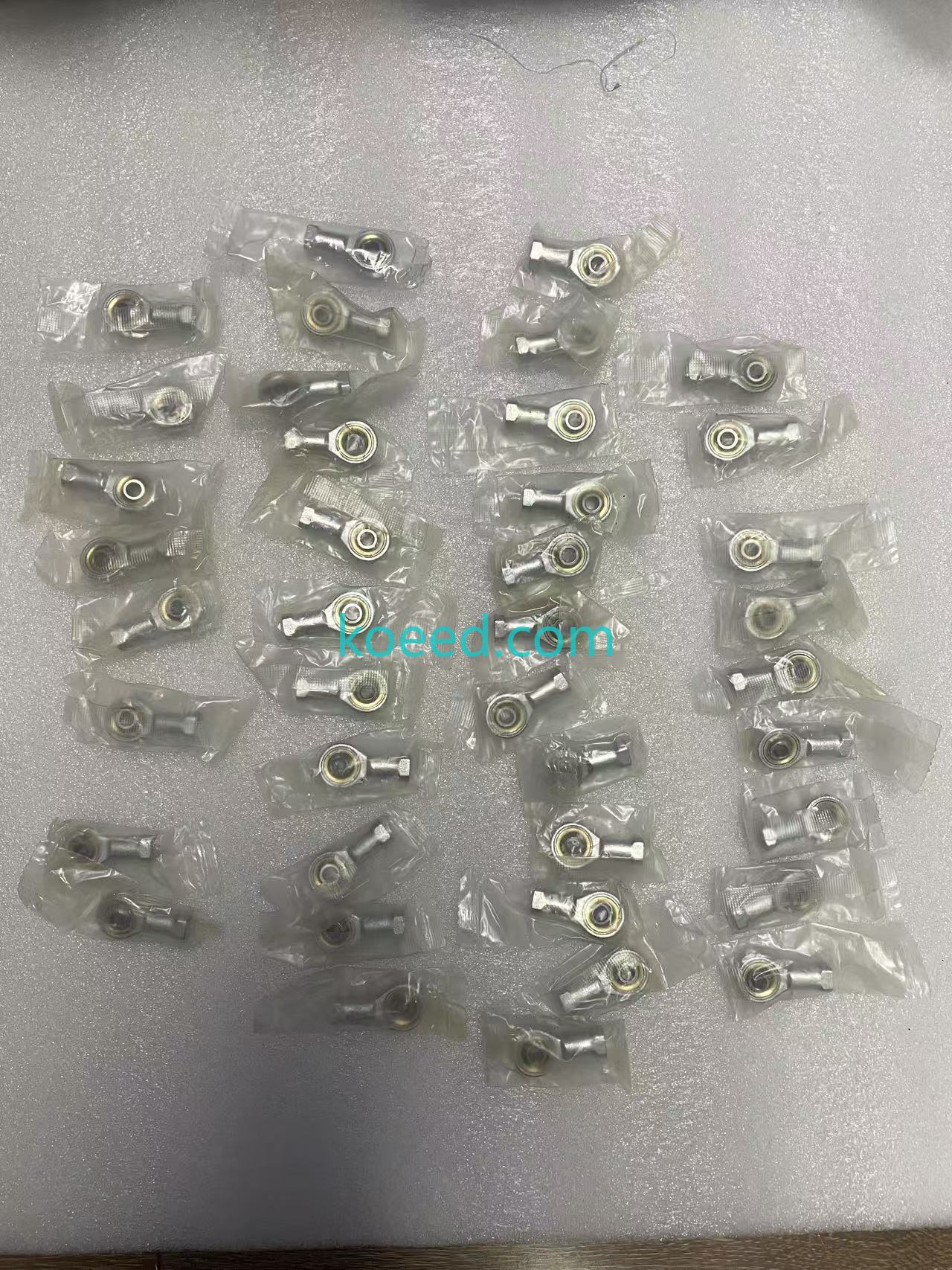
4. Visual Gallery: PHSA5 Product Images
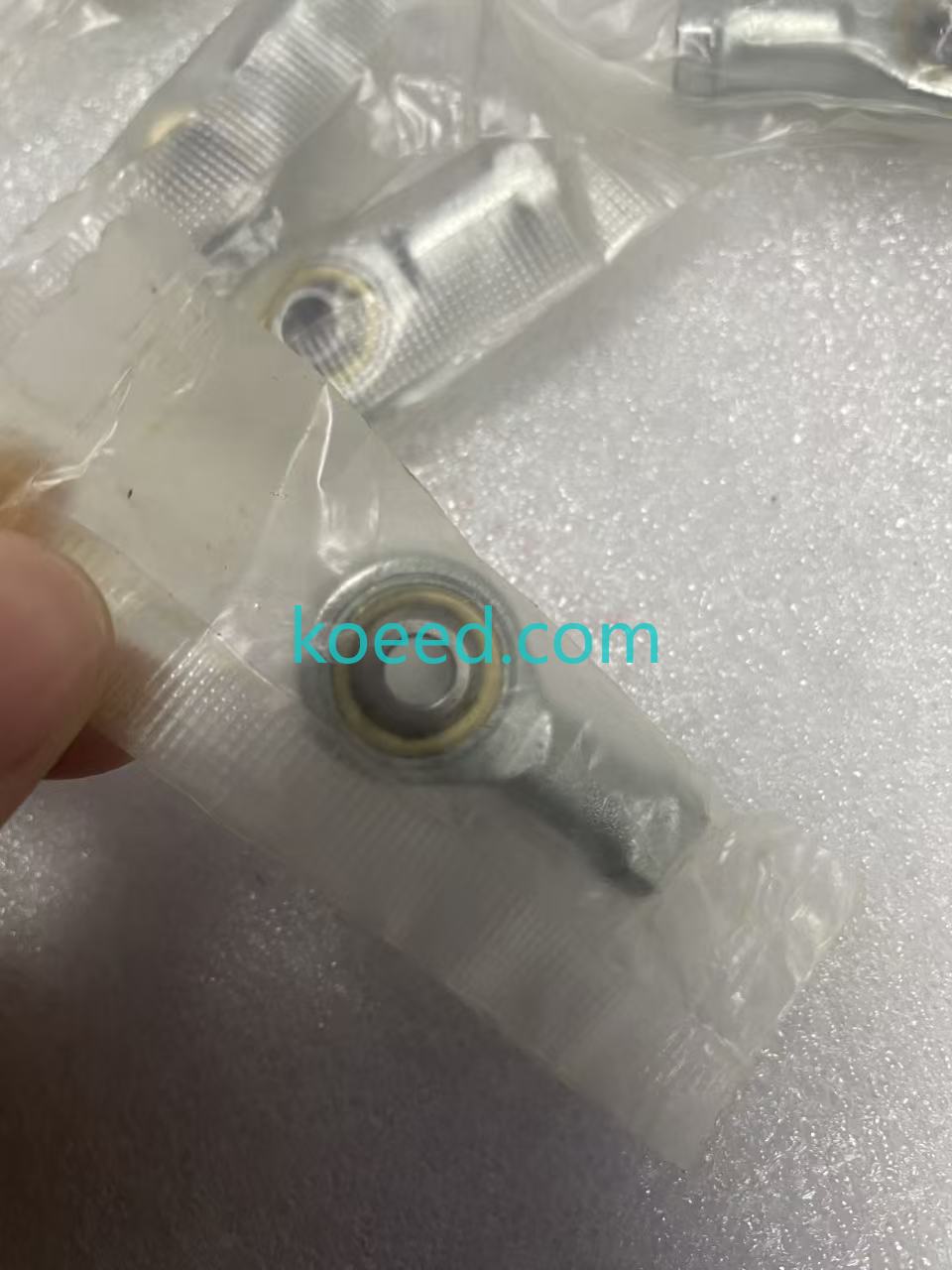
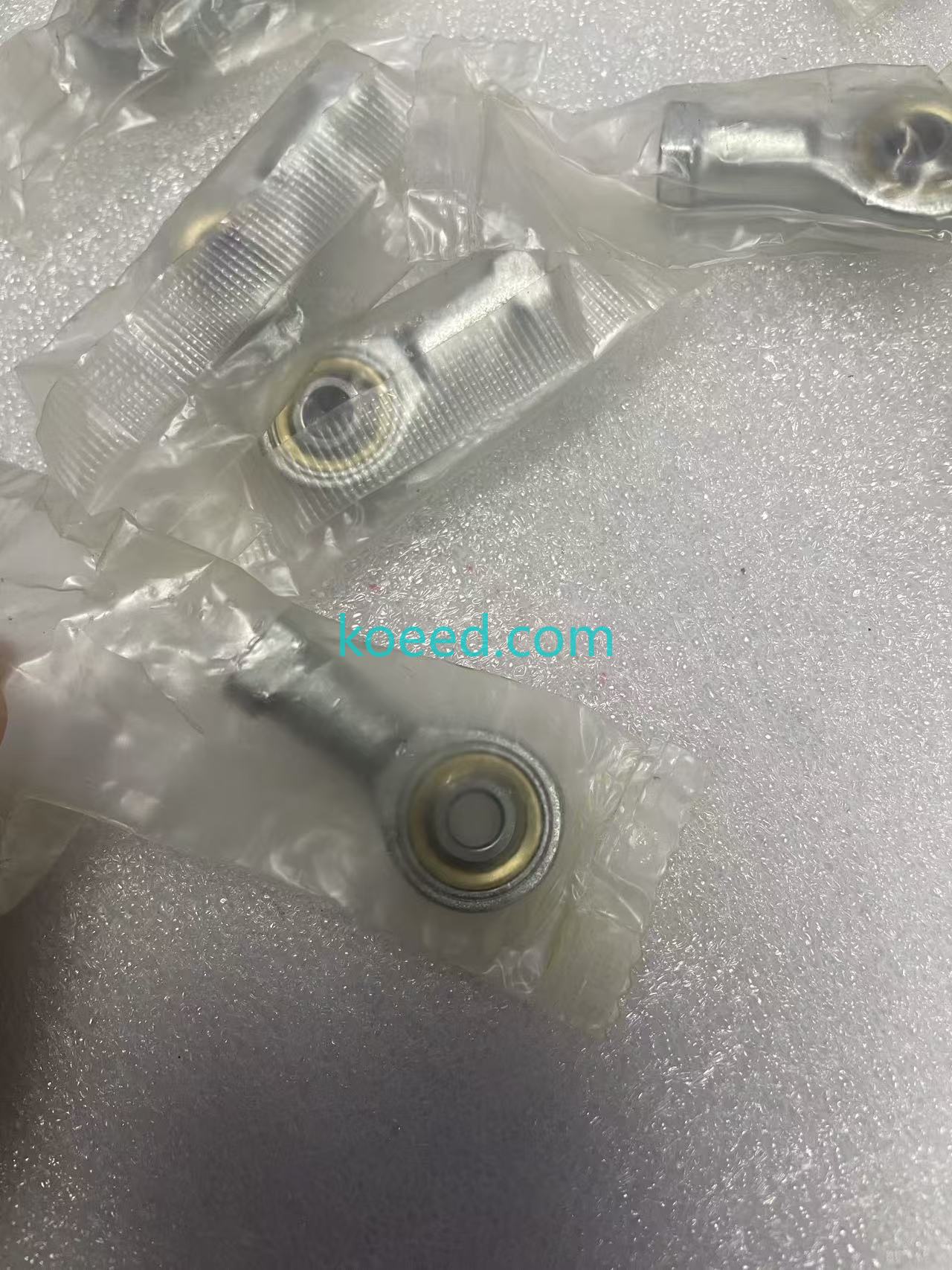
Examine the PHSA5 from every angle. Click any image to enlarge.
5. Predictive Maintenance: Moving Beyond Reactive Repair
One of the PHSA5's most compelling 2026-era features is its embedded predictive maintenance engine. Rather than waiting for a fault to trigger a shutdown, the PHSA5 continuously monitors connected assets—tracking variables such as motor current draw, vibration signatures, temperature drift, and cycle-time consistency. When deviations exceed learned baselines, the controller can:
- Publish early-warning alerts via MQTT to maintenance teams' mobile devices.
- Trigger automated de-rating or graceful shutdown sequences to prevent catastrophic failure.
- Log anomaly data to the historian for root-cause analysis, feeding into a continuous improvement loop.
This shifts the maintenance paradigm from costly emergency repairs to planned, budgeted interventions—directly reducing Total Cost of Ownership (TCO) and extending the service life of connected machinery.
6. Maintenance & Troubleshooting Guide
6.1 Routine Maintenance Checklist
- Quarterly: Inspect terminal block torque; verify all communication link LEDs are green; back up program and tag database to redundant storage.
- Bi-Annually: Clean ventilation paths with dry compressed air; inspect for dust ingress on I/O connectors; verify UPS/battery health (if equipped).
- Annually: Perform full firmware audit—update to the latest stable release from Koeed's support portal; re-validate cybersecurity certificates and access control lists.
6.2 Common Troubleshooting Scenarios
🔴 Controller Not Entering RUN Mode
Likely Causes:
- Program contains a compile error or unresolved reference—connect via engineering software and review the diagnostics buffer.
- Hardware watchdog triggered—check for short circuits on I/O rails that may be pulling the internal power bus down.
- Firmware mismatch between CPU and expansion modules—ensure all modules are on the same firmware major revision.
Perform a cold restart after resolving the root cause. If the condition persists, contact Koeed technical support with the diagnostics log exported from the engineering tool.
🟡 Intermittent Communication Dropouts on Ethernet/IP or OPC UA
Likely Causes:
- Network switch IGMP snooping misconfiguration—verify that multicast traffic is properly forwarded on the VLAN.
- Duplicate IP address on the subnet—run an ARP scan to detect conflicts.
- Excessive broadcast traffic saturating the CPU's communication coprocessor—segment the OT network or implement QoS policies.
Check the PHSA5's built-in Ethernet statistics page for CRC errors, collisions, or excessive retransmissions. Replace suspect patch cables and verify grounding of shielded connectors.
🟢 Analog Input Reading Drift Over Time
Likely Causes:
- Ground loop interference—ensure sensor and controller share a single-point ground reference.
- Aging of the analog front-end—perform the onboard auto-calibration routine accessible via the engineering software.
- Environmental temperature fluctuation beyond rated specs—verify ambient temperature at the installation point is within 0–55°C (standard) or −20 to +70°C (extended-grade, if specified).
7. Integration with Enterprise Systems: The 2026 Connectivity Stack
The PHSA5 was designed with the understanding that a PLC is no longer an island. Its connectivity stack enables a fluid flow of data from the shop floor to the top floor:
| Layer | Protocol / Interface | Use Case |
|---|---|---|
| Field / Device | Modbus RTU, CANopen, Ethernet/IP | VFDs, servo drives, remote I/O islands |
| Control / SCADA | OPC UA Server, Modbus TCP | HMI panels, SCADA packages, historians |
| MES / ERP | MQTT Sparkplug B, REST API | Production scheduling, OEE dashboards, traceability |
| Cloud / Analytics | MQTT (TLS), HTTPS Webhooks | AWS IoT, Azure IoT, predictive analytics platforms |
8. Total Cost of Ownership (TCO) Analysis
When evaluating automation investments in 2026, purchase price is only the beginning. The PHSA5's architecture drives down TCO across multiple dimensions:
- Reduced Integration Engineering: Native OPC UA and MQTT eliminate the need for third-party protocol converters and middleware licenses—saving an estimated $2,000–$5,000 per machine in integration costs.
- Lower Downtime Costs: Predictive maintenance capabilities reduce mean time to repair (MTTR) by up to 40%, translating to significant production savings in high-throughput environments.
- Energy Savings: Integrated power analytics enable targeted efficiency measures that compound year-over-year.
- Extended Service Life: With an MTBF exceeding 150,000 hours and hot-swappable I/O modules, the PHSA5 minimizes both planned and unplanned interventions.
9. Frequently Asked Questions
Is the PHSA5 compatible with legacy PLC programs from earlier generations?
The PHSA5 offers a migration toolkit that converts legacy ladder logic and tag databases from most major platforms (including Siemens S7, Allen-Bradley ControlLogix, and Mitsubishi MELSEC). While some manual validation is recommended—particularly for complex motion control routines—the conversion utility typically achieves over 90% automated translation accuracy, dramatically reducing migration timelines.
What programming software is required for the PHSA5?
The PHSA5 is programmed via Koeed's unified engineering platform—a single toolchain supporting all IEC 61131-3 languages plus graphical HMI development. The software is available as a free download from the Koeed support portal, with optional premium features for multi-user collaboration, version control integration, and simulation mode.
Can the PHSA5 operate in harsh industrial environments?
Yes. The PHSA5 is rated for operation in environments from 0–55°C (standard) with conformal coating options available for high-humidity or mildly corrosive atmospheres. It meets IP20 standards for control-panel mounting. Extended-temperature variants are available upon request for deployment in extreme conditions (−20 to +70°C). The controller also meets IEC 60068-2-6 vibration and IEC 60068-2-27 shock resistance standards.
What cybersecurity certifications does the PHSA5 hold?
The PHSA5 is aligned with IEC 62443-4-2 (component-level security) and supports TLS 1.3 encryption for all IP-based communications. Role-based access control (RBAC) with Active Directory / LDAP integration ensures only authorized personnel can modify logic, force I/O, or access diagnostic functions. A built-in security audit log records all access events for compliance reporting.
🚀 Ready to Upgrade Your Automation Infrastructure?
Speak with a Koeed automation specialist today. Get a tailored quote, arrange a live demo, or discuss migration strategies for your existing fleet.
Response within 4 business hours | Global shipping | 24-month warranty
