

Koeed 19446000 PLC Automation Module | 2026 Technical Guide, Specs & ROI Analysis
Koeed 19446000 — PLC-Class Automation Module for the 2026 Plant Floor
Part number 19446000 is a PLC-category automation module distributed through the Koeed industrial spare-parts catalog. This guide is written for maintenance engineers, controls specialists and procurement leads who need to deploy, retrofit or stock this unit inside a converged IT/OT environment — and need the commercial and technical reasoning to justify the decision.
1. Strategic Overview: Why Part 19446000 Still Matters in 2026
The 2026 industrial landscape has shifted from "install and forget" hardware to instrumented, network-connected assets. Three macro-forces define how a component like the Koeed 19446000 is now evaluated:
- IT/OT Convergence: PLC-layer hardware is no longer an isolated island. Modules are expected to expose diagnostics to SCADA, MES and ERP layers — edge gateways, OPC UA servers and cloud historians now sit directly beside the controller cabinet. A spare module that cannot report its own health is a liability, not an asset.
- Sustainability & Energy Accountability: Low-power control hardware and precise switching reduce parasitic loads across thousands of operating hours. Energy-per-output-channel is now a line item in ESG reporting, not a footnote.
- Supply-Chain Resilience: With OEM lead times still migrating from 2024–2025 disruption patterns, keeping verified replaceable modules (like 19446000) on the shelf is a risk-mitigation strategy — downtime cost per hour in continuous-process plants frequently exceeds the module's capital cost many times over.
Positioning the 19446000 correctly means treating it as a repeatable, cataloged line item in your critical-spares bill of materials rather than a one-off emergency purchase.
2. Technical Benchmarking: Legacy Architecture vs. 2026 Converged Deployment
The table below benchmarks the deployment class of a PLC-category module such as the Koeed 19446000 against the legacy architectures it typically replaces. Values describe the module class; always cross-verify pin-level ratings against the OEM datasheet for your specific revision before commissioning.
| Parameter | Legacy Discrete Era (pre-2015) | Koeed 19446000 — 2026 Deployment Class | Engineering Impact |
|---|---|---|---|
| Diagnostics model | Binary fault LED, manual inspection | Channel-level status reporting, exportable to SCADA / edge gateway | Converts reactive trips into predictive alerts |
| Data path to enterprise | None (hardwired I/O only) | Fieldbus / Ethernet-ready for OPC UA & MQTT brokerage | Enables MES & ERP visibility |
| Configuration method | DIP switches, paper drawings | Engineering-software parameterization + versioned project file | Faster clone-and-replace, lower human error |
| Typical supply voltage | 24 V DC control rail | 24 V DC nominal, wide-tolerance industrial rail | Integrates with modern DIN-rail PSUs |
| Mounting standard | Panel / screw terminal | DIN-rail or rack-chassis, tool-less where applicable | Cuts mean-time-to-repair (MTTR) |
| Spares strategy | Single-source, long lead time | Catalog-referenced, multi-region stock availability | Lower downtime exposure & TCO |
| Lifecycle expectation | Run-to-failure | Condition-based with scheduled verification | Extends service life, protects warranty |
2.1 Compatibility & Integration Checklist
Backplane / Bus Fit
Confirm rack chassis, terminal unit and bus-connector geometry against the existing assembly. Mechanical non-fit is the single most common retrofit failure.
Firmware & Tool Version
Match the engineering-software release to the module revision. A 2026 toolchain loading a legacy project file should be validated in an offline simulator first.
Network Segmentation
Place OT traffic behind a managed switch or industrial firewall with restricted northbound rules before exposing diagnostics to the IT network.
Safety Layer
Where functional safety is required, verify protocol support (e.g. PROFIsafe / CIP Safety class) and confirm certification level before substituting any module.
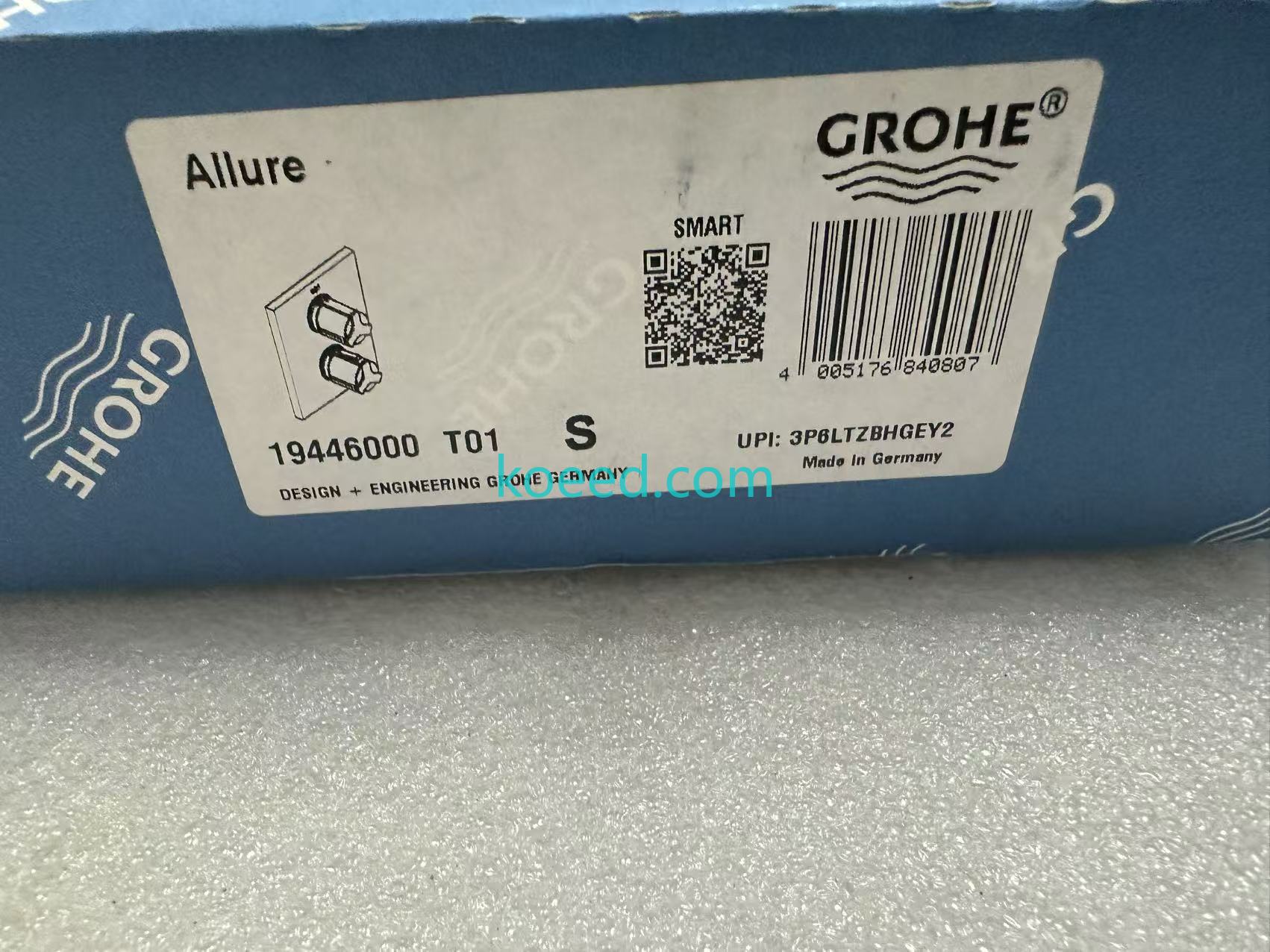
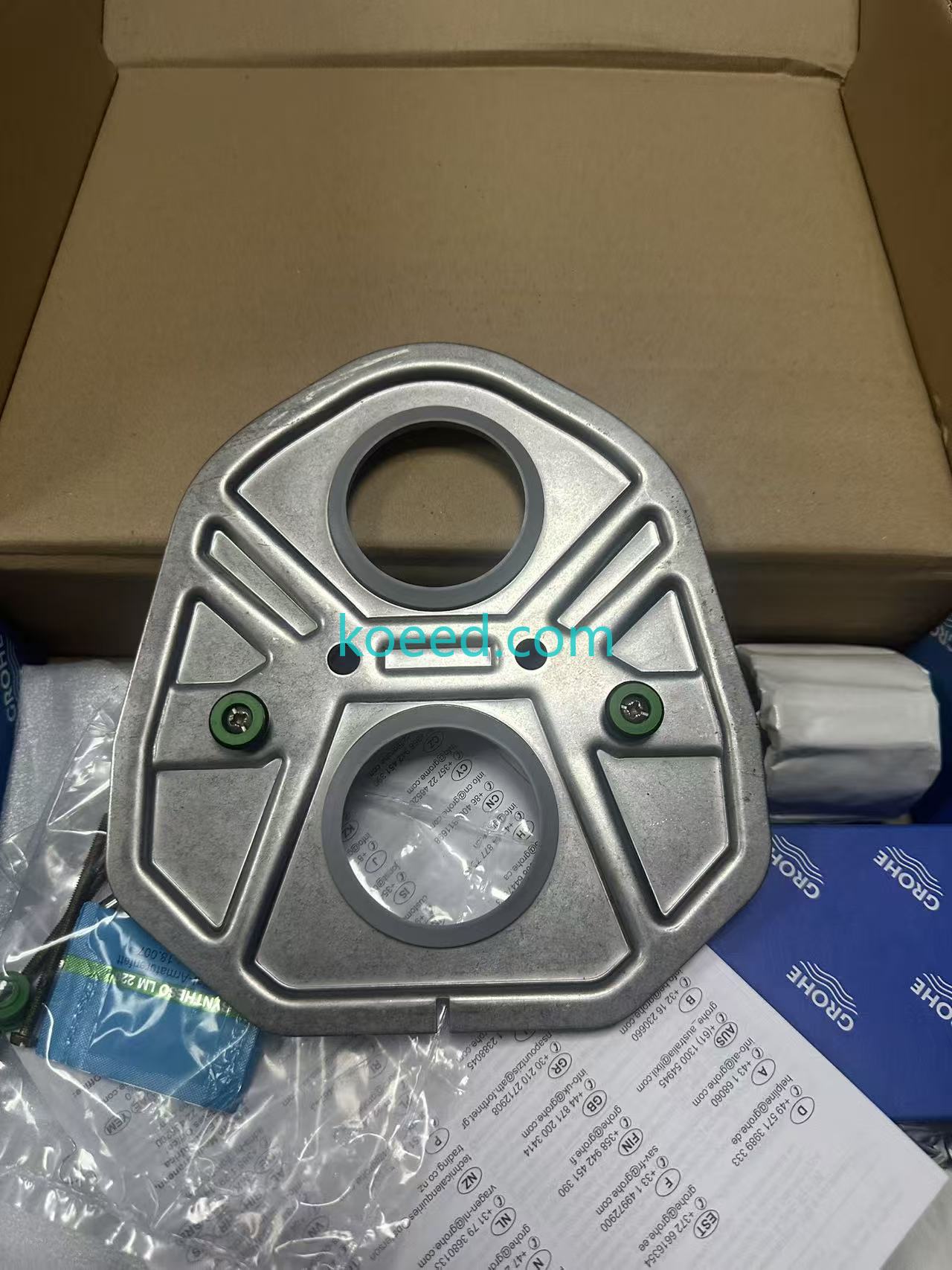
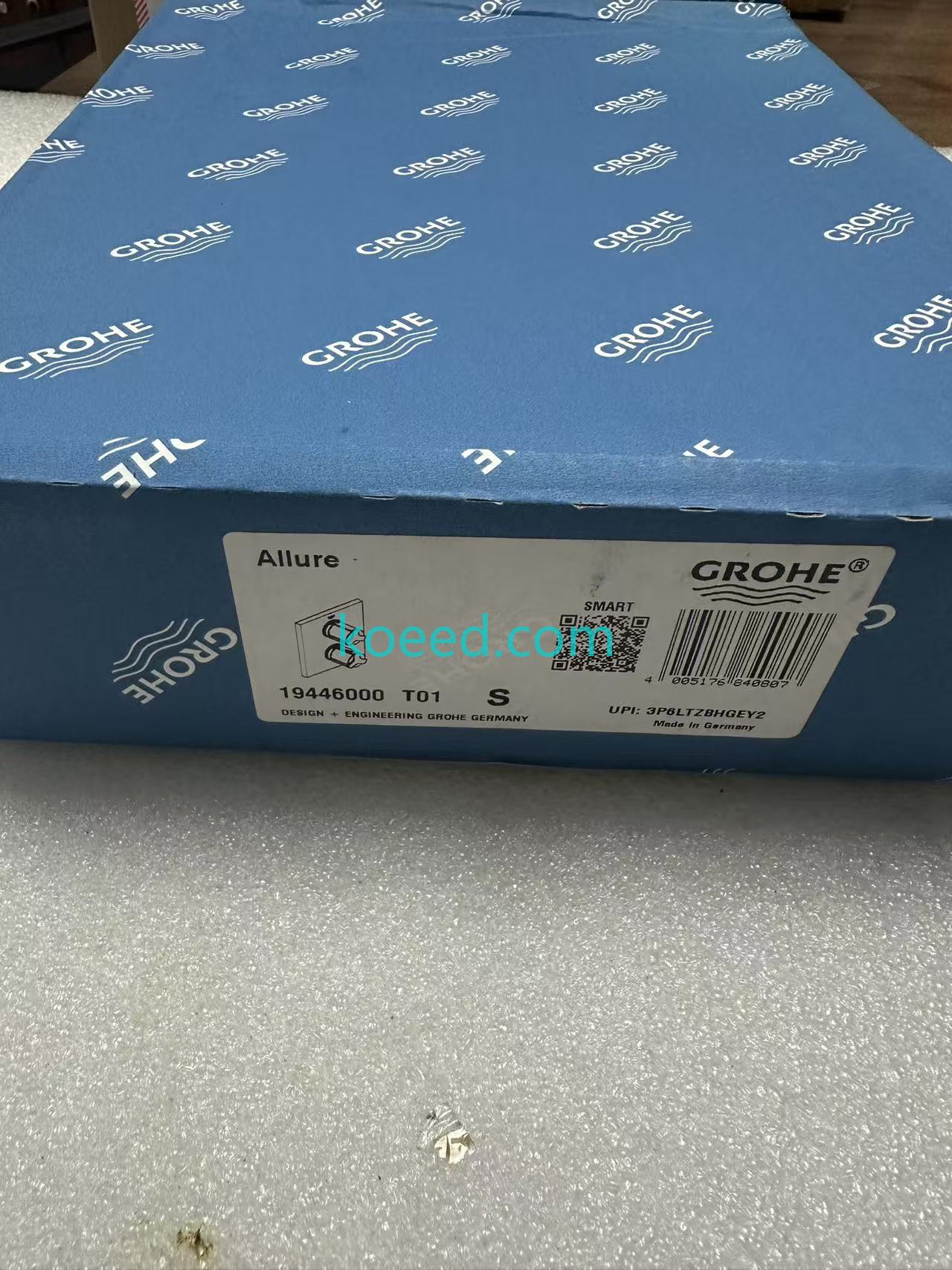
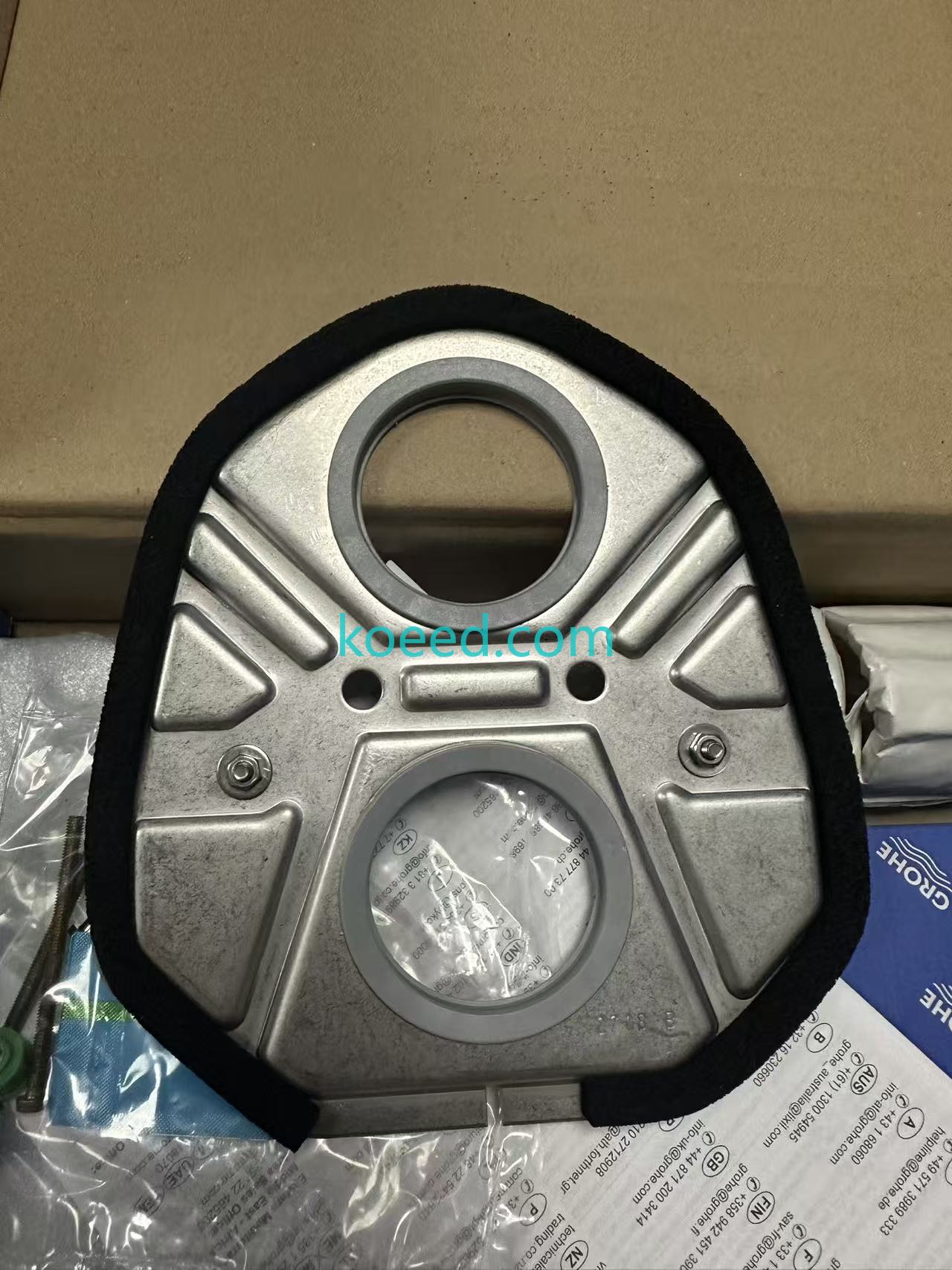
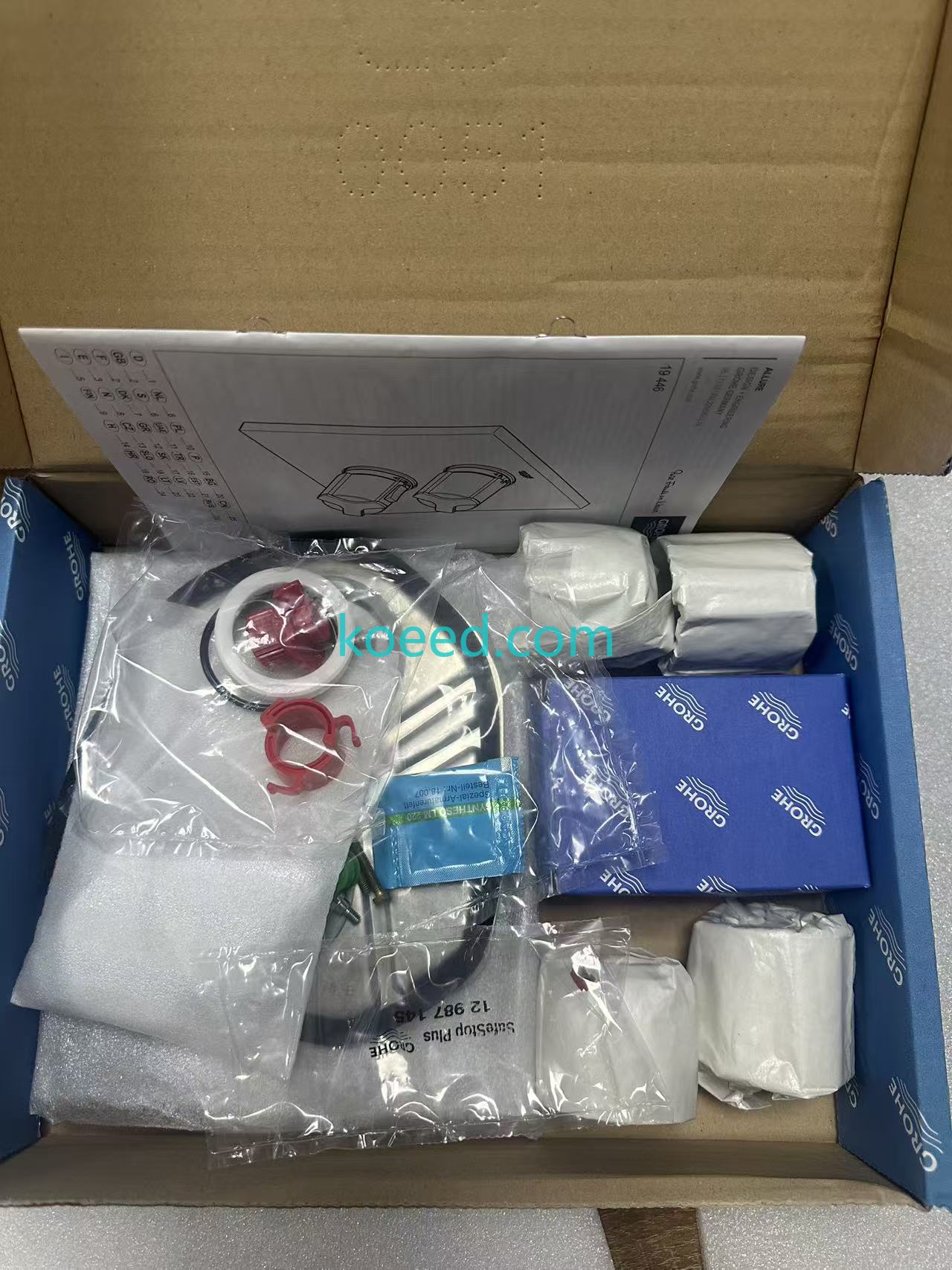
3. Visual Gallery — Koeed 19446000 Reference Images
Use these reference images for pre-purchase verification: label, connector layout, terminal geometry and overall form factor. Match against your existing installed unit before ordering.
4. Maintenance, Predictive Care & Troubleshooting
4.1 Longevity Protocol (Do This Every Quarter)
- Thermal audit: Infrared-scan the module and adjacent terminals. A rise above the cabinet baseline is the earliest indicator of loose terminations or degrading components.
- Torque re-verification: Retighten I/O terminations to OEM spec. Thermal cycling loosens screw terminals faster than most maintenance calendars assume.
- Latch and rail inspection: Verify DIN-rail latches and backplane alignment on every shutdown window.
- Baseline logging: Archive channel status and error counters so you can detect drift — the foundation of any predictive-maintenance program.
- Spares rotation: Keep at least one verified 19446000 unit sealed and inventory-tracked; rotate stock annually.
Pro-Tip: Capture the "Golden State" Before You Touch Anything
Before replacing or reparameterizing the module, export and version the working project file, photograph the physical wiring, and record live signal readings. This single discipline cuts commissioning time on the replacement by up to half and eliminates the most expensive class of error — an undocumented configuration that nobody can rebuild.
4.2 Common Fault Patterns & First-Response Guide
Fault codes are OEM-specific; the table below maps the symptom class to the correct diagnostic order so your team acts consistently under pressure.
| Symptom | Most Probable Root Cause | First Response |
|---|---|---|
| No communication to controller | Bus connector, addressing or backplane seating | Reseat module, verify address, check continuity |
| Single channel stuck / erratic | Field wiring, sensor fault or terminal corrosion | Swap channel with a known-good input to isolate module vs. field |
| Intermittent dropouts under load | Undersized supply or shared-rail voltage sag | Log rail voltage during peak cycle; verify PSU headroom |
| Over-temperature indication | Blocked ventilation or adjacent heat source | Clear airflow path, re-scan cabinet thermals |
| Random resets after retrofit | Firmware/tool mismatch or ground-loop noise | Check single-point grounding and update toolchain to matched revision |
5. ROI, TCO & Sustainability Impact
Downtime Avoided
One avoided unplanned stop typically repays the module cost many times over in continuous-process environments. Cataloged spares convert downtime from an emergency into a scheduled swap.
Engineering Hours Saved
Versioned parameter files and documented "golden state" baselines remove hours of re-commissioning from every future replacement cycle.
Energy Efficiency
Modern control-layer hardware operating at improved efficiency per channel reduces parasitic load across the full asset lifetime — measurable in your ESG energy-per-unit reporting.
Lifecycle Extension
Condition-based verification and quarterly thermal auditing routinely extend service life well beyond run-to-failure norms, deferring full-architecture replacement.
6. Frequently Asked Questions
Is the Koeed 19446000 a drop-in replacement for my existing module?
Mechanically and electrically it fits the PLC-category form factor shown in the gallery above, but drop-in status must always be confirmed against your rack chassis, backplane revision and engineering-tool version. Send us a photo of your existing unit's label and we will cross-verify before shipment.
Do you provide the parameter or configuration file?
Configuration is project-specific and derives from your machine builder's original program. We strongly recommend archiving your "golden state" project file so a replacement can be commissioned in minutes rather than days.
How does this module support 2026 IT/OT convergence initiatives?
Its diagnostics and network-ready design allow channel-level health data to be surfaced to SCADA, edge gateways and cloud historians — the prerequisite for predictive maintenance and ERP-integrated OEE reporting.
What is the recommended spares quantity for a single production line?
Best practice for critical lines is a minimum of one verified spare per installed instance on the line, plus a shared pool at site level. This balances carrying cost against downtime risk.
Can Koeed verify authenticity and revision before I order?
Yes. Share your target revision and application details through the quote request form, and our team will confirm revision compatibility and availability.
7. Order the Koeed 19446000 — Verified & Ready to Ship
Send us your existing module's label photograph and application details, and our engineering desk will confirm revision compatibility, quantity availability and shipping schedule. Bulk and critical-spares agreements are available for plants standardizing on the Koeed catalog.
Request Your 2026 Quote Today
Fast response, revision-verified modules and technical support from engineers who understand the plant floor. Click below to start your RFQ or reach us directly on WhatsApp.
Request QuoteWhatsApp UsProduct reference: Koeed 19446000 · Category: PLC / Industrial Automation Module. Final technical confirmation should always be made against the OEM datasheet for your specific revision and application.


