

Shinyei RHI-112A Temperature & Humidity Sensor Module for HVAC, Humidifier & Dehumidifier — 2026 B2B Engineering Guide
1. Strategic Overview: Why the RHI-112A Matters in the 2026 Industrial Landscape
In 2026, environmental sensing is no longer a standalone function — it is the sensory layer of smart buildings, precision climate chambers, and connected appliances. The Shinyei RHI-112A occupies a strategic position in this stack: it converts relative humidity and temperature into a clean, linear 0–3V analog signal that feeds directly into PLC analog input cards, MCU ADCs, or edge gateways — enabling a seamless path from physical environment to cloud analytics.
For OEMs building humidifiers, dehumidifiers, and HVAC air-handling units, the RHI-112A delivers a compelling value equation:
- Ultra-low current draw (0.5 mA typical): Extends battery life in wireless or portable climate devices and reduces heat dissipation in sealed enclosures.
- ±3% RH accuracy: Meets the precision threshold demanded by comfort, storage, and process-control applications without resorting to costly laboratory-grade instruments.
- Wide 3.15–5.5 VDC supply window: Tolerates brownouts and noisy industrial power rails, simplifying power-supply design.
- Proven Shinyei heritage: A sensor supplier with decades of environmental sensing expertise, reducing qualification risk for your BOM.
2. Technical Benchmarking: RHI-112A Specifications & Legacy Comparison
The RHI-112A belongs to Shinyei's RHI Series — Small Humidity and Temperature Units, characterized by low temperature dependency, a wide humidity range, and an analog output that simplifies signal conditioning. The table below consolidates the key electrical and environmental parameters engineers need for design-in.
2.1 Core Electrical & Environmental Specifications
| Parameter | RHI-112A Specification | Engineering Note |
|---|---|---|
| Humidity Accuracy | ±3% RH (at 25°C / 50% RH) | Sufficient for HVAC comfort, storage & process control |
| Supply Voltage (Vin) | 3.15 – 5.5 VDC | Compatible with 3.3V and 5V logic systems |
| Current Consumption | 0.5 mA typical (1 mA max.) | Ideal for battery / energy-harvesting designs |
| Output Type | Linear analog voltage, 0–3V | Direct interface to ADC / PLC analog input |
| Output Reference | 3.0V @ 90% RH | Linear mapping simplifies firmware calibration |
| Operating Temperature | 0 to 60°C | Covers standard indoor HVAC envelopes |
| Temperature Dependency | Low | Stable readings across operating band |
| Target Applications | Humidifier, Dehumidifier, HVAC | Proven in air-quality & climate appliances |
2.2 Legacy vs. Modern Sensing Architecture
| Attribute | Legacy Resistive / On-Off Hygrostat | Shinyei RHI-112A (2026-Ready) |
|---|---|---|
| Output | Binary switch / nonlinear resistance | Linear 0–3V analog — full-range telemetry |
| Control Logic | On/off hysteresis only | Proportional / PID-ready control signal |
| Data Connectivity | None (isolated) | Feeds PLC/MCU for cloud & ERP integration |
| Predictive Maintenance | Reactive failure detection | Drift monitoring via continuous output |
| Energy Efficiency | Overshoot / undershoot cycles | Precision control cuts compressor & fan duty |
| TCO | Frequent recalibration / replacement | Low power + stable output = longer service life |
3. Visual Gallery: RHI-112A Inspection & Integration Reference
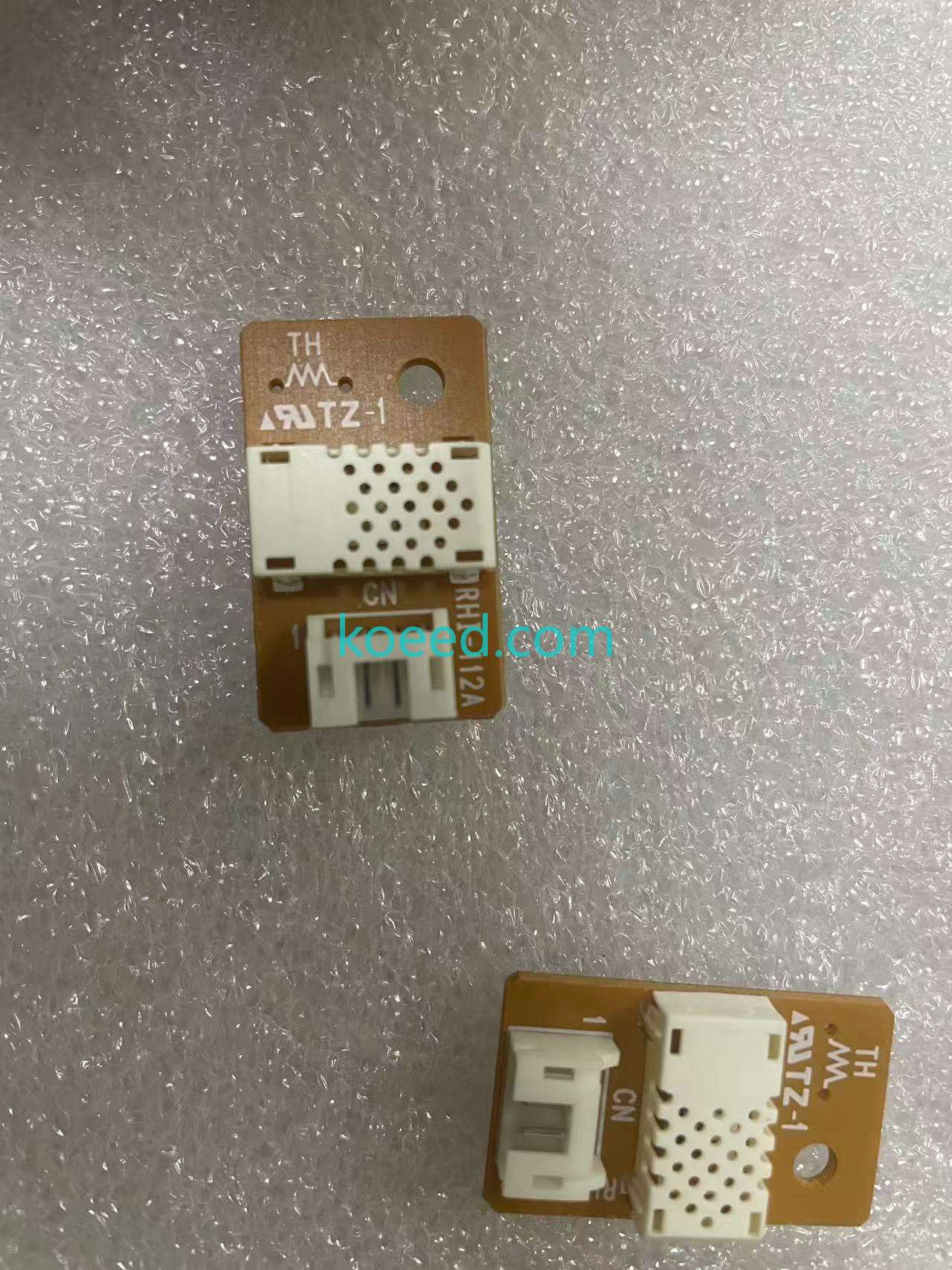
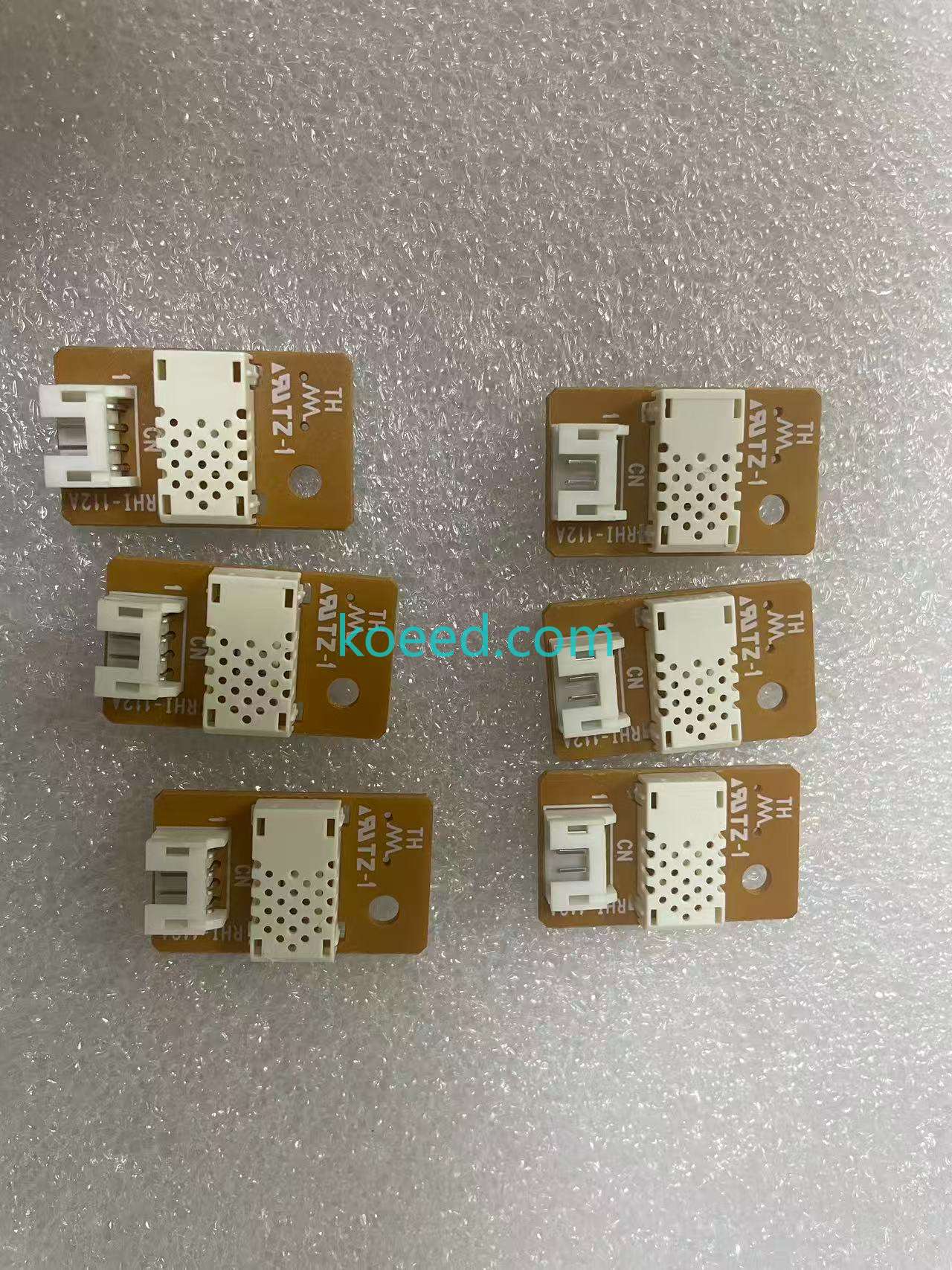
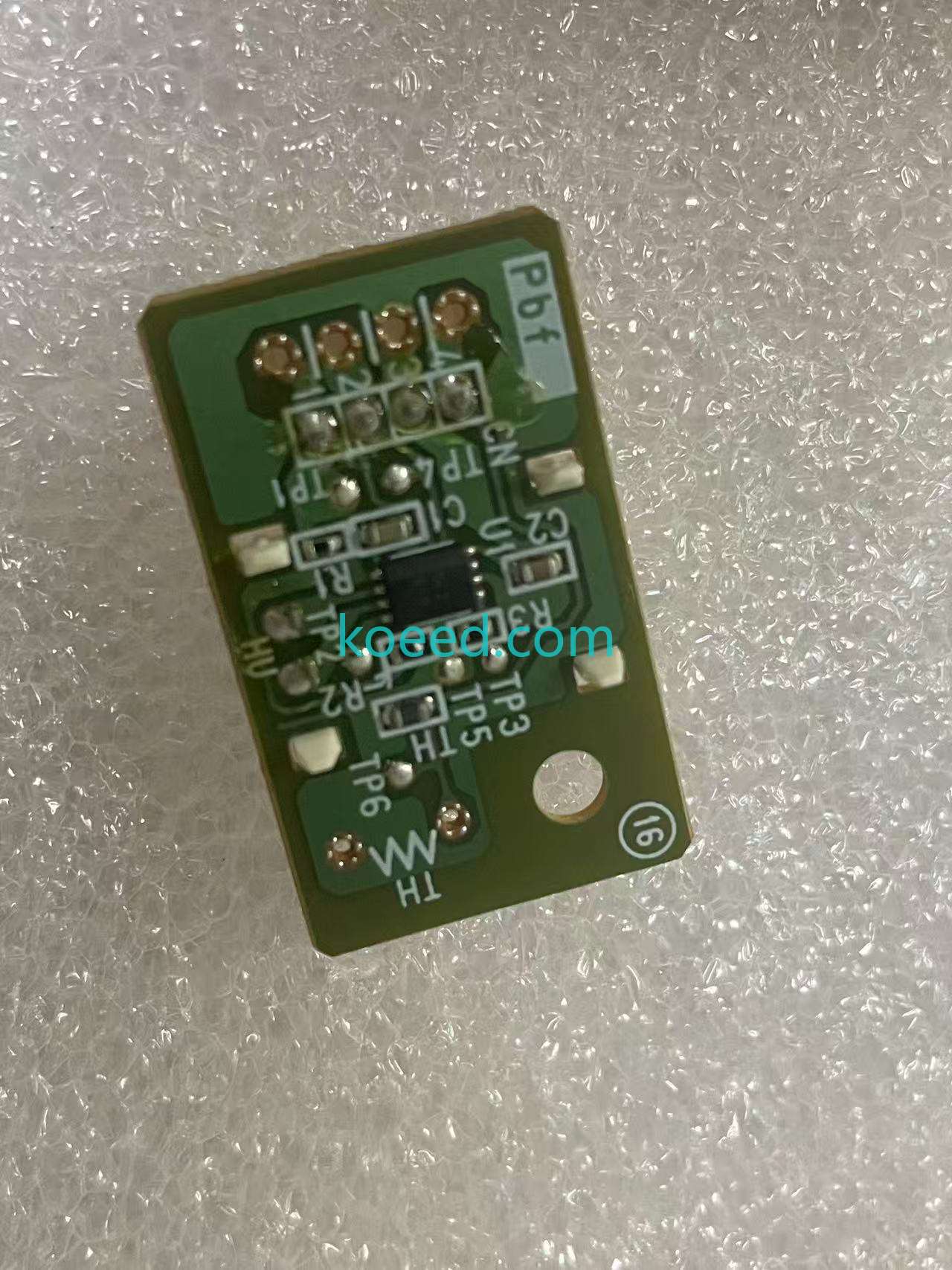
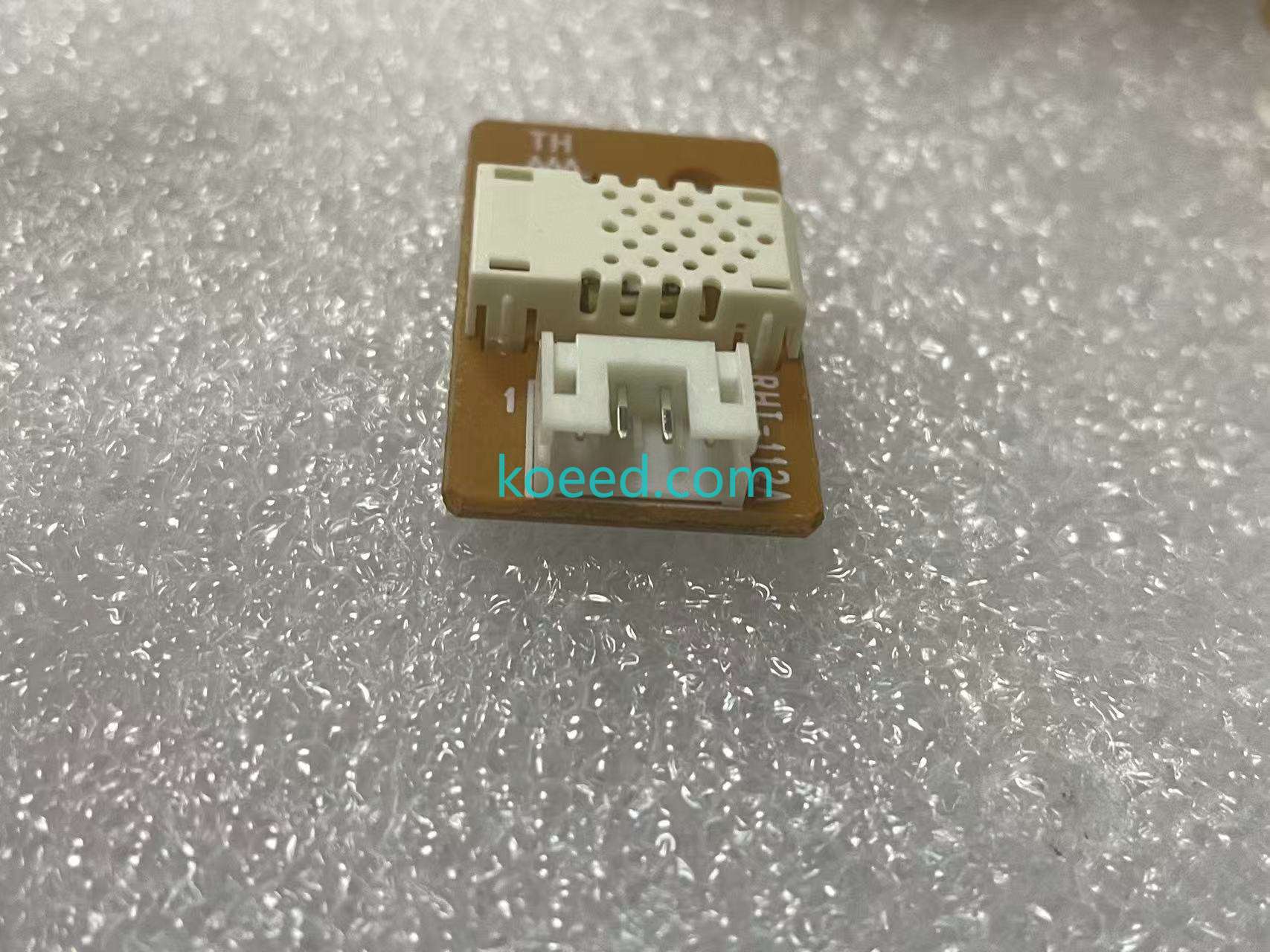
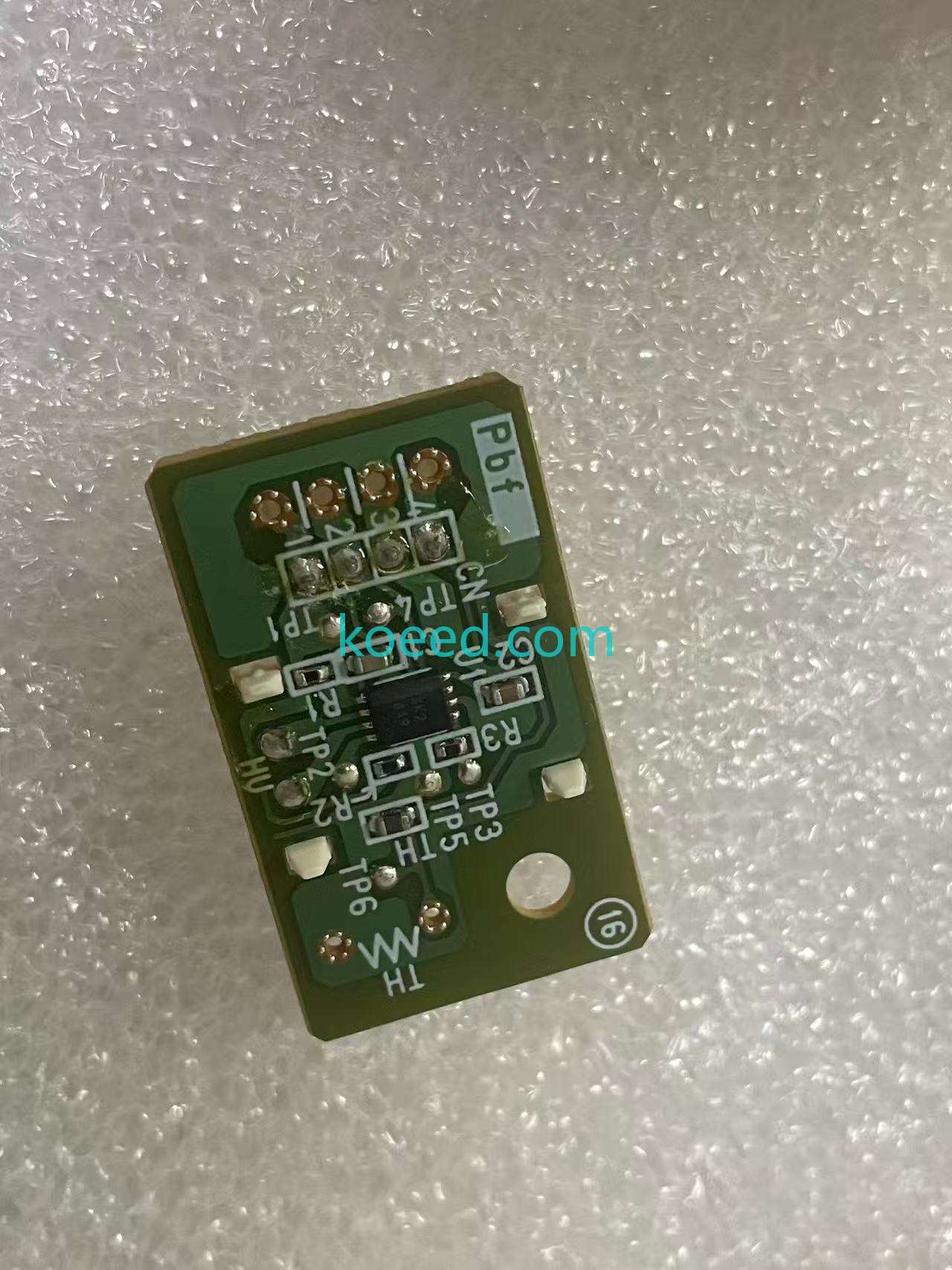
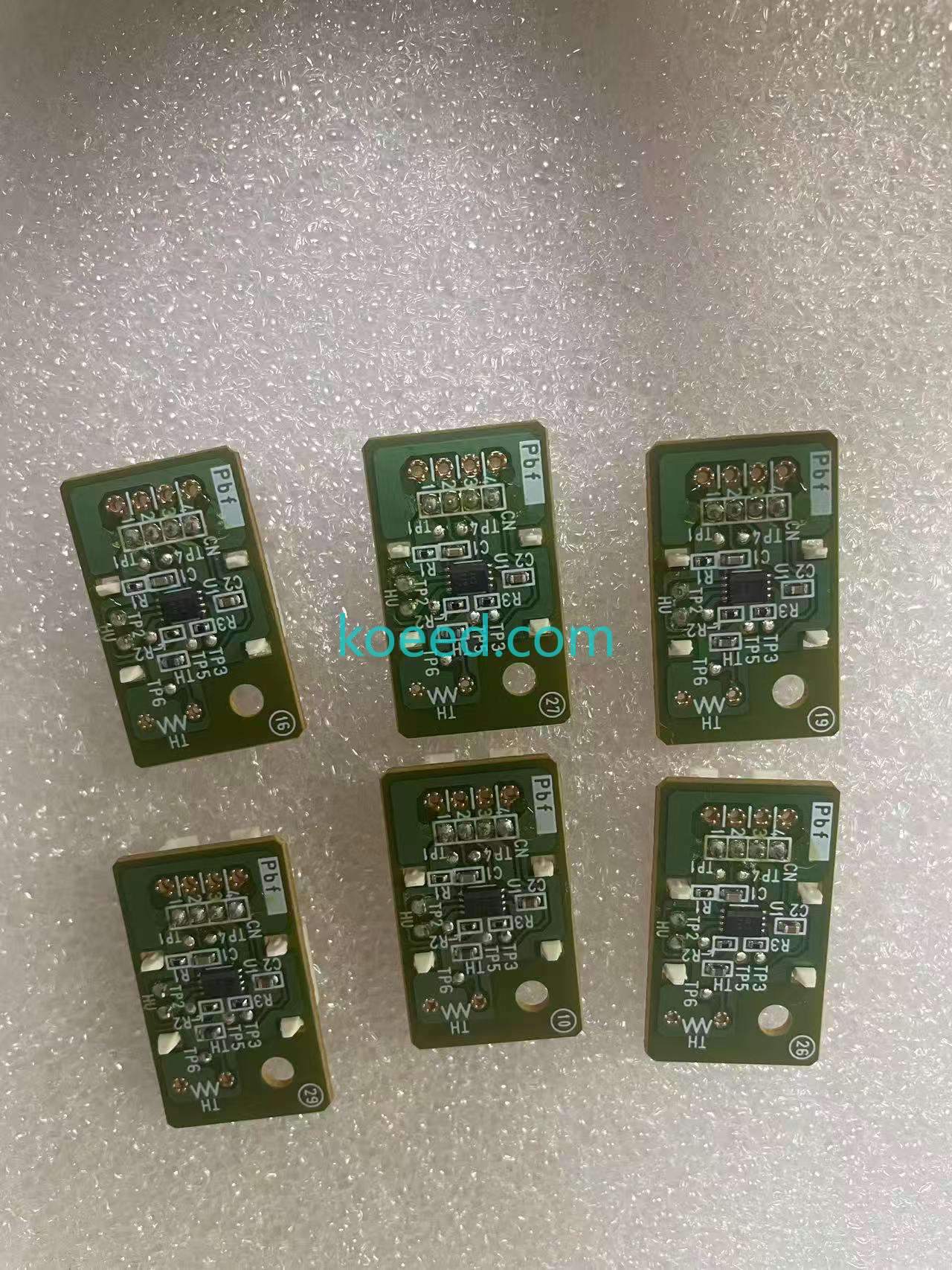
The following imagery — sourced from Koeed's quality inspection library — illustrates the RHI-112A module from multiple angles, supporting PCB footprint planning, connector orientation, and quality verification before deployment.
4. Maintenance & Troubleshooting: Maximizing Sensor Longevity
While the RHI-112A is engineered for long, stable service, proactive care extends its life and keeps humidity telemetry trustworthy for predictive-maintenance algorithms.
4.1 Preventive Maintenance Pro-Tips
- Calibration cadence: Verify output against a certified reference hygrometer every 12–18 months in continuous HVAC duty; recalibrate in firmware if linear offset is observed.
- Power stability: Keep supply voltage within 3.15–5.5 VDC and use local decoupling (0.1 µF) near the module to suppress switching noise that degrades ADC readings.
- Airflow design: Ensure gentle, laminar airflow over the sensor; stagnant pockets cause lag while turbulent jets cause false fluctuations.
- Connector hygiene: Periodically inspect the header for oxidation or vibration loosening — a common source of intermittent analog drift.
4.2 Common Fault Signatures & Resolution
| Symptom | Probable Cause | Recommended Action |
|---|---|---|
| Output stuck at 0V | Supply open / disconnected, or failed module | Verify Vin (3.15–5.5V), check connector continuity |
| Output pegged at 3V (100% RH) | Condensation / water ingress on element | Dry sensor, relocate away from moisture, add membrane |
| Readings drift upward over weeks | Contamination or chemical exposure | Clean (dry-air flush), recalibrate, evaluate environment |
| Noisy / fluctuating signal | Poor grounding or EMI from motor/VFD | Improve grounding, add filtering, shorten cable run |
| Slow response to RH changes | Restricted airflow / sensor fouling | Clear obstructions, restore laminar airflow |
5. Frequently Asked Questions (FAQ)
What is the humidity accuracy of the Shinyei RHI-112A?
What is the output signal of the RHI-112A?
What supply voltage does the RHI-112A require?
How much current does the RHI-112A consume?
Can the RHI-112A integrate with cloud/ERP systems?
6. ROI & Total Cost of Ownership (TCO) Analysis
Beyond unit cost, the RHI-112A's design choices compound into measurable lifecycle savings for OEM and integrator portfolios:
- Energy savings through precision control: Linear output enables proportional/PID humidification and dehumidification, eliminating overshoot that wastes compressor and heater energy — often a 5–15% HVAC efficiency gain.
- Reduced BOM complexity: The wide supply range and simple 0–3V output remove the need for separate signal-conditioning circuitry or level shifters.
- Extended service intervals: Low power dissipation and robust construction reduce thermal stress, while drift-monitoring via telemetry prevents costly unscheduled replacements.
- Sustainability alignment: Tighter humidity control directly lowers energy consumption and carbon footprint, supporting corporate ESG reporting targets in 2026.
Ready to Integrate the RHI-112A Into Your Next Build?
Talk to the Koeed industrial automation team for pricing, lead times, and design-in support for the Shinyei RHI-112A temperature & humidity sensor.


