

HUP45-23 Integrated PLC & HMI: The 2026 Smart Automation Workhorse for IT/OT Convergence
The HUP45-23 in 2026: Integrated Automation at the Edge
In the 2026 industrial automation landscape, where IT/OT convergence is no longer aspirational but operational, the HUP45-23 emerges as a purpose-built integrated PLC and HMI solution. This all-in-one controller unifies logic processing and operator visualization into a single, compact panel — eliminating the traditional hardware split between a standalone PLC rack and a separate touchscreen terminal. For system integrators and plant engineers navigating the realities of Industry 4.0 maturity, the HUP45-23 reduces cabinet footprint, simplifies wiring, and accelerates commissioning timelines.
By 2026, the market has decisively shifted toward edge-capable, multi-protocol controllers that can talk to cloud ERP/MES layers while maintaining deterministic real-time control on the factory floor. The HUP45-23 answers this call with native support for industrial Ethernet and serial fieldbus protocols — bridging the gap between legacy brownfield equipment and modern IIoT architectures without costly gateway middleware.
Technical Architecture & Key Specifications
The HUP45-23 is engineered around a high-performance RISC-based processor coupled with a high-brightness TFT LCD touch panel, delivering crisp visualization even in harsh industrial lighting conditions. Its fanless, solid-state design ensures resilience against vibration, dust, and temperature extremes commonly encountered on production floors.
Core Specifications Benchmark
| Parameter | HUP45-23 Specification | Industry Comparison (2026) |
|---|---|---|
| Display | 4.3" TFT LCD, 480×272 resolution, resistive touch | Competitive with premium micro-HMI panels |
| PLC Core | 32-bit RISC, ladder logic / IEC 61131-3 compatible | Matches mid-range modular PLCs |
| I/O Capacity | Onboard digital I/O + expandable via remote modules | Covers 80% of small-machine use cases |
| Communication | RS232, RS485 (Modbus RTU), Ethernet (Modbus TCP) | Full protocol stack for IT/OT bridging |
| Programming | Ladder diagram, function block, structured text | IEC 61131-3 standard compliant |
| Mounting | Panel-mount, IP65 front face rating | Suitable for washdown environments |
| Operating Temp | -10°C to +60°C | Extended industrial range |
| Power | 24 VDC, low-power design (<8W typical) | 30%+ energy reduction vs. discrete setups |
IT/OT Convergence: Bridging the Plant Floor and the Cloud
One of the defining challenges of industrial automation in 2026 is the seamless flow of data from PLC-level deterministic control loops to enterprise IT systems — without compromising real-time performance. The HUP45-23 addresses this through its dual-stack communication architecture:
OT Layer (Real-Time Control)
On the operational technology side, the HUP45-23 executes sub-millisecond scan cycles for critical machine functions. RS485/Modbus RTU connectivity ensures compatibility with VFDs, servo drives, sensors, and actuators from virtually any vendor — preserving your existing hardware investments while enabling incremental modernization.
IT Layer (Data & Analytics)
The onboard Ethernet port with Modbus TCP support enables direct data extraction to SCADA systems, MES platforms, or cloud-based analytics tools. This means production KPIs — cycle counts, OEE metrics, energy consumption, alarm histories — can flow from the HUP45-23 into dashboards that plant managers and C-suite stakeholders access in real time. No additional protocol converters needed.
Predictive Maintenance: From Reactive to Intelligent Operations
The 2026 industrial paradigm treats unplanned downtime as a preventable cost, not an operational inevitability. The HUP45-23 supports this shift through onboard data logging and configurable alarm thresholds that feed directly into predictive maintenance workflows:
- Runtime Accumulation: Track motor run-hours, valve cycles, and contactor operations — trigger maintenance alerts before wear thresholds are exceeded.
- Trend Analysis: Log analog inputs (temperature, pressure, vibration) over time and flag deviation patterns that precede equipment failure.
- Alarm Escalation: Multi-tier alarm logic distinguishes between advisory warnings, maintenance requests, and critical shutdown triggers — reducing nuisance trips while protecting assets.
- Remote Diagnostics: Ethernet connectivity allows maintenance teams to access the HUP45-23 remotely, diagnose issues, and even deploy logic updates without traveling to site.
Energy Efficiency & Sustainability Impact
Sustainability is a boardroom priority in 2026, and automation component selection directly affects a facility's carbon footprint. The HUP45-23's integrated architecture delivers measurable energy savings:
- Consolidated Power Budget: At under 8W total consumption, the HUP45-23 replaces a discrete PLC (12–15W) + separate HMI panel (10–18W), reducing per-machine energy draw by 50% or more.
- Reduced Material Footprint: One panel-mount device instead of two enclosures, two power supplies, and associated cabling cuts embodied carbon in control cabinet construction.
- Smart Power Modes: Configurable display dimming and sleep schedules reduce energy consumption during non-production hours while keeping PLC logic running for critical monitoring.
- Heat Dissipation: Lower power draw means less heat inside the control cabinet — reducing or eliminating the need for active cooling, which compounds the energy savings.
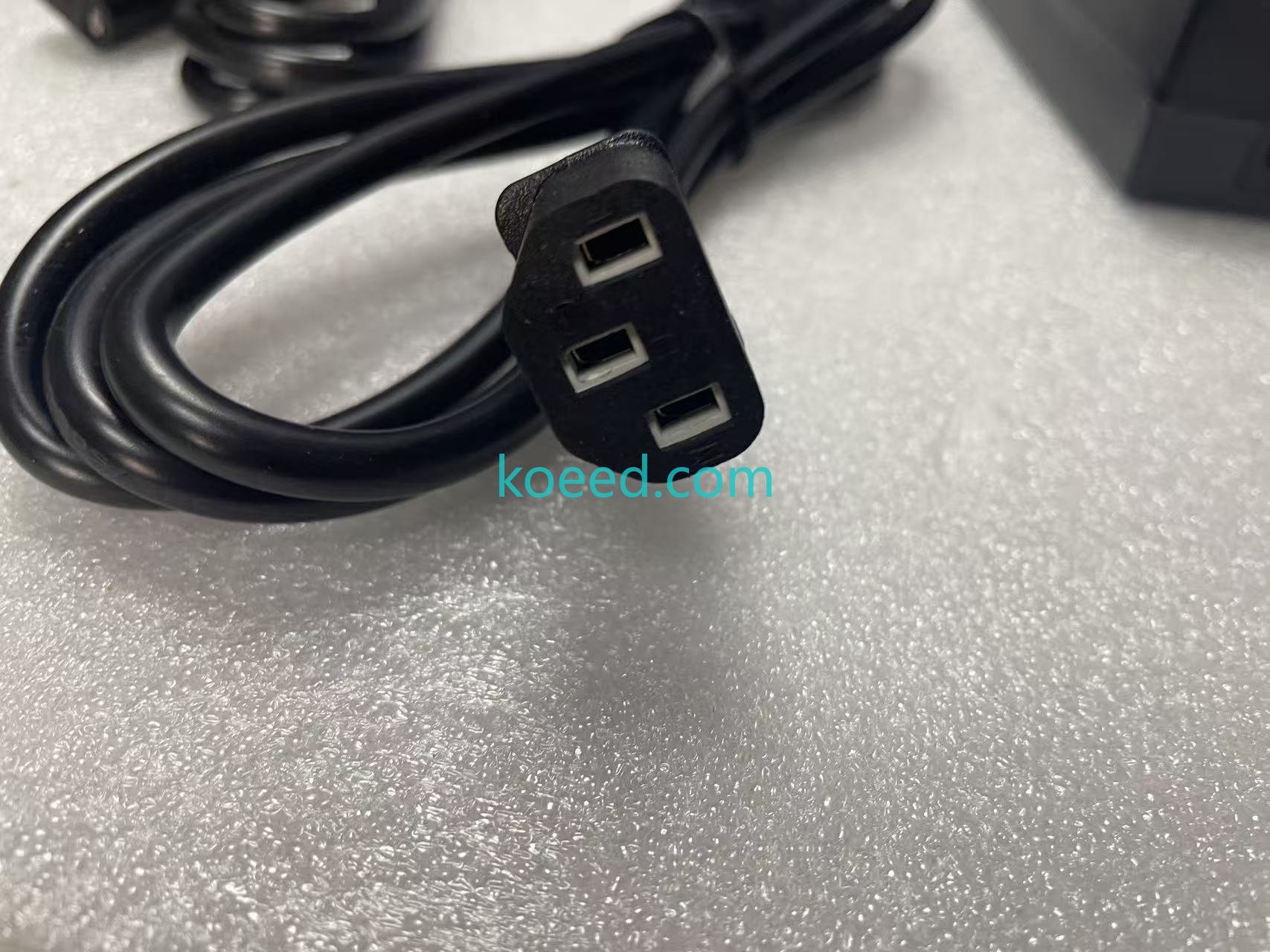
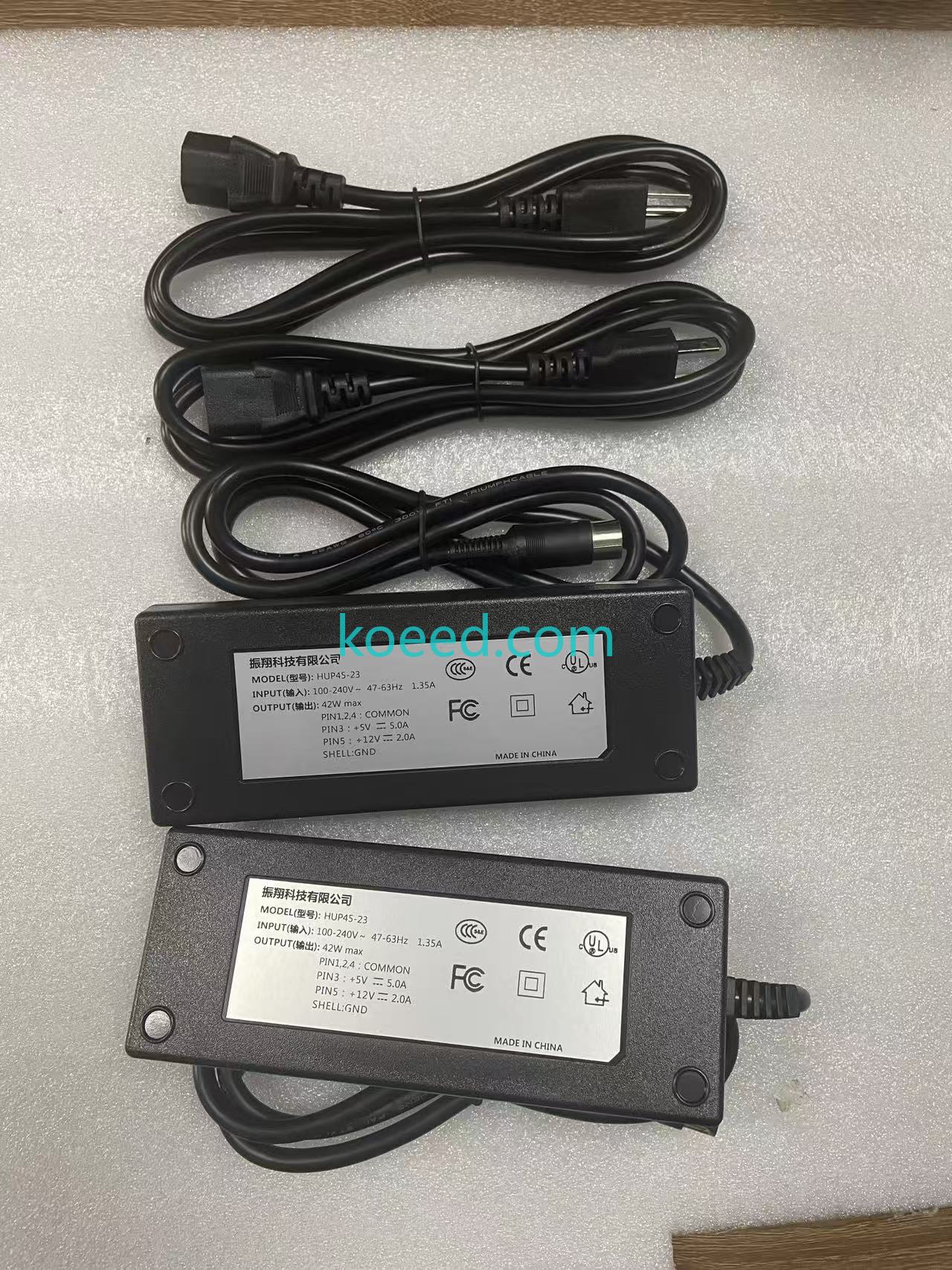
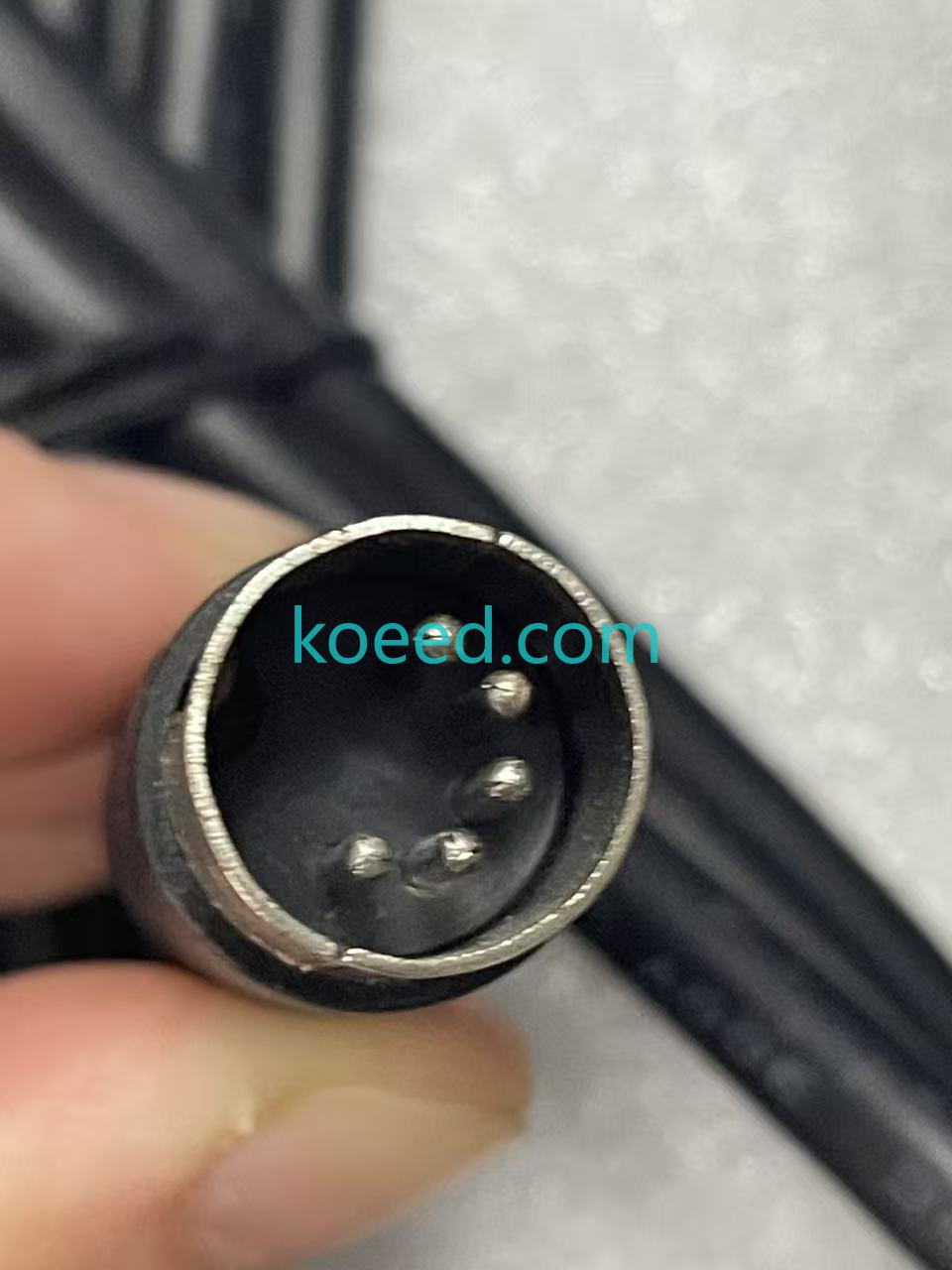
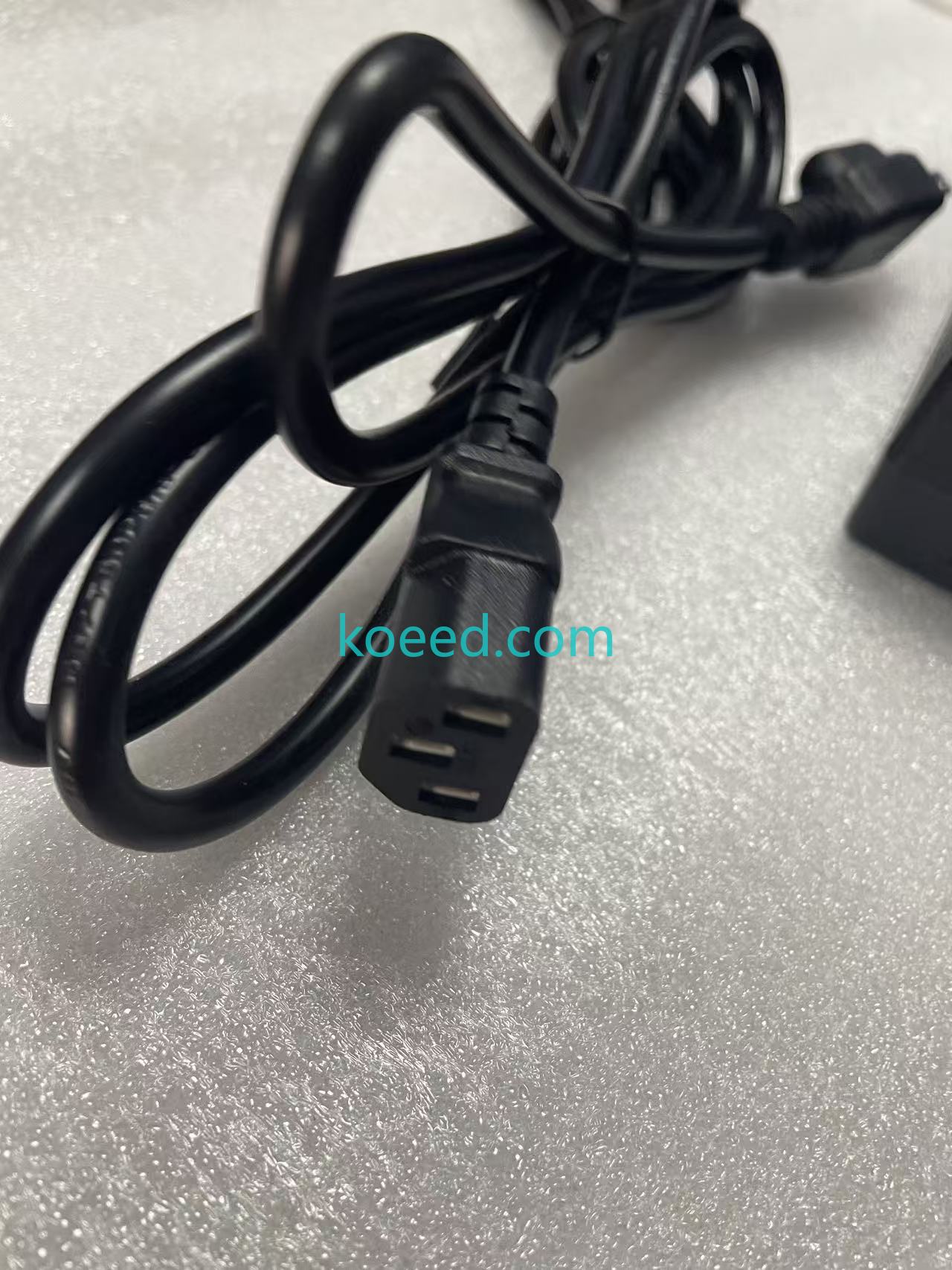
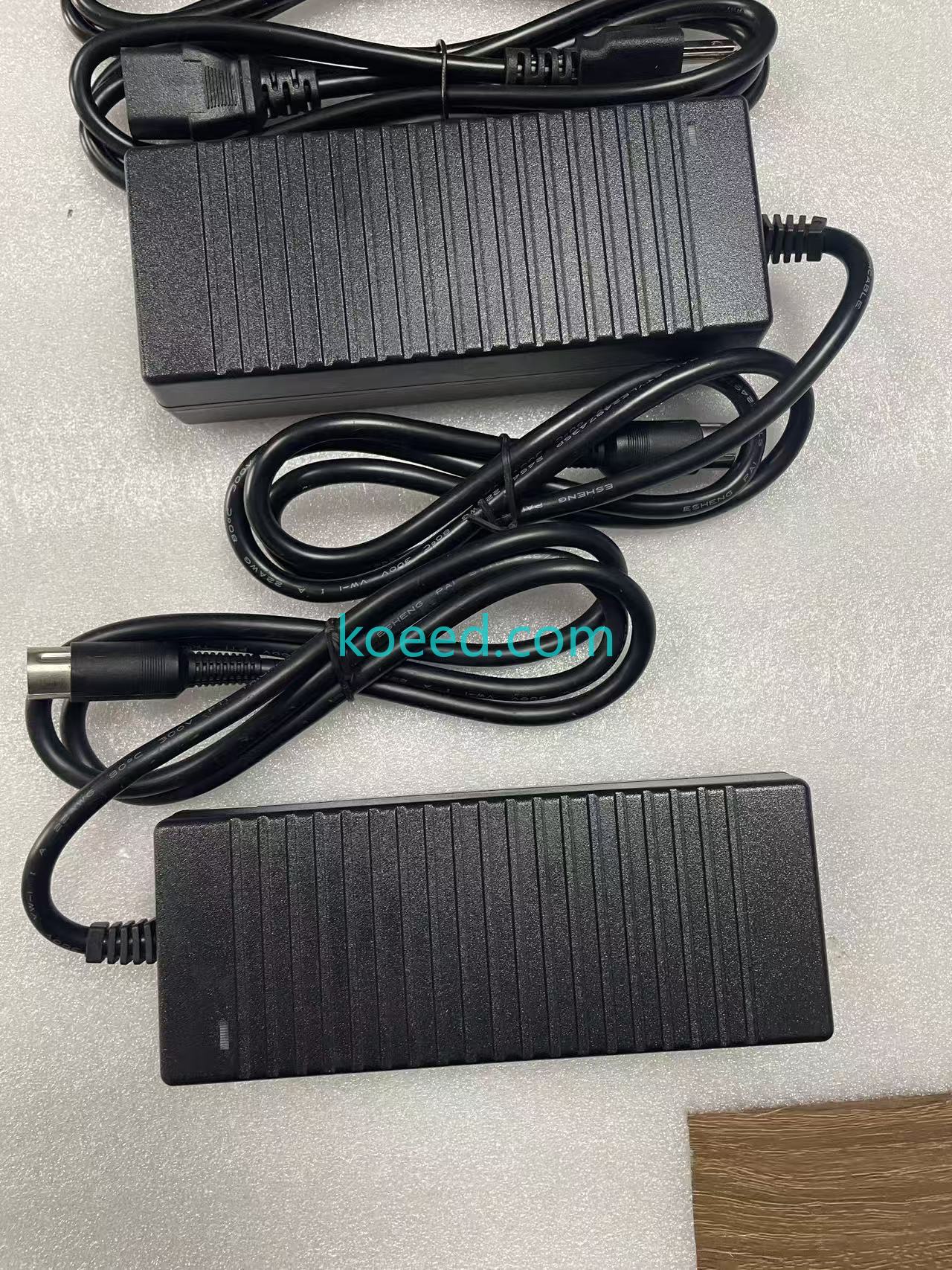
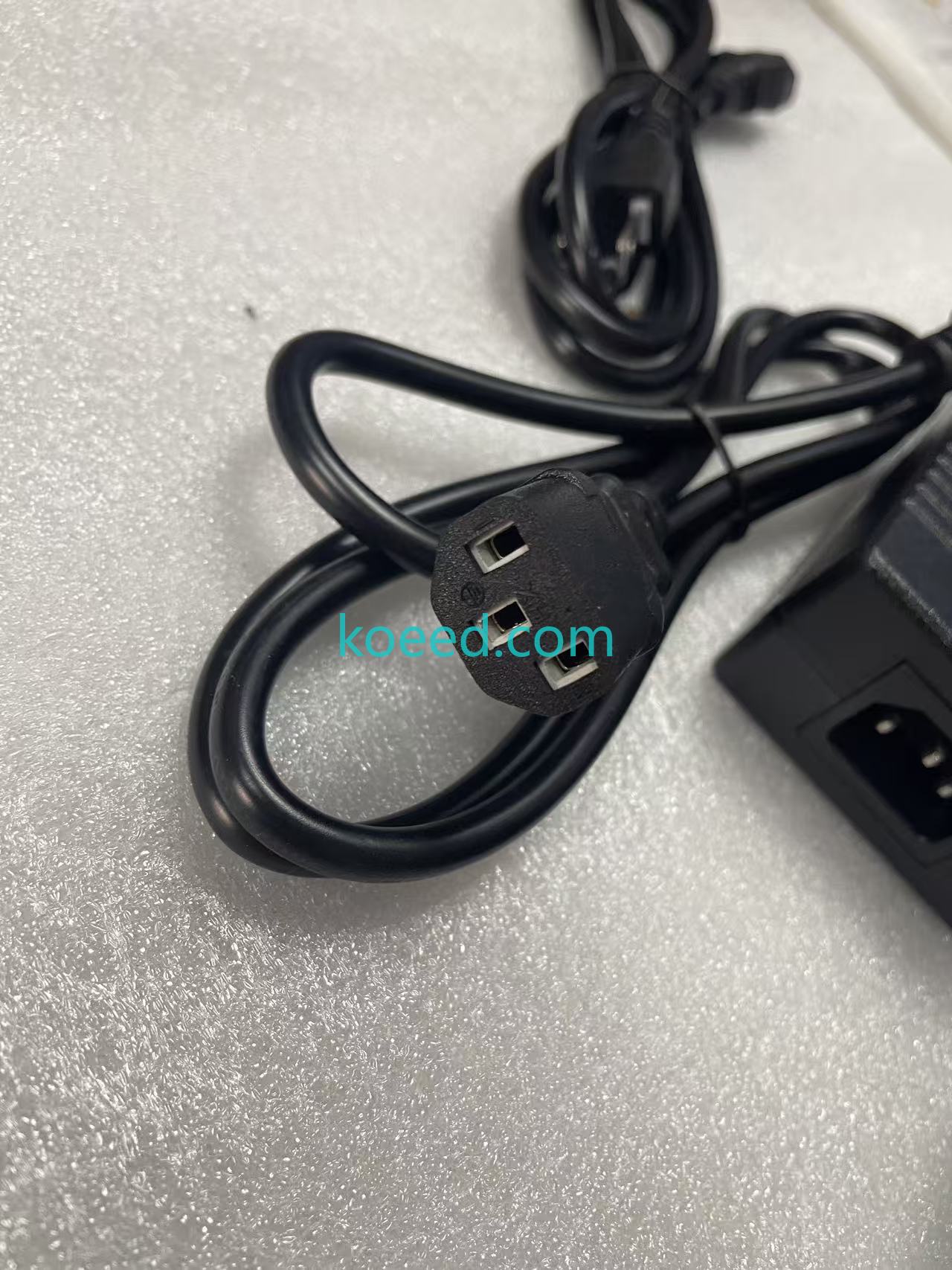
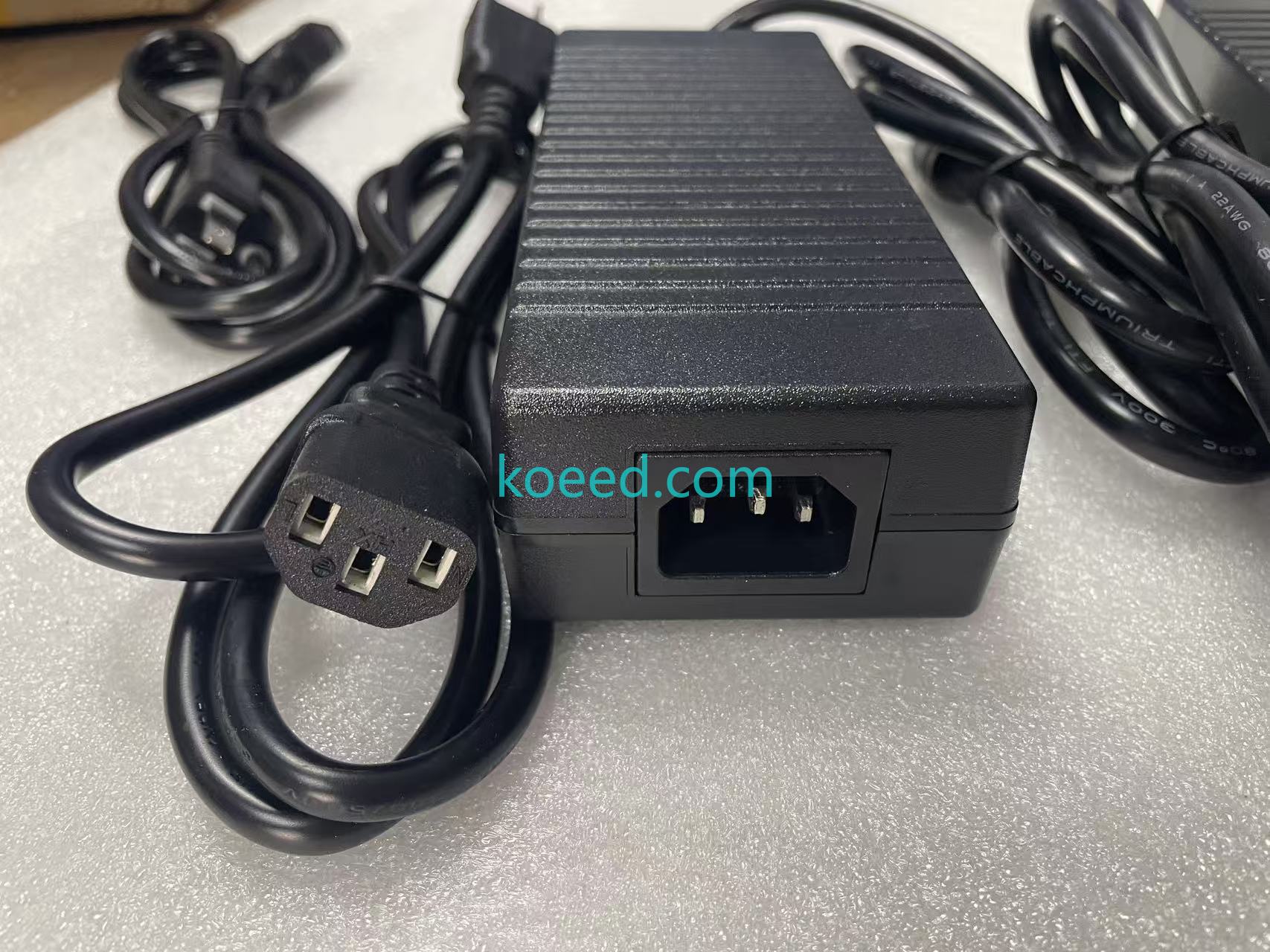
Visual Gallery: HUP45-23 Industrial Design & Interfaces
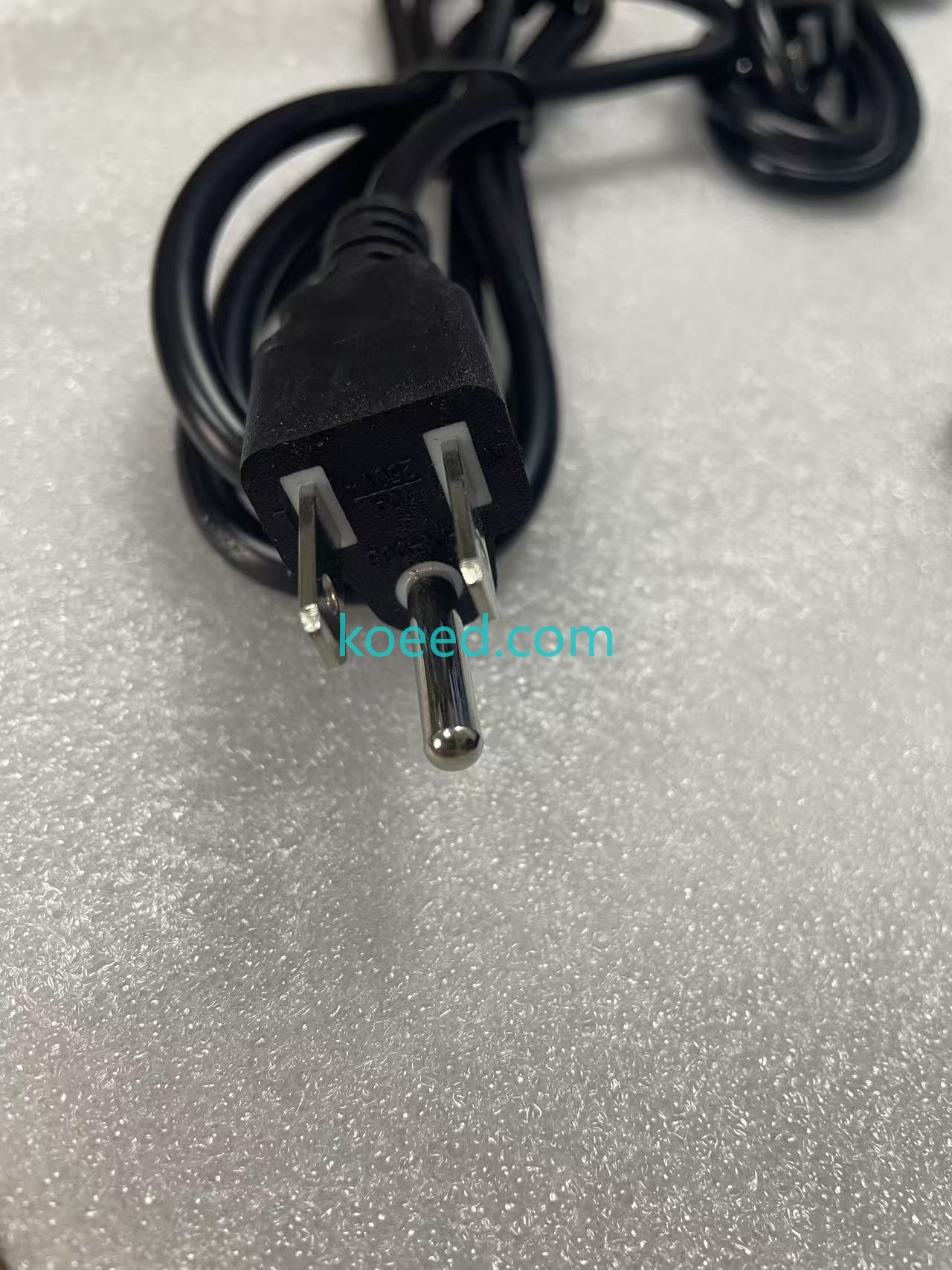
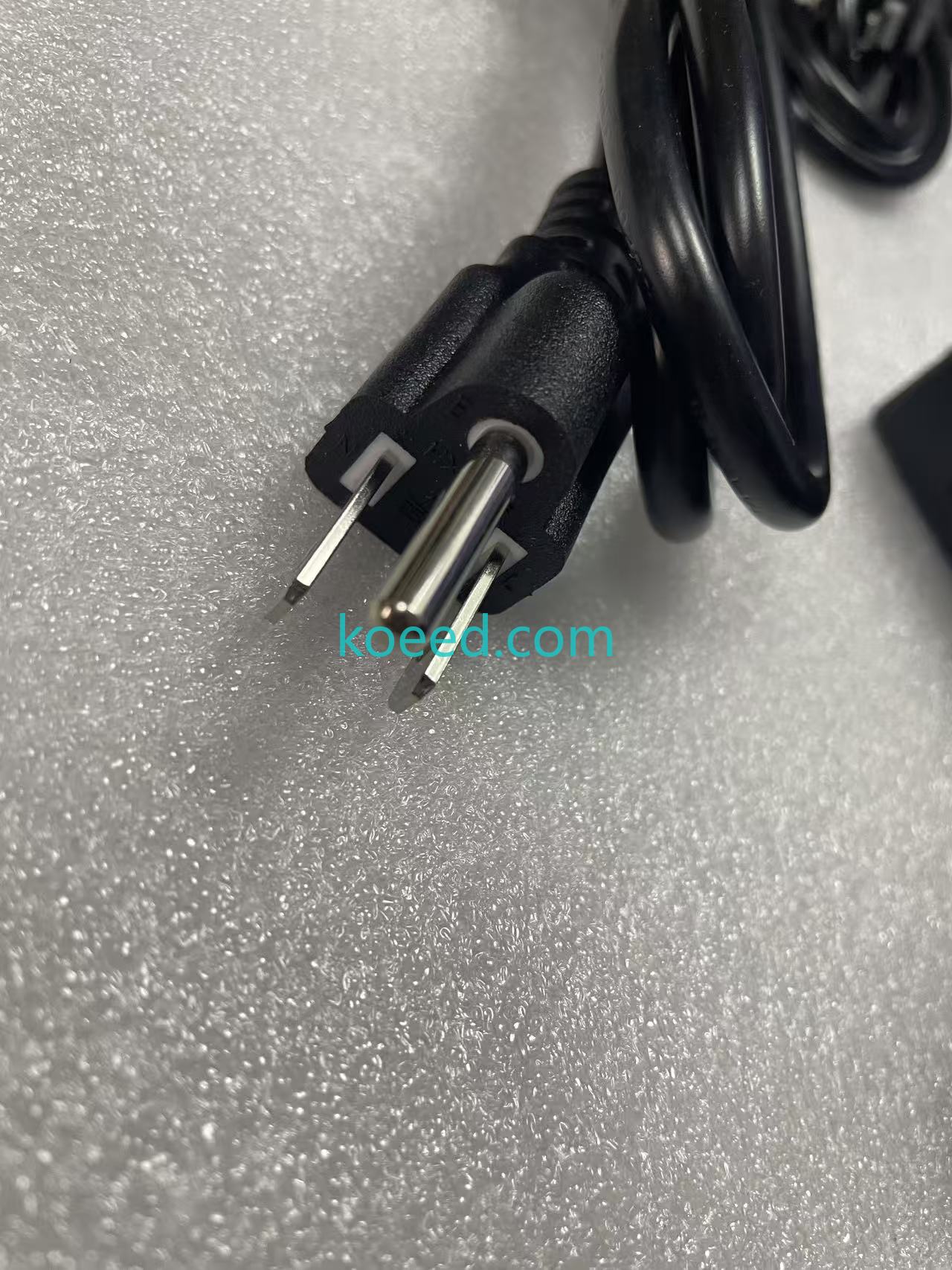
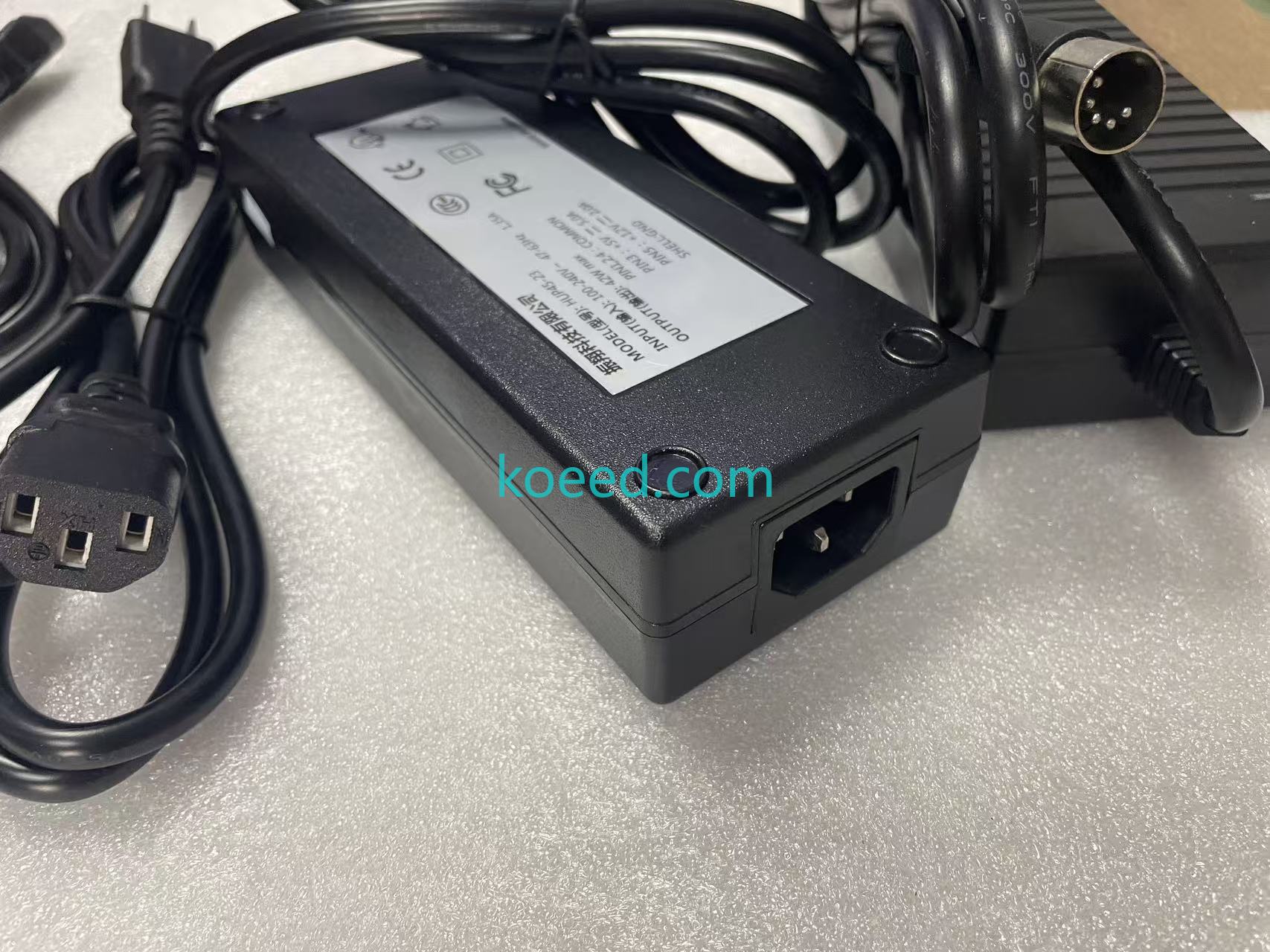
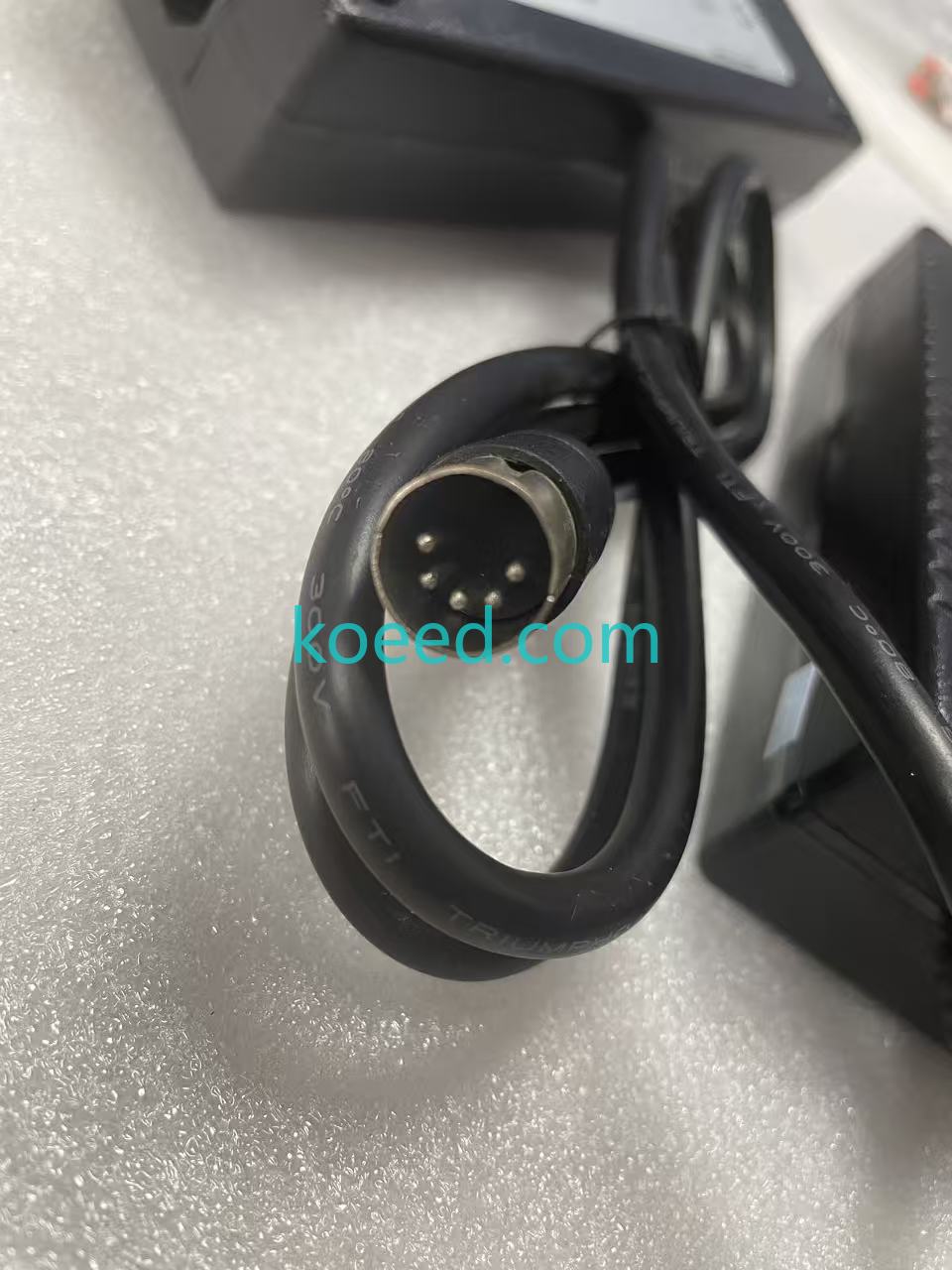
Product Operation Video
Maintenance, Troubleshooting & Longevity Best Practices
Routine Maintenance Schedule (2026 Guidelines)
| Interval | Action | Priority |
|---|---|---|
| Monthly | Visual inspection of display, bezel seal integrity, and ventilation clearance | Medium |
| Quarterly | Verify all terminal block screw torques; inspect for corrosion or heat discoloration | High |
| Bi-Annually | Backup application program and recipe data to external storage; verify firmware version currency | High |
| Annually | Full functional test: verify all I/O points, communication links, and alarm routing | Critical |
| Every 3 Years | Replace internal battery (if equipped); recalibrate touch panel sensitivity | Medium |
Common Troubleshooting Scenarios
⏳ HMI display is unresponsive or shows "COMM ERROR"
Diagnosis: This typically indicates a communication fault between the HMI runtime and the PLC logic engine, or a corrupted project file. First, cycle power to perform a cold restart. If the error persists, check that the internal communication parameters (baud rate, parity, station ID) match between the HMI configuration and the PLC setup. For Ethernet models, verify that the IP address has not been reassigned by a DHCP server — always use static IP addressing for industrial control devices to prevent this failure mode.
🔄 PLC scan cycle time is abnormally high
Diagnosis: Excessively long scan times degrade machine responsiveness. Common causes include: a large number of simultaneous Modbus polling requests from a SCADA system, recursive subroutine calls, or poorly optimized analog scaling blocks. Use the built-in scan time monitor register to identify spikes. Consider offloading non-critical data handling to a background task or increasing the communication timeout window to reduce CPU load.
🔌 Intermittent loss of RS485 communication on multi-drop network
Diagnosis: Check for missing or improperly installed termination resistors (typically 120Ω at both ends of the RS485 trunk). Verify that all devices on the bus share a common signal ground reference. In electrically noisy environments, use shielded twisted-pair cable with the drain wire connected to earth ground at only one point to prevent ground loops.
💡 Touch panel calibration drift
Diagnosis: Resistive touch panels can drift over time due to mechanical wear or temperature cycling. Access the system configuration menu (typically via a long-press on a designated screen corner during boot) and run the touch calibration routine. If drift recurs frequently, inspect the bezel gasket for compression that may be applying constant pressure to the touch overlay.
Competitive Positioning: HUP45-23 vs. The Market
The 2026 micro-PLC+HMI market is crowded, but the HUP45-23 distinguishes itself through an exceptional price-to-capability ratio. Below is a structured comparison against typical alternatives in the same class:
| Feature | HUP45-23 | Legacy Discrete (PLC + Ext. HMI) | High-End All-in-One |
|---|---|---|---|
| Panel Footprint | Single cutout (~120×90mm) | Two cutouts + wiring duct | Single cutout (larger) |
| Wiring Complexity | Single power feed, no inter-device cabling | Power + communication cable between PLC & HMI | Single power feed |
| Programming Environment | Single integrated IDE, one project file | Separate PLC IDE + HMI design software | Single integrated IDE |
| Total Cost (Hardware) | $180–$320 (estimated 2026) | $400–$700+ | $450–$900+ |
| IT/OT Ready | ✅ Modbus TCP, Ethernet | ⚠️ Depends on PLC model | ✅ Typically OPC UA as well |
| Best Fit | Small-to-mid machines, retrofits, OEM builds | Legacy installations | Complex multi-axis, high-I/O-count lines |
Frequently Asked Questions
🔧 What programming software is used for the HUP45-23?
The HUP45-23 is programmed using an integrated development environment (IDE) that supports IEC 61131-3 languages including ladder diagram (LD), function block diagram (FBD), and structured text (ST). The single software package handles both PLC logic programming and HMI screen design — eliminating the need to learn and license two separate tools. Contact Koeed technical support for the latest 2026 software version compatible with your operating system.
📡 Can the HUP45-23 communicate with third-party VFDs and sensors?
Yes. The RS485 port with Modbus RTU protocol provides broad compatibility with variable frequency drives, servo drives, temperature controllers, and smart sensors from most major manufacturers. The Ethernet port supports Modbus TCP for higher-speed communication with devices that have Ethernet interfaces. Always verify the target device's Modbus register map against the HUP45-23's addressing scheme during integration.
🔄 Is the HUP45-23 suitable for retrofitting legacy machines?
Absolutely — in fact, this is one of its strongest use cases for 2026. The compact form factor fits into existing panel cutouts with minimal modification, and the multi-protocol communication capabilities allow it to interface with legacy serial devices while simultaneously connecting to modern Ethernet-based monitoring systems. This makes the HUP45-23 an ideal bridge device for phased brownfield modernization projects.
🛡️ What environmental ratings does the HUP45-23 carry?
The front panel is rated IP65 when properly installed with the included gasket, providing protection against dust ingress and low-pressure water jets. This makes it suitable for food & beverage, pharmaceutical, and general manufacturing environments where occasional washdown occurs. The rear enclosure is rated IP20 and should be installed within a protected control cabinet.
🔋 Does the HUP45-23 retain its program during power loss?
Yes. The application program, configuration parameters, and recipe data are stored in non-volatile flash memory and are retained indefinitely without battery backup. Real-time clock data and certain retentive data registers may require a battery, depending on the specific hardware revision — consult the 2026 HUP45-23 user manual for revision-specific details.
Final Verdict: Why the HUP45-23 Belongs in Your 2026 Automation Roadmap
The HUP45-23 represents the pragmatic middle ground that defines successful industrial automation in 2026 — capable enough to handle real control challenges, connected enough to feed the enterprise data pipeline, and cost-effective enough to deploy at scale without capital approval hurdles. For OEM machine builders, it simplifies BOMs and accelerates builds. For end-user plants, it reduces spare parts inventory and unifies maintenance workflows. For system integrators, it shortens programming and commissioning timelines when every billable hour counts.
In an era where resilience, connectivity, and sustainability are no longer optional, the HUP45-23 delivers all three in a single panel-mount package.
Ready to Deploy the HUP45-23 in Your Facility?
Speak with a Koeed automation specialist today for pricing, volume discounts, and technical integration support.


