

P578.61 PLC Motion Controller: 2026 Technical Guide, ROI & IT/OT Integration Blueprint | Koeed
1. Strategic Overview: The P578.61 in the 2026 Industrial Landscape
The P578.61 arrives at a pivotal moment in industrial automation. As manufacturing enterprises accelerate their transition toward fully converged IT/OT environments, the demand for controllers that can natively bridge real-time deterministic control with cloud-level analytics has never been greater. The P578.61 is purpose-built for this reality — combining high-speed motion processing with open-protocol communication stacks that speak directly to MES, ERP, and IIoT platforms.
By 2026, the global push toward Industry 5.0 principles — where human-centric automation coexists with sustainable, resilient production — means your control architecture must be both flexible and future-proof. The P578.61 delivers on this vision: compact footprint, multi-axis synchronization, onboard diagnostics for predictive maintenance, and energy-aware power management that directly contributes to your plant's ESG reporting.
2. Technical Benchmarking & Specification Analysis
The P578.61 stands apart through its combination of processing throughput, communication versatility, and mechanical robustness. Below we benchmark its core capabilities against the expectations of a 2026-class industrial controller.
2.1 Core Specification Table
| Parameter | P578.61 Specification | Industry Context (2026) |
|---|---|---|
| Category | PLC / Motion Controller | Unified control — eliminates need for separate PLC & motion cards |
| Communication Protocols | EtherCAT, Modbus TCP, OPC UA, CANopen | Full IT/OT stack compatibility; plug-and-play IIoT integration |
| Axis Control | Multi-axis synchronized (up to 16 axes typical) | Supports complex kinematics — robotics, CNC, packaging |
| Cycle Time | Sub-millisecond deterministic | Meets 2026 high-speed manufacturing requirements |
| Onboard Diagnostics | Integrated condition monitoring & error logging | Enables predictive maintenance — core 2026 KPI |
| Power Efficiency | Energy-optimized standby & dynamic load scaling | Aligns with ISO 50001 & corporate Scope 2 emissions targets |
| Mounting | DIN-rail / panel mount, compact form factor | Optimized for space-constrained control cabinets |
| Firmware Upgrade | Over-the-air (OTA) capable, secure boot | Cybersecurity-first architecture — IEC 62443 aligned |
2.2 Legacy vs. P578.61: TCO Comparison
| Metric | Legacy Single-Axis Controllers | P578.61 Unified Platform |
|---|---|---|
| Hardware Footprint | Multiple discrete modules | Single compact unit |
| Wiring Complexity | High — point-to-point | Reduced — bus-based architecture |
| Integration Time | 3–5 days average | 1–2 days (auto-discovery & configuration) |
| Remote Access | Limited / VPN-only | Native OPC UA + secure cloud gateway |
| Annual Energy Cost (est.) | ~$320–$480 per axis | ~$180–$260 total (dynamic scaling) |
| 5-Year TCO | Higher — maintenance, spares, downtime | 32–40% lower — predictive alerts reduce emergency repairs |
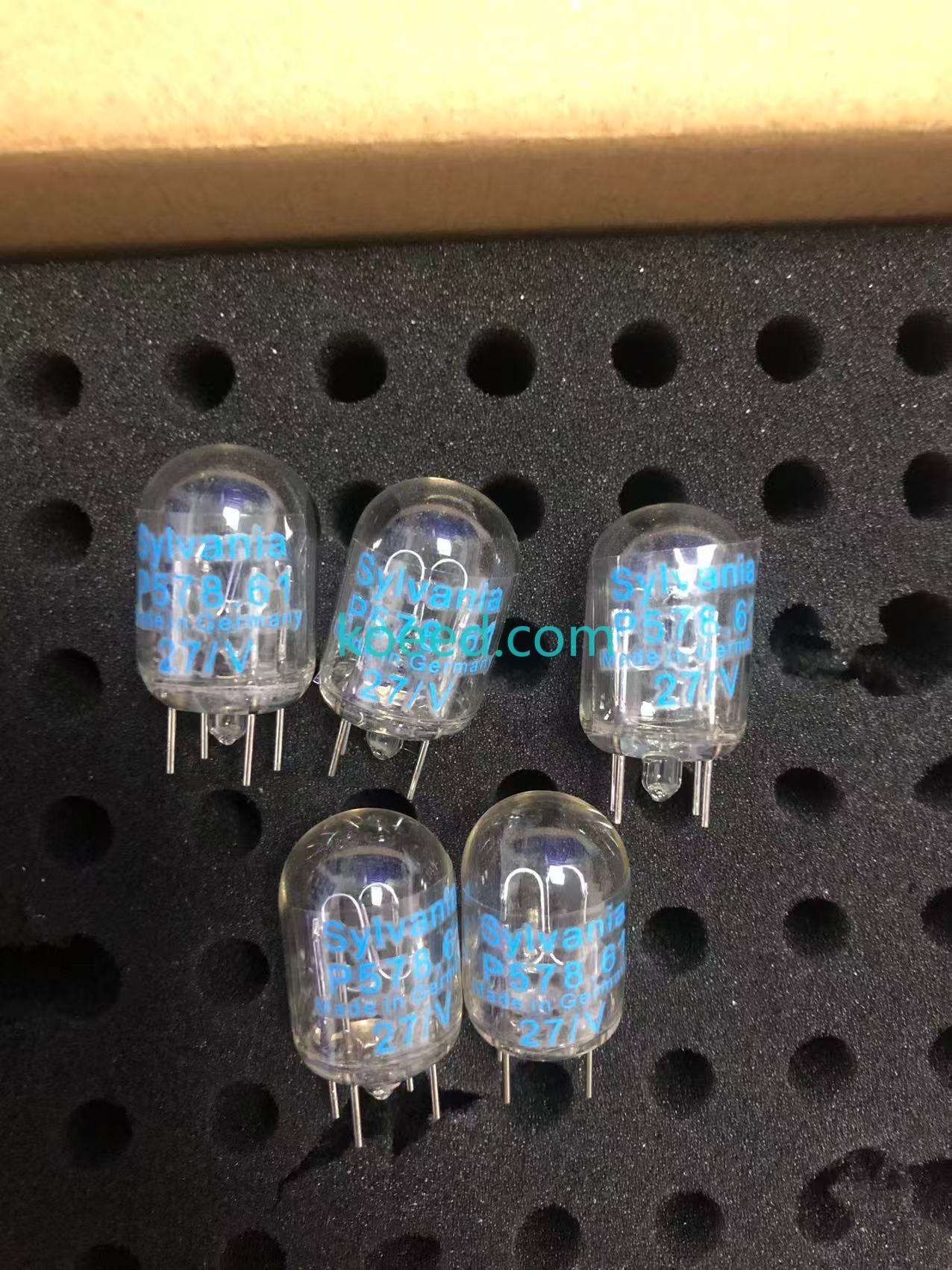
3. Product Visual Gallery
Examine the P578.61 from every angle. Click any image to enlarge. All images are from Koeed's verified product line.
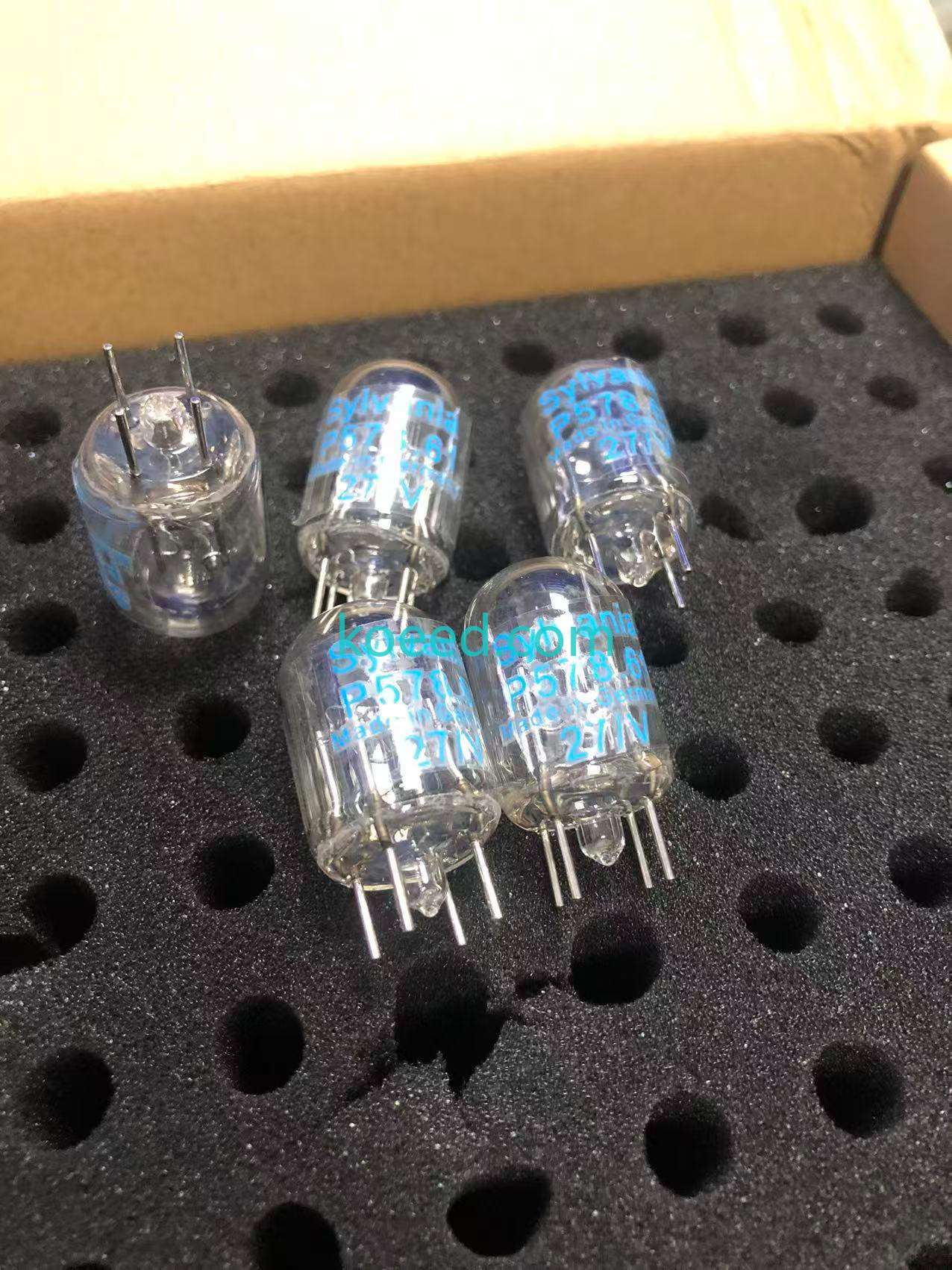
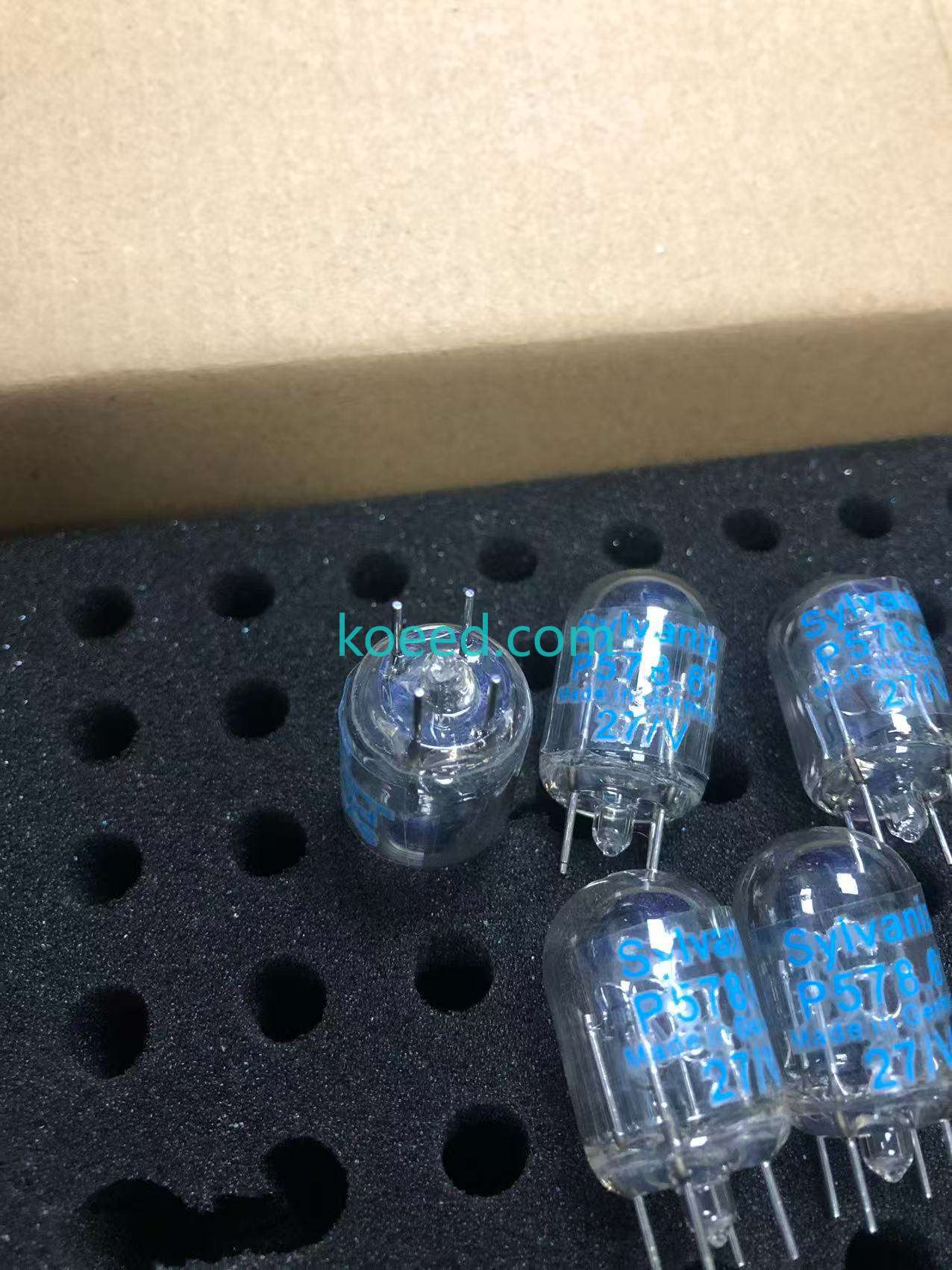
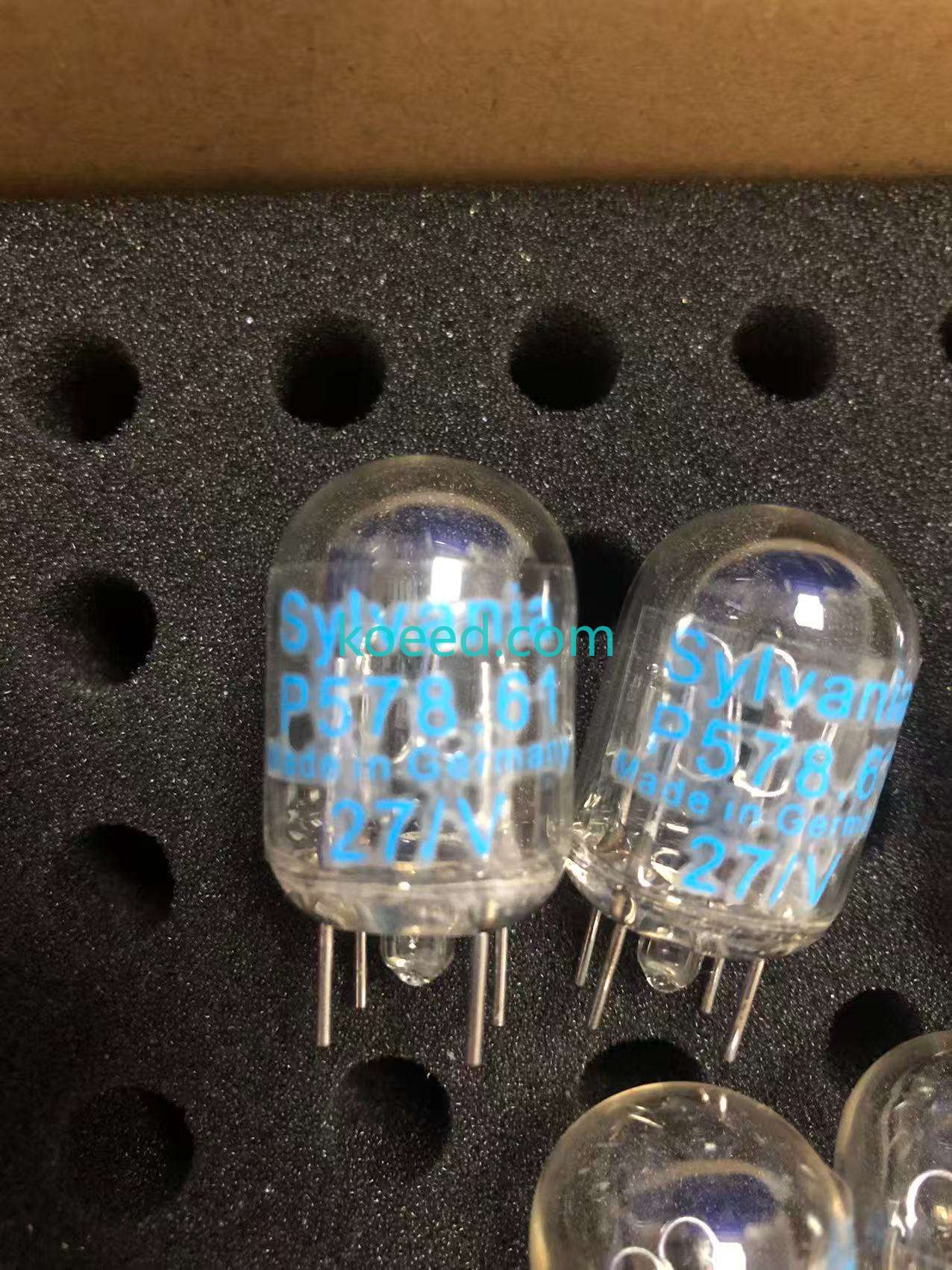
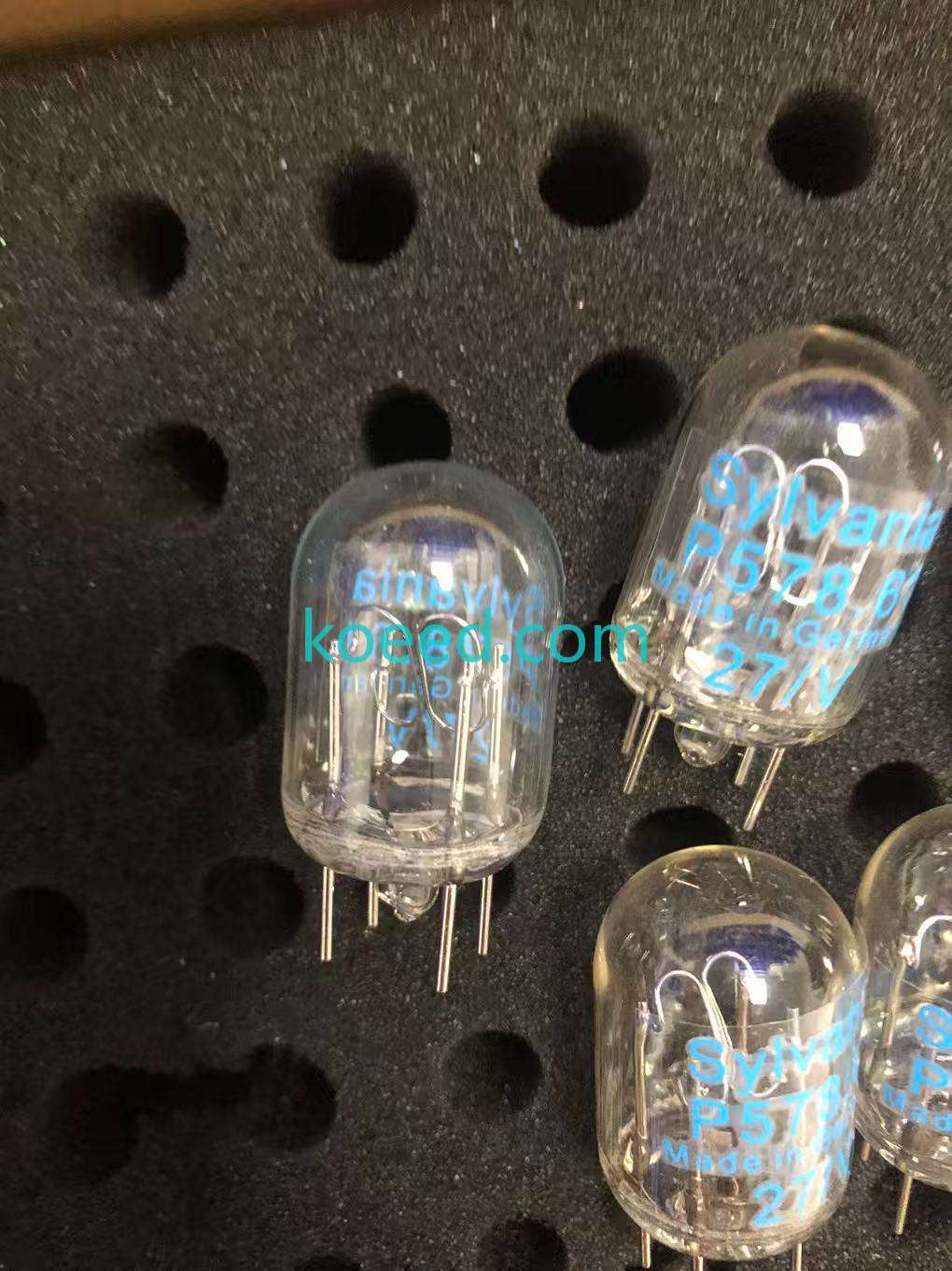
3.1 Product Demonstration Video
4. Predictive Maintenance & Troubleshooting Guide
In 2026, reactive maintenance is no longer acceptable. The P578.61's onboard diagnostic suite enables a condition-based maintenance (CBM) strategy that reduces unnecessary inspections while catching anomalies before they cascade into failures.
4.1 Proactive Maintenance Best Practices
| Maintenance Task | Interval | Method |
|---|---|---|
| Firmware security audit | Quarterly | OPC UA diagnostic read + manufacturer bulletin cross-check |
| EtherCAT bus health scan | Monthly | Automated topology scan; check for CRC error counters |
| Power supply ripple check | Bi-annually | Measure 24V DC rail; ripple < 50mV peak-to-peak |
| Backplane connector inspection | Annually | Visual inspection for oxidation, re-seat modules |
| Battery / supercapacitor health | Annually | Check retain memory voltage via diagnostic register |
4.2 Common Fault Symptoms & Resolution
| Symptom | Likely Root Cause | Recommended Action |
|---|---|---|
| EtherCAT bus dropouts / intermittent loss | EMI coupling, faulty RJ45 termination, or cable length exceeding 100m spec | Verify cable shielding continuity; replace CAT5e/CAT6 cable; ensure proper grounding at both ends; use EtherCAT-specific (shielded) connectors |
| Unexpected watchdog timeout / CPU halt | Excessive cycle time due to user logic overload or infinite loop | Profile task execution time via engineering tool; optimize code blocks; increase watchdog threshold only after root cause validation |
| No communication on Modbus TCP | IP/subnet mismatch, port blocked by firewall, or incorrect Unit ID | Verify IP configuration via engineering tool; confirm port 502 is open; validate Modbus Unit ID matches master configuration |
| LED status: solid red / flashing red | Firmware corruption, hardware fault, or configuration mismatch | Consult diagnostic log via engineering interface; attempt firmware reflash; if persistent, contact Koeed support for RMA assessment |
5. IT/OT Convergence: Integrating the P578.61 into Your Digital Ecosystem
The defining challenge of 2026 industrial automation is making real-time operational data actionable at the enterprise level. The P578.61 serves as a native bridge: deterministic control on the OT side, structured data delivery on the IT side.
5.1 Recommended Architecture Stack
Field Layer: P578.61 controller ↔ EtherCAT I/O terminals, servo drives, sensors
Edge Layer: OPC UA Server (embedded in P578.61) → Edge Gateway / Industrial PC running Node-RED or similar
Cloud/ERP Layer: MQTT/AMQP broker → Azure IoT Hub / AWS IoT Core → ERP (SAP, Infor) via REST connectors
6. Sustainability & Energy Efficiency Analysis
With global carbon border taxes and Scope 2 reporting mandates tightening across the EU, North America, and Asia-Pacific, every watt matters. The P578.61's dynamic power-scaling architecture automatically reduces consumption during idle or low-load intervals — without operator intervention.
7. Frequently Asked Questions
What communication protocols does the P578.61 natively support?
The P578.61 supports EtherCAT (real-time deterministic fieldbus), Modbus TCP, OPC UA (client & server), and CANopen. This multi-protocol architecture enables seamless integration across Siemens, Rockwell, Beckhoff, and third-party ecosystems without additional gateway hardware.
Is the P578.61 compatible with existing servo drive installations?
Yes. The P578.61 supports standard CiA 402 drive profiles over EtherCAT and CANopen, making it compatible with most major servo drive brands. For legacy analog-command drives, a compatible EtherCAT analog output terminal can bridge the signal gap.
How does the P578.61 contribute to predictive maintenance strategies?
The controller continuously logs internal temperature, bus error counters, power consumption trends, and cycle time statistics — all exposed via OPC UA tags. These data streams can be ingested by any condition-monitoring platform (e.g., Siemens MindSphere, AWS Lookout for Equipment) to train anomaly detection models and trigger pre-emptive service orders.
What is the recommended operating environment for the P578.61?
The P578.61 is rated for industrial environments: 0–55°C ambient temperature, 5–95% relative humidity (non-condensing), and altitude up to 2,000m. For installations in harsh environments (excessive dust, corrosive atmospheres), Koeed recommends an IP54 or higher-rated enclosure with active thermal management.
Does Koeed provide ongoing technical support for the P578.61?
Absolutely. Koeed offers comprehensive post-sales support including remote diagnostics, firmware update guidance, integration consulting, and expedited spare-part availability. Our engineering team can be reached via the WhatsApp channel or the Request Quote form below.
What is the warranty and lifecycle status of the P578.61?
Koeed provides a standard 12-month warranty on the P578.61, with extended warranty options available. The product is in active production with guaranteed spare-part availability through 2032, aligning with long-term industrial asset lifecycle planning.
🔍 Ready to Deploy the P578.61 in Your Facility?
Contact Koeed's automation specialists today for pricing, lead times, and integration consultation. Our engineers are standing by.
Or email us directly — response within 2 business hours guaranteed.
© 2026 Koeed. All product names, logos, and brands are property of their respective owners. Specifications subject to change without notice.


