

NBN3-F31K-E8-K Inductive Sensor: 2026 Technical Guide & B2B Procurement | Koeed
Strategic Overview: NBN3-F31K-E8-K in the 2026 Industrial Landscape
In 2026 the Pepperl+Fuchs NBN3-F31K-E8-K inductive proximity sensor stands as a benchmark for flush‑mount, dual‑channel position feedback. Built for high‑speed automation cells and robotic end‑of‑arm tooling, it delivers a rated operating distance of 3 mm with two independent PNP normally‑open (NO) outputs – a configuration increasingly demanded for safety‑redundant and status‑parallel architectures.
Key Value Proposition
The NBN3-F31K-E8-K is not merely a proximity switch – it is a deterministic sensing node that feeds real‑time position data into PLCs, edge gateways and cloud‑based predictive maintenance platforms, enabling both local machine control and remote condition analytics simultaneously.
Technical Benchmarking: Specifications at a Glance
| Parameter | NBN3-F31K-E8-K | Industry Implication |
|---|---|---|
| Switching Function | 2 × Normally Open (NO) | Redundant / independent channel monitoring |
| Output Type | PNP (Sourcing) | Direct compatibility with all major PLC input cards |
| Rated Operating Distance (sₙ) | 3 mm | Ideal for ferrous targets in compact actuator housings |
| Installation | Flush mountable | Streamlined mechanical integration |
| Supply Voltage (max) | 32 V DC | Robust tolerance for industrial 24 V DC bus fluctuations |
| Load Current (max) | 240 mA | Direct drive of small relays, indicators, or opto‑coupled inputs |
| Reverse Polarity Protection | Yes | Installation error resilience |
| Short‑Circuit Protection | No (external fusing recommended) | Plan for external fast‑acting 500 mA fuses |
| Housing Dimensions (H×W×L) | 35.5 × 65 × 77.5 mm | Larger form factor for dual‑channel electronics and thermal dissipation |
⚡ Pro-Tip: Short-Circuit Planning
Because internal SCP is absent, we recommend a fast‑acting 500 mA glass fuse or semiconductor e‑fuse module per channel. This simplifies troubleshooting – a blown fuse is immediately visible, whereas internal SCP reset cycles can mask intermittent faults.
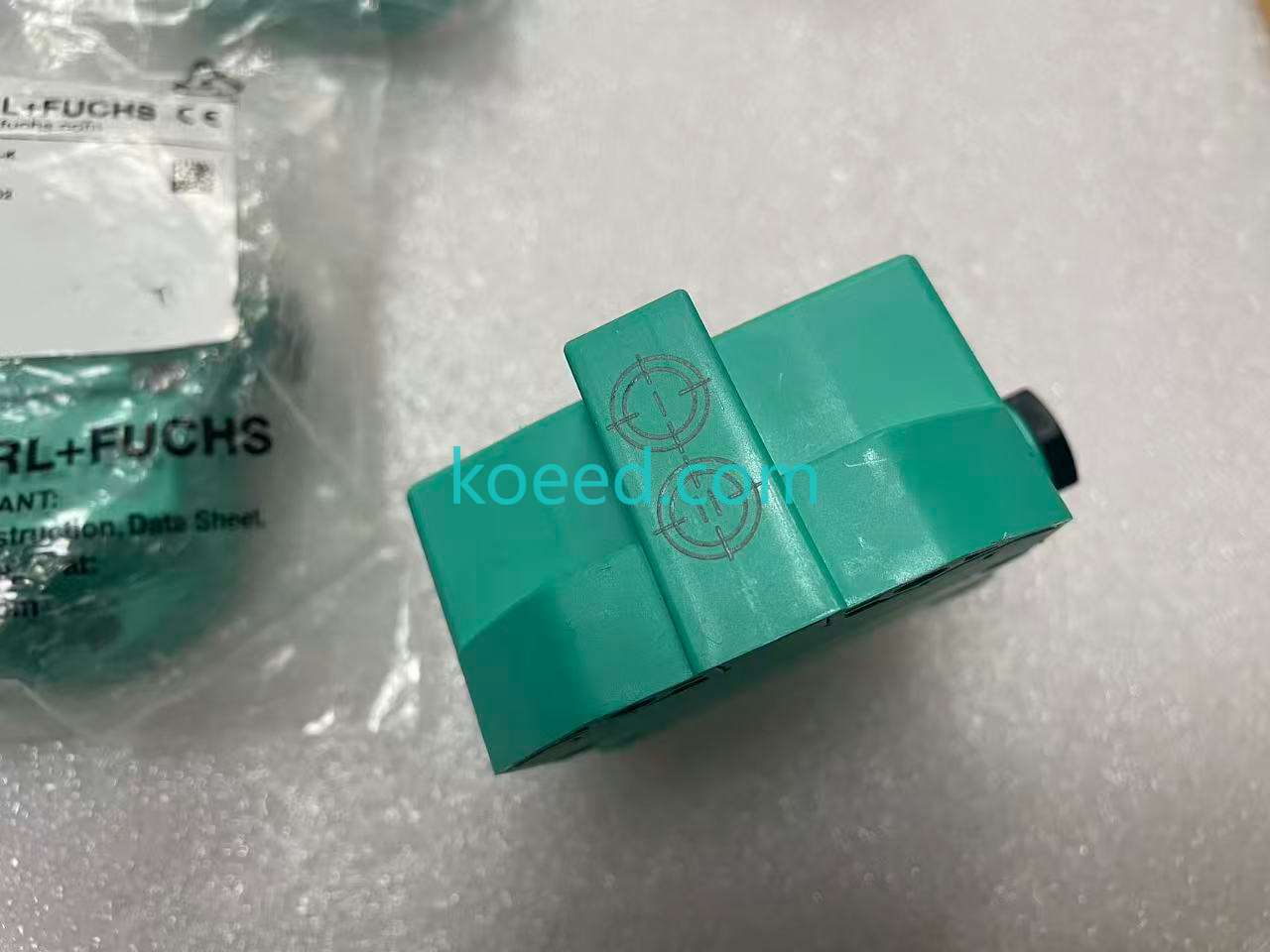
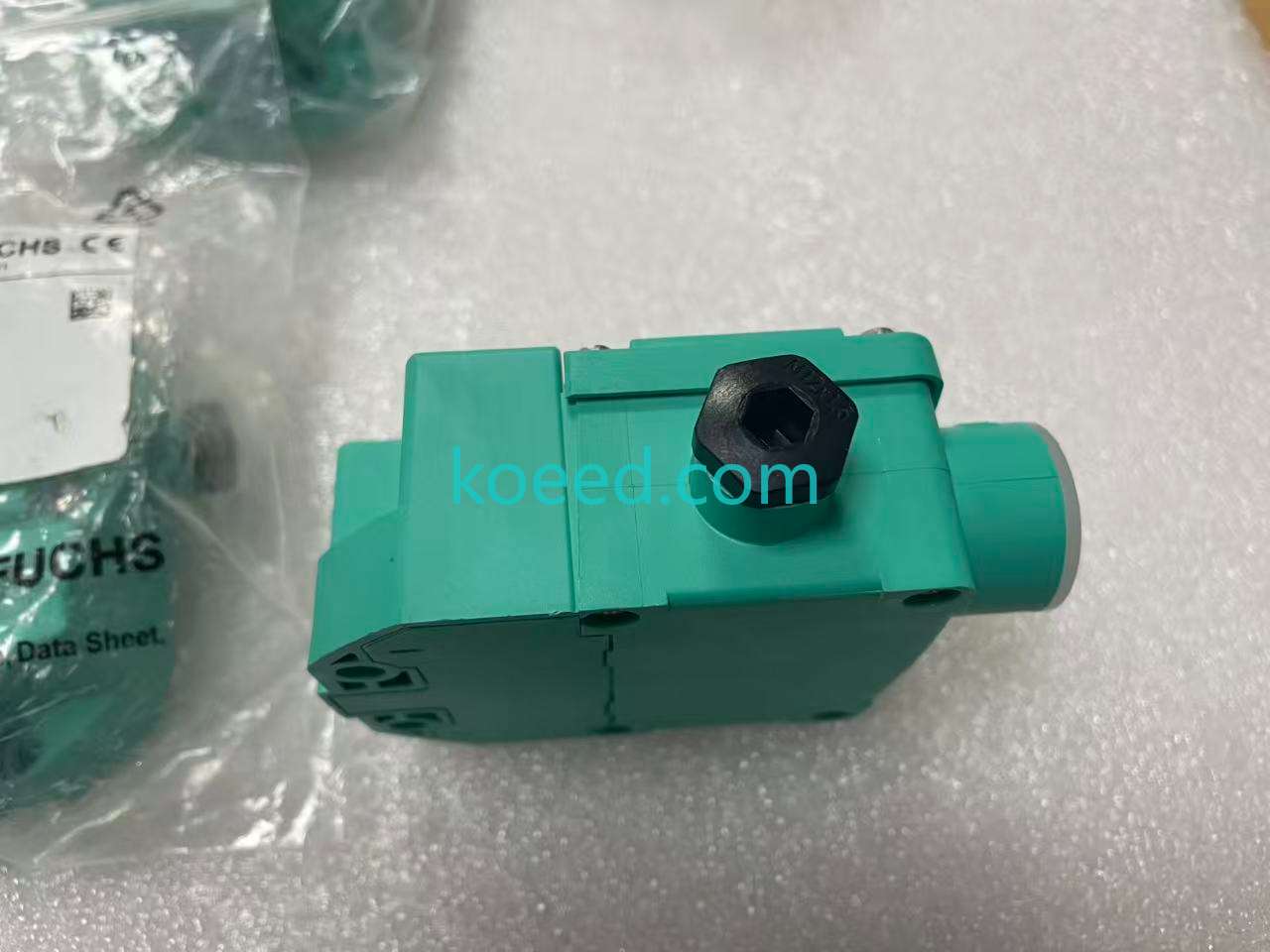
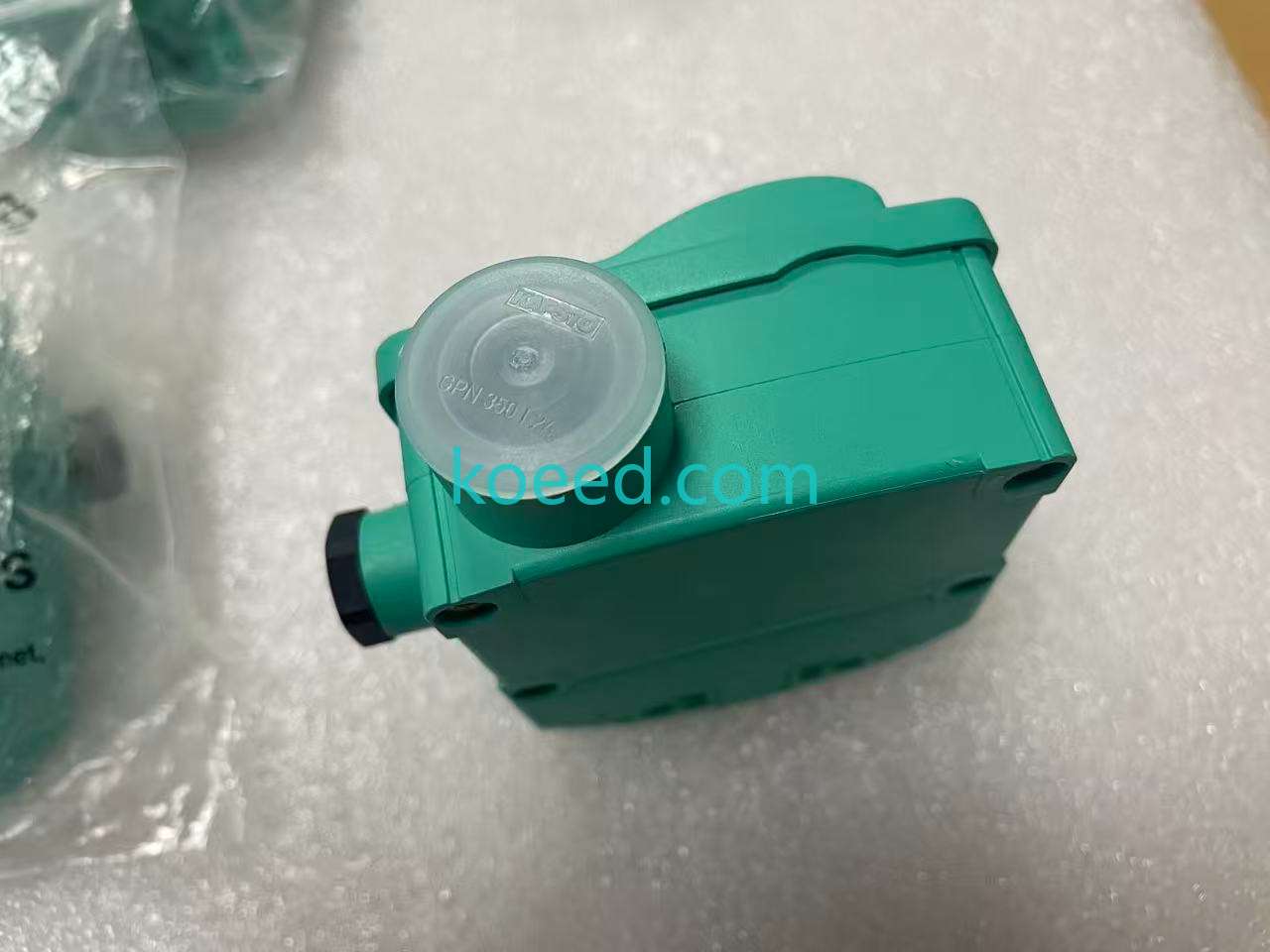
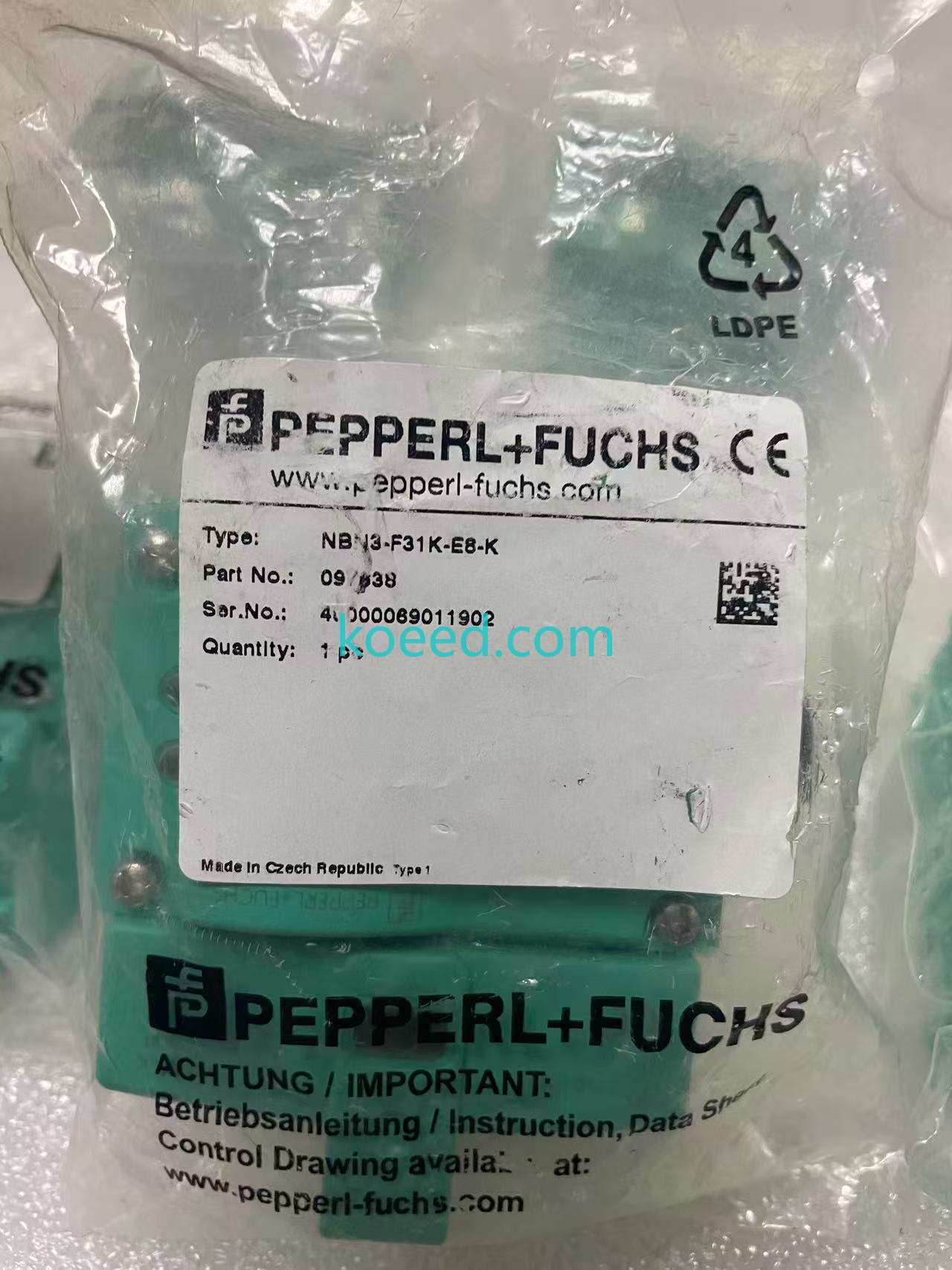
Visual Gallery: NBN3-F31K-E8-K Product Inspection
IT/OT Convergence: Enabling the Digital Twin
In 2026’s connected factory the dual outputs can simultaneously serve the PLC real‑time control loop (Channel 1) and a condition‑monitoring edge node (Channel 2) that feeds switching‑frequency trend analysis and anomaly detection into cloud‑based CMMS. This aligns with OPC UA FX specifications, sharing sensor state across vendor‑agnostic dashboards without protocol translation.
Predictive Maintenance Readiness
By monitoring switching frequency stability and edge jitter on Channel 2, maintenance teams can detect early signs of target misalignment or mechanical wear – weeks before a failure occurs – transforming the sensor into a strategic reliability asset.
Installation & Commissioning Best Practices
Mechanical Mounting
Designed for flush mounting, the sensing face can be positioned flush with the surrounding metal surface. Use M4 or M5 grade 8.8 bolts with spring washers and ensure the target approaches axially. Lateral approaches reduce effective switching distance by up to 40%.
Electrical Wiring
Pin assignment: Brown (+24 V DC), Blue (0 V), Black (Output 1), White (Output 2). In environments with VFD‑induced EMI, use shielded cable grounded at the control cabinet end only. The built‑in reverse polarity protection safeguards the sensor, but the LED will be non‑functional if polarity is reversed – a useful visual diagnostic.
Common Troubleshooting Scenarios
Intermittent Output Dropout: Verify target comes within 2.4 mm (80 % of sₙ) for guaranteed switching under all temperatures. Output LED Off Despite Power: Likely reversed polarity – swap brown/blue conductors. Both Outputs Stuck Low: Check external fusing and load impedance; maximum 240 mA per channel.
Interactive FAQ
What is the difference between NBN3-F31K-E8-K and NBN3-F31-E8-K?
The F31K features a larger housing (35.5 × 65 × 77.5 mm vs. 33.5 × 65 × 36 mm) for improved thermal management while sharing identical switching specifications (2× NO PNP, 3 mm flush).
Can the sensor detect non‑ferrous metals like aluminum?
Inductive sensors rely on eddy currents; non‑ferrous targets reduce the operating distance to 30–50 % of the rated 3 mm. For non‑ferrous applications consider capacitive or photoelectric alternatives.
Is the NBN3-F31K-E8-K IO‑Link compatible?
It is a standard discrete PNP sensor. IO‑Link integration is achieved via digital input hub modules (e.g., Pepperl+Fuchs ICE series) that convert discrete signals into IO‑Link process data.
Ready to Integrate the NBN3-F31K-E8-K?
Koeed maintains strategic inventory for immediate shipment. Contact our B2B automation specialists for volume pricing, technical support or custom sensor solutions.
Request a Quote


