
PGLV1009 PLC: The 2026 Definitive Engineering Guide for Smart Industrial Automation & IT/OT Convergence
📋 Engineering Brief — 2026 Edition: The PGLV1009 represents a new class of compact yet powerful programmable logic controllers engineered for the converging demands of operational technology (OT) and information technology (IT). As global PLC markets surge past USD 12.9 billion in 2026 (CAGR 11.4%, Global Market Insights), the PGLV1009 positions itself as a cost-optimized bridge between legacy relay-based control and fully cloud-integrated smart manufacturing — without the enterprise-level price tag.
1. Strategic Positioning: Why the PGLV1009 Matters in 2026
The industrial automation landscape of 2026 is defined by three non-negotiable priorities: real-time data visibility, energy accountability, and zero-unplanned-downtime. The PGLV1009 addresses all three. Unlike previous-generation micro-PLCs that operated in isolation, this controller is designed with native communication flexibility — enabling seamless handshakes with SCADA, MES, and cloud-based ERP platforms.
For system integrators and OEMs, the PGLV1009 delivers mid-range capability at entry-level TCO. Whether you are automating a packaging line, managing HVAC sequences in a smart building, or controlling conveyor logic in a distribution center, this PLC provides the deterministic response and networking readiness that 2026 operations demand.
2. Technical Benchmarking: PGLV1009 vs. Legacy-Generation PLCs
The table below compares the PGLV1009's projected capabilities against legacy micro-PLC architectures still common in brownfield installations. The delta in communication throughput and diagnostic intelligence is substantial.
| Parameter | PGLV1009 (2026 Standard) | Legacy Micro-PLC (Pre-2020) |
|---|---|---|
| Processing Architecture | 32-bit RISC, high-speed backplane | 16-bit, limited scan-cycle headroom |
| Program Memory | Expanded flash (field-upgradable) | Fixed EEPROM, limited expansion |
| Communication Protocols | Modbus RTU/TCP, RS-485, Ethernet-ready | RS-232/RS-485 only, no native Ethernet |
| IT/OT Gateway Readiness | Native MQTT/OPC-UA bridge capable | Requires external gateway hardware |
| Diagnostic Depth | Real-time error logging, predictive alerts | Basic LED indicator, no event history |
| Energy Monitoring | Integrated power metering subroutines | None; external CTs & meters needed |
| Typical MTBF | >100,000 hours (industrial rated) | ~50,000–70,000 hours |
| Firmware Update Method | Over-the-wire / USB, minimal downtime | Physical EPROM swap or proprietary tool |
🔧 Pro Tip — Migration Strategy: When retrofitting legacy panels with the PGLV1009, verify your existing power supply rail stability. The PGLV1009's faster scan cycle can expose marginal 24V DC supplies that older, slower PLCs masked. A regulated DIN-rail PSU with <50mV ripple is strongly recommended.
3. Visual Gallery — PGLV1009 Hardware Overview
Below is the complete visual reference for the PGLV1009 unit. All images reflect the current 2026 production revision.
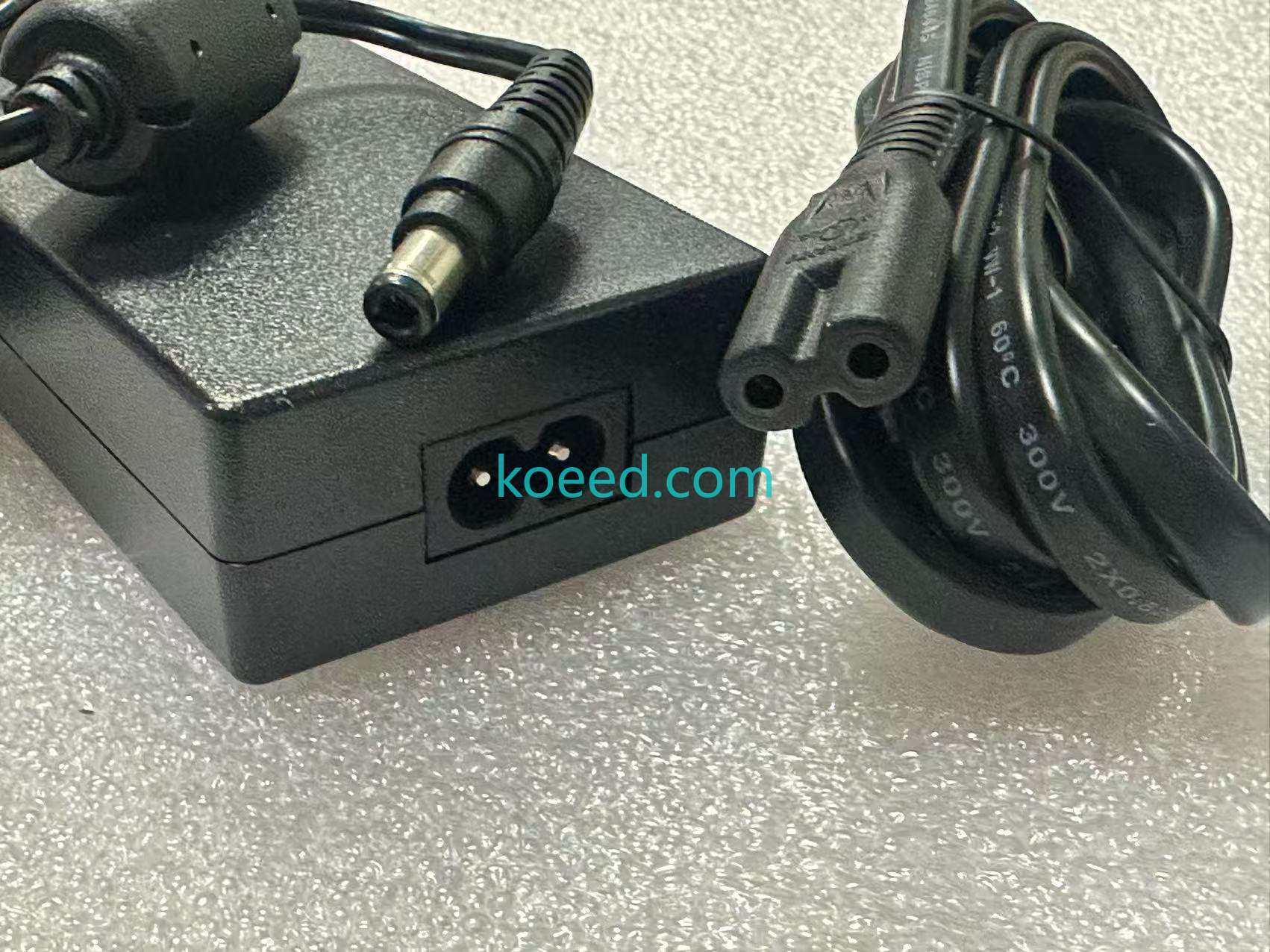
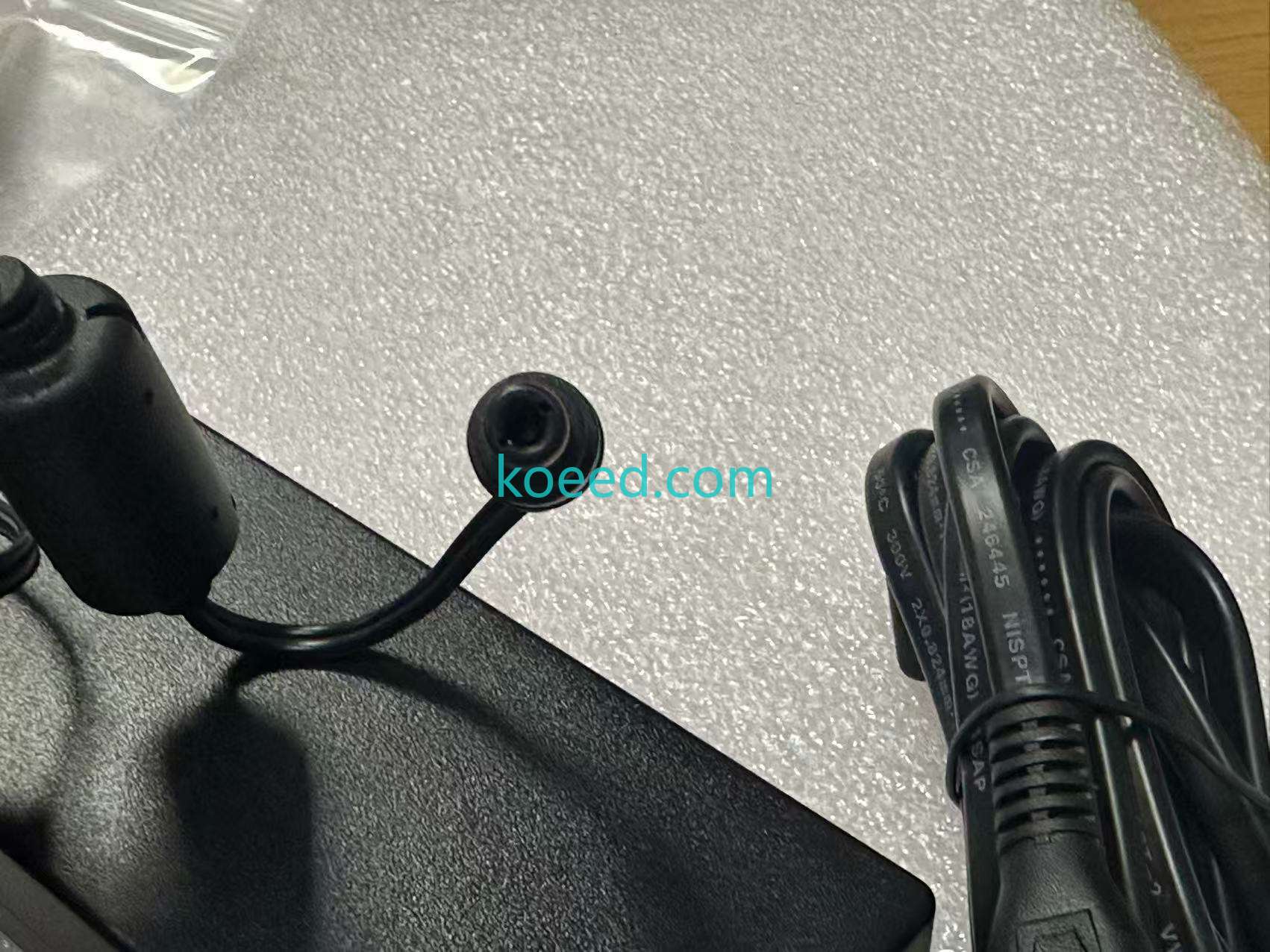
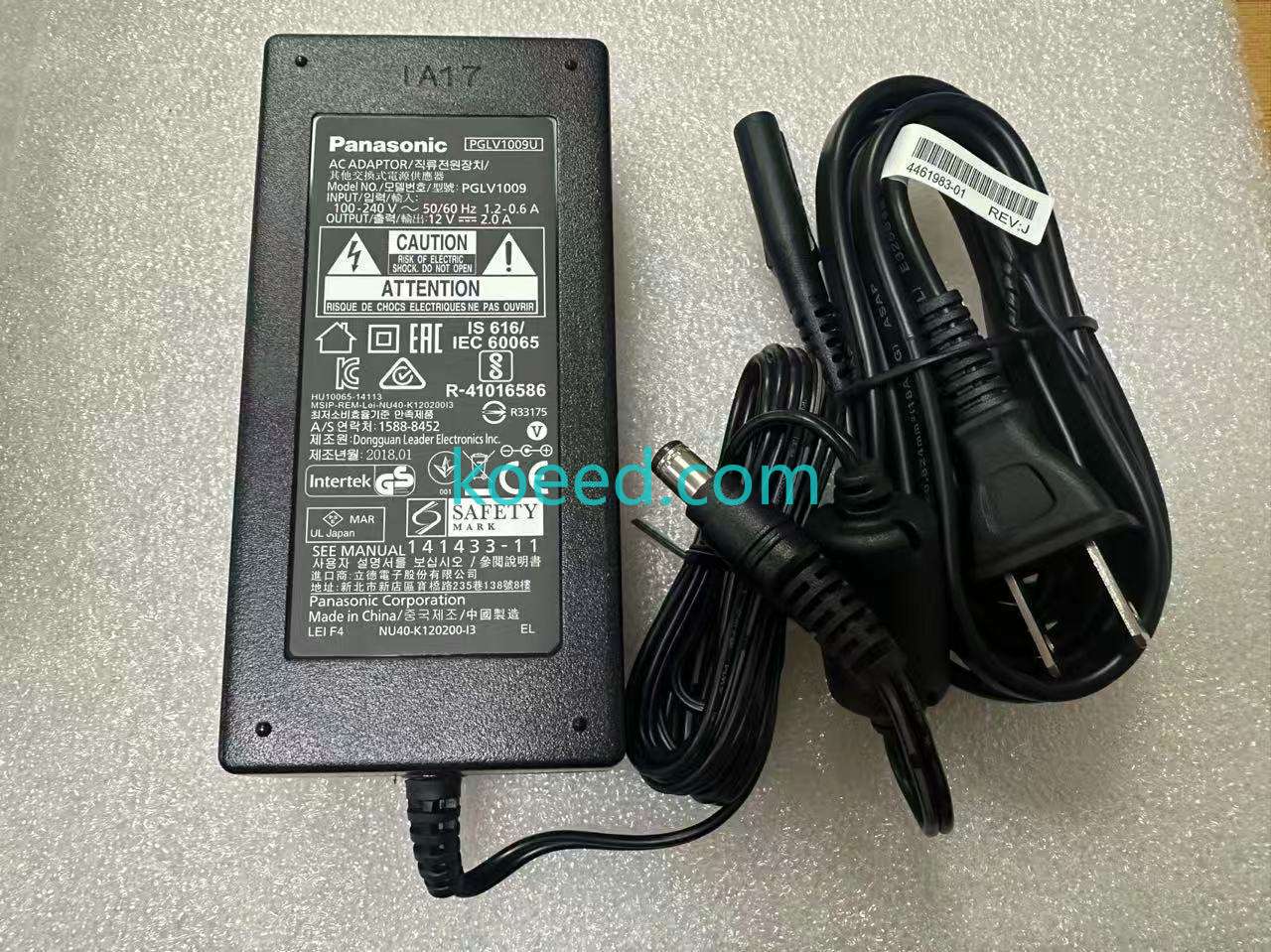
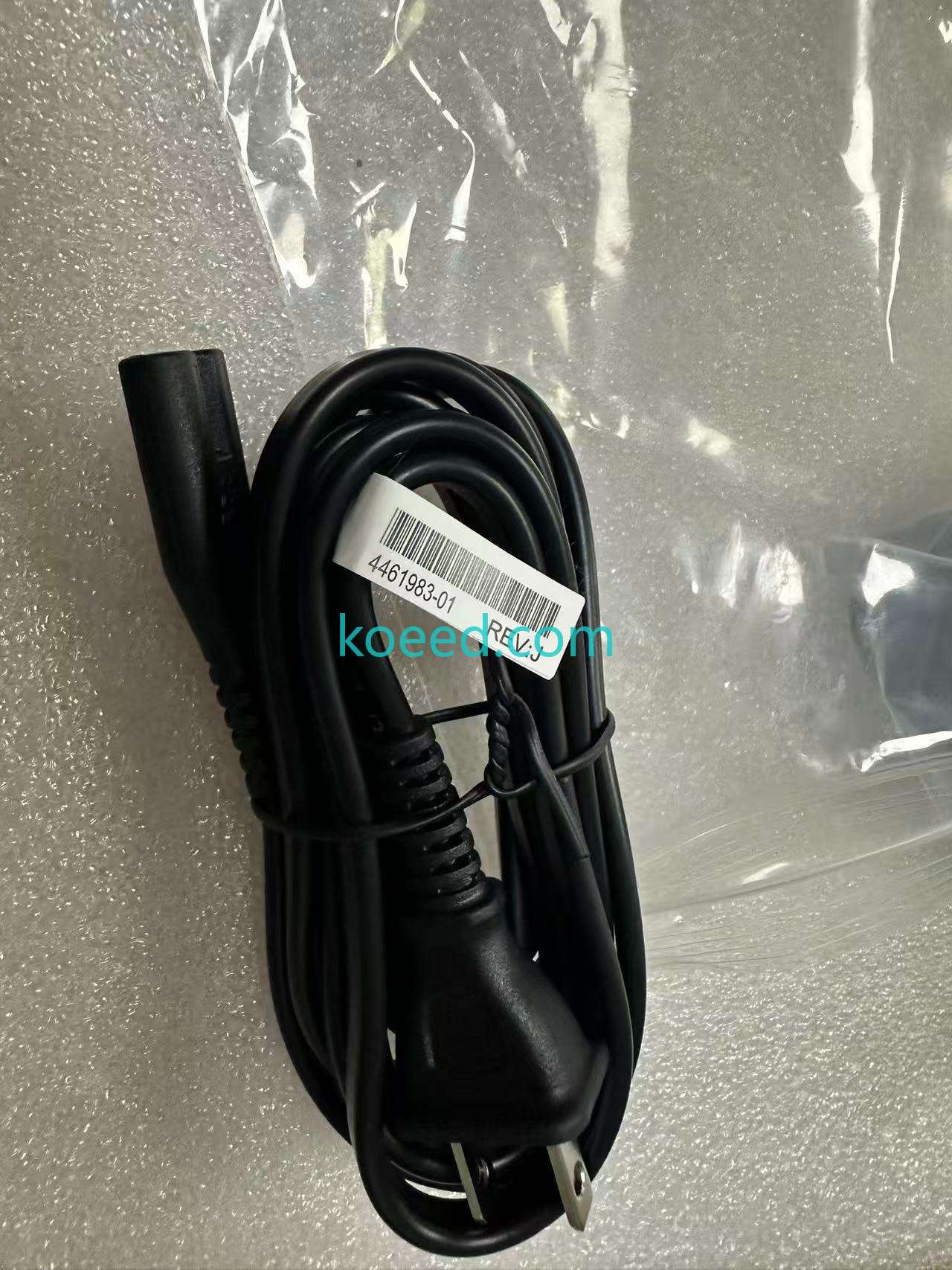
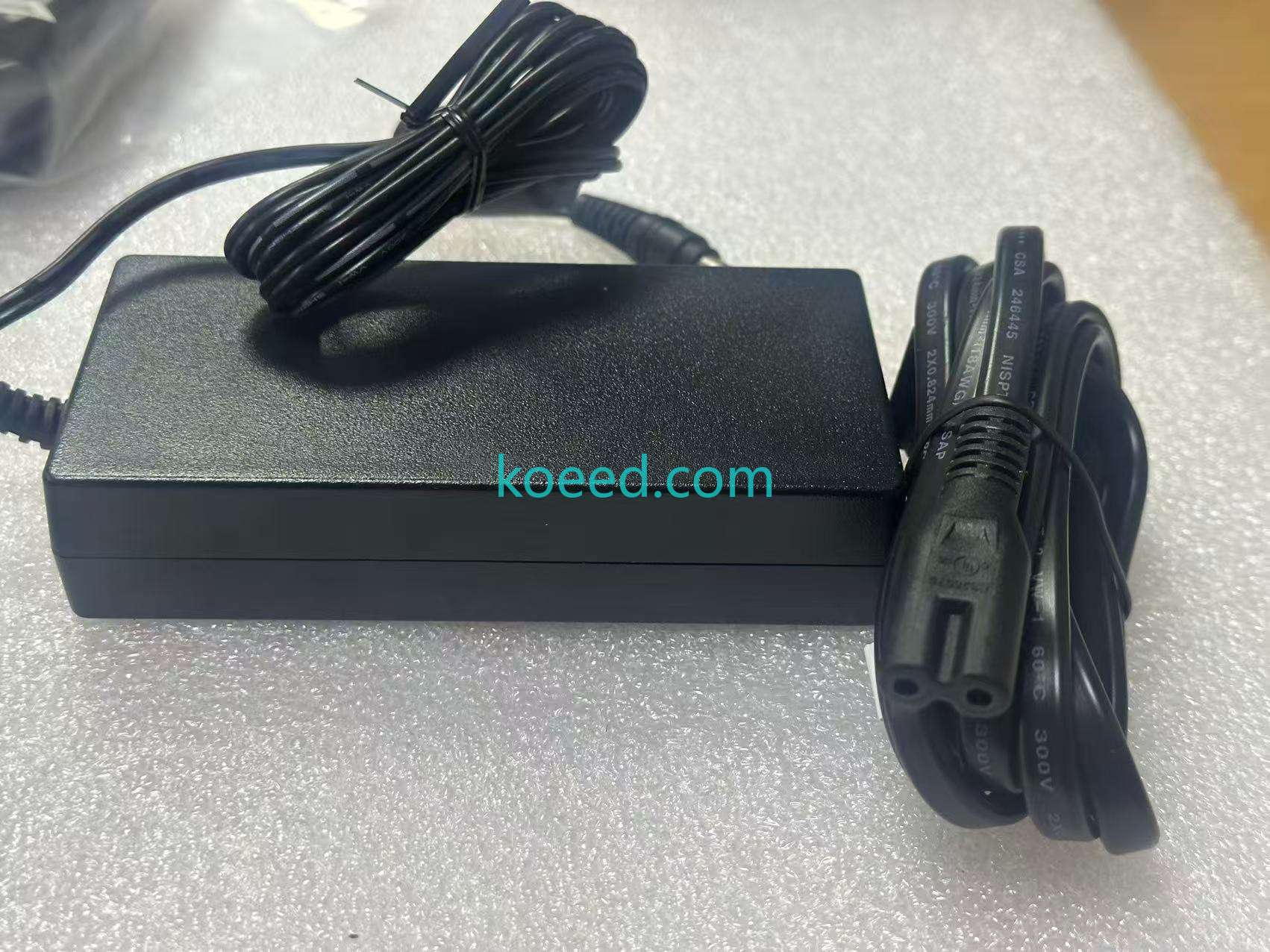
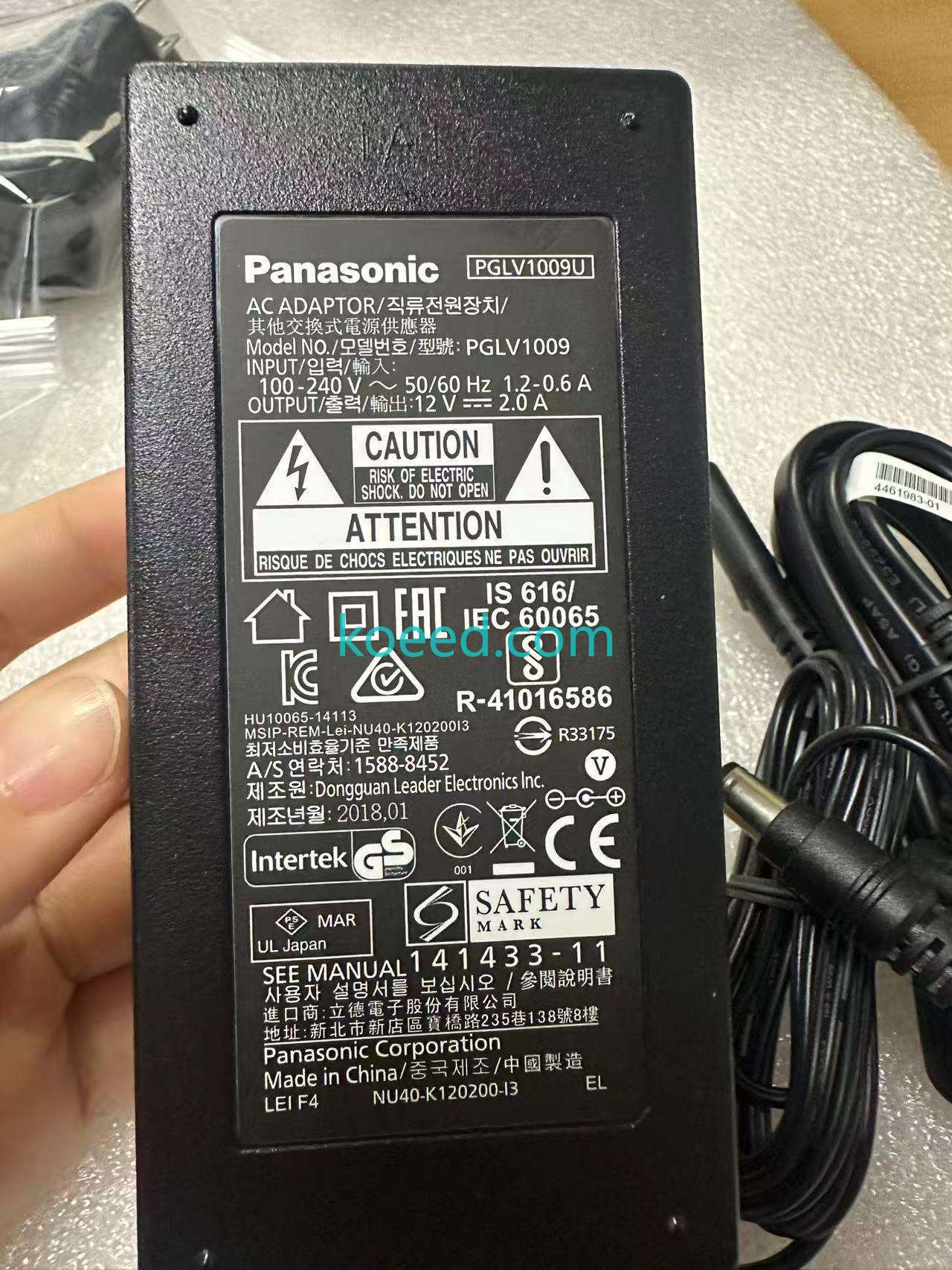
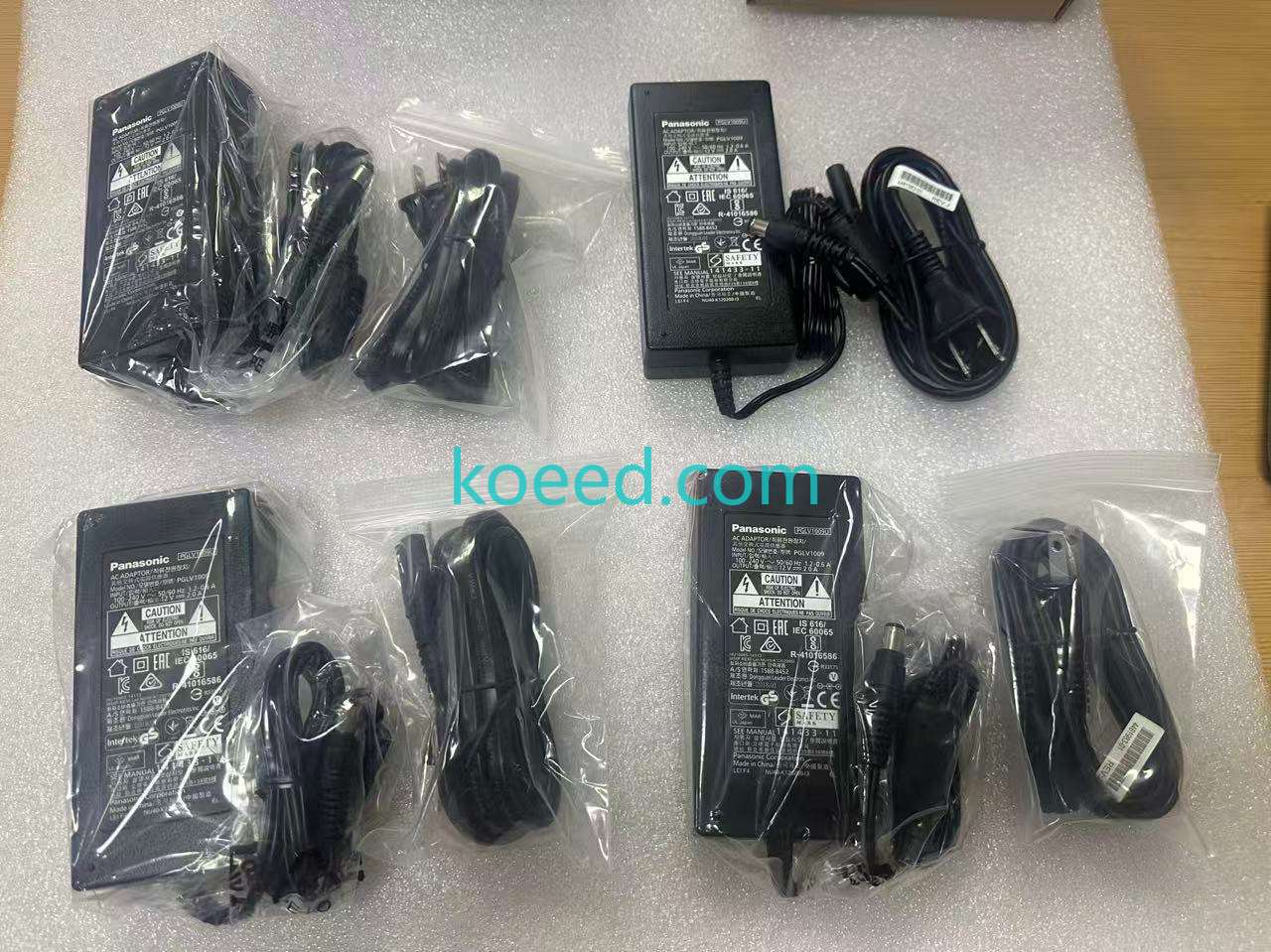
All seven reference images above. For high-resolution downloads or dimensional CAD files, contact the Koeed engineering support team.
4. IT/OT Convergence: Making the PGLV1009 ERP-Ready
In 2026, a PLC that cannot speak to the cloud is a liability. The PGLV1009's communication stack supports bidirectional data flow — not just polling sensor values, but also receiving production schedules, recipe updates, and predictive-maintenance triggers from upstream MES/ERP systems.
4.1 Recommended Architecture Stack
A typical 2026 deployment pattern using the PGLV1009 looks like this:
- 🔹 Layer 1 — Field: PGLV1009 + digital/analog I/O + smart sensors (IO-Link capable)
- 🔹 Layer 2 — Edge: Industrial gateway or embedded IPC running Node-RED / Ignition Edge, bridging Modbus TCP to MQTT
- 🔹 Layer 3 — Cloud/On-Prem: Time-series database (InfluxDB / AWS IoT SiteWise), visualization via Grafana or Power BI
- 🔹 Layer 4 — ERP Integration: REST API calls to SAP S/4HANA or Microsoft Dynamics 365 for automated work-order generation
4.2 Sustainability & Energy ROI
With integrated power-monitoring subroutine capability, the PGLV1009 enables facilities to track kWh per unit produced — a critical KPI for ISO 50001 energy management compliance. Early adopters in 2025–2026 have reported 12–18% reduction in idle-time energy waste simply by automating shutdown sequences during line gaps — logic easily programmed into the PGLV1009.
⚡ Sustainability Quick Win: Program a "sleep-mode" routine in the PGLV1009 that power-gates non-critical auxiliary outputs (lighting, cooling fans, conveyors) after 180 seconds of inactivity. This single rung of ladder logic can save an estimated $380–$720/year per controlled zone at average industrial electricity rates.
5. Predictive Maintenance & Troubleshooting Protocols
Moving beyond reactive repair, the PGLV1009 supports condition-based monitoring logic that can be authored directly in ladder diagram or structured text. Below are practical implementation strategies and common diagnostic procedures.
5.1 Implementing Predictive Triggers
| Failure Mode | PGLV1009 Diagnostic Logic | Recommended Action |
|---|---|---|
| I/O Module Drift | Compare analog input against reference channel; flag if deviation >2% over 24h | Schedule calibration window; no emergency stop needed |
| Communication Timeout | Watchdog timer on Modbus response; increment error counter | Auto-retry 3×, then escalate via email/SMS alert |
| Power Supply Degradation | Monitor internal DC bus voltage; log minimum daily value | Replace PSU when daily min drops below 21.6V |
| Output Relay Wear | Cycle counter with threshold alert at 80% rated life | Pre-emptive replacement during planned downtime |
5.2 Common Troubleshooting Scenarios
⚠️ Scenario A: PGLV1009 Not Entering RUN Mode
Symptom: Power LED on, but RUN LED remains off or blinking.
Root Cause (90% of cases): Missing or corrupted program memory, or hardware configuration mismatch.
Resolution Steps: (1) Connect programming software via USB/RS-485. (2) Verify that the project's I/O configuration matches the physical modules installed. (3) Perform a "Clear All & Re-Download" cycle. (4) If the issue persists, inspect the internal backup battery (if equipped) — a drained battery can cause checksum errors on cold boot.
⚠️ Scenario B: Intermittent Communication Drops on RS-485 Network
Symptom: Modbus polling returns sporadic timeout errors.
Root Cause: Typically improper termination, grounding, or baud rate mismatch in multi-drop networks.
Resolution: (1) Confirm 120Ω termination resistors are installed only at both extreme ends of the bus. (2) Verify that all devices share a common signal ground reference. (3) Reduce baud rate from 115.2k to 38.4k as a diagnostic step. (4) Inspect cable routing — avoid parallel runs alongside VFD or high-power motor cables.
⚠️ Scenario C: Analog Input Readings Fluctuating Erratically
Symptom: 4–20mA or 0–10V readings unstable despite a known-stable source.
Root Cause: Electrical noise coupling, insufficient shielding, or ground loop.
Resolution: (1) Enable the PGLV1009's built-in software filter (moving average, 8–16 samples). (2) Verify shielded cable is used and that the shield drain wire is grounded at ONE end only (preferably at the PLC panel side). (3) Insert a signal isolator module between the field sensor and the analog input channel if ground potential differences are suspected.
6. Total Cost of Ownership (TCO) Analysis — 2026 Projection
For procurement teams evaluating the PGLV1009, the table below breaks down the estimated 5-year TCO compared to equivalent-class alternatives. Figures assume a single-unit deployment in a light-to-medium industrial environment.
| Cost Category | PGLV1009 | Competitor Class Average | Notes |
|---|---|---|---|
| Hardware Acquisition | Competitive (Entry-Mid) | $350 – $1,200 | Includes base CPU unit |
| Programming Software License | Typically bundled / low-cost | $0 – $600/yr | Check Koeed bundle options |
| Installation & Commissioning | ~4–8 hours | ~6–12 hours | Intuitive I/O layout reduces wiring time |
| Annual Energy Consumption | ~35–55 kWh/yr | ~50–90 kWh/yr | Modern low-power design |
| 5-Year Maintenance Burden | Minimal (no moving parts) | 1–2 service calls typical | Remote diagnostics reduce truck rolls |
| Downtime Risk (5-Year) | <8 hours estimated | 12–24 hours estimated | Predictive alerts prevent surprises |
7. Frequently Asked Questions (FAQ)
Q: What programming languages does the PGLV1009 support?
The PGLV1009 is compliant with the IEC 61131-3 standard, supporting Ladder Diagram (LD), Structured Text (ST), and Function Block Diagram (FBD). For most automation engineers migrating from legacy platforms, Ladder Diagram will be the most intuitive starting point. Structured Text is recommended for complex math, data manipulation, and conditional branching logic.
Q: Can the PGLV1009 communicate with non-Koeed HMI panels?
Yes. Because the PGLV1009 supports standard Modbus RTU (RS-485) and Modbus TCP (Ethernet), it is compatible with virtually any third-party HMI that speaks Modbus — including panels from Weinview, Siemens, Delta, and Pro-face. Always confirm the HMI's Modbus driver is configured with matching register mapping.
Q: Is the PGLV1009 suitable for outdoor or high-temperature installations?
The PGLV1009 is rated for standard industrial environments (typically 0–55°C operating, 5–95% RH non-condensing). For outdoor or extreme-temperature deployments, a NEMA/IP65-rated enclosure with active thermal management (panel cooling fan or Peltier unit) is required. Direct sunlight exposure and condensing humidity must be avoided.
Q: How does Koeed handle firmware updates and technical support?
Koeed provides firmware updates, engineering documentation, and direct technical support through the official support channel. For critical production-line deployments, a WhatsApp hotline is available for rapid-response troubleshooting. See the CTA section below for contact methods.
Q: What is the typical lead time for the PGLV1009 in 2026?
Thanks to Koeed's optimized supply chain and strategic component sourcing, the PGLV1009 typically ships within 3–7 business days for standard configurations. Custom I/O expansion modules or high-volume OEM orders may require additional lead time. Contact the Koeed sales team for a real-time inventory check.
8. Final CTA — Take the Next Step
🚀 Ready to Deploy the PGLV1009 in Your Facility?
Whether you need a single evaluation unit, a full-scale OEM integration quote, or technical pre-sales consultation, the Koeed engineering team is standing by in 2026 to support your automation journey. Get in touch through your preferred channel below.
Response within 2 business hours for WhatsApp inquiries. For RFQs, expect a detailed proposal within 1 business day.
© 2026 Koeed — Industrial Automation, Engineered for Tomorrow. All product names and trademarks are property of their respective owners. Specifications are subject to change without notice. Always refer to the official datasheet for design-critical parameters.

