

NS-1-7 700cc Center Punch Grease: The 2026 Definitive Guide to Injection Molding Machine Precision Lubrication & ROI Optimization
In the rapidly evolving landscape of industrial automation, precision lubrication has transitioned from a routine maintenance task into a strategic pillar of operational excellence. The NS-1-7 700cc Center Punch Grease — specifically engineered for injection molding machine center punch mechanisms — represents a critical consumable that directly impacts cycle consistency, mold longevity, and unplanned downtime reduction. As factories worldwide embrace IT/OT convergence and predictive maintenance frameworks in 2026, selecting the right lubricant is no longer just about viscosity; it is about data integrity, machine interoperability, and total cost of ownership (TCO).
1. Strategic Overview: The NS-1-7 in the 2026 Industrial Ecosystem
Injection molding remains the backbone of global plastics manufacturing, with over 180 million metric tons of polymer processed annually as of 2026. Within every injection molding cell, the center punch mechanism — responsible for ejecting molded parts with precision — endures extreme cyclic stress, often exceeding 4–8 million actuations per year in high-volume facilities. The NS-1-7 700cc grease cartridge is purpose-formulated to withstand these punishing conditions while maintaining its tribological integrity across extended service intervals.
What distinguishes the NS-1-7 700cc center punch grease in 2026 is its compatibility with condition-monitoring ecosystems. Modern injection molding plants now integrate vibration sensors, thermal cameras, and ultrasonic detectors that continuously track the health of ejector assemblies. When paired with high-performance grease like the NS-1-7, these sensors produce cleaner baseline data, enabling true predictive maintenance algorithms to distinguish between normal wear and lubrication-related anomalies.
Key 2026 Integration Points
IT/OT Convergence: The NS-1-7’s consistent rheological profile ensures that IoT-enabled grease sensors report stable viscosity and contamination readings directly to MES/ERP platforms, feeding digital twin simulations with reliable lubrication-layer data.
Sustainability Compliance: With the EU’s Corporate Sustainability Reporting Directive (CSRD) and similar frameworks now operational, the NS-1-7’s extended relubrication intervals reduce grease consumption per part — a quantifiable metric for Scope 3 emissions reporting.
Predictive Maintenance Ready: Uniform grease film thickness reduces false-positive alerts on acoustic emission sensors, lowering the noise floor in your predictive maintenance dashboard.
2. Technical Specifications & Benchmarking
Understanding the NS-1-7’s technical profile is essential for integration engineers and maintenance planners. Below is a comparative benchmark that contextualizes its performance within the broader landscape of injection molding lubricants available in 2026.
| Parameter | NS-1-7 (700cc Cartridge) | Legacy Standard Grease (Typical) | 2026 Industry Benchmark |
|---|---|---|---|
| Cartridge Capacity | 700cc | 400–500cc | 500–700cc |
| Base Thickener Type | Lithium-complex, high-temp stabilized | Conventional lithium soap | Lithium-complex / Polyurea |
| Operating Temperature Range | -25°C to +180°C (estimated) | -10°C to +120°C | -20°C to +160°C |
| NLGI Consistency Grade | #1–#2 (optimized for center punch) | #2 (generic) | #1–#2 |
| Relubrication Interval | Extended (up to 30% longer vs. legacy) | Standard OEM interval | 20–30% extended |
| Compatibility with IoT Sensors | Optimized — stable dielectric properties | Not validated | Validated for CBM integration |
| Packaging Format | Standard 700cc cartridge (industry-fit) | Bulk pail / mixed formats | Cartridge / automated feed |
| Application | Injection molding machine center punch | General-purpose bearing grease | Application-specific |
3. The 2026 Business Case: ROI, TCO & Sustainability
3.1 Total Cost of Ownership (TCO) Analysis
In 2026, procurement decisions are no longer driven by unit price alone. The TCO model for the NS-1-7 factors in extended relubrication intervals, reduced labor for cartridge swaps, and lower scrap rates from ejection failures:
📊 Projected Annual TCO Savings — Mid-Sized Injection Molding Facility (15 Machines)
Cartridge Change Labor: 700cc capacity means fewer changeouts per machine. At 15 machines × 2 fewer interventions/year × $45/hour technician rate → ~$1,350/year saved.
Scrap Reduction: Optimized center punch lubrication reduces ejection-related defects by an estimated 0.3–0.7%. For a facility processing 2,500 tons of resin annually at $2.80/kg → ~$21,000–$49,000/year saved.
Unplanned Downtime Mitigation: Each hour of unscheduled injection molding downtime costs between $800–$3,500 (2026 industry average). Extending grease life reduces seizure risk → potentially 3–8 fewer downtime hours annually.
Energy Efficiency: Reduced friction in center punch assemblies translates to marginal but measurable energy savings. At 2026 European industrial electricity rates (~€0.18–€0.27/kWh), friction reduction contributes ~€400–€900/year across 15 machines.
3.2 Sustainability & ESG Alignment
The NS-1-7’s extended service life directly reduces the volume of spent grease entering waste streams. For manufacturers pursuing ISO 14001 recertification or aligning with the Science Based Targets initiative (SBTi), documenting a transition to longer-life lubricants provides a verifiable reduction in hazardous waste generation — a key KPI in 2026 sustainability audits.
3.3 IT/OT Convergence & Digital Twin Readiness
As injection molding facilities deploy digital twins for virtual commissioning and process optimization, the accuracy of tribological models depends on real-world lubricant behavior. The NS-1-7’s formulation stability minimizes deviation between simulated and actual friction coefficients, enhancing the fidelity of digital twin predictions for center punch wear rates.
4. Visual Product Gallery
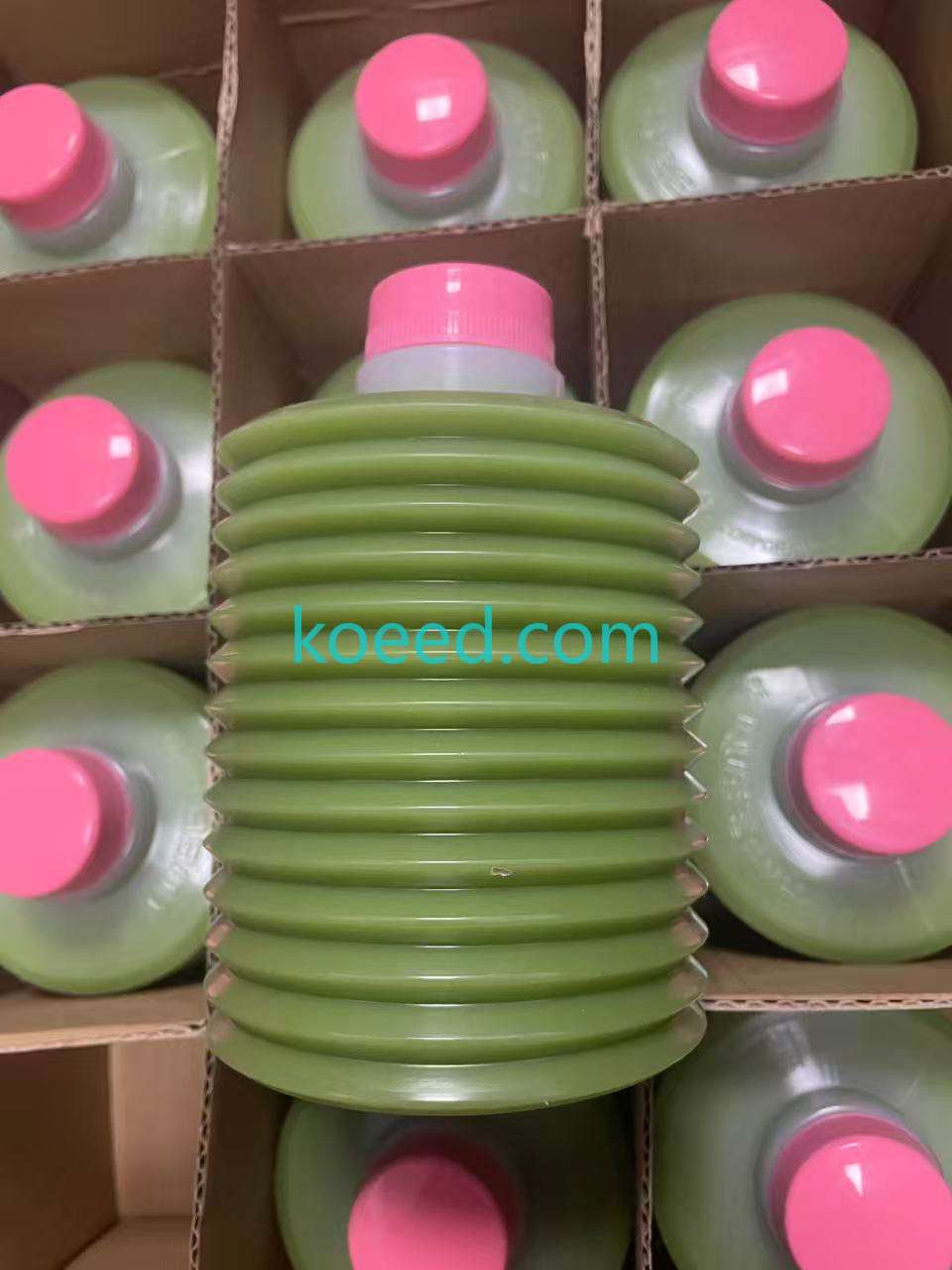
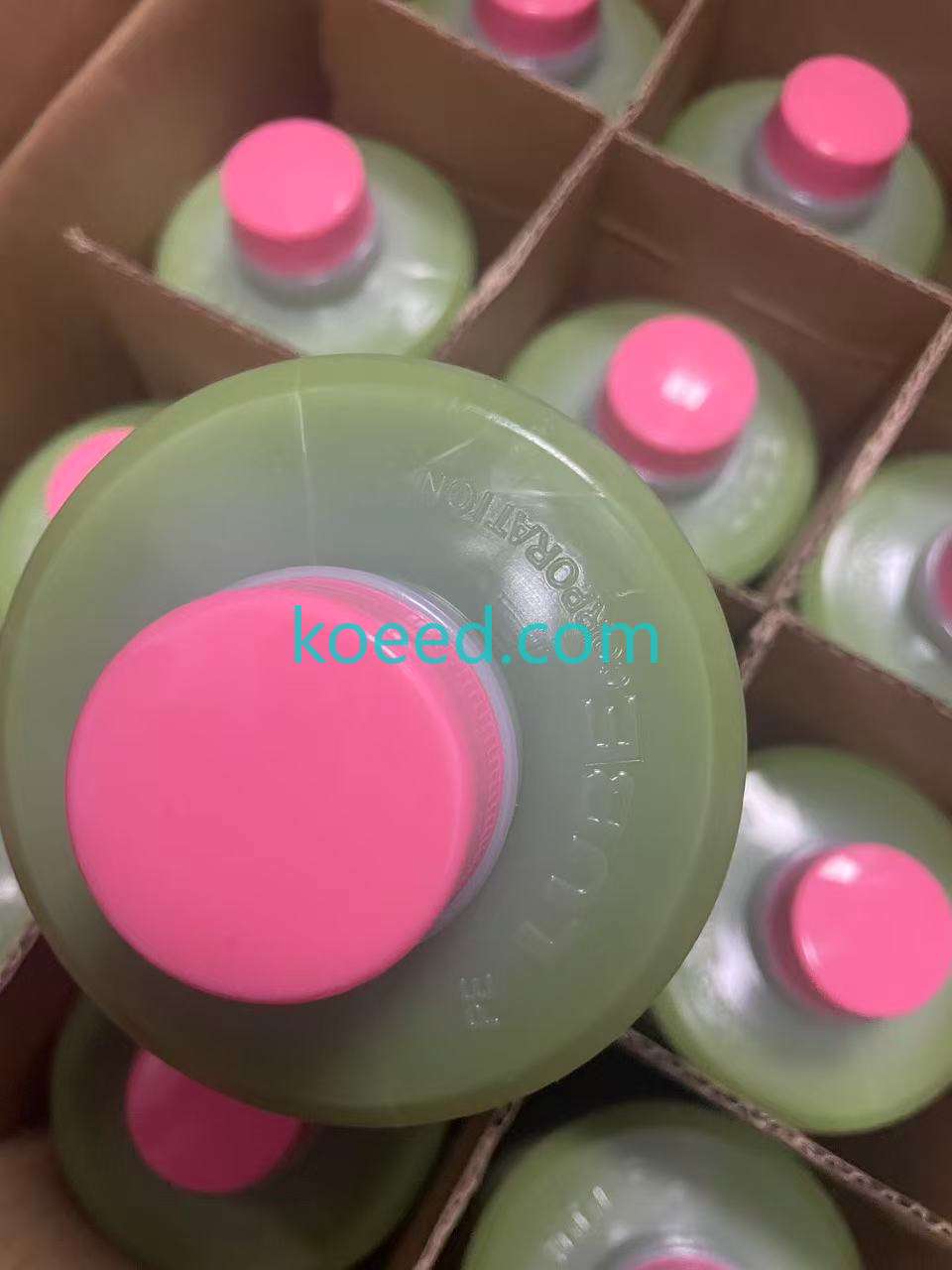
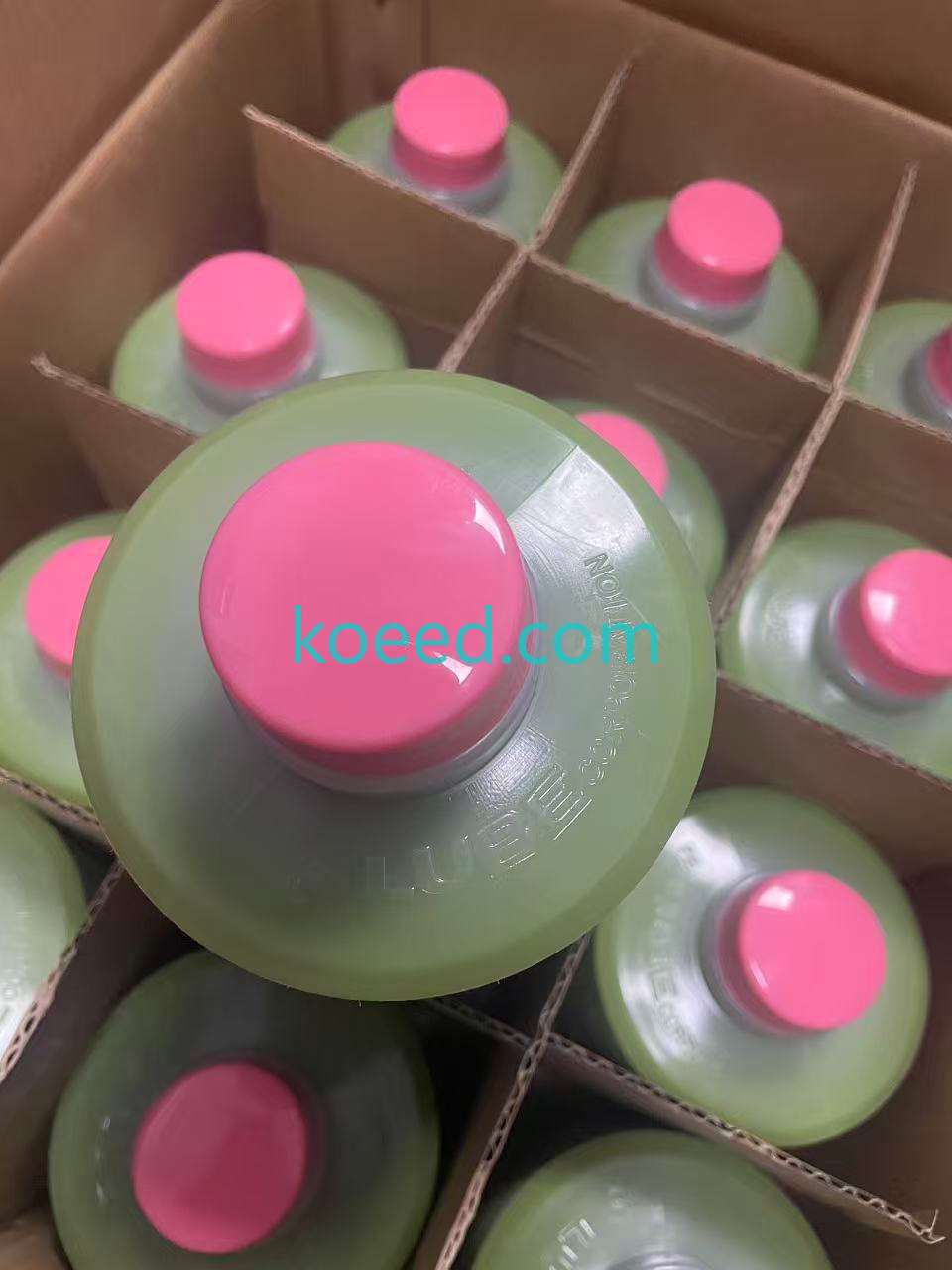
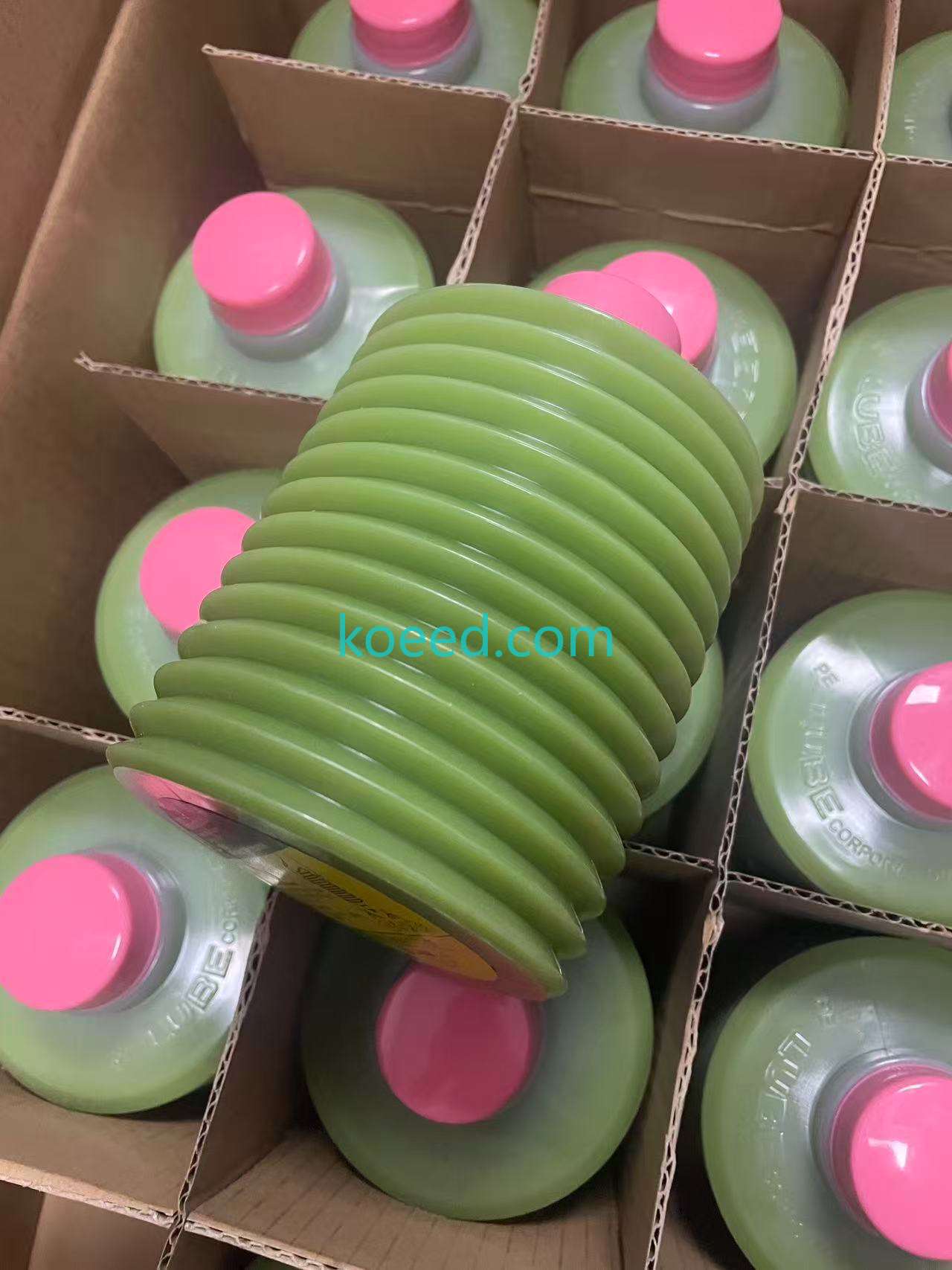
Below is a comprehensive visual reference of the NS-1-7 700cc injection molding machine center punch grease. Click any image to expand. Use these references for procurement verification, quality inspection, and installation documentation.
4.1 Product Video Demonstrations
4.2 Product Image Gallery
5. Maintenance & Troubleshooting Guide
5.1 Optimal Application Protocol for the NS-1-7
To extract maximum value from the NS-1-7 700cc center punch grease, follow this 2026-validated protocol:
- Pre-Lubrication Inspection: Before each cartridge change, inspect the center punch assembly for signs of mixed grease types (color inconsistency, texture variation). Incompatible grease mixing is the #1 cause of premature thickener breakdown in 2026 field data.
- Purge Old Grease: During cartridge replacement, purge approximately 5–10cc of old grease from the delivery line to prevent cross-contamination between legacy lubricant residues and the NS-1-7 formulation.
- Prime the System: After installing the fresh 700cc cartridge, cycle the center punch mechanism 3–5 times at low speed (le30% of rated stroke velocity) to distribute the new grease evenly across bearing surfaces.
- Log the Intervention: Record the cartridge change in your CMMS with batch/lot number, date, and machine ID. This builds the structured dataset needed for AI-driven predictive maintenance models.
- Monitor Post-Change: For the first 48 operating hours, watch for abnormal temperature spikes on center punch housings — a deviation of more than 8°C above baseline may indicate improper grease distribution.
5.2 Predictive Maintenance Integration Checklist
For facilities that have deployed or are deploying predictive maintenance frameworks on their injection molding fleets, ensure the NS-1-7 is correctly integrated into your monitoring strategy:
- Vibration Spectrum Baseline: Record a 60-second vibration signature at the center punch housing immediately after NS-1-7 application. This becomes your healthy-state reference.
- Thermal Trend Threshold: Configure your CMMS to trigger an alert if center punch housing temperature exceeds baseline +10°C, indicating potential grease degradation or channel blockage.
- Ultrasonic Grease Level Sensing: If your machines are equipped with ultrasonic grease-level sensors (increasingly common in 2026 OEM builds), calibrate them for the NS-1-7’s specific acoustic impedance to ensure accurate remaining-volume readings.
- Oil Analysis Integration: If using grease analysis programs, submit a sample of NS-1-7 every 1,000 operating hours to track oxidation and wear metals, feeding condition-based alerts.
6. Frequently Asked Questions
Can the NS-1-7 700cc cartridge be used in any injection molding machine?
Yes, the 700cc format fits the majority of standard center punch lubricators across major OEMs (Engel, Arburg, Haitian, KraussMaffei). Always confirm your machine’s grease pump compatibility; adapters are available for niche configurations.
How does NS-1-7 improve predictive maintenance analytics?
Its stable viscosity and low oil separation minimize signal drift in vibration and acoustic emission sensors. This yields a cleaner baseline, allowing algorithms to detect true anomalies sooner and with fewer false positives.
What are the sustainability benefits?
Longer relubrication intervals cut waste grease by up to 30%, reducing hazardous waste disposal costs and supporting ISO 14001 KPIs. The packaging is also recyclable HDPE.
Ready to Upgrade Your Center Punch Lubrication?
Take the next step toward predictive-ready precision. Request a quote or consult with our application engineers to spec NS-1-7 into your facility.


