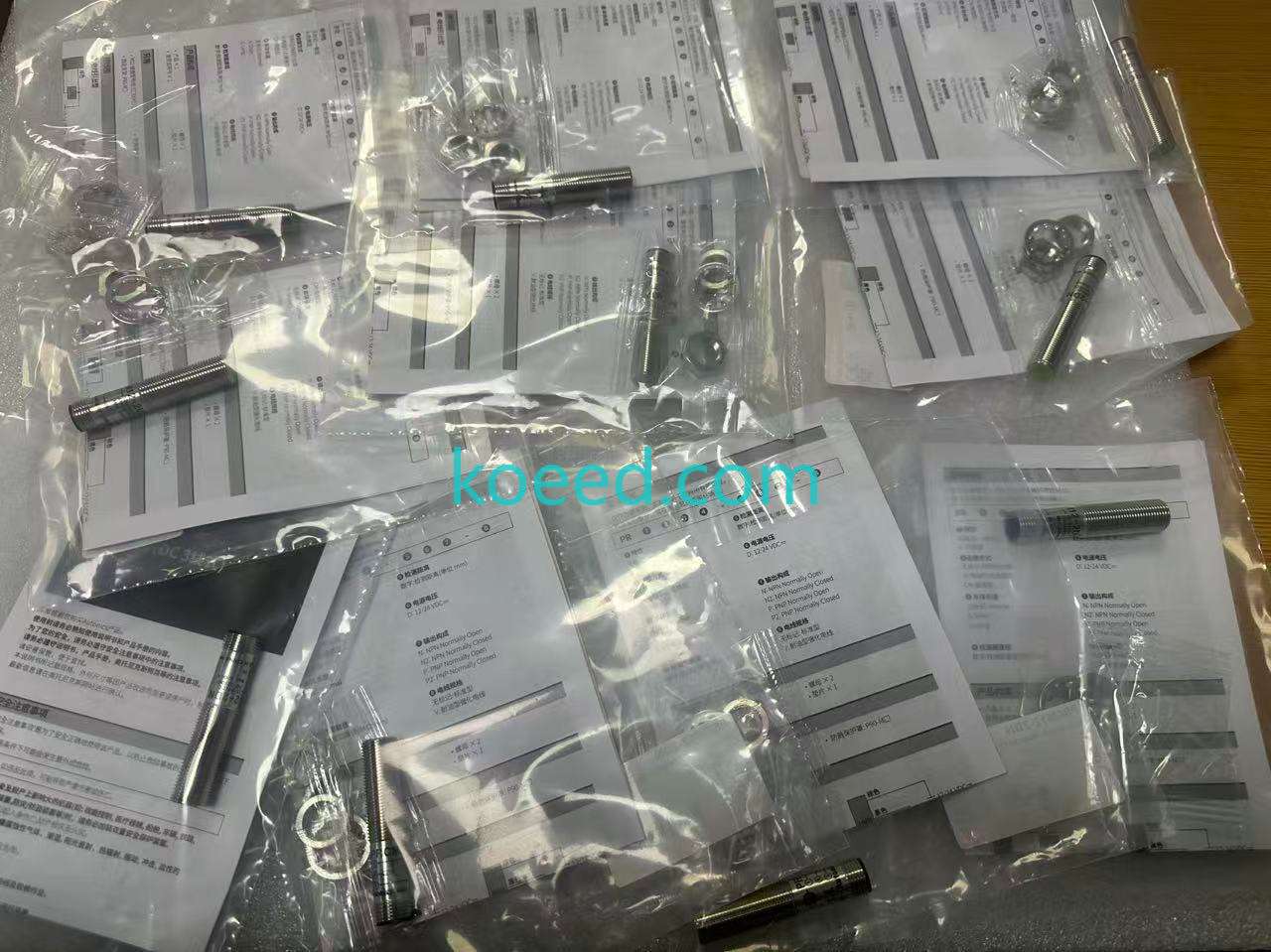
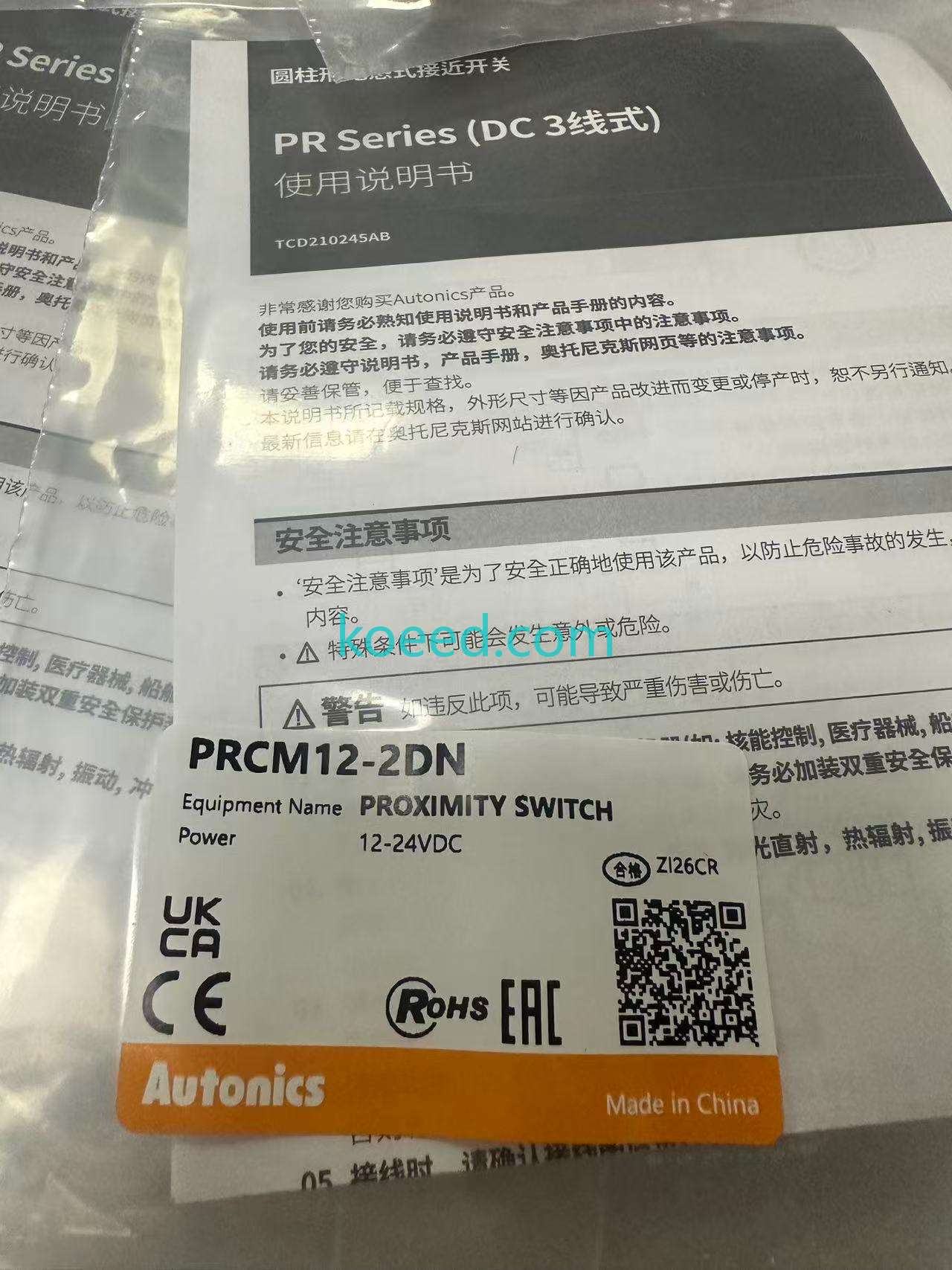
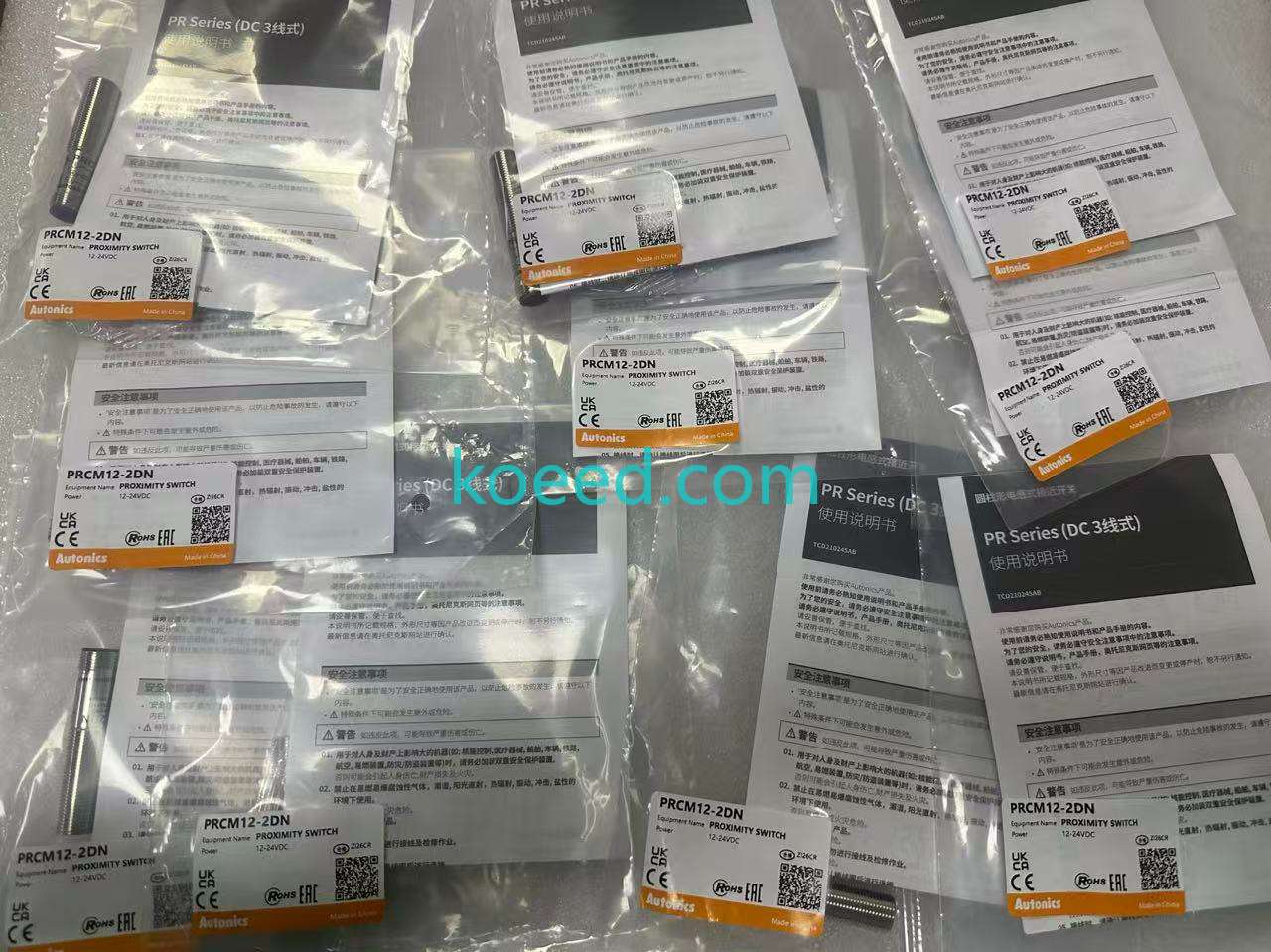
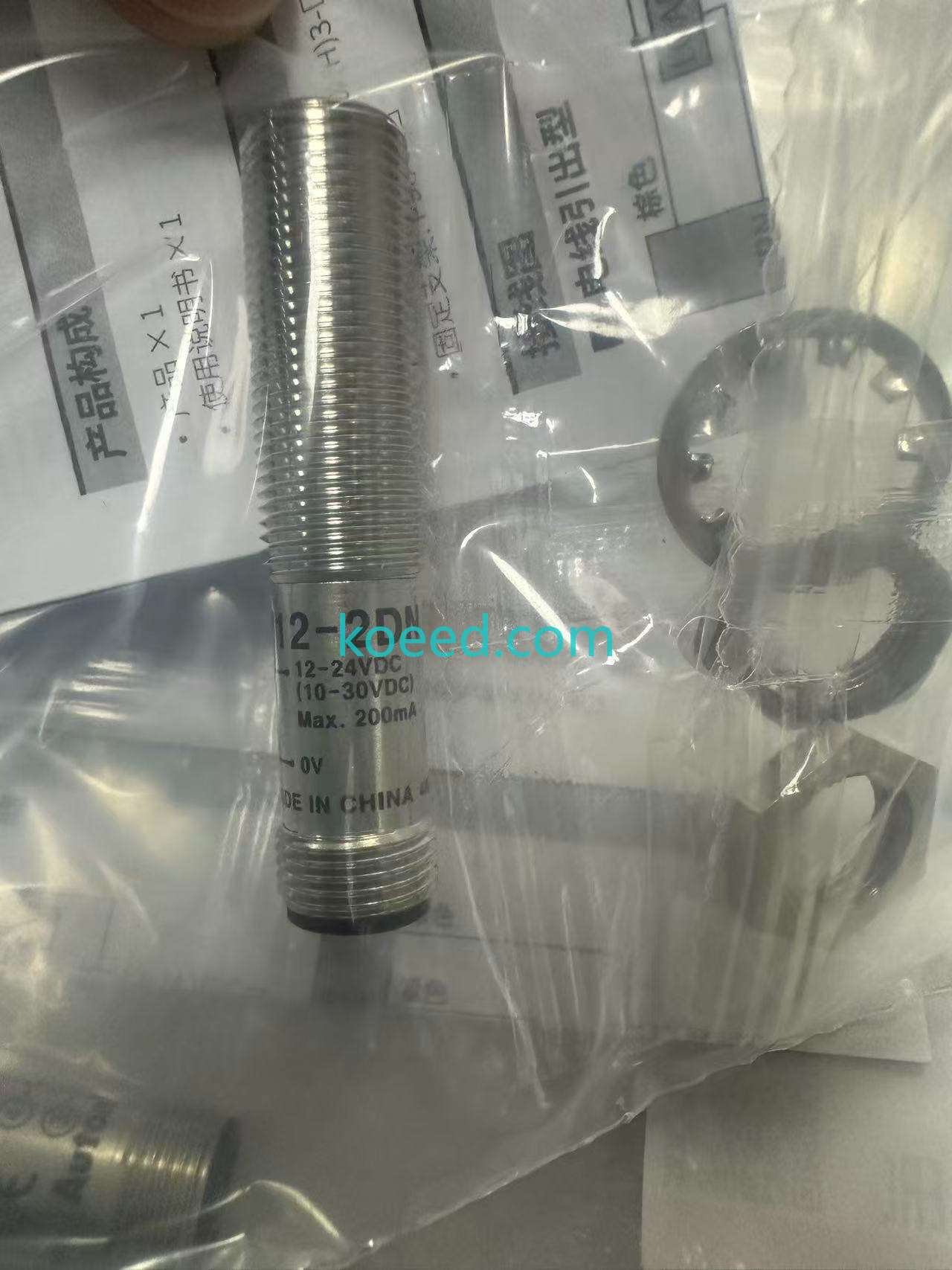
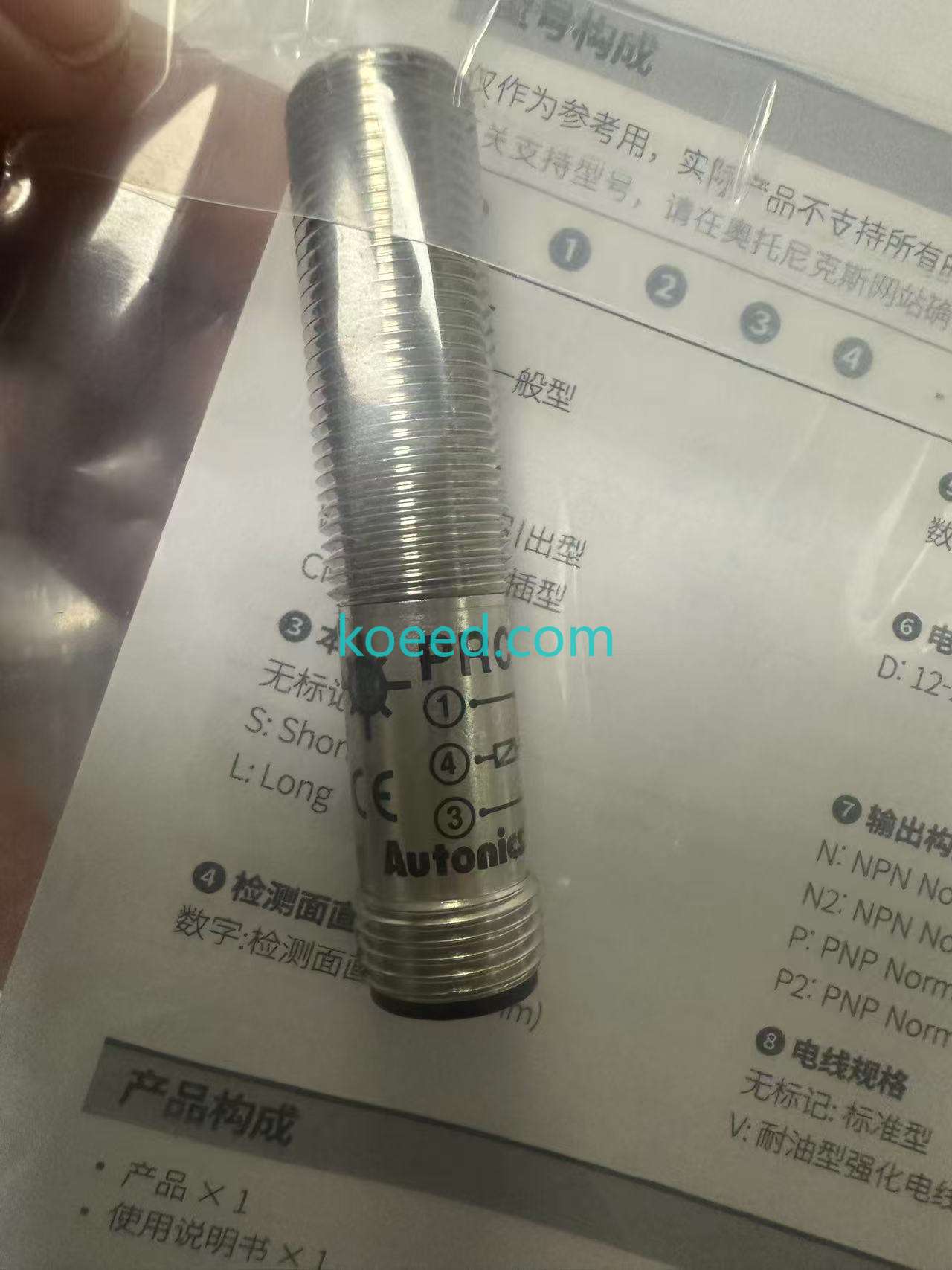
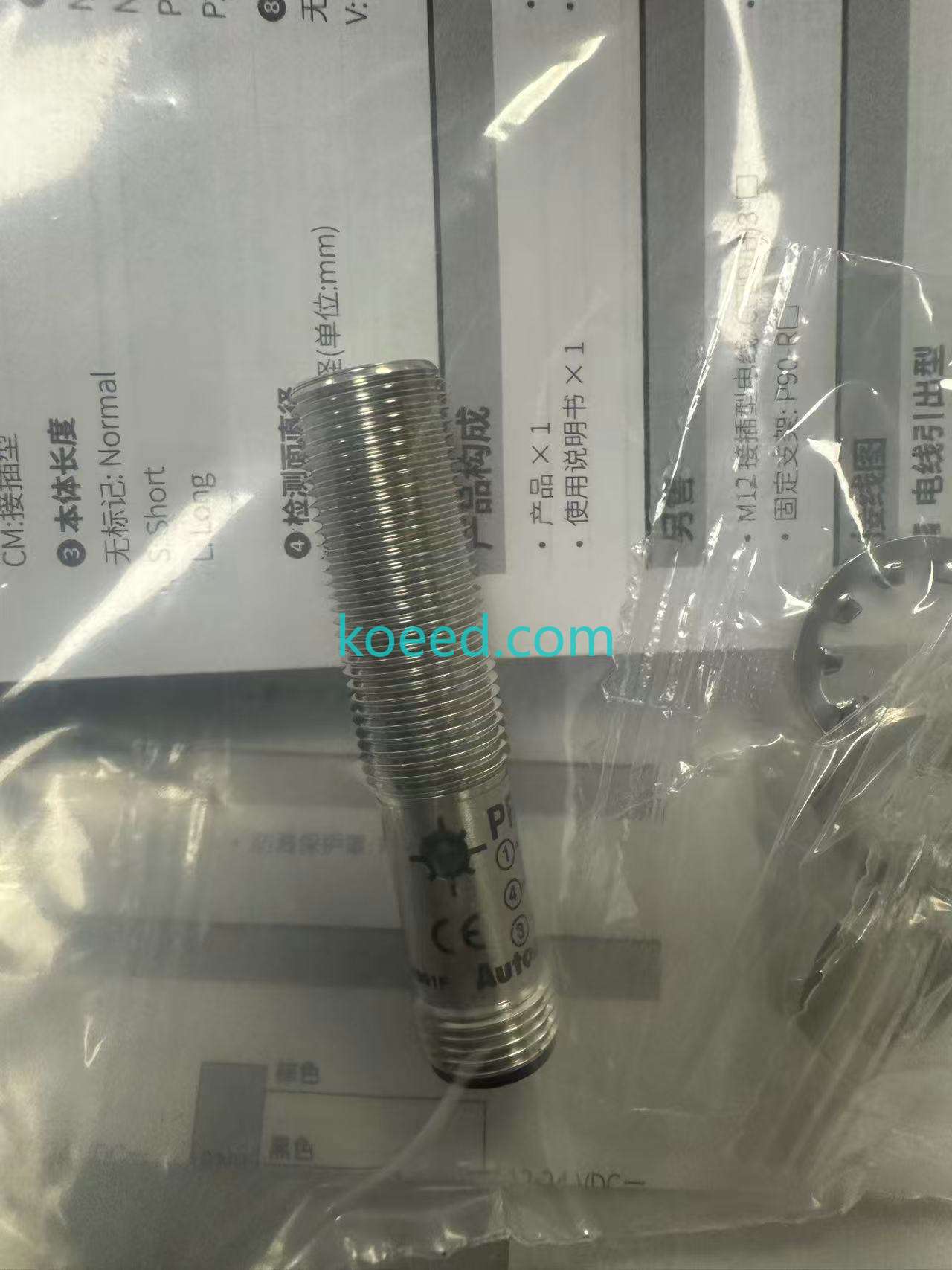
Pre-shipment Inspection Record: This document details the visual and technical inspection of the Autonics PRCM12-2DN Inductive Proximity Sensor: 2026 Engineering, Integration & ROI Guide. All product photos and testing videos below are original materials captured first-hand by the Koeed technical team in our warehouse prior to dispatch.
Ø12 mm flush-mount sensing · 2 mm detection range · NPN DC 3-wire output · M12 quick-connect
Strategic Overview: The PRCM12-2DN in the 2026 Industrial Landscape
As factories complete their Industry 4.0 roadmaps and shift toward Industry 5.0 human-centric automation, the reliability of discrete sensing has never been more business-critical. Inductive proximity sensors remain the invisible workhorses of automated production — confirming part presence, counting cycles, and verifying position millions of times per shift. In this landscape, the Autonics PRCM12-2DN delivers a rare combination of compact footprint, high-speed response, and wiring simplicity that maintenance teams and control engineers both appreciate.
The PRCM12-2DN is a Ø12 mm flush (shielded) cylindrical inductive proximity sensor rated for a 2 mm sensing distance on standard 12×12×1 mm iron targets. With a DC 3-wire NPN normally-open output and an M12 connector, it is purpose-built for high-frequency presence detection in CNC machining, packaging, assembly, and conveyor automation. Autonics dedicated IC design provides best-in-class noise immunity in inverter-driven environments and long service life.
For procurement teams and engineers specifying this exact model, the Koeed catalog page for the Autonics PRCM12-2DN offers live inventory visibility, current 2026 pricing indices, and application-ready ordering details.
Model Decoding & Ordering Precision
Autonics part numbers are dense but logical. Decoding the PRCM12-2DN string eliminates costly cross-reference errors during specification and spares management:
PR — cylindrical proximity sensor series
CM — M12 connector version
12 — Ø12 mm sensing face
2 — 2 mm sensing distance
D — DC power supply (12–24 VDC)
N — NPN normally-open output
The critical distinction is the final letter: N denotes NPN (sinking) output, while the equivalent P variant PRCM12-2DP denotes PNP (sourcing) output. Selecting the wrong polarity will prevent the sensor from communicating with your PLC input card. Always confirm your controller input type — many Asian-built machines use NPN, while European and many modern North American installations standardize on PNP.
The following table consolidates the key operating parameters engineers should validate before commissioning. Always verify against the latest Autonics datasheet for your specific production revision.
Parameter
PRCM12-2DN Value / Detail
Series
Autonics PR series cylindrical inductive sensor
Housing diameter
Ø12 mm
Installation type
Flush / shielded
Sensing distance
2 mm (±10%)
Standard target
12 × 12 × 1 mm iron
Response frequency
1.5 kHz
Output type
NPN normally open, DC 3-wire
Connection
M12 connector
Power supply
12–24 VDC typical (see datasheet)
Indicator
Operation indicator LED
For a wider comparison, use the benchmarking table below when matched against adjacent models in the PRCM12 family:
Model
Sensing Distance
Output Polarity
Installation
Best Use Case
PRCM12-2DN
2 mm
NPN NO
Flush
High-speed counting, standard NPN PLC inputs
PRCM12-2DP
2 mm
PNP NO
Flush
European PLCs / PNP input cards
PRCM12-4DN
4 mm
NPN NO
Flush
Extended reach, protective covers
Visual Gallery & Physical Inspection
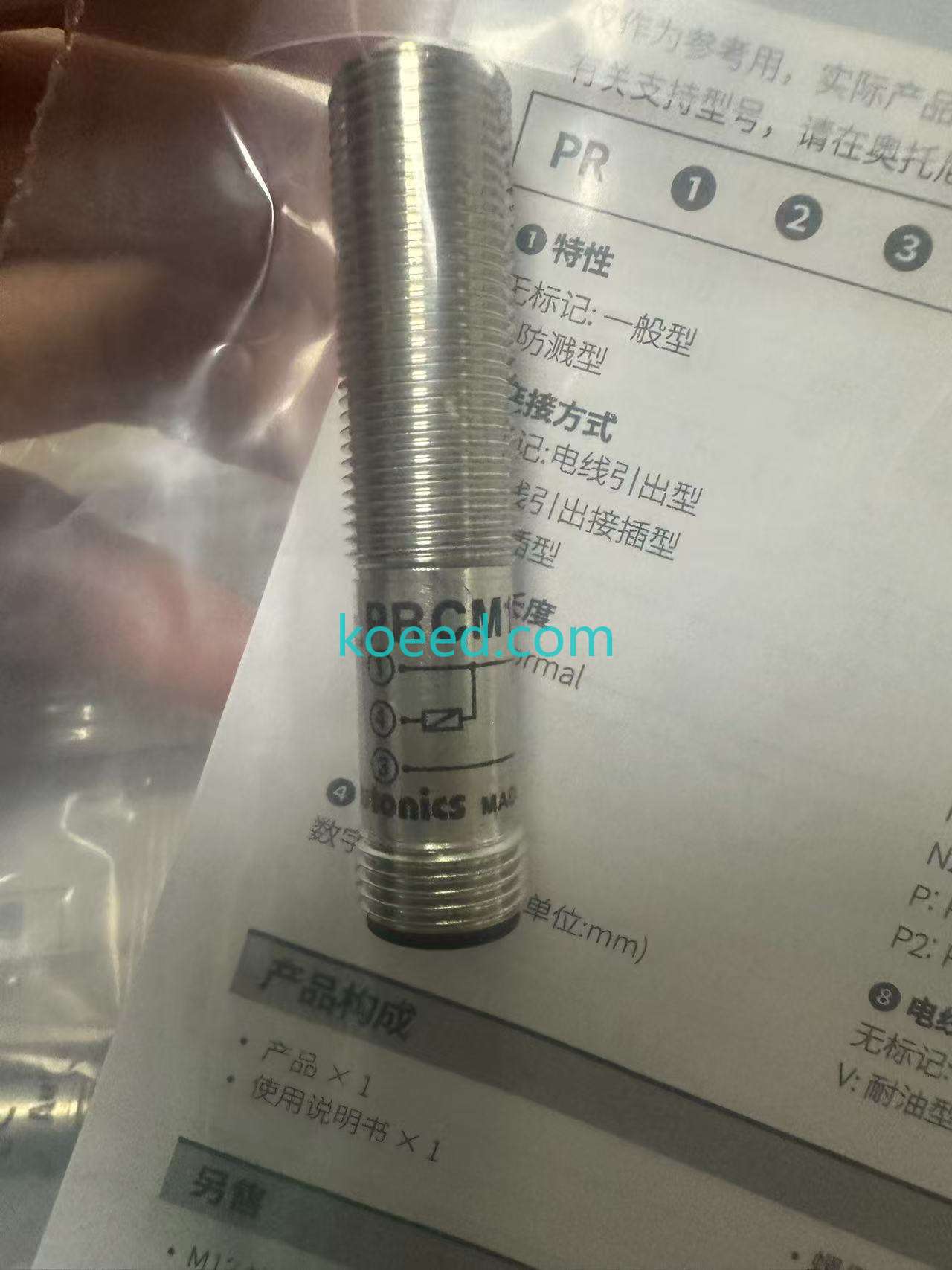
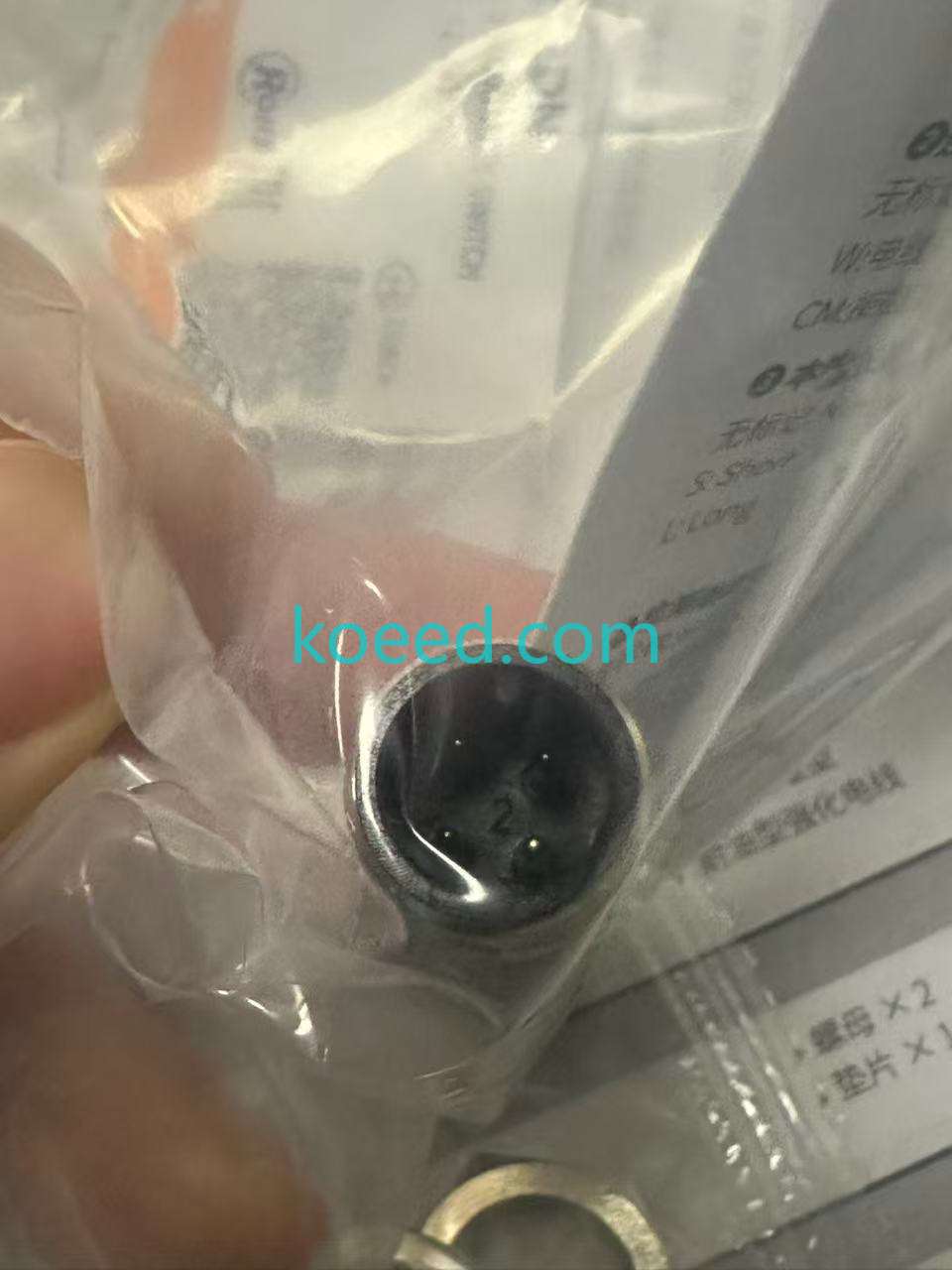
The gallery below captures the PRCM12-2DN from multiple inspection angles. Use these images for incoming QA checks, wiring reference, and mechanical clearance planning.
PRCM12-2DN demonstration and installation preview — watch for LED response and M12 seating.
Front sensing face and flush-mount bodyAngled housing detailM12 connector and cable entrySide profile with LED indicatorPackaging and model labelTechnical marking and certificationM12 thread and locking detailApplication reference with target
IT/OT Convergence: Wiring the Sensor into a 2026 Architecture
Modern plants no longer treat sensors as isolated components. A discrete NPN inductive sensor like the PRCM12-2DN becomes part of a broader data chain: from sensing face to PLC input, then to edge gateways and cloud-based CMMS or MES systems. When wiring this sensor, observe the following practices:
Input confirmation: Verify the PLC input is configured for NPN sinking logic. For a mismatch with a PNP card, use a qualified signal converter or select the PRCM12-2DP variant.
Cable length: Keep M12 cable runs as short as practical. In high-noise areas, use shielded M12 cables and avoid routing parallel to VFD motor leads.
Sensor status: Use the onboard LED during commissioning and maintenance walks to verify target detection and wiring continuity.
Data integration: For condition-monitoring use cases, connect the sensor signal through an IO-Link master or smart I/O hub to capture event timestamps, cycle counts, and downtime triggers.
The PRCM12-2DN is not an IO-Link sensor, but its reliable discrete output makes it an excellent edge device for high-speed counting and presence verification. Pair it with a modern PLC or edge gateway to feed cycle-count KPIs into your MES/ERP system. This integration enables predictive maintenance and live OEE tracking without replacing proven field hardware.
Inductive proximity sensors are often viewed as commodity items, but the PRCM12-2DN provides measurable returns in high-cycle applications:
Long service life: No moving parts and solid-state output reduce wear-related failures and unplanned downtime.
Noise immunity: Dedicated IC design reduces false triggering in inverter-heavy environments, preventing scrapped parts and production disruptions.
Fast installation: The M12 connector allows tool-free replacement, shortening machine changeover and maintenance windows.
Low power consumption: Minimal DC current draw supports distributed 24 VDC control architectures.
Sustainability: Lower replacement frequency, reduced packaging waste, and drop-in compatibility with legacy PR12 series sensors support circular-economy goals.
When evaluating total cost of ownership, factor in reduced wiring time, fewer false-trigger events, and cross-compatibility with existing mounting hardware. The PRCM12-2DN typically pays for itself within the first avoided production interruption.
Preventive maintenance begins with visual inspection and disciplined signal monitoring. Use the onboard LED and your PLC input status as a first-line diagnostic tool.
Pro Tip: If the sensor becomes intermittent at high speeds, verify the target is within the 2 mm sensing distance and the mounting is rigid. Mechanical vibration or loose brackets can push the target outside the effective sensing zone during fast cycles.
Common Fault Checklist
LED not illuminating: Check 12–24 VDC supply polarity and M12 connector seating.
No output signal: Confirm NPN vs PNP input compatibility and control wiring.
False triggering: Look for adjacent metal interference, water ingress, or high-frequency electromagnetic noise from nearby motor cables.
Reduced sensing distance: Confirm the sensing face is clean and free from metallic debris; verify target material and thickness.
Frequently Asked Questions
What is the rated sensing distance of the PRCM12-2DN?
The rated sensing distance is 2 mm for a standard 12 × 12 × 1 mm iron target, with a typical operating tolerance of ±10%.
Is the PRCM12-2DN shielded or unshielded?
It is flush-mount / shielded, meaning it can be embedded into metal surfaces without affecting the sensing field.
What is the difference between NPN and PNP output?
NPN (sinking) output switches the load to 0 VDC and suits NPN input cards. PNP (sourcing) output switches to +24 VDC and is common in European PLC systems. Choose the variant that matches your controller.
Can the PRCM12-2DN detect non-ferrous metals?
Inductive sensors are optimized for ferrous metals. Detection of non-ferrous metals may require a reduced sensing distance or a correction factor. Verify the target material against the datasheet before finalizing application parameters.
What is the operating voltage range?
The PRCM12-2DN is a DC 3-wire sensor typically designed for 12–24 VDC operation. Always confirm the exact ripple and voltage limits in the official Autonics datasheet.
Can I replace a legacy PR12 cable-type sensor with the PRCM12-2DN?
Yes, in most cases the PRCM12-2DN is a drop-in upgrade when the control circuit accepts an M12 connector and NPN NO output. Always verify sensing distance, polarity, and mounting constraints first.
Get the PRCM12-2DN Into Your Production Line
Whether you are replacing legacy sensors, standardizing spares, or commissioning a new machine build, the Autonics PRCM12-2DN delivers proven sensing performance in a compact M12 package.
Secure Your PRCM12-2DN Stock
Review current availability, request pricing, or discuss volume sourcing with the Koeed industrial automation team.
A complete technical guide covering PRCM12-2DN specifications, ordering logic, IT/OT integration, maintenance best practices, and ROI analysis with live product resources.
A 2026-focused B2B technical guide to the Autonics PR12-4AC M12 inductive proximity sensor — 4 mm sensing range, 90–250 VAC two-wire NC output, IP67 ingress protection and superior noise immunity....