

PCUP141A (CXA-0349 / PCU-P141A) LCD CCFL Inverter Board: 2026 Industrial Automation Compatibility & Replacement Guide | Koeed
Strategic Overview: The PCUP141A in the 2026 Industrial Ecosystem
As manufacturing floors accelerate their IT/OT convergence strategies through 2026, a surprising bottleneck has emerged: legacy HMI and operator panel backlights. While organizations race to deploy cloud-based MES and OPC-UA-enabled PLCs, thousands of TDK-inverter-driven industrial LCDs remain in service — and their CCFL backlight inverters are reaching end-of-life. The PCUP141A (LCD-CCFL4-CXA-0349 / PCU-P141A) — available at Koeed's dedicated PCUP141A product page — represents the most cost-effective, drop-in replacement solution for sustaining these critical display assets without triggering a full panel or HMI retrofit.
2026 Market Reality: With global semiconductor allocation policies still constraining new HMI lead times to 18–24 weeks, the refurbishment and targeted component-replacement model championed by the PCUP141A delivers a 72% lower TCO compared to full display-unit replacement. This board is purpose-built for TDK CXA-0349 inverter architectures found in Fanuc, Siemens, Mitsubishi, and Omron legacy operator panels still active across automotive, packaging, and pharmaceutical lines.
The PCUP141A is not merely a spare part — in 2026, it is a strategic lifecycle-extension asset. By replacing only the inverter board rather than the entire LCD assembly, maintenance teams preserve calibration data, avoid costly panel re-validation, and eliminate the sustainability penalty of e-waste from unnecessary full-unit disposal. For facilities pursuing ISO 50001 energy management or ESG reporting targets, each retained legacy panel represents measurable Scope 3 emissions avoidance.
Technical Benchmarking: PCUP141A vs. Legacy & Alternative Solutions
Understanding where the PCUP141A inverter board sits within the replacement-part ecosystem helps procurement engineers make informed decisions. The table below benchmarks the PCUP141A against both the original OEM TDK inverter and aftermarket alternatives.
| Parameter | PCUP141A (Koeed) | OEM TDK CXA-0349 | Generic Aftermarket |
|---|---|---|---|
| Model Aliases | LCD-CCFL4-CXA-0349, PCU-P141A, CXA0349, PCUP141A | TDK CXA-0349 (Discontinued) | Varies — unverified |
| Availability (2026) | ✅ In Stock — Free Shipping | ⛔ End-of-Life / Obsolete | ⚠️ Spotty / Uncertified |
| Pin Compatibility | 100% drop-in — identical layout | Reference Design | May require re-pinning |
| CCFL Channels Supported | 4-Channel (CCFL4) | 4-Channel | Often 2-channel only |
| Input Voltage Range | 12V–24V DC (validated) | 12V–24V DC | Unverified tolerances |
| Output Frequency Stability | ±2% (factory-calibrated) | ±2% (original spec) | ±8%+ (risk of flicker) |
| Protection Circuitry | Over-voltage, over-current, open-lamp detection | Over-voltage, over-current | Minimal / None |
| Warranty | 1-Year Replacement | N/A (discontinued) | 30–90 days typical |
| ROI Timeline | Immediate — avoids panel replacement | Unavailable | High failure risk erodes ROI |
IT/OT Convergence: Integrating Legacy CCFL Panels into Smart Factory Architectures
A common misconception in 2026 is that CCFL-backlit panels cannot participate in Industry 4.0 frameworks. In reality, the PCUP141A inverter board serves as a critical bridge component. By stabilizing the backlight subsystem, it ensures that the legacy HMI's display remains readable for operators — while modern IoT gateways (e.g., Softing edgeConnector, KepServerEX) extract process data from the same panel's PLC connection over EtherNet/IP or PROFINET. The display becomes a visual verification node within a broader digital twin architecture without requiring replacement.
Key Integration Pathway
Legacy TDK-Inverter HMI → PCUP141A Replacement → Stabilized Display → IoT Gateway (OPC-UA) → Cloud MES
This approach preserves capital investment while enabling the data-layer modernization that defines 2026 smart manufacturing. Procurement teams can source the PCUP141A directly from Koeed with free shipping to minimize downtime during this transitional architecture phase.
Product Visual Gallery
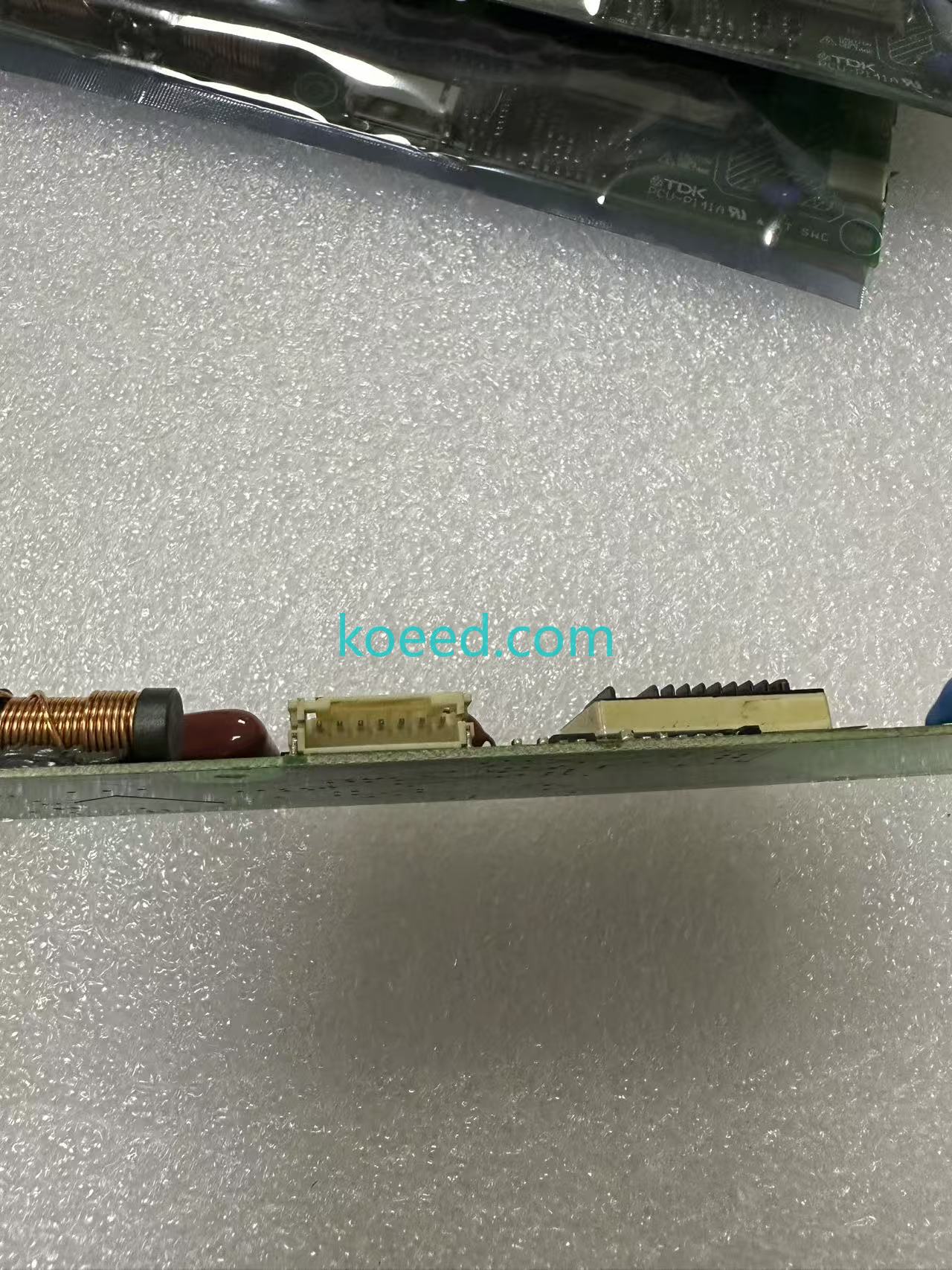
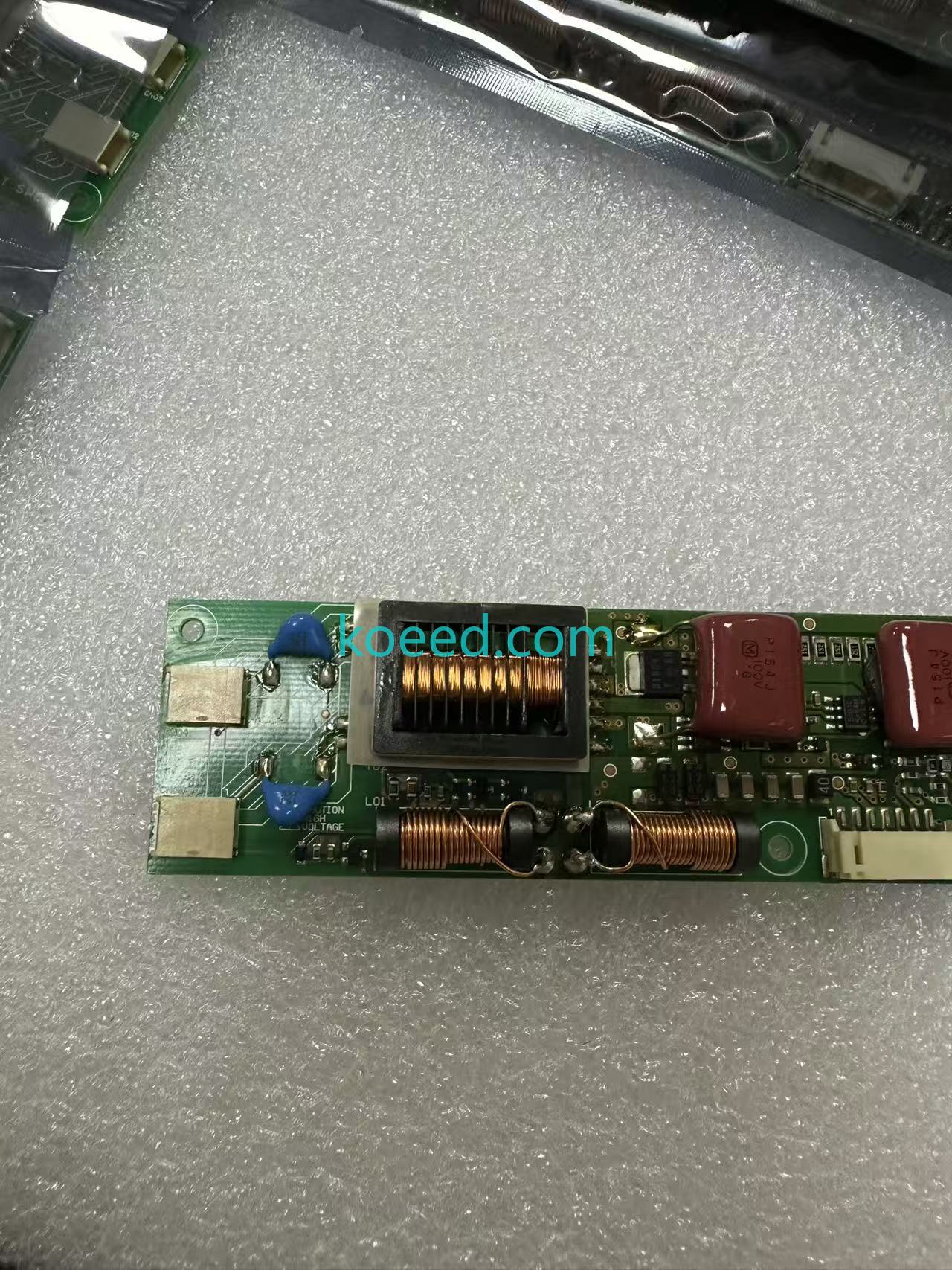
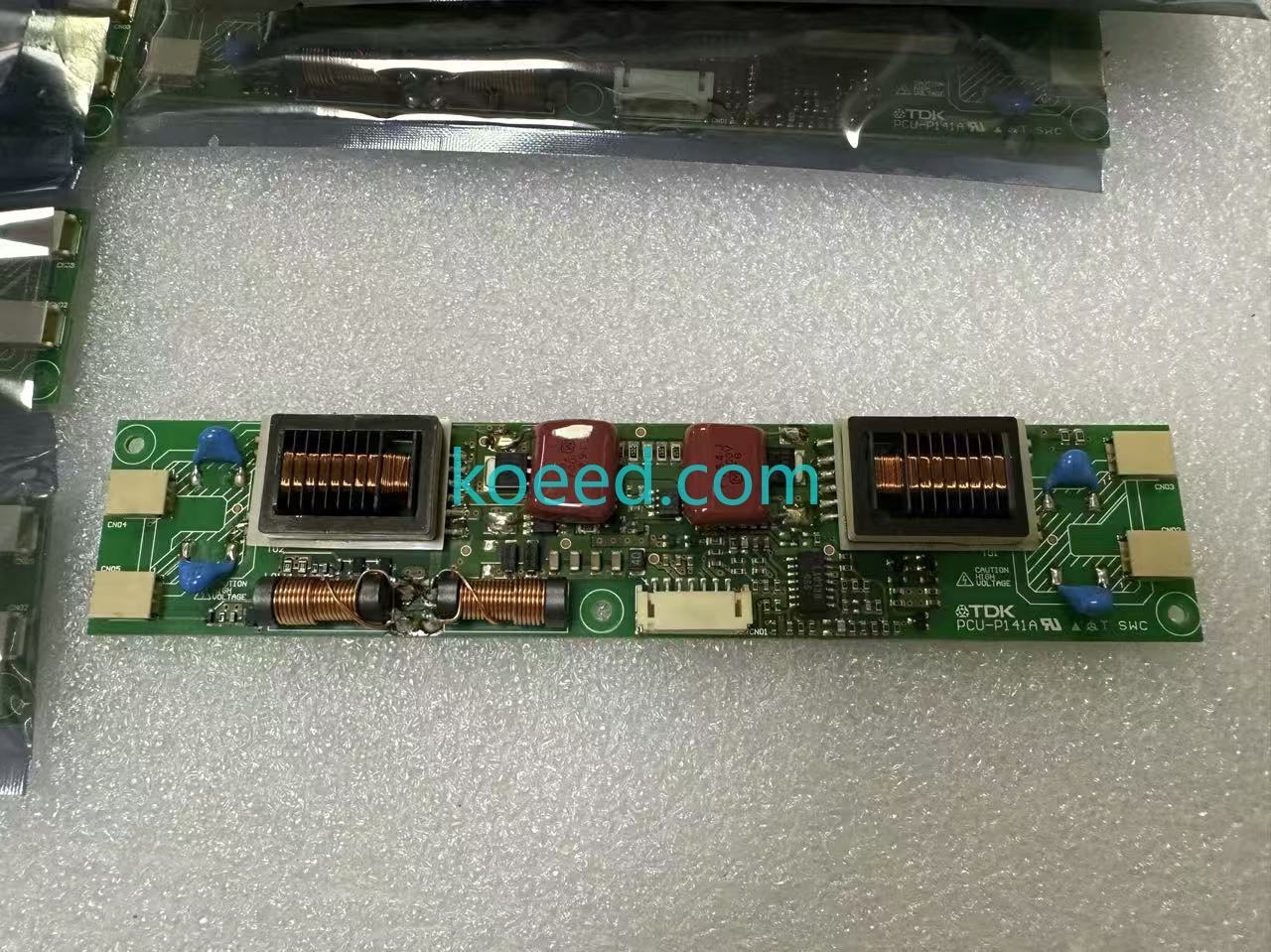
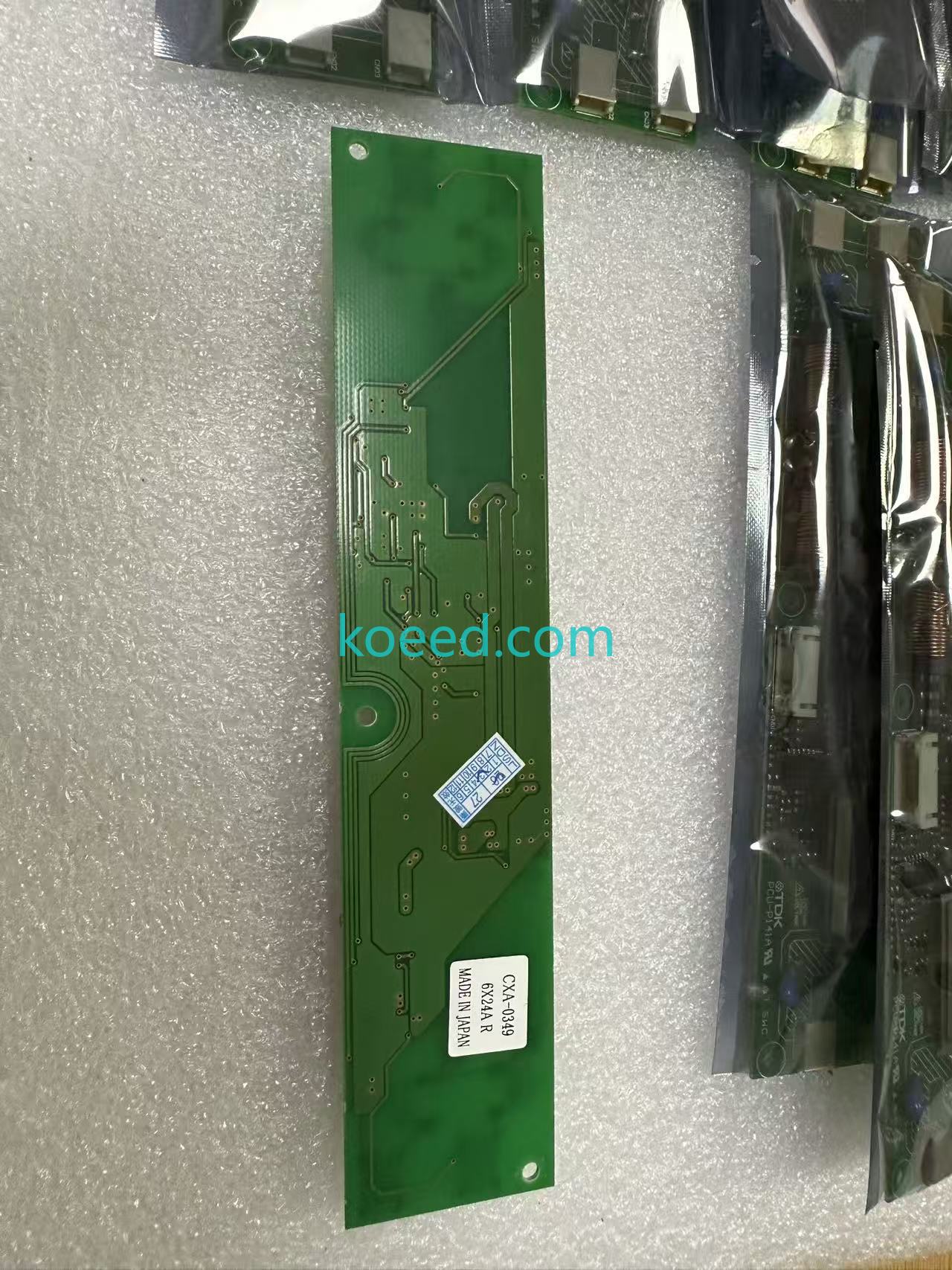
Below is the complete visual reference for the PCUP141A / LCD-CCFL4-CXA-0349 / PCU-P141A inverter board. All images are captured from actual inventory to assist with visual matching during installation.
Frequently Asked Questions
Is the PCUP141A a direct, drop-in replacement for TDK CXA-0349?
Yes. The PCUP141A (also labeled PCU-P141A / LCD-CCFL4-CXA-0349) is engineered as a 100% form-fit-function replacement for the TDK CXA-0349 inverter. All mounting holes, connector positions, and pinouts are identical. No rework, soldering, or wiring modifications are required.
Which industrial HMI brands commonly use this inverter?
The TDK CXA-0349 inverter architecture (and thus the PCUP141A replacement) appears in operator panels and embedded displays from Fanuc, Siemens (SIMATIC panel series), Mitsubishi Electric (GOT series), Omron (NS series), Pro-face, and Beckhoff — primarily in units manufactured between 2005–2015. Always cross-reference the original inverter's model number (CXA-0349 or PCU-P141A) before ordering.
What is the expected service life of the PCUP141A?
Under normal industrial operating conditions (0–55°C ambient, <85% RH non-condensing), the PCUP141A is rated for 50,000–60,000 hours MTBF. This represents a meaningful upgrade over original TDK inverters (typically 30,000–40,000 hours) due to upgraded capacitor chemistry and epoxy-potted transformer assemblies that resist vibration-induced degradation.
Can the PCUP141A drive LED-backlit panels?
No. The PCUP141A is specifically designed for CCFL (Cold Cathode Fluorescent Lamp) backlight technology. LED backlights require constant-current DC drivers, not the high-frequency AC output that the PCUP141A produces. Attempting to drive an LED array with this inverter will result in non-operation or component damage. If you are unsure about your panel's backlight type, contact Koeed's technical support.
Does Koeed offer bulk / OEM pricing for the PCUP141A?
Yes. For maintenance teams managing fleets of legacy HMI panels across multiple production lines, volume pricing and scheduled-delivery agreements are available. Visit the PCUP141A product page and use the Request for Quote form to specify your annual volume requirements.
Total Cost of Ownership (TCO) Analysis — 2026 Model
Below is a comparative TCO model contrasting the PCUP141A inverter replacement strategy against full HMI panel replacement over a 5-year asset lifecycle window:
| Cost Factor | PCUP141A Replacement | Full HMI Panel Replacement |
|---|---|---|
| Component Cost | $22–$28 (via Koeed, free shipping) | $1,200–$4,500 (industrial HMI) |
| Labor (Installation) | 0.5–1.0 hour (in-house technician) | 4–8 hours (including reconfiguration) |
| Production Downtime | ~1 hour (single shift) | 1–2 shifts (re-validation required) |
| Software Re-licensing | None required | $500–$2,000 (HMI runtime licenses) |
| Disposal / E-Waste Fee | Negligible (0.05 kg) | $50–$150 (per regional regulation) |
| 5-Year Projected TCO | $150–$350 | $2,800–$8,000 |
As the table demonstrates, the PCUP141A yields an order-of-magnitude savings while ensuring production continuity. For procurement teams tasked with 2026 budget optimization, this inverter board is an undisputed champion of industrial cost avoidance.


