

Fotek DSC-265 Digital Power Regulator: Advanced SCR Technology for Industrial Automation
Fotek DSC-265 Digital Power Regulator
Advanced SCR Technology for Precision Industrial Automation Control
Article Summary
The Fotek DSC-265 Digital Power Regulator represents cutting-edge Silicon Controlled Rectifier (SCR) technology designed for industrial automation applications. This comprehensive guide explores the technical specifications, operational features, and practical applications of this versatile power control device, which has become an essential component in modern PLC systems for precise electrical power regulation.
Product Overview
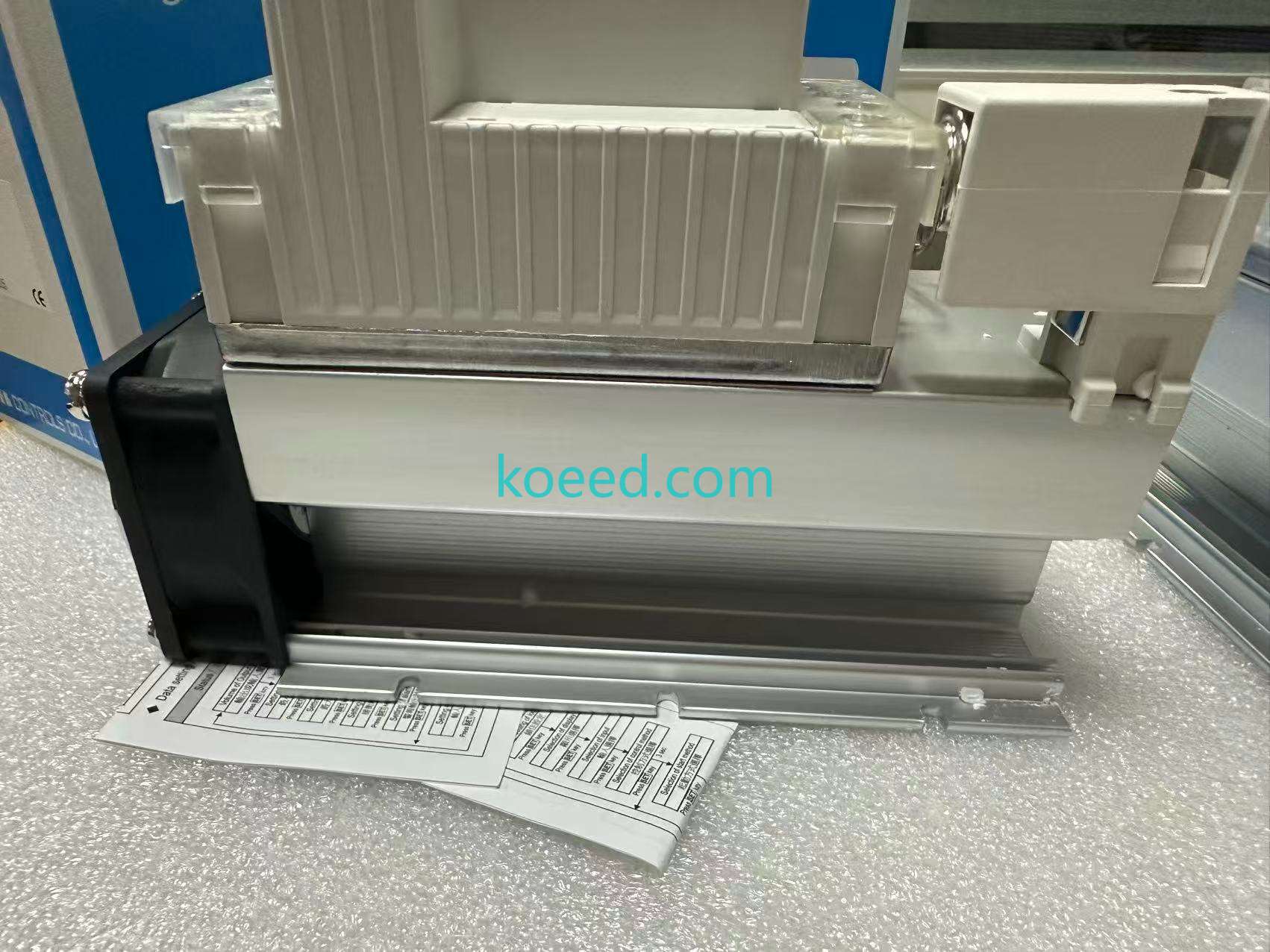
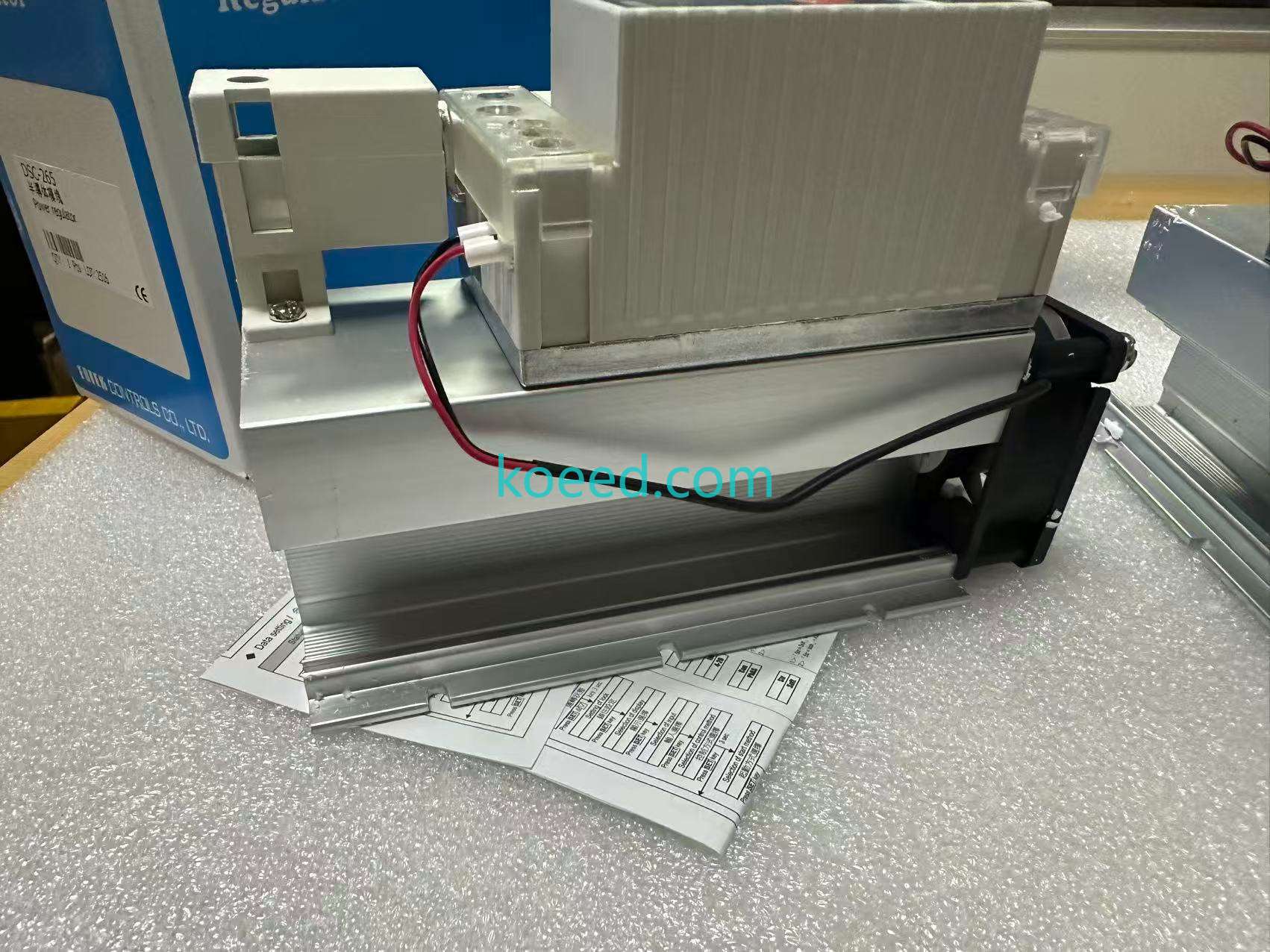
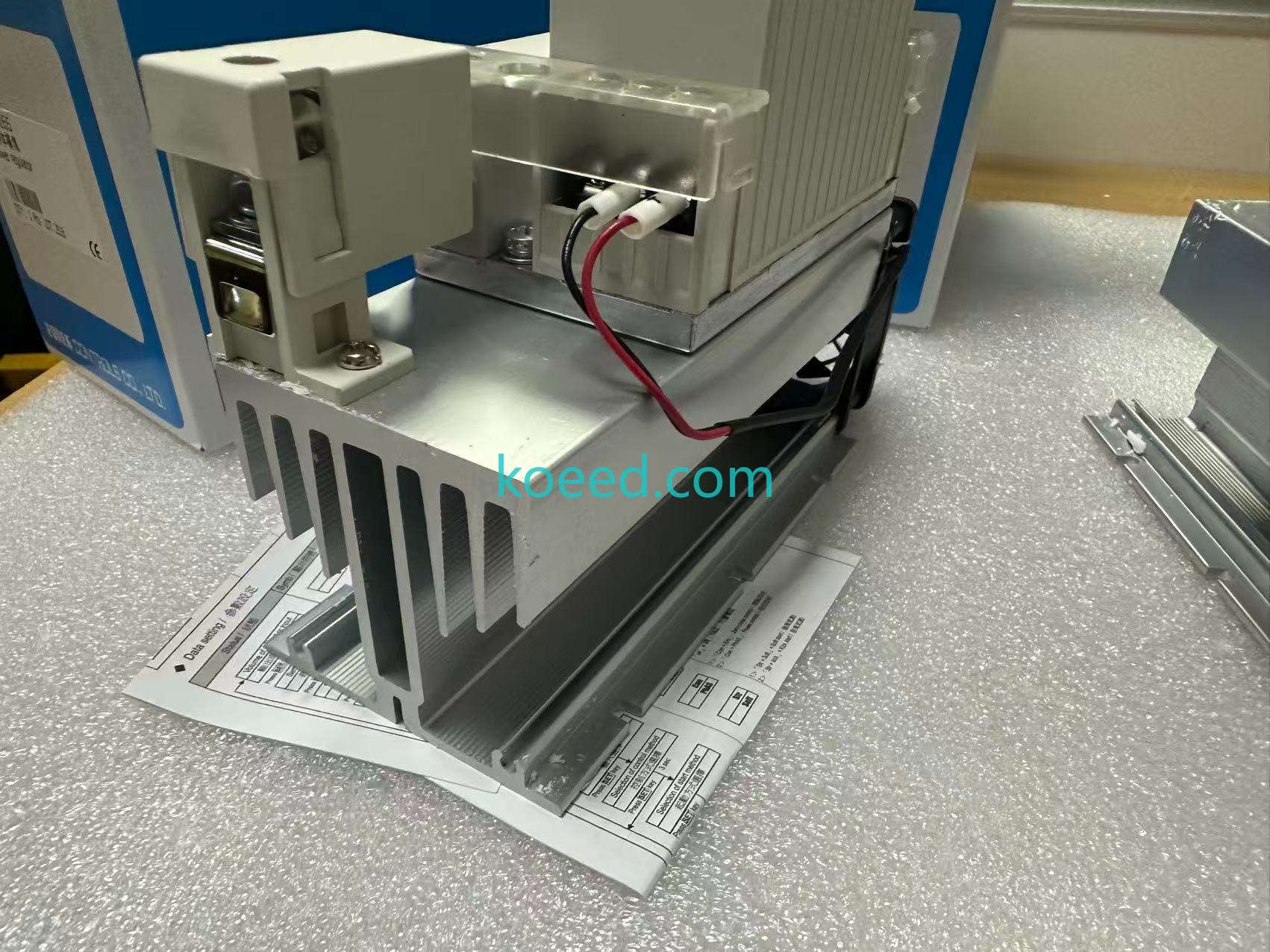
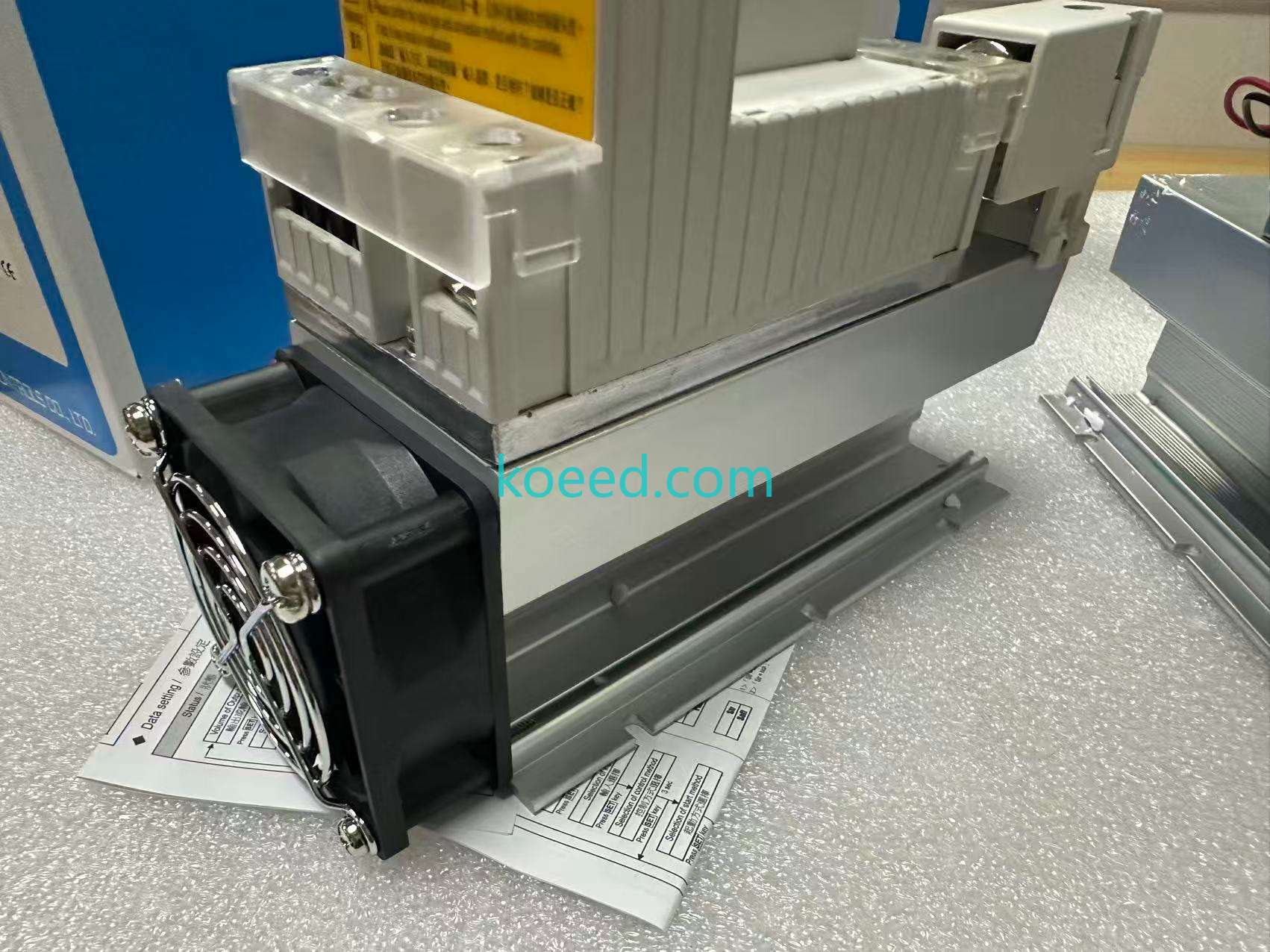
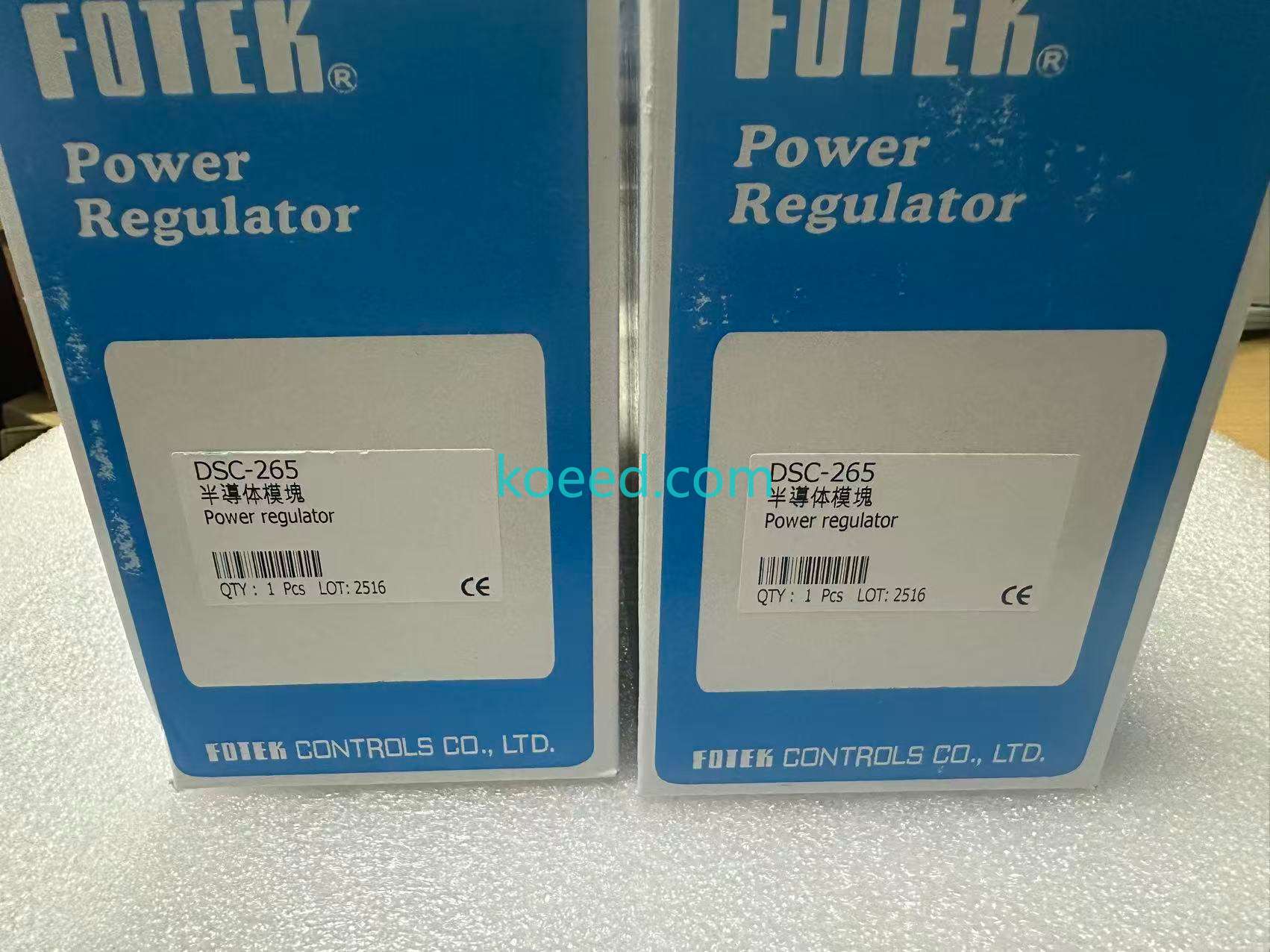
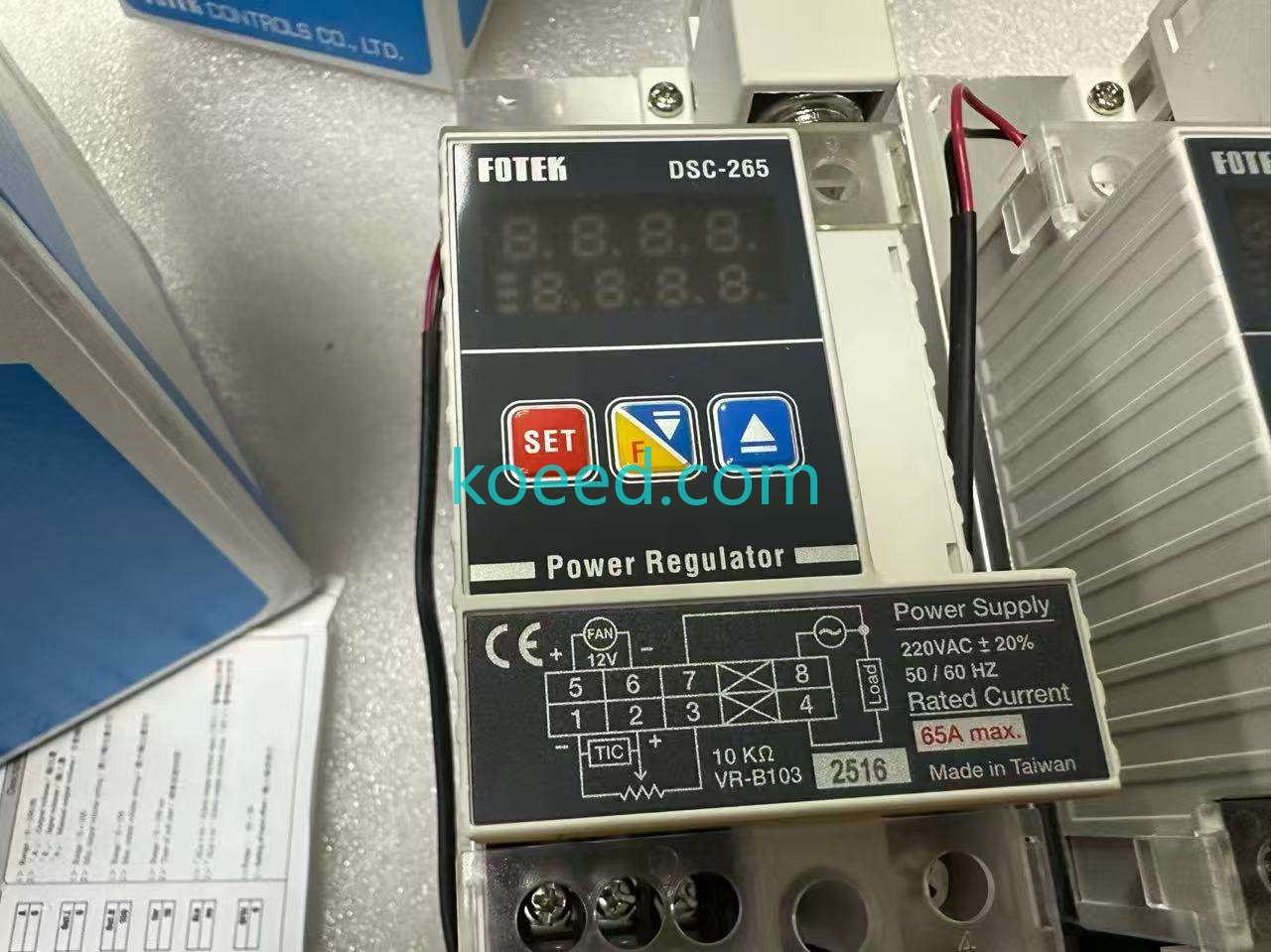
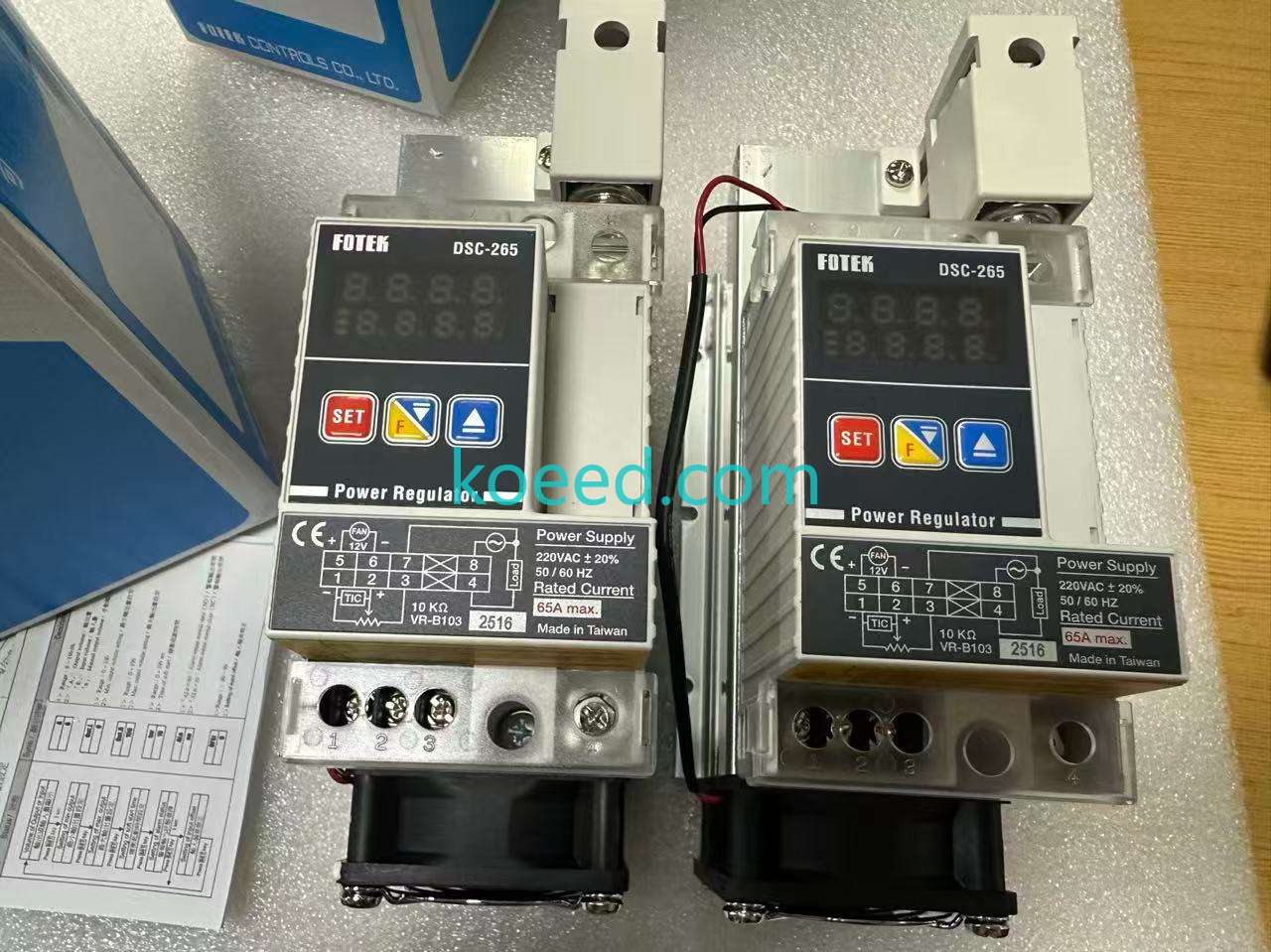
The Fotek DSC-265 is a single-phase digital power regulator that utilizes advanced SCR technology to provide precise control over electrical power in industrial automation systems. With a maximum current rating of 65A and operating voltage of 220VAC, this device offers reliable performance for various industrial applications including motor control, heating systems, and automated machinery.
Key Features and Technical Specifications
| Parameter | Specification | Description |
|---|---|---|
| Model | DSC-265 | Single-phase digital power regulator |
| Operating Voltage | 220VAC | Standard industrial voltage rating |
| Maximum Current | 65A | High current capacity for industrial applications |
| Input Signals | Multiple Options | 4-20mA, 0-20mA, 1-5V, 2-10V, 0-5V, 0-10V, or VR-10kΩ |
| Technology | SCR (Silicon Controlled Rectifier) | Advanced solid-state power control |
| Protection Fuse | 80A (Semi-conductor fuse) | Enhanced safety protection |
| Phase Configuration | Single Phase | Single wire control configuration |
| Control Method | Digital Power Regulation | Precise digital control capabilities |
Functional Applications in Industrial Automation
Motor Control Systems
The DSC-265 provides precise speed control for AC motors in industrial applications, enabling smooth acceleration and deceleration while maintaining optimal torque characteristics. This makes it ideal for conveyor systems, pumps, and material handling equipment.
Heating Element Regulation
With its precise current regulation capabilities, the DSC-265 excels in controlling heating elements in industrial ovens, furnaces, and thermal processing equipment. The device maintains consistent temperature control through accurate power modulation.
PLC Integration
The multiple input signal options (4-20mA, 0-10V, etc.) allow seamless integration with PLC systems, enabling automated control loops and sophisticated process automation. The device can be easily programmed through standard industrial protocols.
Lighting Control
For industrial lighting applications, the DSC-265 provides smooth dimming control for high-power lighting systems, reducing energy consumption while maintaining optimal illumination levels.
Advanced Technical Features
SCR Technology Advantages
The Silicon Controlled Rectifier technology offers several advantages over traditional relay-based systems:
- Fast Switching: Microsecond response times for precise control
- No Moving Parts: Increased reliability and reduced maintenance
- Silent Operation: No mechanical noise during switching
- Long Lifespan: Extended operational life compared to mechanical relays
- Zero Crossing Detection: Reduces electrical noise and interference
Heat Dissipation Design
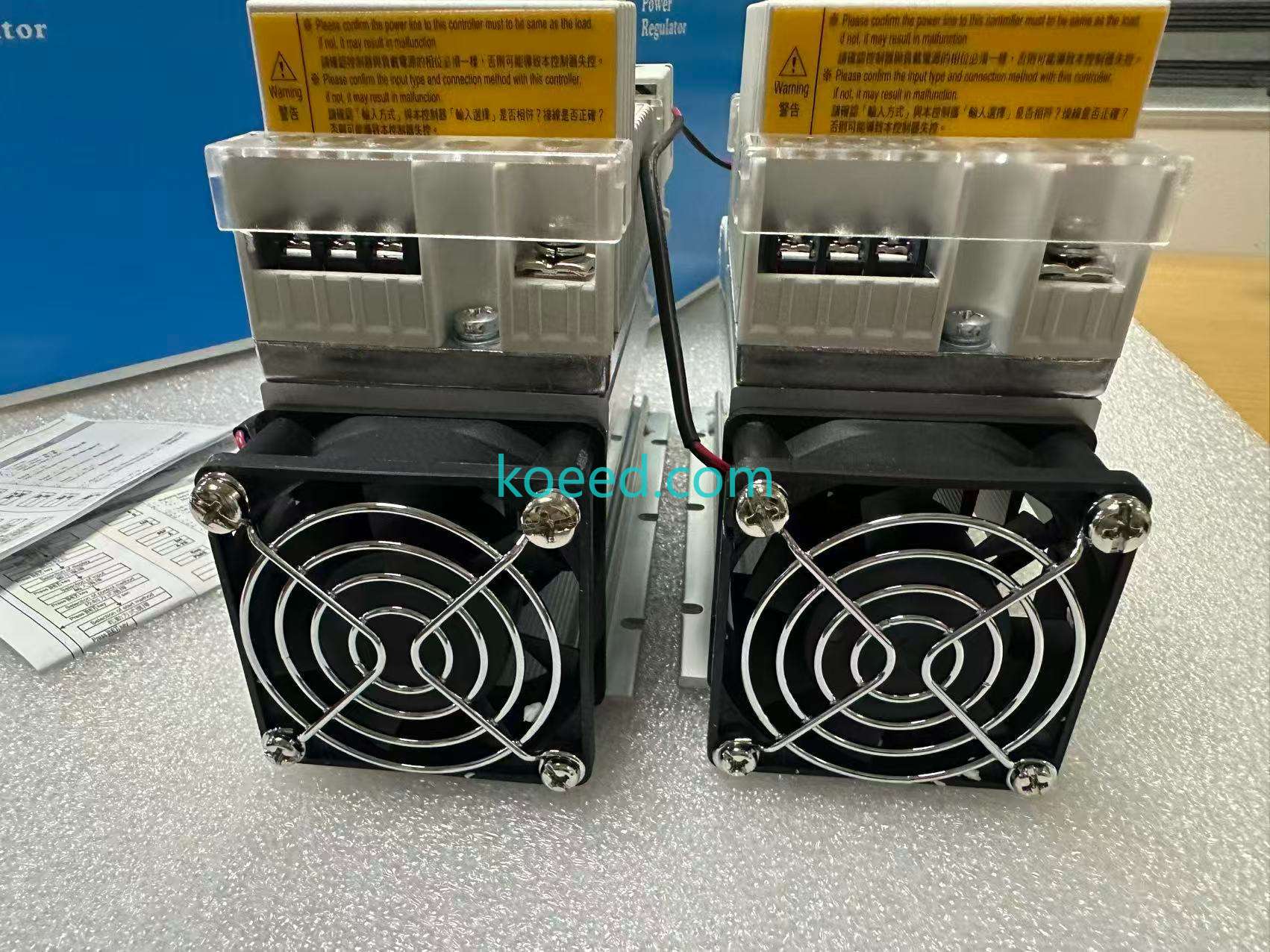
The DSC-265 features an optimized heat dissipation design that ensures reliable operation even under continuous high-load conditions. The built-in thermal management system prevents overheating and extends component life.
Protection Features
Comprehensive protection mechanisms include:
- Overcurrent protection with 80A semiconductor fuse
- Overvoltage protection circuits
- Thermal overload protection
- Short-circuit protection
- Phase loss detection
Comparison with Similar Products
| Feature | DSC-265 | Traditional Relays | Basic SCR Controllers |
|---|---|---|---|
| Switching Speed | Microseconds | Milliseconds | Microseconds |
| Lifespan | 10+ years | 1-2 years | 5-7 years |
| Input Options | Multiple (7 types) | Limited | 2-3 types |
| Control Precision | High (Digital) | Low (On/Off) | Medium (Analog) |
| Noise Generation | Minimal | High | Low |
| Maintenance | Minimal | Frequent | Occasional |
Frequently Asked Questions (FAQ)
External References and Industry Recognition
The Fotek DSC-265 has gained recognition across multiple industrial sectors for its reliability and performance. According to industry sources, this device has been successfully implemented in various applications including:
- Industrial Heating Systems: Precise temperature control in manufacturing processes
- Motor Control Applications: Smooth speed regulation for industrial machinery
- Lighting Control: Energy-efficient dimming for industrial facilities
- Process Automation: Integration with PLC systems for automated control loops
The device's compatibility with multiple input signal types makes it particularly valuable for integration with existing automation infrastructure. Industry experts note that the DSC-265's digital control capabilities provide superior precision compared to traditional analog regulators.
Purchase and Availability
The Fotek DSC-265 Digital Power Regulator is available through authorized industrial automation suppliers. For reliable sourcing and guaranteed quality, we recommend purchasing from established suppliers with proven track records in industrial components.
For those seeking a reliable source for the Fotek DSC-265, you can find this product at Koeed Industrial Automation. This supplier offers genuine Fotek components with proper documentation and support.
When purchasing industrial automation components like the DSC-265, it's essential to ensure you're getting genuine products from reputable sources. The Fotek DSC-265 available at Koeed comes with proper certification and warranty coverage.
View Product Details at KoeedFor comprehensive industrial automation solutions and reliable components like the Fotek DSC-265, visit Koeed's product page for detailed specifications, pricing, and availability information.


