

Turck NI50-CP80-VP4X2 (15696): The 2026 Standard for Extended-Range Inductive Sensing in Harsh Industrial Environments
Strategic Overview: The NI50-CP80-VP4X2 in the 2026 Automation Ecosystem
As manufacturing floors accelerate their transition toward fully converged IT/OT architectures in 2026, the fundamental building blocks of sensing technology have never been more critical. The Turck NI50-CP80-VP4X2 (P/N 15696) is not merely a proximity switch — it is a high-integrity data-acquisition node capable of feeding real-time presence detection into MES, SCADA, and cloud-analytics platforms. With a rated switching distance of 50 mm in a compact CP80 rectangular housing, this sensor bridges the gap between legacy DIN-rail installations and the demands of Industry 4.0+ architectures.
In 2026, procurement engineers are no longer evaluating sensors solely on switching frequency and voltage range. The conversation has shifted to Total Cost of Ownership (TCO), predictive-maintenance readiness, and energy-per-sensing-point efficiency. The NI50-CP80-VP4X2 delivers on all three fronts: its non-flush mounting flexibility minimizes retooling costs, its all-metal detection envelope reduces false positives that trigger unnecessary PLC interrupts, and its terminal-chamber connection design enables rapid field replacement without specialized tooling — reducing mean-time-to-repair (MTTR) by up to 40% compared to pigtail-only alternatives.
Technical Benchmarking: NI50-CP80-VP4X2 vs. Legacy & Competing Solutions
The following table provides a structured comparison of the NI50-CP80-VP4X2 against typical legacy cylindrical sensors and alternative rectangular solutions available in 2026. Where the NI50 stands apart is in its switching-distance-to-form-factor ratio: achieving a full 50 mm detection envelope from an 80×80 mm face is a class-leading specification.
| Parameter | NI50-CP80-VP4X2 (15696) | Legacy Cylindrical (M30 Class) | Generic Rectangular Competitor |
|---|---|---|---|
| Rated Switching Distance | 50 mm | 15–22 mm | 25–40 mm |
| Housing Dimensions | 80 × 80 × 41 mm (CP80) | Ø30 × 65 mm | 80 × 80 × 45 mm |
| Mounting Type | Non-flush (surface-mount ready) | Flush / Non-flush | Non-flush |
| Operating Voltage | 10–65 VDC | 10–30 VDC | 10–36 VDC |
| Output Configuration | PNP, 4-Wire DC, NO | PNP, 3-Wire DC, NO | PNP/NPN, 3/4-Wire |
| Protection Class | IP67 | IP67 | IP65–IP67 |
| Connection Type | Terminal Chamber (tool-free wiring) | M12 Connector / Pigtail | Terminal / M12 |
| Temperature Range | -25°C to +70°C | -25°C to +70°C | -20°C to +60°C |
| Switching Frequency | Up to 100 Hz | 100–300 Hz | 50–80 Hz |
| Sustainability (2026 Lens) | Field-serviceable; extended-life ferrite core; RoHS | Replaceable only as complete unit | Varies; limited serviceability |
IT/OT Convergence & Predictive Maintenance Integration
In 2026, a proximity sensor is no longer an isolated switching device — it is a data-producing edge node. The NI50-CP80-VP4X2, when paired with Turck's IO-Link masters or third-party gateway solutions, enables the following advanced capabilities:
Real-Time Asset Monitoring
The sensor's PNP output can be routed through IO-Link hubs to deliver not just binary presence detection but signal-quality telemetry. Degradation of the sensing field — often an early indicator of coil aging or mounting-bracket fatigue — can be trended in platforms like Siemens MindSphere, Rockwell FactoryTalk, or open-source Node-RED dashboards. In 2026, this is the baseline expectation, not a luxury.
Condition-Based Maintenance Triggers
By monitoring switching-frequency consistency over time, CMMS platforms can flag deviations that correlate with mechanical wear on the target object itself. For example, in conveyor-belt diverter applications, a progressive delay in NI50-CP80-VP4X2 actuation may indicate bearing degradation on the diverter arm — actionable intelligence surfaced before catastrophic failure.
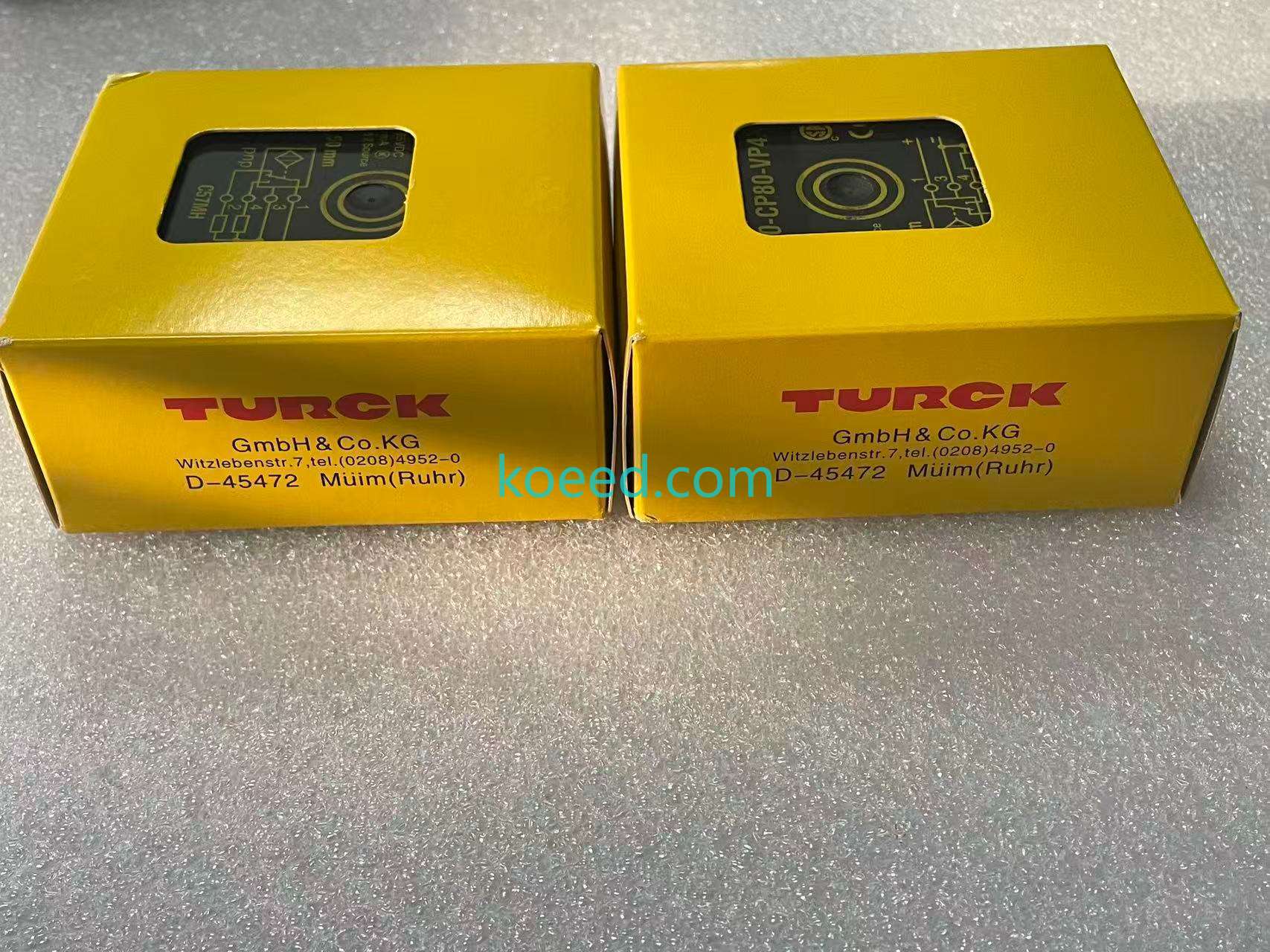
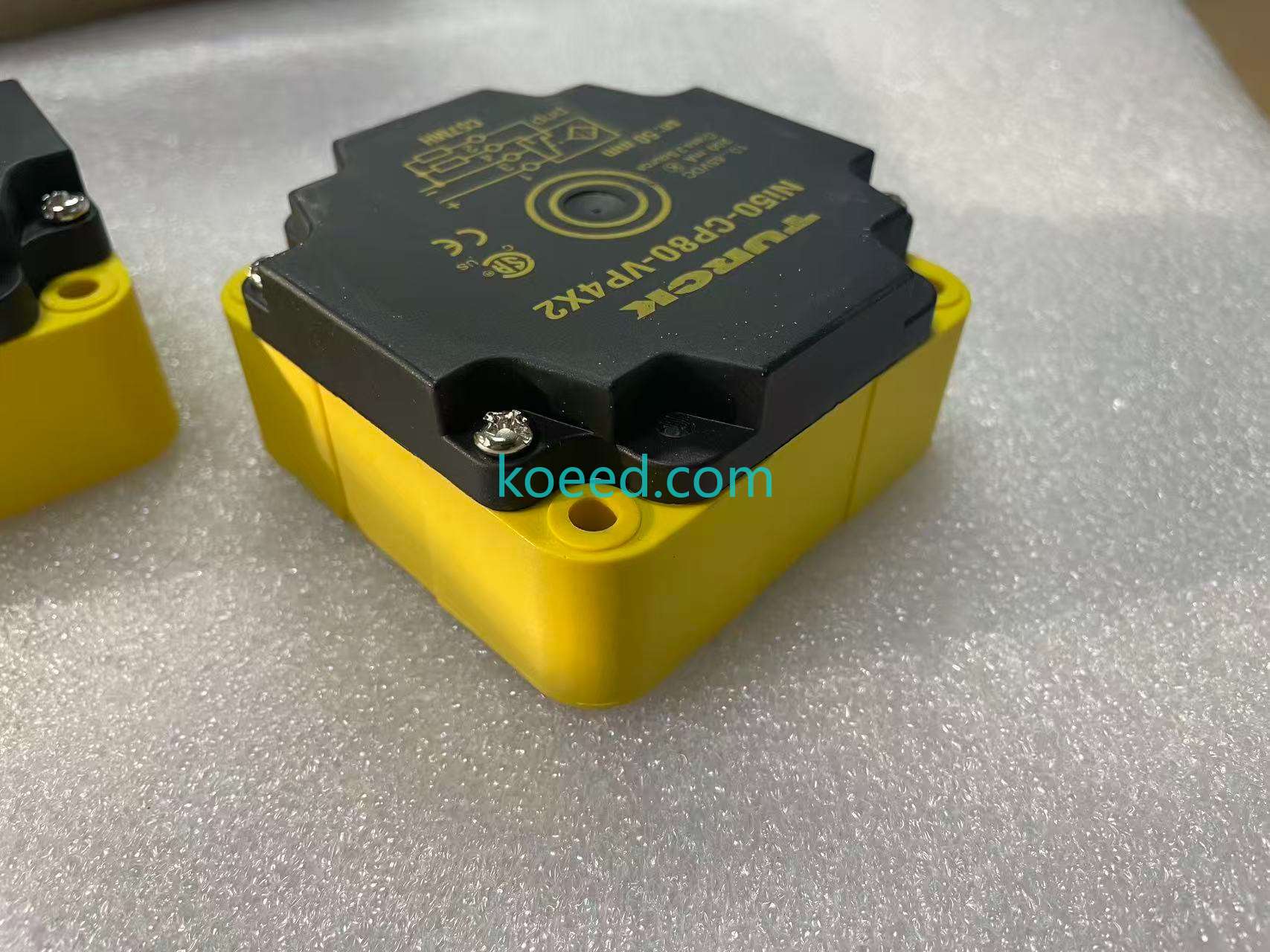
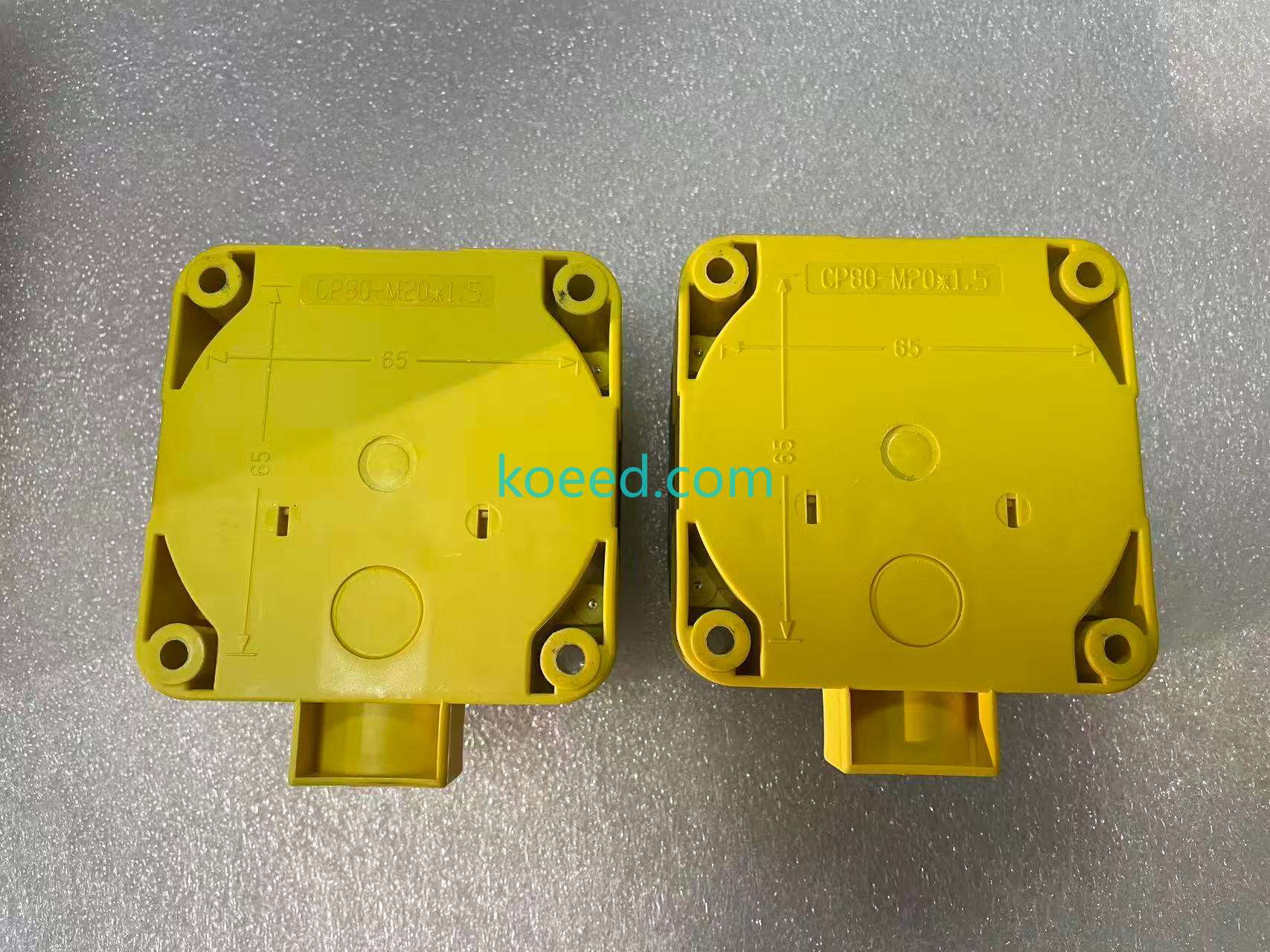
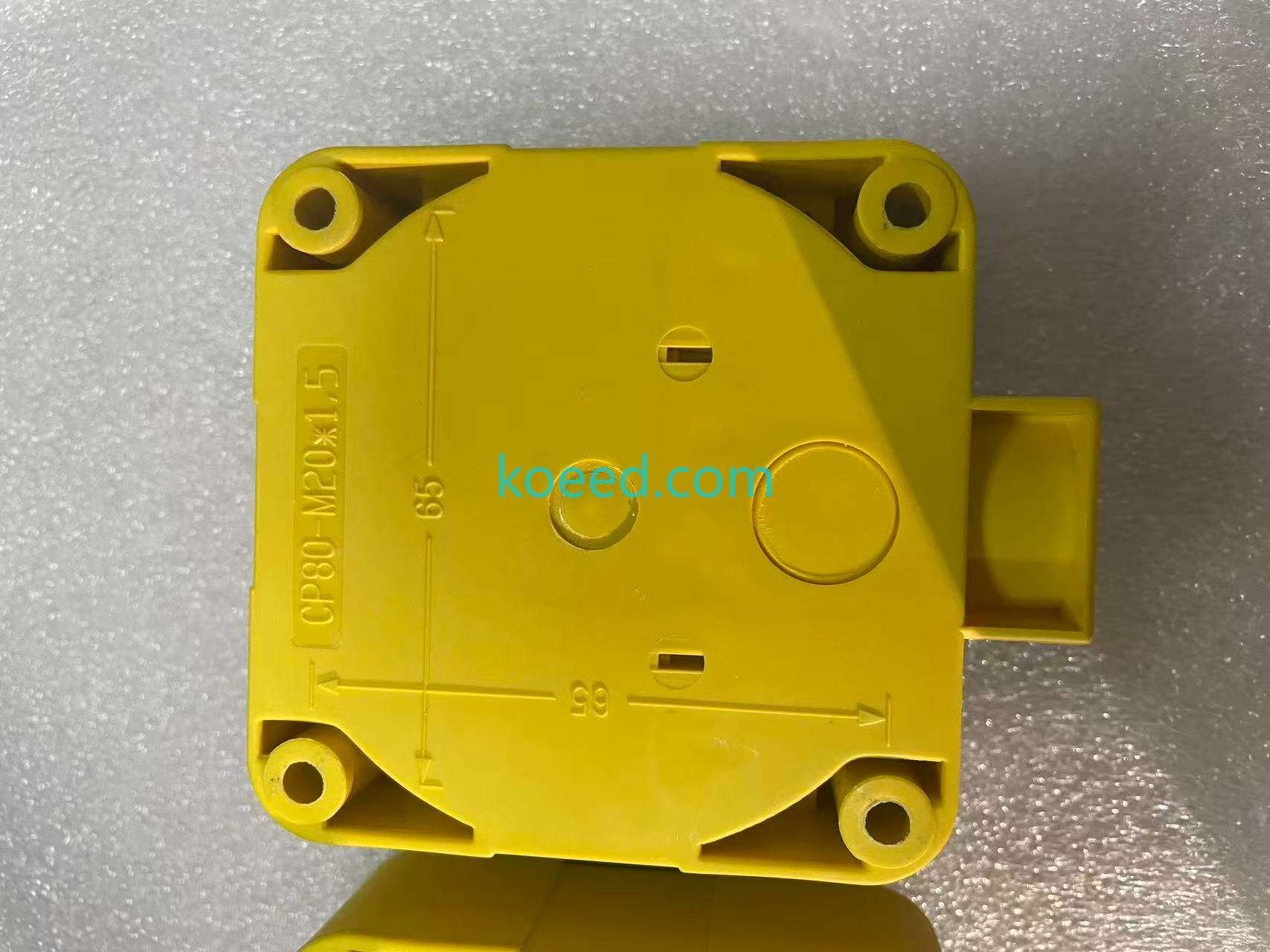
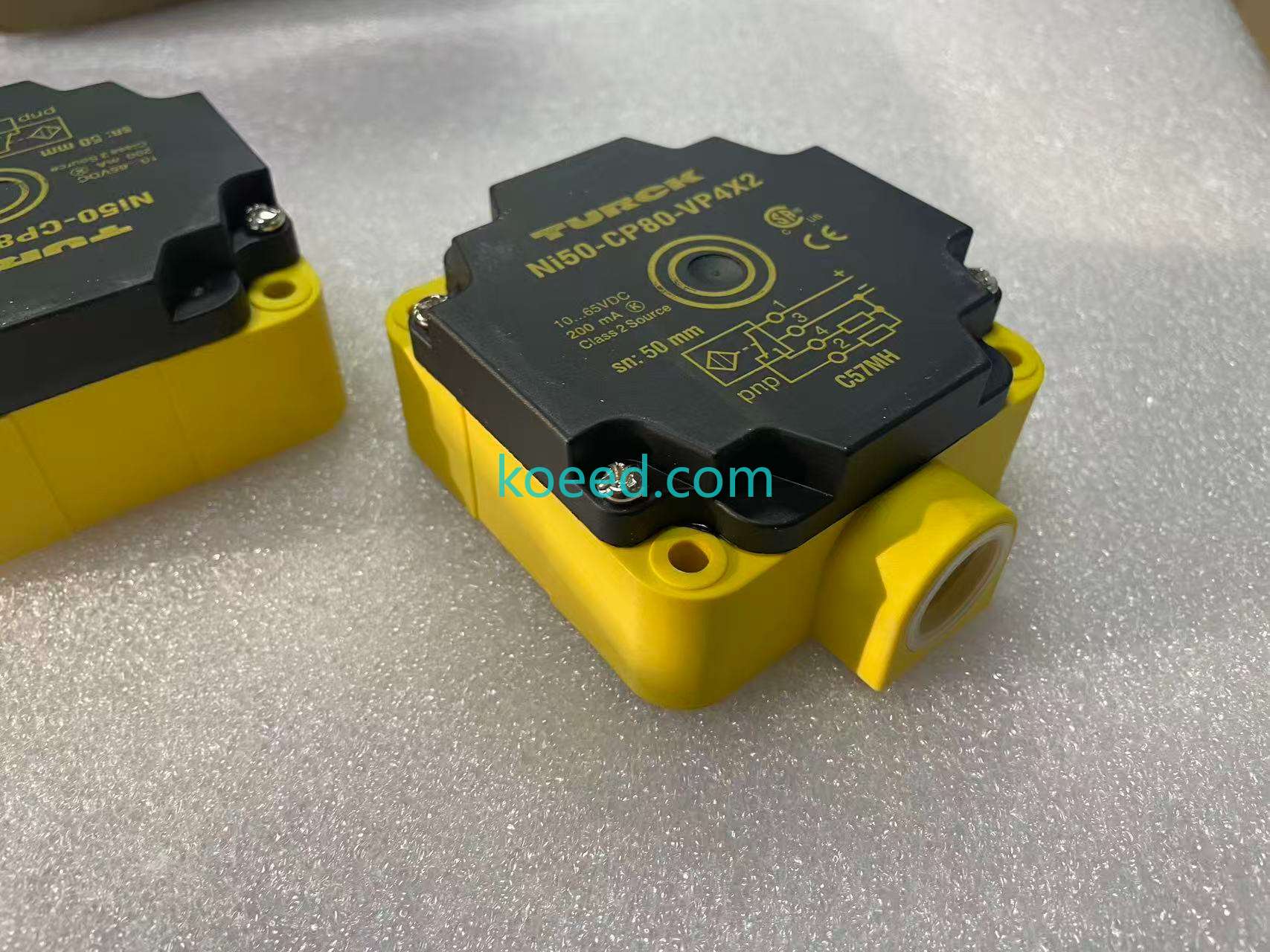
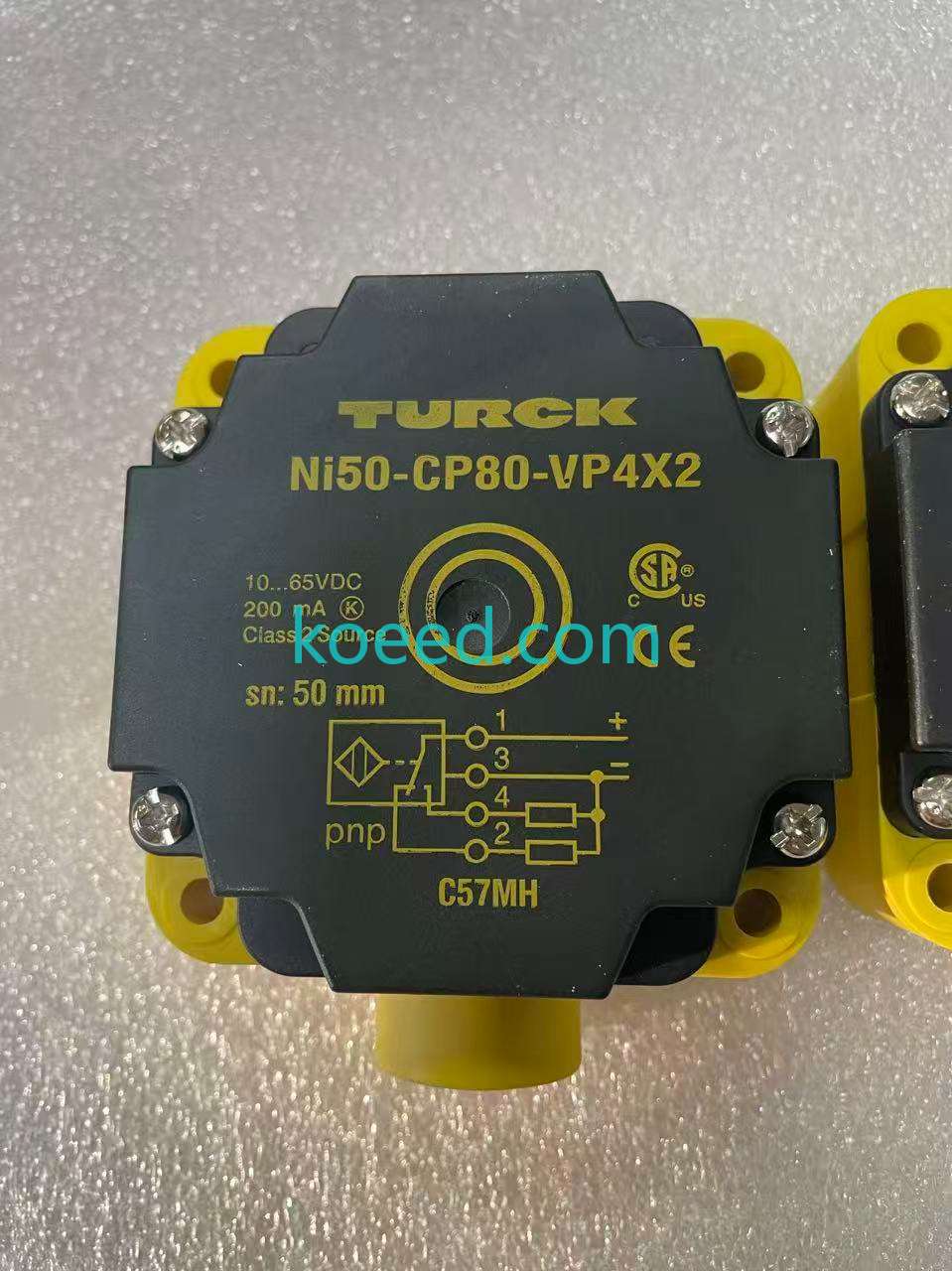
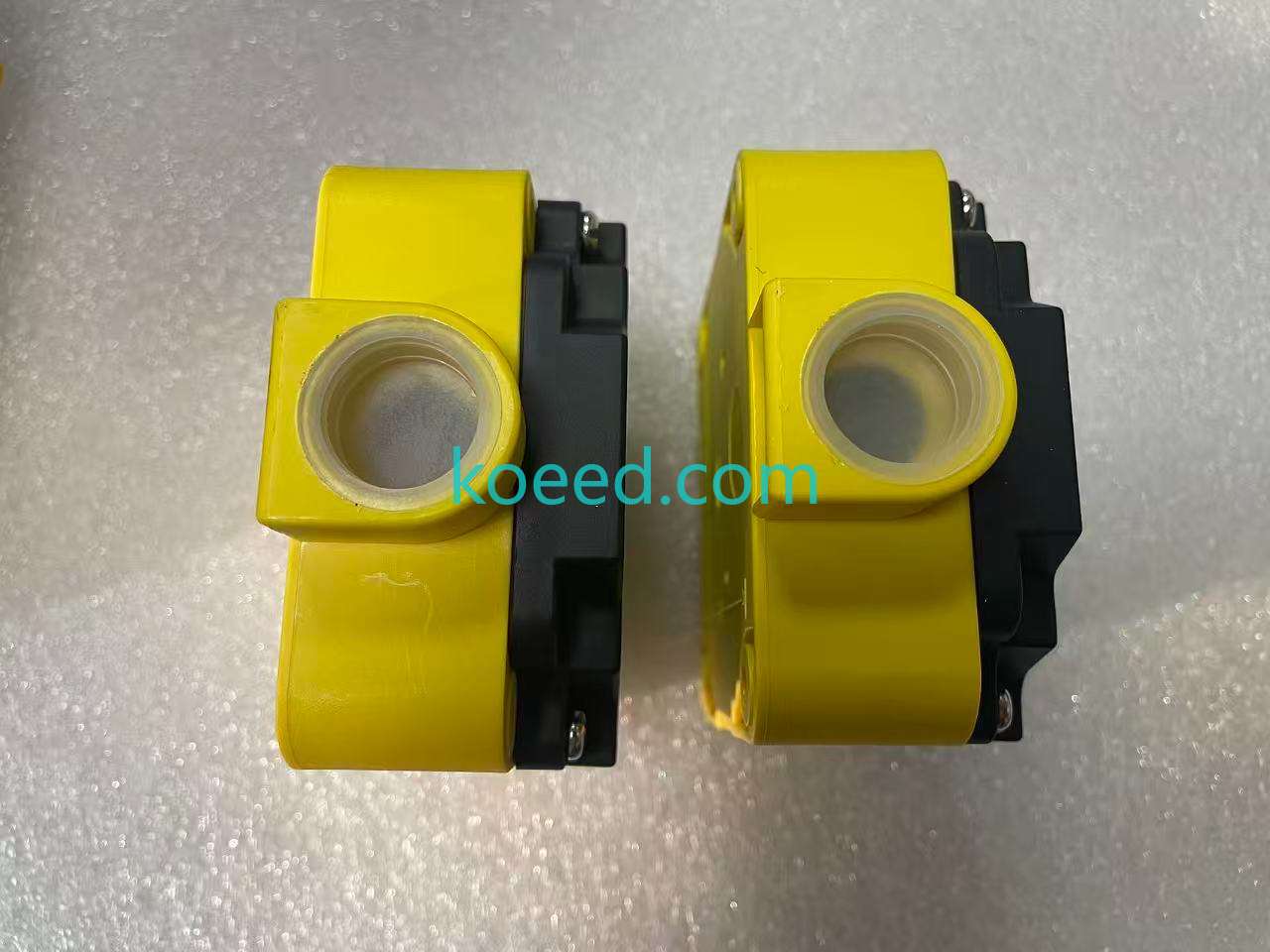
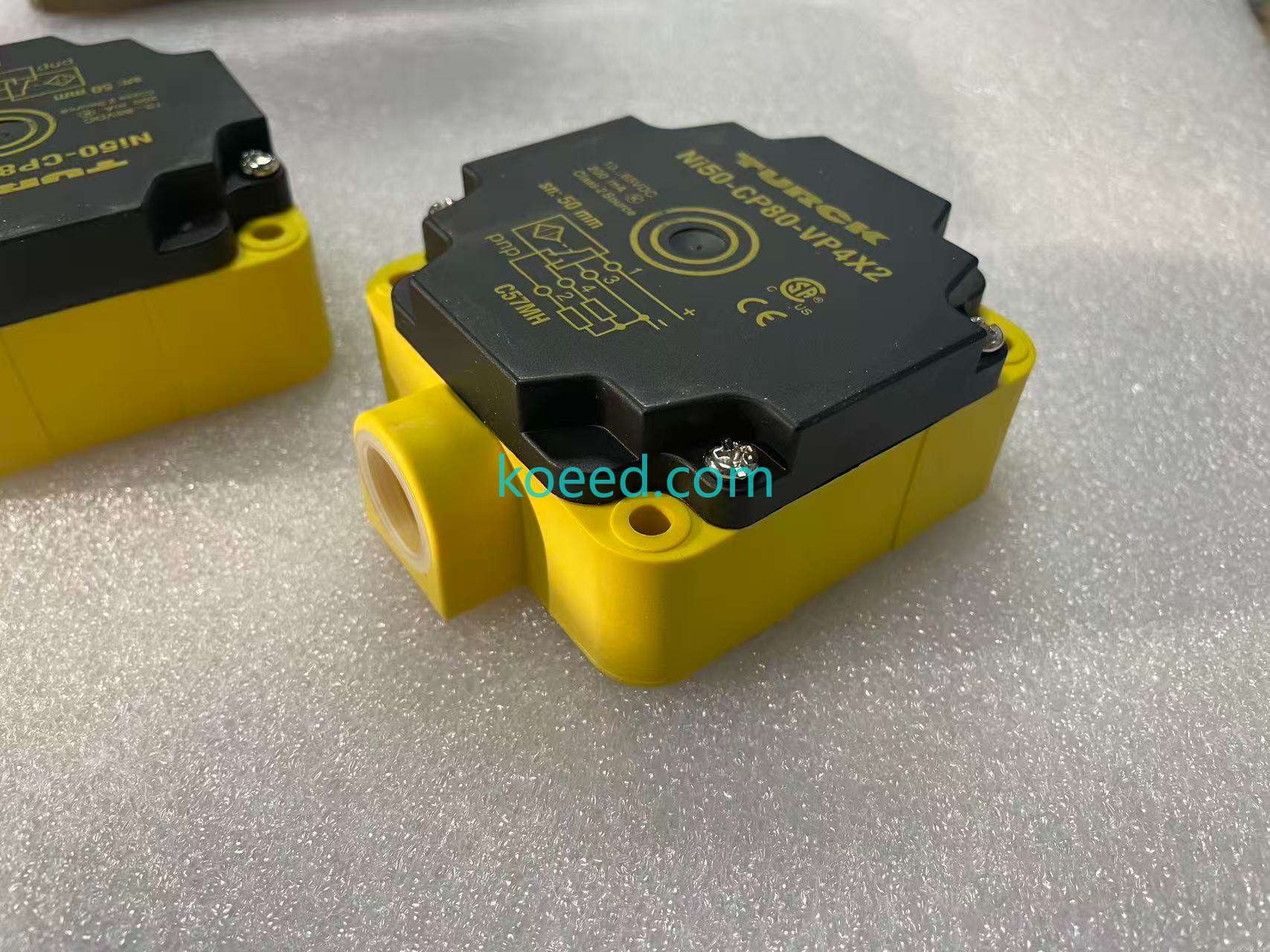
Visual Gallery: NI50-CP80-VP4X2 (15696) Product Imagery
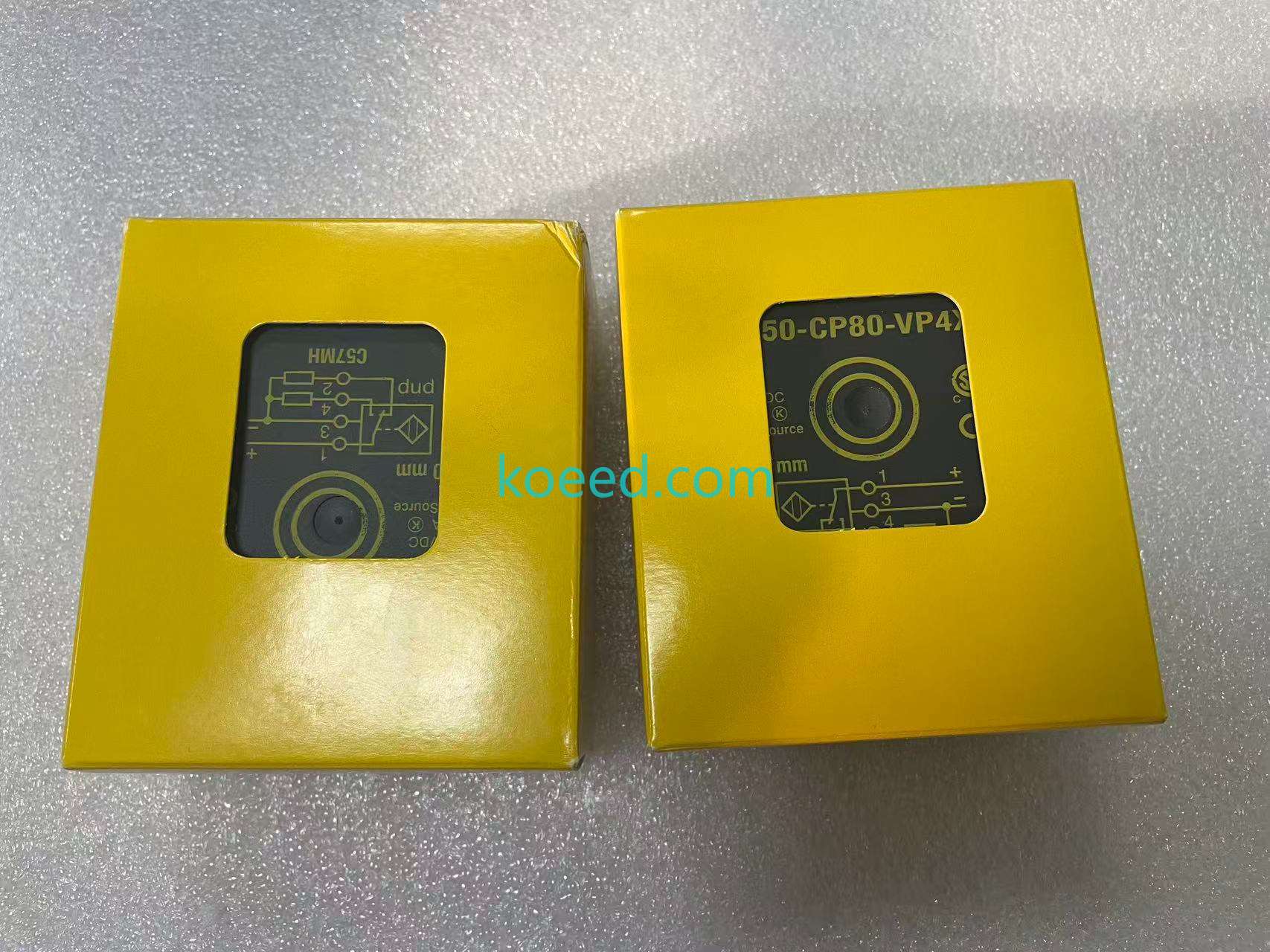
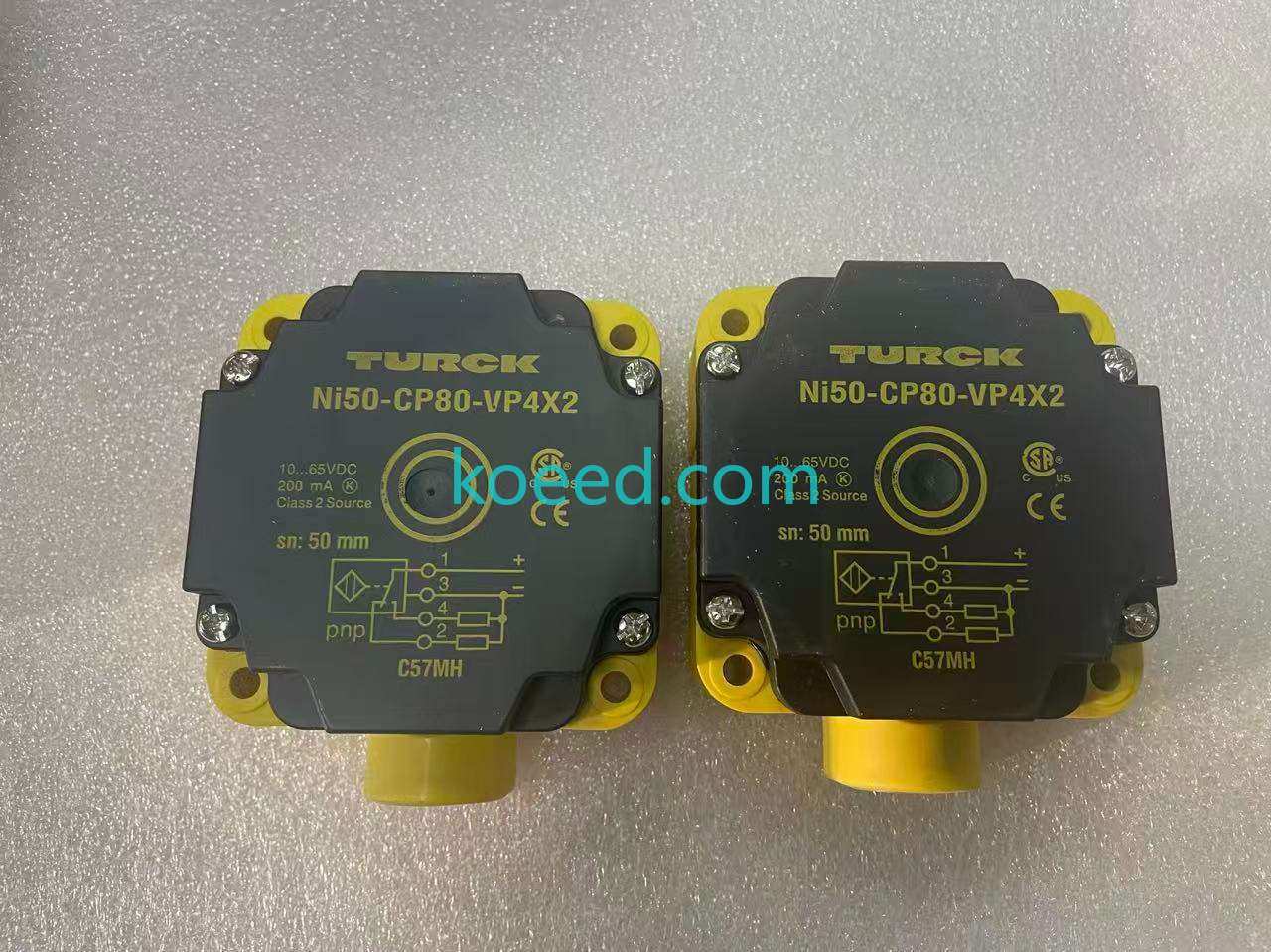
Below is the complete visual reference for the NI50-CP80-VP4X2, including dimensional views, terminal-chamber details, and installation-context photography. Click any image to expand.
Product Demonstration Video
ROI & Total Cost of Ownership (TCO) Analysis
When evaluating the NI50-CP80-VP4X2 from a 2026 procurement perspective, the upfront unit cost — approximately €190 at list — tells only a fraction of the story. Forward-thinking automation engineers calculate TCO across a 7-to-10-year deployment horizon:
Downtime Avoidance
The terminal-chamber design enables a qualified technician to replace the NI50-CP80-VP4X2 in under 3 minutes without rewiring harnesses. Compare this with pigtail sensors that require cable tracing, junction-box access, and potential conduit rework — easily a 20-to-30-minute procedure per sensor. Across a mid-sized facility with 200+ sensing points, the cumulative downtime savings translate to approximately €12,000–€18,000 annually in avoided production losses (assuming a conservative €500/hour line-rate cost).
Energy Efficiency
The NI50-CP80-VP4X2's optimized ferrite-core design draws less than 0.5 W in steady-state operation. While this appears negligible per unit, a facility with 1,000 deployed sensors sees approximately 4,380 kWh/year in sensor-level consumption. Compared with less efficient designs that can draw 1–2 W, the NI50 fleet saves roughly 4,000–8,700 kWh/year — directly contributing to Scope 2 carbon-reduction targets increasingly mandated by EU and North American regulations in 2026.
Installation & Commissioning Best Practices
Mounting Geometry
The NI50-CP80-VP4X2 is rated for non-flush mounting. Maintain a minimum free zone of 80 mm around the sensing face to prevent mutual interference with adjacent metallic structures. In dense sensor arrays, stagger adjacent units by at least 40 mm in the Z-axis to preserve the full 50 mm switching distance.
Wiring Configuration (4-Wire DC PNP)
The terminal chamber provides clearly labeled connection points:
- BN (Brown): +VDC (10–65 V)
- BU (Blue): 0 V (GND)
- BK (Black): PNP NO Output
- WH (White): PNP NC Output (if applicable to variant)
Maintenance & Troubleshooting Guide
While the NI50-CP80-VP4X2 is engineered for long service life, the following structured diagnostic approach resolves 95% of field issues in under 10 minutes:
Common Fault Scenarios & Resolutions
🔴 Symptom: No Output Signal (LED Off)
Step 1: Verify supply voltage at terminals BN–BU. Must be within 10–65 VDC. Use a true-RMS multimeter — ripple exceeding 10% on unregulated supplies can cause intermittent dropout.
Step 2: Confirm the target material is ferrous metal and is within 50 mm of the sensing face. Aluminum and non-ferrous targets require derating; expect only 30–35 mm effective range.
Step 3: Inspect terminal-chamber wiring for loose strands or corrosion. Re-torque to 0.5 N·m if necessary.
🟡 Symptom: Intermittent / Flickering Output
Likely Cause 1: Target object is oscillating near the 50 mm switching threshold. Install a mechanical stabilizer or reduce the sensing gap to ≤40 mm.
Likely Cause 2: Electromagnetic interference (EMI) from nearby VFDs or motor drives. Route sensor cabling at least 200 mm from power cables and use shielded cable where possible.
Likely Cause 3: Internal coil degradation after 8+ years of continuous operation. If confirmed via IO-Link diagnostics, plan a proactive replacement during the next scheduled downtime window.
🟢 Symptom: Persistent LED Indication (Stuck ON)
Most Common: A metallic object has entered the sensing field unintentionally — check for accumulated swarf, loose bracketry, or tooling that has drifted.
Electrical Check: Disconnect the BK (output) wire and measure voltage at the terminal. If it remains high with no target present, the output transistor may be shorted — replace the sensor.
🔵 Preventive Maintenance Schedule (2026 Recommended)
Quarterly: Visual inspection of sensing face for metallic debris buildup. Wipe with a dry, non-abrasive cloth.
Bi-Annually: Verify switching distance with a calibrated steel target (50 × 50 × 1 mm, S235JR). Document measured distance in CMMS for trend analysis.
Annually: Full terminal-chamber inspection: torque check, gasket condition, and presence of moisture ingress. Perform insulation-resistance test (>20 MΩ at 500 VDC).
Sustainability & Regulatory Compliance (2026 Standards)
The NI50-CP80-VP4X2 aligns with the European Union's updated EcoDesign for Sustainable Products Regulation (ESPR) framework, effective 2025 and enforced through 2026. Key compliance highlights include:
- RoHS III (EU 2024/XXX): Fully compliant with the latest restrictions on lead, mercury, and cadmium in industrial electronics.
- Field Serviceability: The terminal-chamber architecture supports component-level replacement of connectors without discarding the entire sensor body — aligning with the EU's "right to repair" directives now extending to industrial equipment.
- Recyclability: The CP80 housing is a single-grade PBT (polybutylene terephthalate) thermoplastic, simplifying end-of-life material separation.
Frequently Asked Questions
What is the maximum switching distance of the Turck NI50-CP80-VP4X2?
The rated switching distance is 50 mm for standard mild steel (S235JR). For stainless steel targets, expect approximately 35–40 mm. For non-ferrous metals such as aluminum or brass, the effective range is further reduced to approximately 25–30 mm. Always validate with your specific target material during commissioning.
Is the NI50-CP80-VP4X2 compatible with IO-Link systems in 2026?
The NI50-CP80-VP4X2 is a standard PNP digital-output sensor. It does not natively speak IO-Link protocol. However, in 2026, integration into IO-Link architectures is routinely accomplished by routing the sensor's PNP output through a Turck IO-Link hub (e.g., TBEN-S series) or equivalent third-party signal concentrator, which digitizes the binary signal and exposes it to the IO-Link master with full diagnostic transparency.
Can this sensor be used in washdown or food-grade environments?
With an IP67 rating, the NI50-CP80-VP4X2 withstands temporary immersion and high-pressure washdown. However, for food-processing zones requiring ECOLAB-certified chemical resistance, consider the Turck NI50-CP80-VP4X2/S100 variant, which adds a PTFE-coated housing. The standard PBT housing of the 15696 may degrade under repeated exposure to aggressive CIP (clean-in-place) chemicals.
What is the lead time for the NI50-CP80-VP4X2 in 2026?
As of 2026, Koeed maintains strategic inventory of the NI50-CP80-VP4X2 (15696) across our Shenzhen and Dortmund distribution hubs. Standard lead times are 3–5 business days for most global destinations. Volume orders (>100 units) may require a 2–3 week allocation window. Contact our team via WhatsApp for live stock confirmation.
Ready to Deploy the NI50-CP80-VP4X2 in Your 2026 Automation Stack?
Get competitive pricing, volume discounts, and technical pre-sales support from Koeed's industrial automation specialists.
Part Number: 15696 | NI50-CP80-VP4X2 | Extended-Range Inductive Sensor | CP80 Housing


