

NBN15-30GM50-E2-V1: The 2026 Gold Standard for Harsh-Environment Inductive Sensing | Koeed B2B Guide
As we navigate the 2026 industrial automation landscape, the convergence of IT and OT has moved from aspiration to baseline requirement. Sensors are no longer mere edge devices — they are data nodes feeding into ERP, MES, and cloud analytics platforms. Against this backdrop, the Pepperl+Fuchs NBN15-30GM50-E2-V1 stands as a benchmark for reliability, extended-range inductive sensing, and seamless integration into modern smart factory architectures.
Strategic Positioning: Why the NBN15-30GM50-E2-V1 Matters in 2026
The M30 cylindrical inductive sensor category has evolved significantly. Where once "rugged" simply meant surviving on the factory floor, today's procurement standards demand IT/OT convergence readiness, measurable energy efficiency, and predictive maintenance compatibility. The NBN15-30GM50-E2-V1 delivers across all three vectors.
Engineered by Pepperl+Fuchs — a global leader with over 75 years of sensor expertise — this PNP, normally-open (NO) inductive sensor delivers a 15 mm rated operating distance in a non-flush mountable M30 × 1.5 housing. That extended sensing range, paired with an extreme -40 °C to +85 °C operating temperature window, makes it the go-to choice for industries ranging from automotive assembly lines and steel processing to cold-chain logistics and offshore energy.
Technical Benchmarking: NBN vs. NBB Series & Legacy Replacements
In 2026, many plants are retiring older NBB-series flush-mount sensors and legacy 2-wire AC/DC variants in favor of the NBN15-30GM50-E2-V1's superior non-flush range and extended-voltage PNP architecture. Below is a side-by-side comparison that highlights where this model outpaces alternatives:
| Specification | NBN15-30GM50-E2-V1 | NBB15-30GM50-E2-V1 (Flush) | Legacy 2-Wire AC/DC (Typical) |
|---|---|---|---|
| Rated Operating Distance | 15 mm (non-flush) | 15 mm (flush) | 10 mm |
| Mounting Type | Non-flush (embeddable in metal with spacing) | Flush (fully embeddable) | Flush |
| Output Type | 3-Wire PNP, NO | 3-Wire PNP, NO | 2-Wire AC/DC |
| Operating Voltage | 5–60 VDC | 5–60 VDC | 20–250 VAC |
| Temperature Range | -40 to +85 °C | -25 to +70 °C | -25 to +70 °C |
| Shock Resistance | High (extended ratings) | Standard | Standard |
| IT/OT Integration | IO-Link ready via compatible masters; stable PNP pulse for edge analytics | Limited | None (binary only) |
| TCO (5-Year Projection) | ⭐ Low — Extended MTBF, minimal spares | ⭐⭐ Moderate — More frequent replacement cycles | ⭐⭐⭐ High — Downtime & energy loss |
IT/OT Convergence: Making the NBN15-30GM50-E2-V1 a Data Source
In 2026, the smart factory demands that every sensor contributes to the data lake. While the NBN15-30GM50-E2-V1 is a discrete-output device, its high signal-to-noise ratio and robust PNP pulse train make it an excellent candidate for edge-computing gateways that timestamp switching events and feed them into OPC-UA or MQTT brokers.
Integration Pathway
The sensor's M12 (V1) 4-pin connector simplifies wiring into modern distributed I/O blocks (e.g., Pepperl+Fuchs' own AS-Interface or IO-Link masters). By connecting the NBN15-30GM50-E2-V1 through a compatible IO-Link master, plant engineers gain access to:
- Event Counting: Monitoring actuation frequency to detect mechanical wear trends upstream.
- Edge Timestamping: Correlating sensor trigger events with PLC scan cycles for microsecond-level root-cause analysis.
- Predictive Threshold Alerts: Flagging anomalies when switching frequency deviates from baseline — a leading indicator of target misalignment or mechanical fatigue.
Sustainability & Energy ROI in the 2026 Regulatory Environment
With the EU's updated Ecodesign for Sustainable Products Regulation (ESPR) and China's tightened industrial energy standards fully in effect by 2026, component-level energy efficiency is under scrutiny. The NBN15-30GM50-E2-V1 operates on an exceptionally wide 5–60 VDC range, meaning it can be deployed on low-voltage DC buses (e.g., 12V or 24V) without additional step-down conversion — directly reducing power supply losses.
Compared to legacy AC-powered proximity switches that draw continuous quiescent current even in idle states, the NBN15-30GM50-E2-V1's DC architecture consumes negligible standby power. Across a plant with 500+ sensors, this alone can yield a measurable reduction in Scope 2 carbon emissions — a key metric for 2026 ESG reporting.
Visual Gallery & Product Inspection
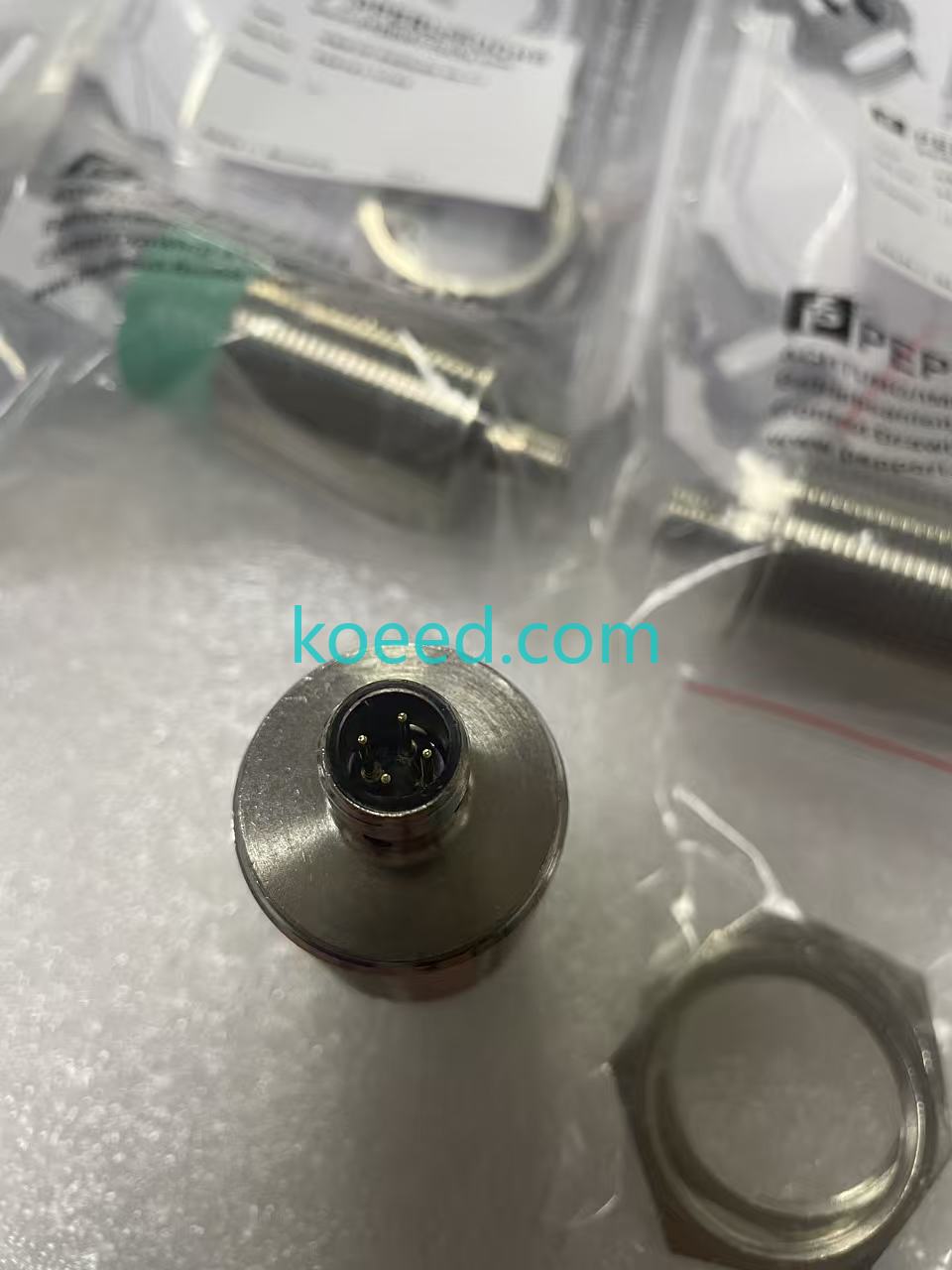
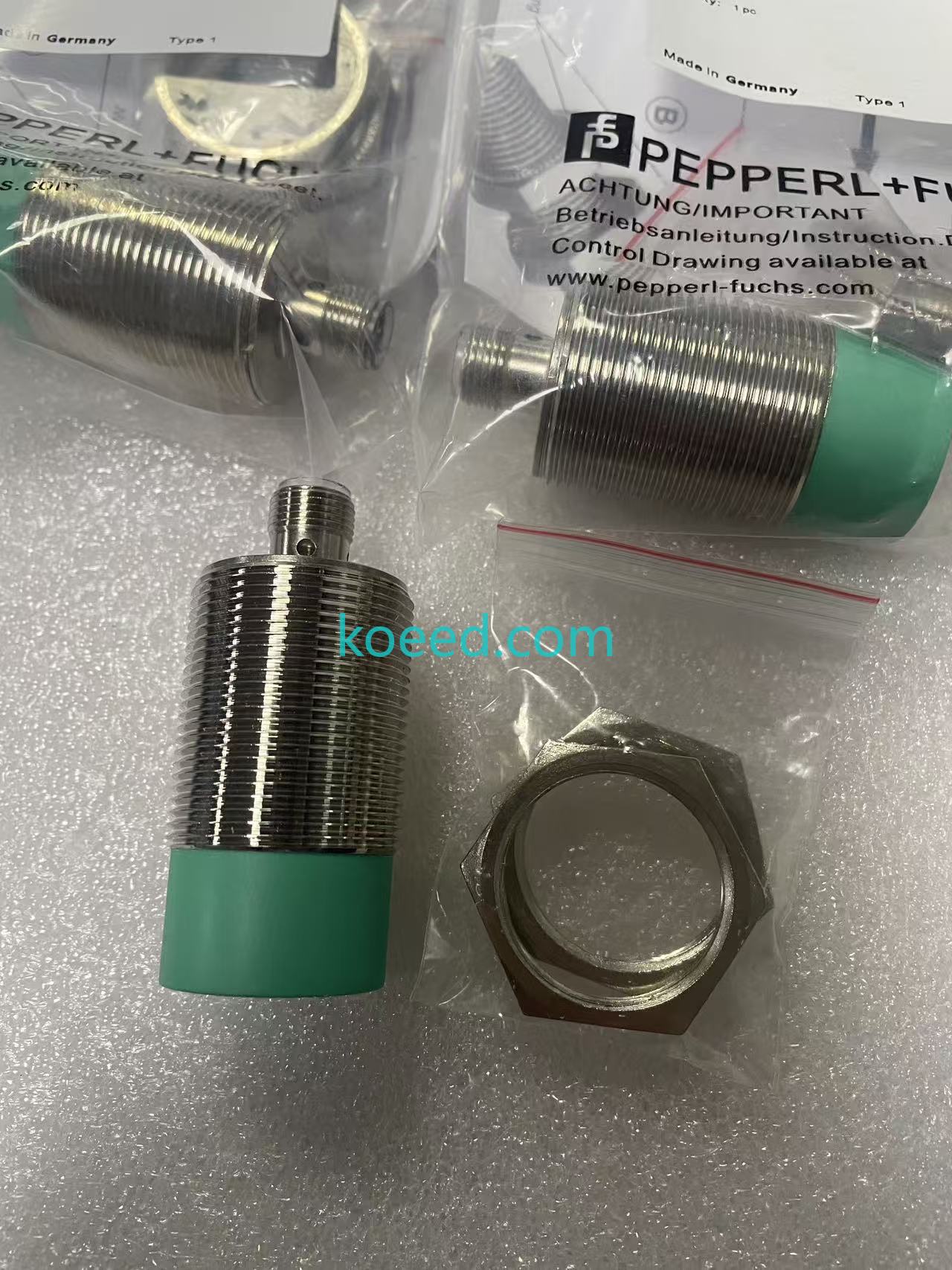
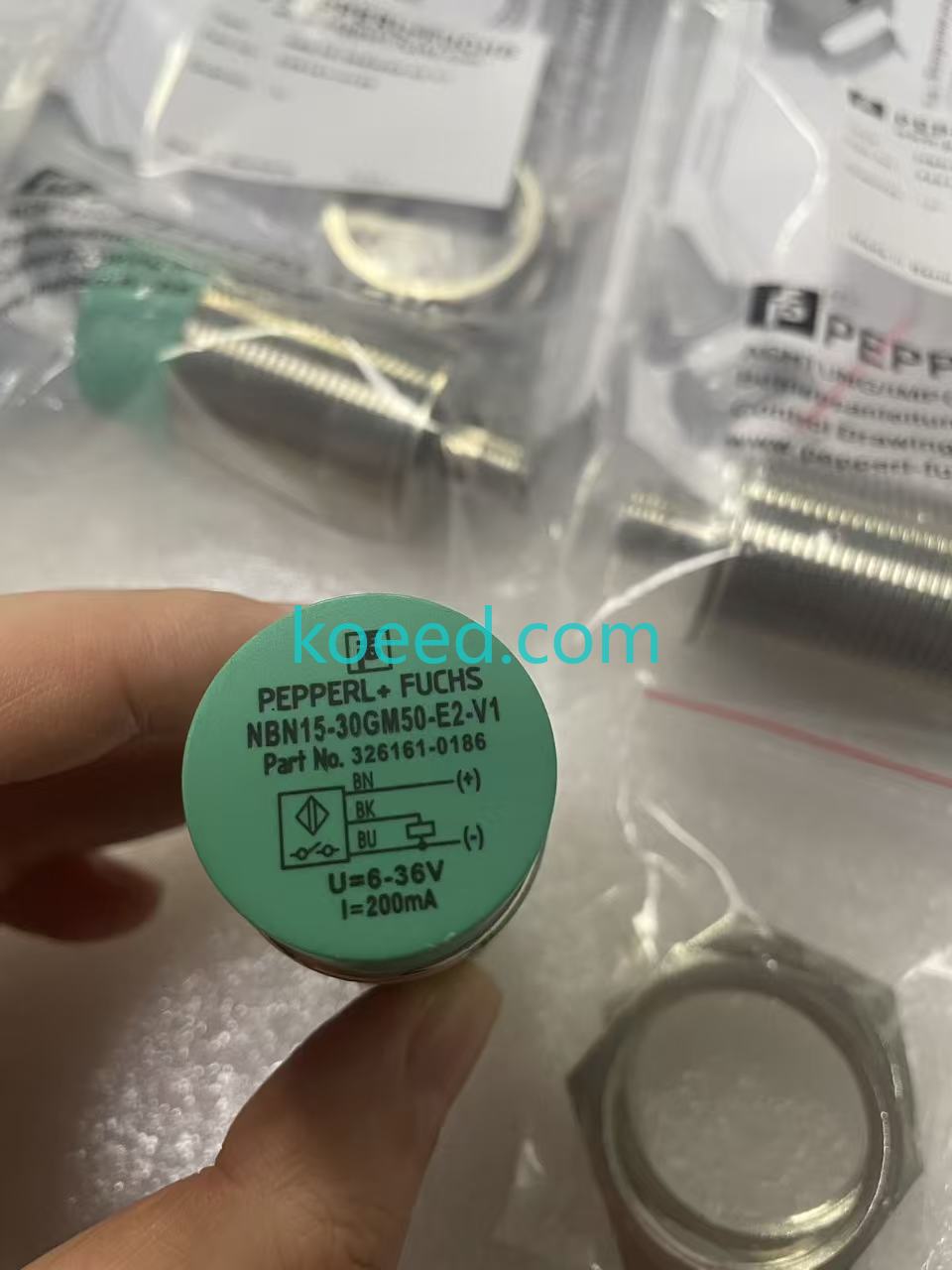
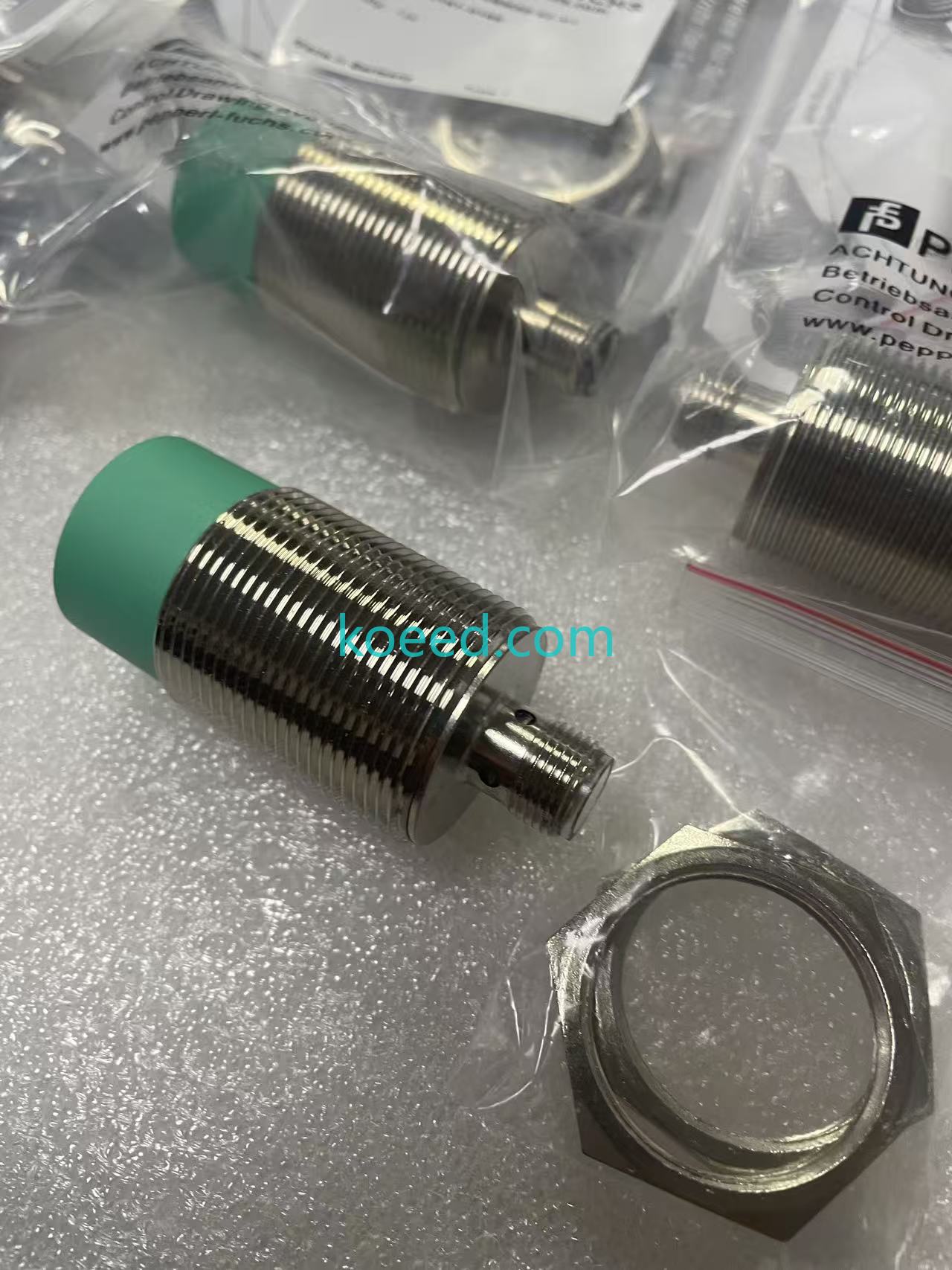
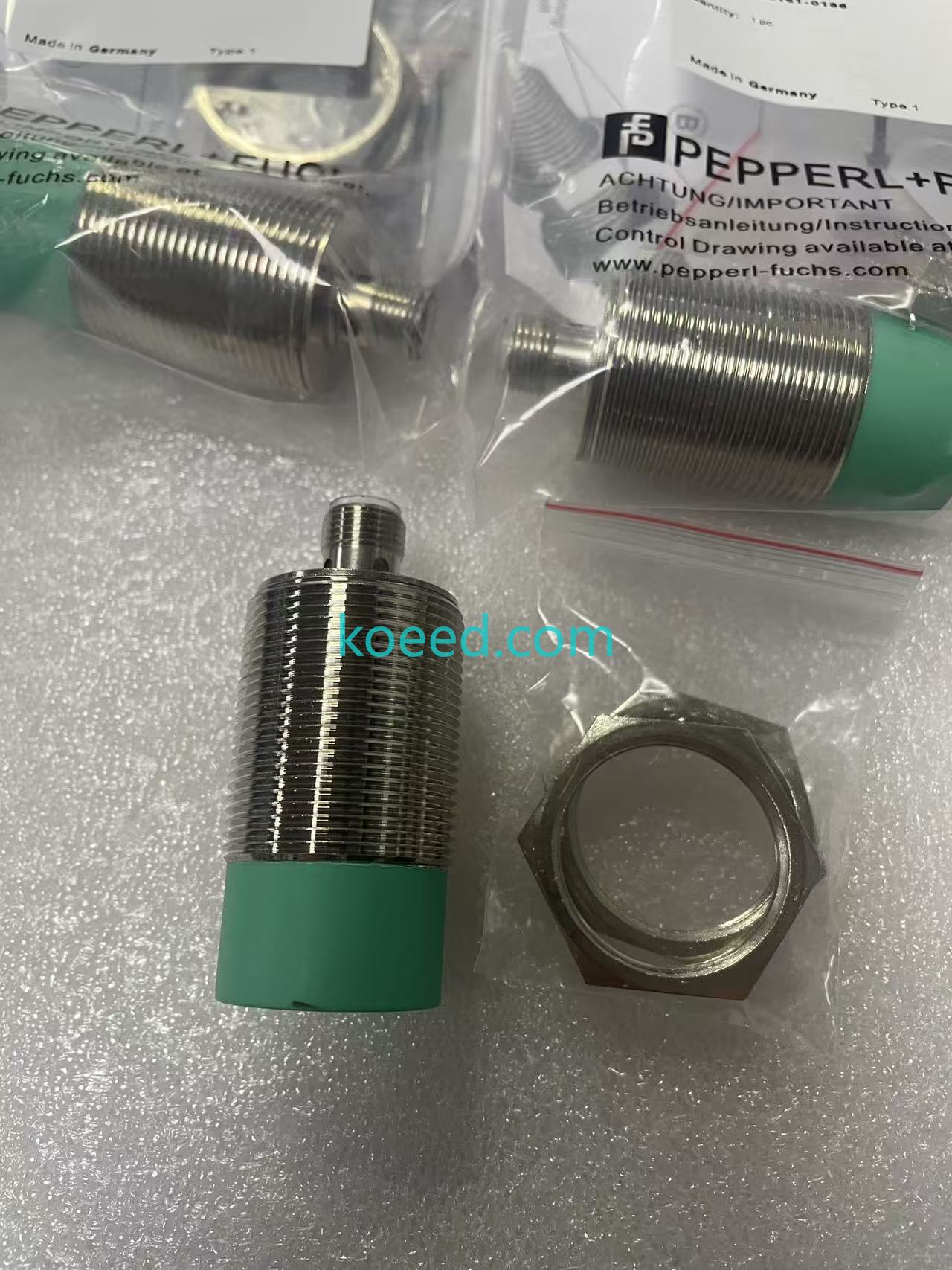
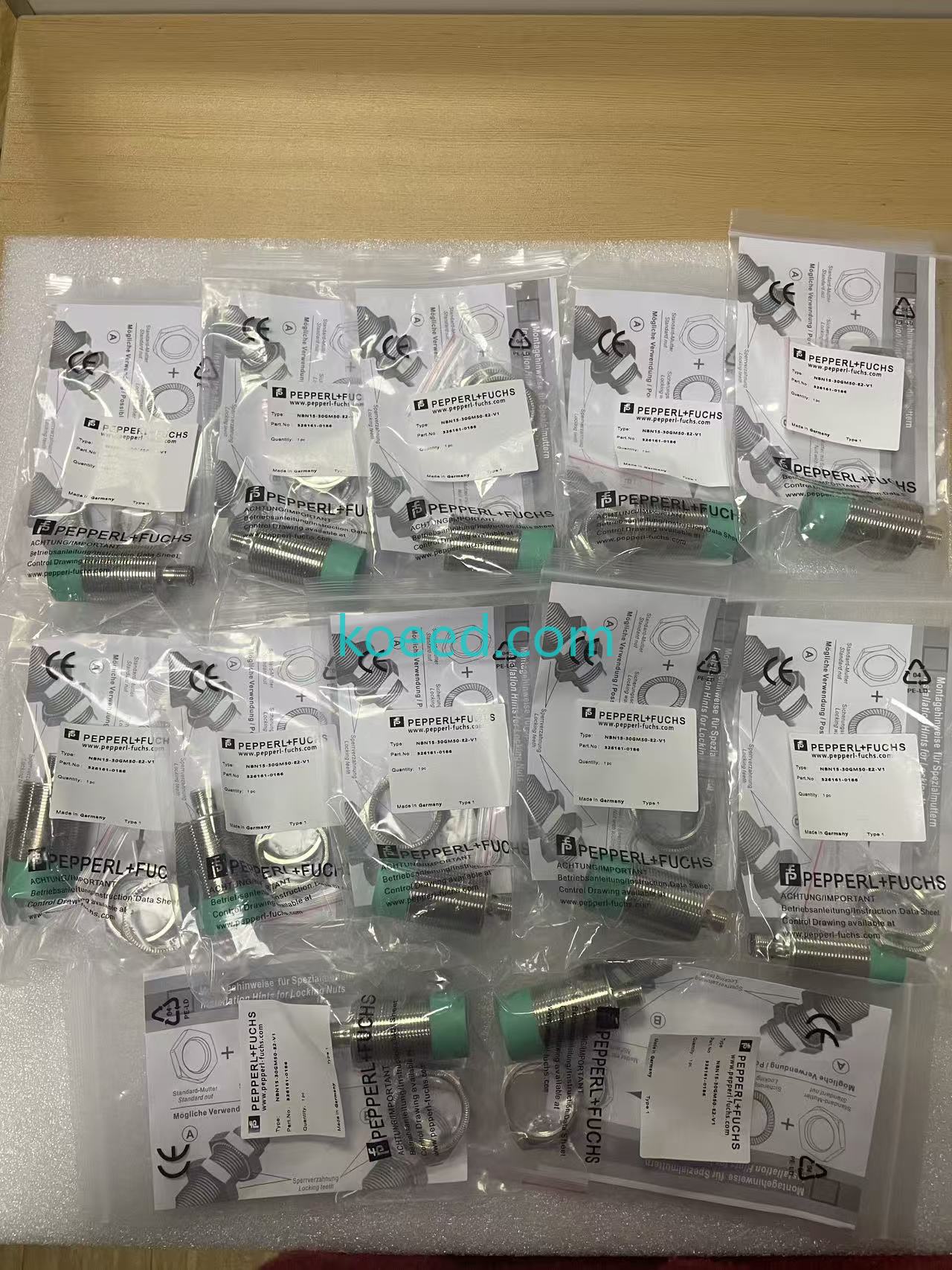
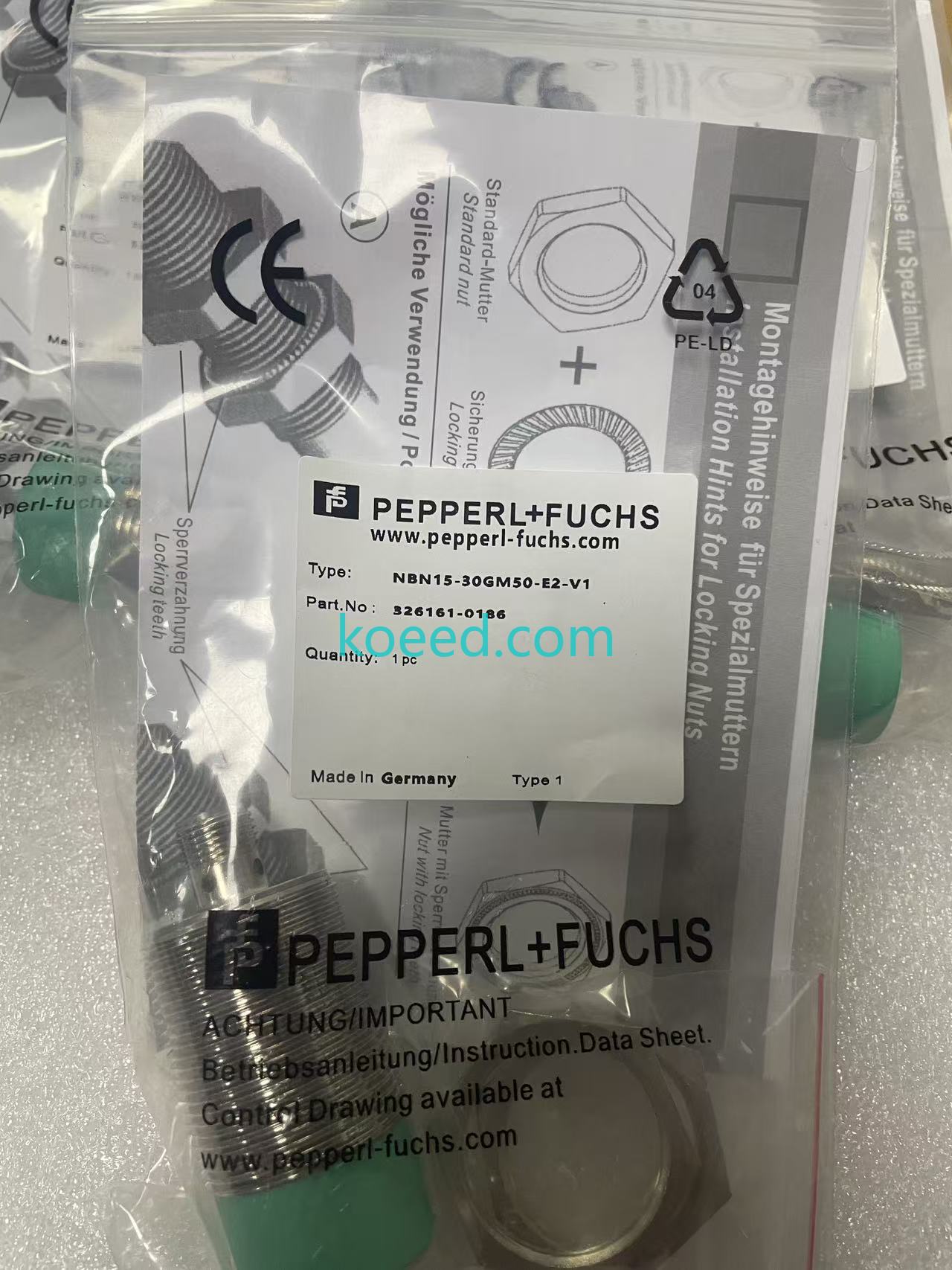
Below is a complete visual reference for the NBN15-30GM50-E2-V1, including packaging, connector details, housing markings, and dimensional references — essential for integration planning and incoming quality inspection protocols.
Installation Best Practices for 2026 Smart Factories
Non-Flush Mounting: Why Spacing Matters
Unlike flush-mounted (NBB) variants, the NBN15-30GM50-E2-V1's sensing face emits a wider electromagnetic field. To prevent mutual interference — a common pitfall in high-density sensor arrays — maintain a minimum center-to-center spacing of 60 mm between adjacent NBN15 units and at least 30 mm from any metallic surface surrounding the sensing face. In 2026's increasingly compact machine designs, this spatial planning is a critical upfront engineering consideration.
Wiring the M12 V1 Connector
The 4-pin M12 V1 connector follows the standard pinout:
- Pin 1 (Brown): +VDC (5–60 V)
- Pin 3 (Blue): 0 V (Ground)
- Pin 4 (Black): PNP Output (Switching)
- Pin 2 (White): Not connected (reserved for complementary output variants)
Predictive Maintenance: From Reactive Replacement to Intelligent Monitoring
By 2026, unplanned downtime costs the average automotive plant an estimated $22,000 per minute. The NBN15-30GM50-E2-V1's extended MTBF and diagnostic-friendly PNP output position it as a cornerstone of predictive maintenance strategies:
Key Failure Precursors to Monitor
- Slow Switching Edges: Degraded rise/fall times often precede total failure. Use high-speed counter modules (≥1 kHz sampling) to trend edge sharpness over time.
- Intermittent Dropouts: Vibration-induced connector loosening — the V1 (M12) connector should be torque-checked at 0.6 N·m during scheduled PM intervals.
- Target Distance Drift: As mechanical fixtures wear, the sensing gap may widen beyond 15 mm. Implement automatic gap verification using the sensor's switching hysteresis behavior.
Maintenance & Troubleshooting Guide
Sensor not switching — LED indicator off
Likely Causes:
- No supply voltage present — verify 5–60 VDC across Pin 1 (Brown) and Pin 3 (Blue).
- Reverse polarity — the NBN15-30GM50-E2-V1 is reverse-polarity protected, but it will not operate if wired backwards.
- Blown fuse on the DC power rail — check the control cabinet distribution.
LED indicator on, but no output signal
Likely Causes:
- Load impedance too high — ensure the PLC input card's impedance is compatible with PNP sourcing output.
- Broken or intermittent wire on Pin 4 (Black) — perform continuity test.
- Target outside the 15 mm sensing range — verify actual gap with a feeler gauge.
False triggering / erratic switching
Likely Causes:
- Adjacent sensor interference — verify ≥60 mm center-to-center spacing.
- EMI from nearby VFD or motor cables — install shielded cable or re-route.
- Moisture ingress in the M12 connector — inspect and replace the sealing gasket if deteriorated.
Reduced sensing distance over time
Likely Causes:
- Metallic swarf or debris accumulation on the sensing face — clean with a non-abrasive cloth.
- Physical damage to the sensing face from target impact — inspect for dents or scratches.
- Aging internal oscillator — if the sensor has exceeded 10+ years of continuous service, consider proactive replacement.
Sensor fails after short operating period
Likely Causes:
- Voltage spikes exceeding 60 VDC — install a transient voltage suppressor (TVS) on the supply rail.
- Ambient temperature exceeding +85 °C — verify with a thermal camera during peak load.
- Welding-induced currents in the machine frame — ensure proper isolation.
Total Cost of Ownership (TCO) Analysis: 2026 Perspective
When evaluating the NBN15-30GM50-E2-V1, procurement teams should look beyond the unit price. Here is a 5-year TCO projection for a mid-size plant deploying 200 units:
| TCO Factor | NBN15-30GM50-E2-V1 | Generic Economy Sensor |
|---|---|---|
| Unit Cost (2026 Index) | Moderate — premium tier | Low |
| Expected Service Life | 8–12 years (harsh environment) | 2–4 years |
| Replacement Cycles (5 Year) | ~0–1 | 2–3 |
| Downtime Risk (Cost/Incident) | Very Low | Moderate to High |
| Energy Efficiency | Sub-1W idle (DC) | Variable (often higher) |
| 5-Year TCO per Unit | ⭐ Lowest | ⭐⭐⭐ 2–3× higher |
Compatibility & Ecosystem
The NBN15-30GM50-E2-V1 integrates seamlessly with a broad range of 2026-era automation platforms, including:
- Siemens SIMATIC ET 200SP / S7-1200 / S7-1500 — Compatible with all standard 24V PNP digital input modules.
- Rockwell Allen-Bradley CompactLogix / ControlLogix — Use 1756-IB16 or 5069-IB16 modules; PNP sinking compatible.
- Beckhoff EtherCAT Terminals — EL1809, EL2819 or similar digital input terminals.
- Mitsubishi MELSEC iQ-R — RX40C7 or equivalent 24VDC input modules.
Conclusion: Future‑Proof Your Automation with the NBN15-30GM50-E2-V1
In an era where every millisecond of downtime hits the bottom line and regulatory pressures demand measurable sustainability, the Pepperl+Fuchs NBN15-30GM50-E2-V1 is not just a sensor — it's a strategic asset. Its non‑flush 15 mm range, extreme temperature tolerance, and native compatibility with modern IIoT stacks make it the smart choice for greenfield projects and brownfield retrofits alike. When you're ready to source genuine Pepperl+Fuchs sensors with full traceability and expert support, Koeed is your trusted partner in the 2026 industrial supply chain.
Ready to Deploy the NBN15-30GM50-E2-V1 in Your Plant?
Contact Koeed today for volume pricing, same‑day dispatch, and dedicated engineering support.


