

Siemens 3NE1820-0 SITOR Fuse Link: Comprehensive Guide for Industrial Automation Applications
Siemens 3NE1820-0 SITOR Fuse Link
Professional-grade semiconductor protection fuse for industrial automation systems
Product Overview
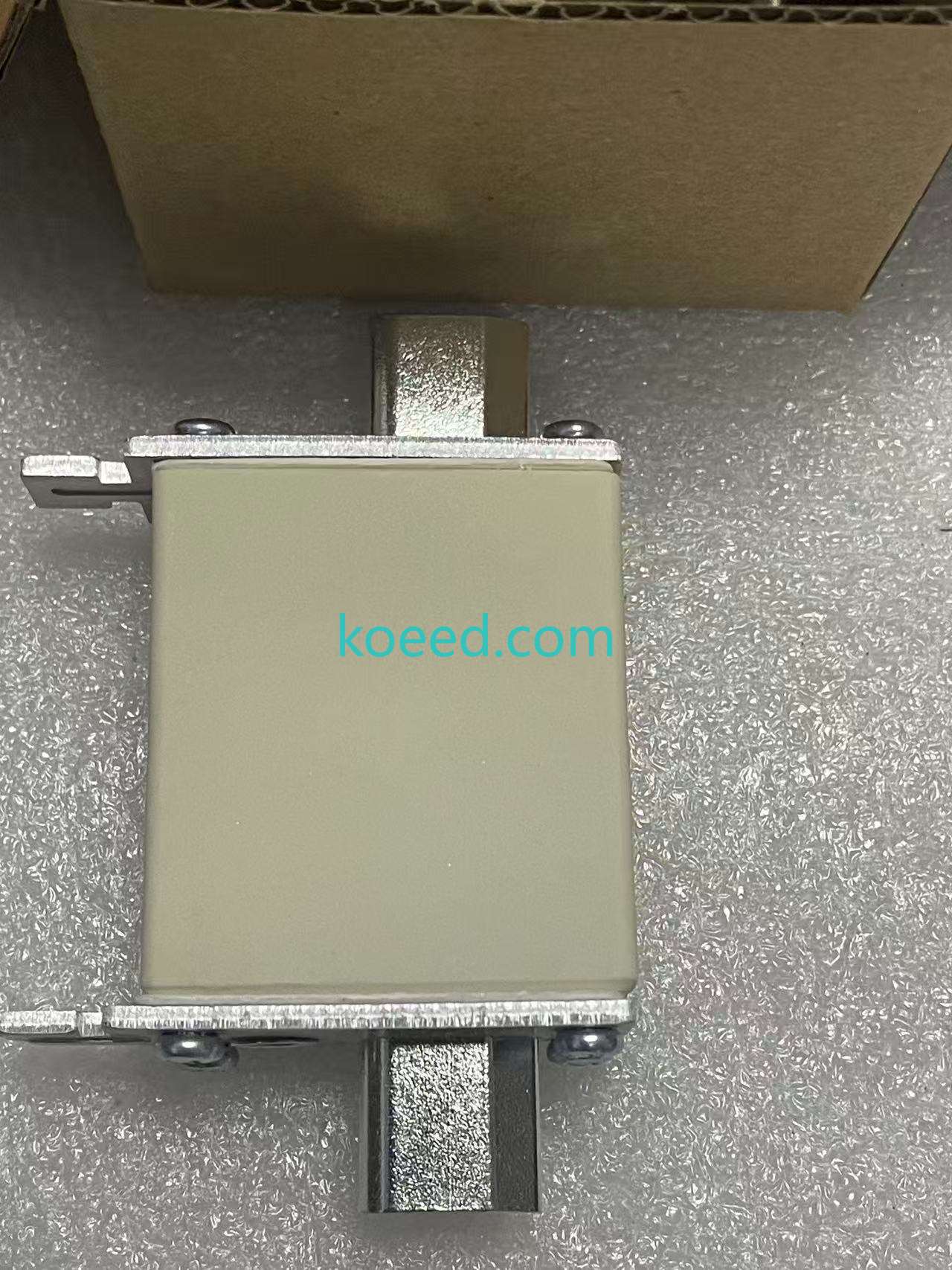
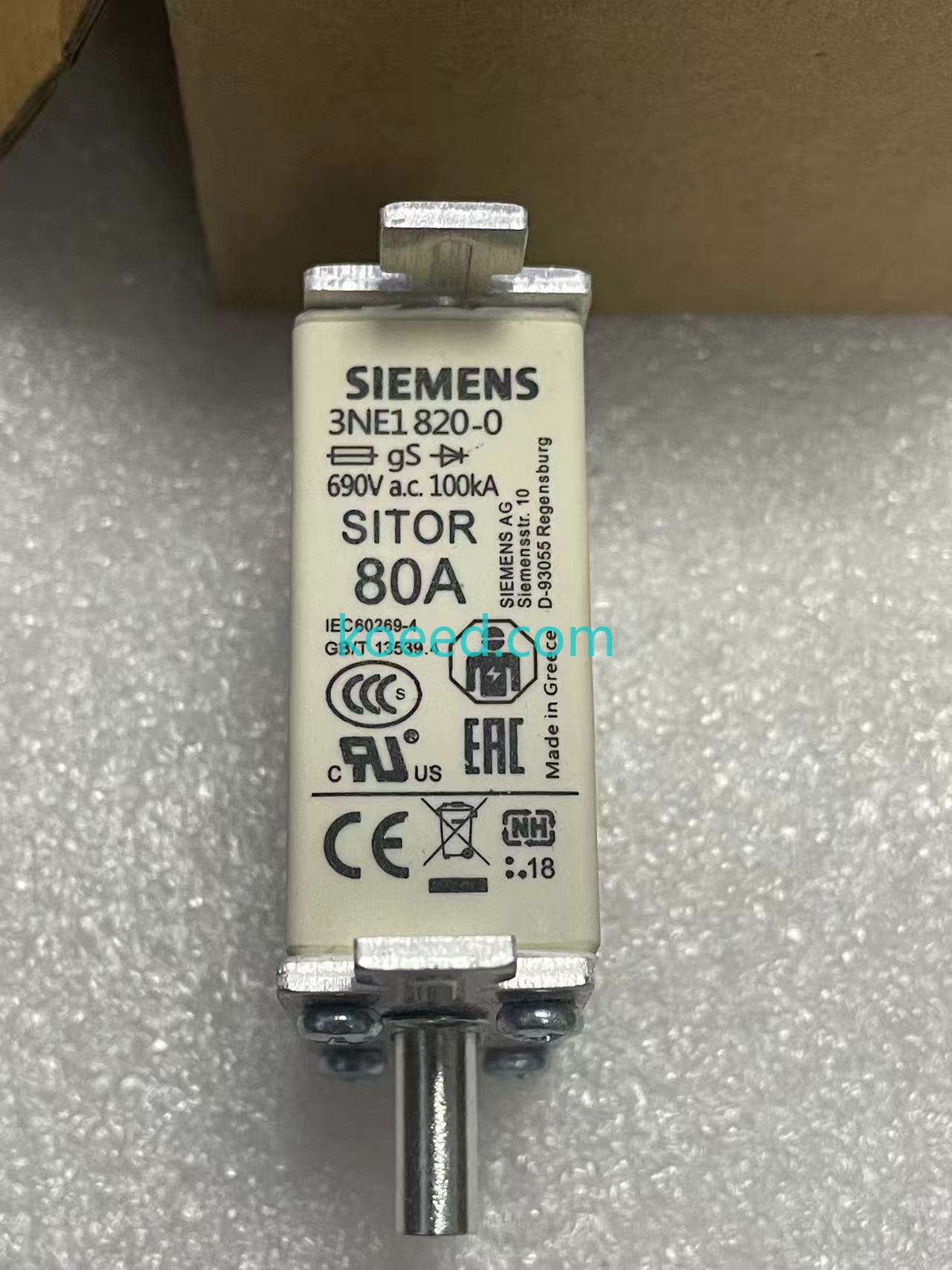
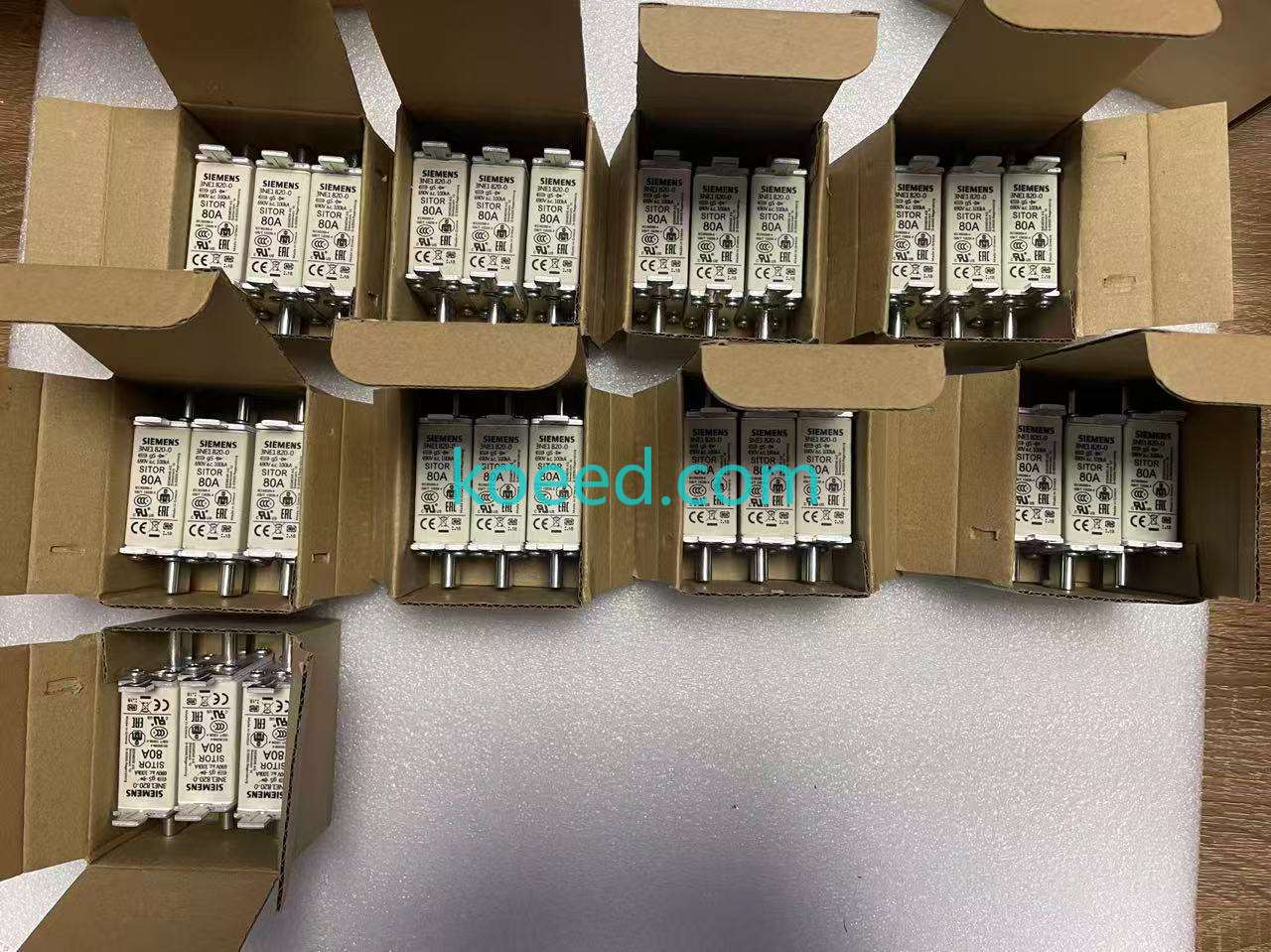
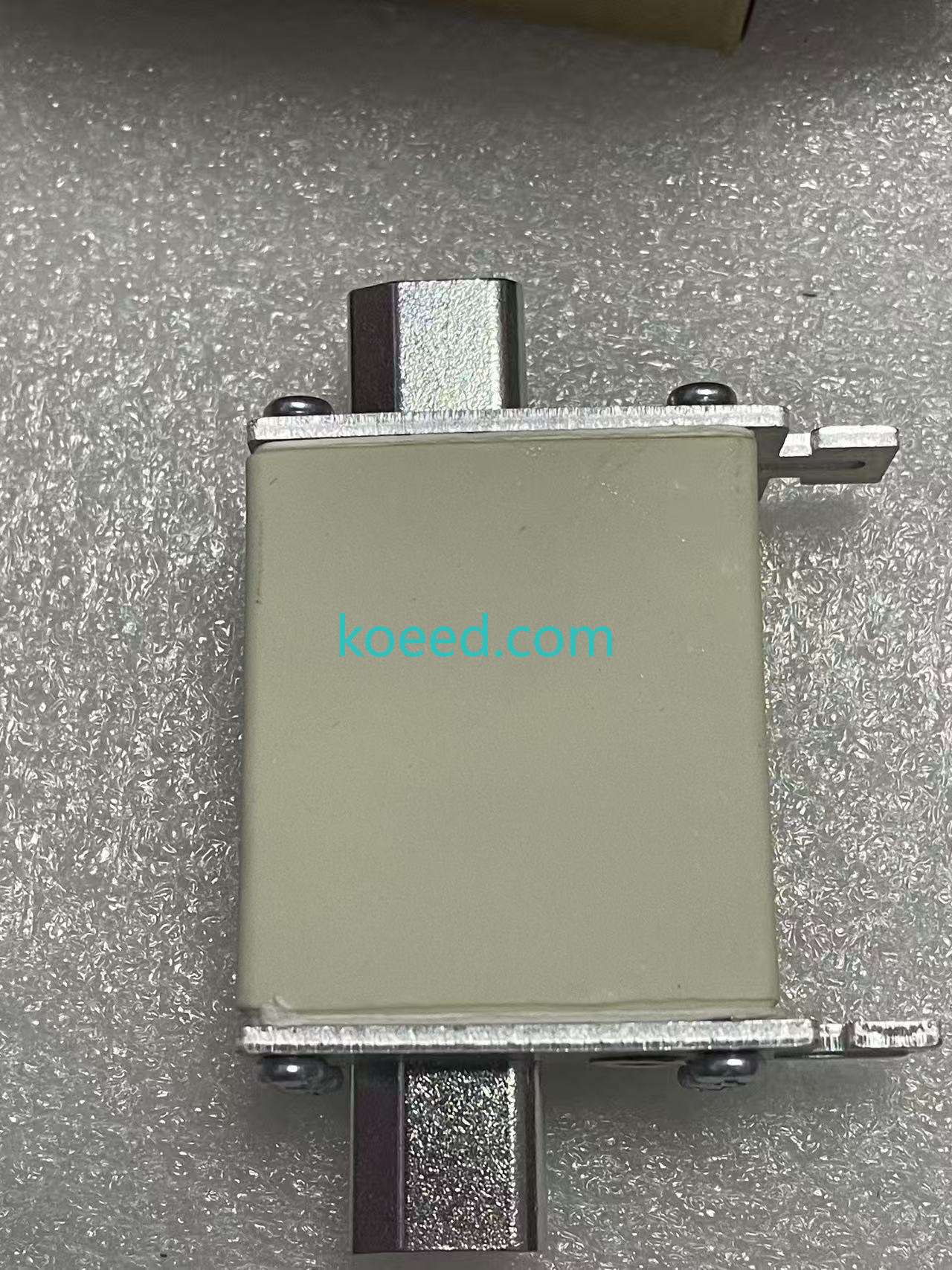
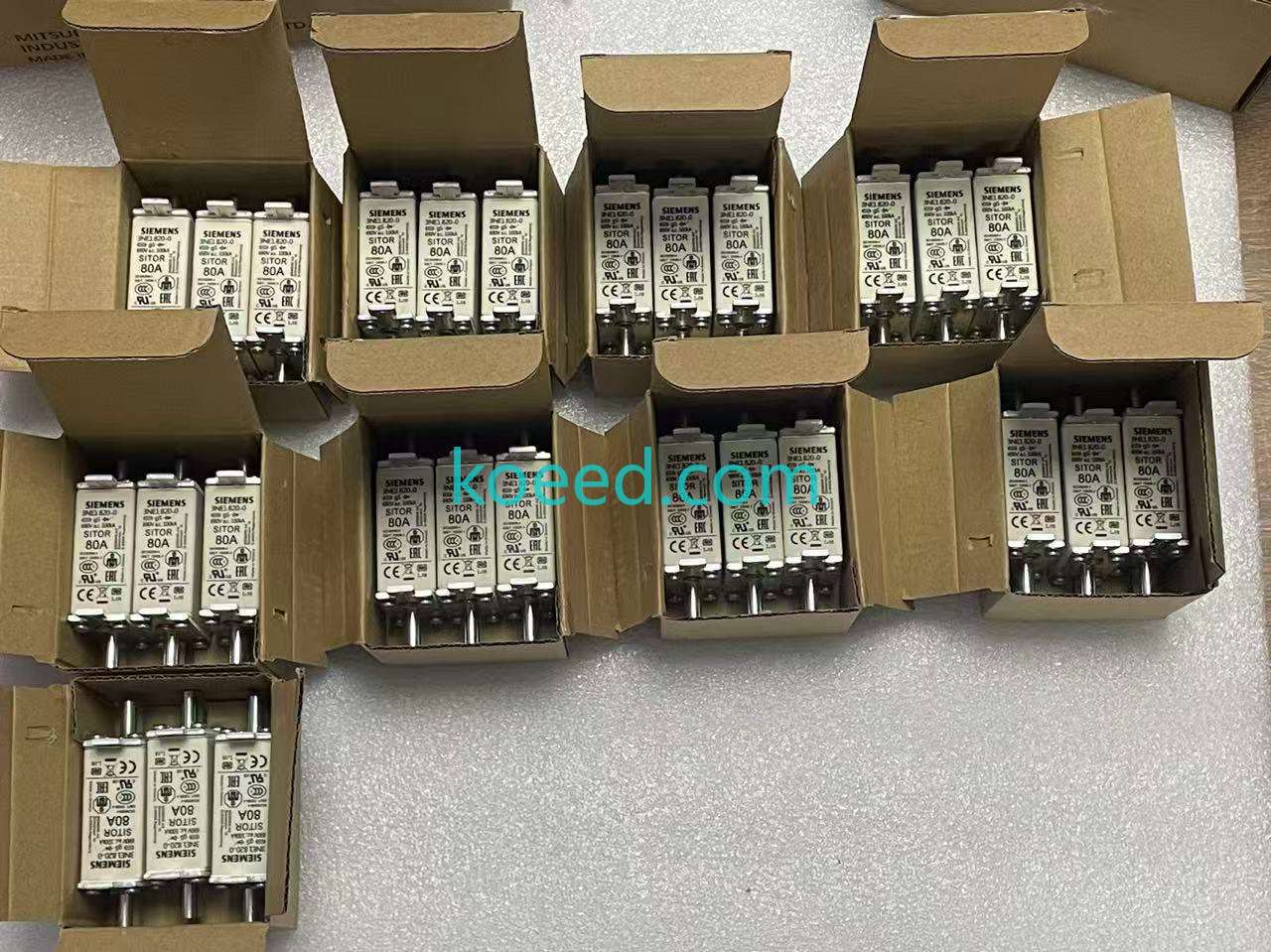
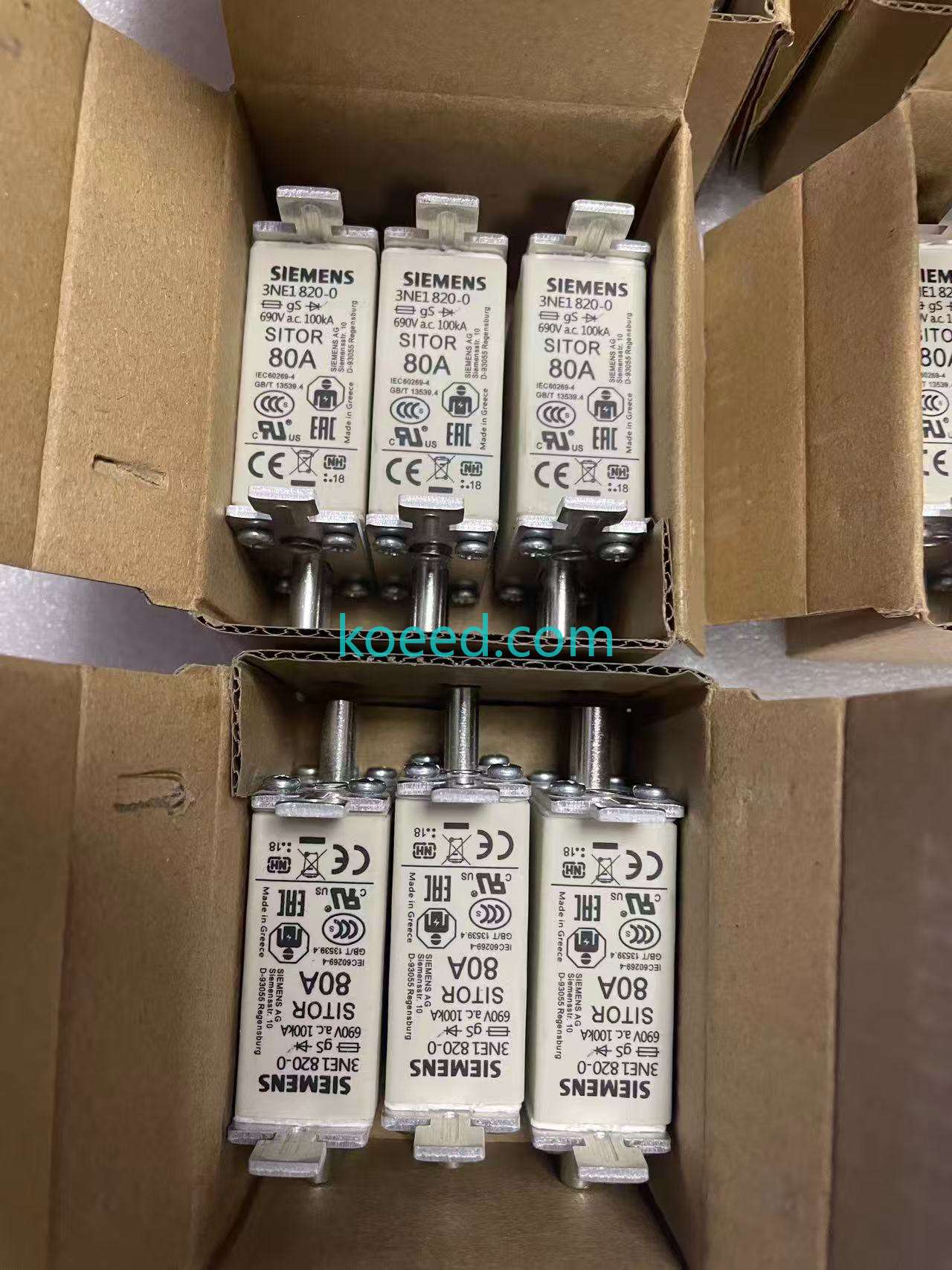
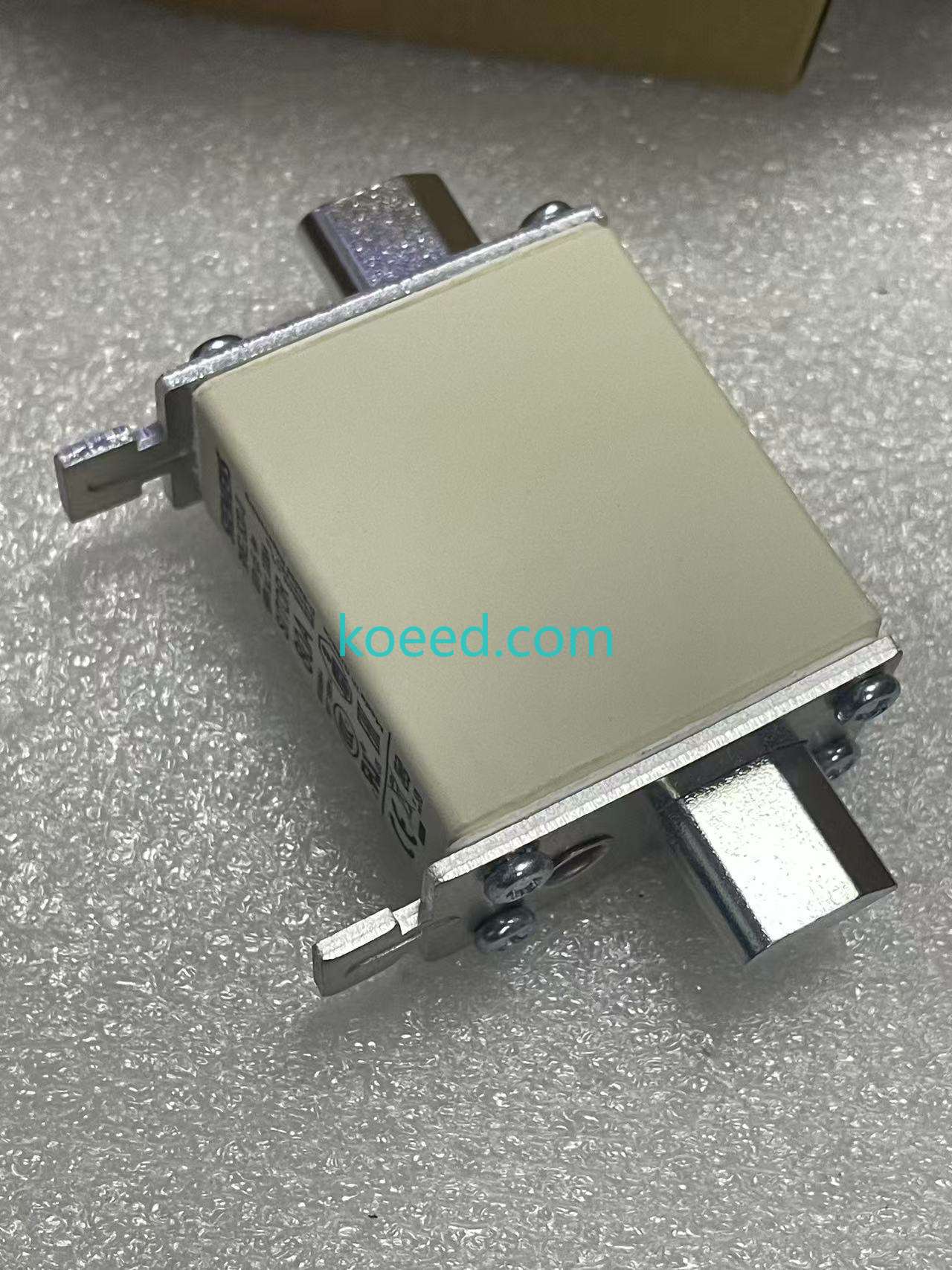
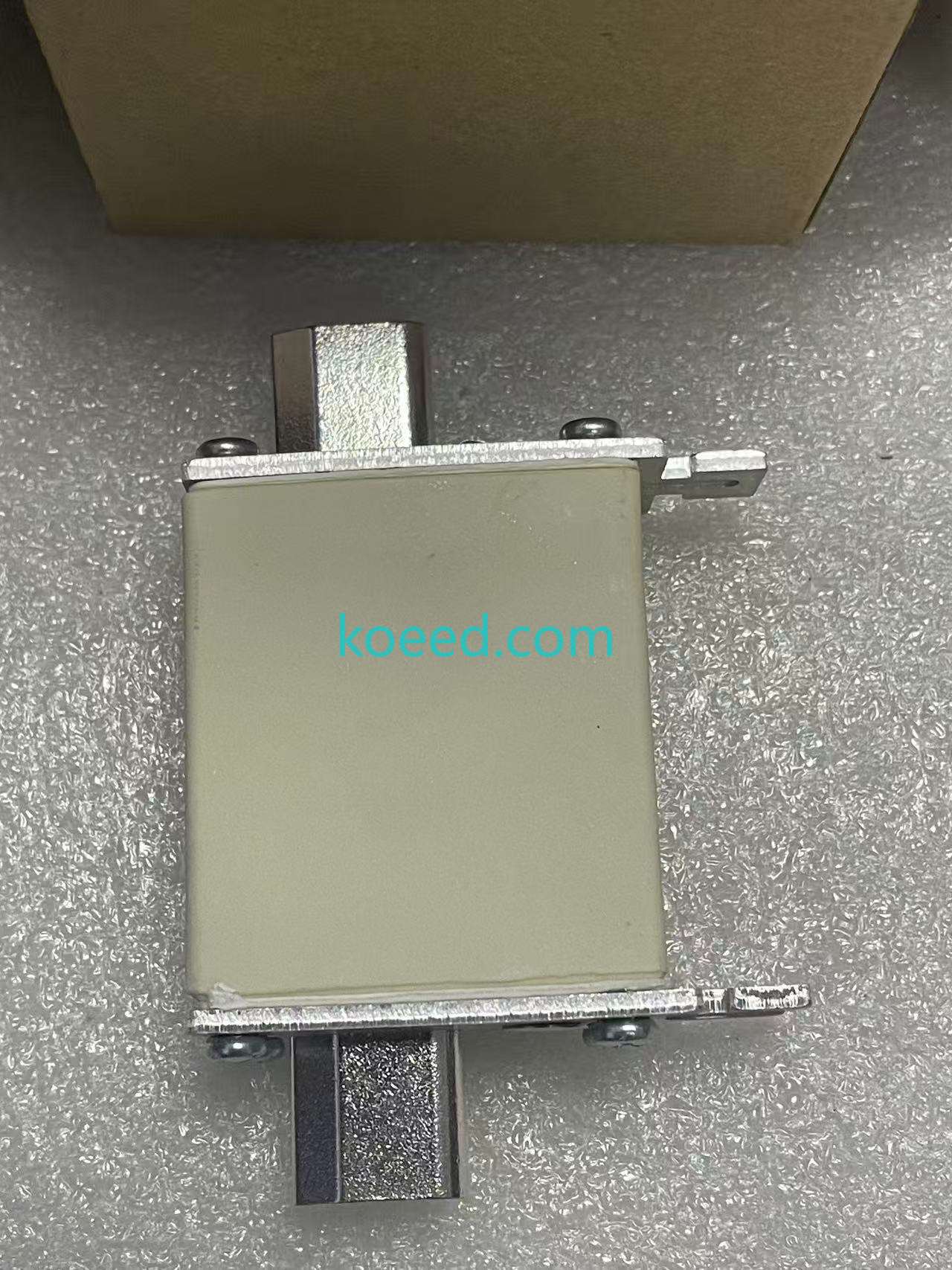
The Siemens 3NE1820-0 is a high-performance SITOR fuse link designed specifically for semiconductor protection in industrial automation applications. This NH000 format fuse provides reliable overcurrent protection for sensitive electronic components in PLC systems, motor drives, and power distribution networks.
Technical Specifications
| Parameter | Specification |
|---|---|
| Product Type | SITOR Fuse Link |
| Manufacturer Part Number | 3NE1820-0 |
| Rated Current (In) | 80 A |
| Operating Class | gS (semiconductor protection) |
| Rated Voltage AC (Un AC) | 690 V |
| Rated Voltage DC (Un DC) | 250 V |
| Fuse System | NH000 (knife blade contacts) |
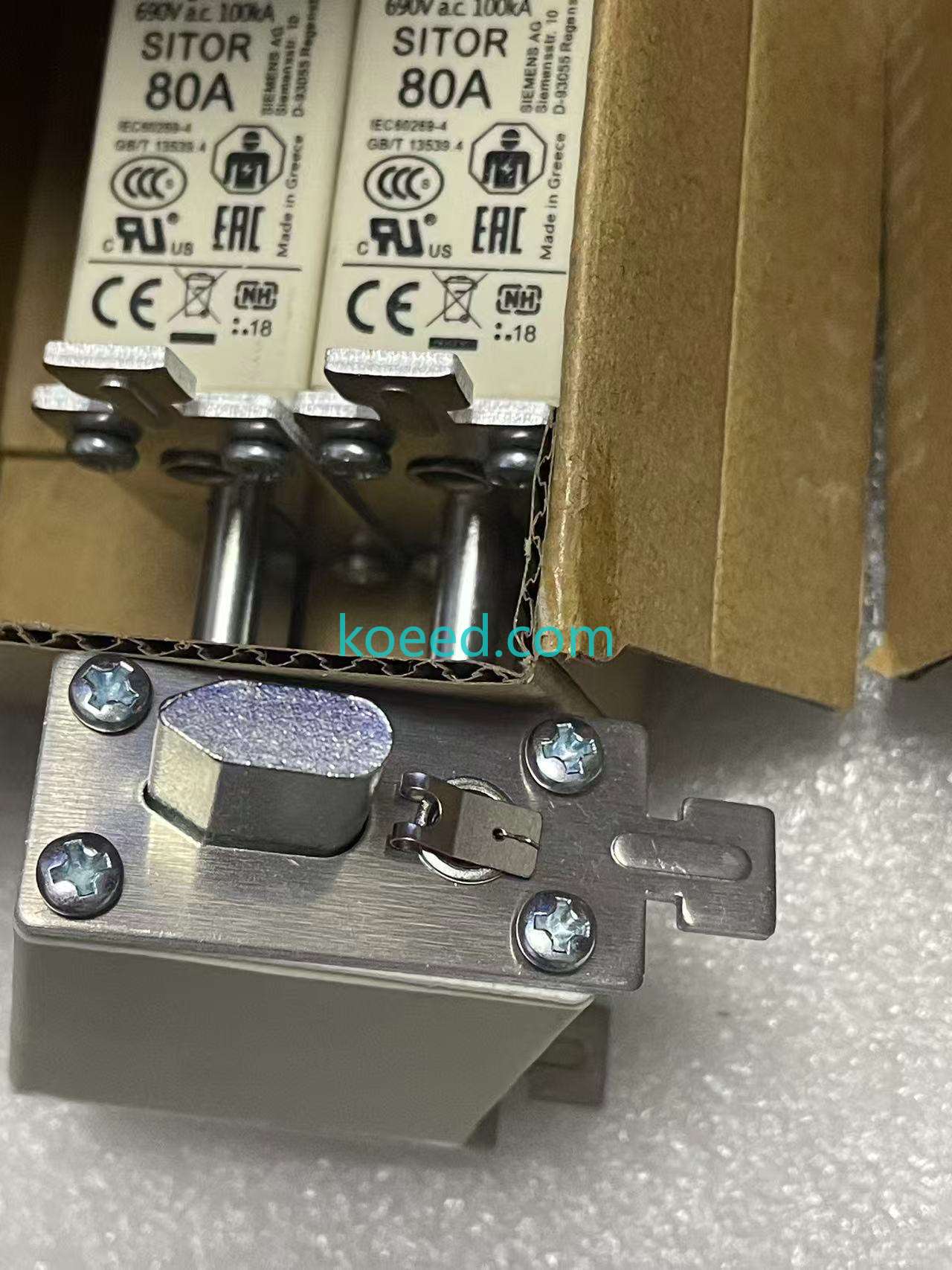
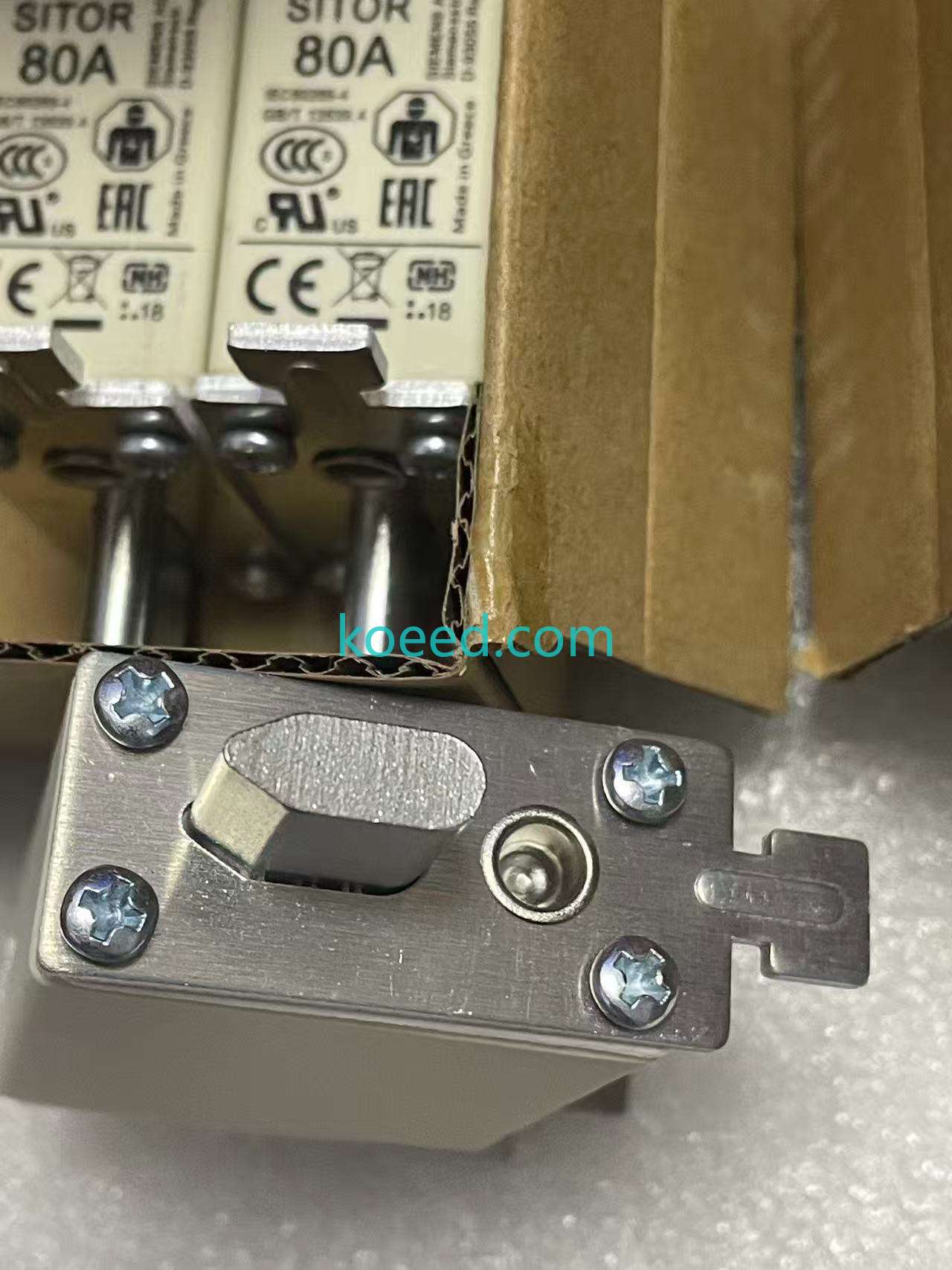
| Indicator Type | Front indicator |
| Dimensions (L x W x D) | 79.9 mm × 53.3 mm × 21 mm |
| ETIM Class | Knife blade fuse |
| Standards Compliance | IEC 60269, VDE 0636 |
Key Features
Semiconductor Protection
Designed specifically for protecting sensitive semiconductor components like IGBTs, thyristors, and diodes in power electronics applications.
High Breaking Capacity
Provides reliable protection even under high fault current conditions, ensuring system safety and preventing damage to connected equipment.
Visual Status Indicator
Front-mounted indicator provides clear visual confirmation of fuse status for easy maintenance and troubleshooting.
Blade Contact Design
NH000 knife blade contacts ensure secure electrical connection and reliable performance in industrial environments.
Industrial Applications
- PLC Systems: Protection of power supplies and I/O modules in industrial automation
- Motor Drives: Semiconductor protection in variable frequency drives (VFDs)
- Power Distribution: Circuit protection in industrial switchgear and control panels
- Renewable Energy: Protection in solar inverters and wind power systems
- Industrial Machinery: Protection for CNC machines, robotics, and material handling equipment
- Building Automation: Protection in HVAC control systems and building management systems
Installation and Maintenance Guidelines
The Siemens 3NE1820-0 SITOR fuse link is designed for easy installation in standard NH000 fuse bases. Proper installation requires:
- Ensure power is disconnected before installation
- Verify correct fuse rating matches circuit requirements
- Use appropriate torque for blade contact connections
- Regular visual inspection of front indicator
- Replace with identical rated fuse only
According to Siemens Industry Mall specifications: "SITOR fuse link, with blade contacts, NH000, In: 80 A, gS, Un AC: 690 V, Un DC: 250 V, front indicator." This product has been in production since 1901, demonstrating Siemens' long-standing commitment to electrical protection solutions.
Frequently Asked Questions (FAQ)
The gS class (semiconductor protection) is specifically designed for protecting semiconductor devices, offering faster response times and better current limitation compared to gG (general purpose) fuses. The 3NE1820-0 uses gS classification for optimal semiconductor protection.
Yes, the Siemens 3NE1820-0 is rated for both AC (690V) and DC (250V) applications. However, always verify that your specific DC voltage requirements fall within the specified ratings.
The 3NE1820-0 features a front indicator that provides visual confirmation of fuse status. When the fuse operates, the indicator changes position or color, making it easy to identify during maintenance checks.
Siemens SITOR fuses are designed for industrial environments with operating temperatures typically ranging from -25°C to +70°C. Always consult the specific datasheet for complete environmental specifications.
While primarily designed for semiconductor protection, the 3NE1820-0 can be used in motor circuits when coordinated with appropriate overload protection devices. Consult Siemens application guides for specific motor protection requirements.
Industry Standards and Certifications
The Siemens 3NE1820-0 complies with international standards including:
- IEC 60269: Low-voltage fuses
- VDE 0636: German standard for low-voltage fuses
- CE marking for European market compliance
- UL/CSA certifications for North American markets (check specific product variants)
Trust Metrics: Siemens is a global leader in industrial automation with over 170 years of engineering excellence. The SITOR product line has been protecting industrial equipment since the 1960s, with millions of units installed worldwide in critical infrastructure applications.
Comparison with Similar Products
| Feature | Siemens 3NE1820-0 | Standard gG Fuse |
|---|---|---|
| Protection Class | gS (Semiconductor) | gG (General Purpose) |
| Response Time | Ultra-fast for semiconductors | Standard response |
| Current Limitation | Excellent | Good |
| I²t Value | Low (protects semiconductors) | Higher |
| Typical Applications | Power electronics, drives, inverters | General circuit protection |


