

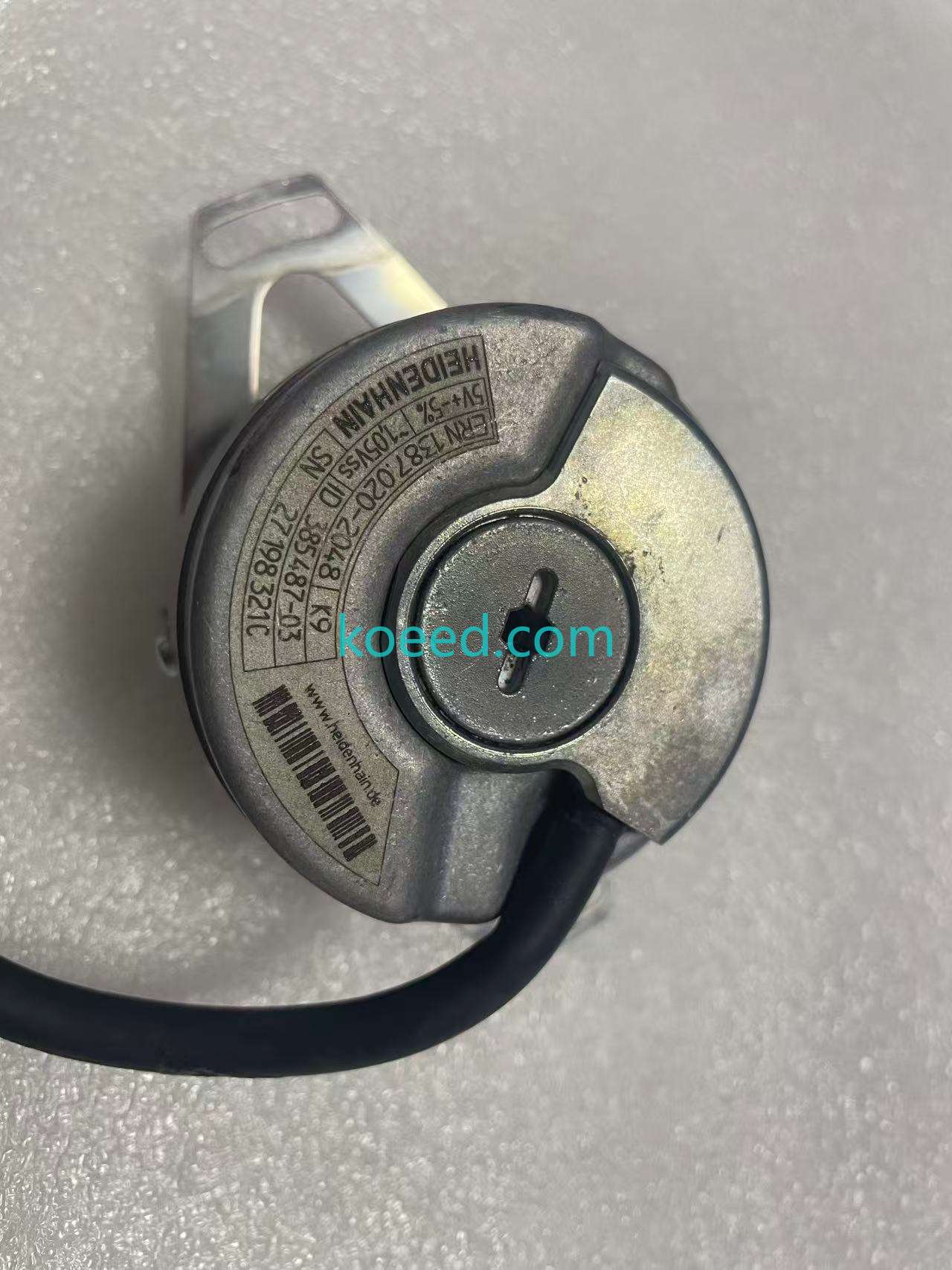
HEIDENHAIN ERN 1387.020-2048 Rotary Encoder: Complete Technical Guide for Industrial Automation
HEIDENHAIN ERN 1387.020-2048 Rotary Encoder
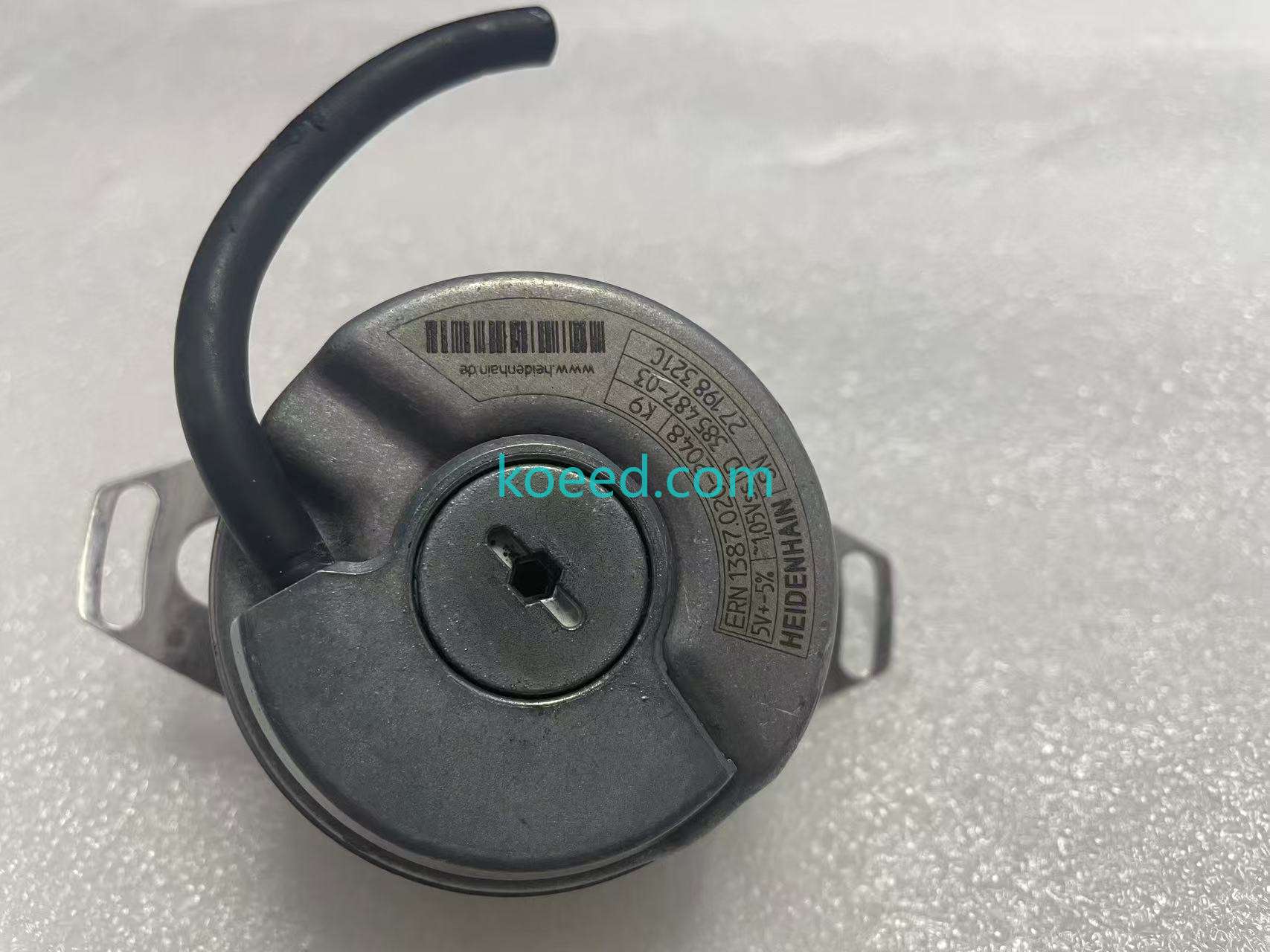
Product ID: IDNR.385487-03
High-precision incremental rotary encoder for industrial automation and motion control applications
Product Overview
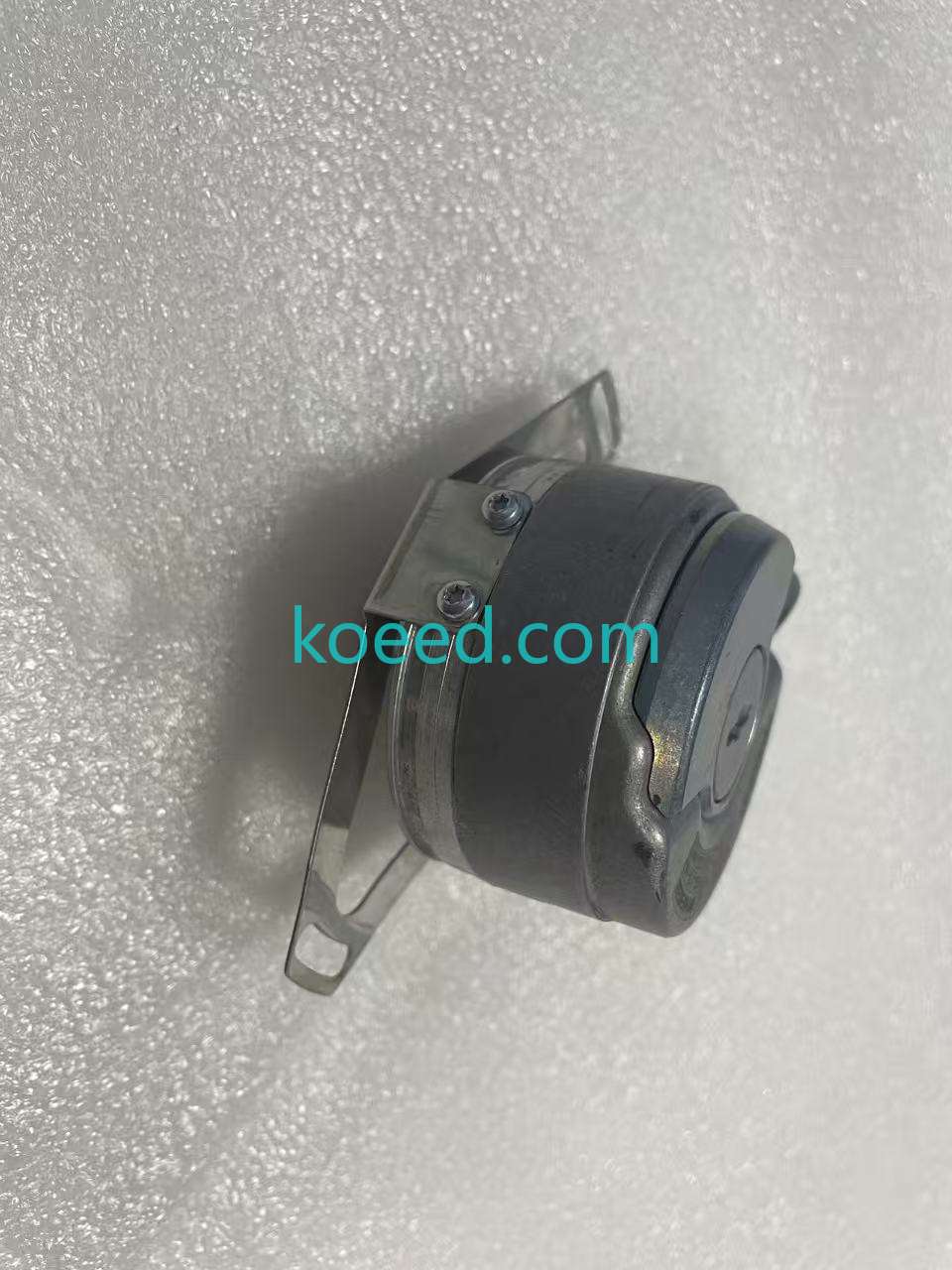
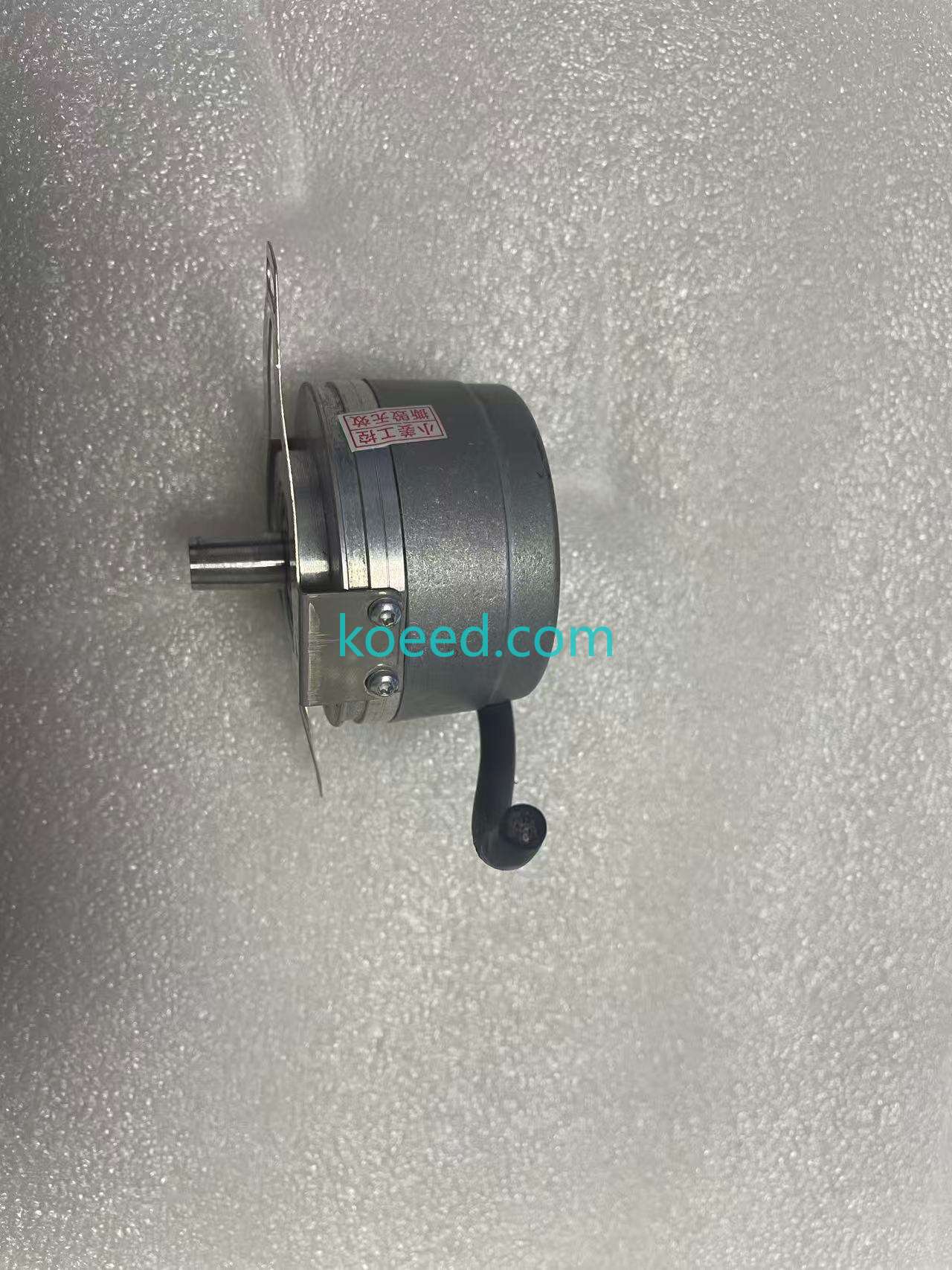
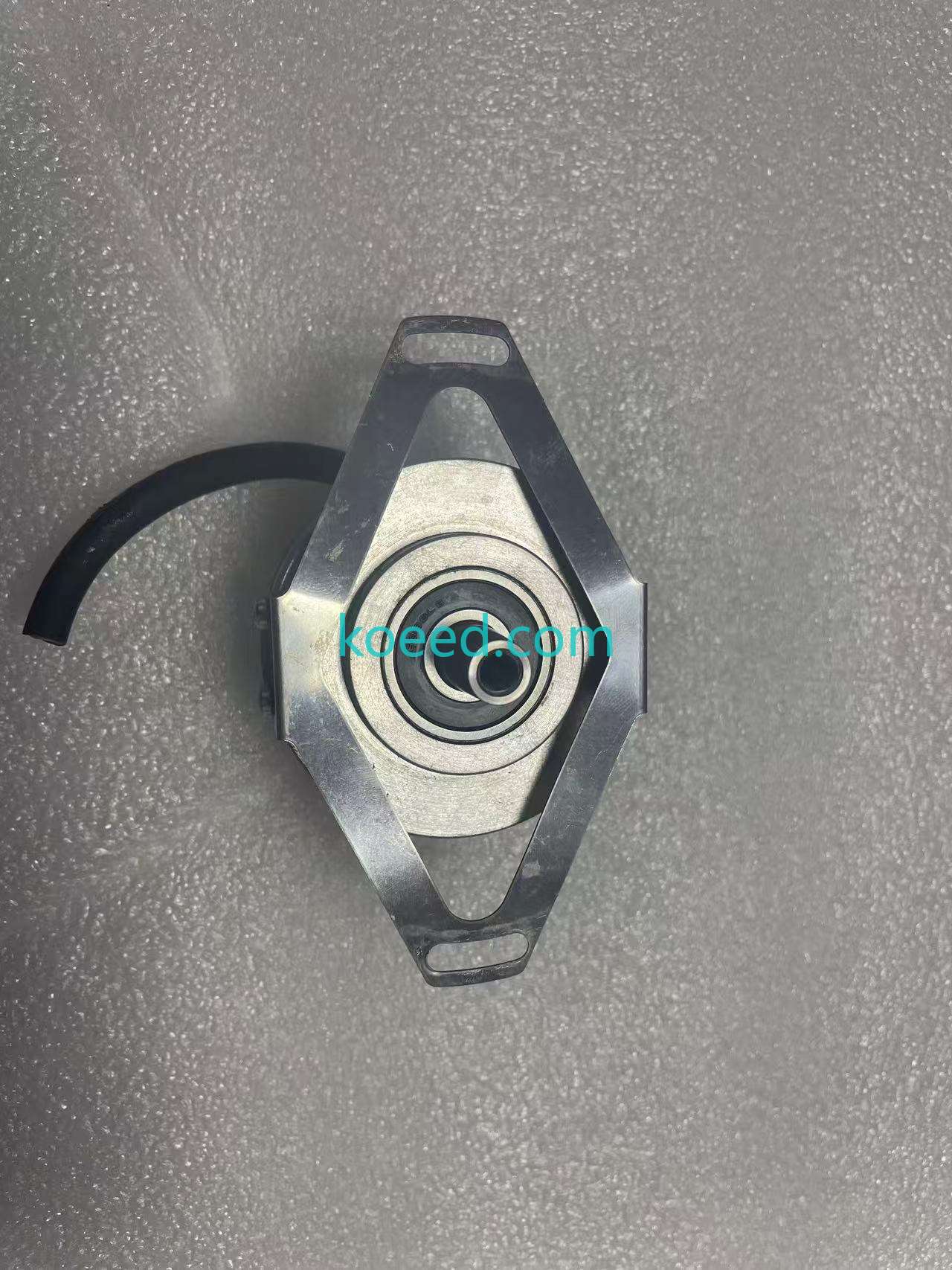
The HEIDENHAIN ERN 1387.020-2048 is a high-performance incremental rotary encoder designed for precision motion control applications in industrial automation systems. This encoder features 2048 line counts and produces sin-cos signals, making it ideal for CNC machinery, robotics, and automated manufacturing systems where accurate position feedback is critical.
Technical Specifications
| Parameter | Specification | Unit |
|---|---|---|
| Product Model | ERN 1387.020-2048 | - |
| Identification Number | IDNR.385487-03 | - |
| Encoder Type | Incremental Rotary Encoder | - |
| Line Count | 2048 | lines/revolution |
| Signal Type | Sin-Cos Signals | - |
| Power Supply | 5V ± 5% | VDC |
| Current Consumption | ≤ 130 mA (without load) | mA |
| Maximum Speed | ≥ 2000 | rpm |
| Starting Torque | ≥ 0.01 Nm (at 20°C) | Nm |
| Moment of Inertia | 2.6 × 10⁻⁶ | kg·m² |
| Operating Temperature | -40°C to +115°C | °C |
| Protection Class | IP40 when mounted | - |
| Weight | ≈ 0.25 | kg |
Key Features & Benefits
High Precision Measurement
2048 line counts provide exceptional resolution for precise position and speed control in demanding industrial applications.
Sin-Cos Signal Output
Generates high-quality sine and cosine signals that enable interpolation for even higher resolution position feedback.
Robust Industrial Design
Built to withstand harsh industrial environments with wide operating temperature range and vibration resistance.
Easy Integration
Standard 5V power supply and common interface protocols ensure compatibility with most PLC and motion control systems.
Industrial Applications
The HEIDENHAIN ERN 1387 encoder is widely used in various industrial automation applications:
- CNC Machine Tools: Position feedback for spindle and axis control in milling machines, lathes, and machining centers
- Robotics: Joint position sensing in industrial robots and automated assembly systems
- Packaging Machinery: Speed and position control in filling, labeling, and packaging equipment
- Material Handling: Conveyor system control and positioning in automated warehouses
- Printing Machinery: Registration and synchronization control in printing and converting equipment
- Semiconductor Manufacturing: Precision positioning in wafer handling and inspection systems
Installation & Integration
The ERN 1387 encoder features a standard interface with 17-pin M23 connector or 12-pin PCB connector options. Proper installation requires attention to:
- Mechanical Mounting: Ensure proper shaft alignment and secure mounting to minimize runout
- Electrical Connection: Follow color-coded wiring scheme for signal and power connections
- Shielding: Proper cable shielding is essential for noise immunity in industrial environments
- Parameter Configuration: Configure PLC or drive parameters to match encoder specifications
Industry Trust Metrics
HEIDENHAIN Quality Standards:
- More than 20 years of experience in encoder manufacturing
- Over two million HEIDENHAIN rotary encoders deployed worldwide
- ISO 9001 certified manufacturing processes
- Extensive testing under industrial operating conditions
- Global technical support and service network
Frequently Asked Questions
Compatibility & Replacement
The ERN 1387.020-2048 is compatible with various industrial systems including:
- Yaskawa drive systems with PG-E3 interface
- Siemens SINAMICS drives
- Allen-Bradley PowerFlex drives
- Mitsubishi servo systems
- Fanuc CNC controls
- Most PLC systems with high-speed counter modules
Note: When replacing encoders in existing systems, always verify compatibility with the specific drive or control system and follow manufacturer replacement procedures.
Conclusion
The HEIDENHAIN ERN 1387.020-2048 rotary encoder represents a reliable, high-performance solution for industrial automation applications requiring precise position and speed feedback. With its 2048 line count resolution, robust construction, and industry-standard interfaces, this encoder provides the accuracy and reliability needed for demanding motion control applications in manufacturing, robotics, and machine tool industries.
For specific application requirements or technical support, consult with HEIDENHAIN technical representatives or authorized distributors to ensure proper selection and integration into your automation system.


