

NO.2S Compact PLC Controller: 2026 B2B Technical Guide for Smart Industrial Automation
In the rapidly evolving landscape of industrial automation in 2026, the NO.2S Compact PLC Controller has emerged as a compelling solution for OEMs, system integrators, and mid-scale manufacturing operations seeking to balance cost-efficiency with Industry 4.0 connectivity. This comprehensive technical guide examines the NO.2S from the perspective of IT/OT convergence, total cost of ownership (TCO), and smart predictive maintenance — the three pillars driving automation procurement decisions in 2026.
1. Strategic Positioning: The NO.2S in the 2026 Automation Stack
As manufacturing facilities worldwide accelerate their digital transformation initiatives, the demand for compact yet capable PLCs has never been higher. The NO.2S occupies a strategic sweet spot: it delivers the reliability and deterministic control expected from traditional industrial PLCs while incorporating the Ethernet-based communication protocols essential for IIoT integration. Unlike legacy micro-PLCs that operated in isolation, the NO.2S is engineered for the converged IT/OT environment that defines smart factories in 2026.
For procurement decision-makers, the NO.2S presents a clear value proposition: a controller that can manage discrete manufacturing processes — from packaging lines to material handling systems — without the premium price tag of flagship PLC platforms. When benchmarked against the leading industrial automation PLCs of 2026 (Siemens S7-1200 G2, Allen-Bradley Micro800 series, and Mitsubishi FX5), the NO.2S holds its ground in core functionality while offering a significantly more accessible entry point for brownfield upgrades and greenfield deployments alike.
2. Technical Benchmarking & Specifications
Understanding the engineering DNA of the NO.2S is critical for specifying it into control panel designs. The table below provides a structured comparison of the NO.2S against the capabilities expected from a modern compact PLC in the 2026 automation ecosystem.
| Specification Domain | NO.2S Capability | 2026 Industry Benchmark | Assessment |
|---|---|---|---|
| Processing Architecture | 32-bit RISC, high-speed instruction execution | 32/64-bit, sub-ms per instruction | Competitive for mid-range applications |
| Communication Protocols | Modbus RTU/TCP, RS-232/RS-485, Ethernet | OPC UA, MQTT, EtherNet/IP, Profinet | Core protocols covered; gateway-ready for advanced IIoT |
| I/O Expandability | Modular expansion supporting digital & analog modules | Up to 256+ local I/O points | Scalable for most mid-complexity machines |
| Programming Environment | Ladder Logic (LD), Structured Text (ST), Function Block (FBD) | IEC 61131-3 compliant | Full IEC 61131-3 compatibility |
| Data Logging & Storage | Internal flash memory with SD card extension | Local + cloud historian integration | Suitable for edge-level data buffering |
| Power Efficiency | Low-power design, 24V DC operation | <15W typical for compact class | Excellent energy profile; supports sustainability KPIs |
| Mounting Form Factor | DIN-rail mountable, compact footprint | Panel space optimization | Ideal for space-constrained control cabinets |
2.1 IT/OT Convergence Readiness
In 2026, a PLC is no longer evaluated solely on its deterministic control capabilities. The NO.2S bridges the operational technology (OT) layer with information technology (IT) systems through its Ethernet interface, enabling seamless data exchange with MES, SCADA, and cloud-based ERP platforms. For brownfield facilities, this means the NO.2S can serve as a protocol gateway — aggregating data from legacy RS-485 field devices and pushing structured telemetry to Azure IoT Hub or AWS IoT Core via edge gateways.
2.2 Energy & Sustainability Impact
Sustainability is no longer optional in industrial procurement. The NO.2S's low-power architecture — estimated at under 8W under typical load — contributes directly to reducing the Total Cost of Ownership (TCO) while supporting corporate ESG objectives. When deployed across a fleet of 50 machines, the cumulative energy savings compared to legacy controllers can translate to measurable CO₂ reduction, a factor increasingly weighted in 2026 vendor selection matrices.
3. Visual Gallery & Product Walkthrough
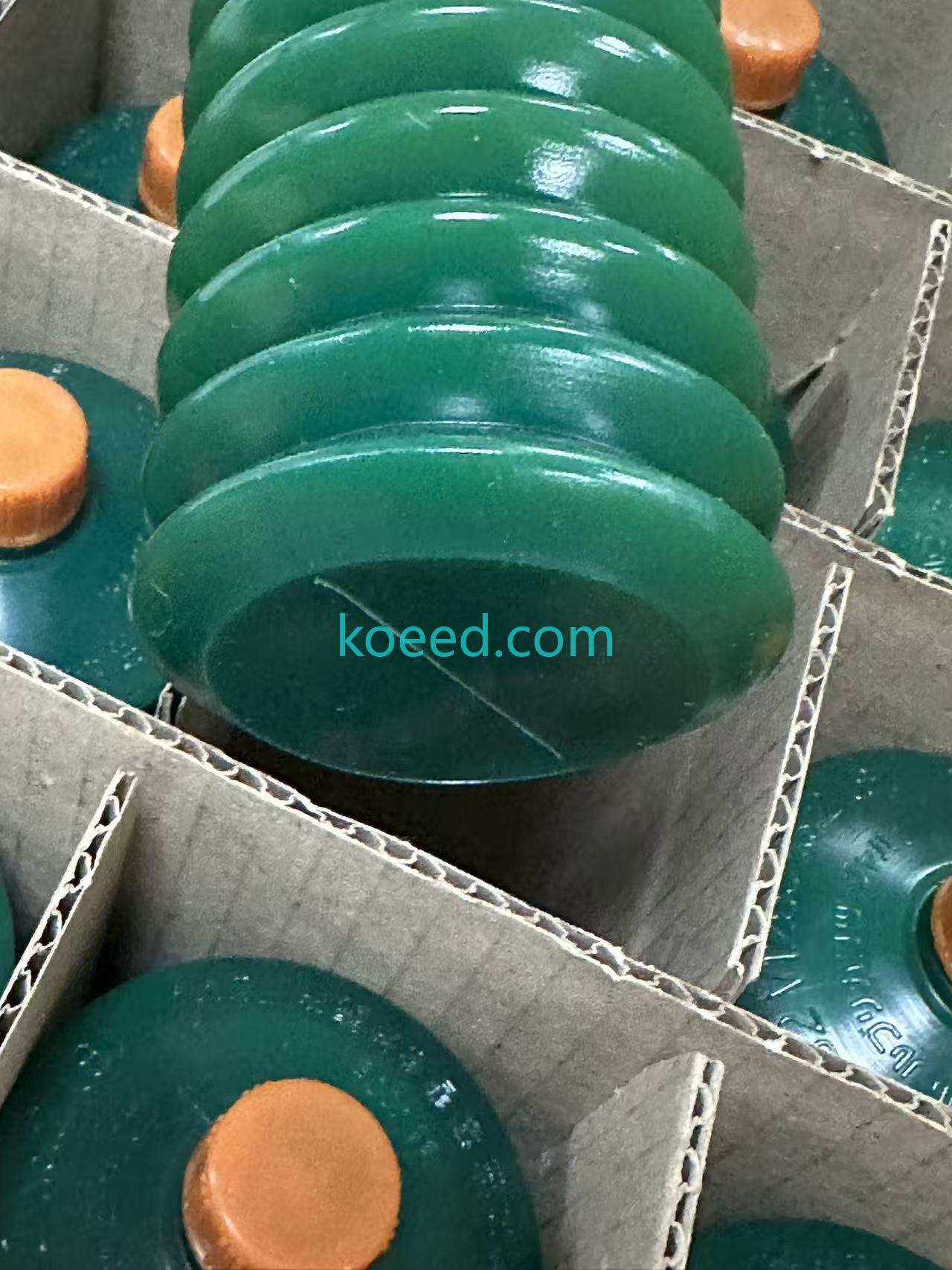
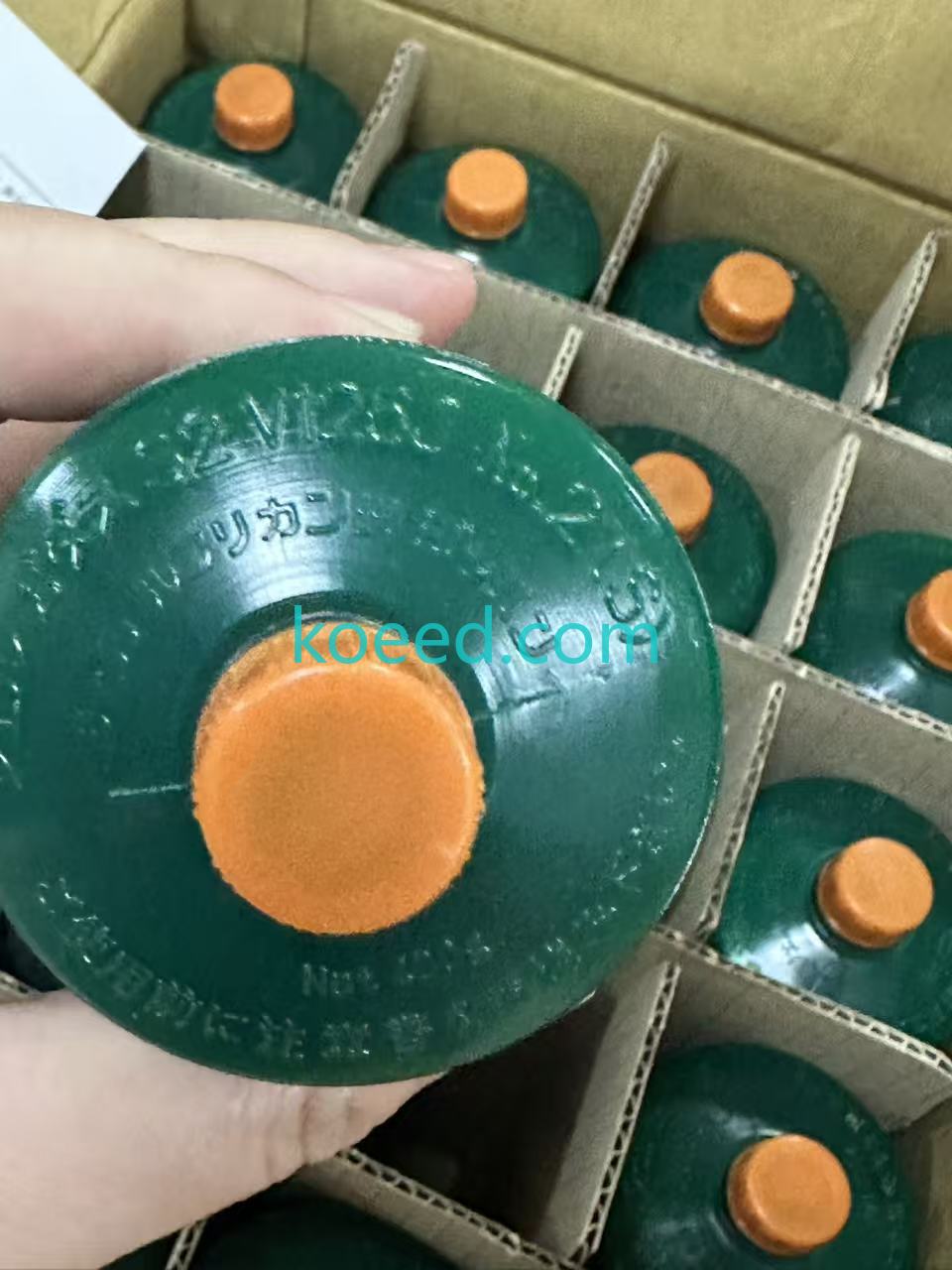
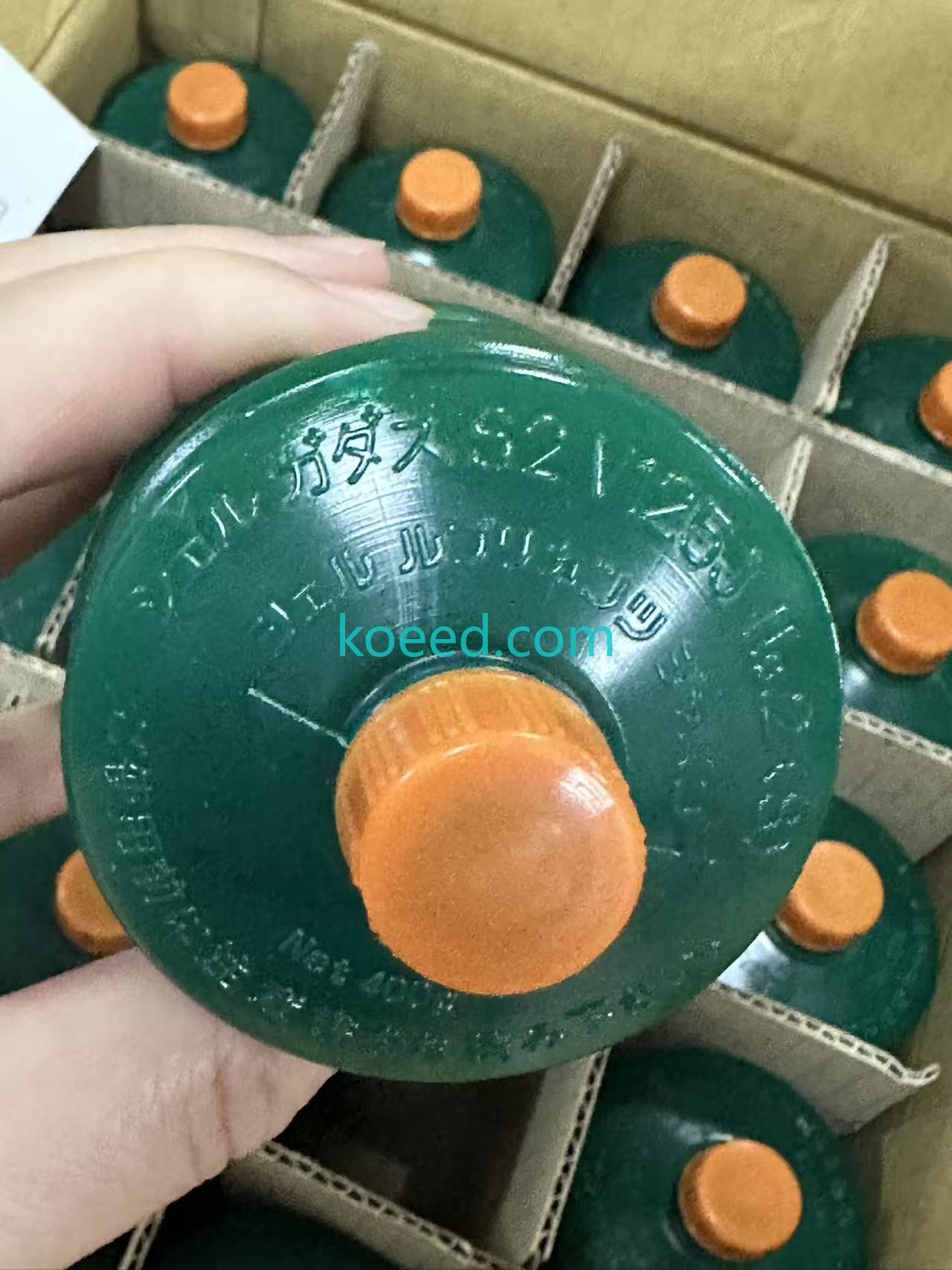
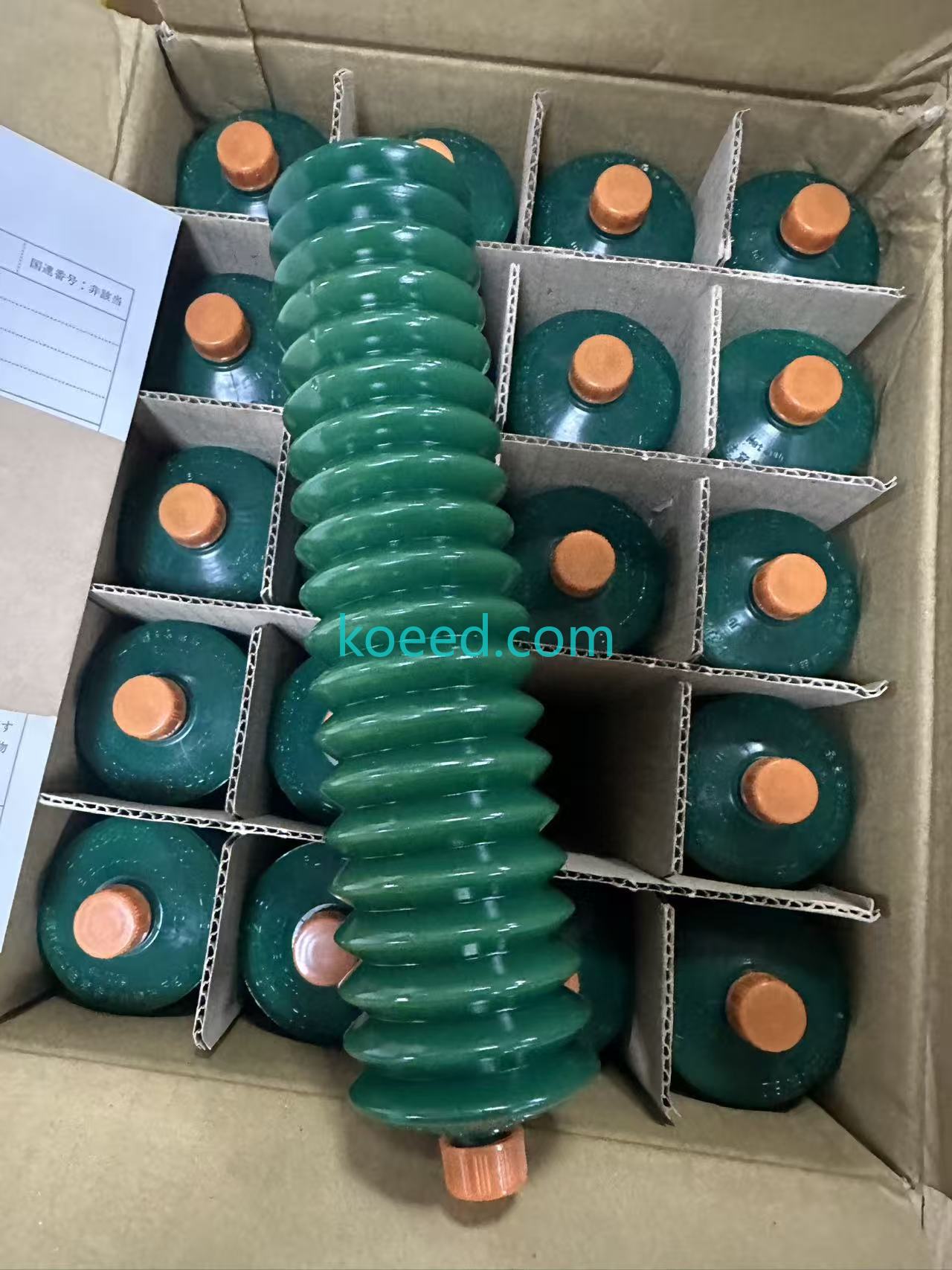
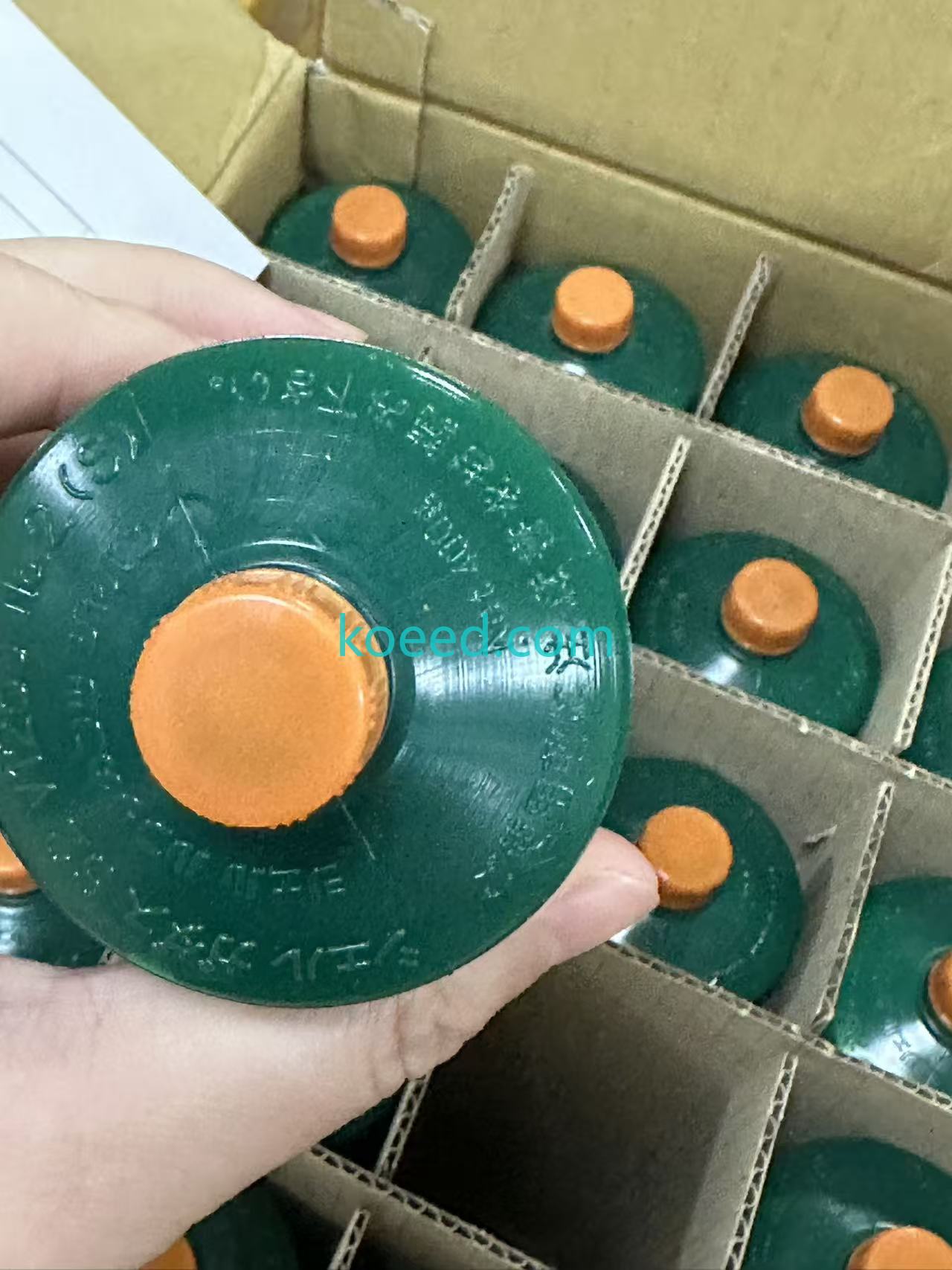
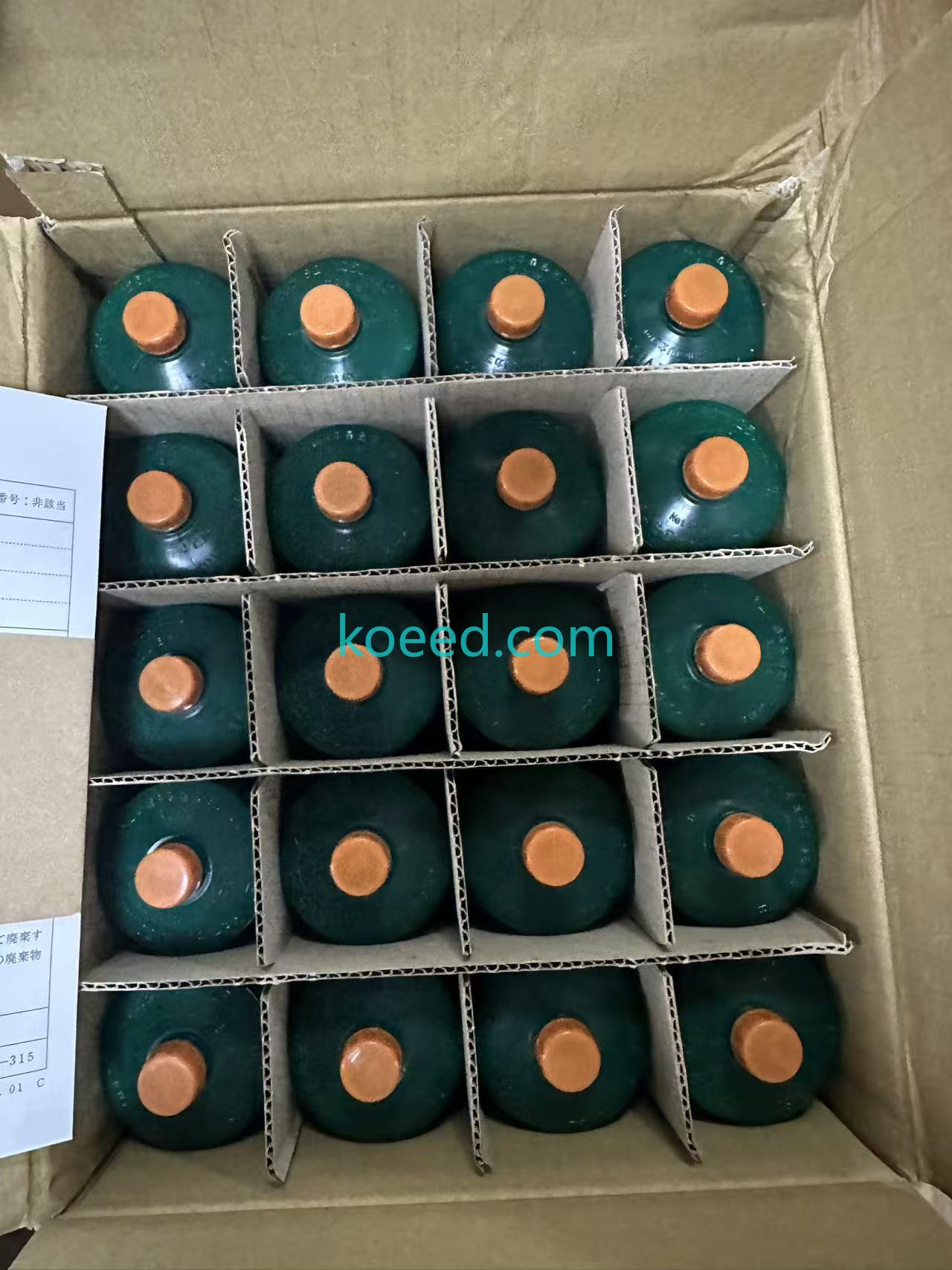
Below is a comprehensive visual reference of the NO.2S Compact PLC. These images showcase the controller's form factor, I/O layout, terminal connections, status indicators, and mounting profile — essential details for control panel designers and system integrators.
3.1 Operational Video Demonstration
4. Predictive Maintenance & Troubleshooting Guide
In 2026, the definition of industrial maintenance has shifted decisively from reactive repair to predictive intelligence. The NO.2S supports this paradigm through its diagnostic registers and communication capabilities. Below are pro-tips for maintaining peak operational health and resolving common fault conditions.
4.1 Proactive Maintenance Schedule
4.2 Common Diagnostic Indicators & Resolutions
| Symptom | Probable Cause | Recommended Action (2026 Best Practice) |
|---|---|---|
| RUN LED Off / ERR LED Flashing | Program checksum error or memory corruption | Re-upload validated program from version-controlled backup. Verify firmware is latest stable release. Consider enabling automatic backup to SD card. |
| Communication Timeout (Modbus RTU) | RS-485 termination mismatch or baud rate drift | Verify 120Ω termination resistors at both ends of the bus. Use an oscilloscope to check for signal reflection. Confirm all devices share identical baud/parity settings. |
| Analog Input Reading Fluctuation | Ground loop or EMI interference | Install signal isolator on the analog channel. Verify shielded cable grounding at one end only. Check for nearby VFD cable proximity. |
| Ethernet Link Intermittent | Duplex mismatch or aging cable | Force auto-negotiation restart. Replace with Cat6 industrial-grade shielded cable. Verify switch port statistics for CRC errors. |
| Excessive CPU Temperature | Cabinet ventilation inadequate | Verify control cabinet ambient stays below 55°C. Check that DIN-rail spacing allows convection airflow. Consider active cooling if enclosure is densely populated. |
5. Integration Architecture: NO.2S in the Smart Factory
The NO.2S excels as both a standalone machine controller and as a node within a broader distributed control architecture. The diagram below (conceptual) illustrates a typical 2026 deployment pattern where multiple NO.2S units operate at the field level, communicating upstream to an edge gateway running protocol translation (Modbus TCP → MQTT) for cloud ingestion.
5.1 Recommended System Topology
For maximum ROI, system integrators are deploying the NO.2S in a hub-and-spoke model: one NO.2S per machine skid, connected via Ethernet to a centralized industrial edge computer. This architecture enables:
- Localized Determinism: Each machine retains sub-millisecond control loop integrity
- Centralized Visualization: Aggregated OEE dashboards via Node-RED or Grafana
- Secure Remote Access: VPN-tunneled diagnostics without exposing individual PLCs to the WAN
- Predictive Analytics: ML models running at the edge consume NO.2S telemetry for anomaly detection
6. Frequently Asked Questions
Is the NO.2S suitable for safety-critical applications (SIL-rated)?
What programming software is required for the NO.2S?
Can the NO.2S communicate with third-party HMIs and SCADA systems?
What is the typical lead time for NO.2S procurement in 2026?
How does the NO.2S support sustainability reporting (ESG)?
7. Procurement & Next Steps
The NO.2S Compact PLC represents a strategic investment for organizations pursuing digital transformation without the enterprise-level price tag. Whether you are upgrading a single packaging line or standardizing across a multi-site manufacturing network, the NO.2S delivers the reliability, connectivity, and energy efficiency demanded by 2026's industrial landscape.
Ready to Integrate the NO.2S into Your Control Architecture?
Speak with a Koeed automation specialist today for pricing, volume discounts, and technical compatibility assessment.


