

Yaskawa DX100 JZRCR-YPP01-1 Teach Pendant Plastic Case Cover Shell: 2026 Replacement, ROI & Predictive Maintenance Guide
1. Strategic Overview: Why This Plastic Case Matters in 2026
The teach pendant remains the single most physically abused component on any robotic work cell. Operators carry it, drop it, scrape it against fixtures, and expose it to coolant mist, metal dust and thermal cycling — often for 3,000+ hours a year. When the original housing on a Yaskawa Motoman DX100 JZRCR-YPP01-1 pendant cracks or wears through, the consequences move far beyond cosmetics: ingress of dust and moisture accelerates keypad membrane failure, compromises the emergency-stop circuit seal, and can trigger intermittent faults that halt production.
For 2026 automation teams, replacing the housing is a tactical reliability investment rather than a discretionary purchase. Our Yaskawa DX100 JZRCR-YPP01-1 teach pendant plastic case cover shell restores the mechanical integrity of the pendant at a fraction of the cost of a full pendant replacement — typically less than 5% of the price of a new teach pendant unit.
IT/OT Convergence & Asset Data Integrity
Modern plants log every asset interaction into CMMS and ERP platforms (SAP PM, Maximo, Fiix). A physically intact pendant housing is foundational to that data chain: a cracked case permits contamination that corrupts keypad input signals and forces unplanned downtime entries. By maintaining the JZRCR-YPP01-1 replacement case proactively, you preserve clean operational data and keep your OT-side hardware aligned with cloud-based maintenance scheduling.
ROI & TCO Analysis
- Replacement housing: ~$45–$60 per unit, 15–30 minute swap, zero production loss.
- Full teach pendant replacement: $1,200–$3,500+, plus programming downtime and potential recalibration.
- Avoided failure events: each prevented e-stop fault or keypad failure saves an estimated 2–8 hours of cell downtime.
The TCO arithmetic is unambiguous: a single avoided incident pays for the case shell many times over, while standardized spares inventory simplifies budget forecasting.
2. Technical Benchmarking
Not all replacement housings are created equal. The table below benchmarks key selection criteria for 2026 procurement decisions.
| Parameter | OEM Original Housing | Koeed Aftermarket Shell | Low-Cost Generic |
|---|---|---|---|
| Model compatibility | JZRCR-YPP01-1 (DX100) | Precision fit for JZRCR-YPP01-1 | "Universal" / loose tolerance |
| Material grade | Engineering ABS/PC blend | Durable impact-grade plastic | Thin, brittle recycled ABS |
| Front & rear coverage | Full shell kit | Full cover shell (front/rear) | Often front-only |
| Sealing & ingress protection | Factory IP rating | Snug seam fit, dust-resistant | Gaps, poor alignment |
| Unit price (2026 index) | $180–$400+ | $45–$60 | $20–$35 |
| Lead time | 4–8 weeks (OEM channel) | Ready-to-ship | Variable, often slow |
| Lifespan under daily use | 3–5 years | 3–5 years | 6–18 months |
For production-critical cells, the Koeed JZRCR-YPP01-1 case cover shell delivers the durability of OEM-grade materials with the logistics agility your 2026 maintenance plan demands.
3. Visual Gallery — Precision Housing in Detail
Inspect the shell's seam alignment, button cutouts, and rear cable access before you commit. These images document the actual product, not renders.
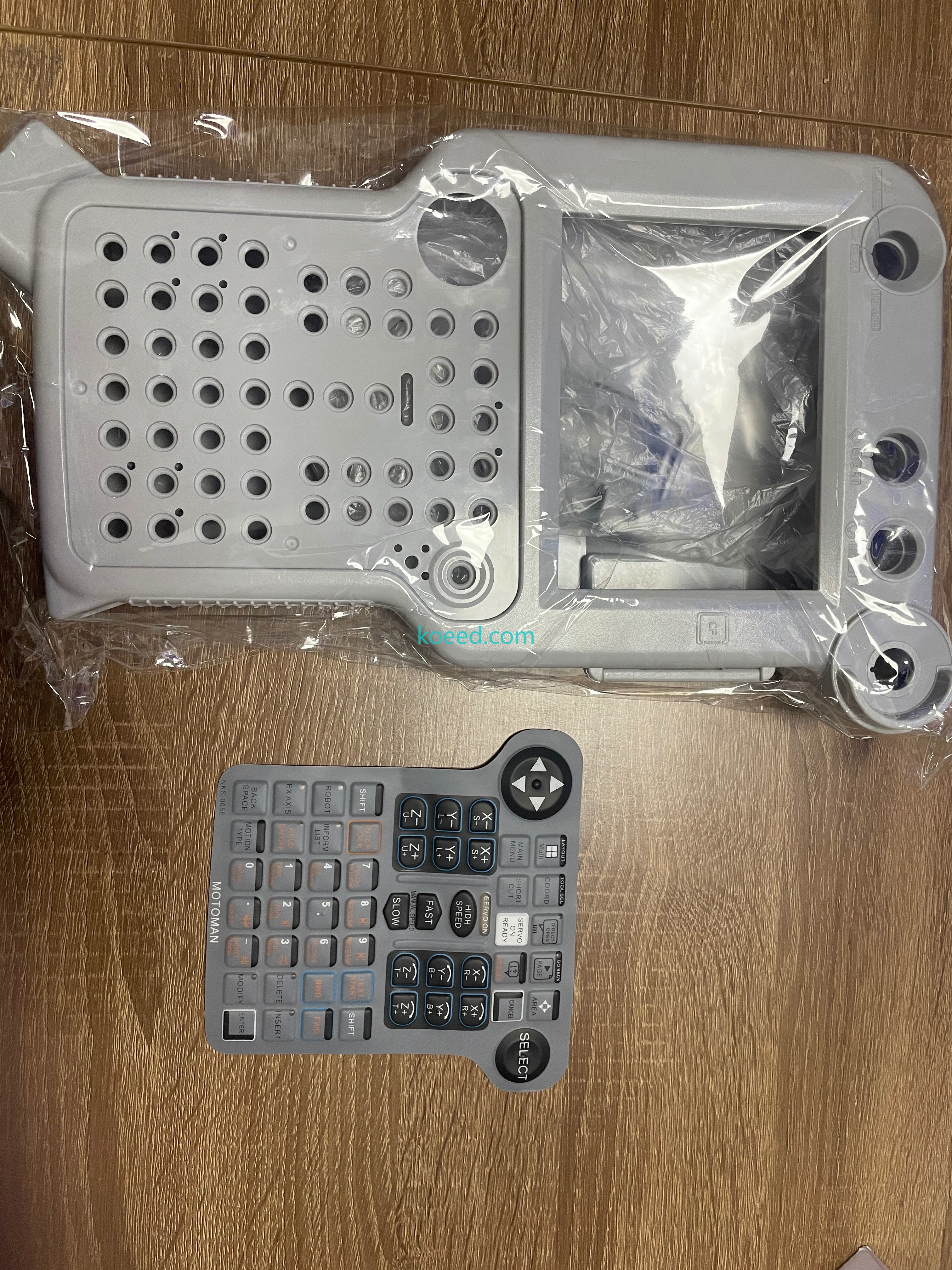
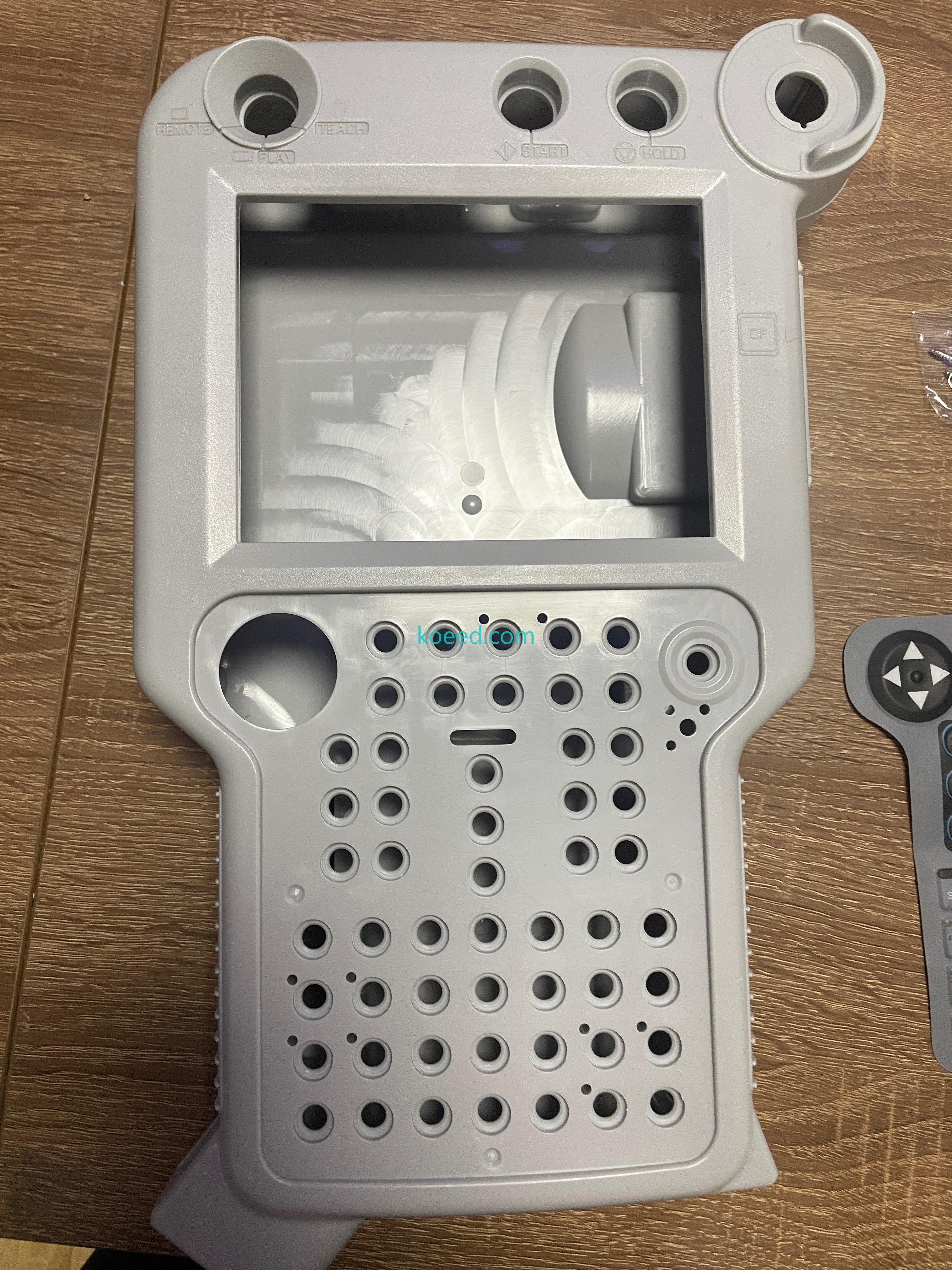
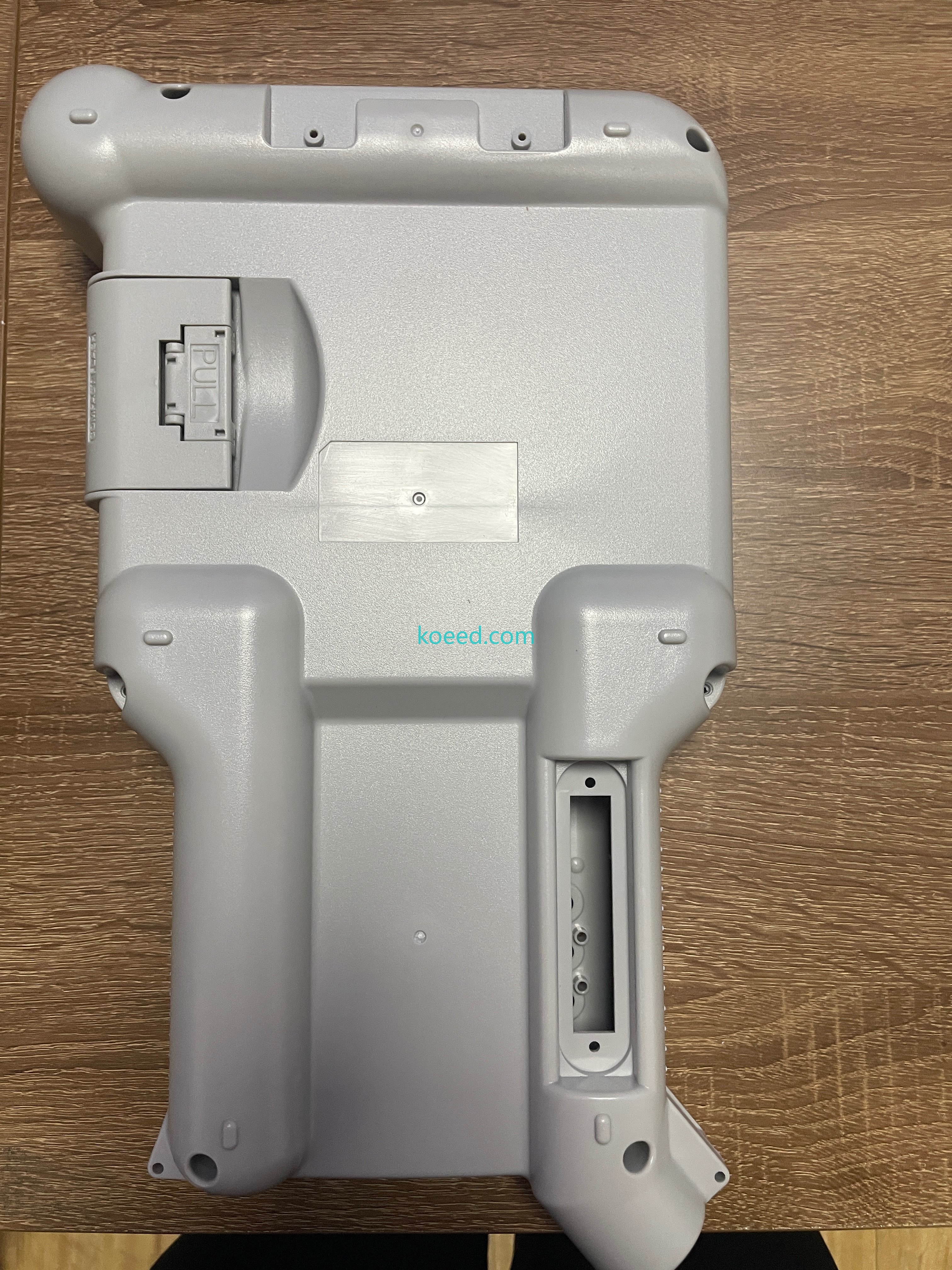
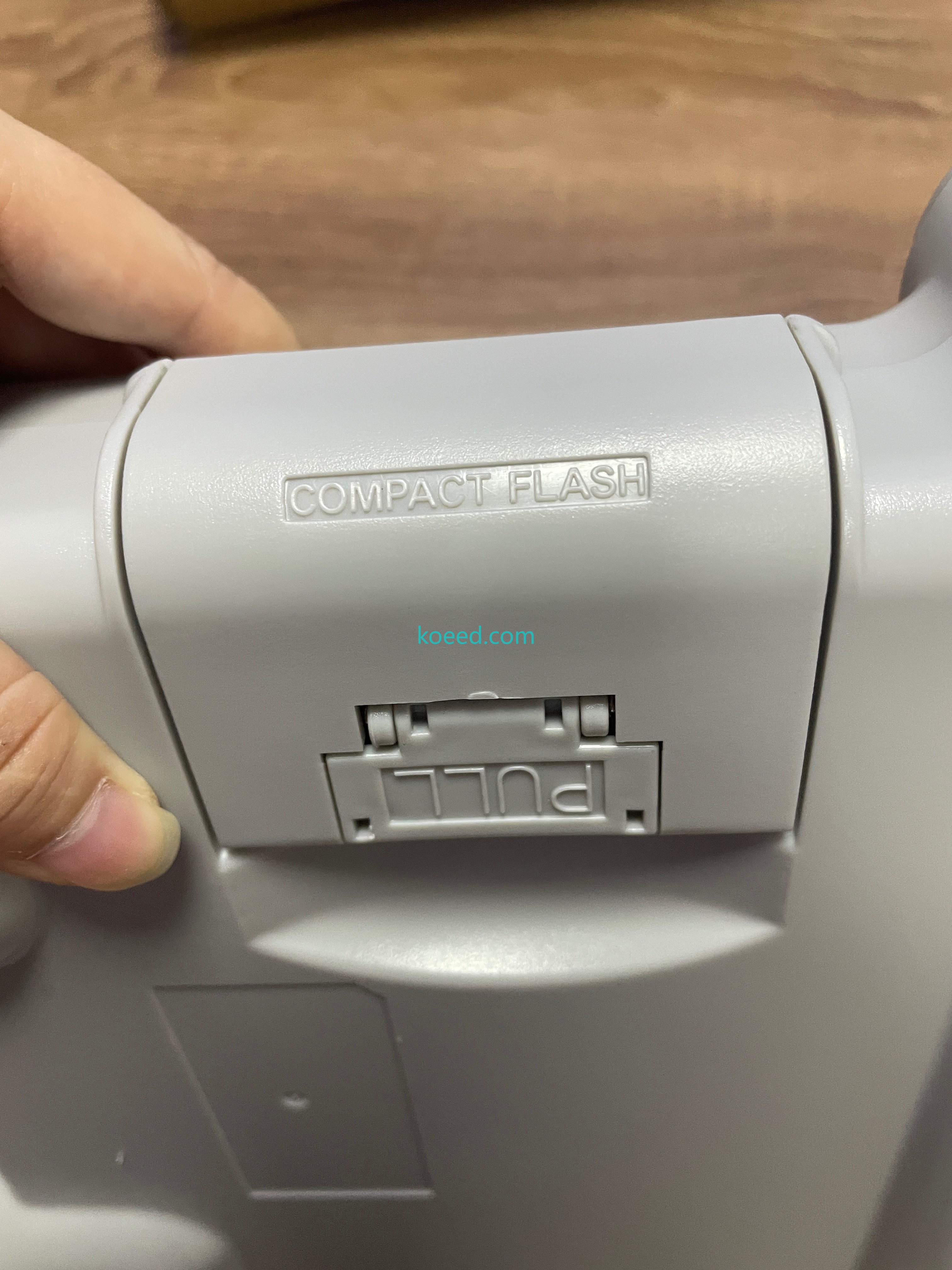
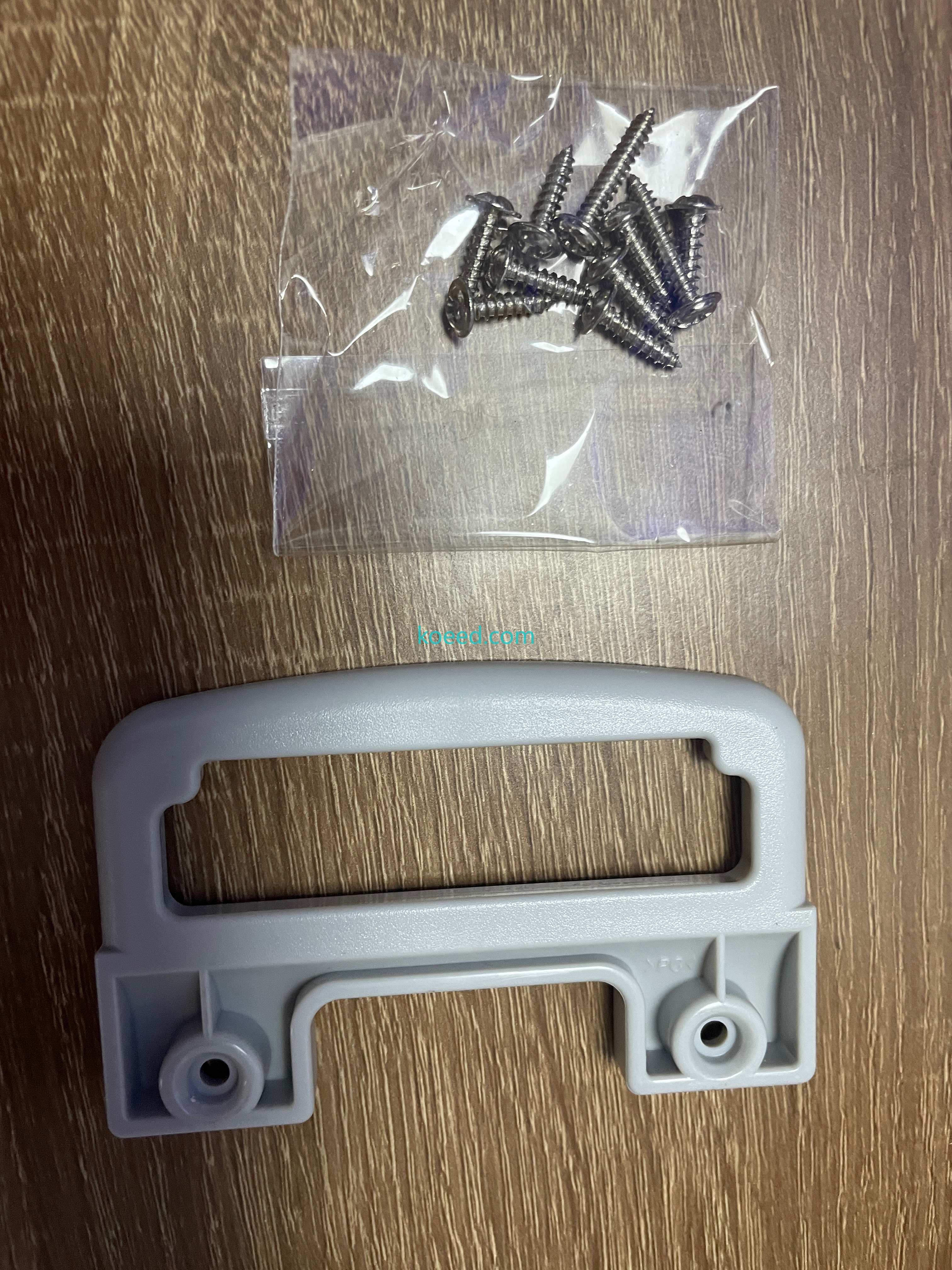
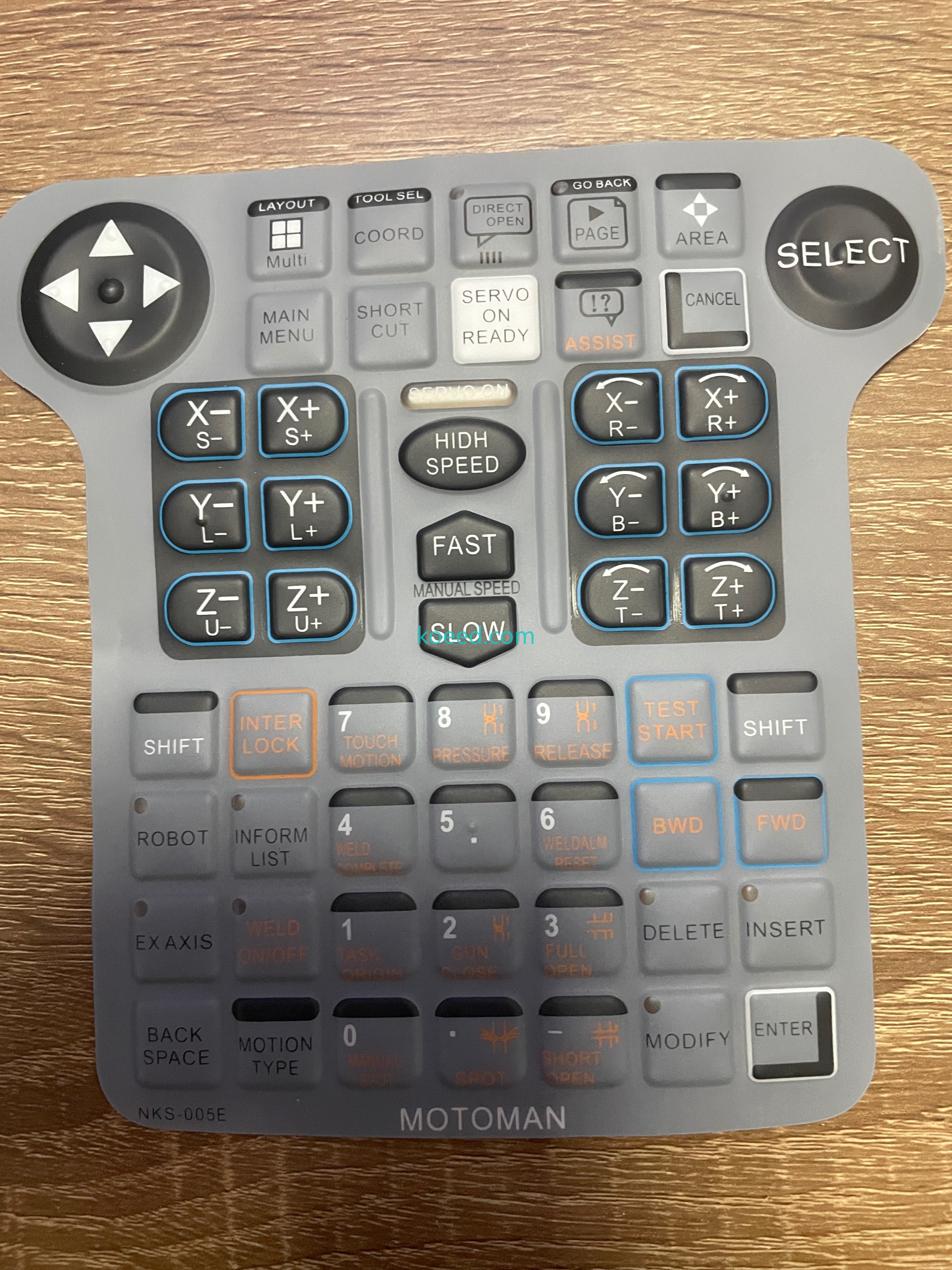
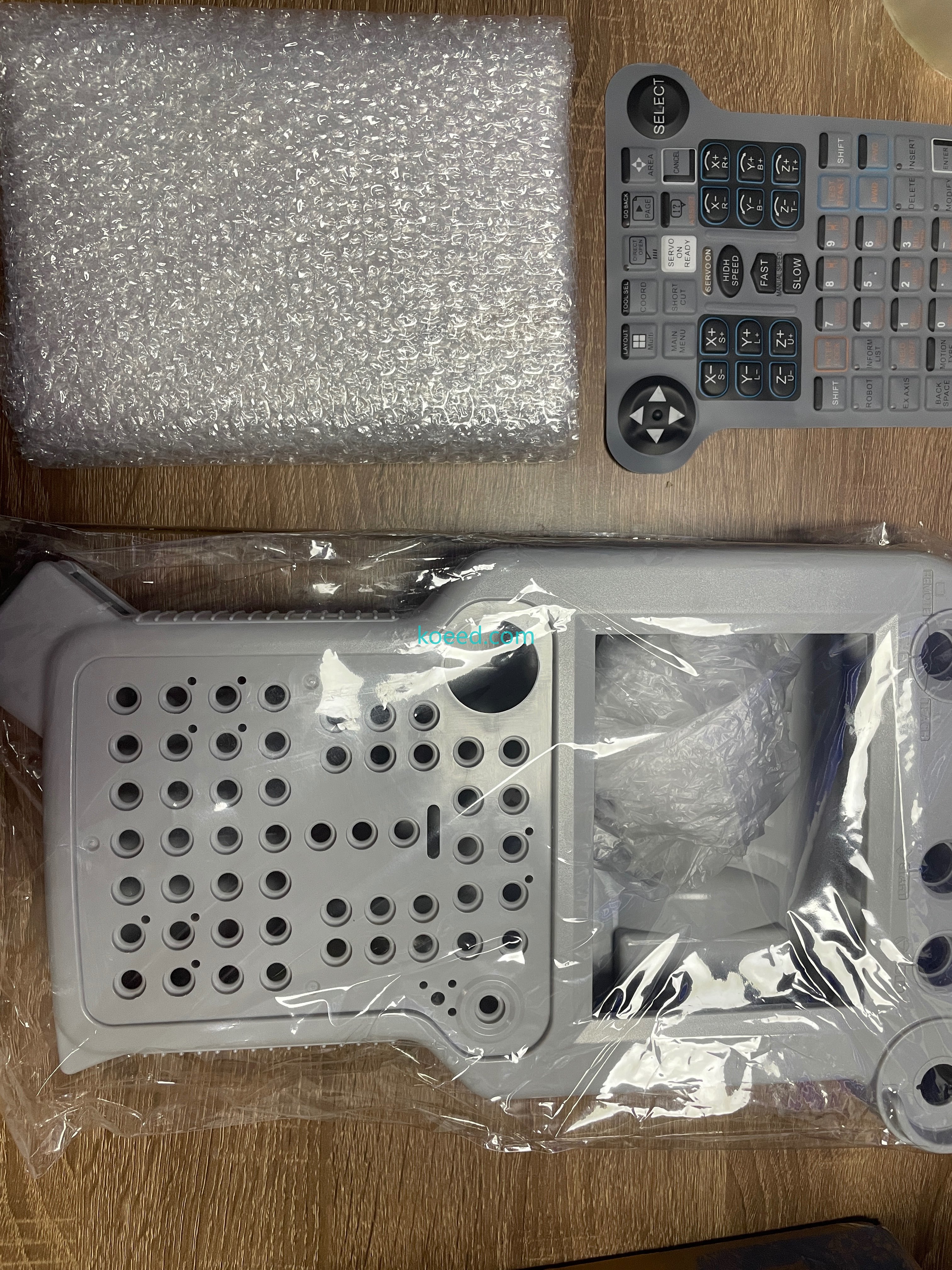
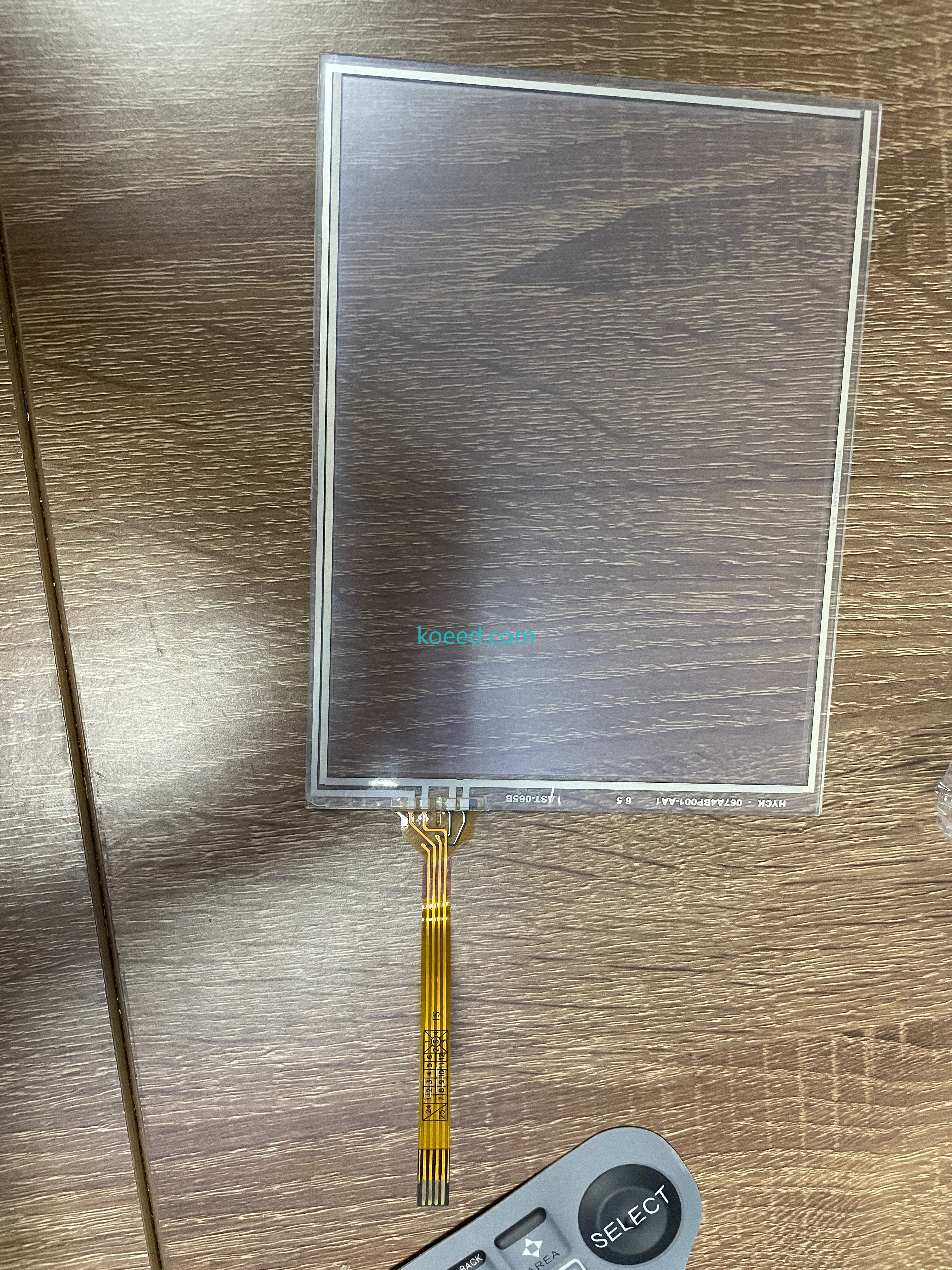
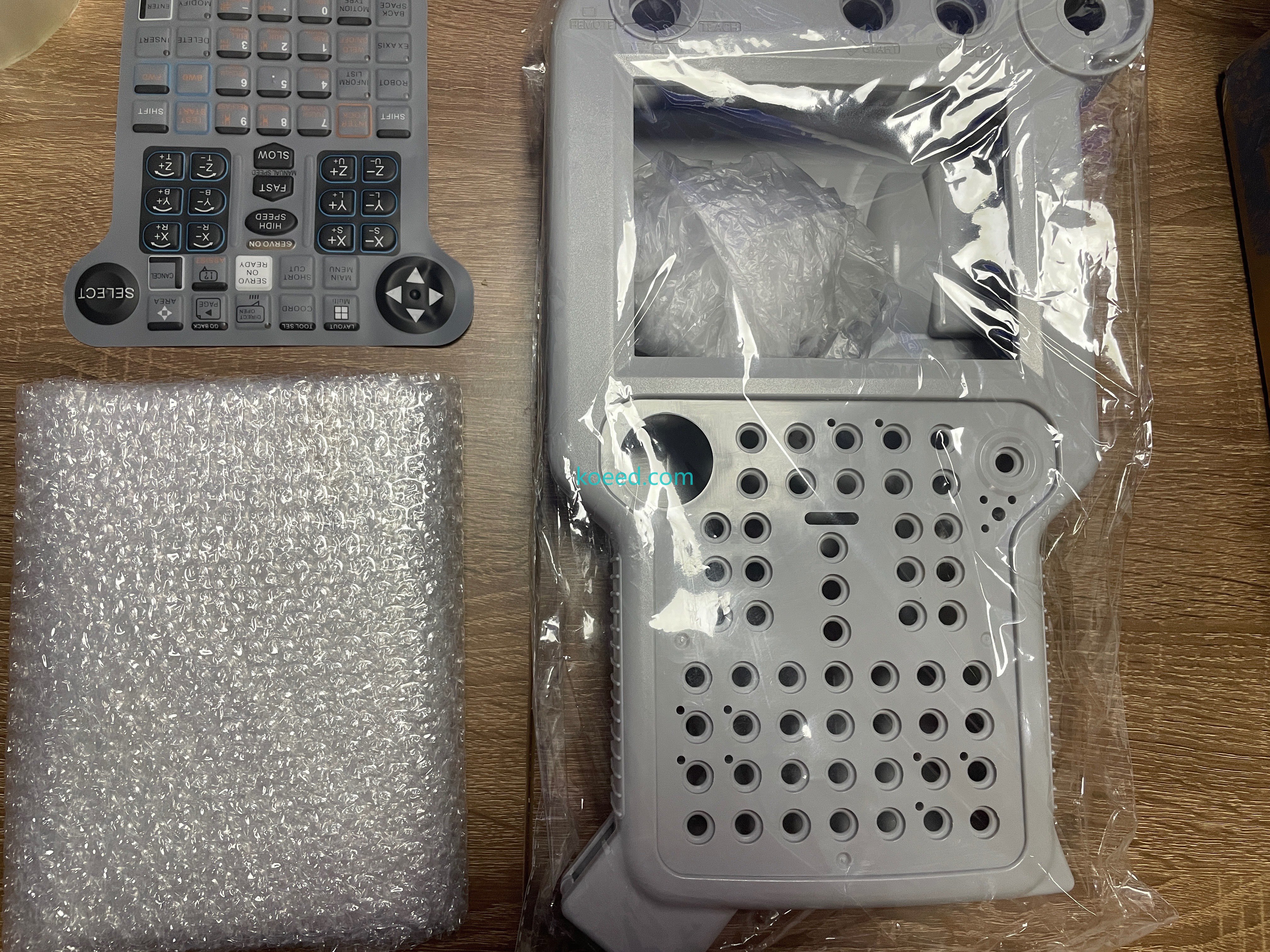
Ready to order the exact unit shown above? View the JZRCR-YPP01-1 plastic case cover shell product page for specifications, stock status and fast dispatch.
4. Maintenance, Troubleshooting & Predictive Replacement
Installation Pro-Tips
- Work on a clean, ESD-safe mat to protect the exposed PCB.
- Transfer the rubber keypad and silicone gaskets carefully; do not stretch them.
- Torque screws lightly and evenly — over-tightening warps the shell and reopens the seam.
- Perform a full function test (keys, e-stop, dead-man switch) before returning the cell to production.
Common Symptoms & Resolutions
| Symptom | Likely Cause | Resolution |
|---|---|---|
| Intermittent keypad input | Dust/moisture ingress via cracked shell | Replace housing with JZRCR-YPP01-1 cover shell; clean membrane contacts |
| E-stop fault / "EMG" alarm | Damaged e-stop switch or wiring from impact | Inspect switch during shell swap; verify continuity |
| Dead-man switch unreliable | Worn grip area, misaligned shell | Replace shell; verify switch travel is unobstructed |
| Screen flicker or lines | Flex cable stress from bent housing | Reseat cable when reassembling new case |
| Visible cracks / missing screws | Physical impact, thermal fatigue | Immediate housing replacement to prevent escalation |
Predictive Maintenance Strategy for 2026
Shift from reactive repair to condition-based replacement. Add the pendant housing to your CMMS inspection checklist: log impact events, visible stress whitening, and seam separation during routine PMs. Set a replacement threshold — e.g., any crack longer than 10 mm or any compromised screw boss — and keep one spare JZRCR-YPP01-1 case shell on the shelf per cell cluster. This data-driven approach reduces unplanned downtime and extends pendant electronics life by 2–3x.
Sustainability Impact
Replacing only the housing instead of the full pendant avoids electronic waste (e-waste) and conserves the rare-earth and PCB materials embedded in the pendant electronics. A lightweight plastic shell also carries a minimal shipping carbon footprint. By restoring rather than discarding, your plant advances its 2026 ESG and circular-economy commitments without compromising uptime.
5. Frequently Asked Questions
Is this case compatible with my Yaskawa DX100 teach pendant?
Yes. This shell is specifically molded for the JZRCR-YPP01-1 teach pendant used with Yaskawa Motoman DX100 controllers. Always verify the part number printed on your pendant's rear label before ordering.
Does the kit include both front and rear covers?
The product is a complete cover shell solution covering the full housing. Confirm exact kit contents (front/rear pieces, screws if included) on the product page before purchase.
How long does installation take?
A skilled technician can complete the swap in 15–30 minutes, including function testing. No firmware changes or controller reconfiguration are required.
Will this fix my pendant's electrical faults?
The shell restores mechanical protection and sealing. If internal electronics (PCB, LCD, membrane) are already damaged, additional repair may be needed. Use this housing as part of a complete HMI repair strategy.
Restore Your DX100 Pendant Today
Keep your robotic cells running with a precision-fit Yaskawa DX100 JZRCR-YPP01-1 plastic case cover shell from Koeed — ready to ship, engineered for daily industrial use.
Prefer self-service ordering? Buy the JZRCR-YPP01-1 case cover shell directly.


