

Pepperl+Fuchs NCB2-V3-N0-2M (243198) NAMUR Inductive Sensor: 2026 Technical Guide for Hazardous-Area Automation
🔬 NCB2-V3-N0-2M (P/N 243198) — The 2026 Standard for Intrinsically Safe Inductive Detection
In the 2026 industrial automation ecosystem, where IT/OT convergence demands seamless data flow from the field layer to cloud-based ERP systems, the Pepperl+Fuchs NCB2-V3-N0-2M stands as a cornerstone of hazardous-area sensing. This NAMUR-output inductive sensor delivers 2 mm flush-range detection with the signal integrity required for modern predictive maintenance frameworks and sustainability-driven operations.
1. Strategic Product Positioning — Why NCB2-V3-N0-2M Matters in 2026
As manufacturing facilities accelerate their digital transformation roadmaps, the demand for intrinsically safe (IS) field devices that bridge legacy hazardous zones with Industry 4.0 architectures has never been greater. The NCB2-V3-N0-2M — Pepperl+Fuchs part number 243198 — is a cylindrical inductive sensor engineered for NAMUR (EN 60947-5-6) signal output, making it compatible with isolated switch amplifiers such as the Pepperl+Fuchs KFD2 series.
1.1 The NAMUR Advantage for IT/OT Convergence
Unlike conventional PNP/NPN sensors, the NAMUR output (8.2 VDC nominal) provides lead-breakage and short-circuit monitoring at the amplifier level. In 2026, this diagnostic capability is no longer optional — it is the foundation of predictive maintenance algorithms running on edge gateways and SCADA historians. Each NCB2-V3-N0-2M deployed becomes a data point in your condition-monitoring digital twin.
1.2 Sustainability & Total Cost of Ownership
With its stainless steel housing and fully potted electronics, the NCB2-V3-N0-2M achieves a service life exceeding 15 years under rated conditions. This longevity directly reduces replacement waste, aligns with ISO 50001 energy management goals, and lowers the per-year TCO versus commodity sensors requiring frequent swap-outs in corrosive or high-vibration environments.
🕒 MTBF Rating
Hours (estimated)
⚡ Current Draw
Target / undamped
🔩 Housing Rating
Stainless steel V3
2. Technical Benchmarking — Specifications at a Glance
The following table compares the NCB2-V3-N0-2M with key legacy and alternative NAMUR sensors in its class. Use this data to validate your BOM selection for 2026 hazardous-area projects.
| Parameter | NCB2-V3-N0-2M (243198) | Legacy NAMUR (M8) | Generic PNP (M8) |
|---|---|---|---|
| Output Type | NAMUR (EN 60947-5-6) | NAMUR (2-wire) | PNP NO (3-wire) |
| Switching Function | Normally Closed (NC) | NO / NC variants | NO only |
| Rated Distance (sn) | 2 mm | 1.5 mm | 2 mm |
| Installation | Flush (shielded) | Flush | Flush |
| Operating Voltage | 8.2 VDC (nominal) | 8.2 VDC | 10–30 VDC |
| Hazardous Area Ready | ✅ Yes (with IS barrier) | ✅ Partial | ❌ No |
| Line Fault Detection | ✅ Built-in (via amplifier) | ⚠️ Limited | ❌ No |
| Connection | 2 m PVC cable | 2 m / 5 m options | M8 connector / cable |
| Housing Material | Stainless steel (1.4305) | Stainless / Nickel-plated | Nickel-plated brass |
| Switching Frequency | 0–2000 Hz | 0–1000 Hz | 0–1500 Hz |
| Temperature Range | -25 °C to +100 °C | -25 °C to +70 °C | -25 °C to +70 °C |
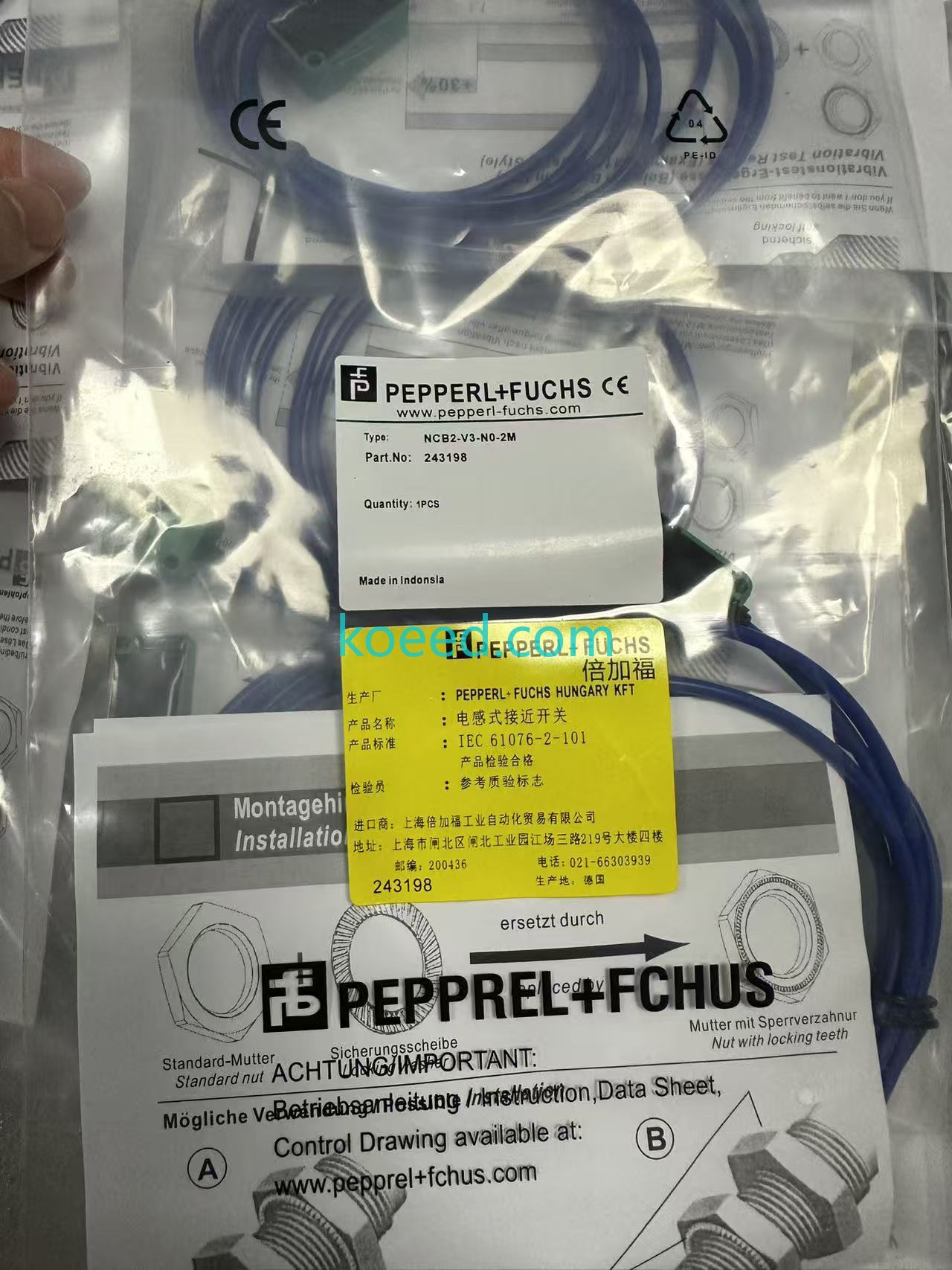
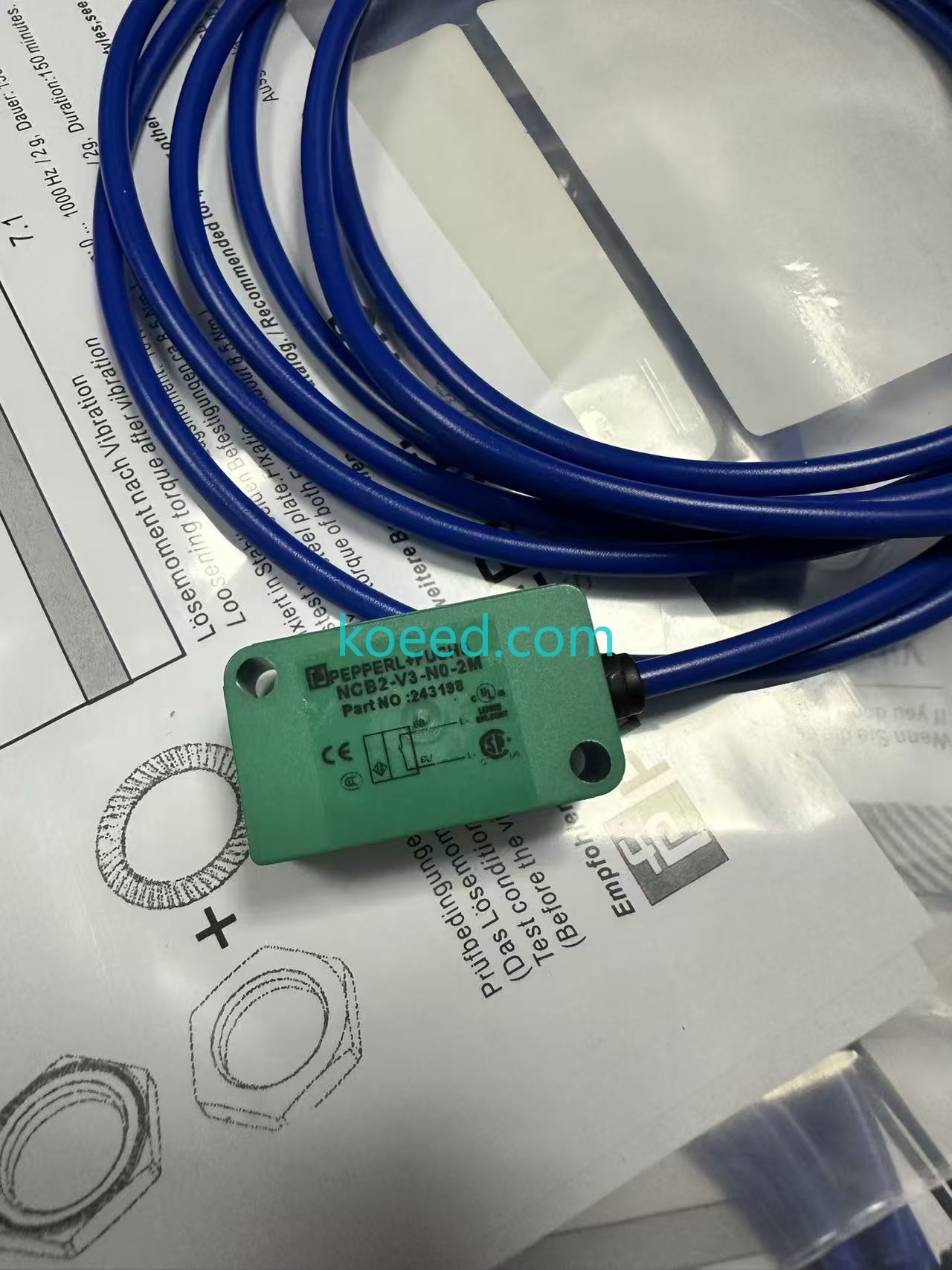
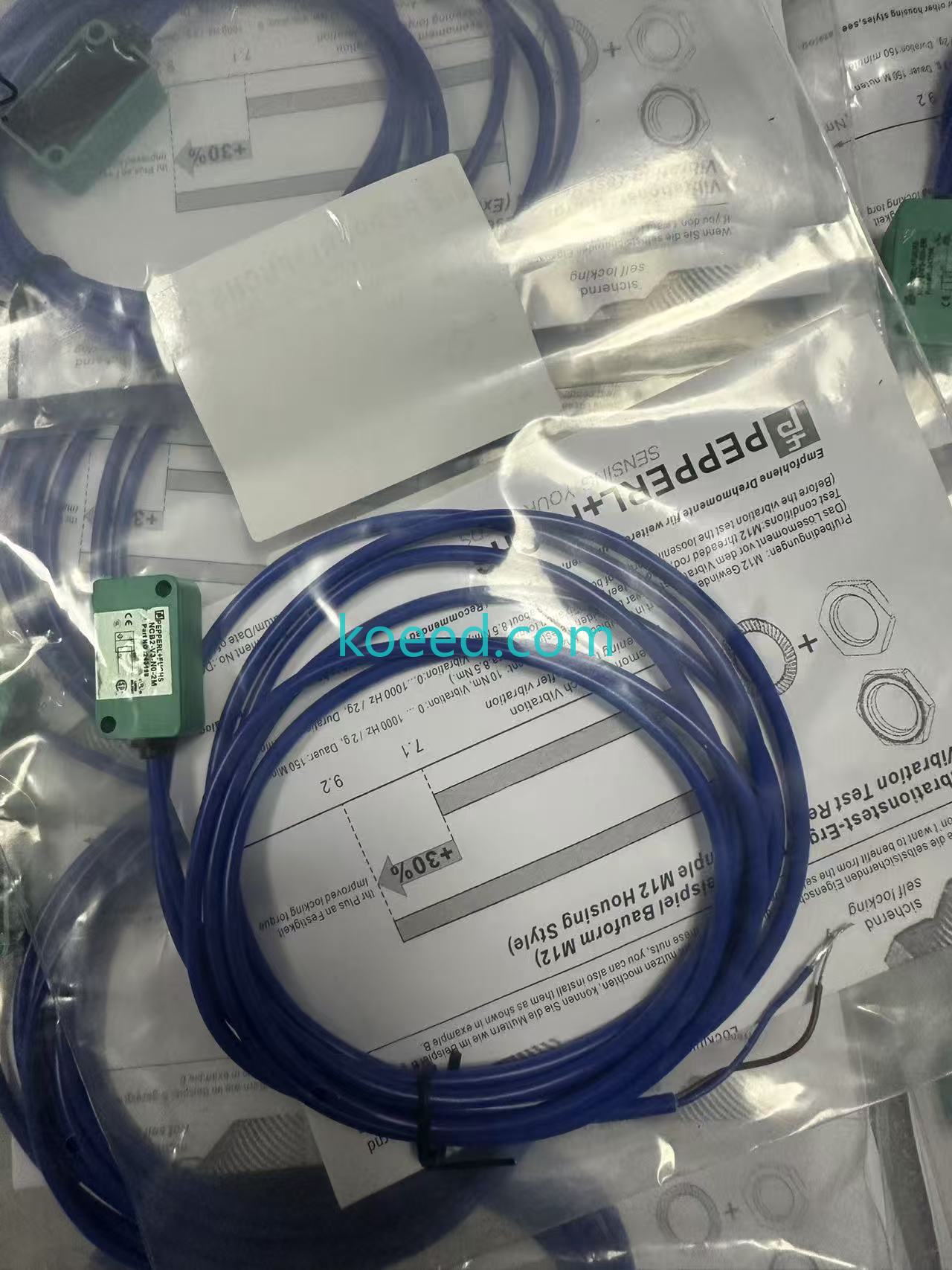
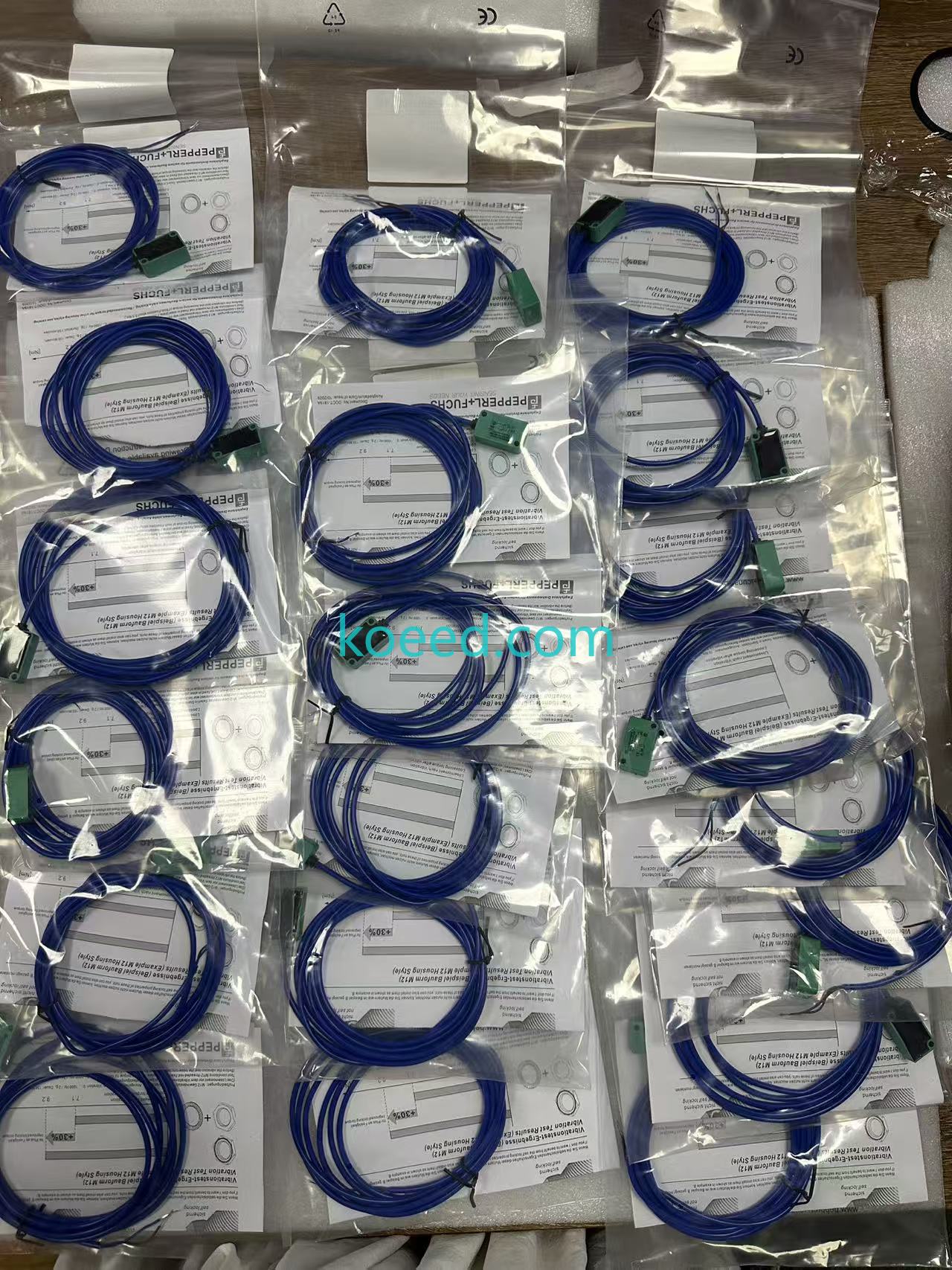
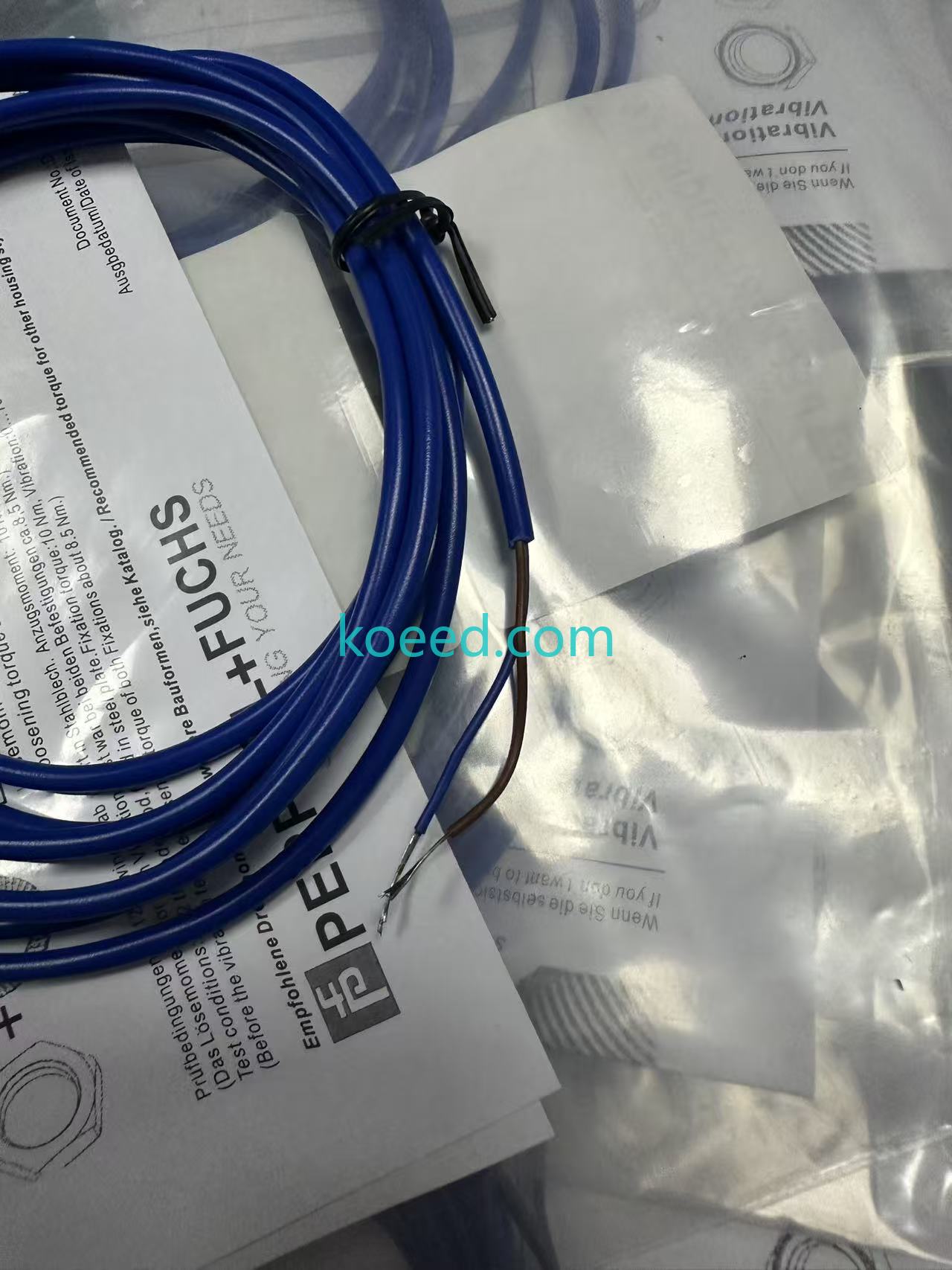
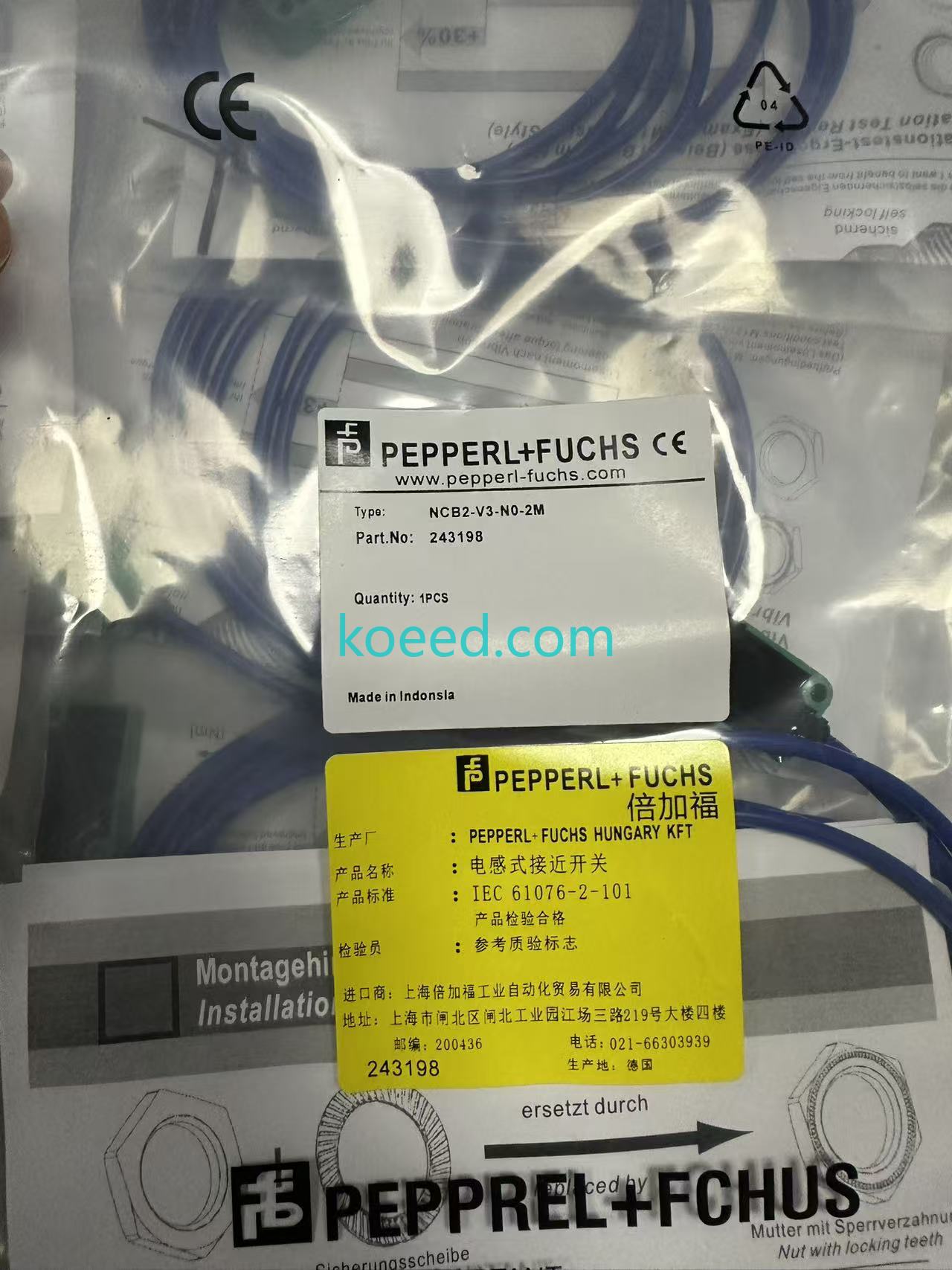
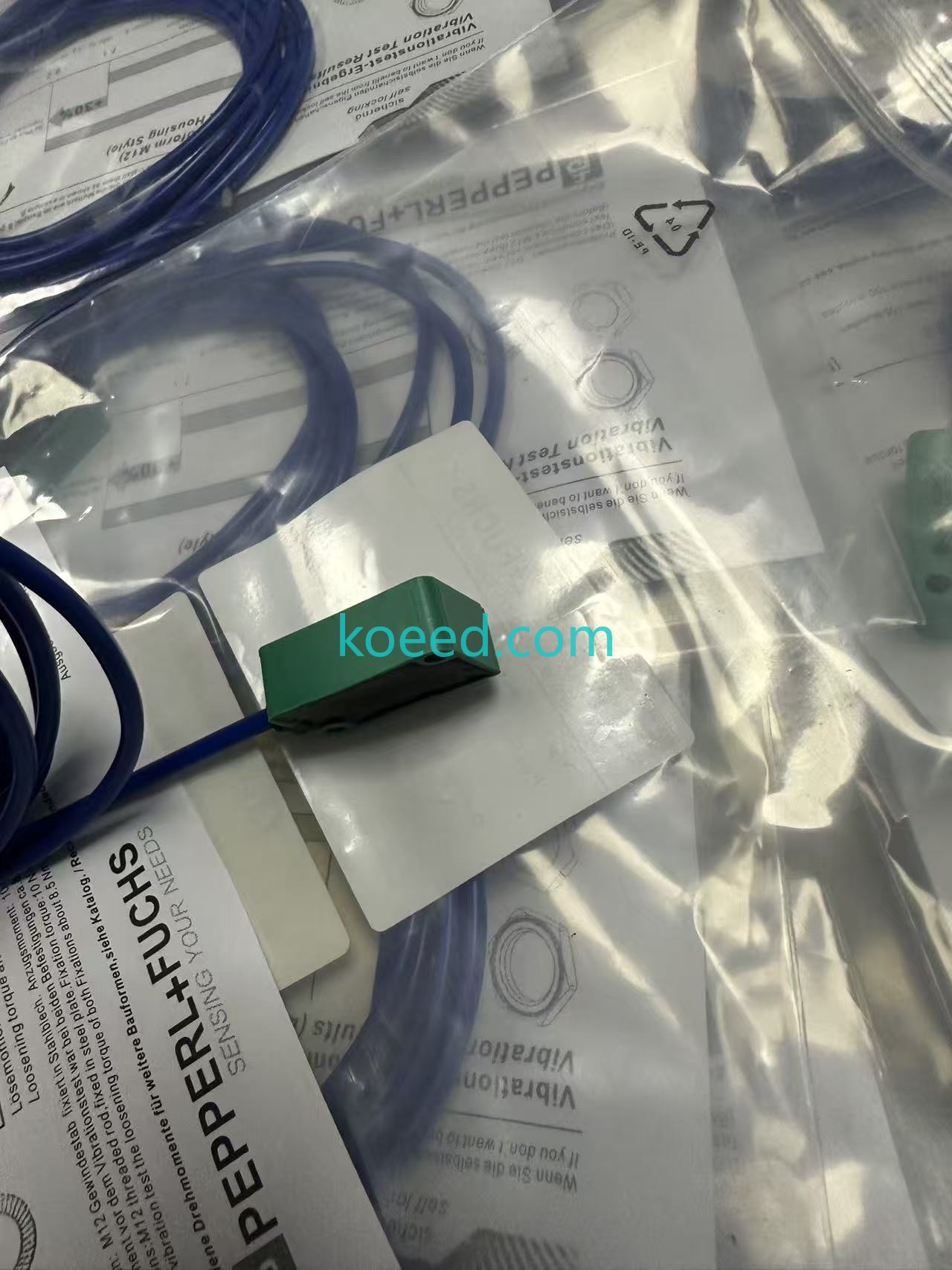
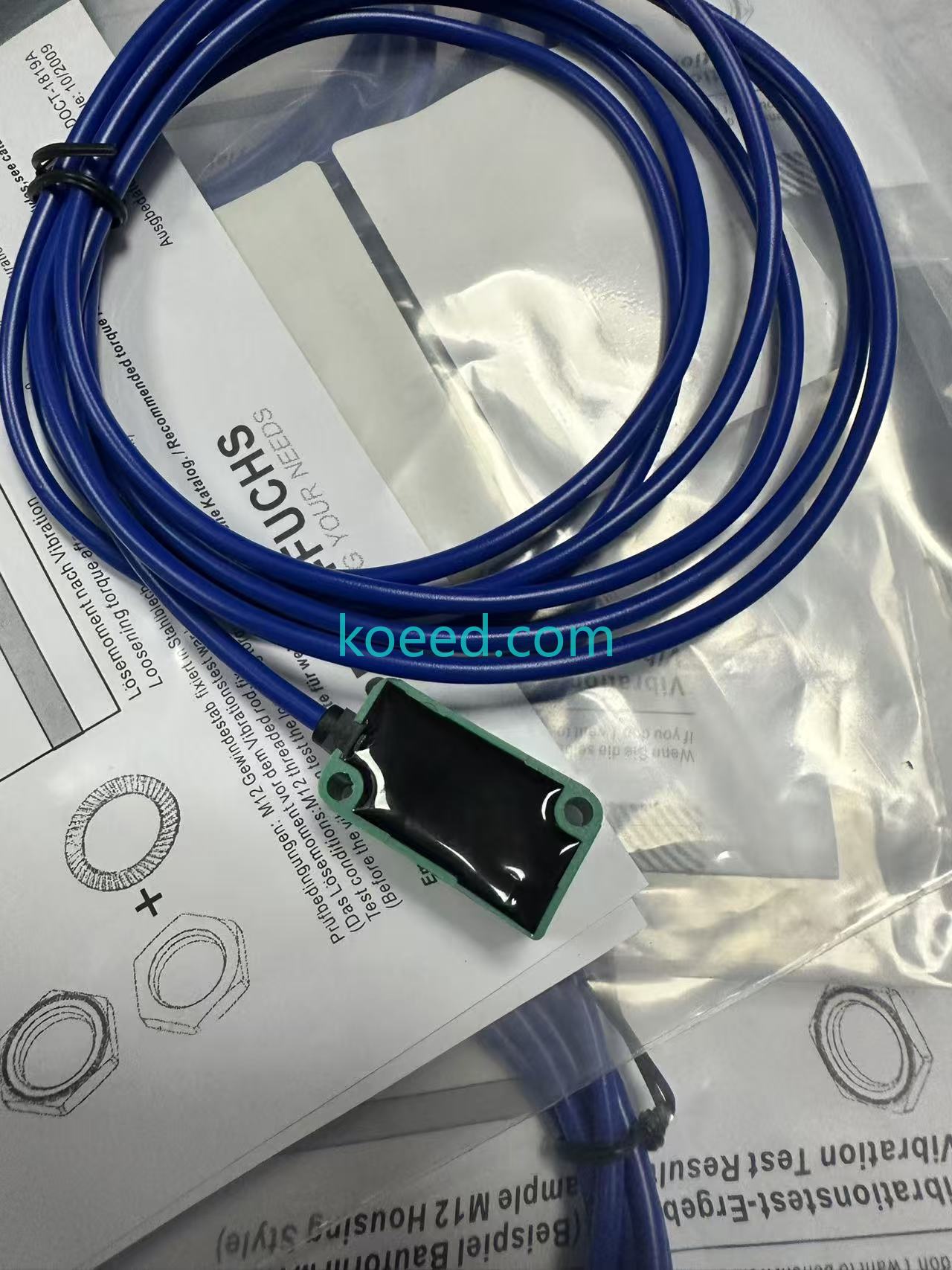
3. Visual Gallery — NCB2-V3-N0-2M (243198) Product Views
Below is the complete visual reference for the NCB2-V3-N0-2M. Click any image to expand. All images reflect the current 2026 production batch with laser-etched part number marking for full traceability.
4. Predictive Maintenance & Troubleshooting — The 2026 Intelligence Layer
4.1 Extracting Diagnostic Value from NAMUR Current Signals
In a properly instrumented 2026 control system, the NCB2-V3-N0-2M's NAMUR output is continuously sampled by the associated switch amplifier. The following current thresholds provide actionable intelligence beyond simple object detection:
| Condition | Current Range | Diagnostic Interpretation | Recommended Action |
|---|---|---|---|
| Target Present (Damped) | > 3.0 mA | Normal — NC contacts open | No action required |
| Target Absent (Undamped) | < 1.0 mA | Normal — NC contacts closed | No action required |
| Lead Breakage | 0 mA (open loop) | ⚠️ Wiring fault — cable cut or disconnected | Inspect cable run immediately; trigger maintenance work order |
| Short Circuit | > 6.5 mA (saturation) | 🔴 Cable short or sensor internal fault | Isolate loop; test insulation resistance; replace if necessary |
| Marginal Signal / Drift | 1.5–2.8 mA | ⚠️ Target misalignment, coating buildup, or aging | Schedule predictive maintenance; clean sensing face; verify gap |
4.2 Common Installation Pitfalls & Resolutions
- Flush-mount over-torque: The stainless steel V3 (M8×1) housing requires a maximum tightening torque of 5 N·m. Exceeding this can deform the sensing face and shift the 2 mm calibrated range. Use a torque-limited screwdriver.
- Adjacent metal interference: When installing in a dense sensor array, maintain a minimum center-to-center spacing of ≥ 18 mm between two NCB2-V3-N0-2M units to prevent mutual interference in the NAMUR band.
- Cable routing in cable trays: Do not bundle the NCB2-V3-N0-2M's 2 m signal cable alongside VFD motor cables. Maintain ≥ 200 mm separation to prevent EMI-induced false NAMUR current shifts.
- IS barrier bypass: Never connect the NAMUR sensor directly to a standard PLC input card without the mandated galvanic isolator. This voids ATEX/IECEx certification and risks sparking in Zone 0/1 atmospheres.
5. IT/OT Convergence — Integrating NCB2-V3-N0-2M into the 2026 Digital Plant
5.1 Architecture Overview
The NCB2-V3-N0-2M operates at the Level 0 (Field) of the Purdue model. In a converged 2026 architecture, its signal flows as follows:
- Sensor → NAMUR current signal (≤ 3 mA damped / ≥ 1 mA undamped)
- Galvanic Isolator (e.g., KFD2-SR2-Ex2.W) → Converts to relay/transistor output + fault contact
- PLC/DCS Input Card → Standard 24 VDC discrete input
- OPC-UA Server → Exposes sensor state and fault tags
- MQTT Broker / Kafka → Streams to cloud analytics (AWS IoT, Azure IoT Hub)
- Digital Twin / CMMS → Predictive maintenance dashboards
5.2 Sustainability Reporting
Because the NCB2-V3-N0-2M draws < 1 mA in the undamped state, a bank of 100 such sensors consumes less than 1 watt total — an order of magnitude below conventional 3-wire DC sensors (≈ 15–30 mA each). This ultra-low energy profile supports corporate ESG targets and can be itemized in Scope 2 carbon footprint reports.
6. Frequently Asked Questions (2026 Edition)
Is the NCB2-V3-N0-2M compatible with non-Pepperl+Fuchs NAMUR amplifiers?
Yes. The NCB2-V3-N0-2M complies fully with EN 60947-5-6 (NAMUR) standard signal characteristics. It is electrically compatible with any certified NAMUR switch amplifier — including models from Turck, IFM, and MTL. However, for optimal diagnostic feature utilization (line-fault detection thresholds), Pepperl+Fuchs recommends its own KFD2 or KCD2 series isolators, which are pre-calibrated to the sensor's exact current windows.
What is the maximum cable extension length for the NCB2-V3-N0-2M?
Per 2026 hazardous-area wiring standards (IEC 60079-14), the maximum permissible cable length is determined by the loop resistance and capacitance limits of the associated IS barrier, not the sensor itself. With a typical KFD2 isolator (allowing ≤ 15 Ω loop resistance and ≤ 100 nF), you can extend up to approximately 500 meters using 0.75 mm² shielded twisted-pair cable. Always verify with the barrier certificate.
Can the NCB2-V3-N0-2M detect non-ferrous metals like aluminum or brass?
Yes, but with reduction factors. The rated 2 mm sensing distance (sn) is calibrated against a standard mild steel (Fe 360) target. For non-ferrous metals, apply the following correction factors: aluminum ≈ 0.40 (effective range ~0.8 mm), brass ≈ 0.50 (~1.0 mm), copper ≈ 0.35 (~0.7 mm), stainless steel (V2A) ≈ 0.75 (~1.5 mm). Use these values in your 3D tolerance stack-up analysis.
Is the 2-meter cable oil-resistant and suitable for machine-tool environments?
The standard NCB2-V3-N0-2M ships with a PVC (polyvinyl chloride) jacketed 2-meter cable. PVC offers moderate resistance to mineral oils and coolants. For aggressive cutting fluids or continuous oil immersion, Pepperl+Fuchs offers variants with PUR (polyurethane) jacketing under different part numbers. Contact Koeed for a custom-specification cross-reference if your application demands enhanced chemical resistance.
7. Final Call to Action — Procure Your NCB2-V3-N0-2M (243198)
📦 Ready to Deploy the NCB2-V3-N0-2M in Your 2026 Automation Project?
Koeed maintains ready stock of the Pepperl+Fuchs NCB2-V3-N0-2M (P/N 243198) with full traceability and manufacturer warranty. Our technical team can also assist with IS loop design and barrier selection.


