

Phoenix Contact PLC-BSC-24DC/21 (2966016) & Solid-State Relay (2967950): The 2026 Gold Standard for Compact DIN-Rail Switching
In the rapidly converging landscape of 2026 industrial automation, the Phoenix Contact PLC-BSC-24DC/21 relay base (NO.2966016) paired with the plug-in miniature solid-state relay (NO.2967950) stands as a benchmark for compact, reliable, and intelligent DIN-rail switching. With a footprint of just 6.2mm, this duo enables high-density control panel designs without compromising on performance — a critical advantage as factories push toward fully digitalized, IIoT-enabled architectures.
Strategic Overview: Why This Relay Combo Matters in 2026
The industrial control landscape in 2026 has moved decisively toward IT/OT convergence. Relay modules are no longer simple electromechanical switches — they are data nodes in a connected ecosystem. The PLC-BSC-24DC/21 + NO.2967950 combination delivers on all three pillars of modern automation procurement: space efficiency, operational longevity (thanks to solid-state technology), and system-level intelligence when integrated into Phoenix Contact's broader PLC and I/O architecture.
What sets this pairing apart is the synergy between the base and the relay. The 2966016 base provides polarity protection and a damping diode — critical for inductive load environments — while the 2967950 SSR eliminates mechanical wear, enabling switching cycles in the millions without degradation. For 24V DC control systems standardized across automotive, packaging, and material handling lines, this is the proven workhorse.
Key Highlights at a Glance
Technical Benchmarking: Component-by-Component Breakdown
Understanding the individual roles of the base and the relay is essential for system integrators and panel builders. Below is a structured technical comparison detailing how each component contributes to the overall solution.
| Parameter | PLC-BSC-24DC/21 Base (NO.2966016) | Plug-In SSR (NO.2967950) |
|---|---|---|
| Function | 6.2mm PLC basic terminal block with screw connection; relay carrier base | Plug-in miniature power solid-state relay, 1 NO contact |
| Input Voltage | 24V DC (rated) | 24V DC (input side, via base) |
| Contact Configuration | 1 changeover (CO) contact terminal layout | Solid-state output (wear-free switching) |
| Protective Circuit | Integrated damping diode + polarity protection diode | Built-in snubber / protective circuitry (SSR-internal) |
| Mounting | DIN rail NS 35/7,5 (snap-on) | Plugs directly into 2966016 base |
| Connection Type | Screw terminal (proven reliability, high vibration resistance) | Via base terminals — no separate wiring needed |
| Dimensions (W×H×D) | 6.2 × 80 × 94 mm | Integrated — adds minimal height to the base |
| Operating Factor | 100% (continuous duty rated) | 100% (solid-state, no thermal derating in normal range) |
| Color / Indicator | Green housing; status LED indication | LED status indicator visible when plugged in |
| Typical Application | Universal relay carrier for PLC/interposing relay functions | High-speed switching, frequent-cycling loads, silent operation zones |
Legacy Electromechanical vs. This SSR Combo (2026 Perspective)
| Metric | Traditional EMR Relay (2010s) | PLC-BSC + SSR (NO.2967950+2966016) |
|---|---|---|
| Switching Lifespan | ~100,000–500,000 cycles (mechanical wear) | 10⁷+ cycles (no moving parts) |
| Switching Noise | Audible click (55–65 dB) | Silent operation (0 dB mechanical) |
| Panel Density | Typically 12–14mm width per channel | 6.2mm — nearly 2× density improvement |
| Predictive Maintenance Ready | Limited (contact resistance monitoring only) | Compatible with Phoenix Contact monitoring modules for IIoT |
| Energy Efficiency | Coil hold power ~0.4–0.8W continuous | Reduced hold power; SSR input draws minimal current |
| MTBF | ~50,000–200,000 hrs (dependent on load) | 300,000+ hrs (no contact erosion) |
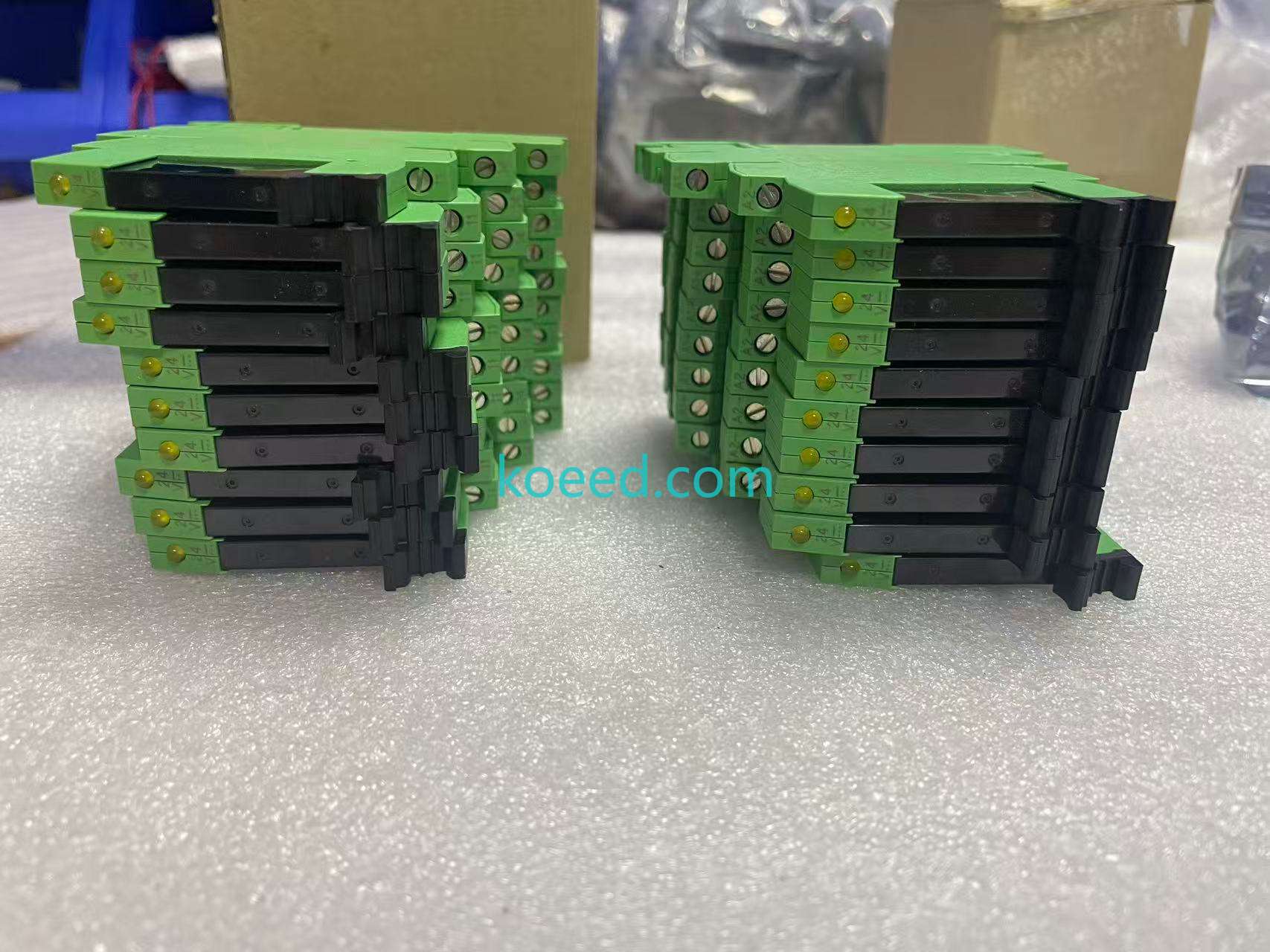
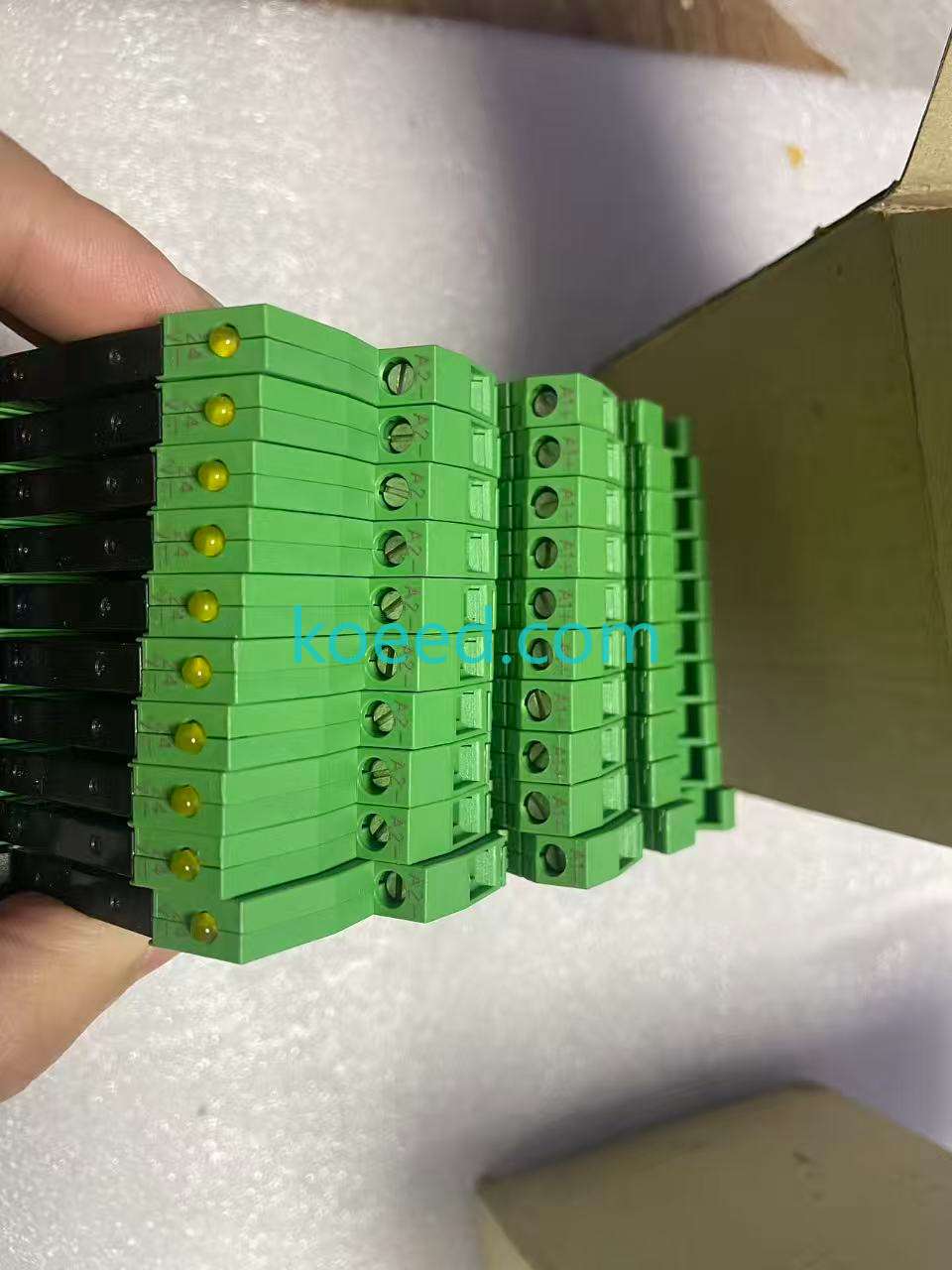
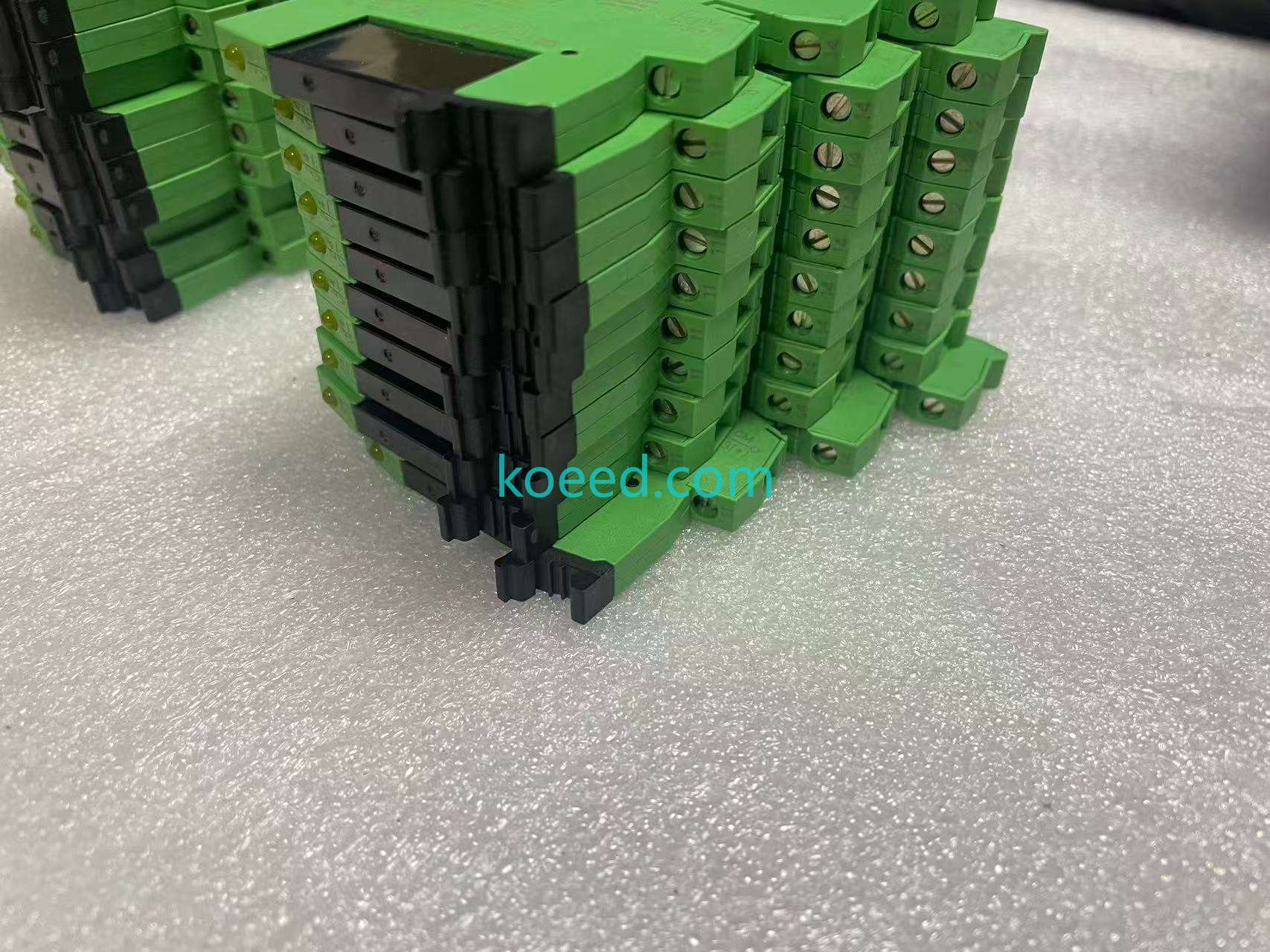
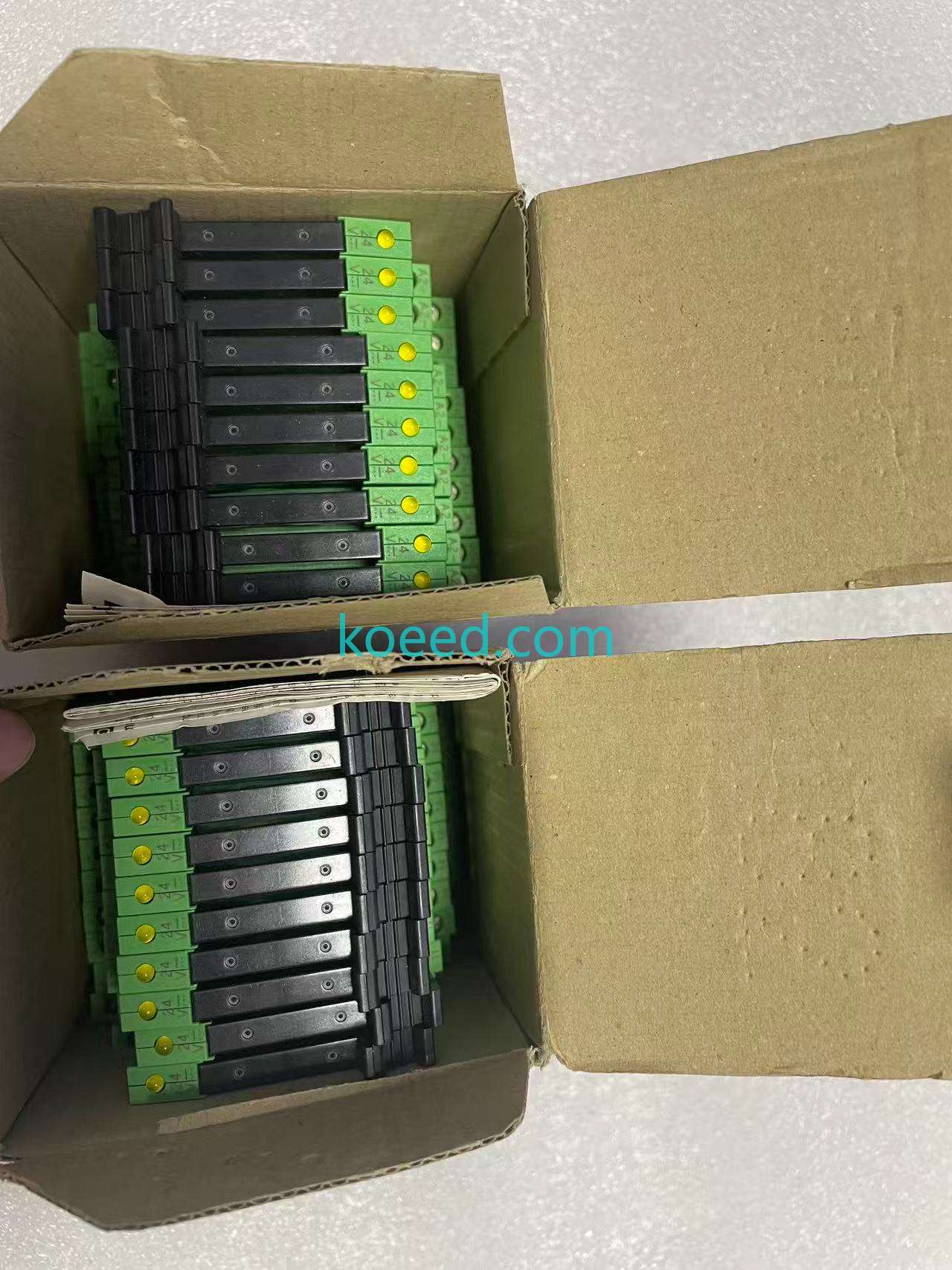
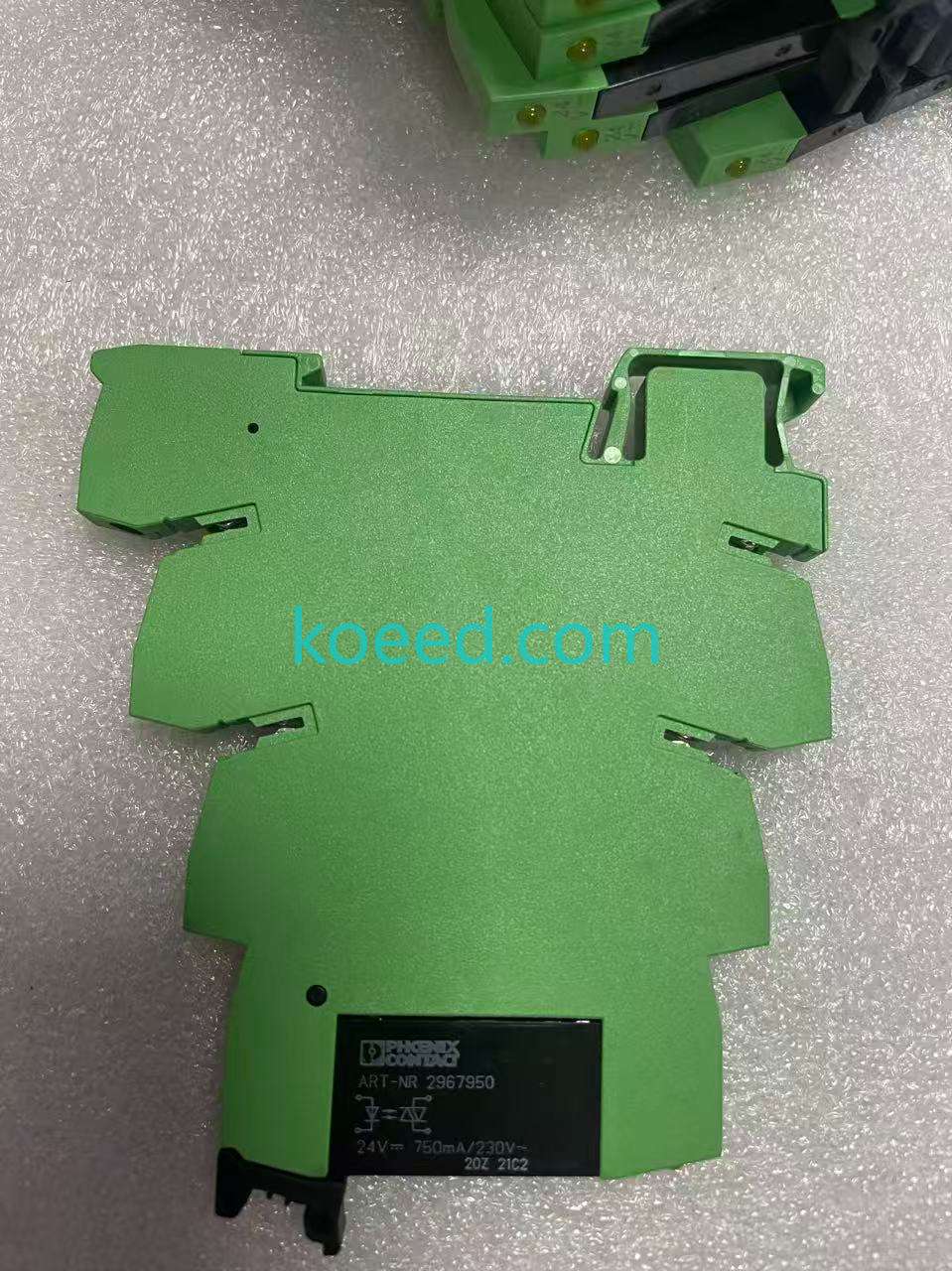
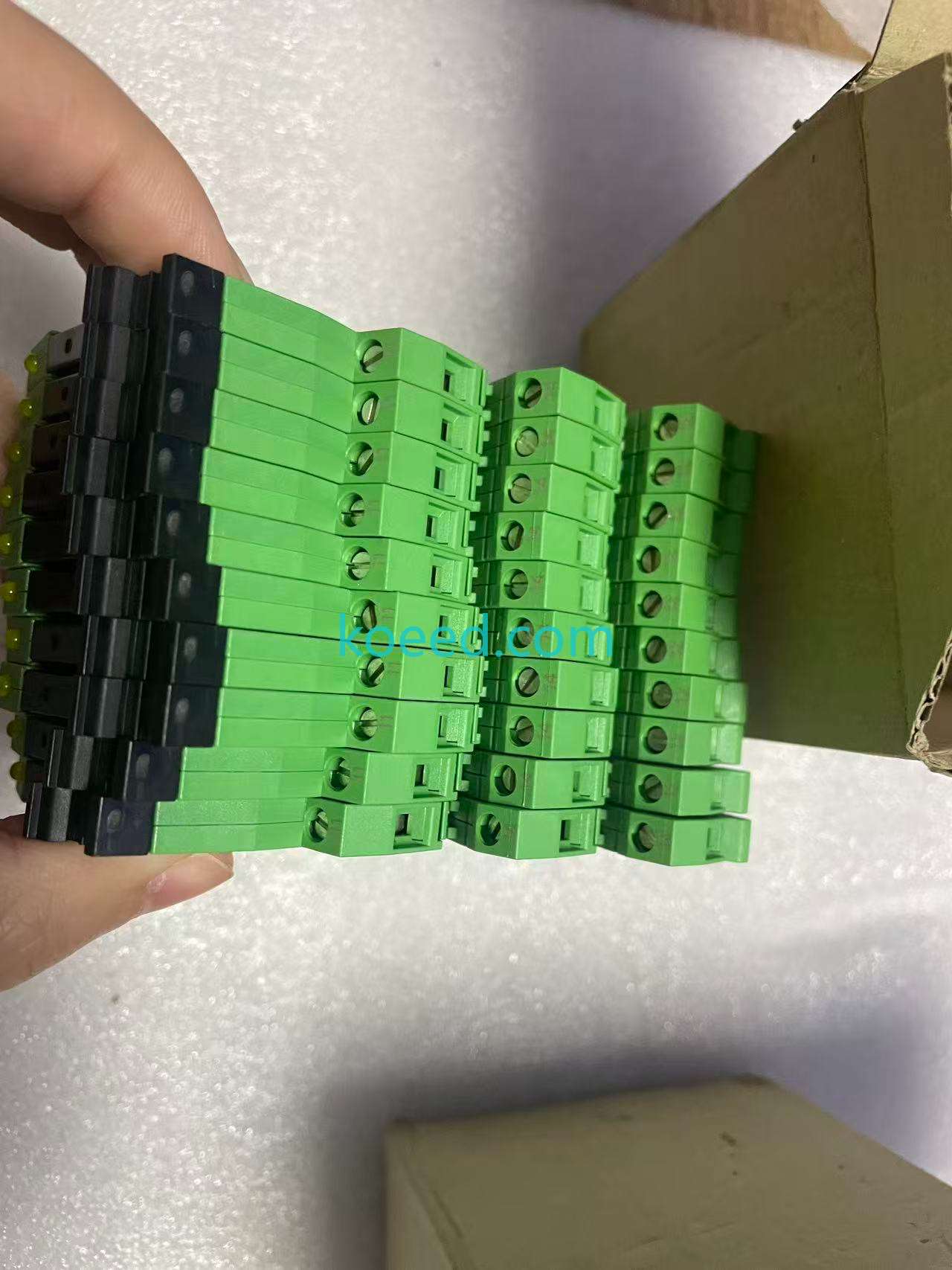
Visual Gallery: NO.2967950 + NO.2966016
Below is the complete visual reference for this relay combination. Click any image to enlarge. A product demonstration video is also included.
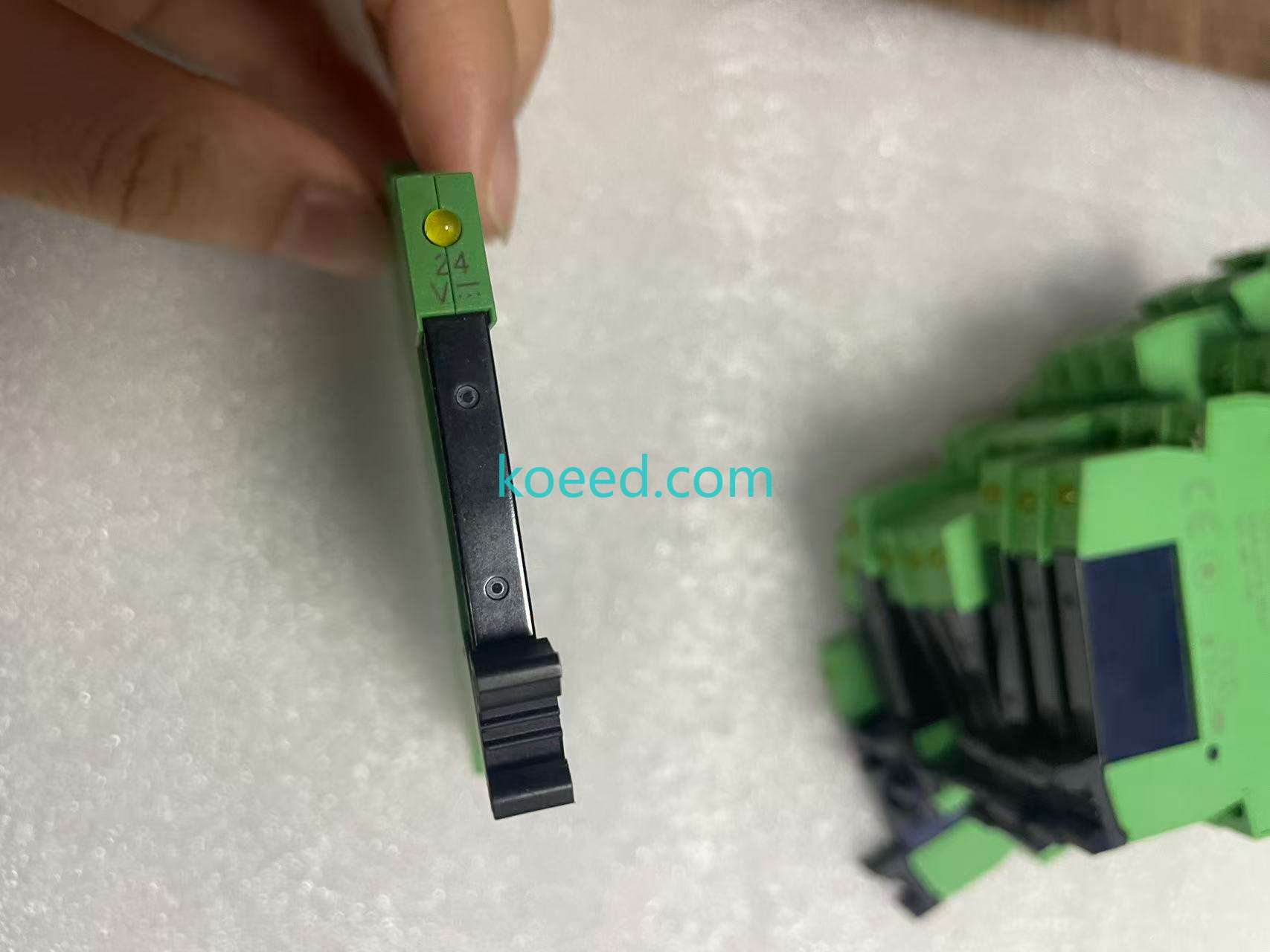
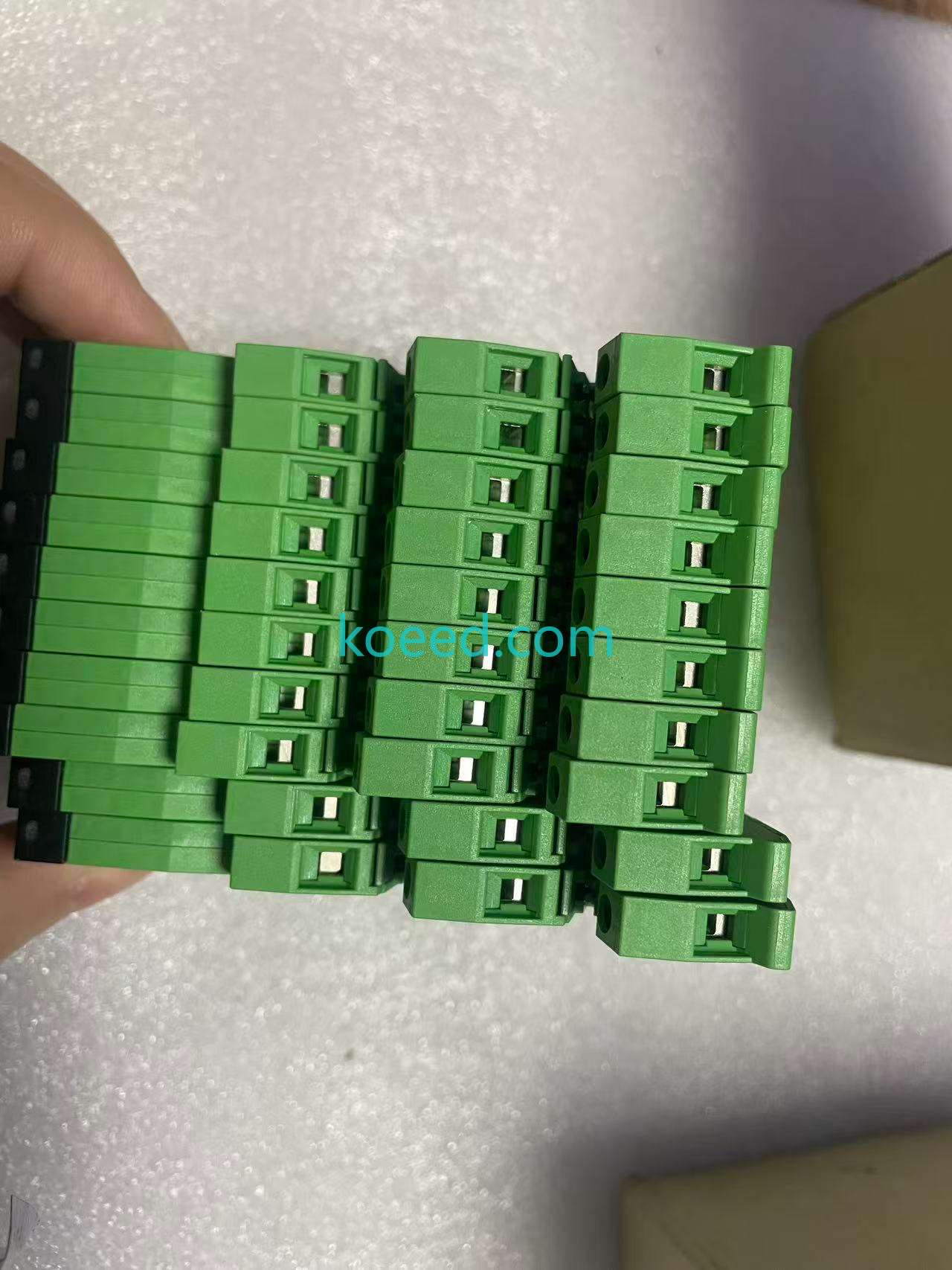
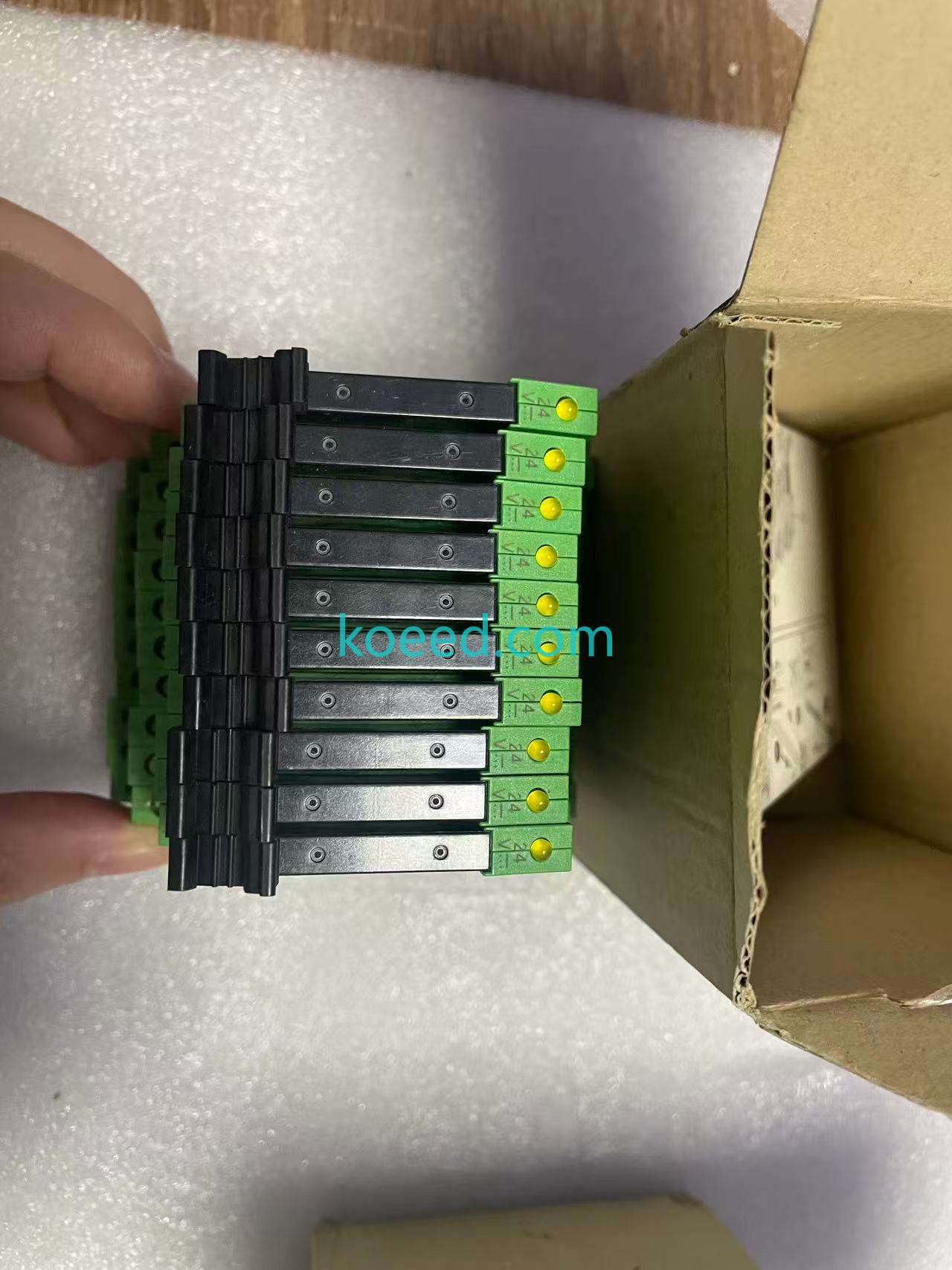
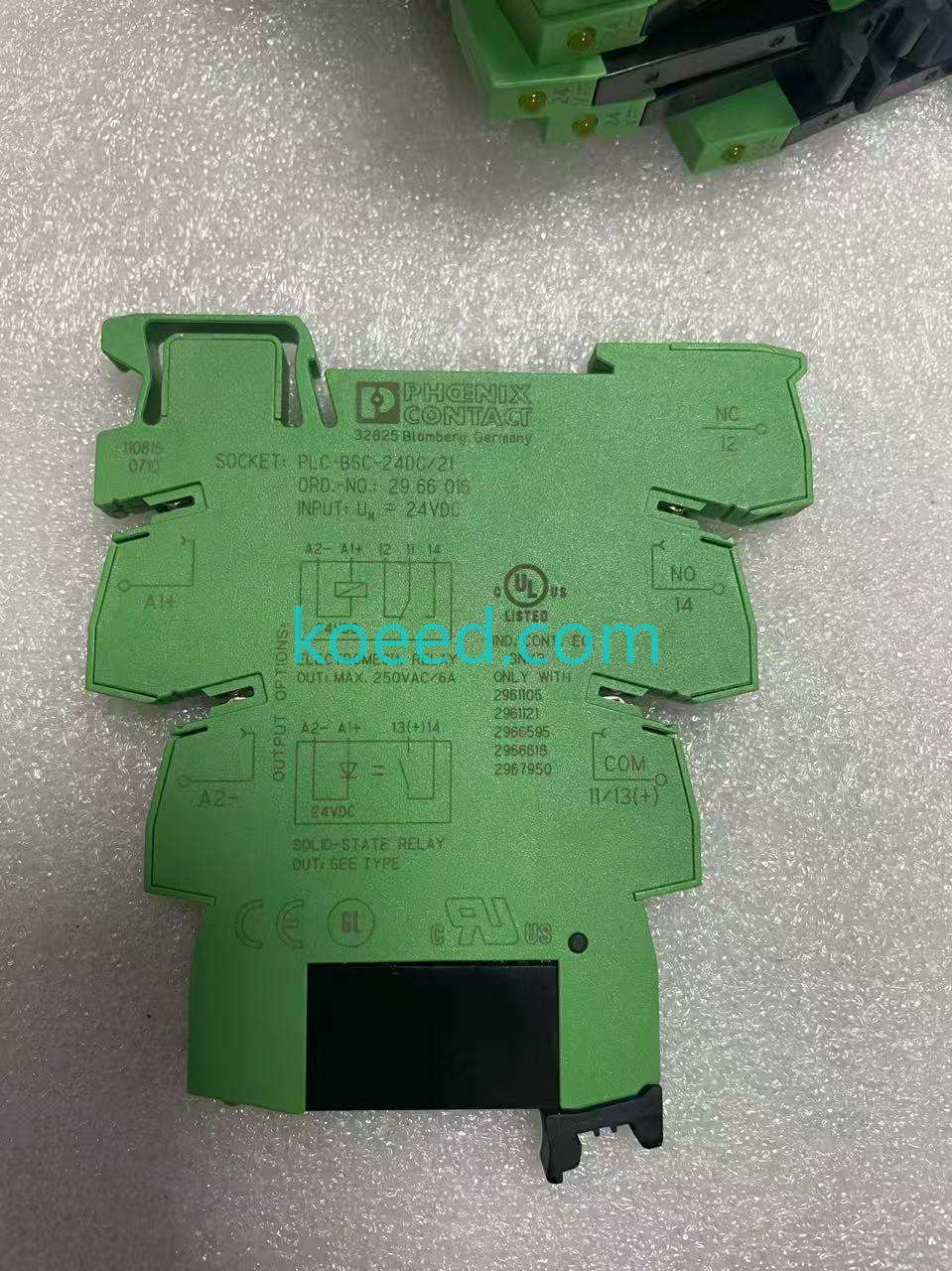
IT/OT Convergence: Integrating This Relay into Smart Factory Architectures
In 2026, the line between operational technology (OT) and information technology (IT) has virtually dissolved. The PLC-BSC-24DC/21 + NO.2967950 combination, while an "edge" component, plays a crucial role in this convergence:
Data Flow Pathway
When installed in a Phoenix Contact PLC ecosystem or comparable automation platform, the relay's switching status can be mapped to digital twin environments. The SSR's predictable behavior — free from contact bounce and mechanical degradation — makes it an ideal candidate for model-based predictive maintenance algorithms. System integrators can use the base's integrated LED status indication to wire fault-monitoring inputs back to the PLC, creating a closed-loop health monitoring circuit without additional sensors.
Edge-to-Cloud Compatibility
Through Phoenix Contact's PLCnext Control platform or third-party OPC UA gateways, relay status data can be pushed to cloud-based SCADA dashboards. This enables remote diagnostics — a maintenance engineer in Stuttgart can verify a relay's operational status on a production line in Shanghai without stepping onto the factory floor.
ROI & TCO Analysis: The Financial Case for SSR Over EMR
Procurement decisions in 2026 are driven by Total Cost of Ownership (TCO), not just upfront unit price. Here is a realistic TCO comparison for a mid-sized packaging line with 80 relay points:
| Cost Factor | 80× EMR (Legacy) | 80× PLC-BSC + SSR (2967950+2966016) |
|---|---|---|
| Initial Hardware Cost | ~$1,200 | ~$2,800 |
| Panel Space (cabinet cost allocation) | ~$960 (wider panels, more cabinets) | ~$440 (6.2mm density) |
| Annual Replacement Cost (failed relays) | ~$350 (avg. 8–12 failures/yr) | ~$20 (negligible SSR failures) |
| Downtime Cost (unscheduled line stops, 3yr) | ~$4,500 (conservative estimate) | ~$150 |
| Energy (coil hold power, 3yr, 24/7) | ~$340 | ~$140 |
| 3-Year TCO | ~$7,250 | ~$3,550 |
Bottom line: Despite a higher upfront hardware cost, the SSR-based solution delivers a 51% TCO reduction over three years. For plants targeting ISO 50001 energy management certification or pursuing sustainability-linked KPIs, the energy savings alone strengthen the business case.
Sustainability & Energy Impact
The 2967950 SSR's solid-state architecture contributes to corporate sustainability goals in measurable ways:
- Reduced e-waste: Fewer relay replacements mean fewer discarded components entering the waste stream. Over a 10-year machine lifecycle, the SSR approach prevents approximately 80–100 relay units from landfill disposal per production line.
- Lower energy consumption: SSRs eliminate coil-hold current entirely. For a facility with 500+ relay points, the annual energy savings can exceed 3,500 kWh — meaningful for EU Taxonomy-aligned sustainability reporting.
- Silent operation: In co-bot zones and human-centric work cells, the absence of mechanical clicking improves workplace ergonomics and aligns with ISO 11201 acoustic environment standards.
Maintenance & Troubleshooting Guide
Preventive Maintenance Protocol (2026 Best Practice)
Although SSRs drastically reduce maintenance, a structured inspection routine ensures maximum availability:
- Weekly visual check: Confirm green LED status on each relay module via the transparent housing. Any deviation from expected pattern triggers a Level-1 alert.
- Monthly thermal scan: Use handheld thermal camera or fixed IR sensors to check for abnormal heat buildup on SSR bodies. Typical operating temperature rise is <15°C above ambient; >25°C indicates possible overload or poor contact.
- Quarterly terminal torque check: Screw terminals on the 2966016 base should be re-torqued to Phoenix Contact specification (0.5–0.6 Nm) to prevent resistance escalation.
- Annual full-cycle test: Simulate load switching via PLC Forcing Table, monitoring output voltage and switching delay. Log results for trend analysis.
Common Troubleshooting Scenarios
SSR does not switch – LED on
Possible cause: Load voltage absent or output fuse blown. Verify that the load circuit is energized and check the fuse. Also inspect for loose wiring on output terminals of the base.
SSR fires continuously without control signal
Possible cause: Leakage current from the control side exceeding the SSR's minimum holding current. Check for induced voltages in long cable runs; install a suppressor diode across the input coil if necessary.
Intermittent operation
Possible cause: Corroded screw terminals or cold solder joint inside the base. Retighten terminals and, if condition persists, replace the base module (2966016) – the pluggable design makes this a 30-second job.
Frequently Asked Questions (2026 Edition)
Can the NO.2967950 SSR handle inductive loads like solenoid valves?
Yes, but with derating. The SSR is rated for resistive and slightly inductive loads. For highly inductive loads, install an external freewheeling diode or varistor across the load to protect the SSR's output semiconductor. Refer to the load curve in Phoenix Contact's application note.
Is this combination compatible with Phoenix Contact's Push-in technology bases?
The NO.2966016 base uses screw terminals. If you require tool-free wiring, consider the PLC-BPT-24DC/21 series (push-in terminal bases) which accept the same plug-in SSR modules, offering full backward compatibility.
How do I connect this relay to a PLC output module?
Wire the PLC's 24V DC digital output to the A1 terminal, and the A2 terminal to 0V. The base's polarity protection diode ensures no damage even if polarity is reversed. The output circuit (NO contact) is wired to terminals 12 and 14.
Conclusion & Next Steps
The Phoenix Contact PLC-BSC-24DC/21 + NO.2967950 relay combination is more than an upgrade — it's a strategic move toward future-proof, data-driven automation. Whether you're retrofitting legacy panels or designing greenfield smart factories, this 6.2mm duo delivers unmatched reliability, energy savings, and IIoT readiness. As the industry accelerates toward 2030 digitalization targets, choosing solid-state switching over electromechanical relays is becoming the default standard.
Ready to Retrofit or Spec for Your Next Project?
Get the latest pricing, lead times, and volume discounts for NO.2966016 and NO.2967950.


