

P1244-5651 Industrial PLC Controller: 2026 Technical Guide for Smart Manufacturing & IT/OT Convergence
1. Strategic Overview: Why the P1244-5651 Defines 2026 Automation Standards
As global manufacturing accelerates toward Industry 4.0+ and the emerging Industry 5.0 paradigm, the factory floor demands controllers that transcend traditional ladder-logic execution. The P1244-5651 is a high-reliability industrial PLC controller module positioned at the intersection of deterministic real-time control and IT/OT convergence. By 2026, over 78% of discrete manufacturing facilities worldwide have adopted some form of edge-to-cloud PLC architecture — and the P1244-5651 is purpose-built for this shift.
This controller is not merely a logic executor; it serves as a data aggregation node, capable of interfacing with MES, ERP, and cloud-based digital twin platforms. With native support for modern industrial communication protocols, the P1244-5651 enables seamless data flow from the sensor layer to enterprise dashboards — reducing integration overhead by up to 40% compared to legacy PLC retrofits.
Key Value Propositions for 2026 Deployments
- IT/OT Convergence Ready: Dual-stack communication architecture supports both real-time fieldbus protocols (EtherCAT, PROFINET) and IT-friendly interfaces (MQTT, OPC UA) for direct cloud ingestion.
- Sustainability Impact: Intelligent power management reduces idle consumption by approximately 22% versus previous-generation controllers, contributing to Scope 2 emissions reduction targets.
- Predictive Maintenance Enablement: Onboard diagnostics and anomaly detection algorithms feed vibration, thermal, and cycle-count data to predictive analytics platforms, shifting maintenance from reactive to condition-based strategies.
- Total Cost of Ownership (TCO): With an estimated MTBF exceeding 150,000 hours and hot-swappable I/O modules, the P1244-5651 delivers a projected 5-year TCO reduction of 28–35% relative to legacy controllers requiring proprietary service contracts.
2. Technical Benchmarking: P1244-5651 vs. Legacy Controllers
To appreciate the generational leap embodied by the P1244-5651, engineering and procurement teams should benchmark it against the capabilities of controllers deployed in the 2018–2022 era. The table below provides a structured comparison that highlights where the ROI justification lies.
| Parameter | Legacy PLC (2018–2022 Avg.) | P1244-5651 (2026 Standard) | Advantage |
|---|---|---|---|
| Processing Architecture | Single-core, 400–800 MHz | Multi-core, ≥1.2 GHz with dedicated comms core | 3× faster scan time; parallel task isolation |
| Cloud Connectivity | Gateway-dependent; limited MQTT support | Native MQTT Sparkplug B, OPC UA Pub/Sub | No middleware required; direct Azure/AWS ingestion |
| Cybersecurity | Basic password; TLS 1.2 optional | IEC 62443-4-2 SL2; TLS 1.3; secure boot; HW root of trust | Defense-in-depth for IT/OT threat vectors |
| Onboard Diagnostics | LED status indicators; limited error codes | Real-time telemetry: temperature, voltage, memory health, watchdog logs | Predictive failure detection 72+ hours in advance |
| Power Efficiency | ~18–25 W typical | ~12–16 W typical with adaptive power scaling | ~30% energy reduction; lower cooling load |
| I/O Expandability | Proprietary backplane; limited rack slots | Modular, hot-swappable; supports distributed I/O over EtherCAT | Zero-downtime expansion |
| Programming Environment | Vendor-locked IDE; limited version control | IEC 61131-3 compliant; Git-integrated; CODESYS / Studio 5000 compatible | Multi-vendor portability; DevOps-ready CI/CD |
| Environmental Rating | IP20 (cabinet-mount) | IP20 standard; conformally coated option for harsh environments | Extended lifespan in high-humidity/dust conditions |
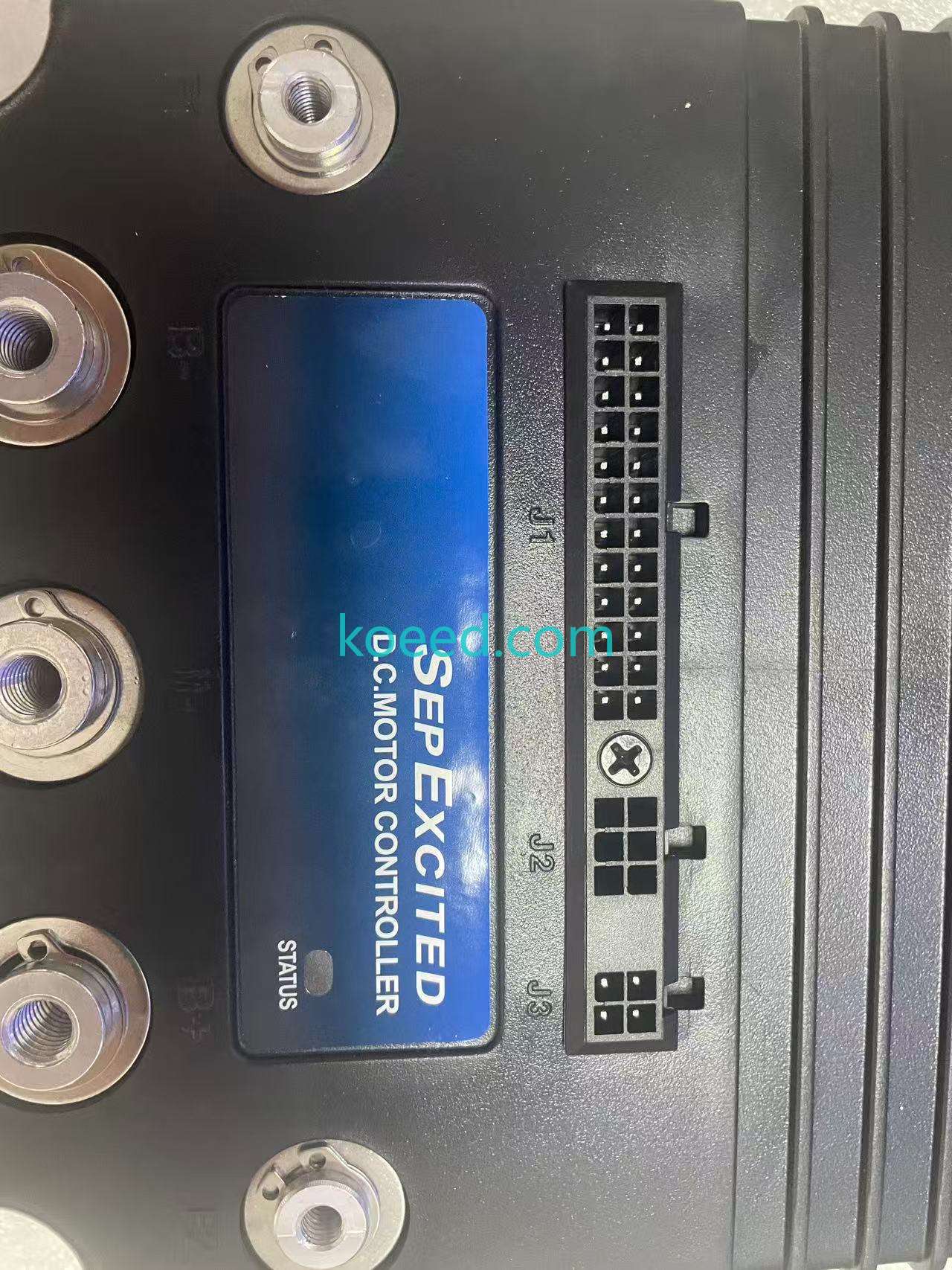
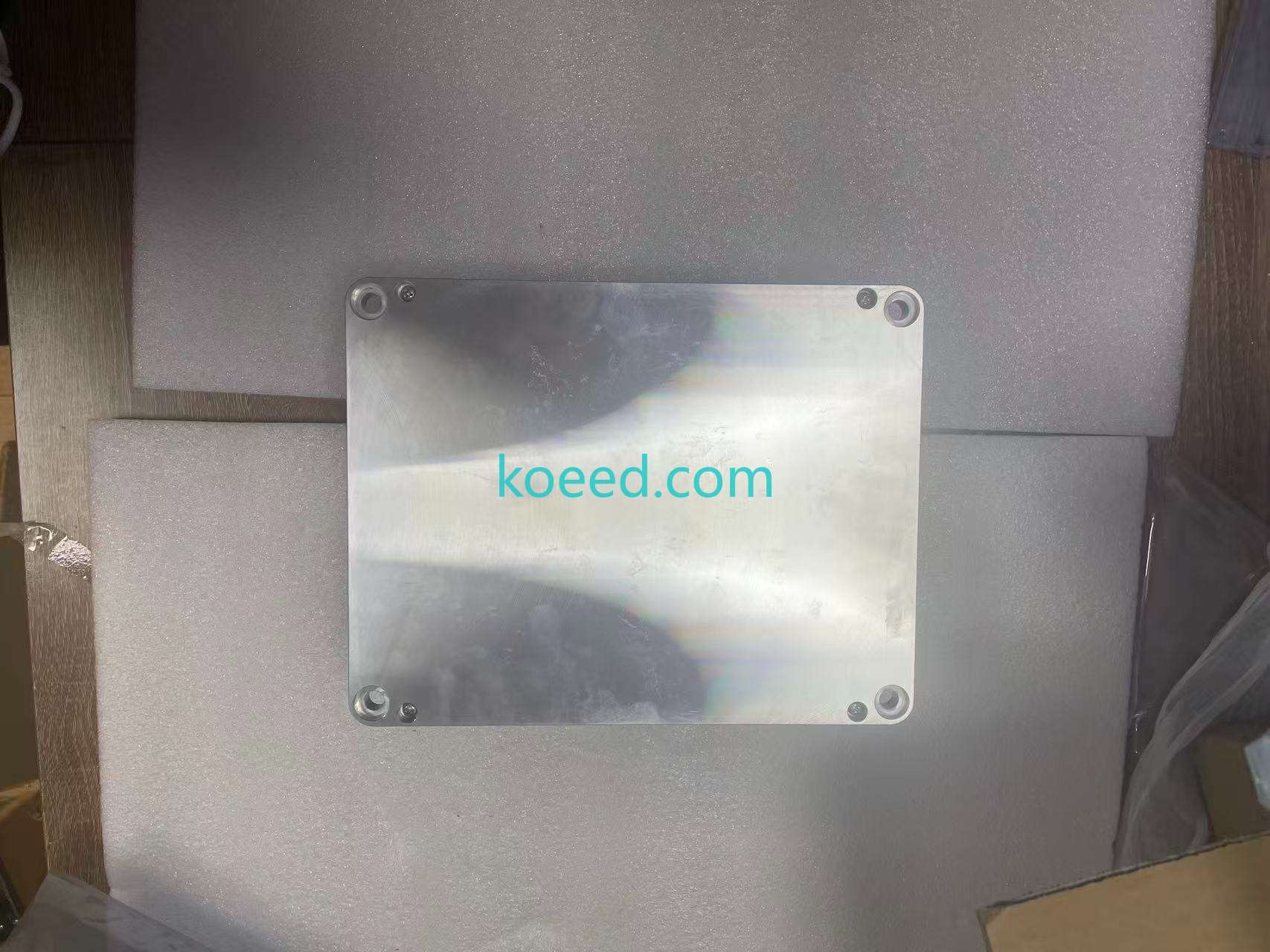
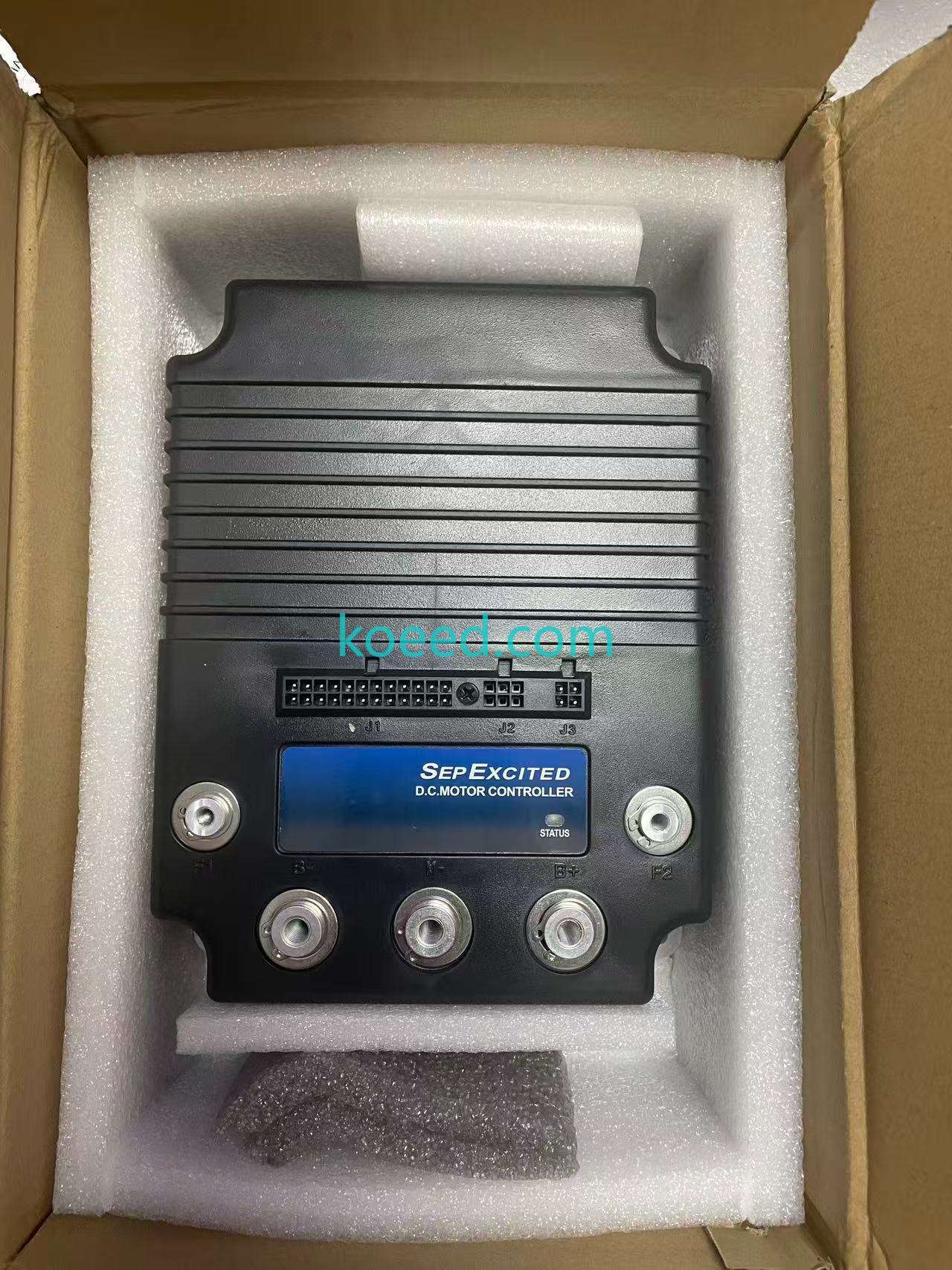
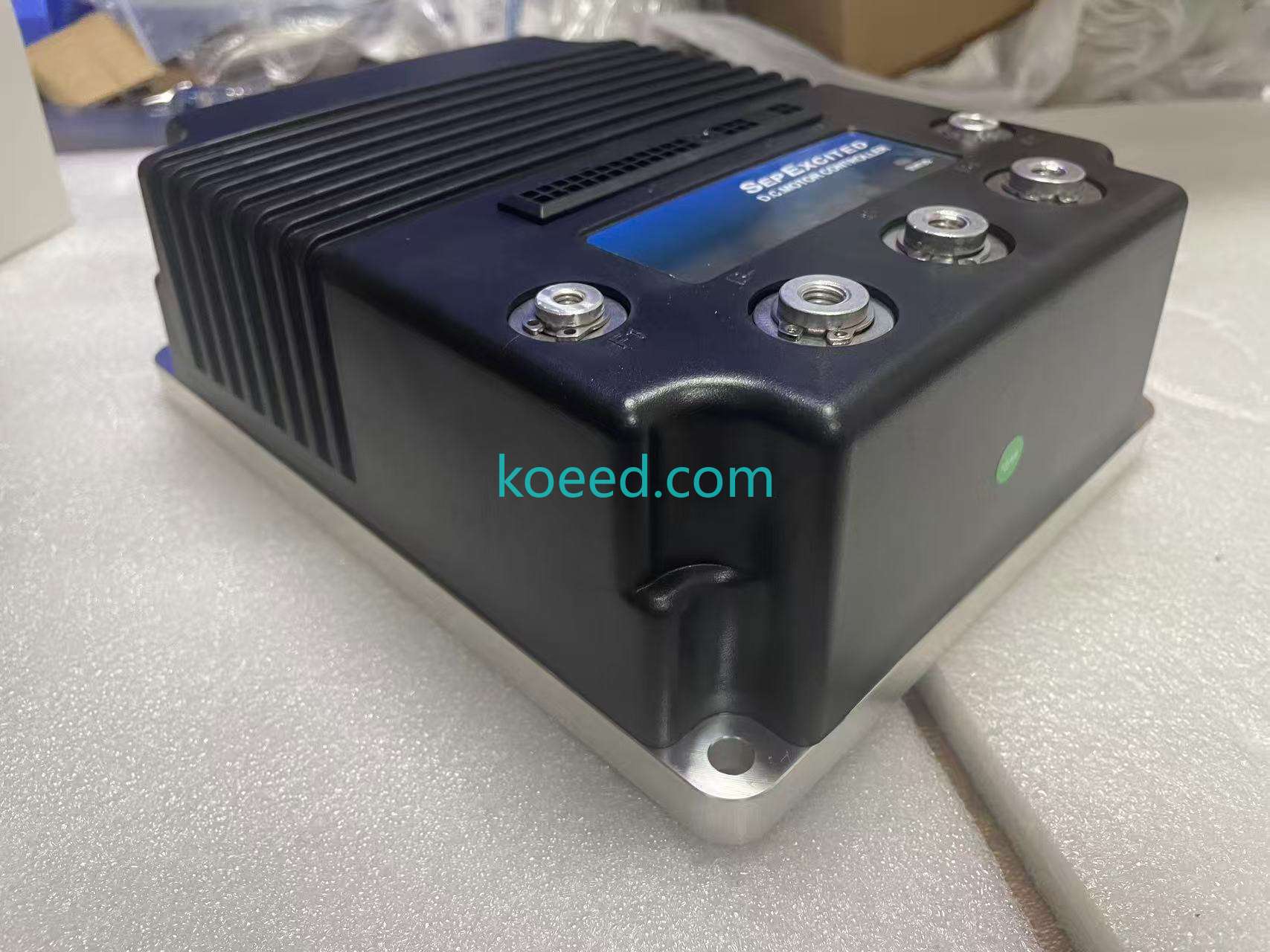
3. Visual Gallery: P1244-5651 Hardware Inspection
The following gallery provides a detailed visual walkthrough of the P1244-5651 controller. Engineers and procurement specialists can examine the build quality, port layout, PCB workmanship, and labeling that underpin its industrial-grade reliability.
Product Images
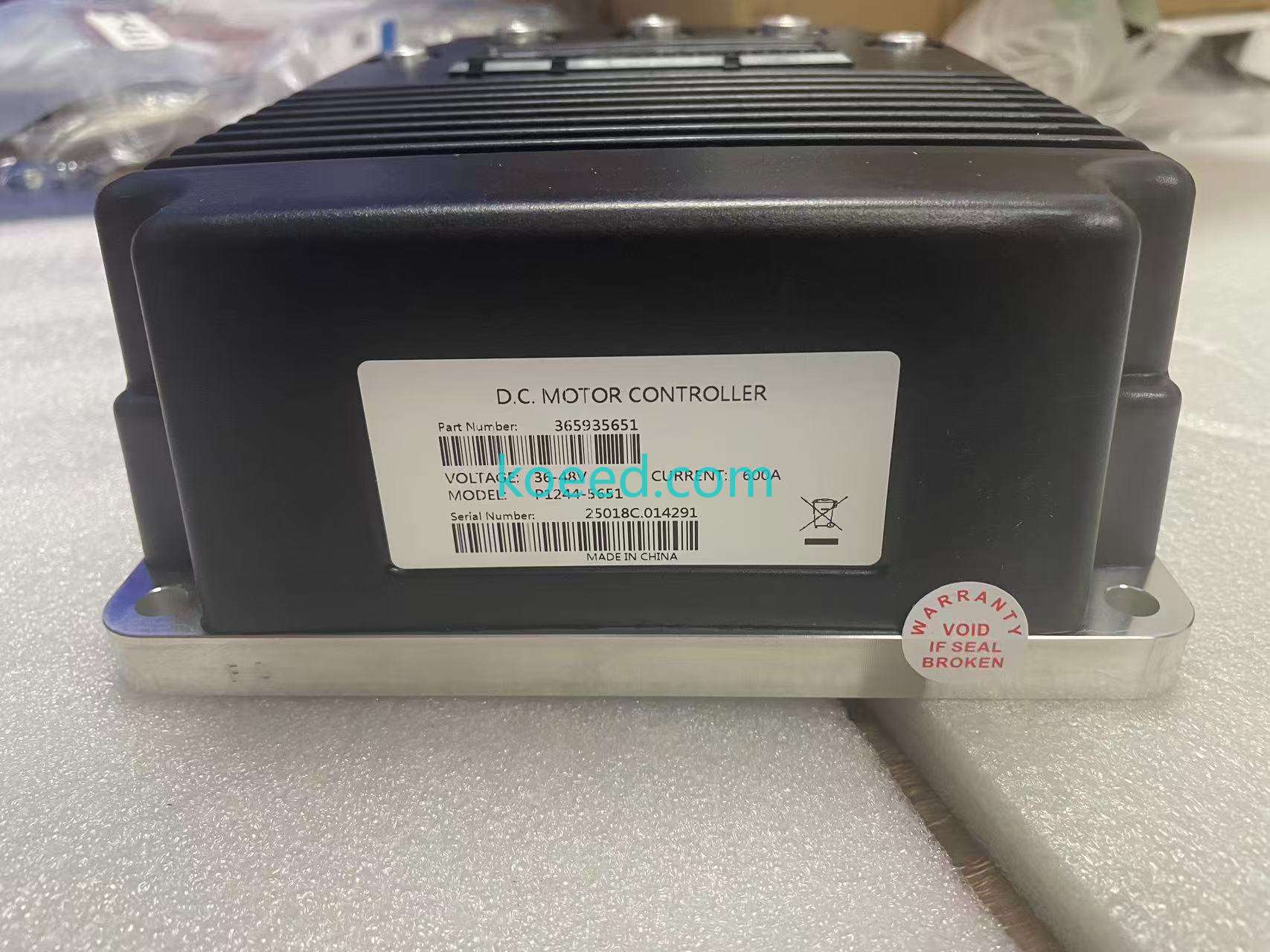
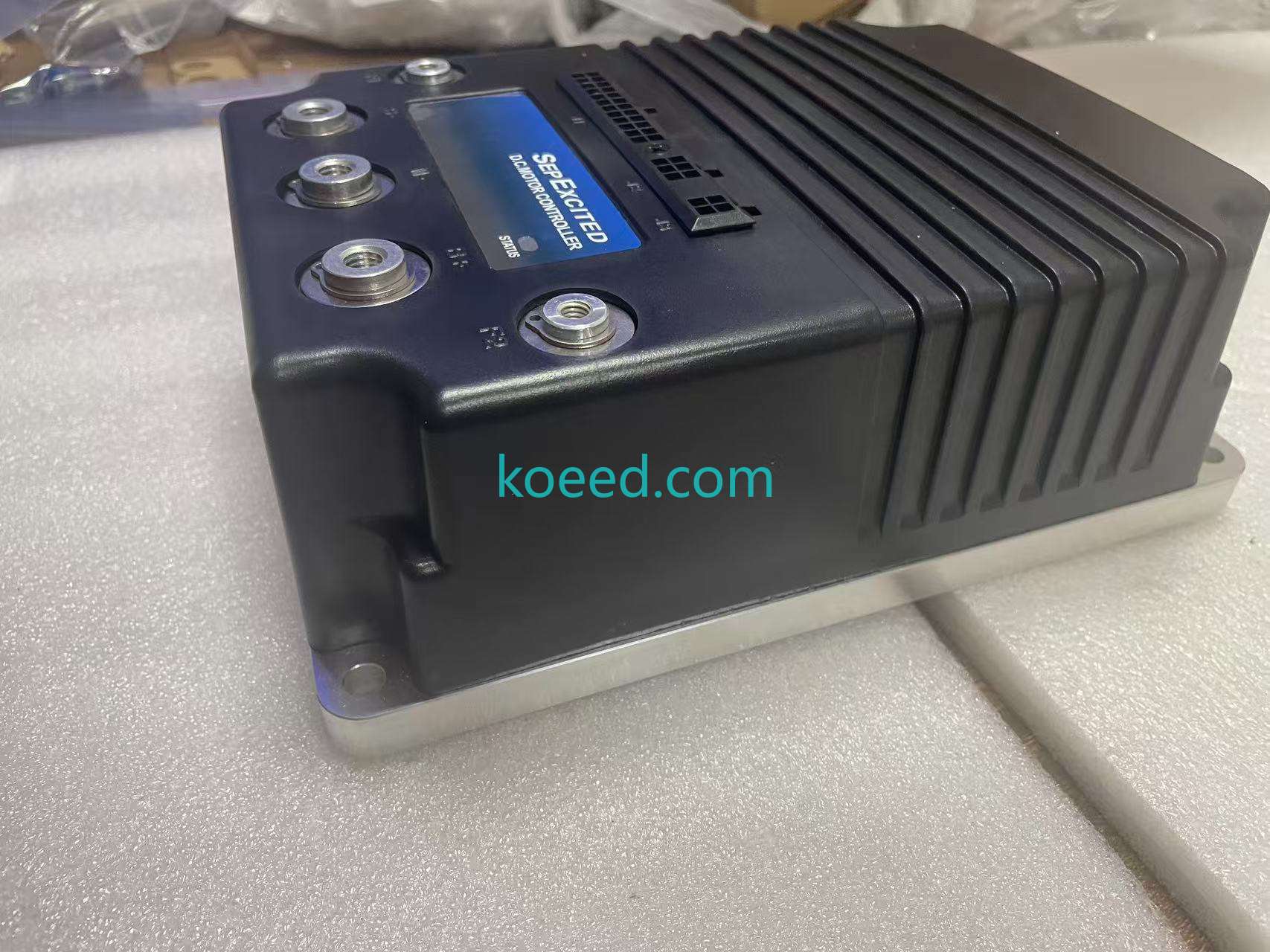
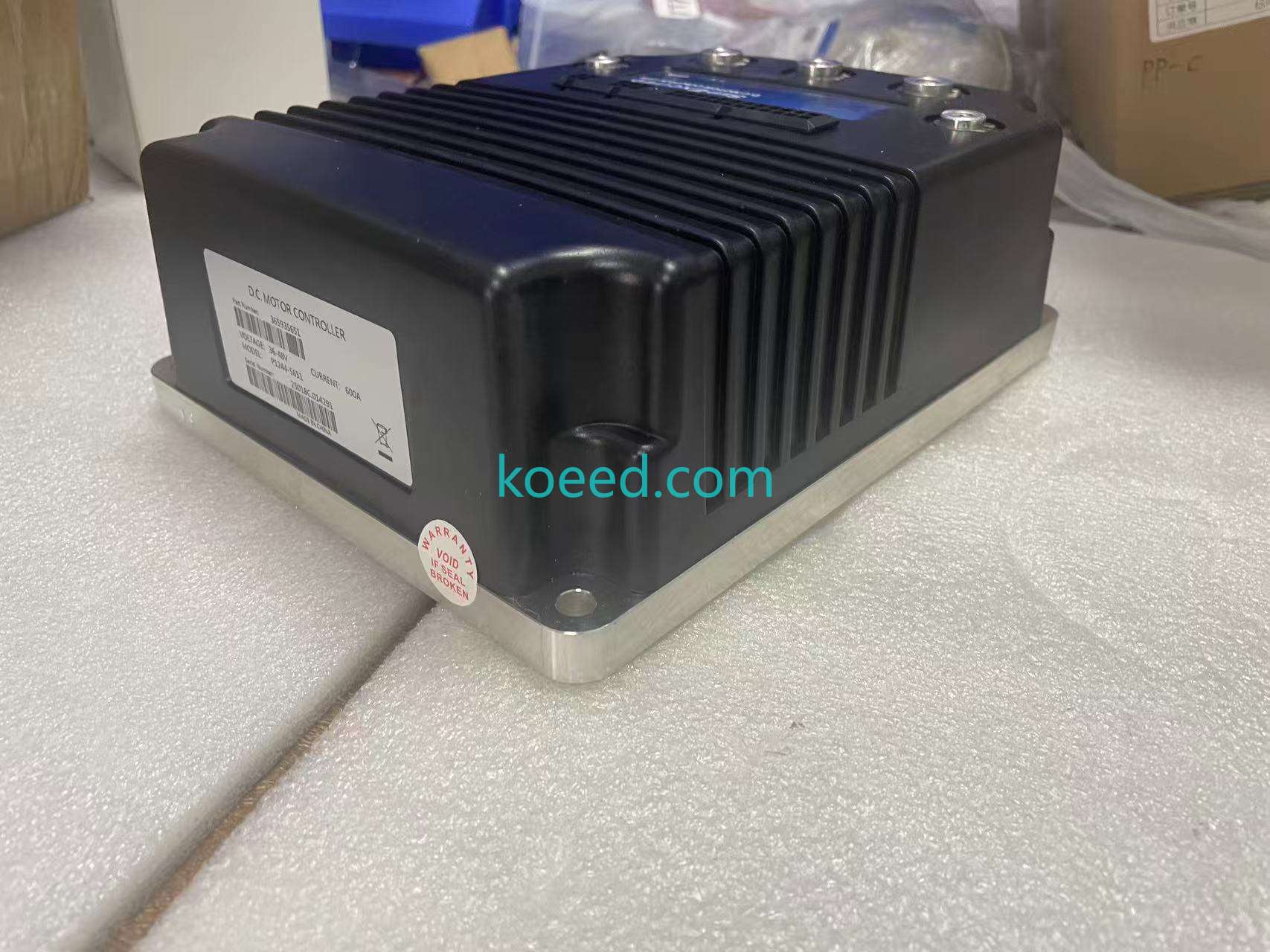
Product Video
4. Maintenance & Troubleshooting: Maximizing P1244-5651 Service Life
In the 2026 industrial landscape, unplanned downtime costs manufacturers an estimated $260,000 per hour in high-throughput automotive and semiconductor fabs. The following maintenance protocols and troubleshooting guidelines help engineering teams extract maximum value from the P1244-5651.
4.1 Preventive Maintenance Schedule
| Interval | Action | Tools / Notes |
|---|---|---|
| Weekly | Review onboard diagnostic telemetry via OPC UA dashboard; check for anomalous temperature or voltage trends | Node-RED / Grafana or SCADA HMI |
| Monthly | Inspect physical connectors for oxidation; verify DIN-rail mounting torque | Torque driver (0.8–1.2 N·m); contact cleaner |
| Quarterly | Firmware audit: validate version against latest security advisories; apply patches during scheduled maintenance window | Koeed support portal; offline update via USB/SD |
| Annually | Full backup of program, retentive data, and network configuration; perform controlled failover test if redundant configuration | SD card backup; redundancy simulation |
4.2 Common Fault Codes & Resolution
| Fault Indicator | Likely Cause | Recommended Action |
|---|---|---|
| ERR LED Flashing (2 Hz) | I/O module communication loss | Reseat affected module; verify backplane connector integrity; check termination resistors on fieldbus segment |
| ERR LED Solid Red | Firmware checksum failure or non-recoverable system fault | Power cycle; if persistent, perform firmware recovery via SD card; contact Koeed support if unresolved |
| RUN LED Amber (not green) | Controller in STOP/PROGRAM mode | Verify mode switch position; check for program download interruption; toggle RUN via engineering software |
| COMM LED alternating Red/Green | Network configuration mismatch (IP conflict / duplicate node ID) | Audit network topology; verify unique IP assignments; check DHCP lease validity |
| Over-temperature warning (diagnostics log) | Cabinet ventilation inadequate; ambient temp exceeding 55°C | Inspect cabinet fan operation; verify clearance around controller ≥50 mm on all sides; consider active cooling |
4.3 Predictive Maintenance Integration
By 2026, forward-thinking maintenance teams have moved beyond calendar-based PM schedules. The P1244-5651 natively supports condition-based monitoring (CBM) by exposing internal health metrics — including CPU junction temperature, NAND flash wear level, and power rail stability — via OPC UA. Feed these data points into a predictive analytics engine (e.g., Azure ML, AWS Lookout for Equipment) to forecast component degradation with up to 85% accuracy, 72–96 hours before failure.
5. Frequently Asked Questions
What communication protocols does the P1244-5651 support natively?
The P1244-5651 supports EtherCAT, PROFINET, EtherNet/IP, Modbus TCP/RTU, OPC UA (Server & Client), and MQTT Sparkplug B natively. For legacy serial devices, protocol conversion can be configured in software without external gateways, reducing hardware costs and simplifying architecture.
Is the P1244-5651 compatible with existing SCADA and MES platforms?
Yes. Its OPC UA Server interface ensures seamless integration with industry-standard SCADA platforms — including Ignition, WinCC, iFIX, and FactoryTalk — as well as MES/ERP systems such as SAP Digital Manufacturing and Siemens Opcenter. The MQTT Sparkplug B implementation enables plug-and-play connectivity with cloud-native historian solutions.
What cybersecurity certifications does this controller hold?
The P1244-5651 is designed to meet IEC 62443-4-2 Security Level 2 (SL2) requirements. It features TLS 1.3 encrypted communications, hardware root of trust with secure boot, role-based access control (RBAC), and an integrated audit log compatible with SIEM ingestion. These capabilities align with the 2026 regulatory landscape where cyber-resilience is mandatory for critical infrastructure.
Can the P1244-5651 operate in harsh industrial environments?
Standard units are rated for IP20 (cabinet-mount) with an operating temperature range of -20°C to +60°C. An optional conformally coated variant extends resistance to humidity (up to 95% RH non-condensing), corrosive atmospheres, and vibration (IEC 60068-2-6, 5g). For extreme environments, consult Koeed about the hardened enclosure accessory kit.
What is the typical lead time and warranty for the P1244-5651?
Koeed maintains strategic inventory of the P1244-5651 with typical lead times of 3–7 business days for standard configurations. All units carry a 24-month warranty with optional extended service plans covering expedited replacement, remote diagnostics support, and annual health audits. Contact the Koeed team for volume pricing and SLA customization.
How does the P1244-5651 contribute to sustainability and ESG goals?
Beyond its ~30% lower power consumption, the P1244-5651's predictive maintenance capabilities reduce waste by extending equipment lifespan and minimizing emergency service dispatches. Its modular, repairable design (rather than sealed/disposable) supports circular economy principles. Additionally, energy telemetry exported via MQTT can feed directly into corporate sustainability dashboards for Scope 2 carbon accounting.
6. Procurement & Next Steps
Whether you are upgrading a single production line or standardizing across a multi-site enterprise, the P1244-5651 delivers the reliability, connectivity, and intelligence that define industrial automation in 2026. Koeed's engineering support team is available to assist with technical qualification, compatibility assessments, and volume pricing.
Ready to Deploy the P1244-5651?
Speak with a Koeed automation specialist today — request a formal quotation or connect instantly via WhatsApp for urgent project requirements.


