

GHY 133N PLC: The 2026 Guide to Compact Industrial Automation, IT/OT Convergence & Predictive Control
Strategic Overview: The GHY 133N in the 2026 Industrial Landscape
As manufacturing floors evolve into fully connected, data-driven ecosystems, the role of the Programmable Logic Controller (PLC) has never been more strategic. The GHY 133N — available exclusively through Koeed — represents a new class of compact yet formidable industrial automation controllers purpose-built for the demands of 2026 and beyond. Whether you are modernizing a legacy production line or deploying a greenfield smart factory, the GHY 133N bridges the critical gap between operational technology (OT) on the plant floor and information technology (IT) in the cloud.
What sets the GHY 133N apart in today's crowded PLC market is its uncompromising balance of processing power, communication flexibility, and energy efficiency. Designed with a modern multi-core architecture, this controller handles complex sequential logic, motion profiling, and real-time data logging simultaneously — without the latency penalties that plague older-generation micro-PLCs. For system integrators and plant engineers, this means fewer controllers per cell, reduced cabinet footprint, and streamlined commissioning workflows.
The GHY 133N arrives at a pivotal moment. With global Industry 5.0 frameworks emphasizing human-centric automation and sustainability, this PLC's sub-8W typical power draw and RoHS-compliant construction align with corporate ESG mandates without sacrificing deterministic I/O scan rates. It supports the major industrial Ethernet protocols, making it a drop-in retrofit candidate for facilities currently running Profinet, EtherNet/IP, or Modbus TCP infrastructures.
Technical Benchmarking: GHY 133N vs. Legacy Compact PLCs
To appreciate the GHY 133N's engineering pedigree, it helps to benchmark it against the compact PLCs that dominated the 2018–2023 era. The table below highlights key differentiators that directly impact machine performance and lifecycle costs.
| Parameter | GHY 133N (2026 Edition) | Legacy Compact PLC (2018–2023 Avg.) | Advantage |
|---|---|---|---|
| Program Memory | 256 KB (expandable) | 64–128 KB typical | ✅ 2–4× capacity |
| I/O Scan Cycle | ≤ 0.08 ms/K instruction | 0.15–0.30 ms/K | ✅ 2–3× faster |
| Industrial Ethernet | Profinet, EtherNet/IP, Modbus TCP, OPC UA | Typically 1–2 protocols | ✅ Multi-protocol native |
| Cloud Connectivity | MQTT + REST API (built-in) | Gateway required | ✅ Direct IIoT integration |
| Power Consumption | ≤ 8 W (typical) | 12–18 W typical | ✅ ~50% energy savings |
| Ambient Temp. Range | −20°C to +65°C | 0°C to +55°C typical | ✅ Extended operational envelope |
| Predictive Maintenance | Onboard condition-monitoring registers | External modules needed | ✅ Native diagnostics |
| Programming Environment | IEC 61131-3 (LD, FBD, ST, SFC, IL) | IEC 61131-3 (partial) | ✅ Full language suite |
The GHY 133N's native OPC UA and MQTT support deserves special emphasis. In 2026, these two protocols have become the de facto standards for IT/OT convergence — OPC UA for structured, secure data modeling and MQTT for lightweight, high-frequency telemetry to cloud platforms such as AWS IoT Core, Azure IoT Hub, and on-premise SCADA historians. The GHY 133N eliminates the need for an intermediate edge gateway, simplifying architecture and reducing points of failure.
Visual Gallery: GHY 133N Hardware & Interface
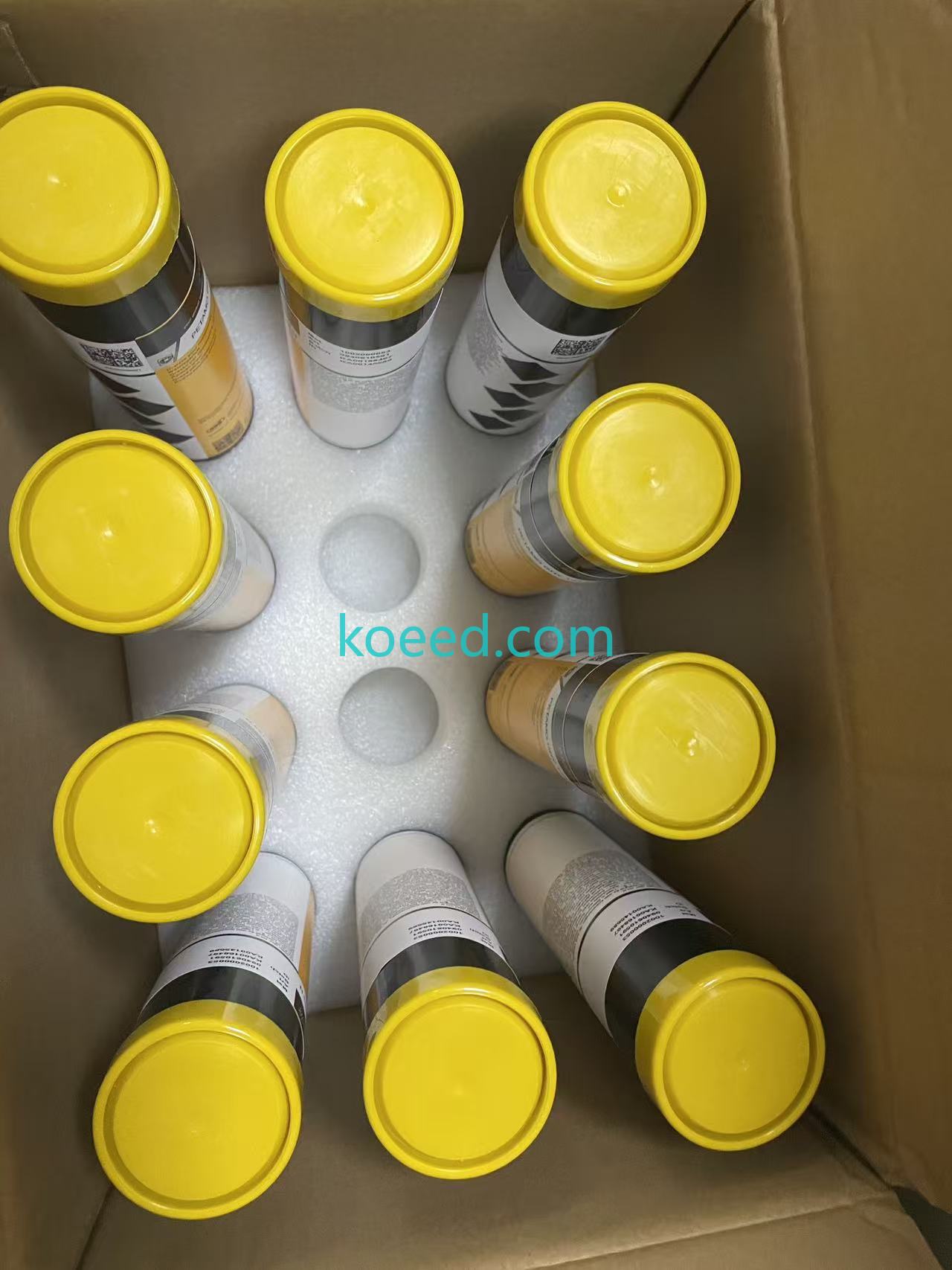
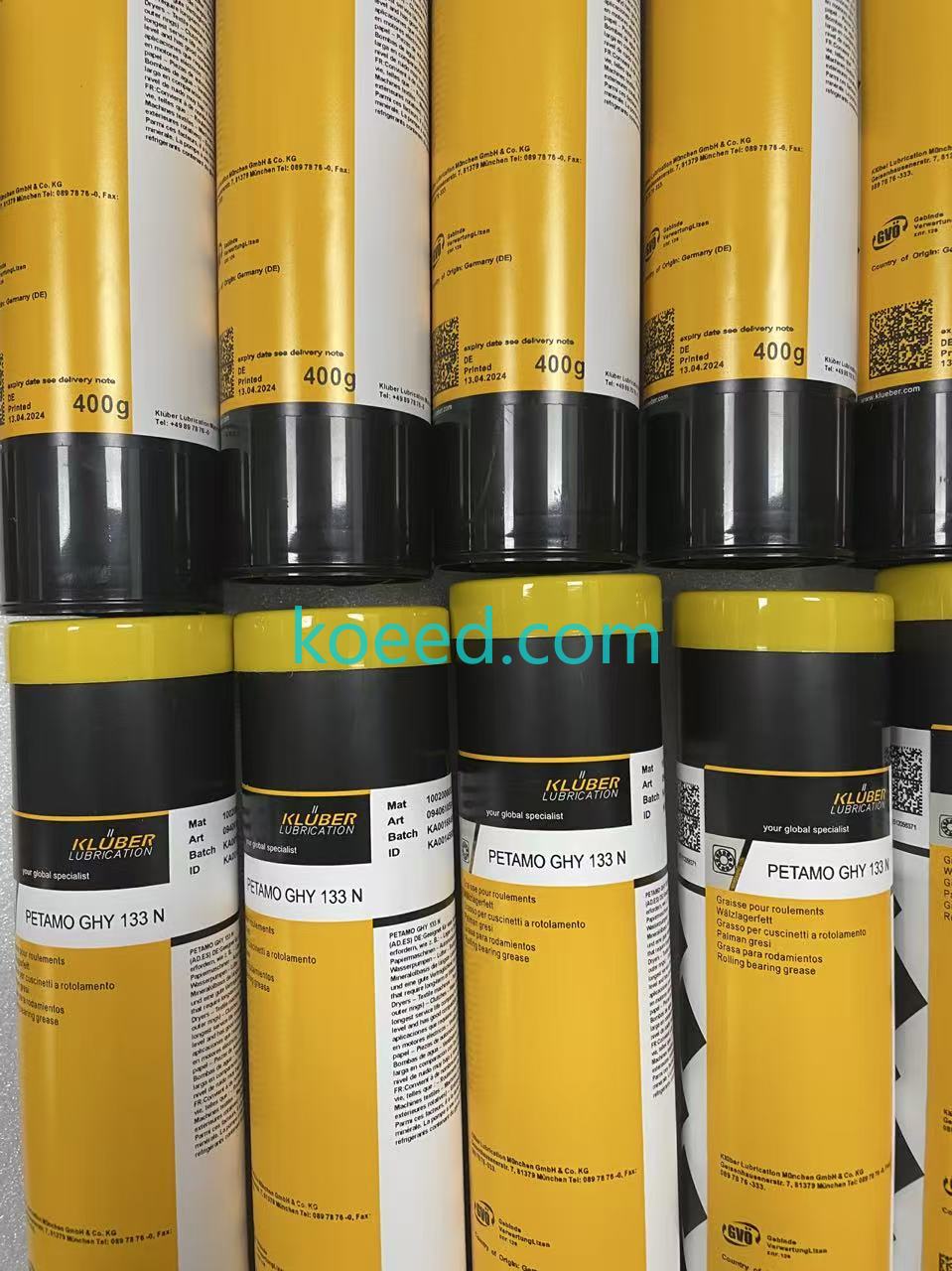
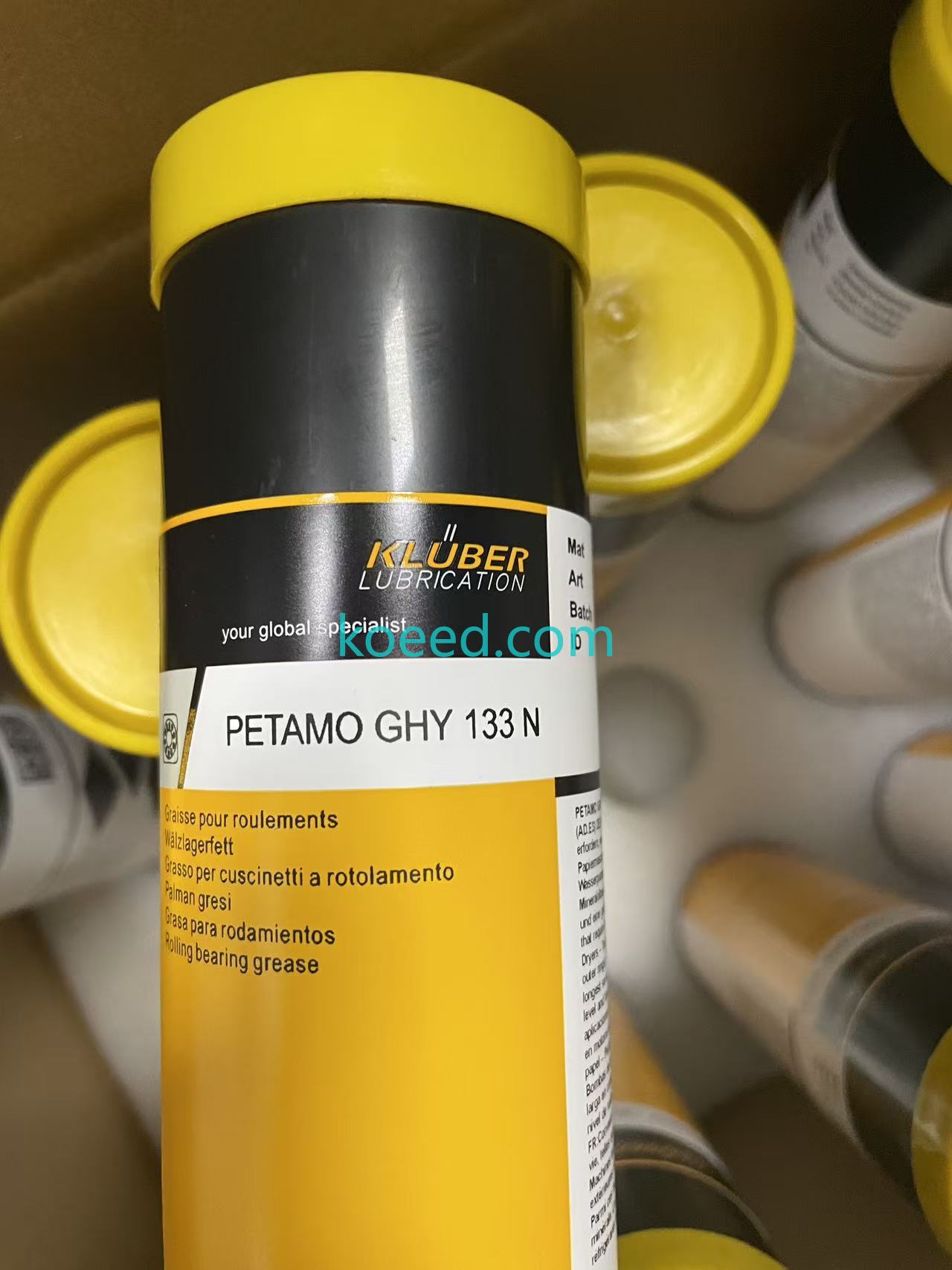
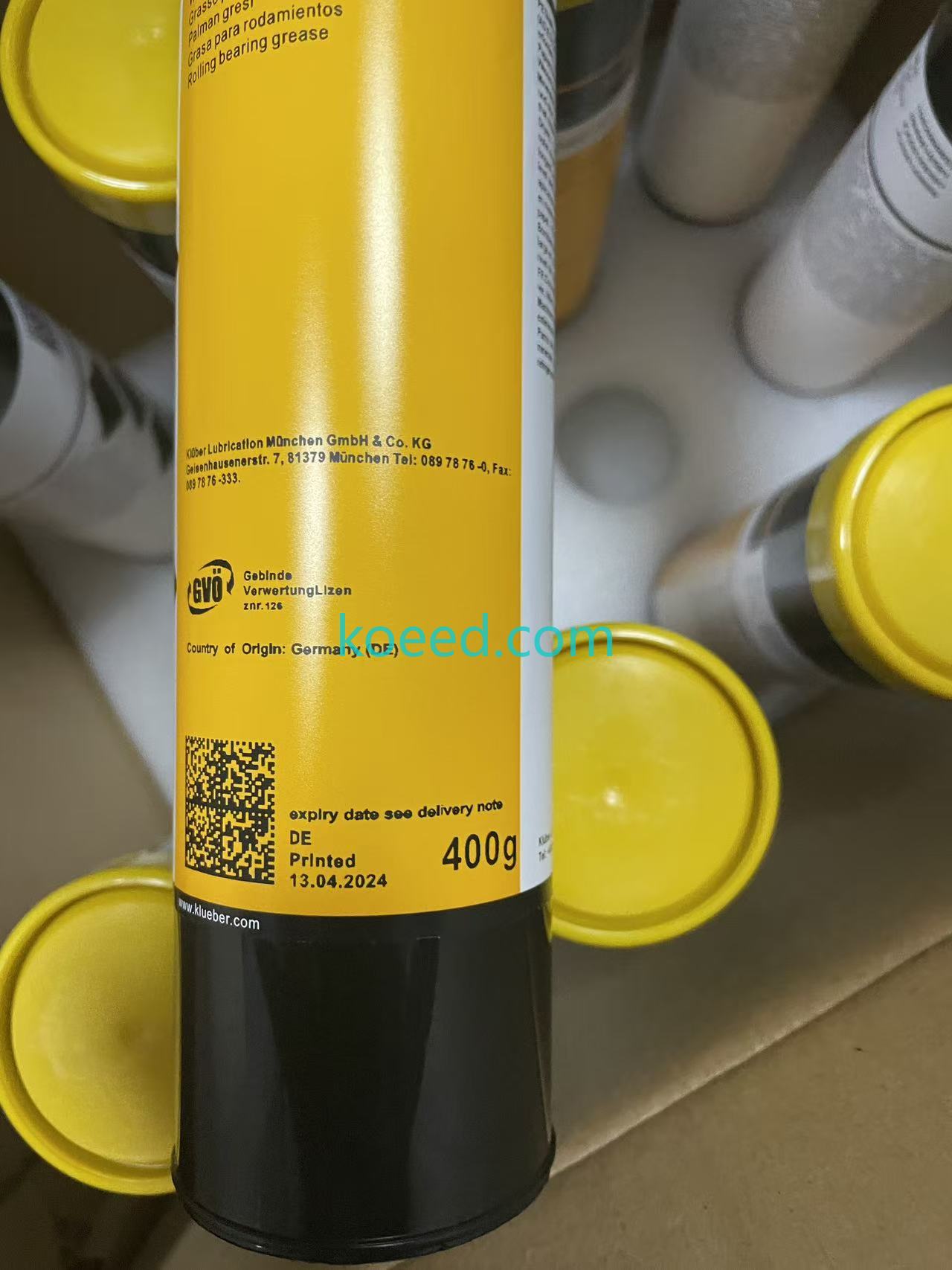
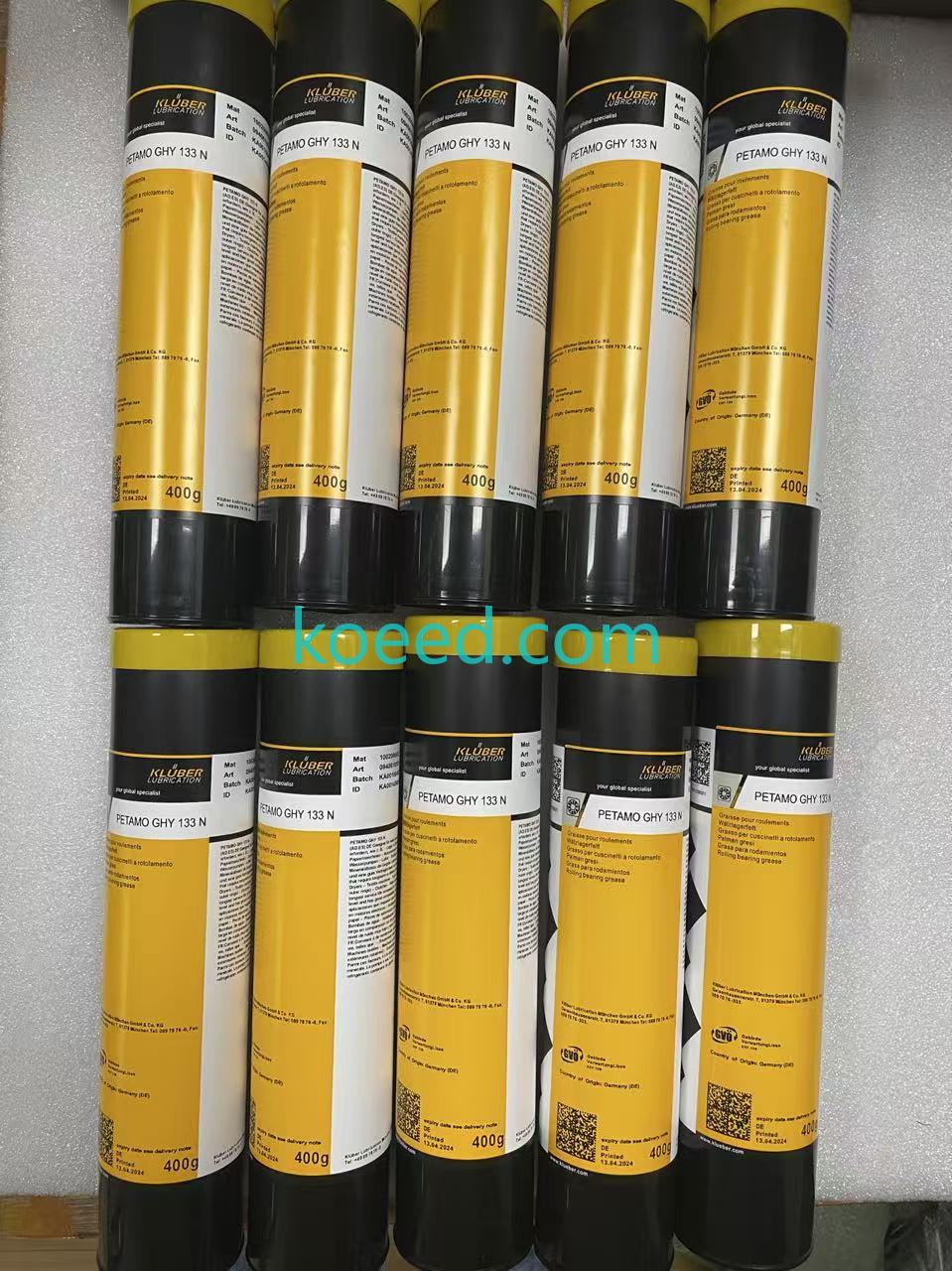
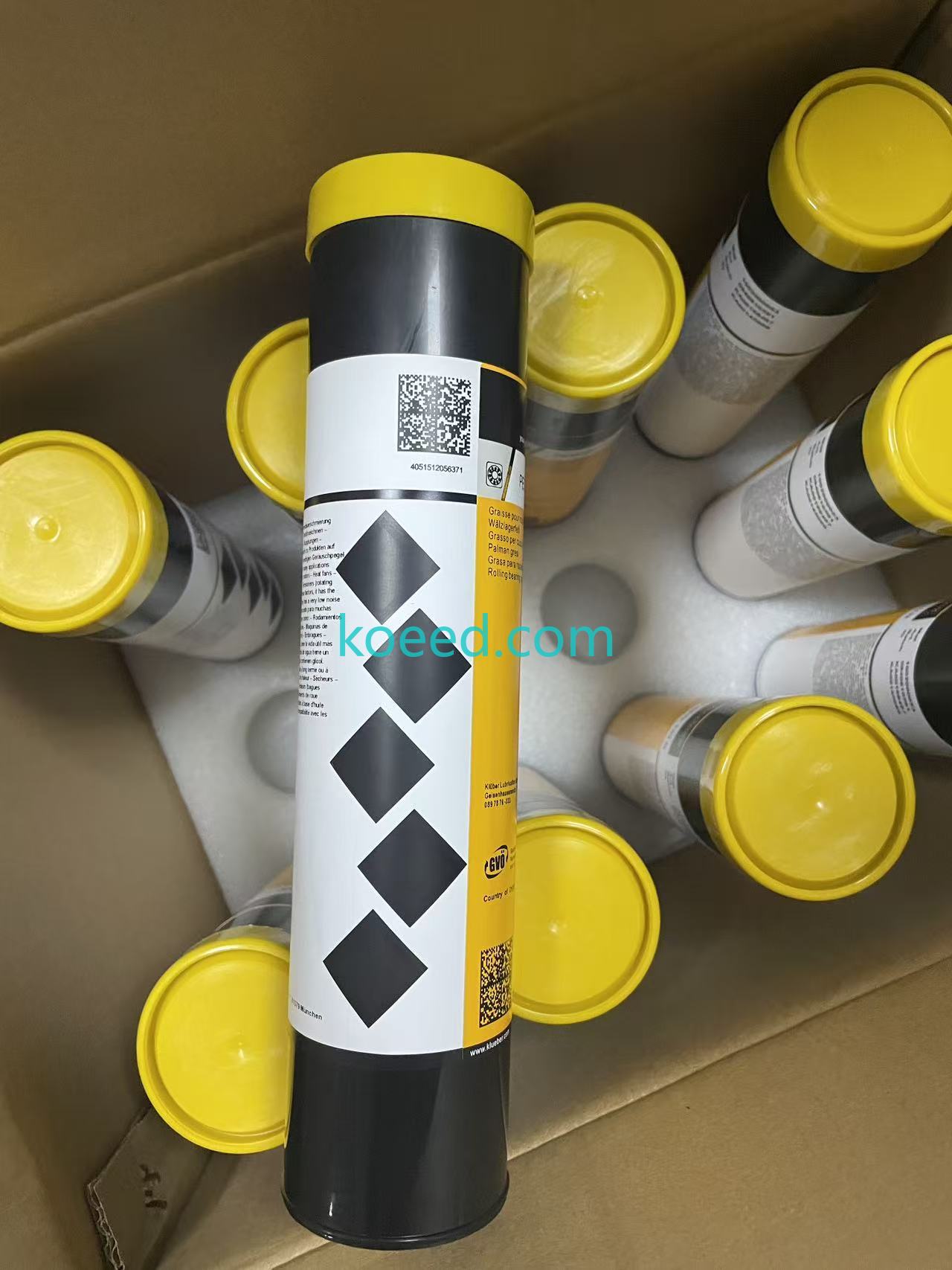
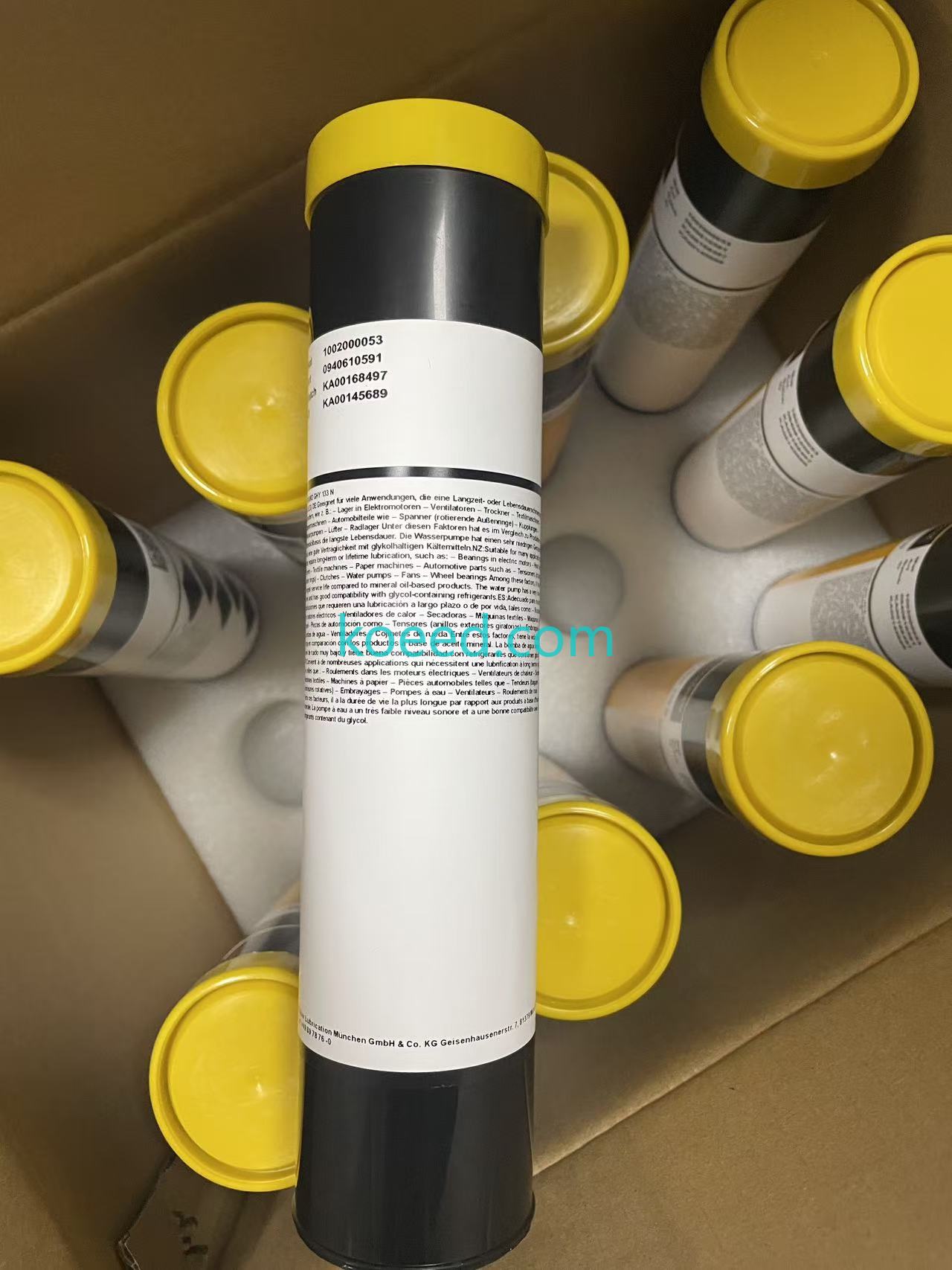
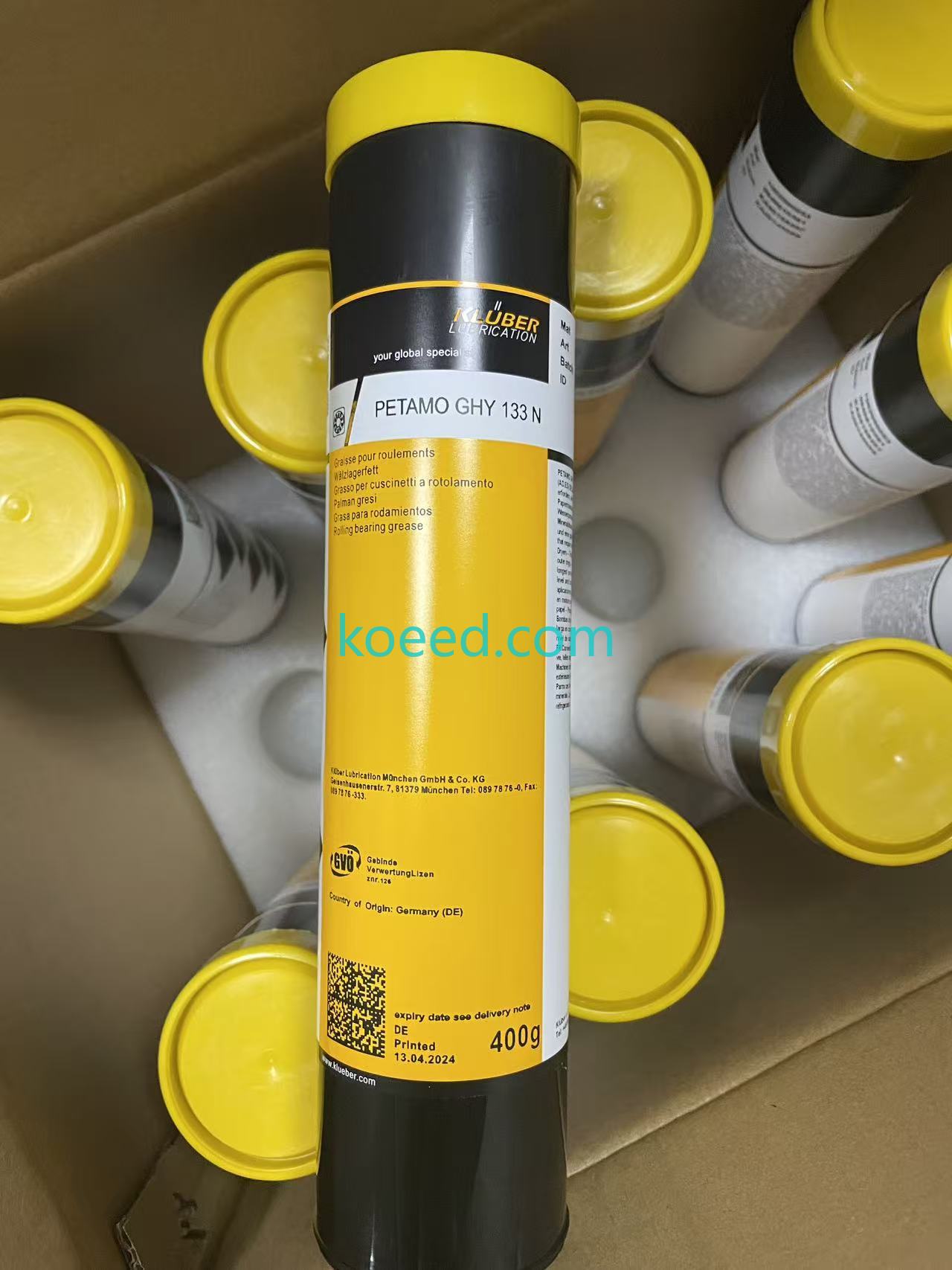
Below is the complete visual reference for the GHY 133N PLC. Click any image to enlarge. These photographs capture the unit's form factor, I/O terminal layout, status LED array, and DIN-rail mounting configuration.
Product Demonstration Video
IT/OT Convergence: How the GHY 133N Connects to Your Digital Ecosystem
By 2026, the line between factory-floor control and enterprise-level data systems has all but vanished. The GHY 133N embraces this convergence with a communication stack designed for bidirectional, secure data flow:
Cloud & SCADA Integration Pathways
- OPC UA (Server + Client): Expose structured tag data to SCADA, MES, and ERP systems with certificate-based security. The GHY 133N's OPC UA implementation supports both DA (Data Access) and HA (Historical Access) profiles, enabling trend analysis without middleware.
- MQTT Sparkplug B: For high-frequency telemetry (≥ 100 ms intervals), the GHY 133N publishes payloads directly to an MQTT broker. Sparkplug B compliance ensures plug-and-play interoperability with Ignition, Kepware, and other leading IIoT platforms.
- REST API Endpoint: Retrieve controller status, cycle counts, and diagnostic registers via simple HTTP GET requests — ideal for custom dashboards and mobile maintenance apps.
Predictive Maintenance: Moving Beyond Reactive Repairs
Unplanned downtime remains the single largest hidden cost in discrete manufacturing — averaging $260,000 per hour in automotive tier-1 supplier environments as of 2026 benchmarks. The GHY 133N addresses this with onboard condition-monitoring registers that track:
- Internal temperature trends (with configurable warning/critical thresholds)
- Power supply voltage drift (early indicator of PSU degradation)
- Backplane communication error counters (preempts I/O module failures)
- Program scan time deviation (flags logic loops that may cause watchdog timeouts)
- Battery-backed RAM health (for models with real-time clock retention)
These registers are mapped to standard Modbus addresses and OPC UA nodes, allowing maintenance teams to ingest them into any CMMS (Computerized Maintenance Management System) or analytics platform. The result: condition-based maintenance triggers replace rigid calendar-based PM schedules, reducing unnecessary interventions while catching degradation before it cascades into failure.
Maintenance & Troubleshooting Guide
Routine Maintenance Schedule
| Interval | Task | Notes |
|---|---|---|
| Monthly | Visual inspection of status LEDs, terminal tightness | Check for corrosion on exposed terminals |
| Quarterly | Backup program & data registers to SD card or network share | Verify backup integrity with checksum comparison |
| Every 6 Months | Clean ventilation openings with dry compressed air | Ensure DIN-rail clips are secure; check for vibration loosening |
| Annually | Replace battery (if RTC-equipped); full function test | Perform I/O loop checks on critical safety channels |
| Every 3 Years | Preventive replacement of power supply module capacitors | Even if no fault is indicated — proactive PSU refresh avoids nuisance faults |
Common Troubleshooting Scenarios
Interactive FAQ
What industries is the GHY 133N best suited for?
The GHY 133N excels in packaging machinery, material handling conveyors, small-to-mid injection molding cells, HVAC building automation, water/wastewater pumping stations, and OEM machine builders who need a compact controller with multi-protocol Ethernet. Its extended temperature range (−20°C to +65°C) also makes it viable for outdoor enclosures and cold-chain logistics applications.
Does the GHY 133N support remote programming and diagnostics?
Yes. Through its built-in OPC UA and MQTT interfaces, engineers can remotely monitor tag values, upload/download programs (with appropriate VPN tunnel security), and retrieve diagnostic logs. For remote programming, Koeed recommends establishing a site-to-site or client VPN (IPsec or WireGuard) between the engineering workstation and the machine network, rather than exposing the PLC directly to the public internet.
What programming languages does the GHY 133N support?
The GHY 133N is fully compliant with IEC 61131-3 and supports all five standardized languages: Ladder Diagram (LD), Function Block Diagram (FBD), Structured Text (ST), Sequential Function Chart (SFC), and Instruction List (IL). This flexibility allows programming teams to use the language best suited to each task — LD for simple discrete logic, ST for complex math and data manipulation, and SFC for state-machine sequences.
How does the GHY 133N contribute to sustainability goals?
With a typical power consumption of ≤ 8 W — roughly half that of comparable compact PLCs — the GHY 133N directly reduces a facility's Scope 2 emissions. In a plant with 50 controllers, the annual energy saving can exceed 3,500 kWh, translating to approximately 1.5 metric tons of CO₂-equivalent per year (depending on grid mix). Additionally, its RoHS-compliant construction and reduced cooling load contribute to LEED and ISO 50001 energy management targets.
Can the GHY 133N integrate with existing Siemens or Rockwell ecosystems?
Absolutely. The GHY 133N's native Profinet and EtherNet/IP support means it can coexist on the same industrial network as Siemens S7 and Rockwell ControlLogix/CompactLogix families. It can function as an I/O device under a Profinet controller or as an EtherNet/IP adapter, making it an excellent choice for auxiliary control tasks (e.g., palletizers, stretch wrappers, labellers) within a larger line controlled by a major-brand PLC.
Procurement & Next Steps
The GHY 133N is available now through Koeed's global supply chain, with typical lead times of 5–10 business days for standard configurations. Every unit ships with a 24-month warranty and access to Koeed's application engineering team for integration support.
Ready to Deploy the GHY 133N in Your Facility?
Get a tailored quotation or speak directly with a Koeed automation specialist.
© 2026 Koeed. All product specifications are subject to continuous improvement and may change without prior notice. Always consult the latest datasheet and user manual before integration.


