

NBB10-30GM50-E2-V1 Inductive Proximity Sensor: 2026 Engineering Guide & ROI Analysis | Koeed
Technical Benchmarking: NBB10-30GM50-E2-V1 vs. Legacy & Competing Solutions
Choosing the right inductive sensor in 2026 requires more than matching a datasheet—it means evaluating interoperability with edge gateways, predictive-maintenance readiness, and mechanical resilience under aggressive duty cycles. Below is a structured comparison that positions the Pepperl+Fuchs NBB10-30GM50-E2-V1 against a typical legacy barrel sensor and a generic M30 alternative.
Key Specification Comparison
| Parameter | NBB10-30GM50-E2-V1 (Pepperl+Fuchs) | Legacy M30 Sensor (Pre-2020) | Generic M30 NPN Alternative |
|---|---|---|---|
| Rated Operating Distance (sn) | 10 mm (flush) | 8–10 mm (often non-flush) | 8–10 mm |
| Installation Type | Flush (shielded) ✓ | Semi-flush / non-flush | Flush (varies by vendor) |
| Output Logic | NPN, Normally Open (NO) | Often PNP-only | NPN NO (inconsistent quality) |
| Supply Voltage | 10–30 V DC | 12–24 V DC typical | 10–30 V DC |
| Connection | V1 (M12 × 1), 4-pin | Hardwired cable / DIN | M12 (pinout may vary) |
| Housing Material | Brass, nickel-plated | Stainless steel / plastic | Nickel-plated brass |
| Sensing Face | PBT (high chemical resistance) | PA / epoxy | PBT or PA |
| Ingress Protection | IP67 | IP65–IP67 | IP67 (claimed) |
| Repeat Accuracy | ≤ 0.3 mm | ≤ 0.5 mm | ≤ 0.5–1.0 mm |
| IT/OT Convergence Ready | Yes — M12 connector + IO-Link gateway compatible | Limited | Partial |
| Predictive Maintenance Support | Stable switching-frequency profile enables anomaly detection at edge | No | Rare |
| Global Compliance | CE, UKCA, UL/CSA, CCC | CE (limited) | CE (may lack UL) |
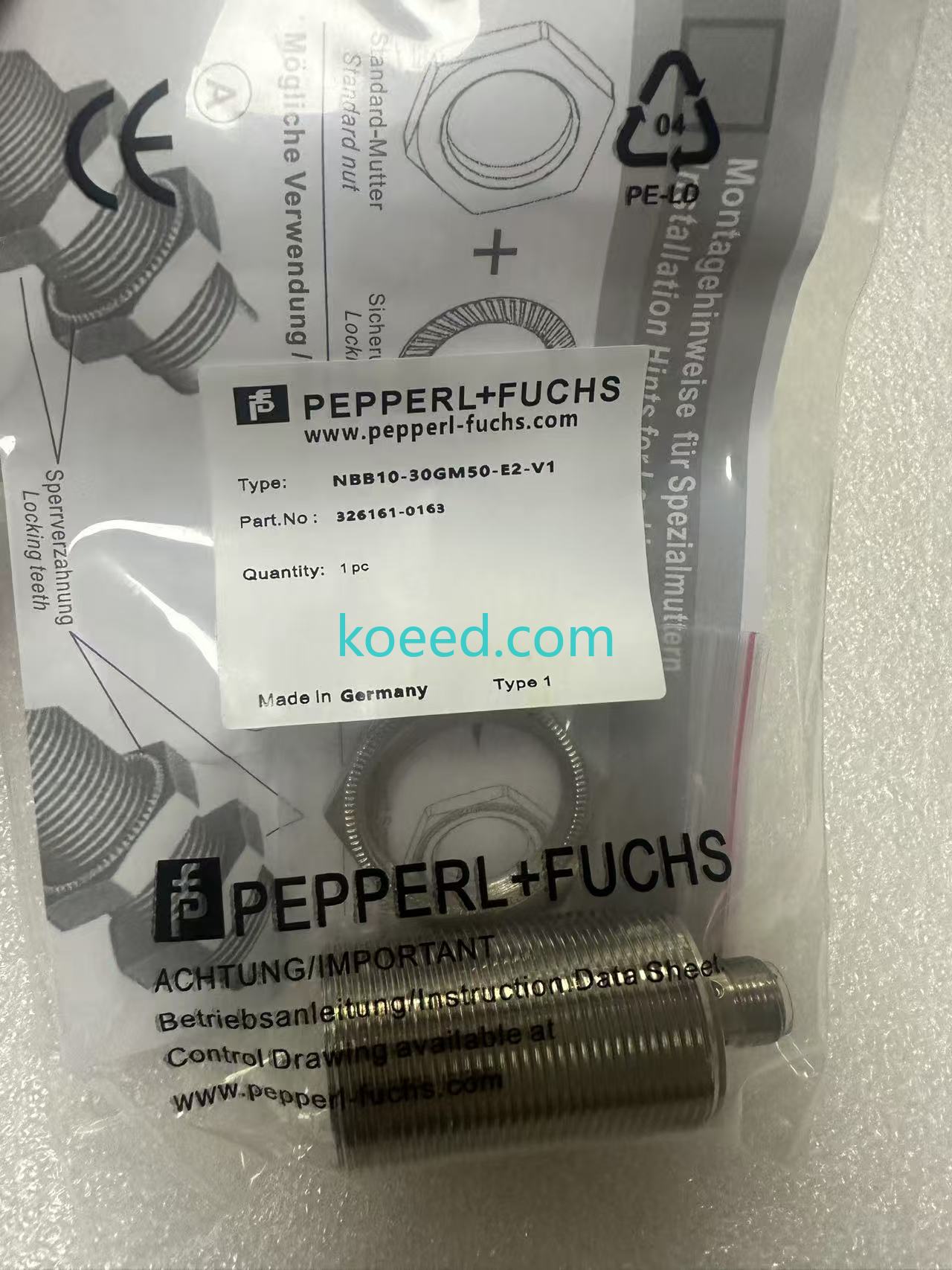
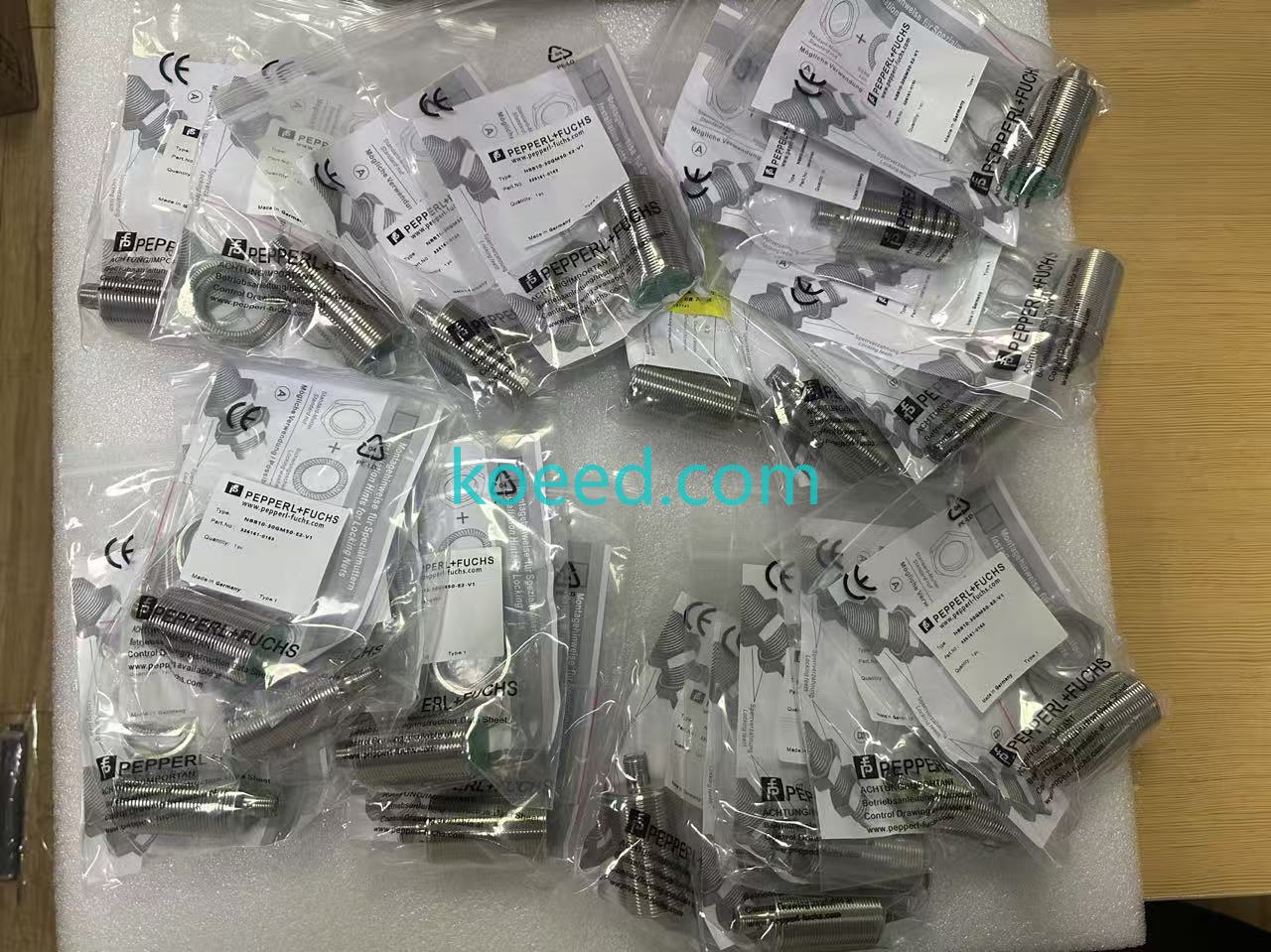
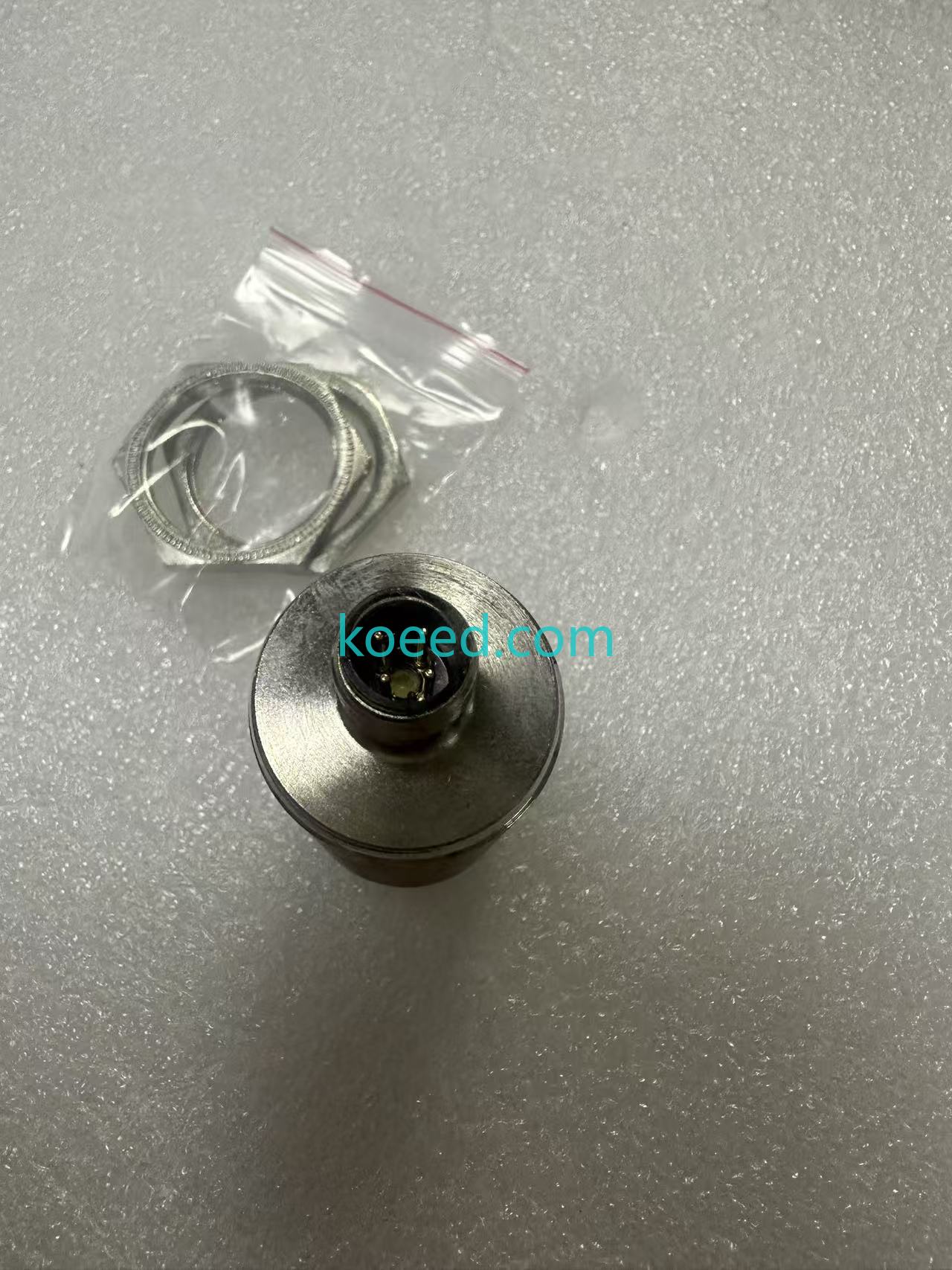
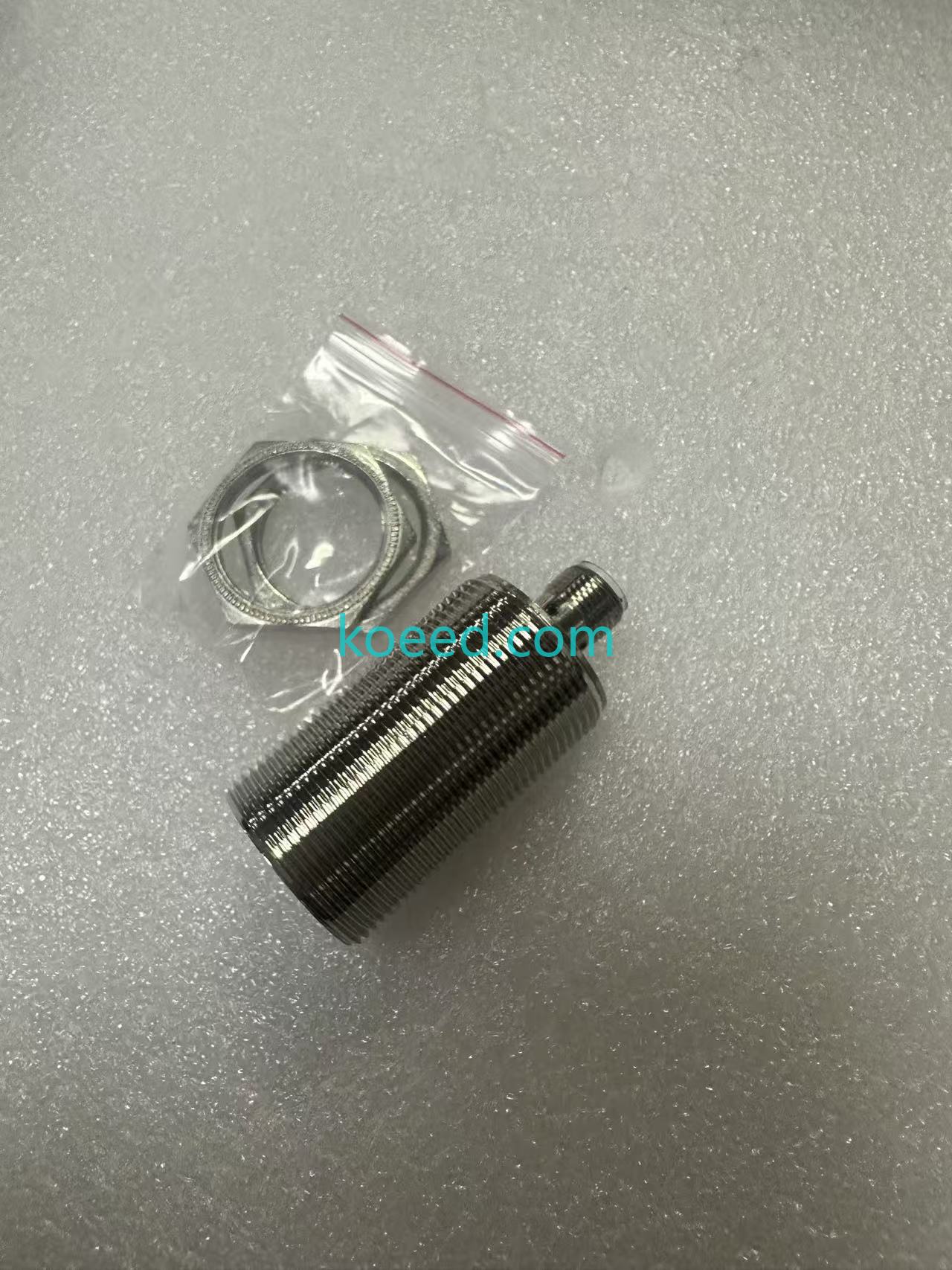
Visual Inspection & Physical Reference Gallery
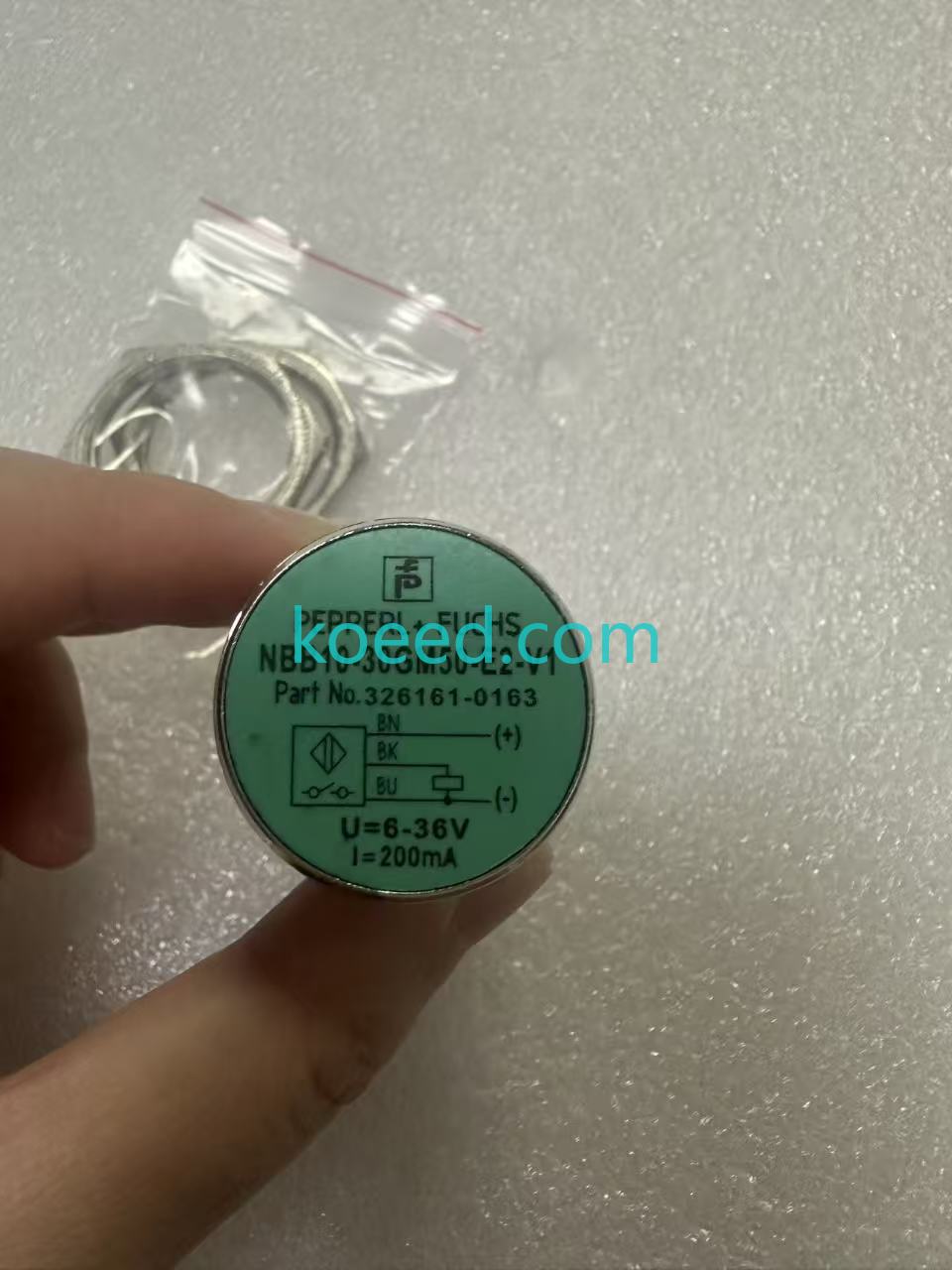
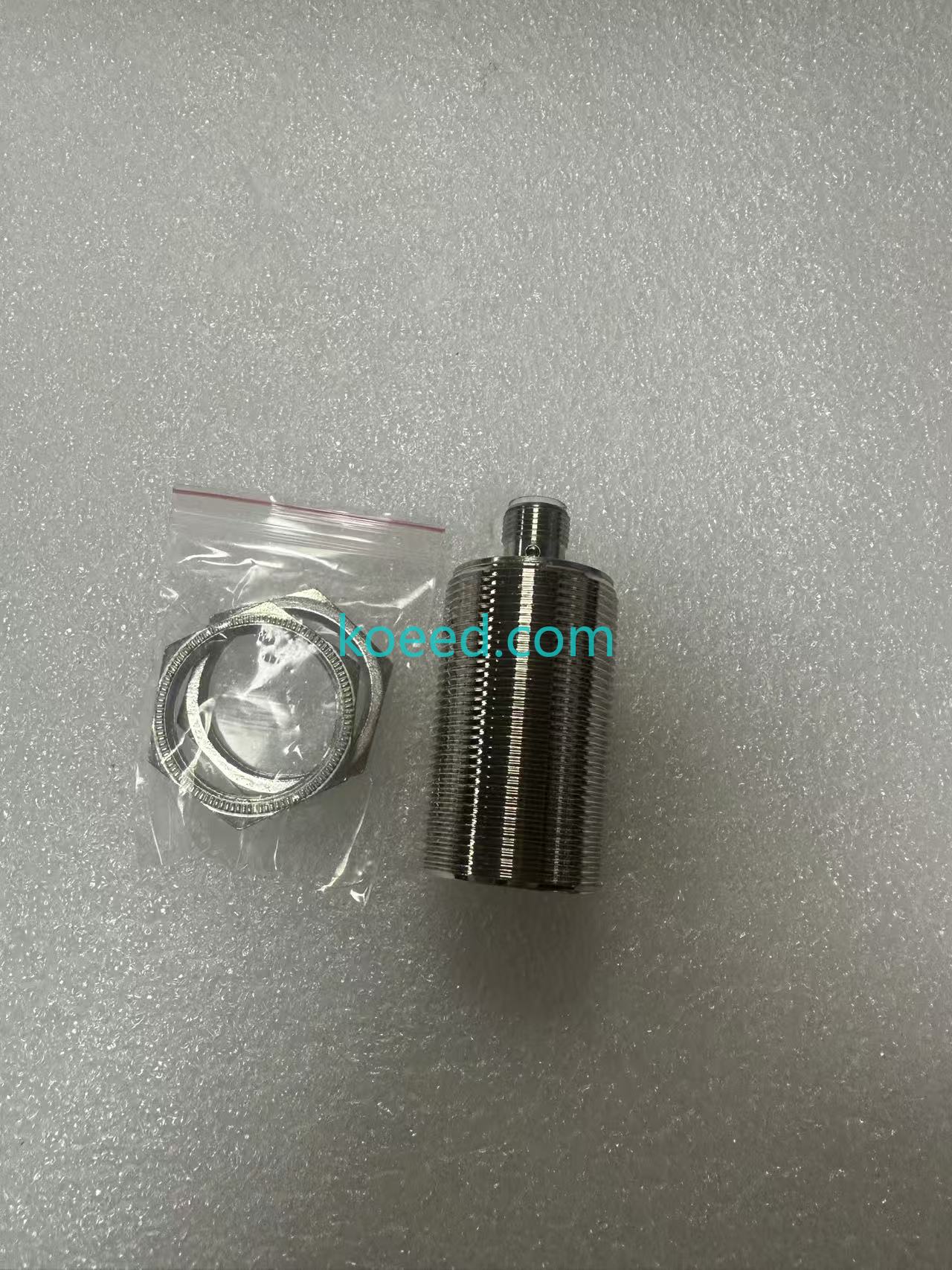
Below is the complete visual reference for the NBB10-30GM50-E2-V1. Use these images to verify connector orientation, labeling, housing finish, and packaging condition before installation or incoming QC inspection.
Product Demonstration Video:
Maintenance, Troubleshooting & Predictive Longevity
Even with IP67 protection and a robust brass/nickel-plated housing, the NBB10-30GM50-E2-V1 benefits enormously from a structured maintenance cadence—especially when deployed in high-vibration machining cells or washdown-adjacent zones. The following protocols align with 2026 ISO 13374-compliant condition-monitoring workflows.
Routine Preventive Maintenance (Every 6 Months)
- Sensing Face Cleanliness: Wipe the PBT sensing face with isopropyl alcohol (≥ 90%). Metallic swarf accumulation can create false-trigger dead zones, reducing effective sensing distance by up to 3 mm.
- M12 Connector Integrity: Inspect the V1 connector for ingress of cutting fluid or condensation. Apply a thin film of dielectric grease to pins if the environment exceeds 80% relative humidity.
- Mounting Torque Verification: Confirm the M30 locknuts are torqued to 50–55 N·m. Micro-rotation under vibration can shift the detection zone and cause intermittent signal dropout.
- LED Indicator Check: The integrated yellow LED should illuminate cleanly upon target detection. Flickering suggests power-supply ripple exceeding the 10% tolerance—measure and rectify at the DC rail.
Common Symptom-to-Root-Cause Table
| Symptom | Likely Root Cause | 2026 Recommended Action |
|---|---|---|
| No output signal (LED off) | Supply voltage below 10 V DC or broken wire | Measure VDC at M12 pins 1-3; verify ≥ 10.5 V under load |
| LED on, no NPN switching | Pull-up resistor missing on PLC input card | Confirm 4.7–10 kΩ pull-up to +24 V on signal line (NPN sinks current) |
| Intermittent detection | Target material inconsistency or edge-effect misalignment | Verify target is ferrous steel ≥ 30×30×1 mm; use axial approach |
| False triggering | EMI from adjacent VFD cables | Route sensor cable ≥ 200 mm from VFD lines; use shielded M12 cordset |
| Reduced sensing range | Metal dust embedded in PBT face | Clean face; if range remains degraded, replace sensor |
ROI, TCO & Sustainability: The 2026 Business Case
For procurement and operational leaders evaluating the NBB10-30GM50-E2-V1 at Koeed, the Total Cost of Ownership (TCO) extends well beyond unit price. Key financial vectors include:
- Energy Efficiency: Drawing ≤ 10 mA (no-load), a single sensor consumes less than 0.24 W at 24 V DC. Across a 500-sensor automotive line, the NBB10-30GM50-E2-V1 saves approximately 1,050 kWh/year versus legacy 20 mA sensors—equating to ~€180/year at 2026 EU industrial tariffs.
- MTBF & Warranty Confidence: Pepperl+Fuchs's rigorous end-of-line testing yields an MTBF exceeding 150,000 hours under rated conditions. Fewer replacements mean lower MRO inventory carrying costs.
- Sustainability Compliance: The nickel-plated brass housing is fully recyclable, and the sensor's RoHS III (EU 2025/XXX) compliance satisfies 2026 ESG reporting requirements for Scope 3 purchased goods.
- Interchangeability: The standard M30 × 1.5 thread and M12 V1 connector mean zero mechanical re-engineering when upgrading from older P+F variants or competitor equivalents—preserving fixture investments.
Frequently Asked Questions (2026 Edition)
What does the "E2" suffix mean in NBB10-30GM50-E2-V1?
The "E2" designates NPN output, Normally Open (NO) switching function. In practice, this means the sensor sinks current to 0 V when a target is detected. Ensure your PLC input card is configured with a pull-up resistor (typically 4.7–10 kΩ to +24 V DC) to read the signal correctly. For PNP sourcing applications, consider the NBB10-30GM50-E0-V1 variant instead.
Can the NBB10-30GM50-E2-V1 be used in high-pressure washdown environments?
With an IP67 rating, the sensor withstands temporary immersion up to 1 meter for 30 minutes. However, for sustained high-pressure washdown (≥ 80 bar), we recommend upgrading to an IP69K-rated variant. For food & beverage applications requiring ECOLAB-certified cleaning agents, consult our specialists via the Koeed RFQ portal for stainless-steel-housing alternatives.
What is the minimum target size for reliable detection at 10 mm?
Per Pepperl+Fuchs characteristic curves (2026 datasheet), a mild-steel target of 30 × 30 × 1 mm yields the full 10 mm rated operating distance. For non-ferrous metals, correction factors apply: brass ≈ 0.45×, aluminum ≈ 0.4×, copper ≈ 0.35×. Always derate the sensing distance accordingly or oversize the target.
Is the NBB10-30GM50-E2-V1 compatible with IO-Link systems?
The NBB10-30GM50-E2-V1 itself is a standard inductive sensor without an IO-Link physical layer. However, it can be integrated into IO-Link architectures via a Pepperl+Fuchs IO-Link hub with digital input channels (e.g., ICE2-8IOL-G65L-V1D). This approach retrofits IO-Link data granularity—such as switching cycle counters and timestamped event logging—onto conventional NPN sensor infrastructure.
What is the lead time for bulk orders in 2026?
As of mid-2026, global semiconductor and rare-earth magnet supply chains have stabilized. The NBB10-30GM50-E2-V1 typically ships within 5–10 business days from Koeed's verified inventory. For volumes exceeding 200 units, please use the WhatsApp channel below to discuss VMI (Vendor-Managed Inventory) arrangements and contracted pricing.
Ready to Deploy the NBB10-30GM50-E2-V1 in Your 2026 Automation Stack?
Whether you need a single replacement unit or a site-wide sensor standardization program, the Koeed team is ready with certified Pepperl+Fuchs stock, competitive bulk pricing, and global logistics support.


