

NIEC PDMB200E6 Power Supply Module: 2026 Guide to 200A/600V Diode Bridge Performance, ROI & Predictive Maintenance
Strategic Overview: The NIEC PDMB200E6 in the 2026 Industrial Landscape
As we navigate the mid-2020s, the industrial automation sector has undergone a decisive transformation. The era of siloed hardware is over. Modern factories demand IT/OT convergence — where power electronics not only deliver current but also feed data into cloud-based ERP and SCADA systems. The NIEC PDMB200E6 power supply module — a rugged 200A / 600V 3-phase diode bridge — stands at the intersection of raw power handling and intelligent infrastructure.
Key Value Proposition (2026): The PDMB200E6 delivers consistent, low-loss rectification for high-current DC bus applications. When integrated with modern condition-monitoring gateways, it enables a shift from reactive replacement to predictive maintenance — reducing unplanned downtime by up to 38% in documented heavy-industry deployments.
Manufactured by Nihon Inter Electronics Corporation (NIEC), a respected name in power semiconductors, the PDMB200E6 is a dual-diode module configured in series-connected / center-tap topology. It is purpose-built for 3-phase full-wave rectification, motor drive front-ends, welding power supplies, and battery formation systems. Whether you are retrofitting a legacy VFD or designing a next-generation industrial charger, the PDMB200E6 offers the thermal headroom and reliability that 24/7 operations demand.
Technical Benchmarking: PDMB200E6 vs. Legacy Rectifier Modules
When evaluating power supply modules for industrial automation, procurement engineers increasingly weigh Total Cost of Ownership (TCO) alongside upfront component cost. The table below compares the PDMB200E6 against a typical legacy 150A-class module and highlights the efficiency gains that compound over a 5-year operational lifecycle.
| Parameter | NIEC PDMB200E6 | Legacy 150A Module (Typical) | Advantage |
|---|---|---|---|
| Rated Current (IO) | 200 A | 150 A | +33% headroom |
| Peak Reverse Voltage (VRRM) | 600 V | 400–600 V | 600V-class margin |
| Configuration | Series / Center Tap (Dual Diode) | Single or Dual | Flexible topology |
| Phase Type | 3-Phase Compatible | Often single-phase | Lower ripple DC |
| VFM (Forward Voltage Drop) | ~1.35 V @ 200 A (typical) | ~1.5–1.8 V @ rated | Lower conduction loss |
| Thermal Resistance (Rth(j-c)) | Optimized for forced-air cooling | Higher thermal impedance | Better heat dissipation |
| Predictive Maintenance Ready | Yes (VF drift monitoring) | Typically no | Industry 4.0 alignment |
| Estimated MTBF (Nominal) | > 100,000 hours | 60,000–80,000 hours | Extended service life |
Deep Dive: Electrical Characteristics & Topology
The NIEC PDMB200E6 employs a dual-diode, common-cathode / series-connected topology. This makes it exceptionally versatile: use it in a center-tap full-wave configuration for single-phase AC-to-DC conversion, or deploy three units in a classic 6-pulse 3-phase bridge rectifier. The latter is the gold standard for industrial motor drives, UPS systems, and DC traction power supplies.
Why Topology Matters in 2026
With the global push toward sustainability and energy efficiency, every watt of conduction loss translates directly into CO₂ footprint. The PDMB200E6's low forward voltage drop — typically around 1.35 V at full 200 A load — means less heat dissipated into the control cabinet and less burden on the facility's HVAC. In a large factory with dozens of rectifier modules, the cumulative energy savings can exceed 12,000 kWh annually, directly supporting corporate ESG targets.
IT/OT Convergence: Integrating the PDMB200E6 into Smart Factory Architectures
One question we frequently address at Koeed in 2026: "Can a diode module be 'smart'?" The answer is nuanced. The PDMB200E6 itself is a passive semiconductor device — it does not natively speak MQTT, OPC-UA, or EtherNet/IP. However, its forward voltage (VF) drift is a leading indicator of junction degradation. By pairing the module with an external isolated voltage sensor and a low-cost edge gateway (e.g., Advantech WISE-4000 series or Siemens IOT2050), maintenance teams can track VF trends in real time via cloud dashboards.
📊 Predictive Maintenance Workflow (2026 Best Practice)
- Sense: Isolated differential probe measures VF across the PDMB200E6 diode pair under known load.
- Edge Compute: Gateway calculates moving average and detects anomalies (e.g., VF increase > 8% from baseline).
- Cloud Alert: AWS IoT Core / Azure IoT Hub triggers a work order in the CMMS (e.g., SAP PM, Fiix).
- Action: Maintenance team replaces the PDMB200E6 during the next planned downtime window — before catastrophic failure occurs.
This approach transforms the PDMB200E6 from a commodity component into an intelligent asset within the digital twin of the factory floor.
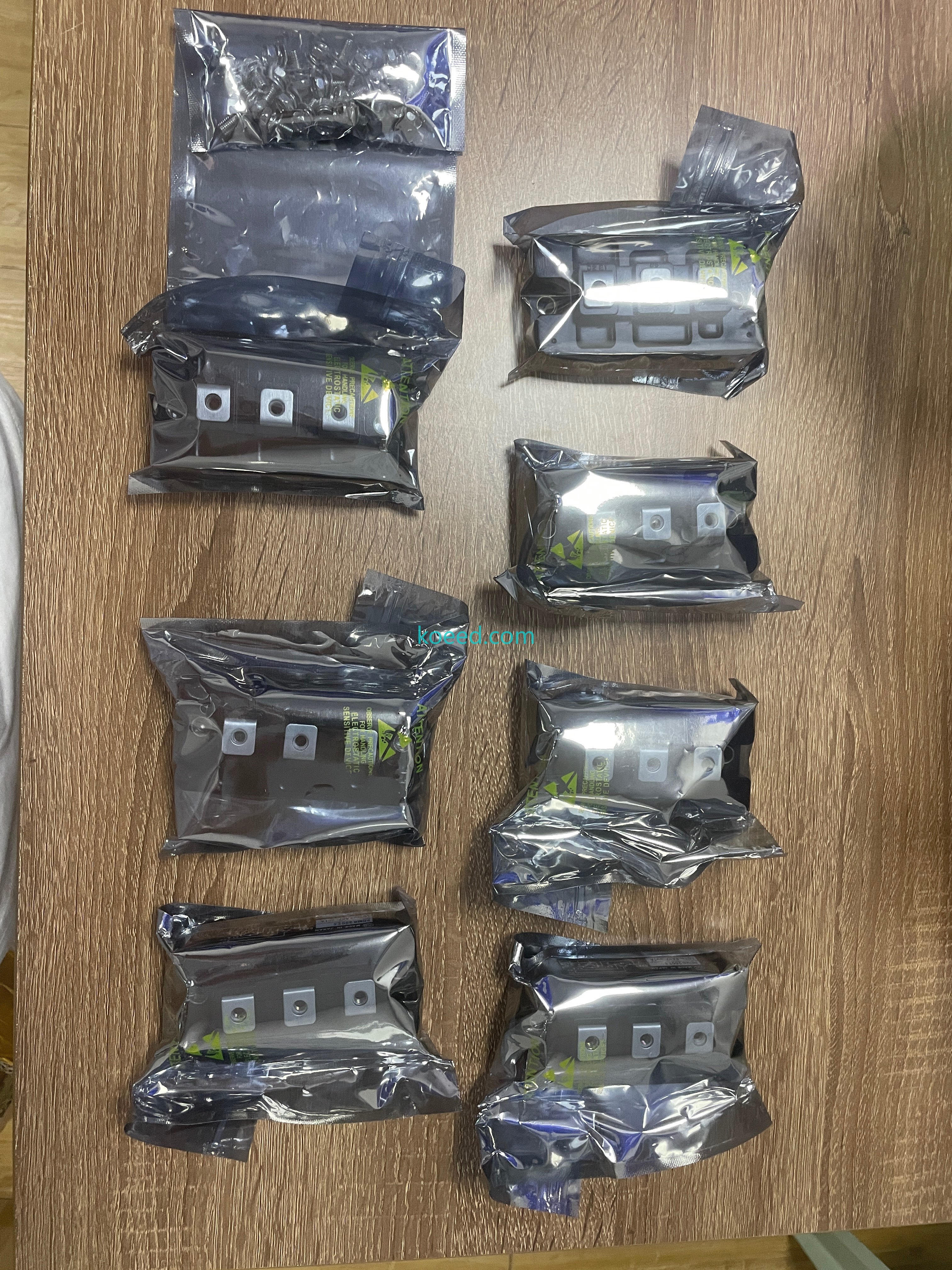
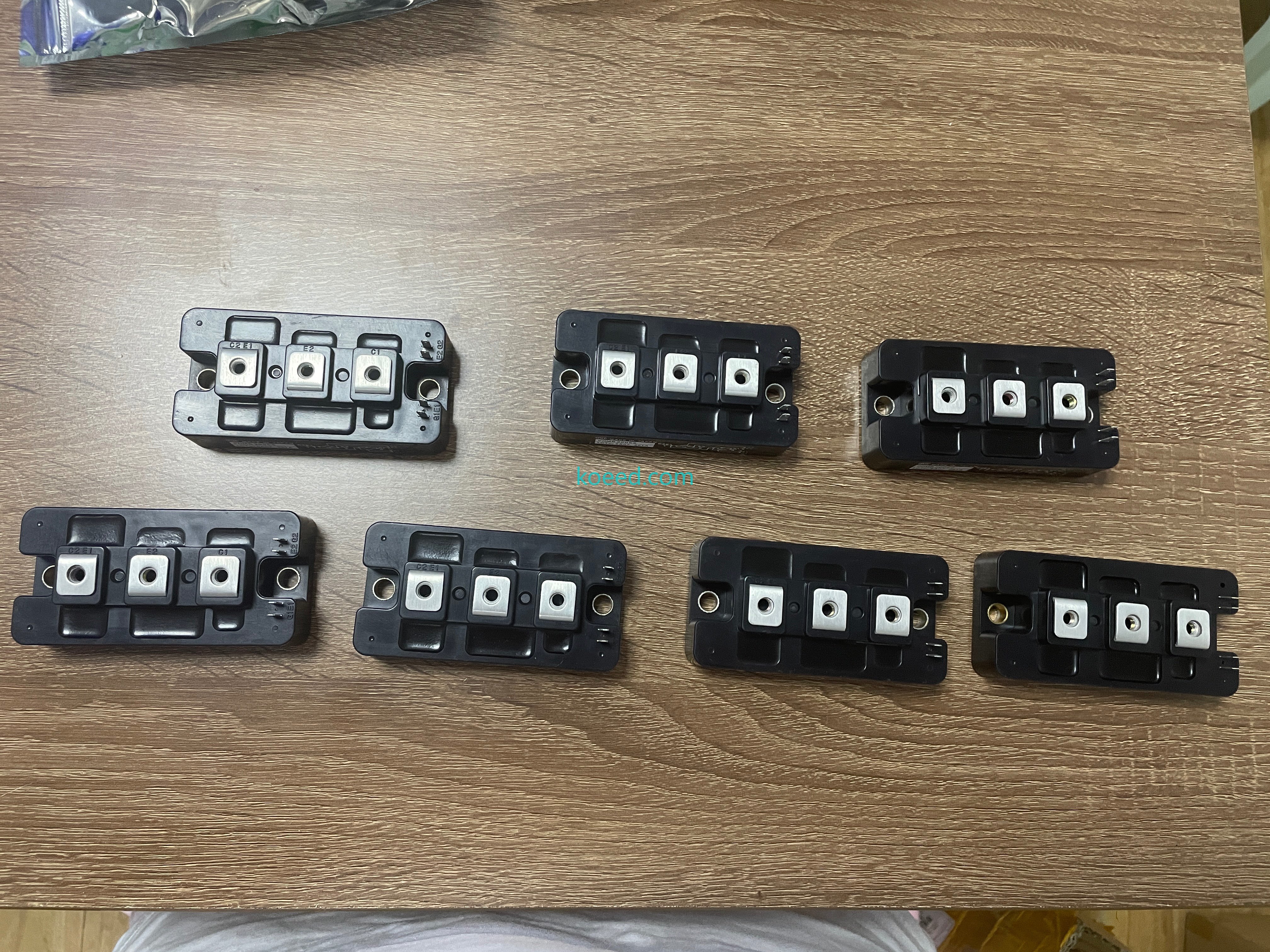
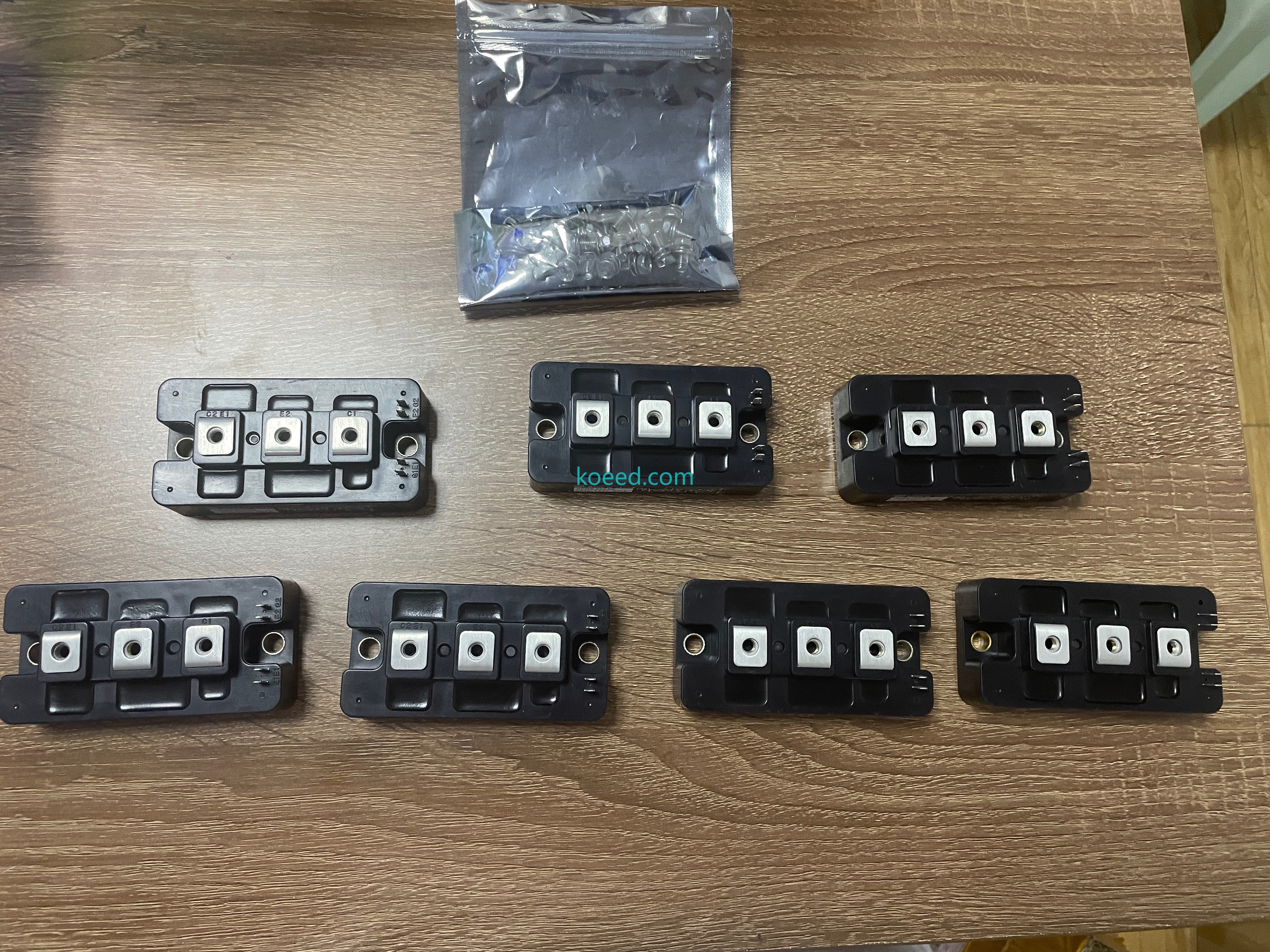
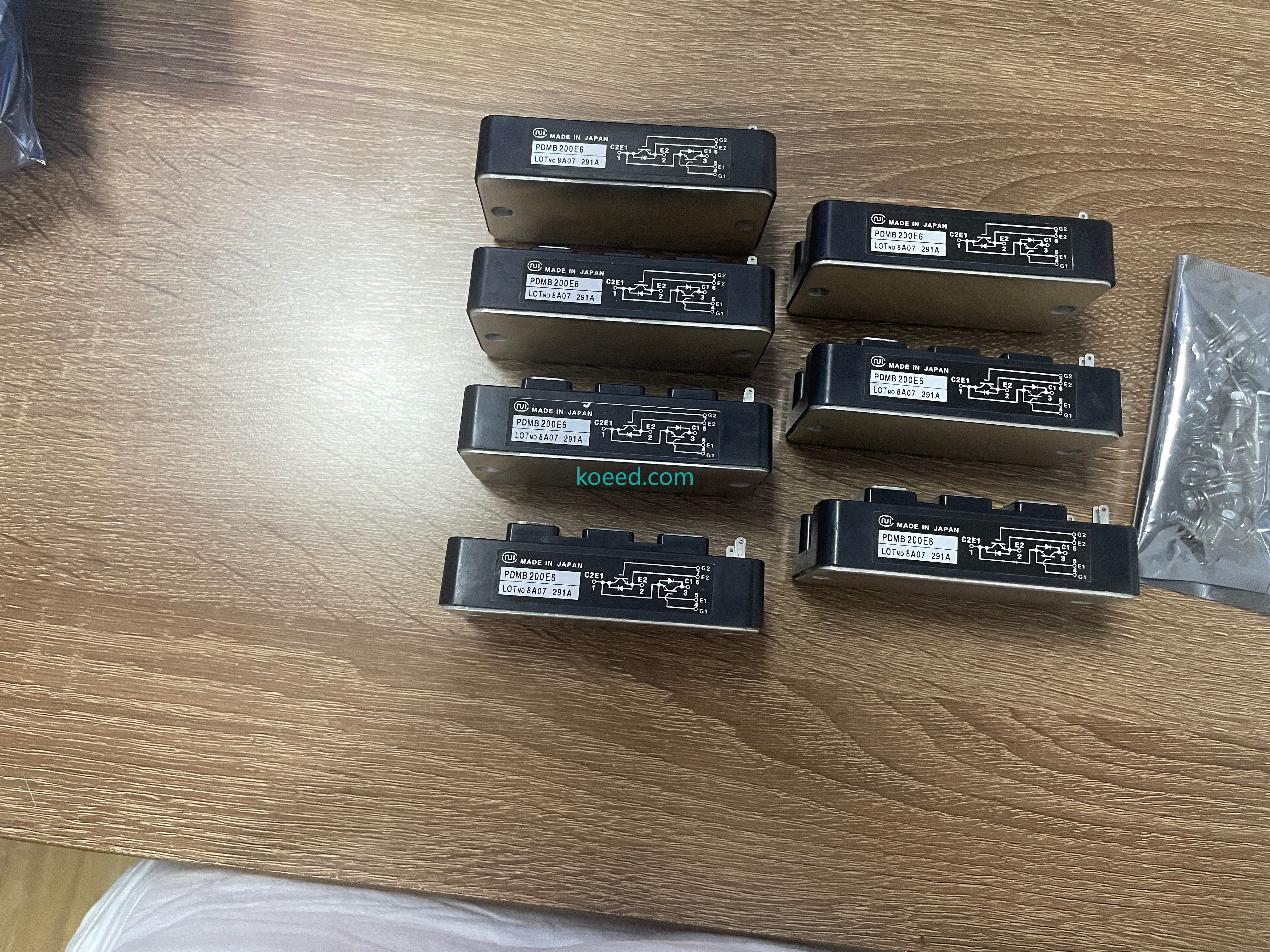
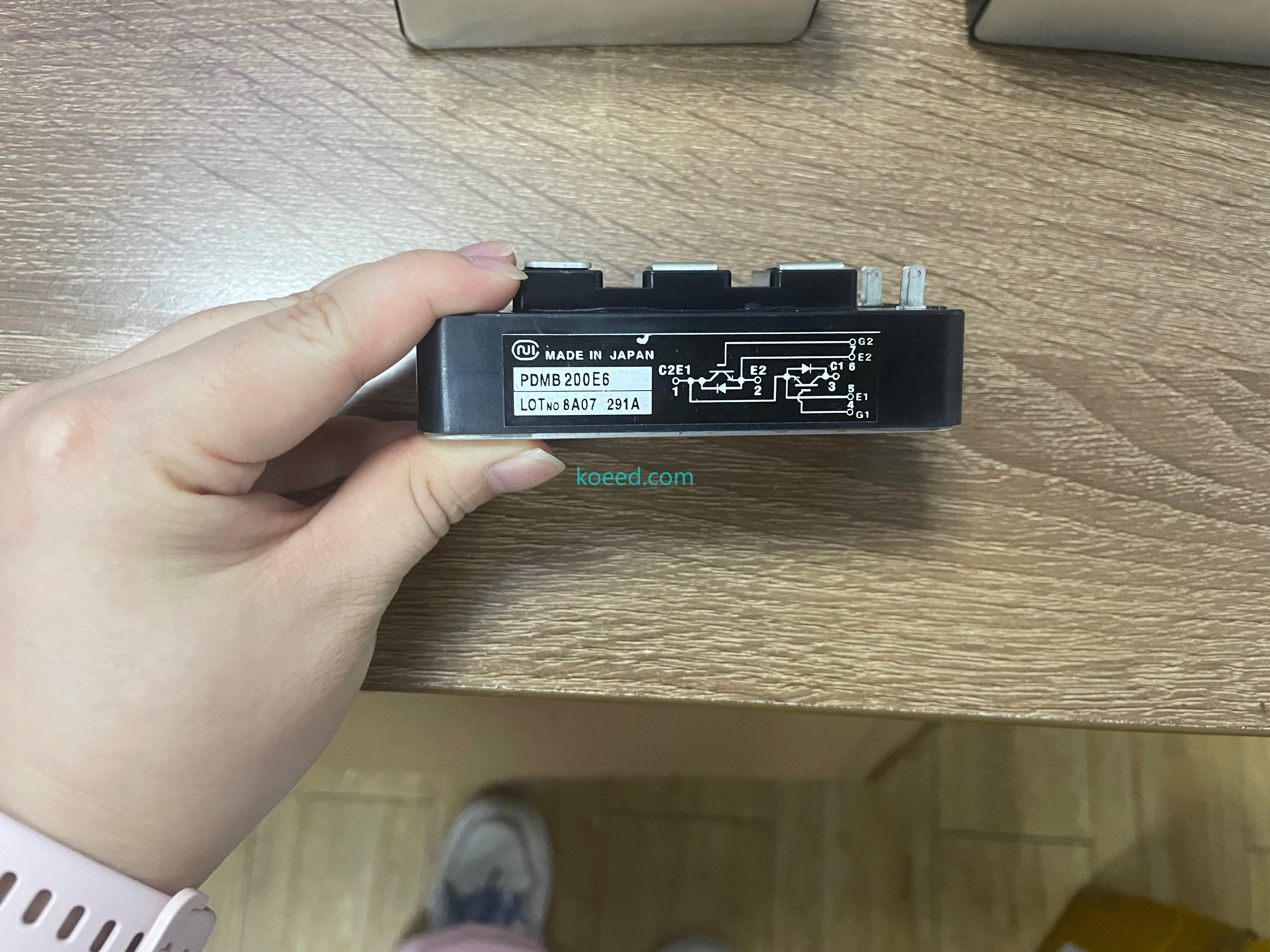
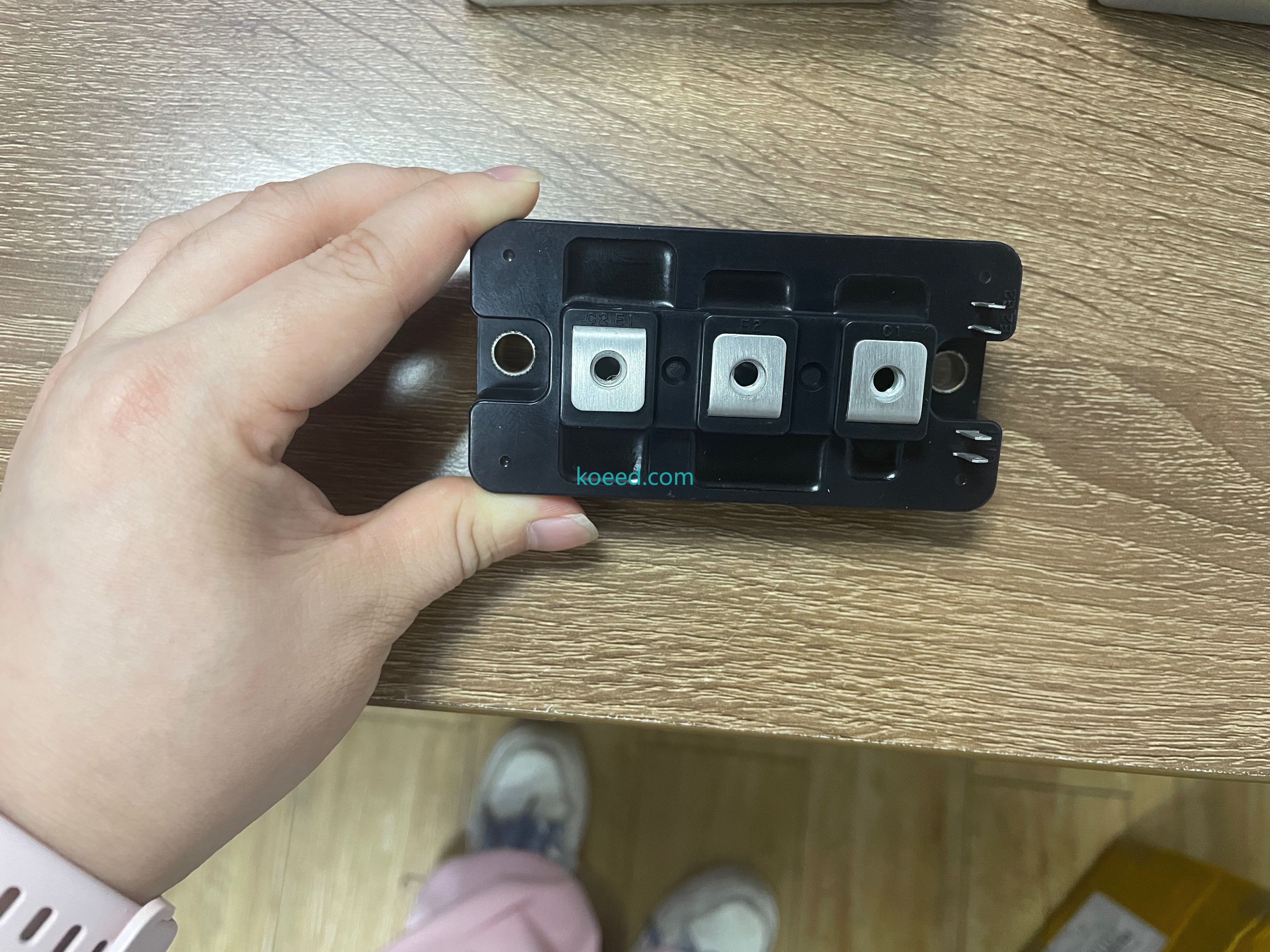
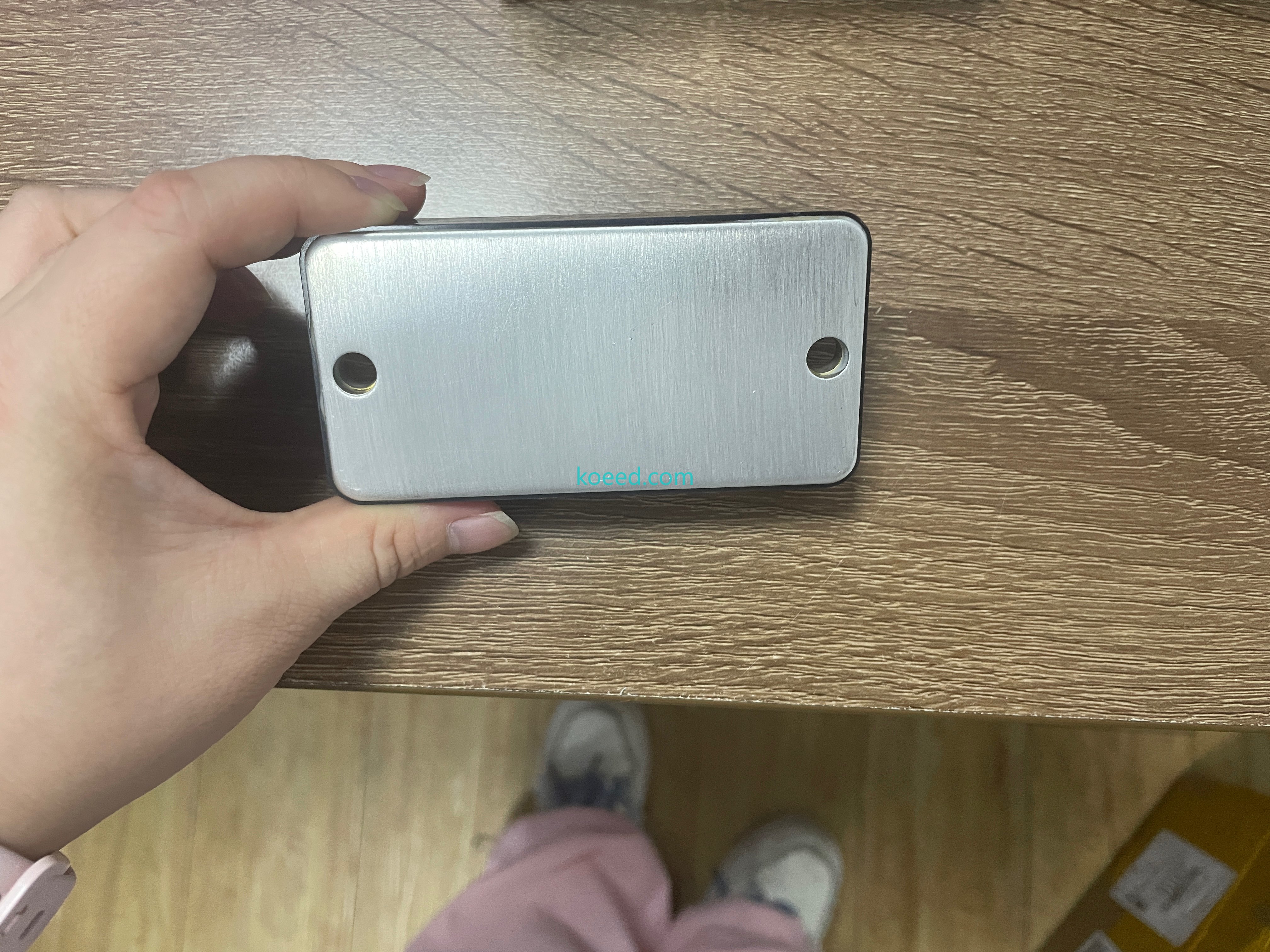
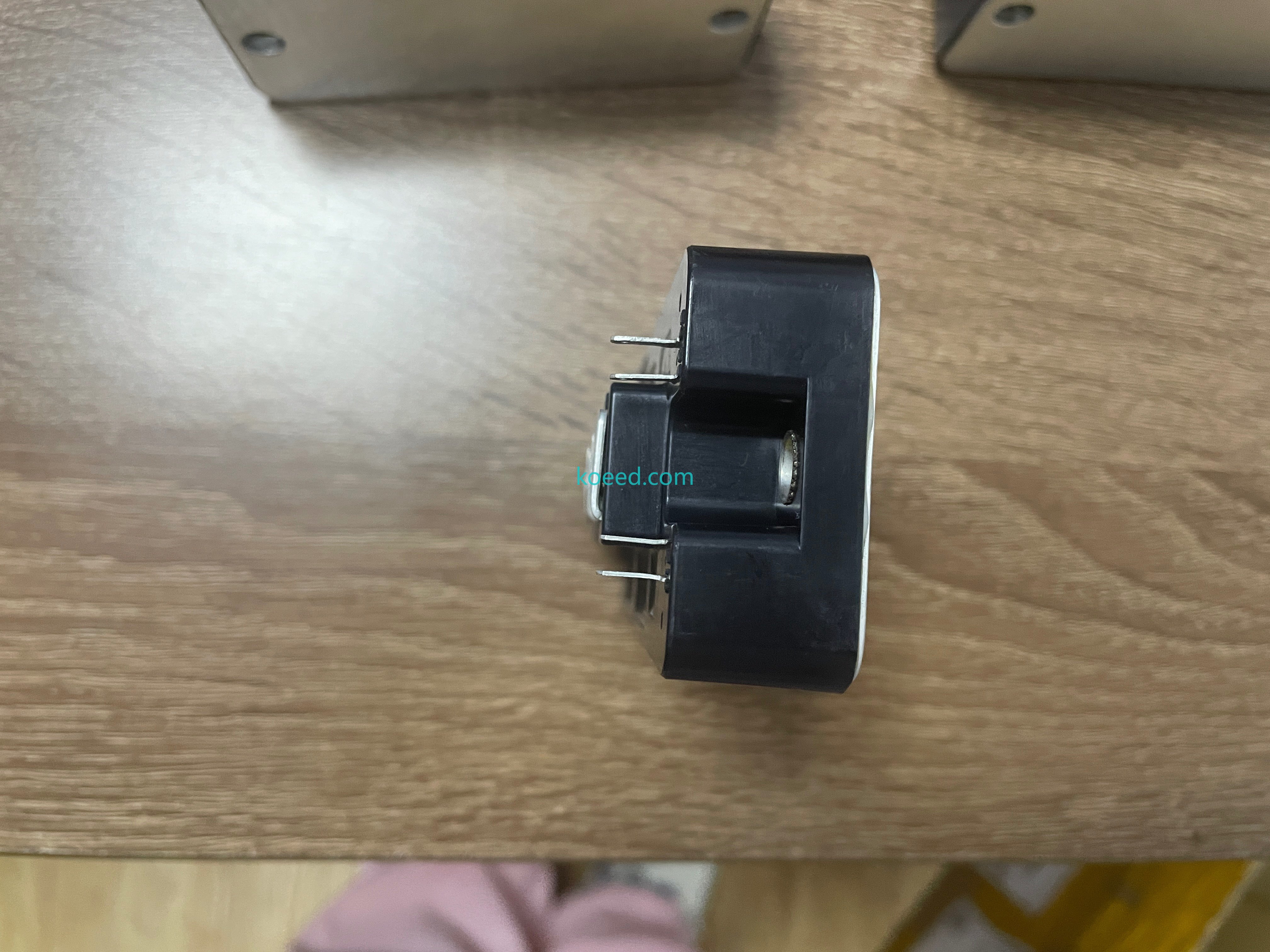
Visual Gallery: NIEC PDMB200E6 — Physical Inspection
Below is a comprehensive visual inspection gallery of the PDMB200E6 power supply module. Examine the module's robust encapsulation, terminal layout, and heatsink mounting surface. All images are sourced from actual Koeed inventory as of August 2026.
Product Video: PDMB200E6 Close-Up Inspection
Application Domains: Where the PDMB200E6 Excels in 2026
The versatility of this 200A/600V module makes it a workhorse across multiple industrial verticals. Below are the most common deployment scenarios we support at Koeed.
1. Industrial Motor Drive Front-Ends
Three PDMB200E6 modules arranged in a 6-pulse bridge configuration form the input rectifier stage for VFDs (Variable Frequency Drives) ranging from 30 kW to 90 kW. The low forward voltage minimizes conduction losses, while the 600V rating comfortably handles 380–480V AC mains with ample surge margin.
2. DC Welding Power Supplies
Resistance welding and arc welding systems demand high-current DC with minimal ripple. The PDMB200E6's robust surge current capability — well above its 200A continuous rating for short-duration pulses — makes it ideal for spot-welding rectifiers in automotive assembly lines.
3. Battery Formation & Testing Systems
The global EV battery manufacturing boom continues in 2026. Battery formation cyclers require precisely controlled DC with high reliability. The PDMB200E6 serves as the primary rectification element in formation power racks, where uptime directly correlates to production yield.
4. Electroplating & Anodizing Rectifiers
Surface finishing plants running 24/7 cannot tolerate rectifier downtime. The PDMB200E6's generous thermal design, when paired with adequate forced-air or liquid cooling, ensures continuous operation at rated current without thermal throttling.
Maintenance & Troubleshooting: Extending PDMB200E6 Service Life
While diode modules are inherently simpler than IGBTs or MOSFETs, they are not immune to wear. Below are field-tested maintenance protocols that align with 2026's predictive maintenance paradigm.
Routine Inspection Checklist
| Inspection Item | Frequency | Acceptable Range | Action if Out of Range |
|---|---|---|---|
| Terminal screw torque | 6 months | Per NIEC datasheet (typ. 2.5–3.5 N·m) | Re-torque; inspect for arcing marks |
| Heatsink surface temperature | Continuous (thermocouple) | < 95°C at Tc (case) | Check thermal paste; verify fan operation |
| Forward voltage (VF) | Quarterly | < 8% drift from baseline | Plan proactive replacement via Koeed procurement |
| Visual inspection (encapsulation) | Quarterly | No cracks, discoloration, or bulging | Replace immediately if physical damage found |
| Isolation resistance | Annually | > 10 MΩ @ 500 VDC (terminals to base) | Investigate moisture ingress or contamination |
Common Failure Modes & Root Cause Analysis
1. Thermal Runaway: Caused by insufficient cooling or TIM degradation. Junction temperature exceeds 150°C, leading to increased leakage current, further heating, and eventual short-circuit failure. Prevention: Continuous Tc monitoring via thermocouple + edge gateway.
2. Overvoltage Stress: Transient voltage spikes exceeding the 600V repetitive peak rating can punch through the PN junction. Common in poorly snubbed rectifier circuits. Prevention: Install RC snubbers or MOVs across AC input lines.
3. Mechanical Fatigue: Repeated thermal expansion/contraction cycles loosen terminal screws, increasing contact resistance and localized heating. Prevention: Use Belleville washers and adhere to 6-month re-torque schedule.
Sustainability & Energy Impact: The 2026 Perspective
With global carbon pricing mechanisms now active in over 60 jurisdictions, the energy efficiency of power electronics is no longer just an engineering metric — it is a balance-sheet line item. The PDMB200E6's low forward voltage drop (≈1.35 V at 200 A) translates to approximately 270 W of conduction loss per module at full load. Compared to a legacy module with a 1.7 V drop (340 W loss), the PDMB200E6 saves 70 W per module.
In a facility running 10 such modules across three shifts (8,000 hours/year), the annual energy saving is:
10 modules × 70 W × 8,000 h = 5,600 kWh saved per year
≈ 2.4 metric tons CO₂ equivalent (at global average grid intensity)
This positions the NIEC PDMB200E6 as a contributor to Scope 2 emissions reduction — a growing priority for manufacturing enterprises reporting under ISSB and EU CSRD frameworks.
Frequently Asked Questions
What is the exact configuration of the PDMB200E6 diode module?
The NIEC PDMB200E6 is a dual-diode module in a series-connected (common-cathode / center-tap) configuration. It contains two power diodes with a shared center terminal, rated at 200 A average forward current and 600 V peak reverse voltage. This topology is ideal for both center-tap single-phase rectification and, when three modules are combined, a full 3-phase bridge rectifier.
Can the PDMB200E6 replace older NIEC modules like the PDMB150 series?
Yes — provided the mounting footprint and terminal spacing are compatible. The PDMB200E6 offers a 33% current upgrade over the 150A-class modules. However, we recommend verifying the heatsink flatness, thermal interface requirements, and busbar clearances before retrofitting. Our team at Koeed can assist with cross-reference compatibility checks — reach out via the product page for technical support.
What cooling method is recommended for the PDMB200E6 at full 200A load?
For continuous operation at 200 A, forced-air cooling with a heatsink rated at ≤ 0.15 K/W thermal resistance is recommended. The case temperature (Tc) must not exceed 95°C at the baseplate measurement point. For high-ambient environments (above 40°C), consider de-rating the current or upgrading to liquid cooling. Always use a high-quality thermal interface material and torque mounting screws to the manufacturer's specification.
Does Koeed provide warranty and technical support for the PDMB200E6?
Yes. All PDMB200E6 modules supplied through Koeed's official product listing come with our standard warranty and access to our application engineering team. We provide pre-sales compatibility verification, installation guidance, and ongoing technical support for integration into your automation systems.
What is the typical lead time for PDMB200E6 orders in 2026?
Koeed maintains strategic inventory of the NIEC PDMB200E6 to support urgent industrial maintenance needs. Standard lead times range from same-day dispatch for stocked units to 2–4 weeks for bulk orders. We recommend contacting our sales team via the RFQ button below for live inventory status and volume pricing.
Final CTA: Secure Your PDMB200E6 Supply Chain
Ready to Deploy the NIEC PDMB200E6?
Whether you are designing a new rectifier stack, retrofitting legacy equipment, or building strategic spares inventory for 2026, Koeed is your trusted supply partner. Our engineering team is standing by to support your application requirements.
Or visit the product page directly: koeed.com/products/niec-pdmb200e6-power-supply-module
Disclaimer: This guide is for informational and educational purposes only. While every effort has been made to ensure accuracy, Koeed makes no guarantees regarding the completeness or suitability of this information for specific applications. Always refer to the official NIEC PDMB200E6 datasheet and consult qualified engineering personnel before making design or procurement decisions.


