Autonics PRCM12-2DN Inductive Proximity Sensor: 2026 Engineering, Integration & ROI Guide

Autonics PRCM12-2DN Inductive Proximity Sensor: 2026 Engineering, Integration & ROI Guide

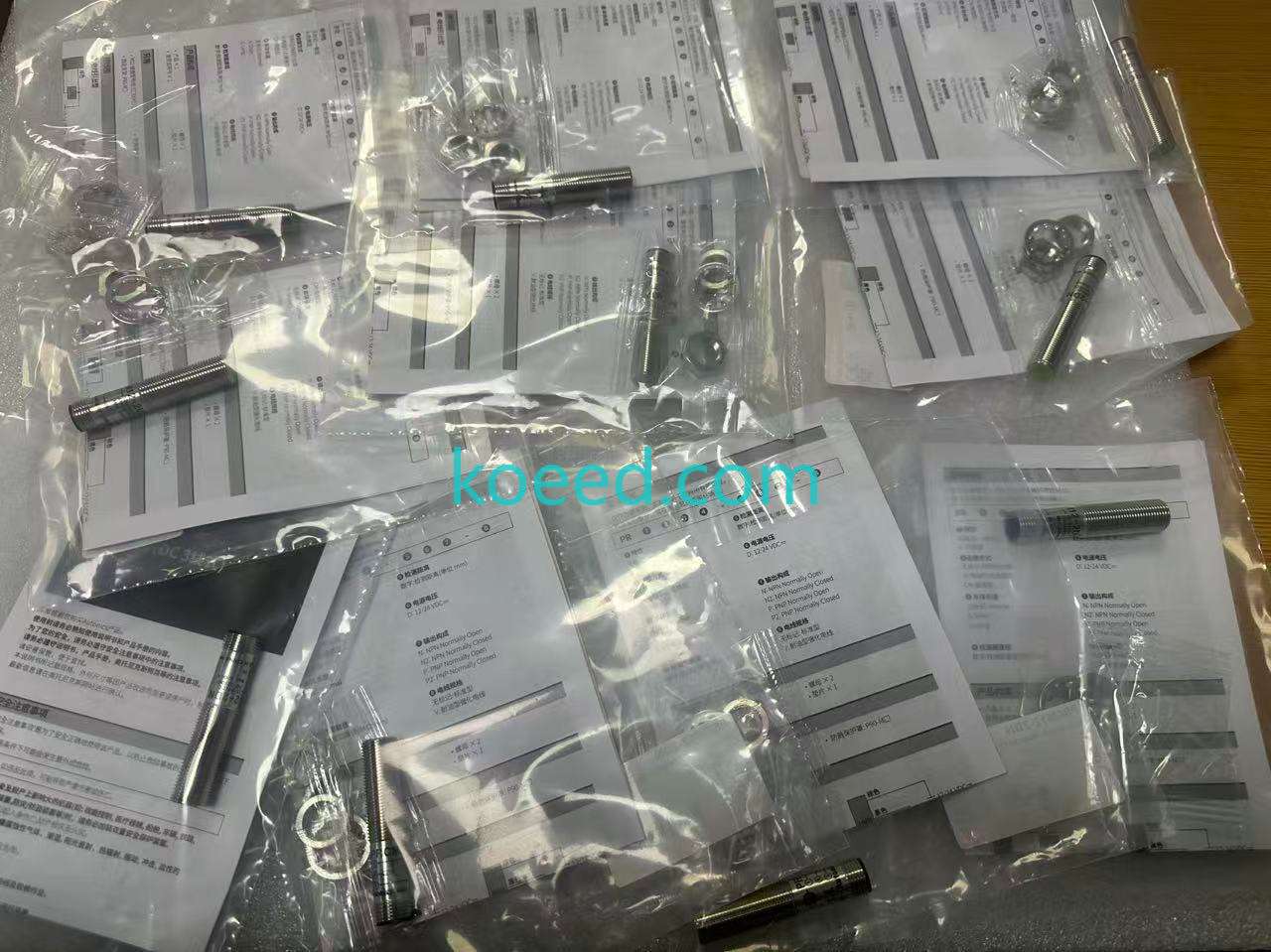
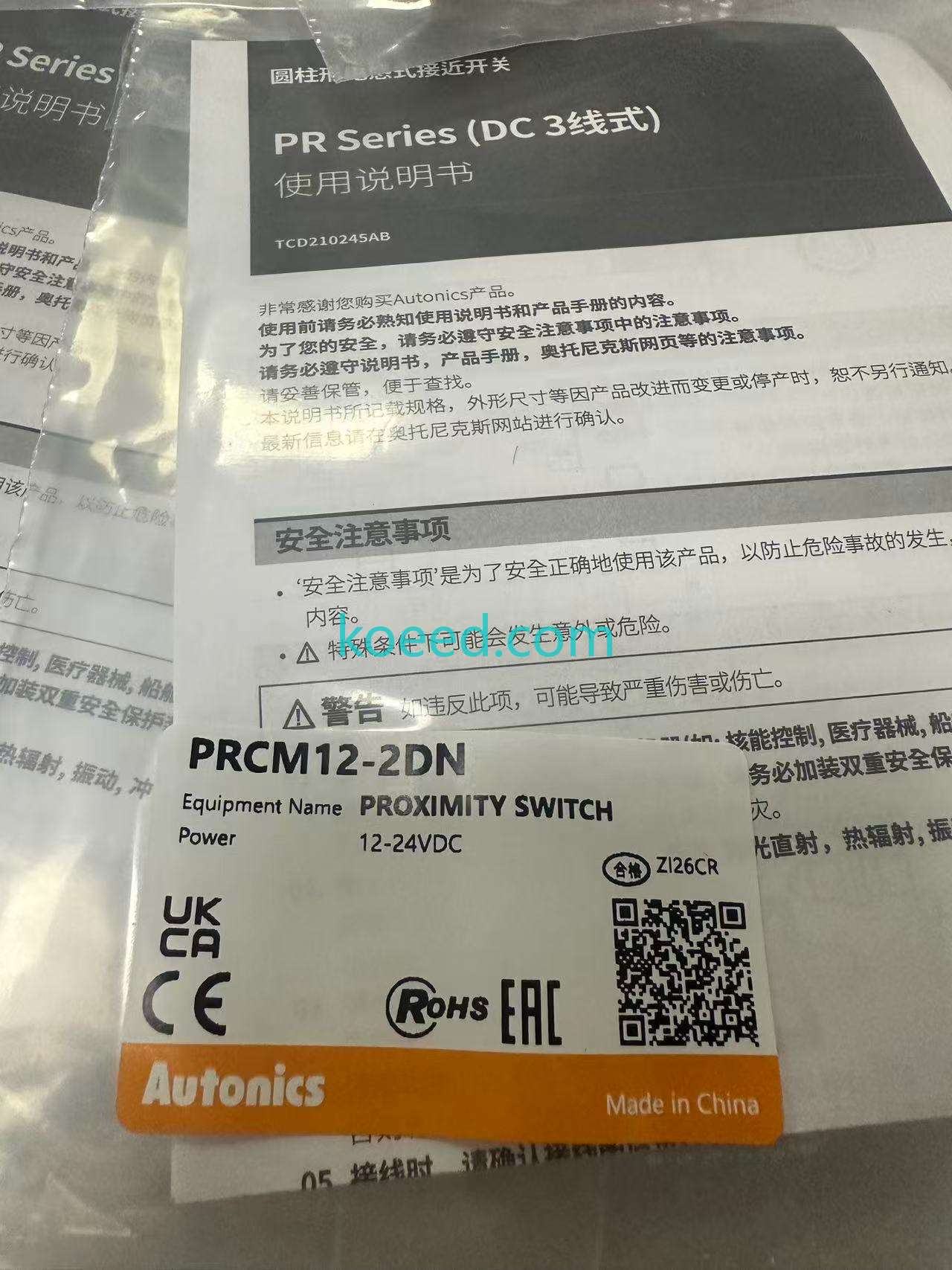
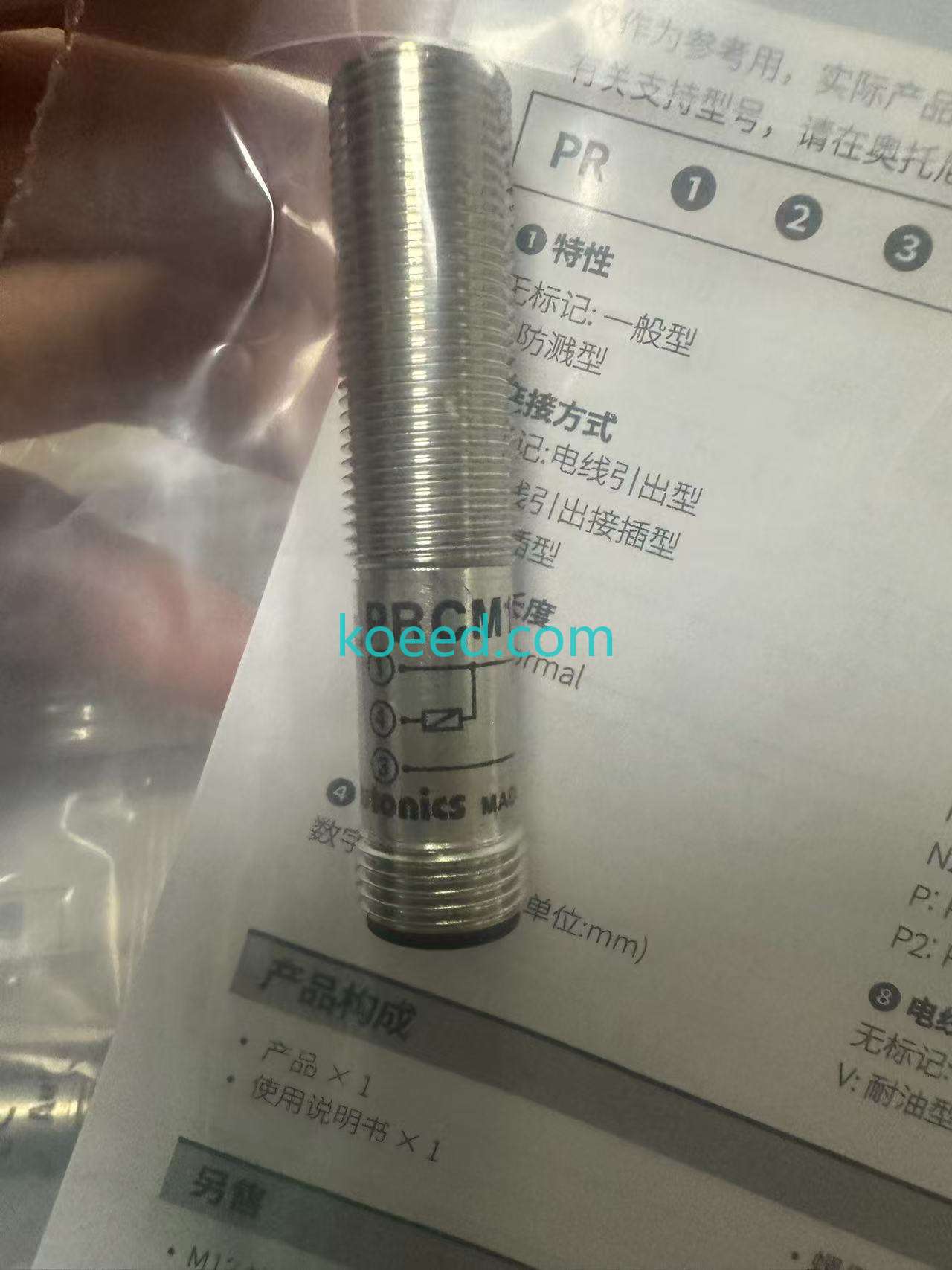
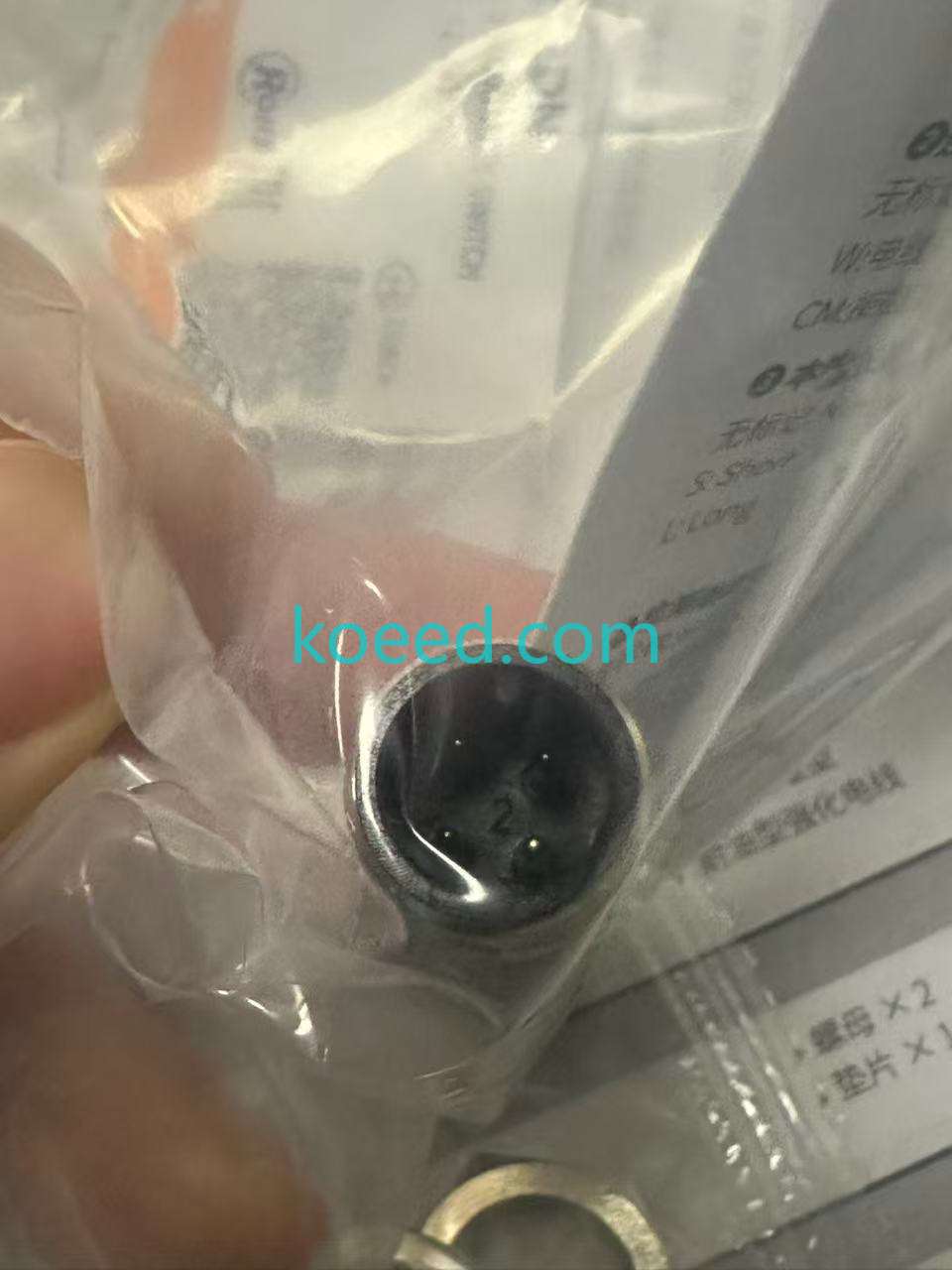
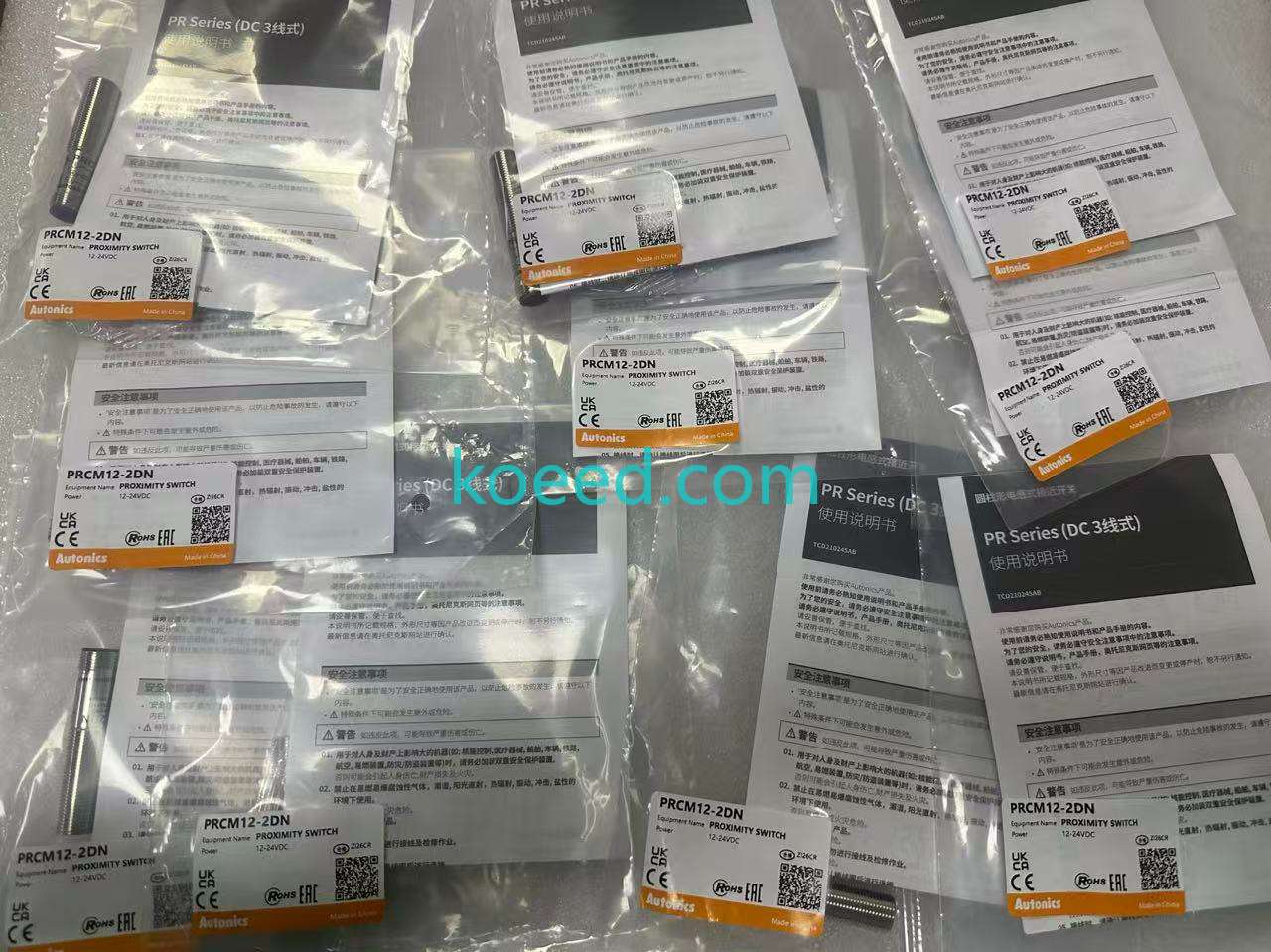
Pre-shipment Inspection Record: This document details the visual and technical inspection of the Autonics PRCM12-2DN Inductive Proximity Sensor: 2026 Engineering, Integration & ROI Guide. All product photos and testing videos below are original materials captured first-hand by the Koeed technical team in our warehouse prior to dispatch.

KOEED B2B Industrial Automation · Proximity Sensors · 2026 Edition

Autonics PRCM12-2DN Inductive Proximity Sensor: 2026 Engineering, Integration & ROI Guide

Ø12 mm flush-mount sensing · 2 mm detection range · NPN DC 3-wire output · M12 quick-connect

Strategic Overview: The PRCM12-2DN in the 2026 Industrial Landscape

As factories complete their Industry 4.0 roadmaps and shift toward Industry 5.0 human-centric automation, the reliability of discrete sensing has never been more business-critical. Inductive proximity sensors remain the invisible workhorses of automated production — confirming part presence, counting cycles, and verifying position millions of times per shift. In this landscape, the Autonics PRCM12-2DN delivers a rare combination of compact footprint, high-speed response, and wiring simplicity that maintenance teams and control engineers both appreciate.

The PRCM12-2DN is a Ø12 mm flush (shielded) cylindrical inductive proximity sensor rated for a 2 mm sensing distance on standard 12×12×1 mm iron targets. With a DC 3-wire NPN normally-open output and an M12 connector, it is purpose-built for high-frequency presence detection in CNC machining, packaging, assembly, and conveyor automation. Autonics dedicated IC design provides best-in-class noise immunity in inverter-driven environments and long service life.

For procurement teams and engineers specifying this exact model, the Koeed catalog page for the Autonics PRCM12-2DN offers live inventory visibility, current 2026 pricing indices, and application-ready ordering details.

Model Decoding & Ordering Precision

Autonics part numbers are dense but logical. Decoding the PRCM12-2DN string eliminates costly cross-reference errors during specification and spares management:

  • PR — cylindrical proximity sensor series
  • CM — M12 connector version
  • 12 — Ø12 mm sensing face
  • 2 — 2 mm sensing distance
  • D — DC power supply (12–24 VDC)
  • N — NPN normally-open output

The critical distinction is the final letter: N denotes NPN (sinking) output, while the equivalent P variant PRCM12-2DP denotes PNP (sourcing) output. Selecting the wrong polarity will prevent the sensor from communicating with your PLC input card. Always confirm your controller input type — many Asian-built machines use NPN, while European and many modern North American installations standardize on PNP.

To lock in the correct model and cross-reference compatible replacements, bookmark the official Koeed PRCM12-2DN product listing.

Technical Benchmarking & Specifications

The following table consolidates the key operating parameters engineers should validate before commissioning. Always verify against the latest Autonics datasheet for your specific production revision.

Parameter PRCM12-2DN Value / Detail
Series Autonics PR series cylindrical inductive sensor
Housing diameter Ø12 mm
Installation type Flush / shielded
Sensing distance 2 mm (±10%)
Standard target 12 × 12 × 1 mm iron
Response frequency 1.5 kHz
Output type NPN normally open, DC 3-wire
Connection M12 connector
Power supply 12–24 VDC typical (see datasheet)
Indicator Operation indicator LED

For a wider comparison, use the benchmarking table below when matched against adjacent models in the PRCM12 family:

Model Sensing Distance Output Polarity Installation Best Use Case
PRCM12-2DN 2 mm NPN NO Flush High-speed counting, standard NPN PLC inputs
PRCM12-2DP 2 mm PNP NO Flush European PLCs / PNP input cards
PRCM12-4DN 4 mm NPN NO Flush Extended reach, protective covers

Visual Gallery & Physical Inspection

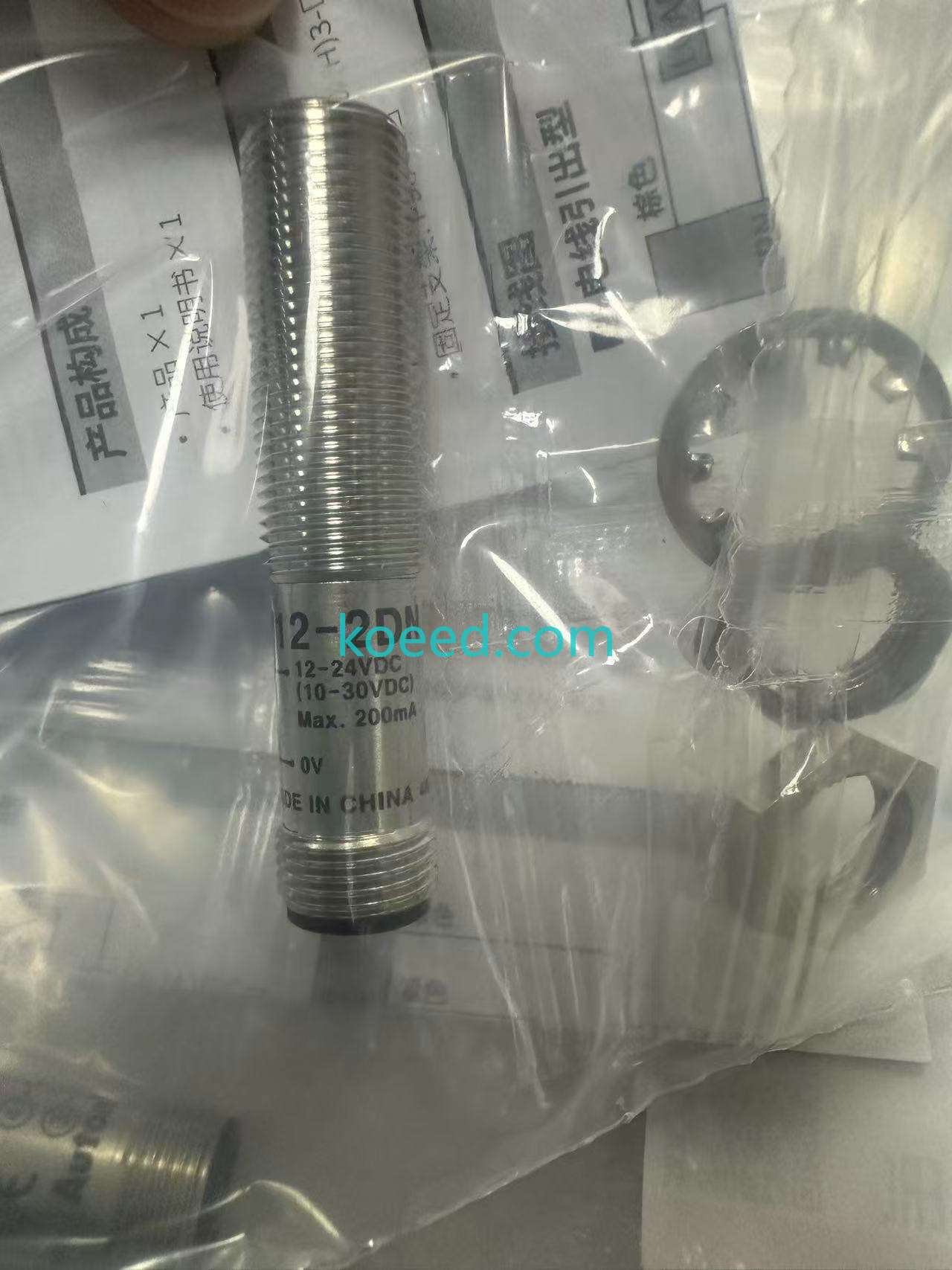
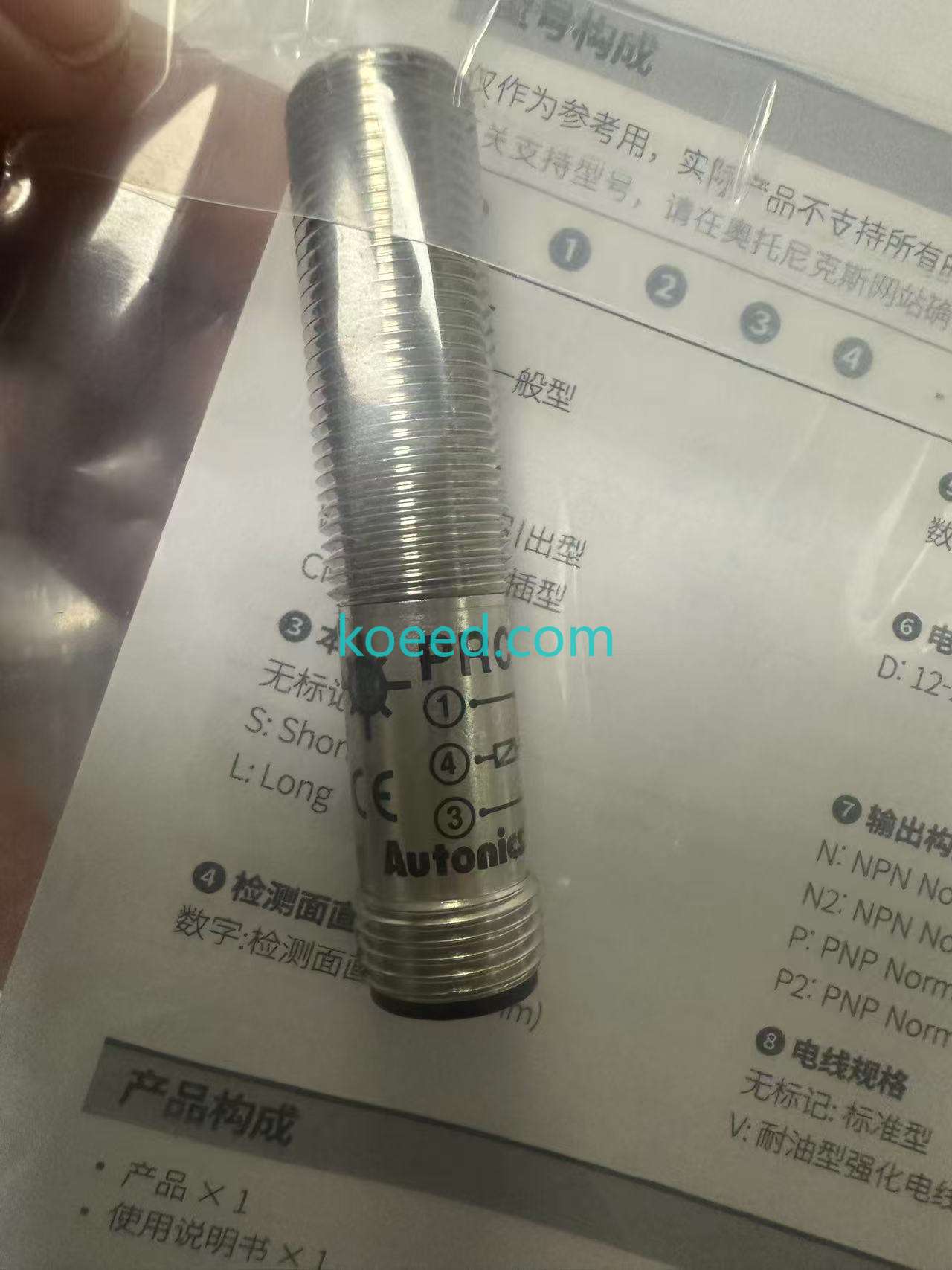
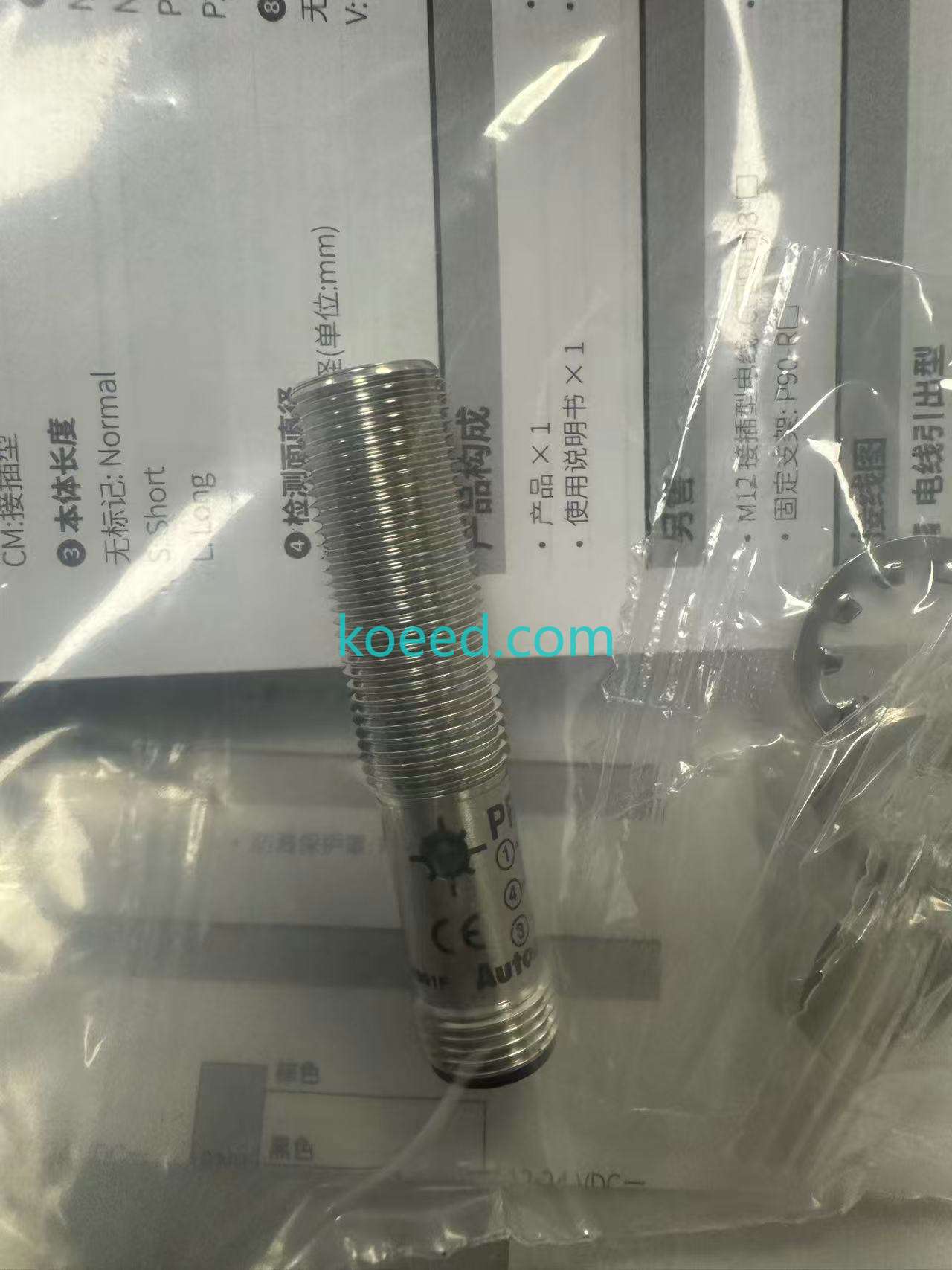
The gallery below captures the PRCM12-2DN from multiple inspection angles. Use these images for incoming QA checks, wiring reference, and mechanical clearance planning.

PRCM12-2DN demonstration and installation preview — watch for LED response and M12 seating.

IT/OT Convergence: Wiring the Sensor into a 2026 Architecture

Modern plants no longer treat sensors as isolated components. A discrete NPN inductive sensor like the PRCM12-2DN becomes part of a broader data chain: from sensing face to PLC input, then to edge gateways and cloud-based CMMS or MES systems. When wiring this sensor, observe the following practices:

  • Input confirmation: Verify the PLC input is configured for NPN sinking logic. For a mismatch with a PNP card, use a qualified signal converter or select the PRCM12-2DP variant.
  • Cable length: Keep M12 cable runs as short as practical. In high-noise areas, use shielded M12 cables and avoid routing parallel to VFD motor leads.
  • Sensor status: Use the onboard LED during commissioning and maintenance walks to verify target detection and wiring continuity.
  • Data integration: For condition-monitoring use cases, connect the sensor signal through an IO-Link master or smart I/O hub to capture event timestamps, cycle counts, and downtime triggers.

The PRCM12-2DN is not an IO-Link sensor, but its reliable discrete output makes it an excellent edge device for high-speed counting and presence verification. Pair it with a modern PLC or edge gateway to feed cycle-count KPIs into your MES/ERP system. This integration enables predictive maintenance and live OEE tracking without replacing proven field hardware.

For full compatibility data and wiring diagrams, visit the PRCM12-2DN model page.

ROI, TCO & Sustainability Analysis

Inductive proximity sensors are often viewed as commodity items, but the PRCM12-2DN provides measurable returns in high-cycle applications:

  • Long service life: No moving parts and solid-state output reduce wear-related failures and unplanned downtime.
  • Noise immunity: Dedicated IC design reduces false triggering in inverter-heavy environments, preventing scrapped parts and production disruptions.
  • Fast installation: The M12 connector allows tool-free replacement, shortening machine changeover and maintenance windows.
  • Low power consumption: Minimal DC current draw supports distributed 24 VDC control architectures.
  • Sustainability: Lower replacement frequency, reduced packaging waste, and drop-in compatibility with legacy PR12 series sensors support circular-economy goals.

When evaluating total cost of ownership, factor in reduced wiring time, fewer false-trigger events, and cross-compatibility with existing mounting hardware. The PRCM12-2DN typically pays for itself within the first avoided production interruption.

Maintenance, Troubleshooting & Predictive Monitoring

Preventive maintenance begins with visual inspection and disciplined signal monitoring. Use the onboard LED and your PLC input status as a first-line diagnostic tool.

Pro Tip: If the sensor becomes intermittent at high speeds, verify the target is within the 2 mm sensing distance and the mounting is rigid. Mechanical vibration or loose brackets can push the target outside the effective sensing zone during fast cycles.

Common Fault Checklist

  • LED not illuminating: Check 12–24 VDC supply polarity and M12 connector seating.
  • No output signal: Confirm NPN vs PNP input compatibility and control wiring.
  • False triggering: Look for adjacent metal interference, water ingress, or high-frequency electromagnetic noise from nearby motor cables.
  • Reduced sensing distance: Confirm the sensing face is clean and free from metallic debris; verify target material and thickness.

Frequently Asked Questions

What is the rated sensing distance of the PRCM12-2DN?

The rated sensing distance is 2 mm for a standard 12 × 12 × 1 mm iron target, with a typical operating tolerance of ±10%.

Is the PRCM12-2DN shielded or unshielded?

It is flush-mount / shielded, meaning it can be embedded into metal surfaces without affecting the sensing field.

What is the difference between NPN and PNP output?

NPN (sinking) output switches the load to 0 VDC and suits NPN input cards. PNP (sourcing) output switches to +24 VDC and is common in European PLC systems. Choose the variant that matches your controller.

Can the PRCM12-2DN detect non-ferrous metals?

Inductive sensors are optimized for ferrous metals. Detection of non-ferrous metals may require a reduced sensing distance or a correction factor. Verify the target material against the datasheet before finalizing application parameters.

What is the operating voltage range?

The PRCM12-2DN is a DC 3-wire sensor typically designed for 12–24 VDC operation. Always confirm the exact ripple and voltage limits in the official Autonics datasheet.

Can I replace a legacy PR12 cable-type sensor with the PRCM12-2DN?

Yes, in most cases the PRCM12-2DN is a drop-in upgrade when the control circuit accepts an M12 connector and NPN NO output. Always verify sensing distance, polarity, and mounting constraints first.

Get the PRCM12-2DN Into Your Production Line

Whether you are replacing legacy sensors, standardizing spares, or commissioning a new machine build, the Autonics PRCM12-2DN delivers proven sensing performance in a compact M12 package.

Secure Your PRCM12-2DN Stock

Review current availability, request pricing, or discuss volume sourcing with the Koeed industrial automation team.

Related Articles

Tillbaka till blogg