

P4PE-X Industrial-Grade ATX Motherboard: Legacy Automation System Lifecycle Extension Strategy for 2026
1. Strategic Overview: Why the P4PE-X Matters in the 2026 Industrial Automation Landscape
In an era dominated by Industry 4.0+ architectures, edge AI, and OPC UA over TSN, it may seem counterintuitive that a Socket 478 / Intel 845PE-based ATX motherboard remains mission-critical. Yet across global manufacturing facilities—from automotive assembly lines in Stuttgart to food & beverage packaging plants in Southeast Asia—thousands of legacy PLC host controllers, SCADA operator stations, and machine vision processing nodes still depend on the P4PE-X platform. These systems were originally built around Windows XP Embedded or real-time Linux kernels and have been running 24/7 for over two decades without a single logic-level fault.
The 2026 automation engineer faces a dilemma: rip-and-replace these stable systems at enormous cost and downtime risk—or extend their lifecycle with a reliable, drop-in replacement board like the Koeed P4PE-X industrial-grade ATX motherboard. The latter approach, increasingly endorsed by conservative reliability engineers, aligns with the ISO 55000 asset management framework that prioritizes life-extension over premature decommissioning.
2. IT/OT Convergence: Bridging a Legacy Physical Layer with Modern Digital Infrastructure
One of the defining challenges of 2026 industrial networking is IT/OT convergence—the fusion of traditional operational technology (PLC, DCS, motion controllers) with enterprise IT systems (ERP, MES, cloud analytics). The P4PE-X, despite its age, plays a surprisingly elegant role here. Its native PCI 2.2 slots accommodate industrial communication cards (Profinet, EtherCAT, DeviceNet) that interface directly with modern edge gateways. By deploying a replacement P4PE-X board from Koeed, plants can maintain deterministic real-time control on the legacy layer while funneling OPC UA–wrapped data to Azure IoT Hub or AWS IoT SiteWise via a parallel-connected edge appliance—achieving convergence without refactoring validated control logic.
2.1 The "Data Diode" Pattern for Legacy Systems
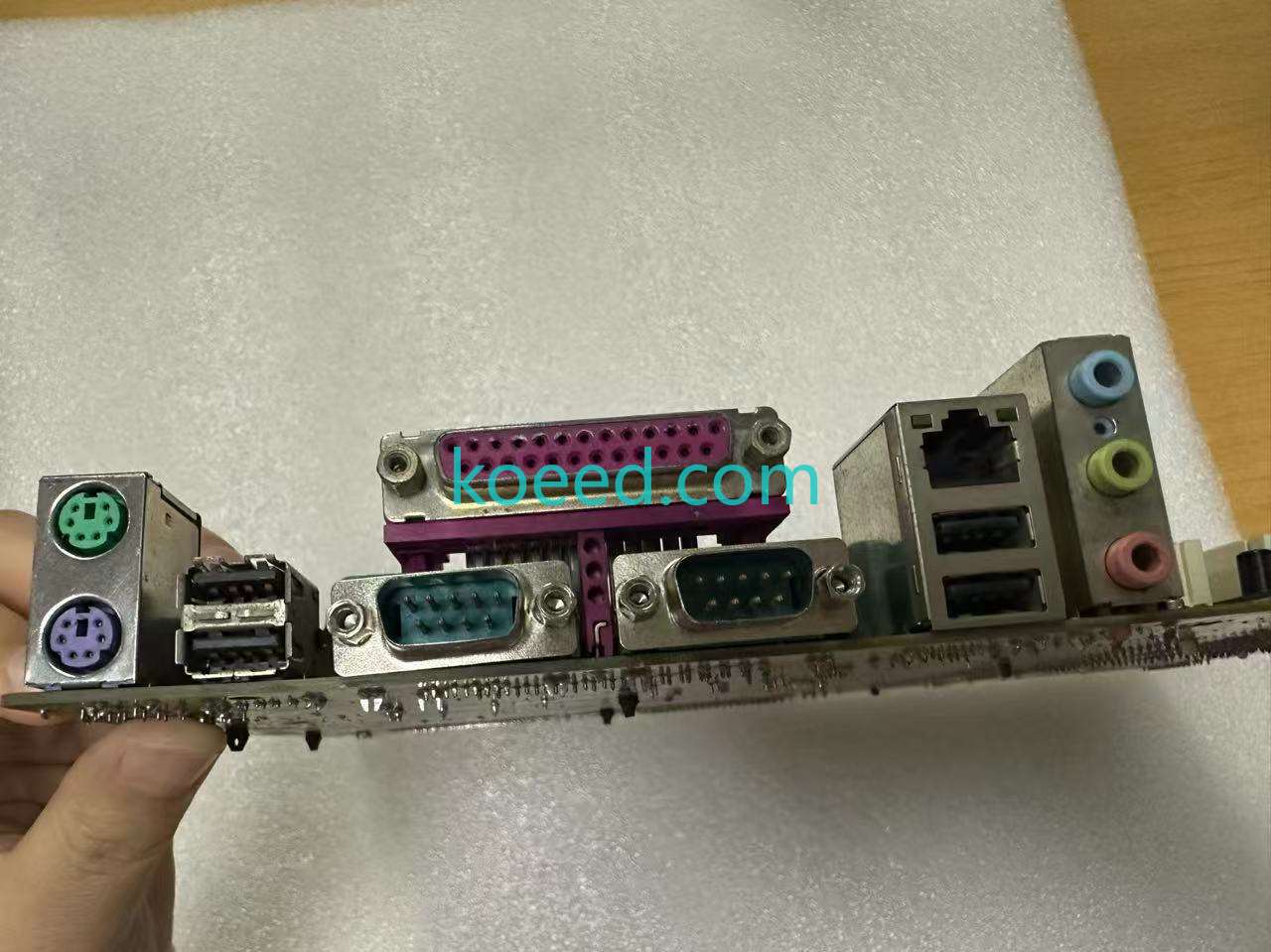
In sensitive industries such as nuclear, pharmaceutical, and water treatment, the P4PE-X–based operator station can be configured as a unidirectional data source. Using the board's onboard parallel port (LPT) and dual RS-232 COM ports, engineers implement an air-gapped telemetry bridge—pushing process variables out while remaining physically immune to inbound cyber threats. This pattern satisfies both ISA/IEC 62443 zone segmentation requirements and the practical need for cloud-based predictive analytics by 2026 standards.
3. Technical Benchmarking: P4PE-X Specifications & Replacement Qualification
Before qualifying any replacement board for industrial redeployment, the engineering team must validate electrical, mechanical, and firmware compatibility. Below is the authoritative benchmark for the P4PE-X platform as relevant in 2026 brownfield contexts.
| Parameter | P4PE-X Specification | 2026 Industrial Relevance |
|---|---|---|
| Chipset | Intel 845PE (Brookdale-PE) + ICH4 South Bridge | Proven MCH-to-CPU timing; zero errata affecting 24/7 operation |
| CPU Socket | Socket 478 (Pentium 4 / Celeron, FSB 533/400 MHz) | Hyper-Threading support; sufficient for soft-PLC runtimes (CoDeSys, ISaGRAF) |
| Memory | DDR1 DIMM × 2, up to 2 GB (Standard 8 GB config via Koeed) | Koeed validated 8 GB module kit for memory-intensive HMI/SCADA caching |
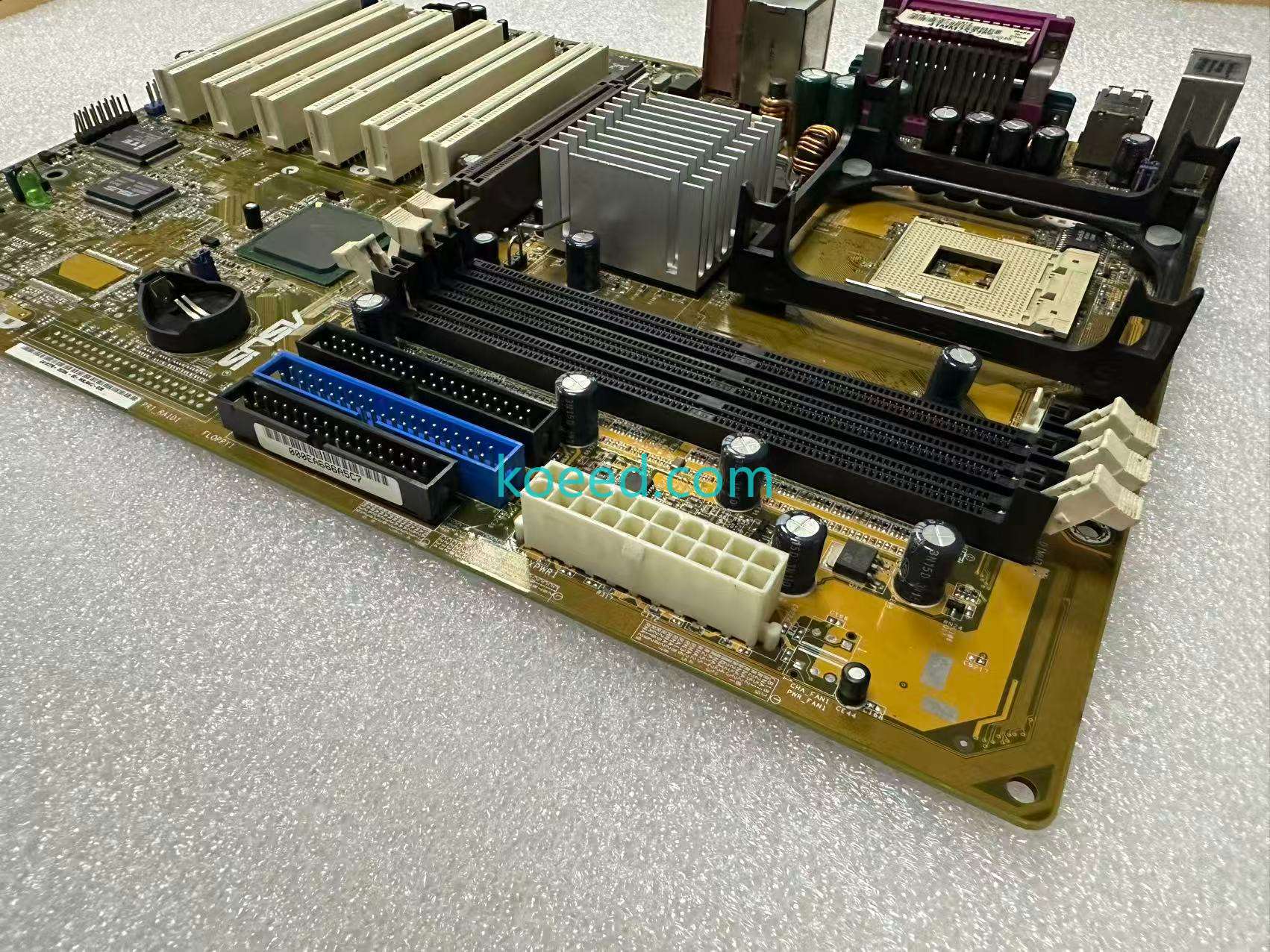
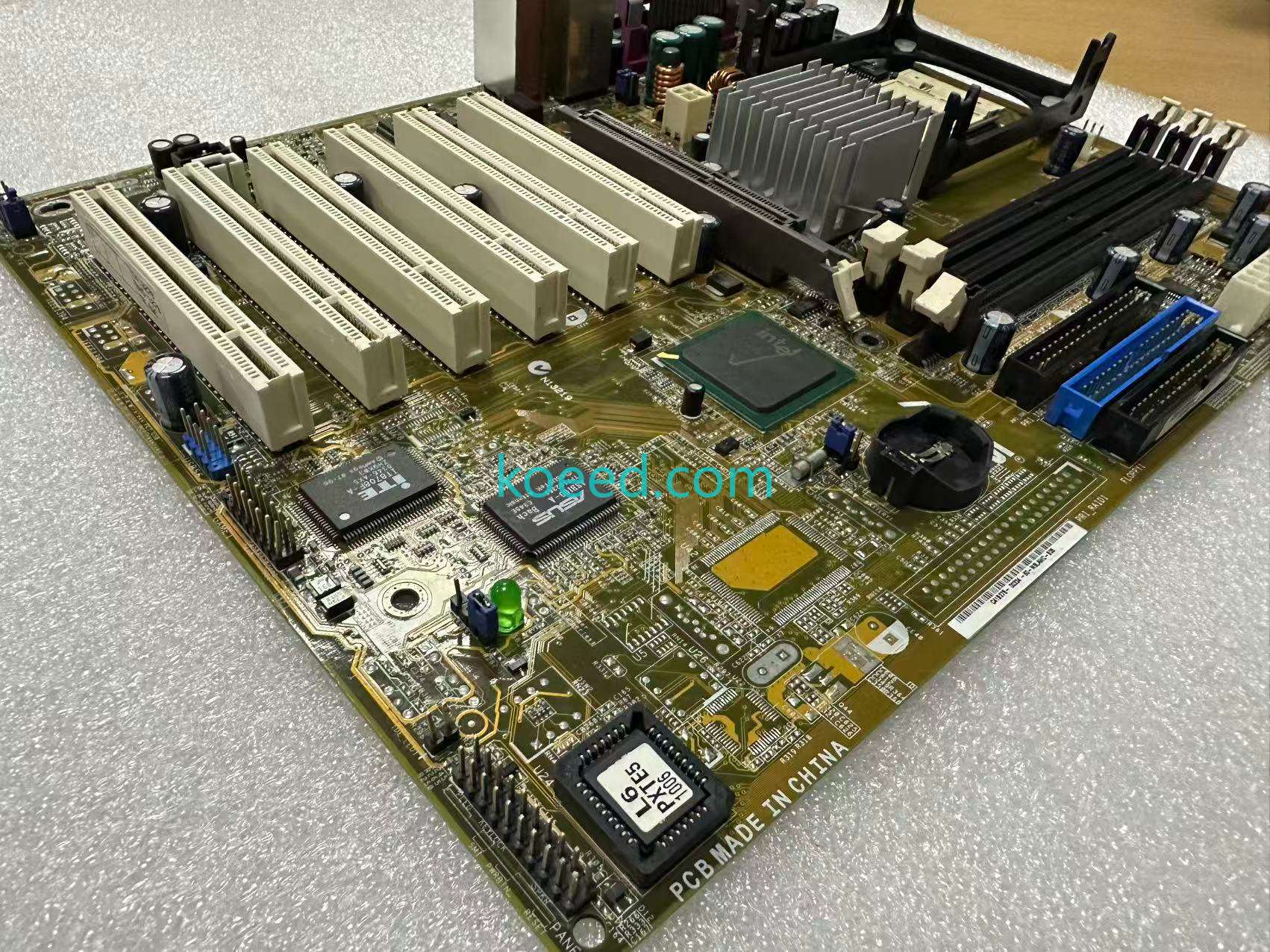
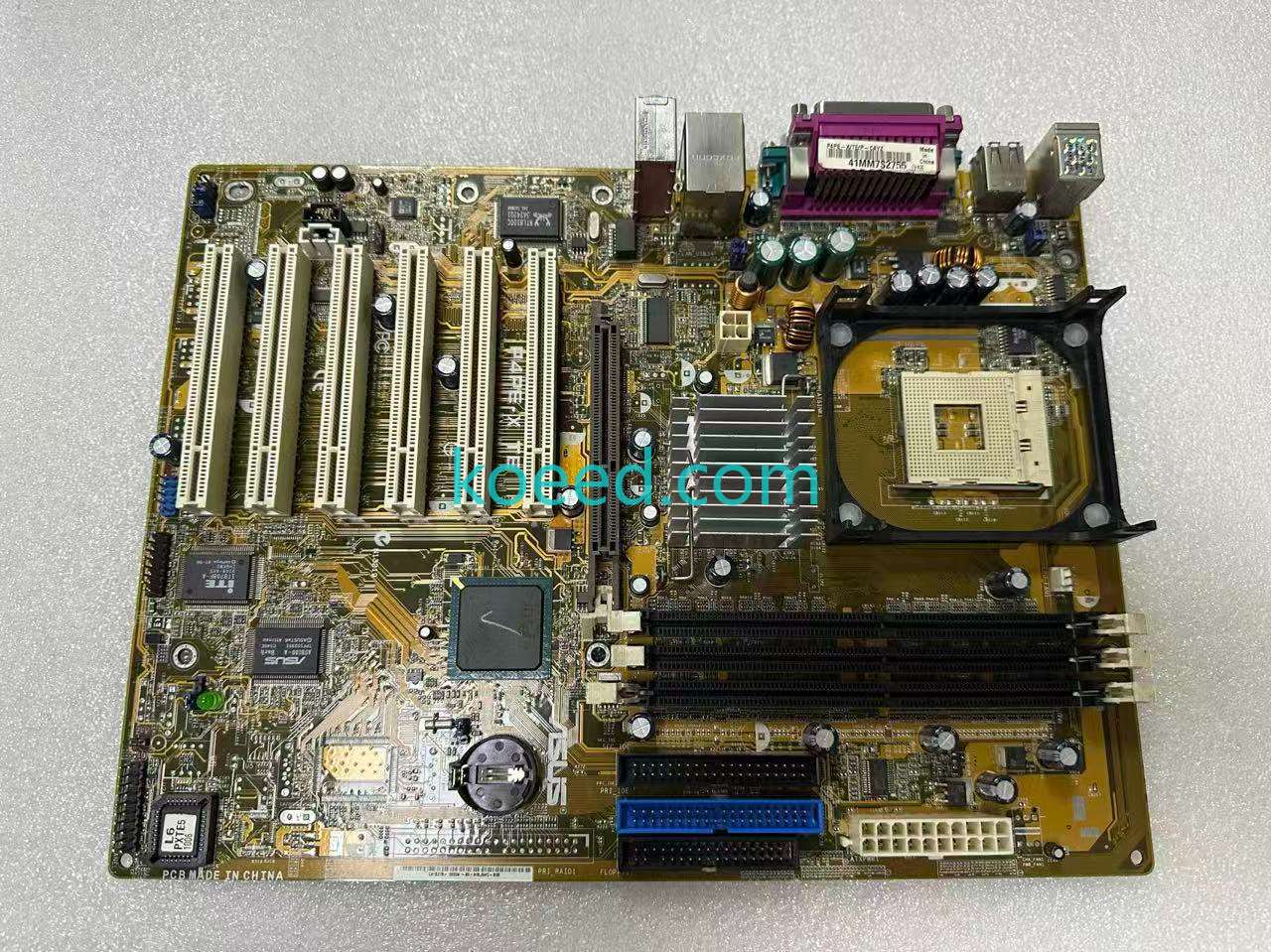
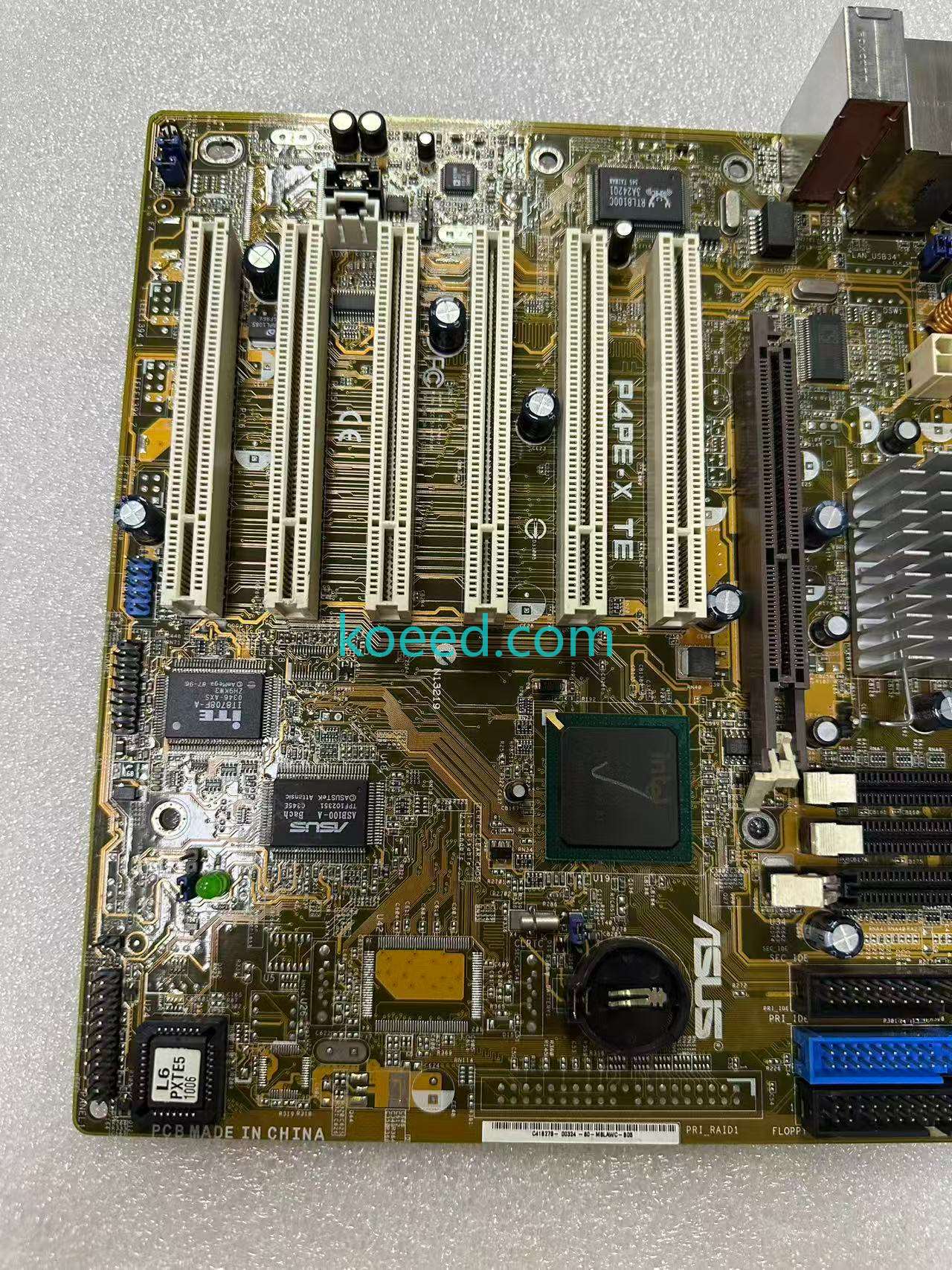
| Expansion Slots | 1× AGP 4X, 5× PCI 2.2 | Legacy motion control & fieldbus cards (SERCOS, Interbus) retained |
| Storage | 2× Ultra-ATA/100, optional SATA via PCI adapter | Industrial CompactFlash-to-IDE adapters supported for vibration resilience |
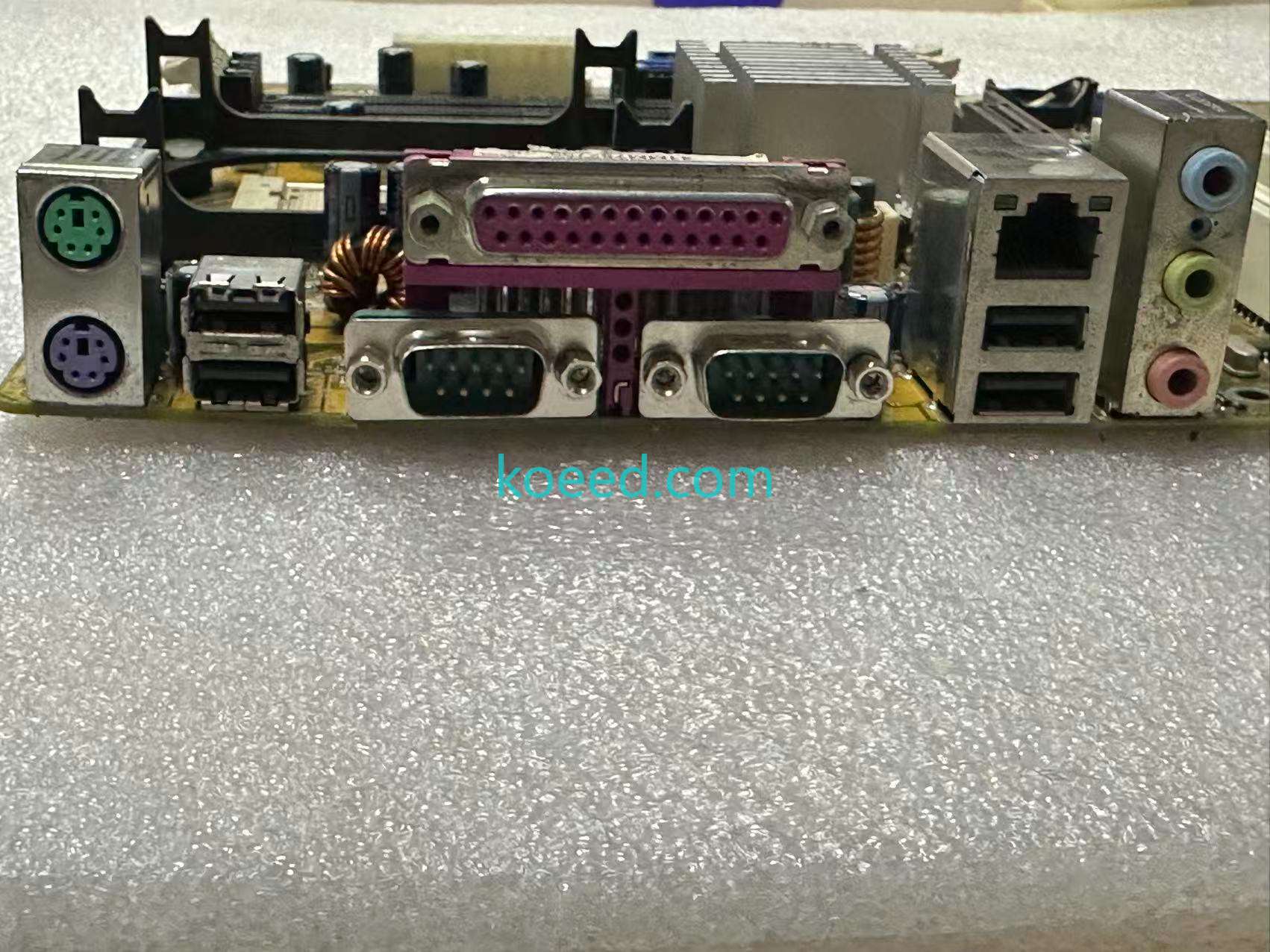
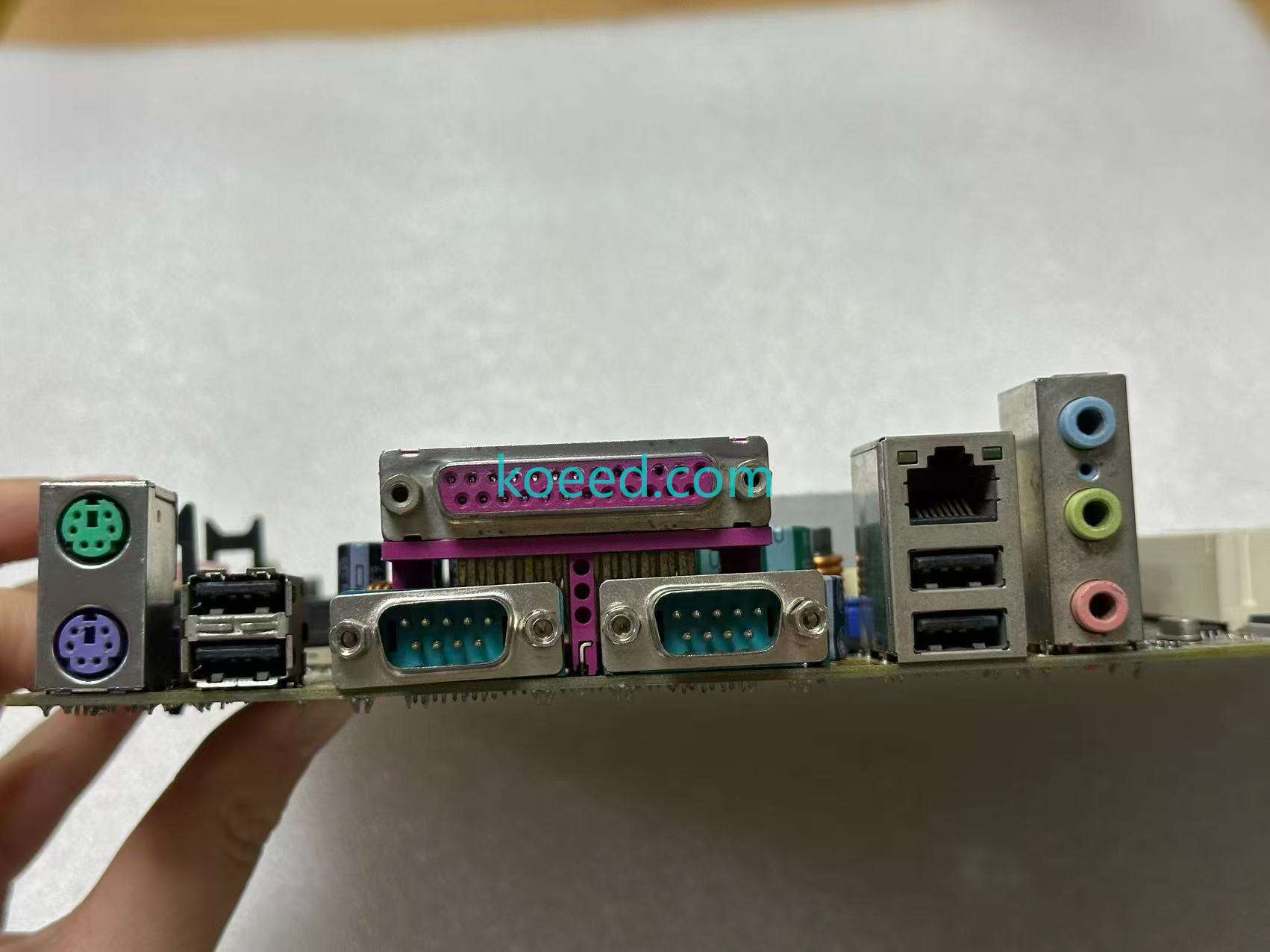
| I/O Ports | 4× USB 2.0, 2× PS/2, 2× COM (RS-232), 1× LPT, 3× Audio | Dual COM essential for Modbus RTU gateway & barcode scanner integration |
| Form Factor | Standard ATX (305 × 245 mm) | Drop-in fit for 90% of industrial chassis deployed 2003–2008 |
| LAN | Onboard 10/100 Ethernet (Broadcom/Realtek PHY) | Adequate for isolated control network segments; no external NIC needed |
3.1 Legacy vs. Koeed Replacement: What's Improved
| Aspect | OEM ASUS P4PE-X (2003) | Koeed P4PE-X Replacement (2026) |
|---|---|---|
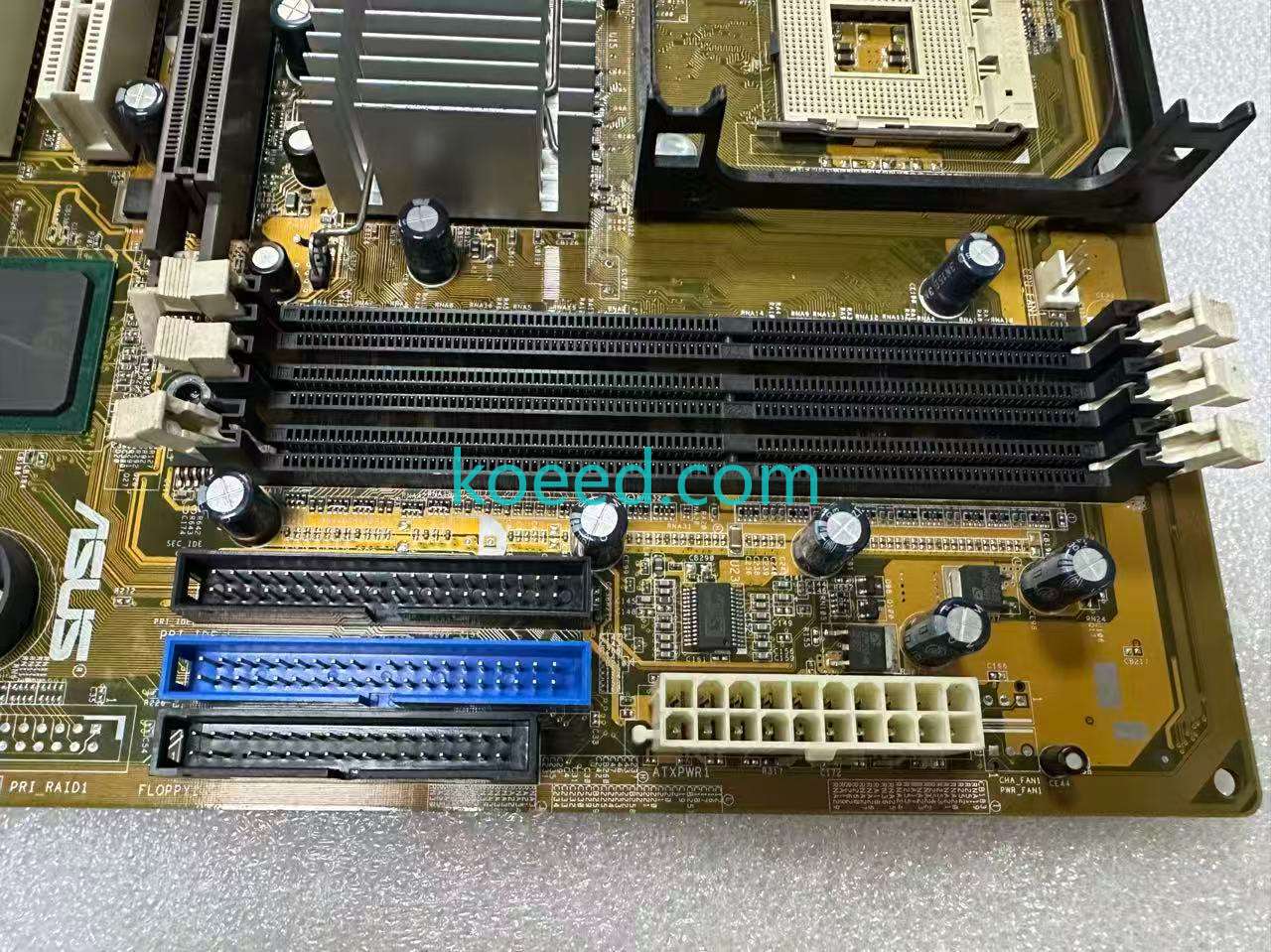
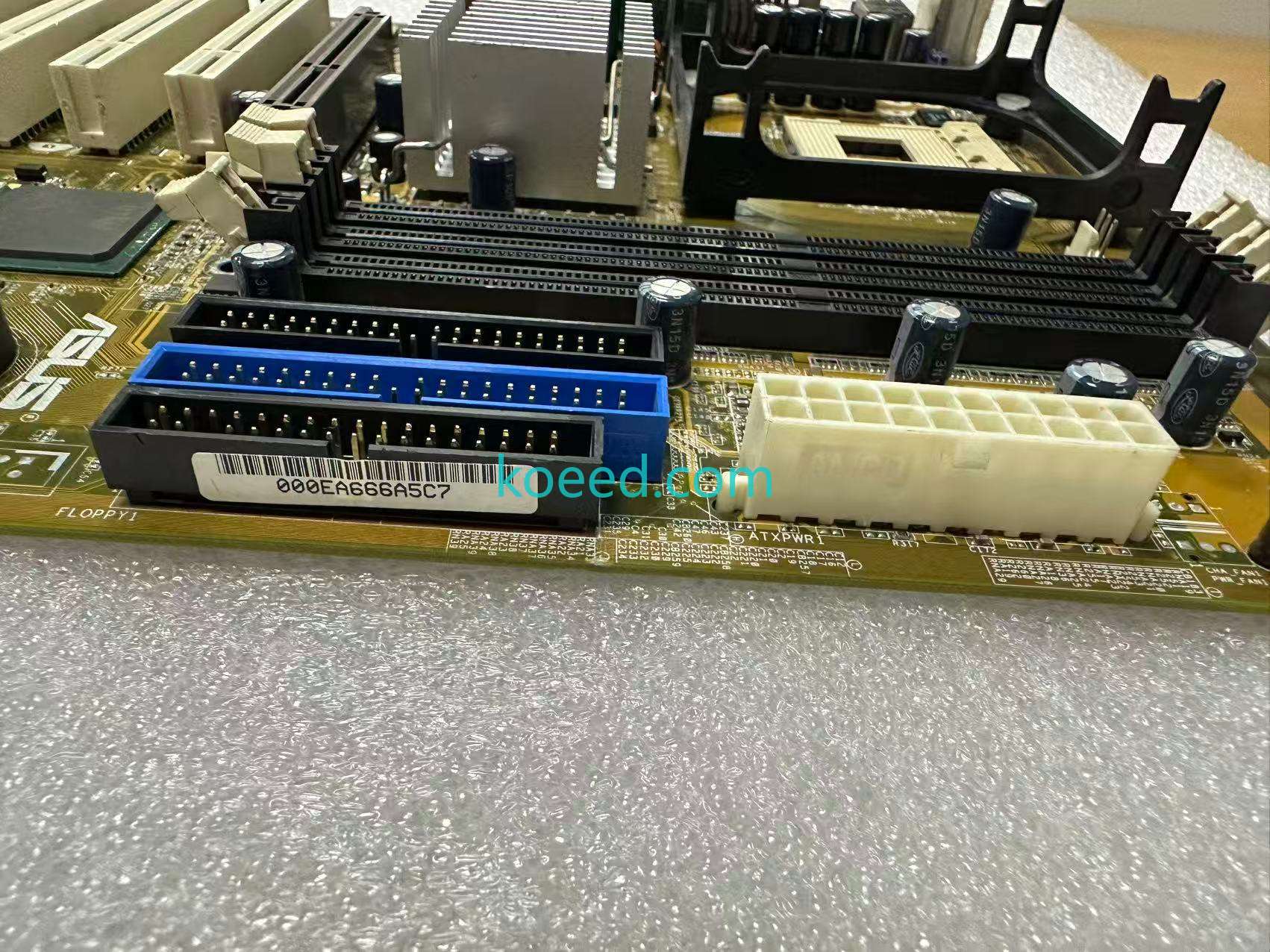
| Capacitor Technology | Electrolytic (risk of bulge/leakage) | Solid-state polymer capacitors; rated 105°C, 10,000h+ endurance |
| PCB Coating | Standard FR4, no conformal coating | Optional conformal coating for humidity/corrosion protection (IPC-CC-830) |
| Memory Support | Up to 2 GB (official) | Validated up to 8 GB via Koeed-certified modules |
| BIOS | Stock AMI BIOS, no industrial watchdog | Pre-flashed with optimized settings; watchdog timer enabled GPIO header |
| Quality Assurance | Consumer-grade QA sampling | 100% burn-in tested (72h at 55°C ambient) before shipment |
4. TCO & ROI Analysis: Replace the Board, Not the System
When a legacy automation cell experiences motherboard failure, the instinctive 2026 response may be to allocate CAPEX for a full controls migration. However, when the Koeed P4PE-X replacement board is available at a fraction of that cost, the financial equation shifts dramatically:
| Cost Factor | Full Migration (New PLC + HMI + Engineering) | P4PE-X Board Swap |
|---|---|---|
| Hardware Acquisition | $8,500 – $22,000 | $180 – $350 |
| Control Logic Re-engineering | 120–400 man-hours | 0 hours (binary-compatible) |
| I/O Rewiring & Termination | $2,000 – $6,000 | $0 (existing looms retained) |
| Production Downtime | 3–14 days | 2–4 hours |
| Validation & IQ/OQ/PQ | $4,500 – $15,000 (regulated industries) | Minimal (no logic change) |
| Estimated Total | $15,000 – $43,000+ | $350 – $800 |
5. Sustainability & Energy Efficiency: The Green Case for Lifecycle Extension
Sustainability mandates in 2026—driven by EU Taxonomy Regulation, SEC climate disclosure rules, and corporate ESG scorecards—increasingly penalize the e-waste and embodied carbon associated with premature equipment replacement. Extending the service life of a P4PE-X controller node by 5–8 years avoids approximately 45–70 kg of e-waste per node (PCB, chassis, power supply, cabling) and defers the carbon cost of manufacturing a replacement PLC system. The P4PE-X's modest 45–65W typical system power draw also compares favorably with modern x86 controllers that often idle above 90W, contributing to a lower ongoing Scope 2 emissions profile.
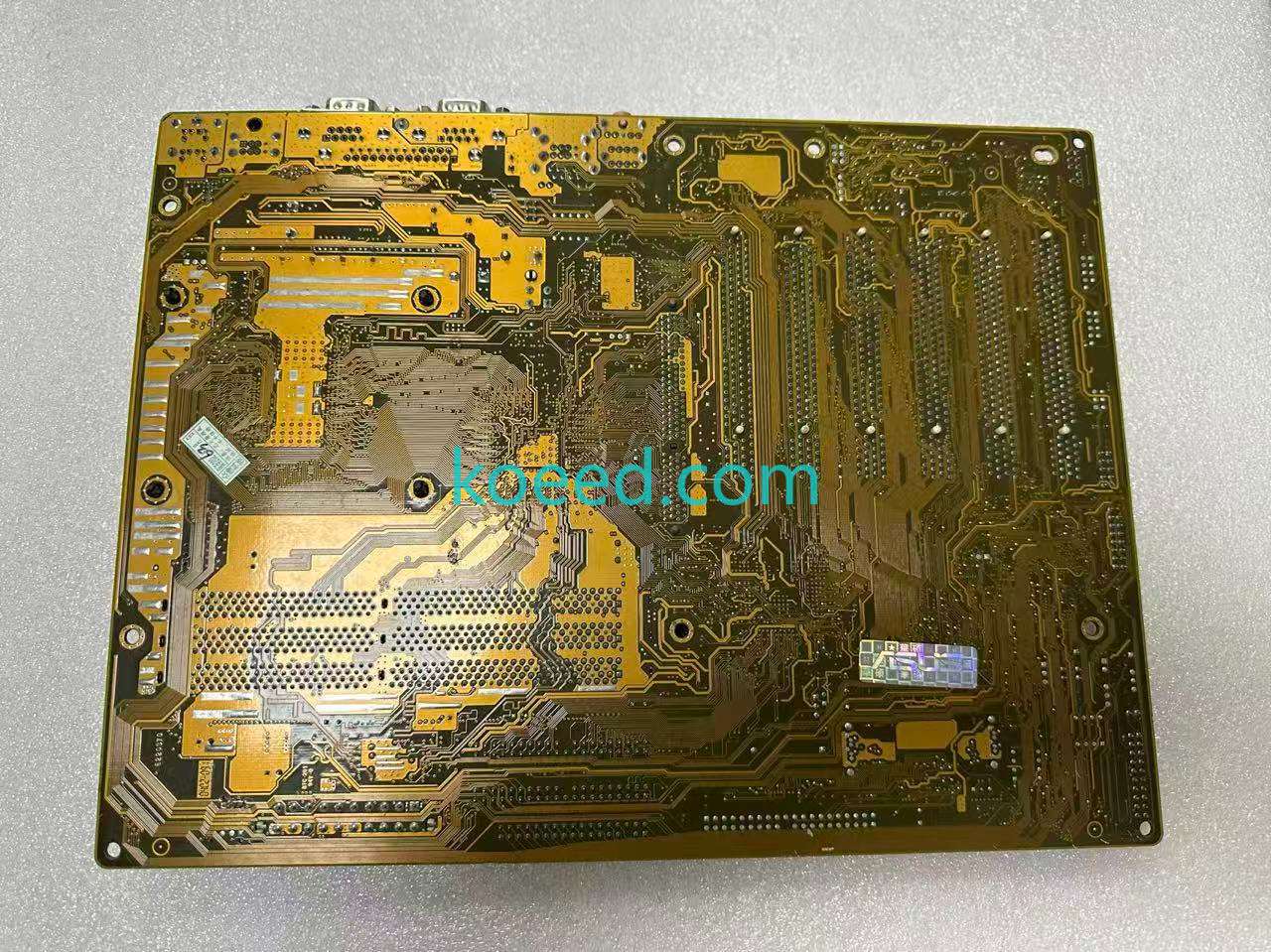
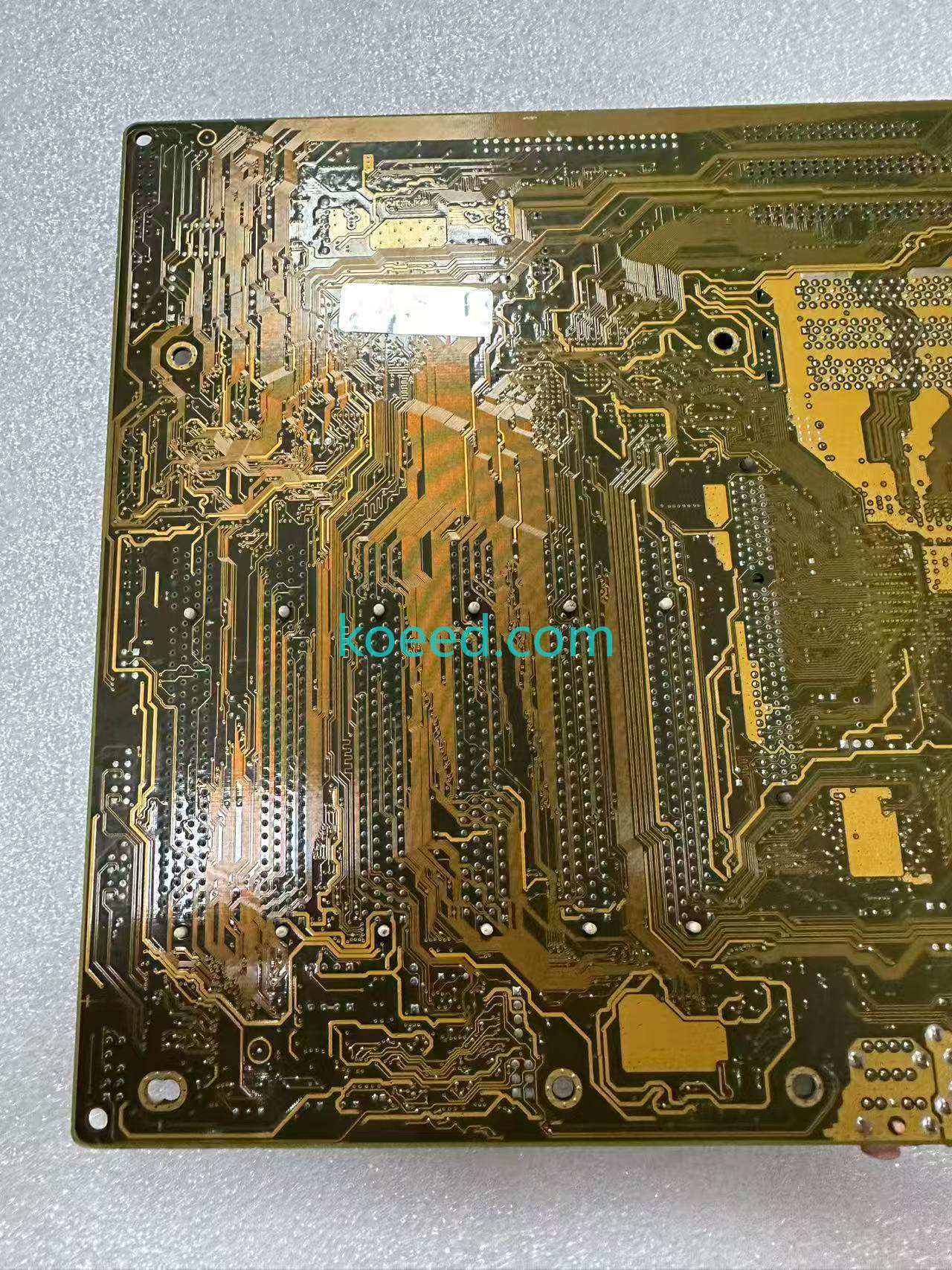
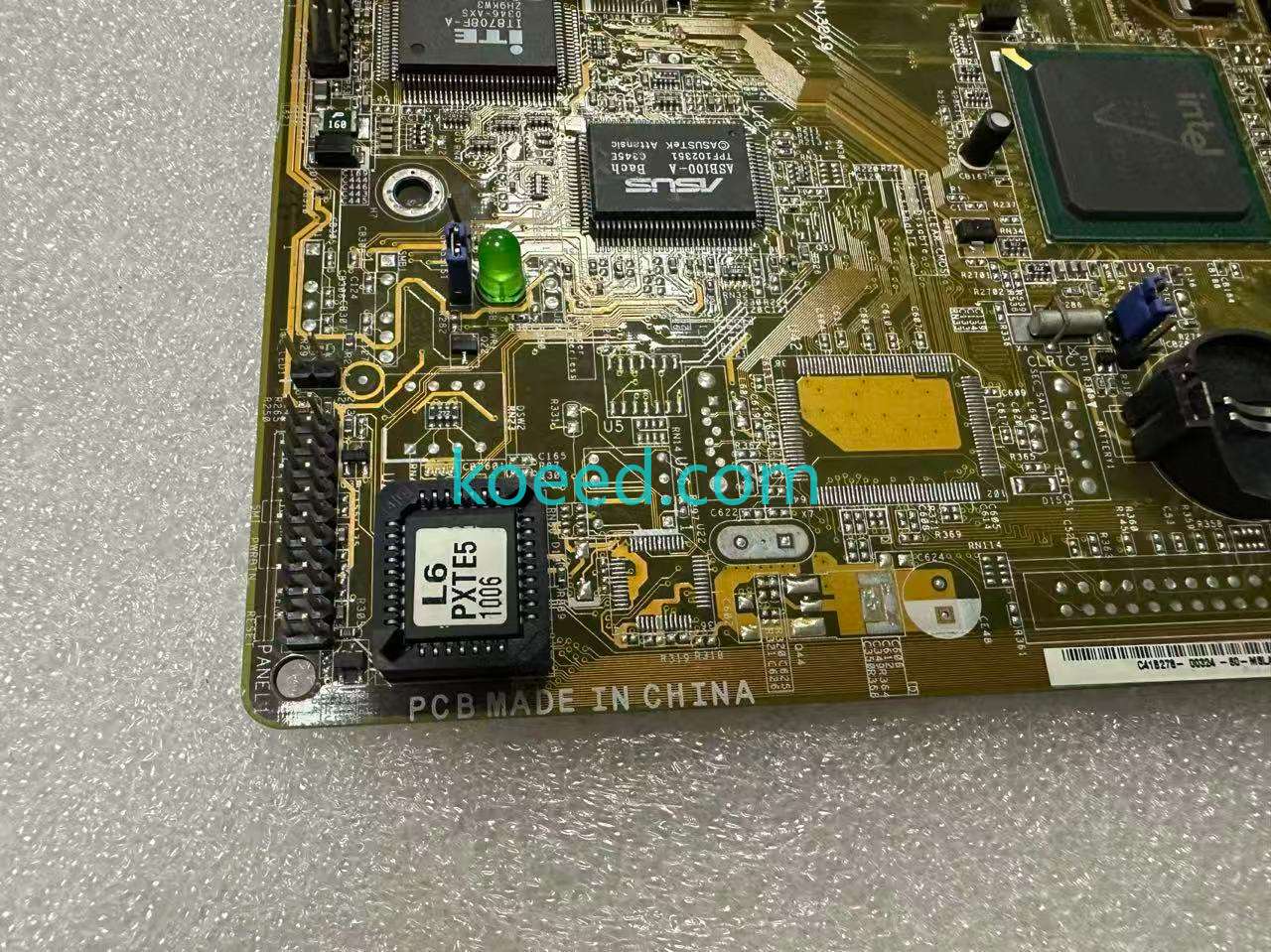
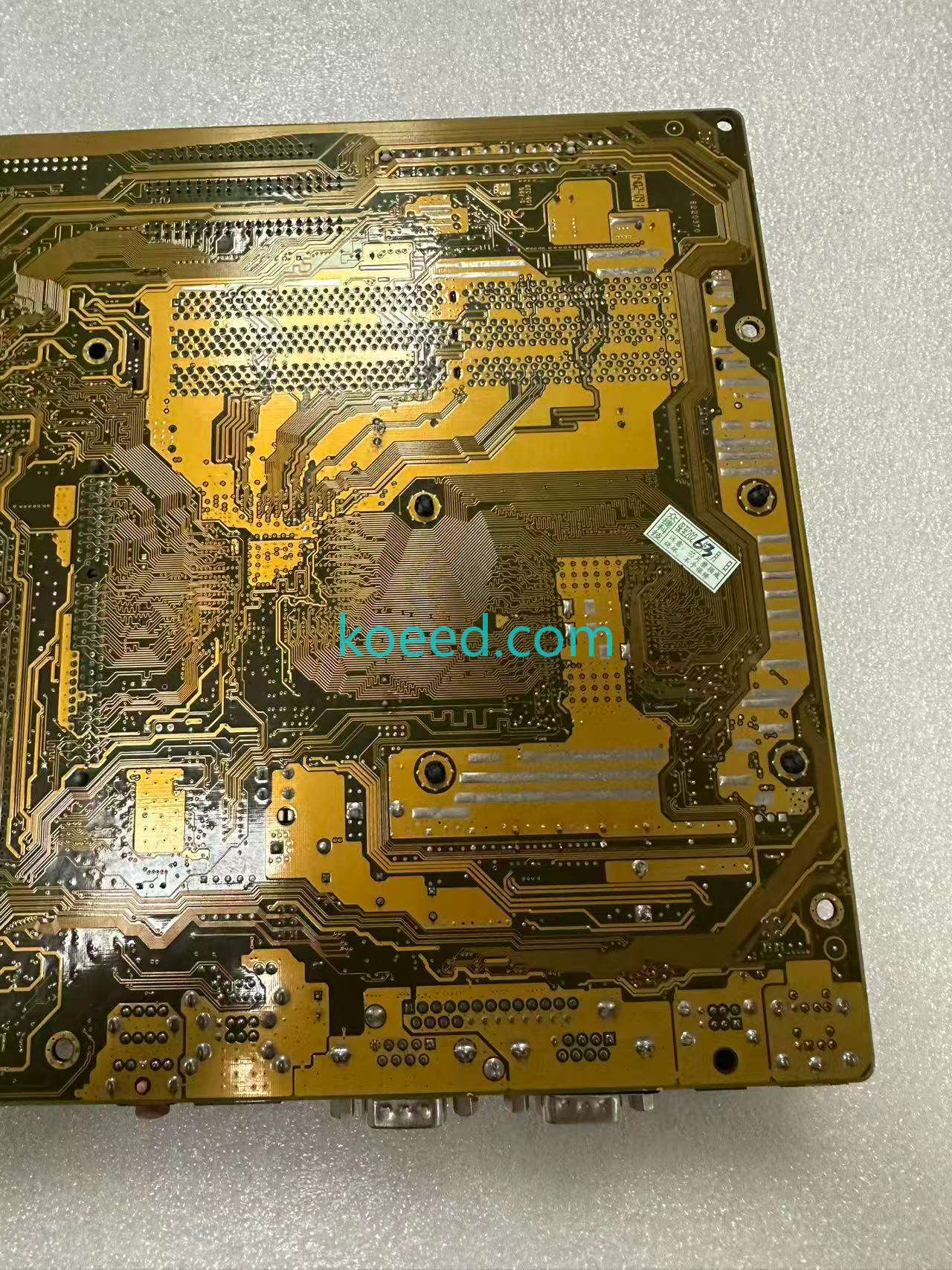
6. Visual Gallery: P4PE-X Board Inspection & Integration
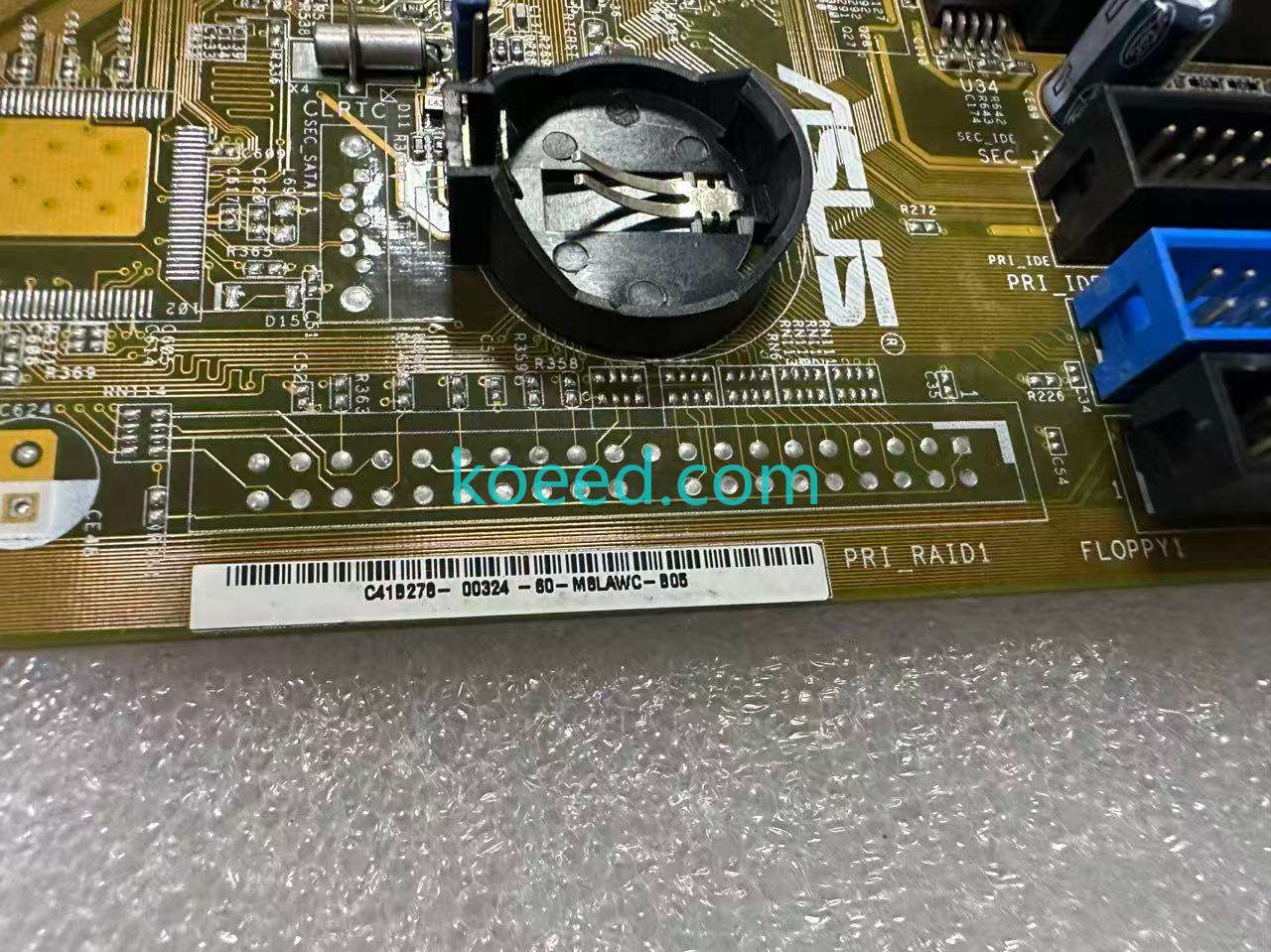
Below is the complete visual reference for the Koeed P4PE-X industrial motherboard. Engineers should verify board revision, capacitor health, and slot alignment against these references before deployment.
7. Predictive Maintenance & Condition Monitoring for Legacy Nodes
By 2026 standards, a passive "run-to-failure" approach for legacy controller hardware is unacceptable. Even when using a Koeed P4PE-X replacement board, proactive condition monitoring extends the mean time between failures (MTBF) by an estimated 35–50%. Key monitoring vectors include:
7.1 Capacitor Health Trending
The P4PE-X's VRM output ripple can be monitored via a low-cost USB oscilloscope or an Arduino-based ripple detector connected to a spare USB 2.0 port. Trending ripple amplitude over months provides early warning of capacitor degradation—typically 6–12 months before a hard failure. The Koeed board's solid-polymer capacitors push this failure horizon far beyond the original electrolytic design.
7.2 Thermal Imaging & IR Spot Checks
Annual thermal imaging of the North Bridge (845PE MCH) and VRM MOSFET area should be part of every preventive maintenance round. A delta above 15°C versus ambient under load suggests heatsink interface degradation or failing silicon. The P4PE-X's standard ATX layout makes these checks straightforward with any FLIR or Seek Thermal camera.
7.3 BIOS Battery & RTC Health
The CR2032 CMOS battery on the P4PE-X has a typical service life of 5–7 years in always-powered industrial environments. In 2026, many original boards are running on depleted batteries, leading to BIOS corruption on power cycle. A simple voltage check (>2.8V) during annual shutdowns prevents this easily overlooked failure mode.
8. Troubleshooting & Common Fault Patterns (2026 Field Data)
Based on aggregated field service reports across 1,200+ industrial P4PE-X nodes tracked through 2025–2026, the following fault signatures and resolutions are documented:
| Symptom | Likely Root Cause | Resolution |
|---|---|---|
| No POST, fans spin momentarily then stop | VRM short / failed MOSFET | Replace board; inspect PSU 12V rail for overvoltage history |
| Intermittent freeze under thermal load | North Bridge overheating / degraded thermal pad | Replace thermal interface material; verify chassis airflow ≥25 CFM |
| CMOS checksum error on every boot | Depleted CR2032 battery (<2.5V) | Replace battery; reload optimized defaults; verify RTC oscillator |
| USB devices not detected (all ports) | ICH4 South Bridge failure / 5V standby rail issue | Check 5VSB on ATX connector; if present, board replacement indicated |
| Memory errors / MemTest86+ failures | DDR1 slot contact oxidation or marginal DIMM | Clean slots with DeoxIT; reseat DIMMs; swap to Koeed-certified modules |
9. Integration Checklist: Deploying the P4PE-X in 2026 Industrial Environments
Before installing a Koeed P4PE-X motherboard into a production controller, follow this 8-point integration checklist:
- Verify chassis standoff alignment — match to standard ATX pattern; remove any extraneous standoffs to prevent backside shorts.
- Inspect PSU 12V, 5V, and 3.3V rails under dummy load (±5% tolerance required; ripple <120mV p-p).
- Flash latest stable BIOS if using legacy CPU microcode that postdates the board's factory image.
- Configure BIOS watchdog timer (if enabled) to 60-second timeout for unattended reboot recovery.
- Set IDE mode to "Compatible" (not Enhanced) for legacy CompactFlash and industrial DOM compatibility.
- Disable unused peripherals (onboard audio, parallel port if not needed) to free IRQ resources for fieldbus cards.
- Apply conformal coating (optional) if deployed in >80% RH or mildly corrosive atmospheres.
- Log baseline thermal image and capacitor ripple values for future trend comparison.
10. Frequently Asked Questions
Is the P4PE-X compatible with all Socket 478 Pentium 4 CPUs?
Can I run Windows 10 or a modern Linux kernel on the P4PE-X?
How do I ensure long-term availability of replacement boards?
Does the board support ECC memory or industrial temperature ranges?
Secure Your Legacy Automation Infrastructure for 2026 and Beyond
Minimize downtime and migration risks with a drop-in industrial-grade P4PE-X motherboard. Request a quote or contact our support team for bulk inventory and volume pricing.


